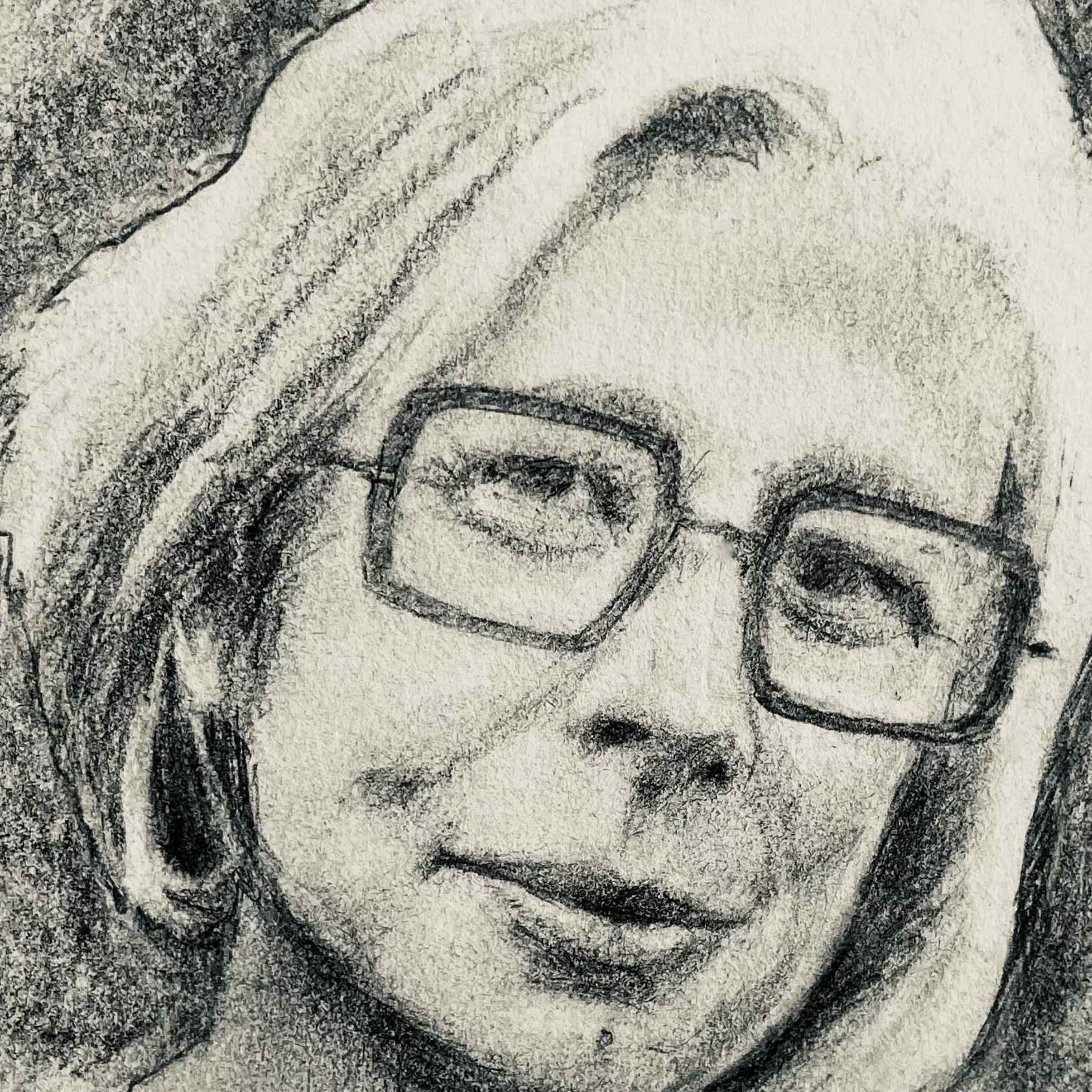
THE MATCHBOX GIRL: Recreating Hans Asperger's world in fiction
About this episode
Alice Jolly discusses her novel 'The Matchbox Girl', exploring the historical context of Hans Asperger's clinic and the experiences of neurodiverse individuals in the 1930s.
In this episode novelist and playwright Alice Jolly talks about her latest novel, 'The Matchbox Girl'' about a neurodiverse girl and then young woman who is referred to Asperger's clinic in Vienna in the 1930s. Alice talks about her decision to use a female patient/narrator and how the book 'felt like a radio you couldn't properly tune in' until she found Adelheid, her narrator's voice. We discuss other members of the clinical team including Annie Weiss and George Frankl, both of who had to leave the clinic because they were Jewish and migrated to America. We discuss revelations about Asperger's child referrals to the clinic where the disabled were killed, a practice that wasn't public at the time but seems to have been widely known - an action at odds with the clinic sheltering a Jewish boy througout the war and the way he emphasises the social value of the patients he describes in his paper on 'autistic psychopathy'. We also touch on the appalling and discredited 'refrigerator mother' theory from the 1950s, an idea dismissed by Asperger in his 1944 paper. Great insights into the backgorund to an engaging novel. Participants: Alice Jolly, novelist and playwright…
People in this episode
Host: Ken Barrett
Guest: Alice Jolly
Mentioned in this episode
Books & works: The Matchbox Girl
More episodes of BRAINLAND
- PROTO: Uncovering the shared origin of the world's most spoken languages.
- GEORGE SAND: The life, times and shifting reputation of an early feminist writer and thinker.
- TRANSHUMANISM: Humanity's great hope or the devil's work?
- HANS ASPERGER AND THE AUTISTIC SPECTRUM: Reflections on the past, present and future
- SEASON 2 FINALE: Surfing Brainland
- FRANKENSTEIN DISASSEMBLED: The remarkable life of Mary Shelley.
Explore listener stats, chart rankings, contacts and more on the BRAINLAND podcast page.