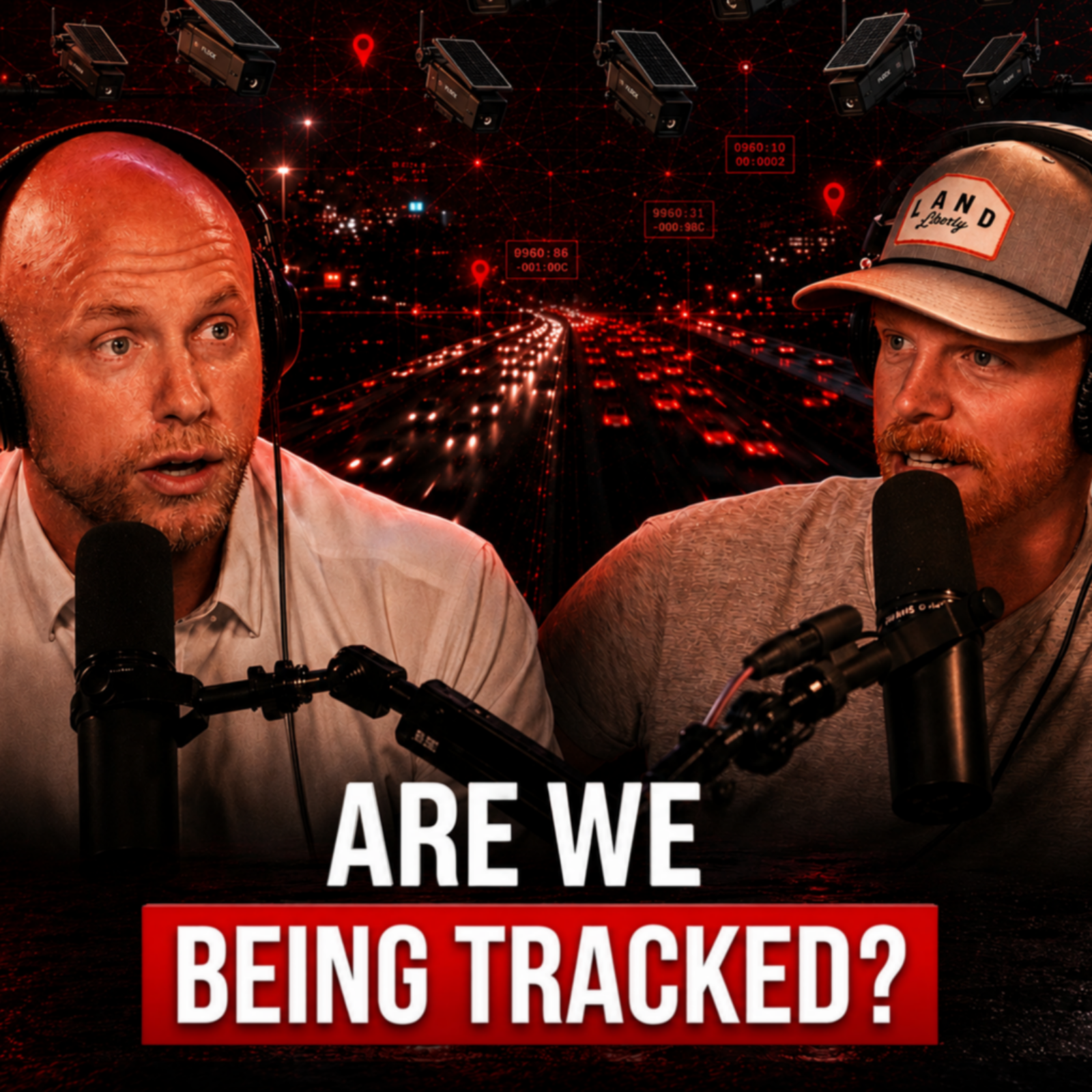
These Mother Flockers are Tracking Us
About this episode
The episode discusses the implications of automatic license plate reader cameras in the U.S., exploring their benefits and the controversies surrounding privacy and surveillance.
Over 100,000 automatic license plate reader cameras are now operating across the United States, quietly collecting data on where Americans drive every day. Supporters say they're an invaluable tool for solving crimes and recovering stolen vehicles. Critics argue they're laying the foundation for a nationwide surveillance state. In this episode of Human Reaction , we break down how Flock cameras work, why they've spread so rapidly, and the growing controversy surrounding their use. They examine real-world cases of abuse—including officers allegedly using the system to stalk individuals and agencies searching camera networks in investigations far beyond violent crime. The conversation explores the constitutional questions surrounding privacy, government surveillance, private property rights, and whether Americans should accept increased monitoring in exchange for greater public safety. We also discuss Montana's approach to regulating license plate readers, potential legislative reforms, the role of warrants and transparency laws, and whether these technologies belong in public spaces at all. Can technology help reduce crime without sacrificing civil liberties? Where should the line…
Sponsors
Young Americans For Liberty, Revved Up Promo
More episodes of Human ReAction
- Birthright Citizenship, Title IX & Free Speech: SCOTUS Breaks It Down
- America 250: What Would The Founders Think of Us Now?
- Bob Murphy on Artificial Intelligence, Unemployment & the Prospects for Prosperity
- Michael Shermer on Truth, Skepticism, and Why Experts Get Things Wrong
- The UK Explodes over Migrant Violence
- How a Texas Track Meet Became a National Culture War
Explore listener stats, chart rankings, contacts and more on the Human ReAction podcast page.