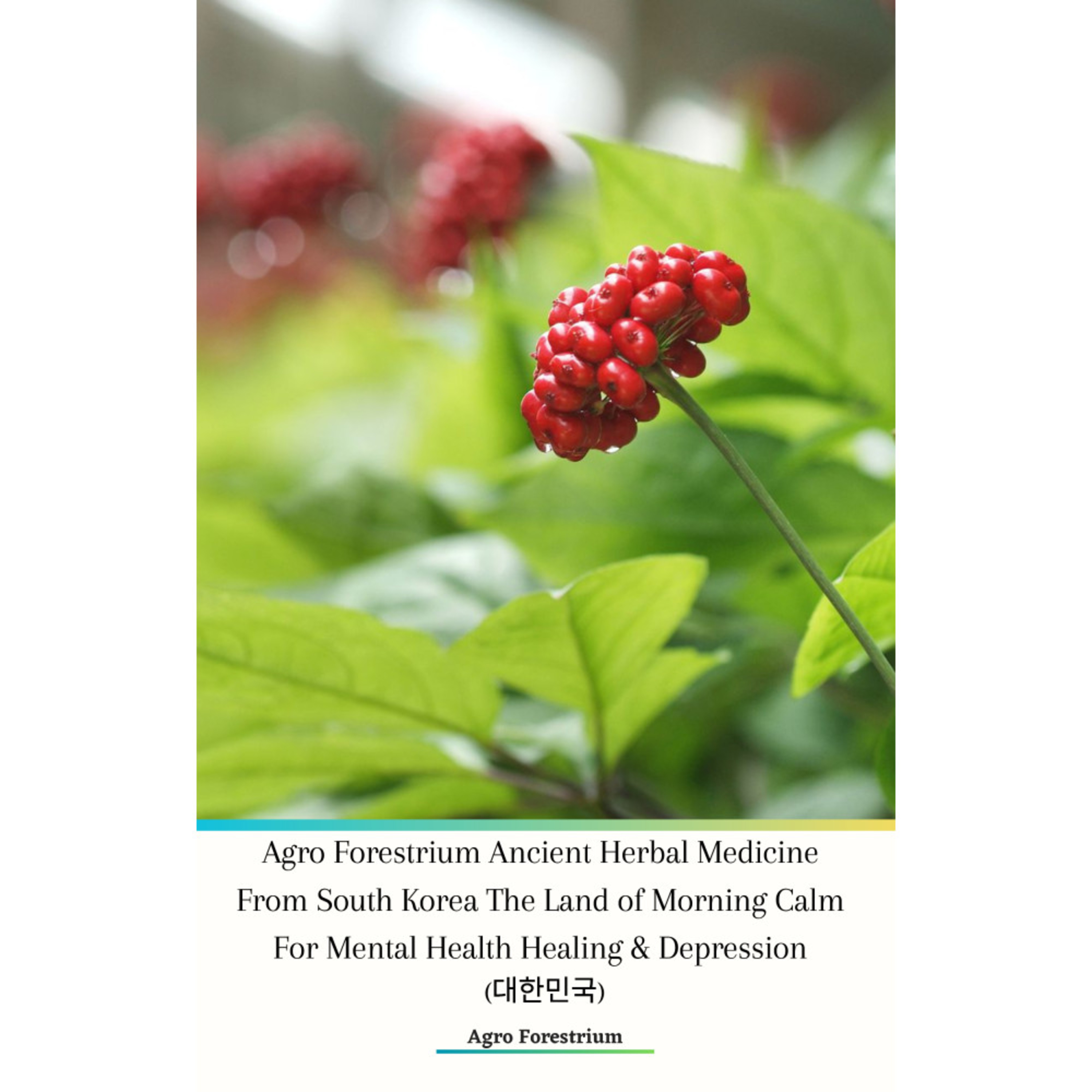
Agro Forestrium Ancient Herbal Medicine From South Korea The Land of Morning Calm For Mental Health Healing & Depression Podcast Version
About this episode
The episode explores the history and principles of Korean herbal medicine, particularly its approach to mental health and healing.
South Korea is most famously known as the “Land of the Morning Calm.” This poetic nickname is a back-translation of the ancient name Choson (or Joseon), where cho means “morning” and son means “fresh” or “bright.” Starting around 1000 years ago during the Goryeo Dynasty, Korean herbal medicine — known as Hanbang — began to distinguish itself from Chinese traditions by focusing on indigenous flora. This era saw the compilation of the Hyangyak Gugeupbang (Emergency Remedies using Native Drugs), the oldest surviving medical book in Korea. It shifted the focus toward Hyangyak, or “homegrown medicine,” ensuring that the common people had access to local herbs like mugwort, garlic, and wild ginseng rather than relying on expensive imported Chinese ingredients. This period established the philosophical foundation that the human body is a miniature universe, where health is maintained through the balance of Yin and Yang and the smooth flow of Qi. Monasteries and government-run dispensaries became hubs for refining these botanical formulas, treating everything from seasonal fevers to digestive issues. Around 1000 years ago during the Goryeo Dynasty, the “Land of the Morning Calm” began…
Topics covered
- Korean herbal medicine
- mental health
- Hanbang
- Agro Forestrium
- depression
Keywords
- Goryeo Dynasty
- Hyangyak
- Qi
- Yin and Yang
- botanical formulas
More episodes of Jannah Firdaus Mediapro Podcast
- Agro Forestrium Tanaman Penetralisir Dan Pembersih Limbah Kaca Dari Hutan Nusantara (Glass Waste) Podcast Version
- Agro Forestrium Native Fire Resistant Grass From North America (USA Canada) To Prevent Forest Wildfires & Urban Wildfires Podcast Edition
- Agro Forestrium Pohon Herbal Harum Wangi Untuk Mengurangi Dan Menghilangkan Bau Busuk Dari TPA Sampah Serta Menjadikan Udara Lebih Segar Podcast Version
- Xeno Legendium Kisah Pemuda Ateis Dari Indonesia Yang Bertemu Bangsa Jin Di Negeri Gingseng Korea Selatan Podcast Edition
- Xeno Legendium Islamic Sufi Poetry Api Cintaku Kepada Tuhan Semesta Alam oleh Ibunda Rabia Al-Basri Dari Basra
- Agro Forestrium Jus Ramuan Herbal Kilat Untuk Redakan Sakit Perut Dan Asam Lambung GERD Kondisi Darurat Podcast Version
Explore listener stats, chart rankings, contacts and more on the Jannah Firdaus Mediapro Podcast podcast page.