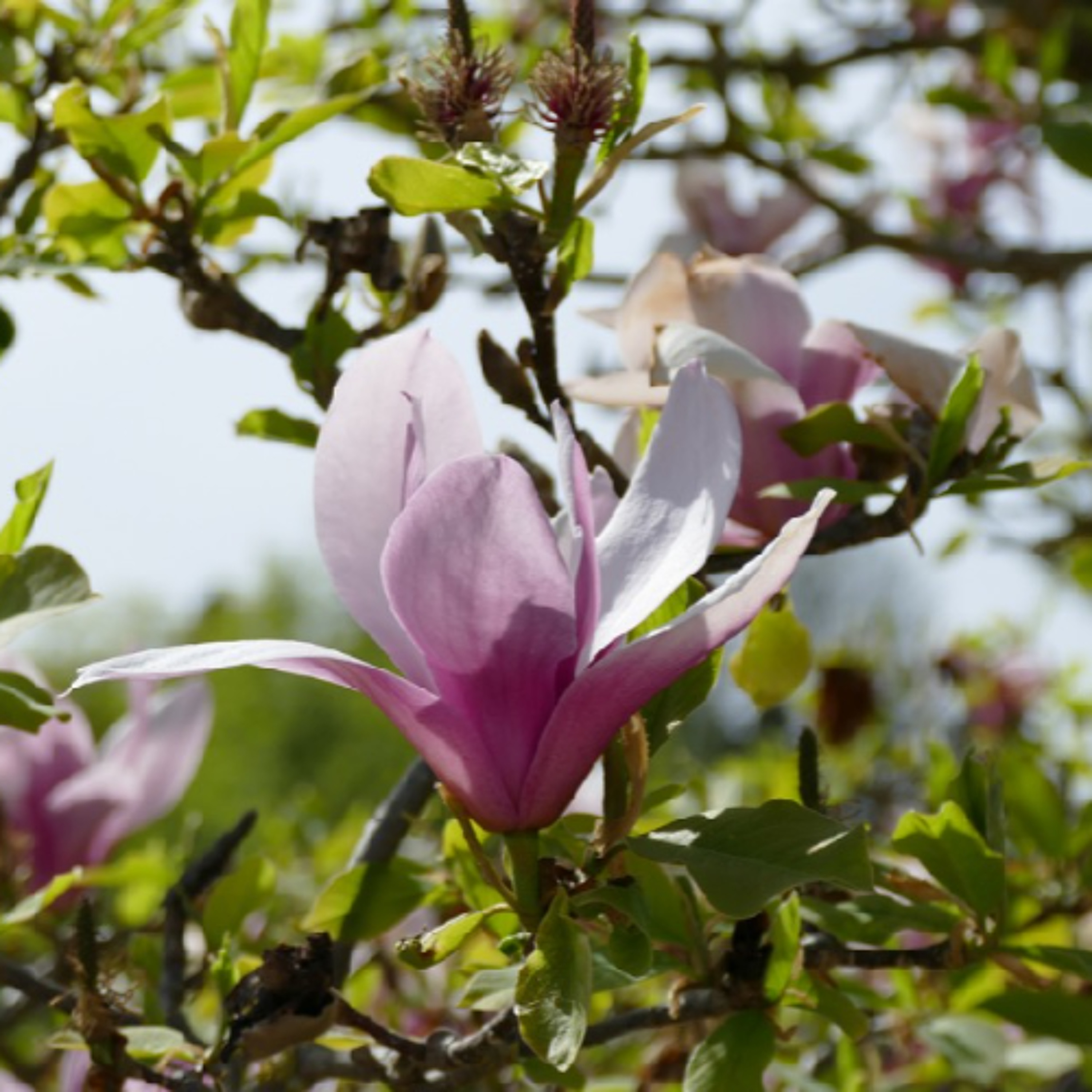
How Flowers Made Our World, A Cemetery Buzzing with Bees, El Niño Is Here, and more.
About this episode
The episode discusses the ecological significance of flowers, solitary bees in a cemetery, and the implications of the 2026 El Niño event.
Lush peonies, delicate hydrangeas, and vibrant roses burst into bloom in early summer, filling gardens and parks with color and fragrance. But flowers are more than their beauty. They’re some of the oldest beings on Earth, and they played a large role in shaping the natural world as we know it. Author and biologist David George Haskell joins us to discuss his 2026 book, How Flowers Made Our World: The Story of Nature’s Revolutionaries. Also, while honeybees get most of the buzz, most bees don’t produce honey, and most don’t even live in colonies. Instead, they’re solitary bees who build individual nests. A recent study details an astonishing finding of several million solitary bees in a cemetery in Ithaca, New York. And the 2026 El Niño is now officially underway, according to the National Oceanic and Atmospheric Administration or NOAA. Combined with the ongoing rising temperatures from the climate crisis, this possible “super” El Niño could spell major disruption of weather patterns and ocean circulation worldwide. -- Sign up for the next virtual Living on Earth Book Club event on July 14 at 5 pm PDT / 8 pm EDT! We’ll talk with Yurok activist and attorney Amy Bowers Cordalis…
People in this episode
Host: Living on Earth
Guest: David George Haskell
Topics covered
- flowers
- bees
- El Niño
- climate change
- environmental advocacy
Keywords
- flowers
- bees
- El Niño
- climate crisis
- environment
Mentioned in this episode
Organizations: National Oceanic and Atmospheric Administration
Books & works: How Flowers Made Our World: The Story of Nature’s Revolutionaries, The Water Remembers: My Indigenous Family’s Fight to Save a River and a Way of Life
Places: Ithaca, New York
More episodes of Living on Earth
- Antarctic Ice Missing, Arctic Peatlands Expanding, Nuts to Feed the World and more
- America’s Enduring Ecology: Forests, Public Lands, and more
- When the Forest Breathes with Suzanne Simard, Ocean Monitoring Restored, Fighting Fracking in Colombia and more.
- Juneteenth! Celebrating Black and Brown Stewards of the Green Earth
Explore listener stats, chart rankings, contacts and more on the Living on Earth podcast page.