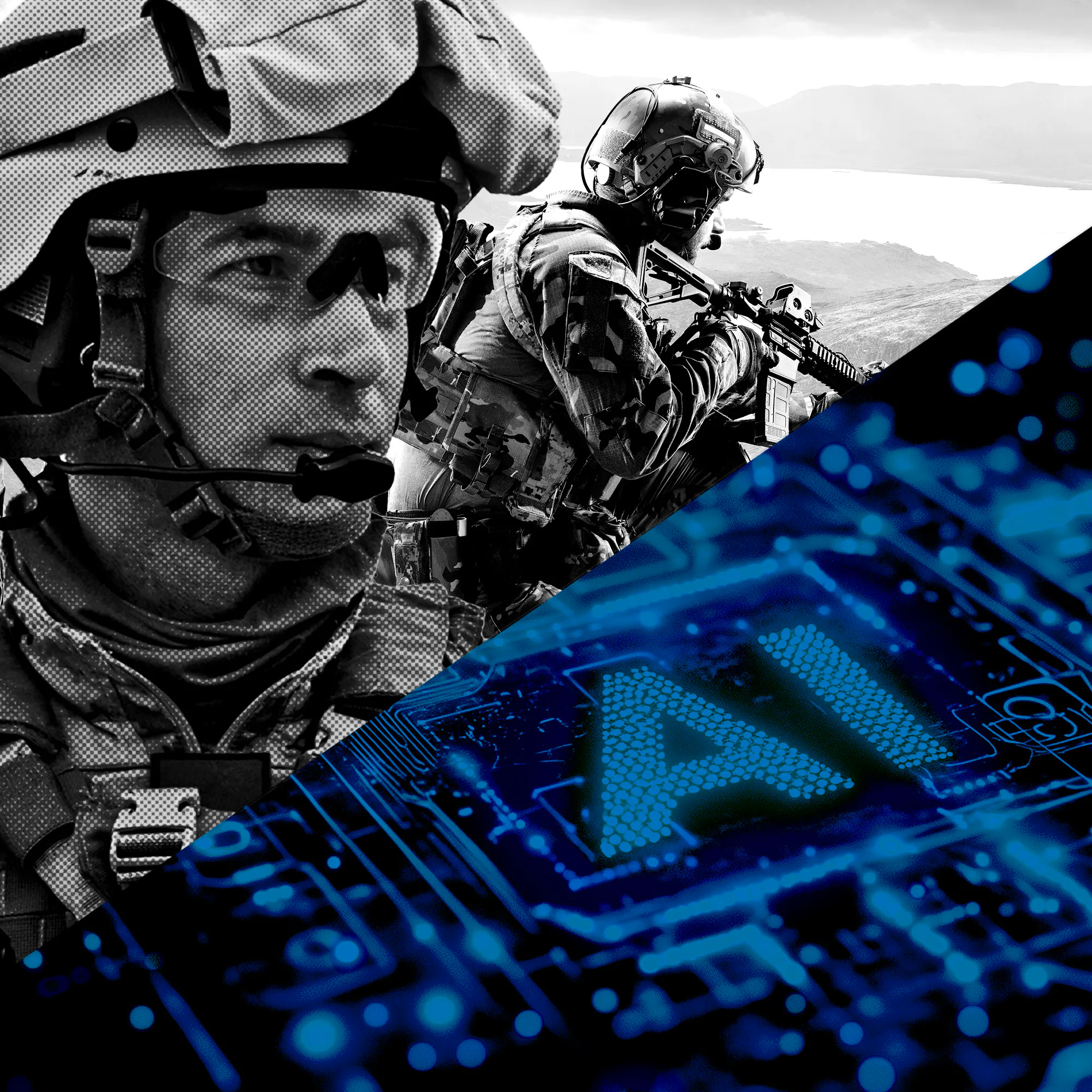
Wartime Kill Decisions: Human or AI?
About this episode
The episode revisits the debate on whether human decision-making should be replaced by AI in warfare.
Even with a fragile ceasefire in place between the U.S., Israel, and Iran, we wanted to revisit this prescient debate from last fall. In the past few weeks of war, autonomous systems, AI-driven targeting, and drones were heavily used by both sides leading some to fear we’re rapidly approaching a future of warfare that takes human decision making out of the loop entirely. Are we ready for that? This ethical conundrum is at the crux of this week's debate, originally broadcast in October 2025. Arguing "Human": Elliot Ackerman, Former Marine Raider Officer and CIA Special Activities Officer; Bestselling Author Laura Walker McDonald, Senior Advisor for New Technologies & Conflict at the International Committee of the Red Cross Arguing "AI": Michael C. Horowitz, Senior Fellow for Technology and Innovation at the Council on Foreign Relations; Director of Perry World House and Richard Perry Professor at the University of Pennsylvania Jack Shanahan, Inaugural Director of Joint Artificial Intelligence Center, Office of the Department of Defense Chief Information Officer Emmy award-winning journalist John Donvan moderates Join the conversation on Substack—share your perspective on this…
People in this episode
Host: John Donvan
Guests: Elliot Ackerman, Laura Walker McDonald, Michael C. Horowitz, Jack Shanahan
Topics covered
- AI in warfare
- autonomous systems
- ethical decision making
- military technology
- human vs AI debate
Keywords
- warfare
- AI
- autonomous systems
- ethical conundrum
- military
- decision making
- drones
Mentioned in this episode
Organizations: International Committee of the Red Cross, Council on Foreign Relations, Department of Defense
More episodes of Open to Debate
- Should We Use Gene Editing to Make Better Babies?
- Will the AI Bubble Burst?
- Think Twice About The Meaning of Your Life with Arthur C. Brooks
- Should the U.S. Prioritize Settling Mars?
- Has Legalizing Sports Gambling Become A Bad Bet?
- The Future of Film: Big Screen or Stream?
Explore listener stats, chart rankings, contacts and more on the Open to Debate podcast page.