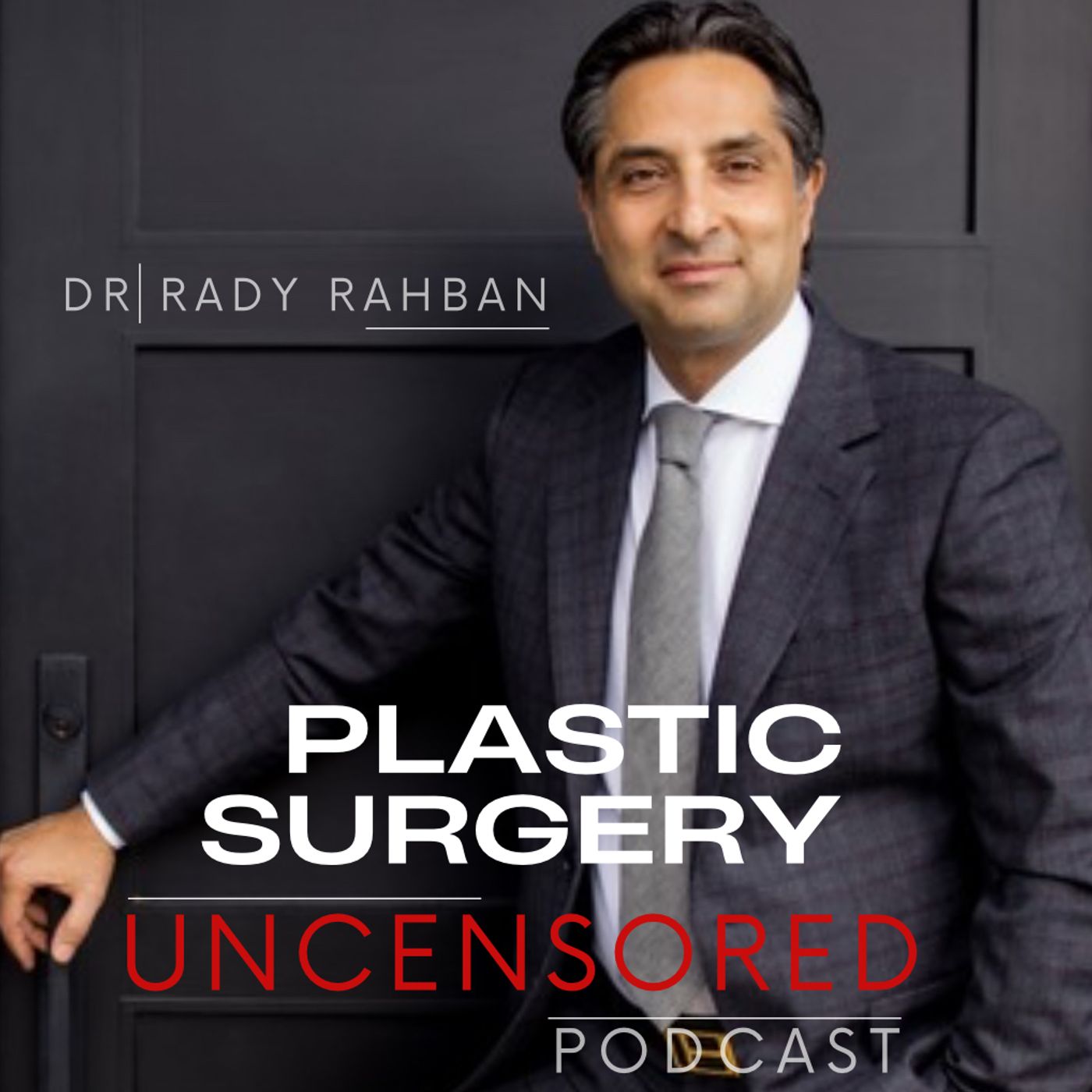
Body Dysmorphia vs. Normal Insecurity: Where’s the Line?
About this episode
Dr. Rady Rahban discusses the distinction between normal insecurity and body dysmorphia in aesthetic medicine.
When does an insecurity cross the line into a mental health disorder? It’s not as obvious as you think. In this episode of Plastic Surgery Uncensored, Dr. Rady Rahban breaks down one of the most important distinctions in aesthetic medicine: the difference between normal self-improvement—and true body dysmorphia. Because while insecurity is part of being human… There’s a point where it stops being physical—and becomes psychological. And if you miss that line, surgery doesn’t help. It makes things worse. Here’s what he unpacks: • What body dysmorphia actually is—and why it’s often misunderstood • The defining traits: obsession, distortion, and fixation on minor or nonexistent flaws • Why hearing “this is ruining my life” is a major red flag • The significance of multiple consults—and when it signals a deeper issue • Why some patients can never be satisfied—no matter how technically successful the surgery is • How social media, filters, and AI are accelerating distorted self-perception—especially in younger patients He also addresses a reality most won’t say out loud: In a field with increasing access and fewer barriers, the responsibility to protect patients falls on the provider…
More episodes of Plastic Surgery Uncensored
- Facelift Trends vs Reality with Dr. Ben Talei
- Otoplasty: The Most Overlooked Life-Changing Procedure
- Severely Damaged After Botched Lipo—Compounded by Diastasis | Part 2
- Lunchtime Liposuction Nightmare: 10 Years of Trauma - Part 1
- Plastic Surgery’s Biggest Taboo: Vaginal Rejuvenation
- After a Life Saving Heart Transplant, Is Cosmetic Surgery Too Risky?
Explore listener stats, chart rankings, contacts and more on the Plastic Surgery Uncensored podcast page.