Episode 62: Afghanistan, Anti-Imperial Modernity and the Soviet Union with Adam Alimi
About this episode
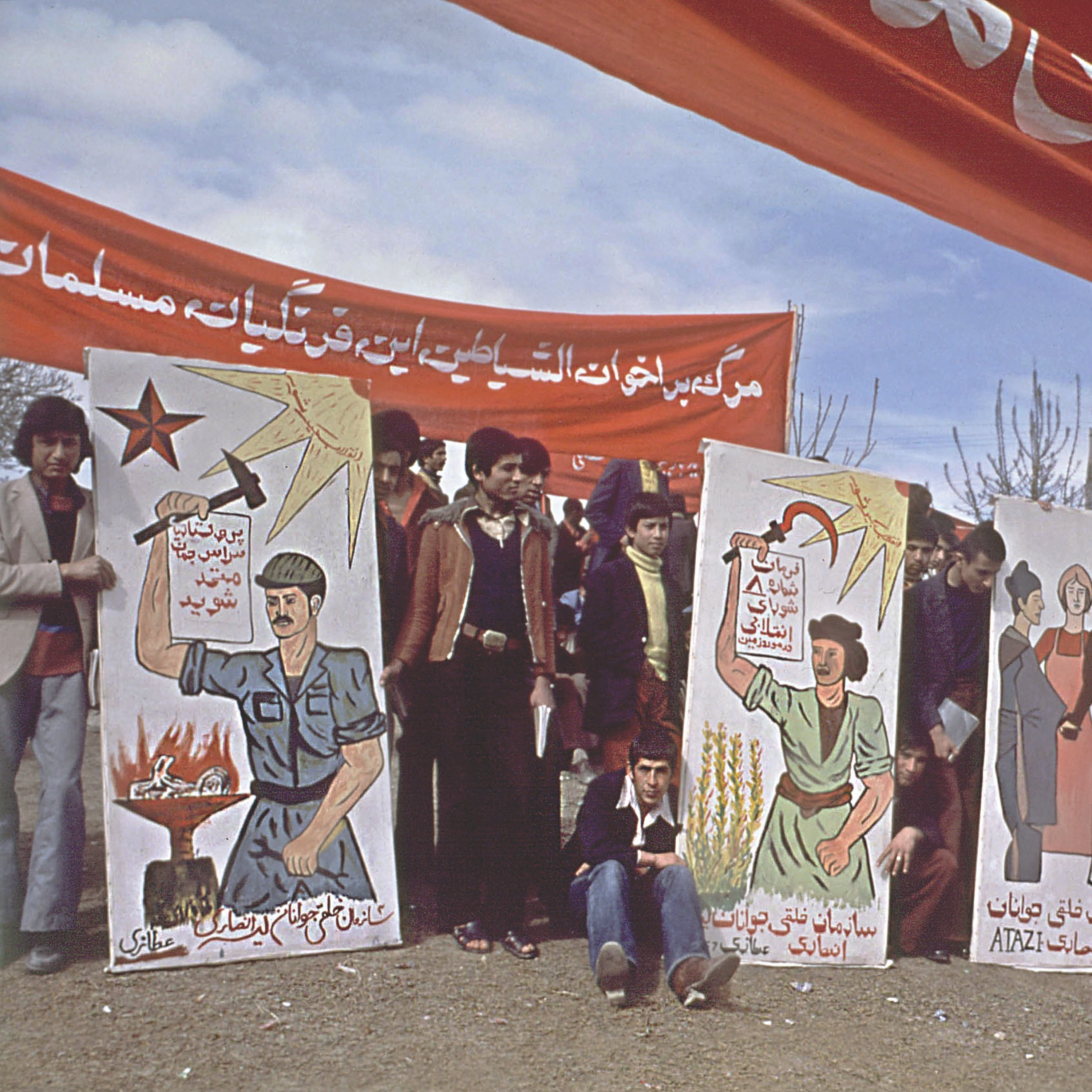
The episode discusses Afghan communism and the implications of the 1978 Saur Revolution within the context of Soviet-Afghan relations and anti-imperial modernity.
On today's episode we discuss Afghan communism and the consequences of the 1978 Saur Revolution in the context of a longer story of Afghan anti-imperial modernity and Soviet-Afghan relations. How and why was the 1979 Soviet invasion of Afghanistan different from interventions by other powers in the country? How do analyses of the 1979 Soviet invasion that center the “empire” framework limit our understanding of the history of Afghan anti-imperial modernity, Soviet-Afghan relations and Afghanistan’s place in the world? Our guest is Adam Alimi and we use his article ”Beyond Empire: Why the Soviet invasion (and withdrawal) of Afghanistan was different” as the basis for the conversation. Article summary and link: The Taliban’s return to power in August 2021 set off the usual literatures of failure in studies on Afghanistan. These accounts – graveyard of empires, tribalism, Islam – helped temper the hubris of US foreign policy in its so-called ‘longest war’. Naturally, unforgiving Afghanistan was doomed to remain in the Stone Age, as the British and Soviets had discovered before. Still, the Soviet comparison as an account of the broader failure in Afghanistan is wanting. By drawing on…
More episodes of Reimagining Soviet Georgia
- Episode 70: Cold War Liberalism with Daniel Bessner
- Episode 69: From the Maidan to the Ukraine War with Ivan Katchanovski
- Episode 67: Palestine, Communism and the National Question 1920-1955 with Mohamad Kadan
- Episode 66: Youth and Bolshevik Power in Georgia with Giorgi Beridze
- Episode 65: Poverty Alleviation and Socialist Construction in China with Tings Chak
- Episode 64: Marxism & China with Josef Gregory Mahoney
Explore listener stats, chart rankings, contacts and more on the Reimagining Soviet Georgia podcast page.