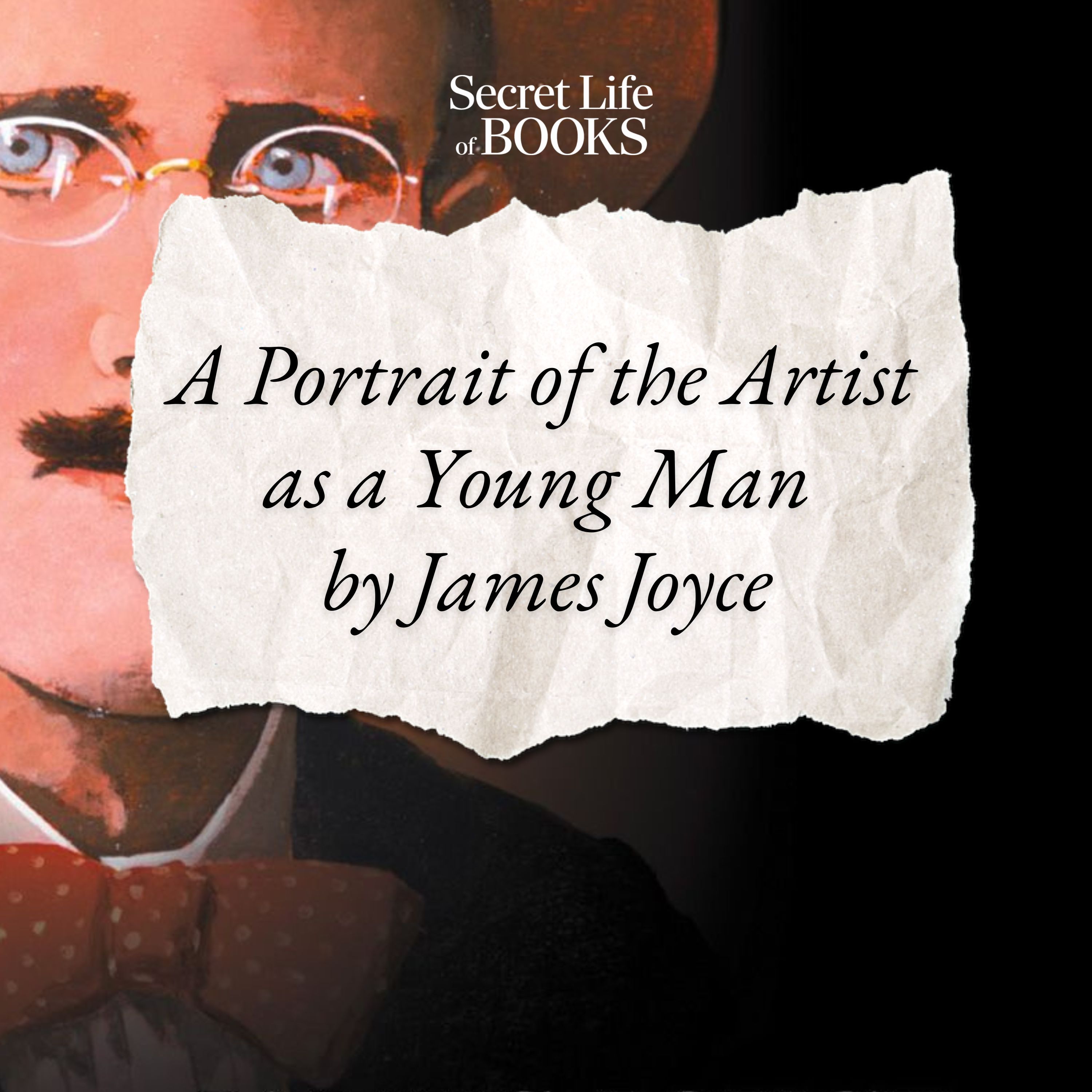
James Joyce 2: Portrait of the Artist as a Young Man
About this episode
This episode explores James Joyce's 'A Portrait of the Artist as a Young Man' and its themes of sexual awakening and intellectual freedom.
One evening in 1898, the 16-year-old James Joyce lost his virginity with a sex worker on a canal bank in Dublin. The event would become the main event in his autobiographical novel A Portrait of the Artist as a Young Man , published the same year as Dubliners in 1914. Joyce’s sexual awakening prompted both a spiritual crisis and a renewed determination to be a great writer. Portrait tells the story of Joyce’s avatar, Stephen Daedalus, from childhood to graduation. Ultimately, it is about Daedalus’ hard-won rejection of all the baggage of late 19th Century Irish society - religion, morality, English intellectual colonization, and the social stagnation of Dubliners (discussed last week). Daedalus, of course, was the inventor of Greek myth who made himself wings to escape his prison - and the book ends with Stephen escaping the prison of his childhood by turning to the supposed intellectual freedom of Europe. While being well known for its treatment of sexual awakening, the book is also famous for Joyce’s enthusiastic adoption of the stream-of-consciousness technique emerging in European literature, in which the narrative follows the trajectory of the characters…
More episodes of Secret Life of Books
- Secret Life of Reading (with Maggie O'Farrell and Ben Alderson-Day)
- Secret Life of Edinburgh
- Secret Life of Trains 2 (Choo choo!)
- Chaucer's Troilus and Criseyde
- Charlotte Higgins on Ukrainian Lessons: Art in a Time of War
- James Joyce 3: Ulysses
Explore listener stats, chart rankings, contacts and more on the Secret Life of Books podcast page.