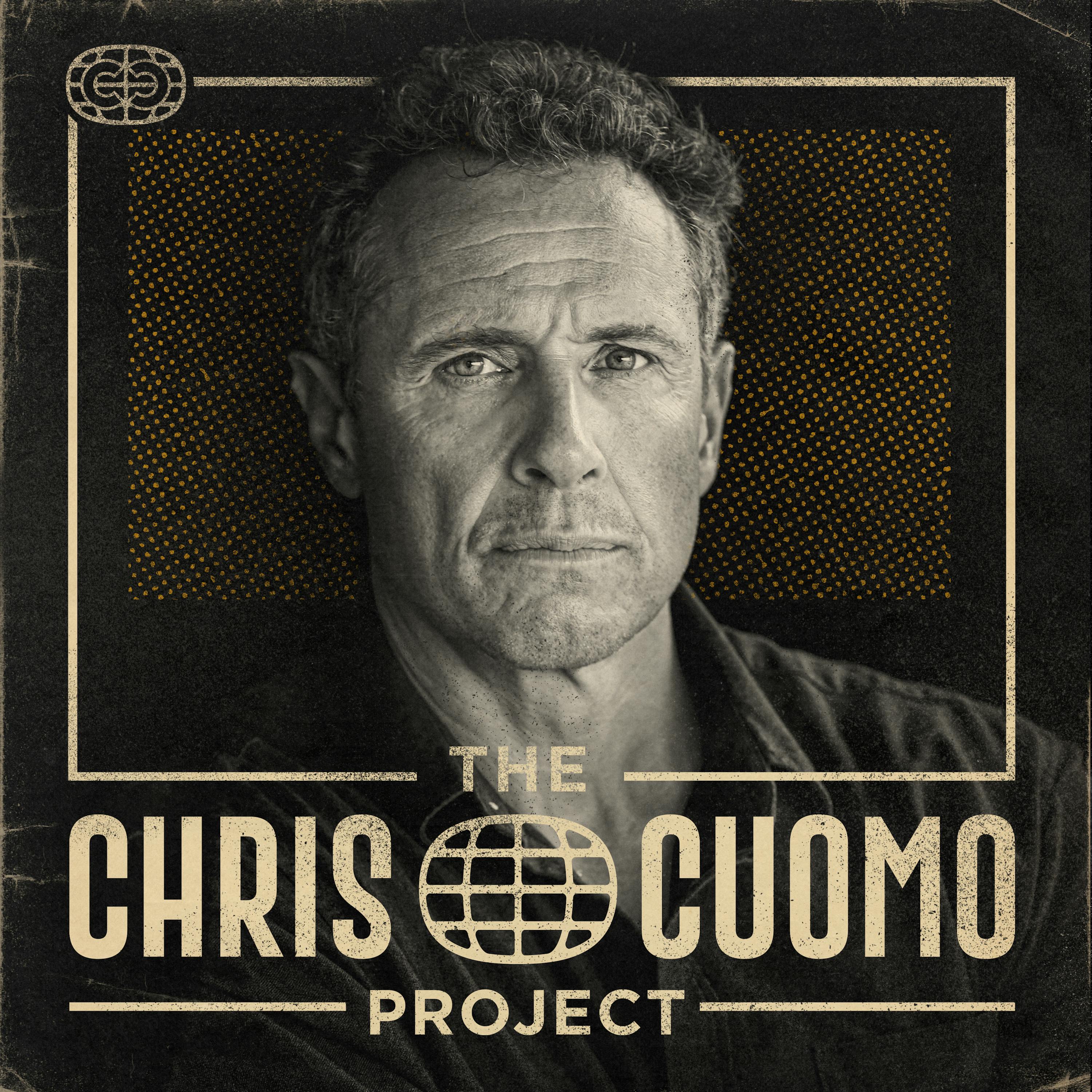
The Case For Striking Iran Over Nukes Falls Apart
About this episode
Chris Cuomo analyzes the claims surrounding the U.S. response to Iran's nuclear capabilities and the implications of military action.
Chris Cuomo breaks down the central claim driving the U.S. response to Iran: that the regime was on the verge of developing a nuclear weapon. Drawing on recent reporting and statements from international watchdogs, Cuomo argues that the timeline being presented publicly does not match the underlying facts. He explains the critical distinction between enriched uranium and a deployable nuclear weapon, and why conflating the two creates a sense of urgency that may not be justified. If the threat is as immediate as claimed, Cuomo asks, why stop short of removing the regime entirely? And if it isn't, what actually drove the decision to act now — and whether domestic pressures at home had more to do with the timing than the threat itself. Cuomo also examines the broader consequences of the strike: strained alliances, unclear objectives, and the risk of getting pulled deeper into a conflict without a defined endgame. He argues that the current approach delivers limited strategic benefit while increasing long-term costs, both abroad and at home. Join The Chris Cuomo Project on YouTube for ad-free episodes, early releases, exclusive access to Chris, and more…
People in this episode
Host: Chris Cuomo
Topics covered
- Iran
- nuclear weapons
- U.S. foreign policy
- military action
- domestic pressures
- international relations
Keywords
- Iran
- nuclear weapons
- Chris Cuomo
- U.S. response
- military action
- enriched uranium
- foreign policy
Sponsors
Hims
Mentioned in this episode
Organizations: YouTube, Apple Podcasts, Spotify
More episodes of The Chris Cuomo Project
- The Iran War Has No Exit
- Trump Has Lost The Plot
- What The Epstein Files Actually Reveal
- The Iran War Is a Trap
- Trump Is About to Make a Big Mistake on Iran
- The Real Meaning of Easter Has Nothing to Do With Religion
Explore listener stats, chart rankings, contacts and more on the The Chris Cuomo Project podcast page.