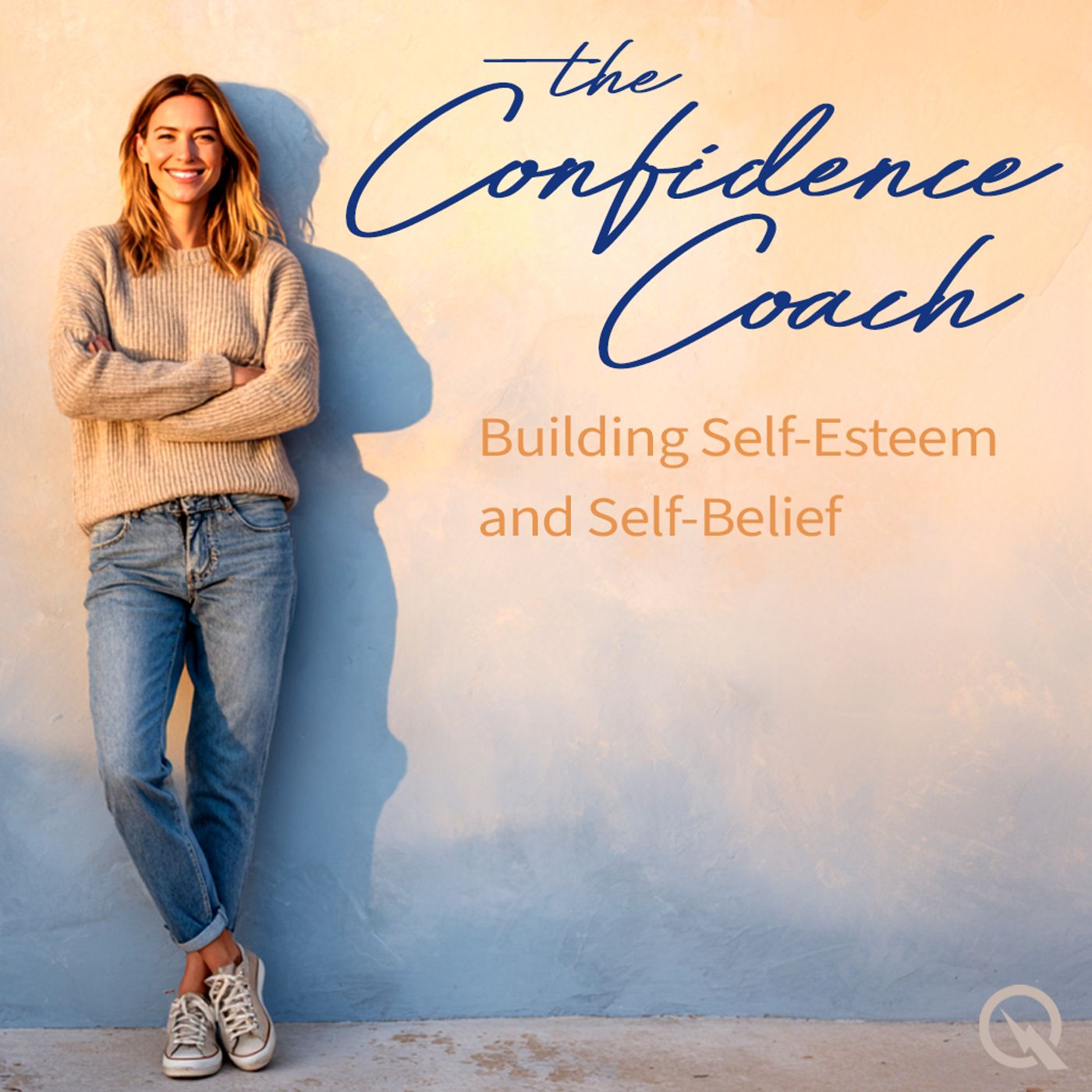
The Confidence Coach: Train Your Brain to Believe in Yourself
About this episode
Kai discusses how confidence can be trained as a skill rather than being an innate trait.
I’m Kai, the friendly AI, your personal growth coach. Being an AI means I’m calm, consistent, and always here, offering research-backed tools without judgment. Today, we’re talking about confidence not as a magic trait you’re born with, but as a skill you can train. Psychologists at the Mayo Clinic and Verywell Mind describe self-esteem as the way you view your own worth, and they note that healthy self-esteem supports motivation, better relationships, and resilience. When you believe you matter, you show up differently: you try more, bounce back faster, and take opportunities instead of hiding from them. Let’s start with your inner voice. The NHS and Mind report that low confidence usually comes with harsh self-talk: “I’m not good enough,” “I always fail.” Your first coaching move is to notice those thoughts and challenge them. When you hear “I’m useless,” follow it with a more accurate, kinder statement like “I’m learning, and I’ve handled hard things before.” Over time, you retrain your brain to see truth, not just criticism. Next, focus on small wins. University of Queensland guidance on self-confidence suggests writing down your strengths, abilities, and achievements, no…
Topics covered
- self-esteem
- confidence building
- personal growth
- mental health
- positive psychology
More episodes of The Confidence Coach: Building Self-Esteem and Self-Belief
- The Confidence Coach: From Self-Doubt to Self-Belief Through Small Daily Wins
- The Confidence Coach: From Self-Doubt to Self-Belief Through Daily Practice
- The Confidence Coach: Five Research-Backed Skills to Build Self-Belief Starting Today
- The Confidence Coach: From Self-Doubt to Self-Belief Through Small Wins
- The Confidence Coach: Small Wins, Big Belief
- The Confidence Coach: Small Steps to Self-Belief
Explore listener stats, chart rankings, contacts and more on the The Confidence Coach: Building Self-Esteem and Self-Belief podcast page.