The Sociology of the Internet: Race and Representation Online
About this episode
The episode discusses how online culture reflects and perpetuates systems of power and inequality, featuring insights from sociologist Dr Isabelle Higgins.
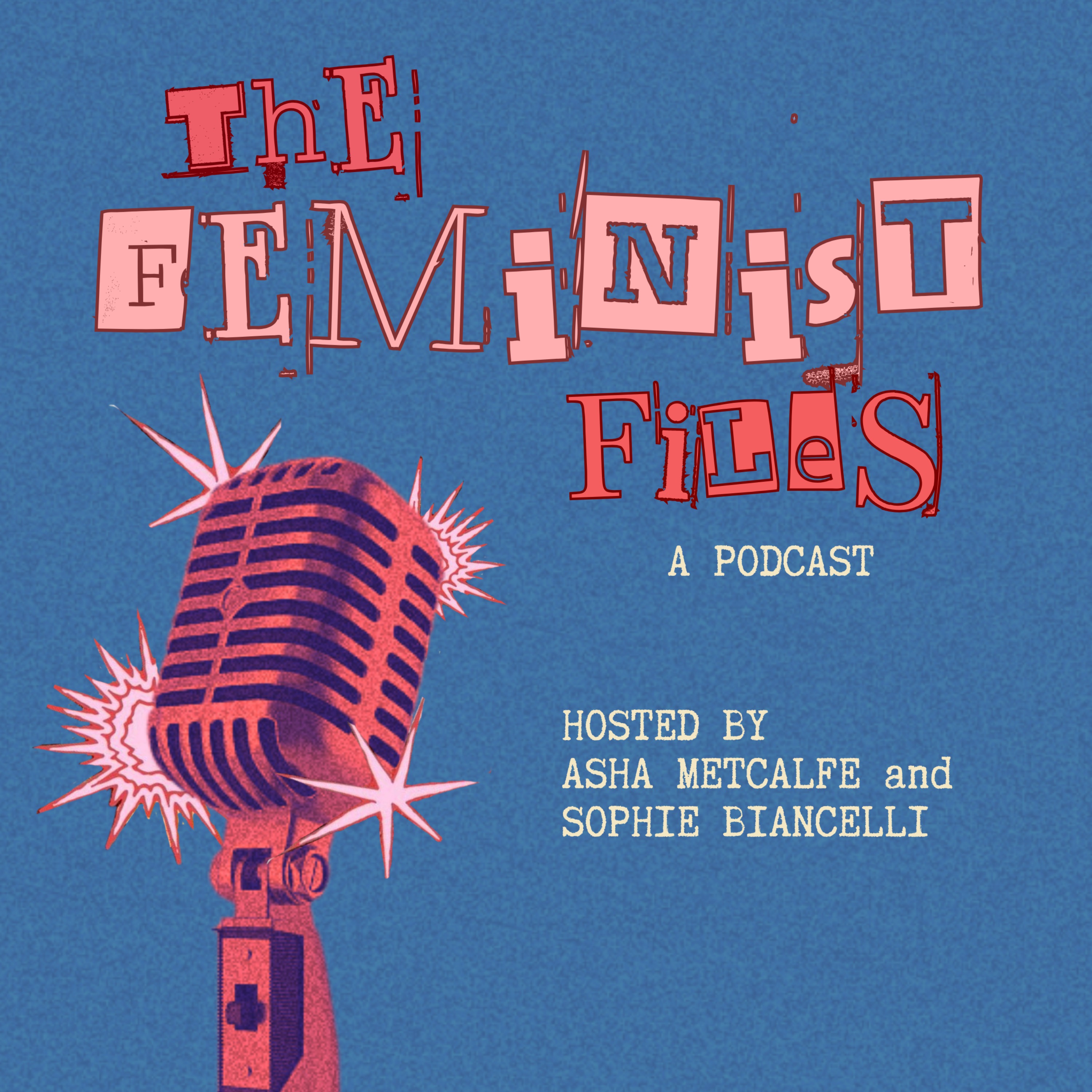
In this episode, Asha Metcalfe and Sophie Biancelli are joined by Dr Isabelle Higgins, a sociologist at the University of Cambridge, to discuss how online culture reflects and perpetuates systems of power and inequality. We explore how epistemic and affective structures influence aesthetics, visibility and representation. Drawing on Stuart Hall’s theory of regimes of representation, and conjunctural analysis, we explore how visibility online today is mediated by histories of inequality. How do online representations of adopted children of colour today reflect colonial legacies? How does generative AI reinforce systems of oppression? Does the rise of Sabrina Carpenter and Addison Rae suggest we live in a post-feminist world? Isabelle demonstrates how sociological theory can be used to explore these questions and examine what online cultural products, from adoption websites to music videos, reveal about our society. To clarify, the point on Bourdieu and Wacquant's three types of reflexivity refers to: 1) social origins and coordinates of the individual research, 2) the academic field – ‘the objective space of possible intellectual positions offered to him or her’, 3)…
People in this episode
Hosts: Asha Metcalfe, Sophie Biancelli
Guest: Dr Isabelle Higgins
Topics covered
- online culture
- race and representation
- systems of power
- inequality
- sociological theory
- visibility
- colonial legacies
Keywords
- internet sociology
- representation
- adoption
- generative AI
- post-feminism
- cultural products
- inequality
Mentioned in this episode
Organizations: University of Cambridge
Books & works: Classified children: A critical analysis of the digital interfaces and representations that mediate adoption
Explore listener stats, chart rankings, contacts and more on the The Feminist Files podcast page.