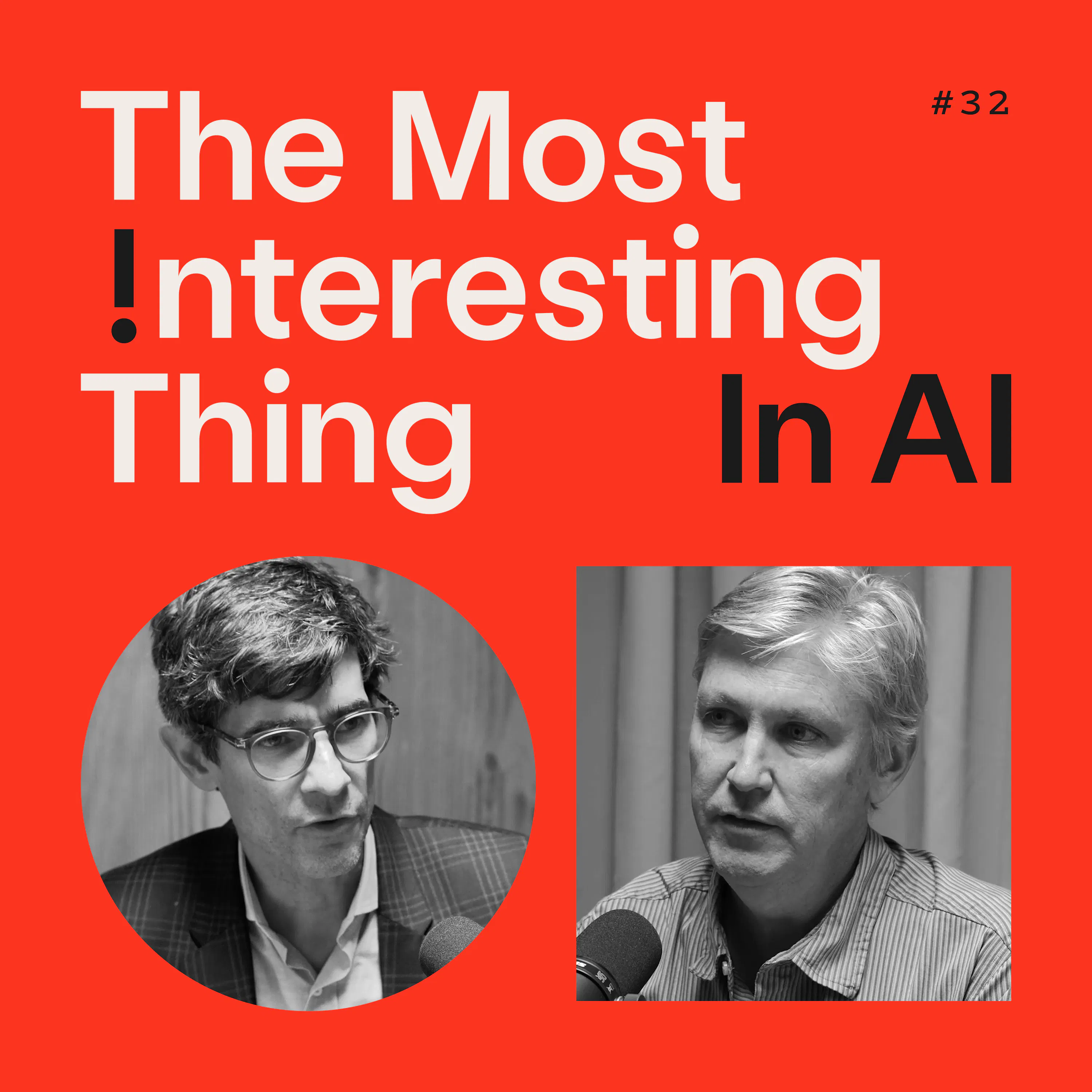
Writing in the Age of AI - Gemini Notebook’s Steven Johnson with Nicholas Thompson
About this episode
Steven Johnson discusses the implications of AI on writing and the ethical considerations of using AI as a collaborator.
Steven Johnson spent decades figuring out the best ways to turn his research into words on the page. Now, he’s adapting those methods for Gemini Notebook, Google’s AI-powered interactive bibliography. (Until recently, it was called NotebookLM.) But in building a tool designed to synthesize ideas, is there a risk of taking humans too far out of the writing process? In conversation with The Atlantic’s Nicholas Thompson, Johnson discusses the best practices, ethics, and limitations of using AI as a collaborator. The Atlantic has a licensing agreement with Gemini Notebook, and Google also advertises with The Atlantic. This episode was not a part of those deals. Produced independently of The Atlantic’s editorial staff. Supporting sponsor: PwC. (00:00) Introduction (05:10) The evolution of Steven's writing process (08:22) Managing the "iceberg" of research (11:45) The ethics of AI-assisted writing (19:02) What happens when AI becomes as good at writing as humans (24:17) Why some genres could change drastically with AI (29:10) How AI might undo polarization (34:45) Designing educational guardrails for AI (44:26) What will AI do to writing styles? (49:10) Licensing author…
People in this episode
Host: Nicholas Thompson
Guest: Steven Johnson
Topics covered
- AI-assisted writing
- ethics of AI
- writing process
- collaboration with AI
- impact of AI on genres
- educational guardrails for AI
- licensing author personas
Keywords
- AI writing
- Gemini Notebook
- ethics
- writing styles
- collaboration
- research synthesis
- polarization
- educational guardrails
Sponsors
PwC
Mentioned in this episode
Organizations: Google, The Atlantic
Products: Gemini Notebook, NotebookLM
More episodes of The Most Interesting Thing in AI
- The Race to Superintelligence - Richard Socher with Nicholas Thompson
- How to Get Hired in the AI Era - Clara Shih with Nicholas Thompson
- Kara Swisher on What Silicon Valley Is Getting Right—and Wrong—in AI
- How AI Could Upend Global Politics - Ian Bremmer with Nicholas Thompson
Explore listener stats, chart rankings, contacts and more on the The Most Interesting Thing in AI podcast page.