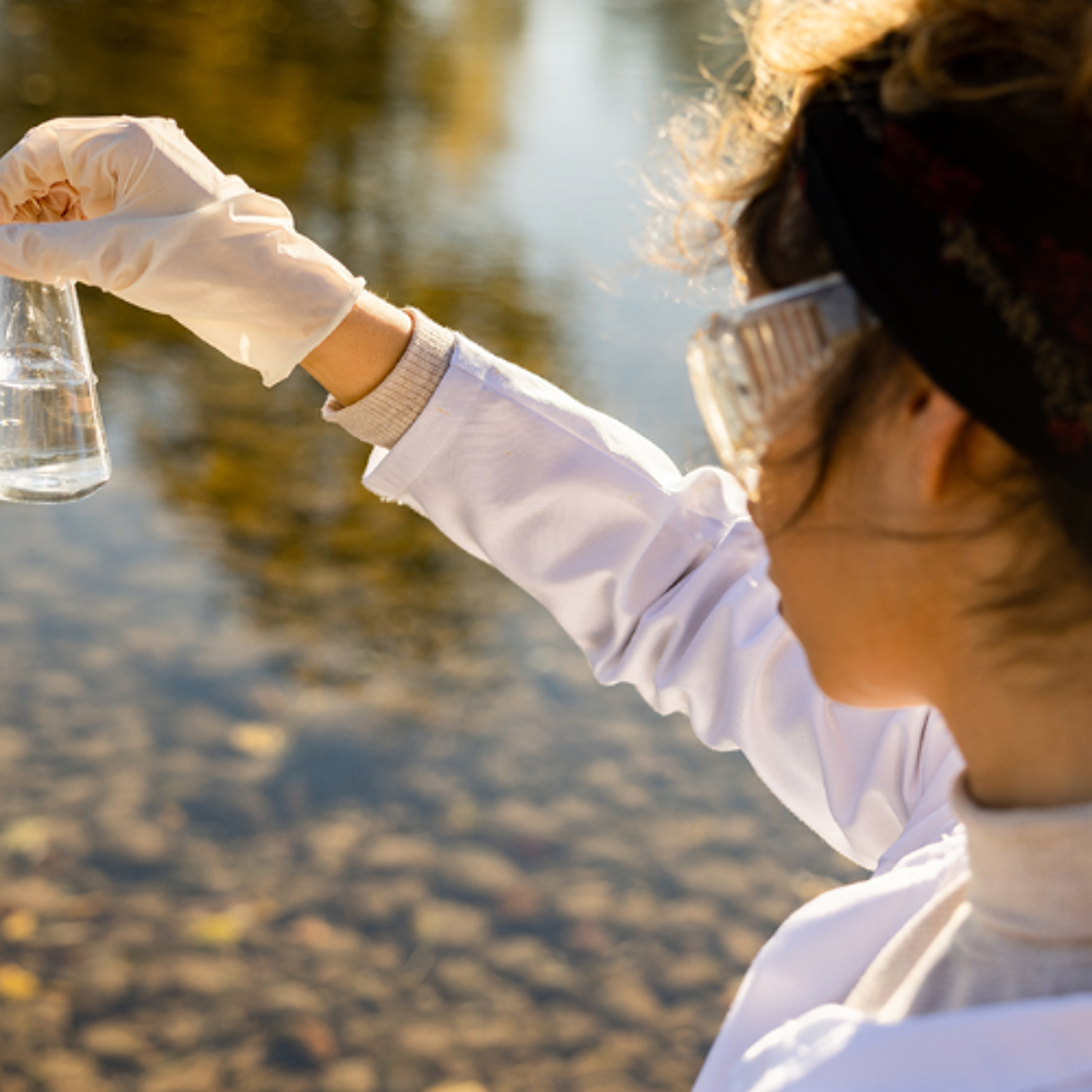
How States Can Lead on Environmental Health - Susan Kaplan, Sarah Doll, and Host Kristin Schafer
About this episode
The episode discusses how states can lead on environmental health amidst declining federal protections.
Many protections from pollution and toxic chemicals have moved from the federal level to the states. This isn’t just a recent phenomenon; it goes back decades, to changes in the structure of agencies that manage environmental health and to a growing partisan divide. As federal regulation of chemicals faltered, states started taking up the slack. States have always had a role as laboratories of innovation, and model environmental health policies can be found around the country. That is the focus of A Healthy Union: How States Can Lead on Environmental Health, recently published by Island Press. For example, Texas was one of the first states to mandate that all school districts implement policies and practices to reduce use of hazardous pesticides. Massachusetts requires factories that manufacture, process or use certain toxic chemicals to develop strategies to reduce them. Regional programs are on the rise. In this CHE Café discussion, we hear from the book’s author, Susan Kaplan, an environmental health lawyer and professor whose experience spans federal and state government and academia and Sarah Doll, longtime leader of the Safer States coalition and veteran state policy…
More episodes of The New School at Commonweal
- The Flip - Jeffrey Kripal and Host Michael Lerner
- Some Themes at the Heart of His Oeuvre - Jeffrey Kripal and Host Michael Lerner
- Beyond Survival: Sustaining Human Agency in Challenging Times - Graham Leicester
- Narrative, Resilience, and Social Change - Urmitapa Dutta, Susan James, and Host Susan Grelock Yusem
- An Afternoon of Gospel and Jazz - Michelle Jacques and Matt Berkeley
- Mutants and Mystics - Jeffrey Kripal and Host Michael Lerner
Explore listener stats, chart rankings, contacts and more on the The New School at Commonweal podcast page.