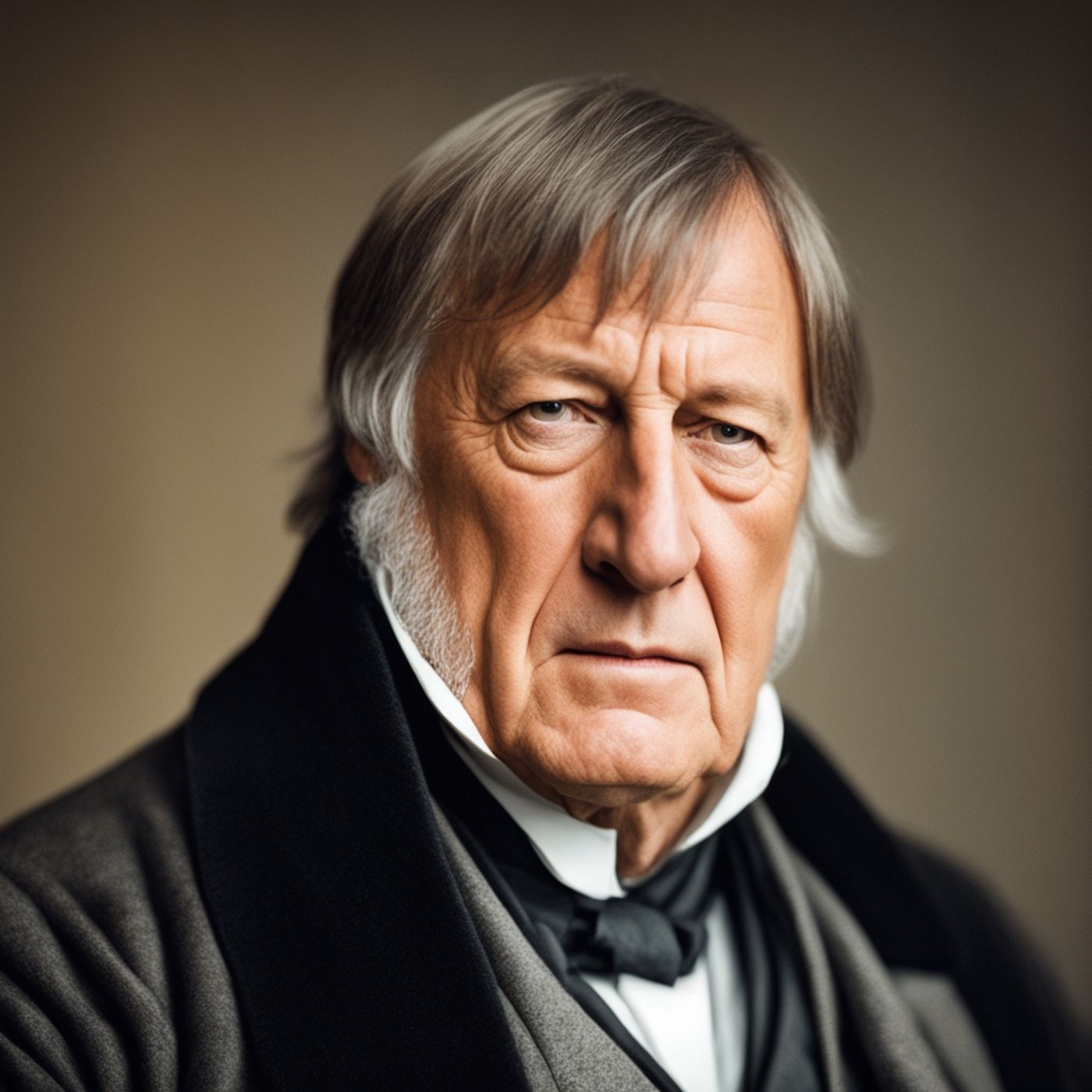
Hegel: about an-sich-sein and für-sich-sein
About this episode
This episode explores the distinctions between an-sich-sein and für-sich-sein in Hegel's philosophy, tracing their implications from potentiality to self-consciousness.
From Potentiality to Self-Consciousness: The Dialectic of An-sich-sein and Für-sich-sein in Hegel's Philosophy Few distinctions in Hegel's philosophy carry as much weight as that between an-sich-sein (being-in-itself) and für-sich-sein (being-for-itself). The pairing runs through both the Science of Logic and the Phenomenology of Spirit, but it is not one doctrine wearing different clothes — Hegel redeploys the same structural pattern at several distinct levels of his system, and each redeployment means something different. This essay traces that pattern from its most basic logical form to its richest expression in self-consciousness and freedom, while keeping the different levels apart rather than collapsing them into a single story. The easiest way in is the image, common in commentaries though not itself Hegel's, of a seed containing the oak tree. The seed is an oak an sich: the nature of the tree is already there, but only implicitly, unrealized. Once it grows, the oak exists für sich — what was latent becomes actual and manifest. Hegel's own preferred image, from the Preface to the Phenomenology, is different: bud, blossom, and fruit each replace and refute the previous…
People in this episode
Host: Robbert Veen
Topics covered
- Hegel
- philosophy
- self-consciousness
- dialectic
- being-in-itself
- being-for-itself
Mentioned in this episode
Books & works: Science of Logic, Phenomenology of Spirit
Explore listener stats, chart rankings, contacts and more on the The Philosophy Channel podcast page.