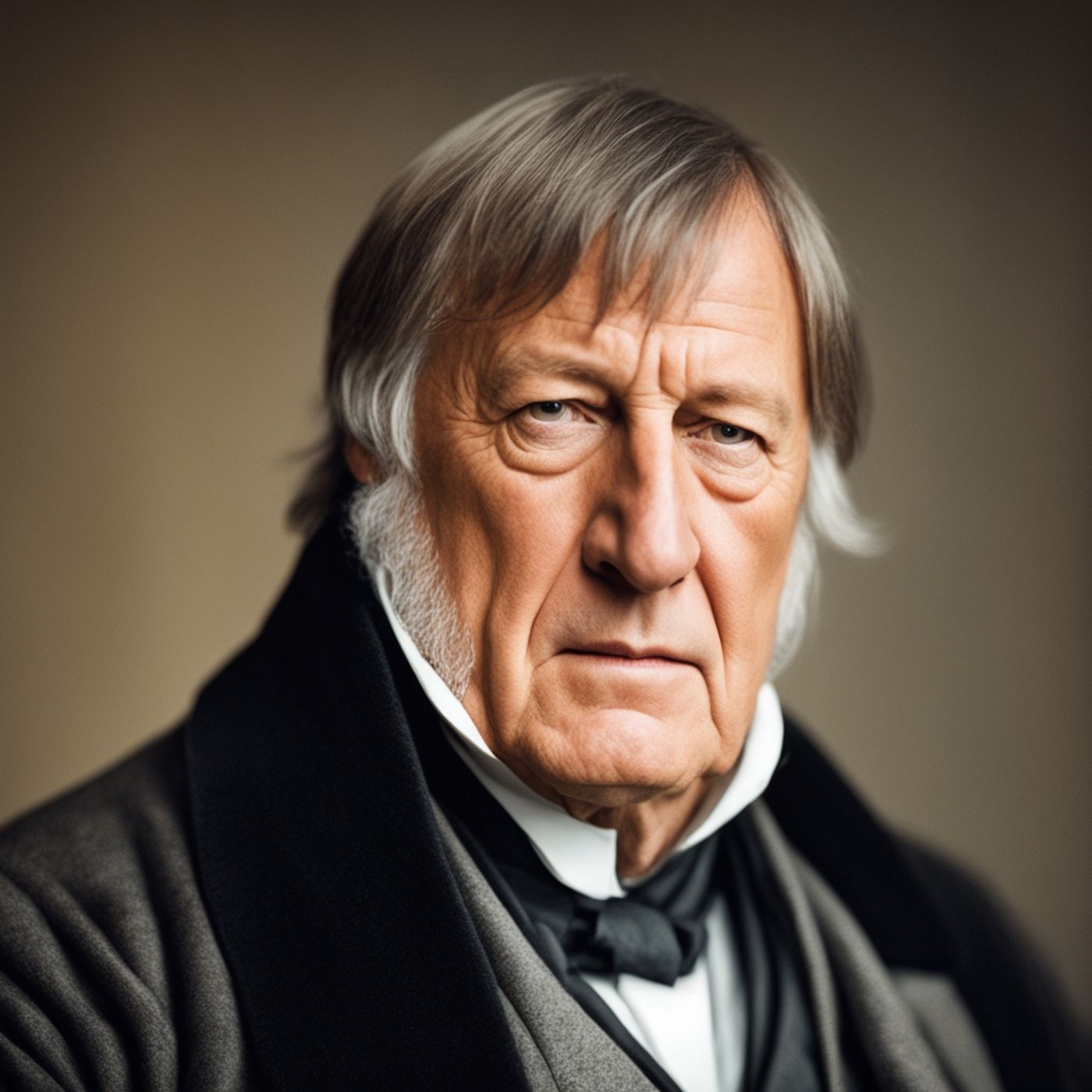
The Death of God: Hegel and Nietzsche
About this episode
This episode explores the philosophical implications of the idea that 'God is dead' as articulated by Hegel and Nietzsche, examining its impact on modern consciousness and theology.
This episode explores the striking idea that “God is dead” — not only in Nietzsche’s philosophy, but already in Hegel’s early work Faith and Knowledge. For Hegel, the “death of God” is not an atheist slogan but a diagnosis of the modern age: a culture marked by the loss of metaphysical grounding and the rise of an “abyss of nothingness” in which the divine has become a distant beyond. Modern consciousness lives with an “infinite pain,” the sense that the unity of religious life has dissolved. Nietzsche radicalizes this diagnosis. His cry “God is dead! God remains dead!” signals the collapse of the entire Christian‑moral framework of Europe. Where Hegel still sees a path toward reconciliation — a “speculative Good Friday” in which the death of God becomes a moment within the life of Spirit — Nietzsche sees the onset of nihilism and the need for a complete revaluation of values. The episode also reflects on what this means for Jewish and Christian theology today. Is the “death of God” a statement about God, or simply a description of a culture in which God no longer shapes public life? For Hegel, the experience of divine absence can itself become a theological moment, a stage in…
More episodes of The Philosophy Channel
- Eight Thinkers On Sovereignty
- What Does Hegel Mean By "Consciousness"?
- Slavoj Žižek and Jean Hyppolite: Opposite Readings of Hegel
- Lecture 1: Why Hegel’s Phenomenology of Spirit Matters
- The Experience of Wonder - Philosophy as Conversation Chapter 3
- Does Levinasian Ethics Shatter Hegelian Totality?
Explore listener stats, chart rankings, contacts and more on the The Philosophy Channel podcast page.