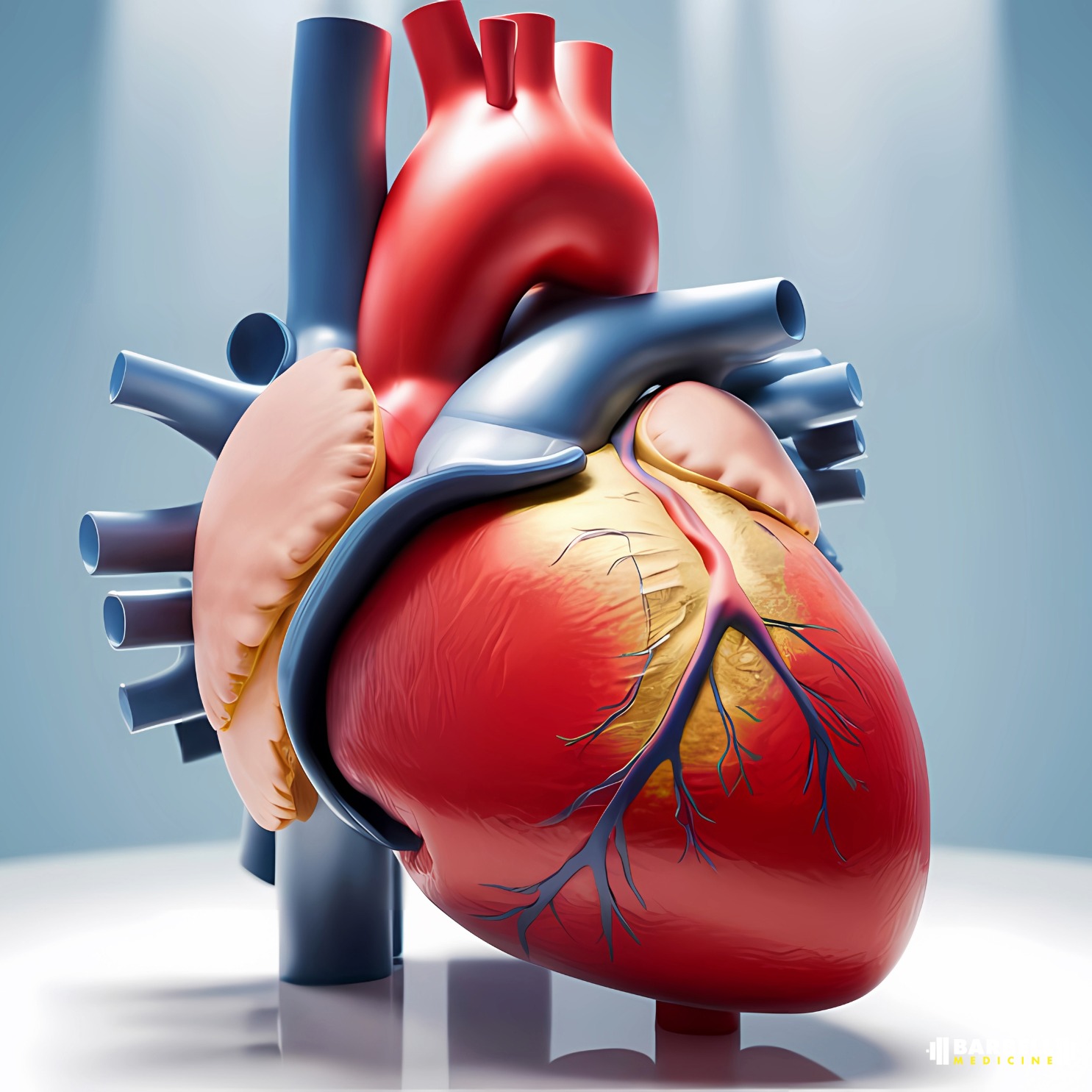
Episode #387: The Valsalva Maneuver- Blood Pressure & Safety in Lifting
About this episode
This episode explores the history and science behind the Valsalva maneuver and its implications for safety in lifting.
Most doctors, trainers, and "safety-first" influencers warn that holding your breath while lifting is a dangerous habit that could lead to a stroke or heart failure. By looking back at the 300-year history of the Valsalva maneuver—from a 1704 ear treatment to the "boogeyman" blood pressure studies of the 1980s—we dismantle the myth of the "fragile tube." Discover the science of the "pressurized suit" and why your body is actually designed to handle extreme internal pressure during heavy exertion. Key Takeaways The 'Ear Trick' Origins: Originally described in 1704 by Antonio Maria Valsalva as a way to clear middle-ear infections, the maneuver wasn't linked to cardiovascular risk until the 1850s "Weber experiments." The MacDougall 480/350 Study: Why the finding of massive blood pressure spikes during leg presses may have created a "villain arc" for the Valsalva maneuver in modern medicine. Transmural Pressure Protection: A blood vessel fails when internal pressure significantly exceeds external support; during a Valsalva, the internal spike is matched by an external "cradle" of intra-thoracic and cerebrospinal fluid pressure. Reflexive vs. Intentional Bracing: The Valsalva maneuver…
More episodes of Barbell Medicine Podcast
- Direct Line April 2026: Stopping Ozempic and Lifting With Osteopenia
- Is the Testosterone Crisis Real? The Numbers Behind the Headlines | Signal Ep 1
- Medical Mystery: The Man Who Got Weaker When He Started Training
- Overtraining Syndrome: Causes, Diagnosis, and What's Actually Going On
- Episode #391: VO2 Max vs. Cardiorespiratory Fitness, GLP-1 Costs, and the 10,000-Step Myth | Direct Line March 2026 (Free)
- Episode #390: Why Your Waist Matters More Than Your Weight — The Science of Visceral Fat
Explore listener stats, chart rankings, contacts and more on the Barbell Medicine Podcast podcast page.