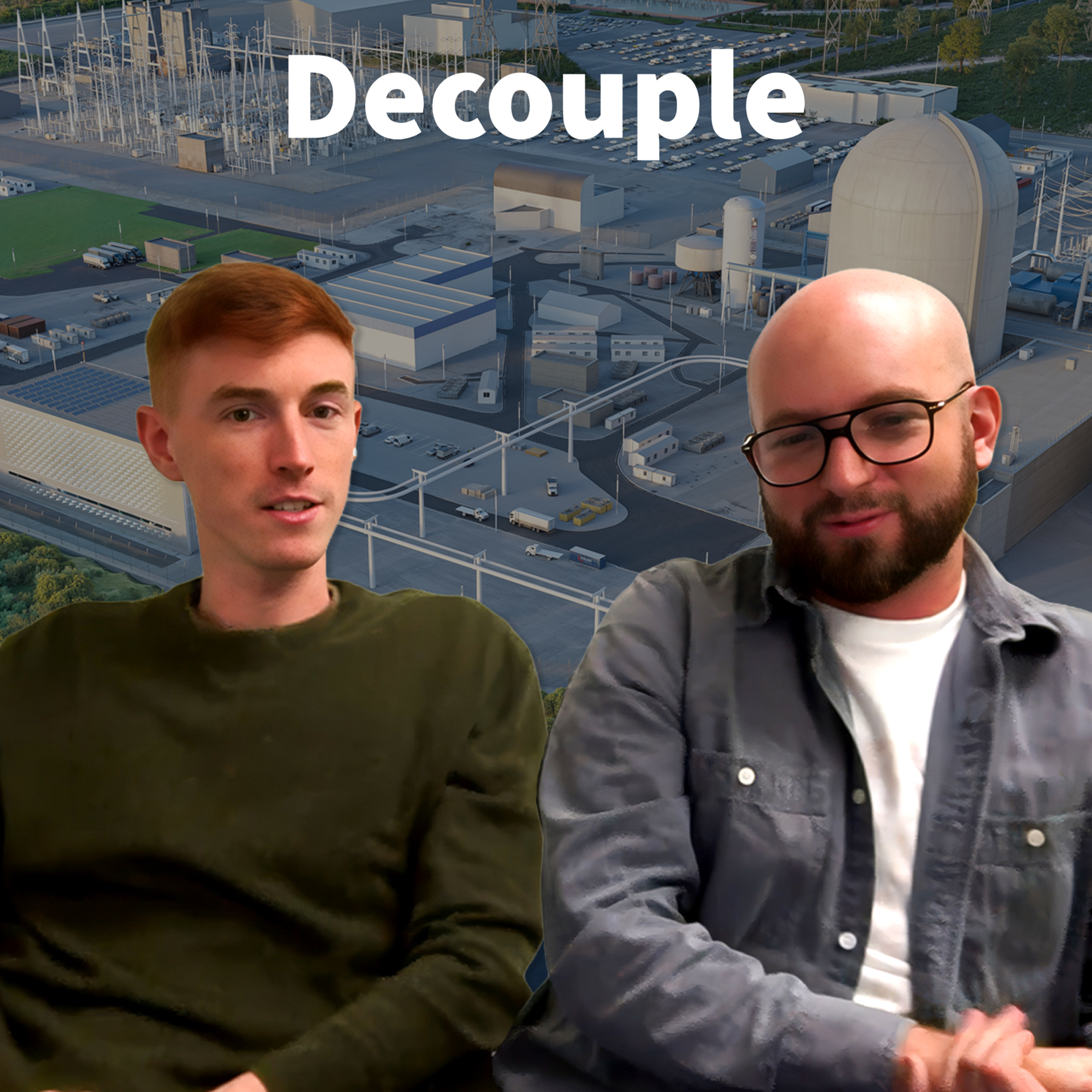
The Most Boring Path to 10 Gigawatts: Why Nuclear Uprates Matter Right Now
About this episode
This episode discusses the potential of nuclear uprates to increase capacity in existing plants and the economic implications of doing so.
For two decades the nuclear conversation has revolved around new builds, advanced reactors, and megaproject risk. Meanwhile, forty Westinghouse pressurized water reactors continue operating at roughly the same thermal output they were commissioned at decades ago, leaving six to ten gigawatts of potential capacity sitting inside existing plants. In this episode, I speak with Robb Stewart and James Krellenstein of Alva Energy about why power uprates may be the fastest and most capital efficient way to expand nuclear generation in the United States. Rather than chasing first of a kind reactor designs, they argue that modern steam generator technology, improved thermal hydraulic modeling, and standardized secondary side upgrades can unlock the equivalent of twenty to thirty 300 megawatt small modular reactors within three to five years. We examine why boiling water reactors captured most historical uprates while pressurized water reactors remained largely untouched, how balance of plant constraints rather than reactor physics often limit output, and why diverting additional steam to a separate turbine island changes both risk and economics. With hyperscalers willing to pay premium…
More episodes of Decouple
- The Absolute Best Water Reactor: What Happened to the World’s Fastest Constructed Reactor?
- Nuclear Reprocessing: Promise vs Reality
- Greenwashing with Chinese Characteristics
- The Luxury Beliefs That Broke Europe’s Energy System | Doomberg
- What's happening with CANDU?
- The Week LNG Became a Target
Explore listener stats, chart rankings, contacts and more on the Decouple podcast page.