
Insights from recent episode analysis
Audience Interest
Podcast Focus
Publishing Consistency
Platform Reach
Insights are generated by CastFox AI using publicly available data, episode content, and proprietary models.
Most discussed topics
Brands & references
Total monthly reach
Estimated from 6 chart positions in 6 markets.
By chart position
- 🇦🇪AE · Science#573K to 10K
- 🇬🇷GR · Science#673K to 10K
- 🇫🇮FI · Science#923K to 10K
- 🇻🇳VN · Science#923K to 10K
- 🇷🇴RO · Science#158500 to 3K
- Per-Episode Audience
Est. listeners per new episode within ~30 days
6.5K to 23K🎙 ~2x weekly·318 episodes·Last published today - Monthly Reach
Unique listeners across all episodes (30 days)
13K to 46K🇦🇪22%🇬🇷22%🇫🇮22%+3 more - Active Followers
Loyal subscribers who consistently listen
3.9K to 14K
Market Insights
Platform Distribution
Reach across major podcast platforms, updated hourly
Total Followers
—
Total Plays
—
Total Reviews
—
* Data sourced directly from platform APIs and aggregated hourly across all major podcast directories.
On the show
From 16 epsHosts
Recent guests
Recent episodes
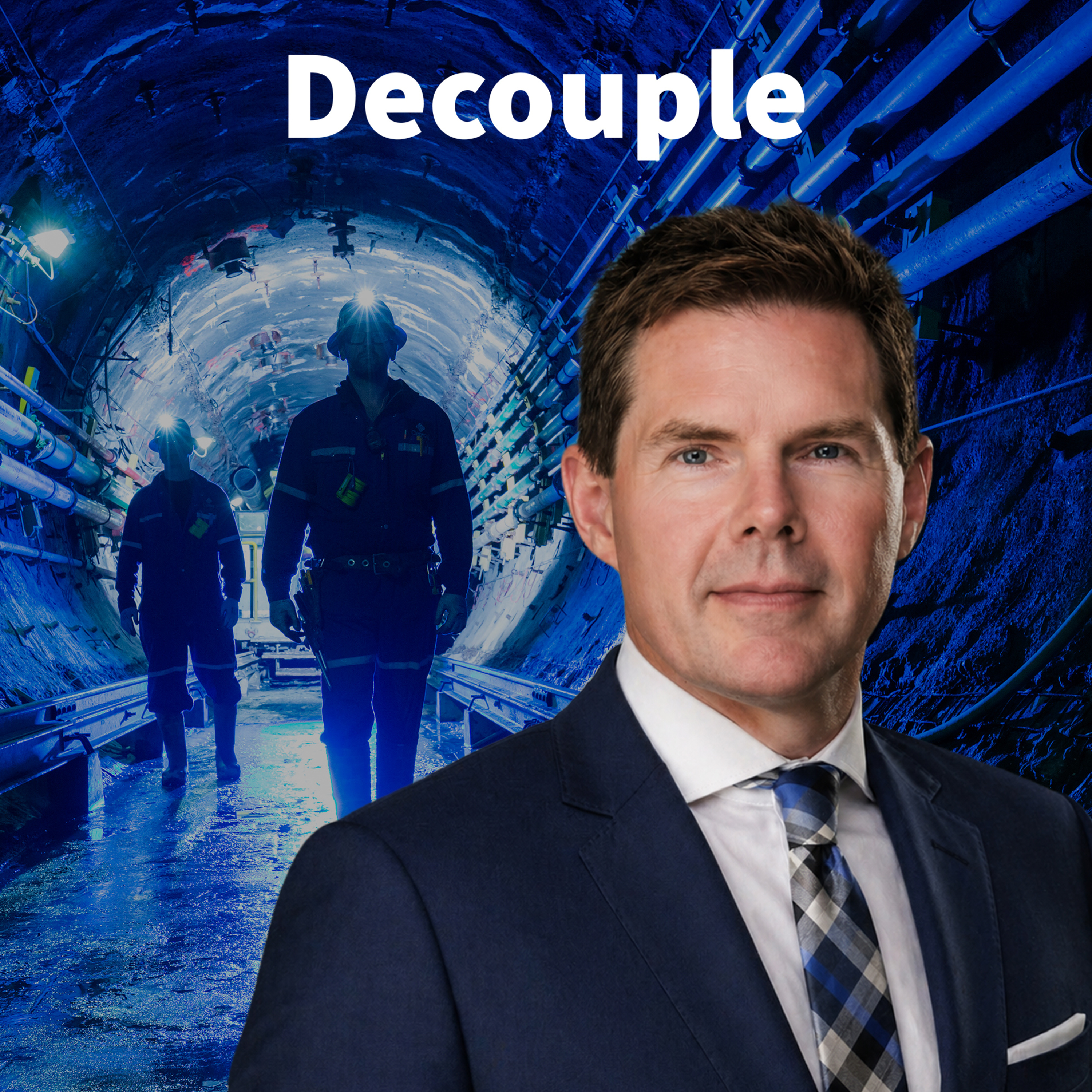
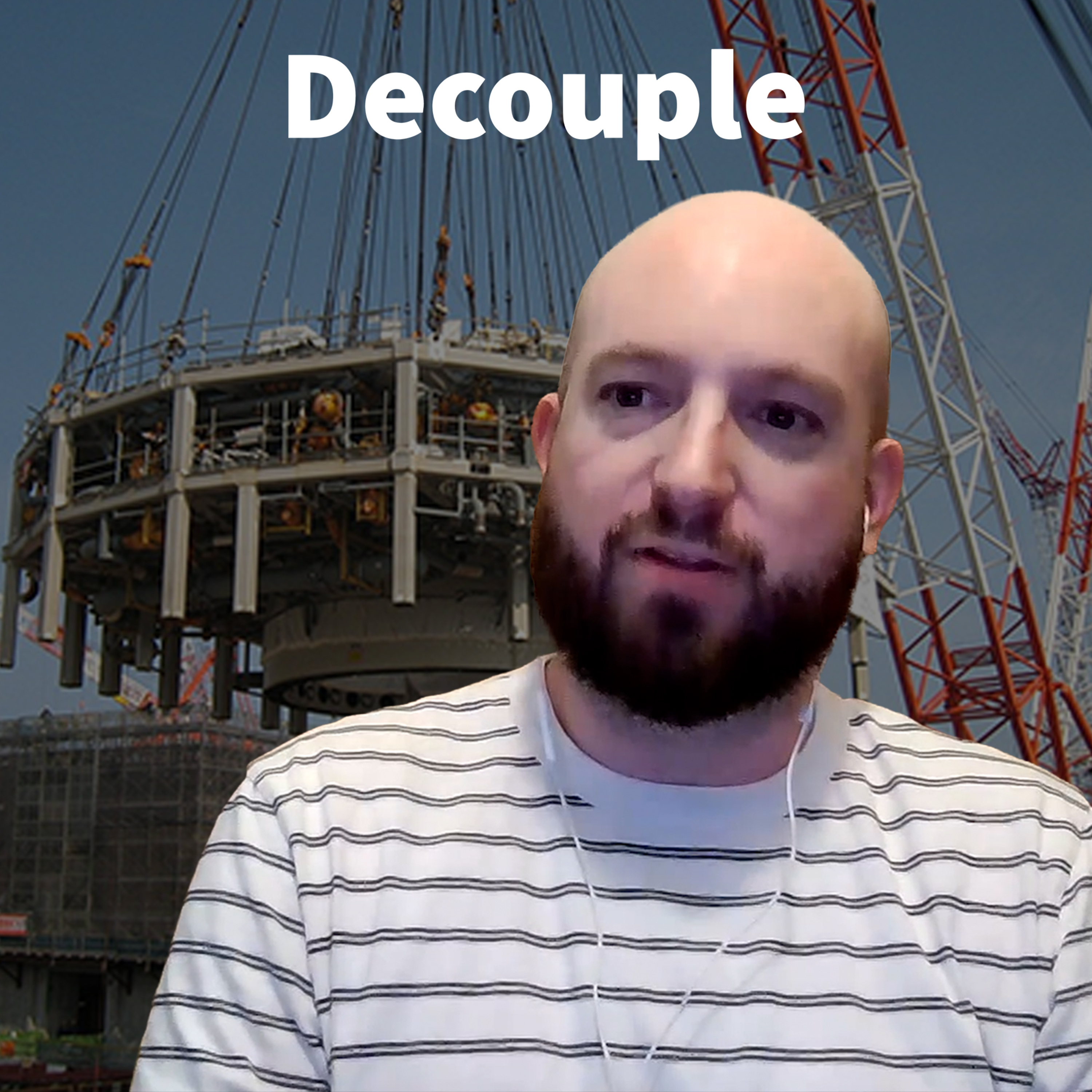
Megaprojects: Some Assembly Required w/ Ian MacGregor
Sep 3, 2026
Unknown duration
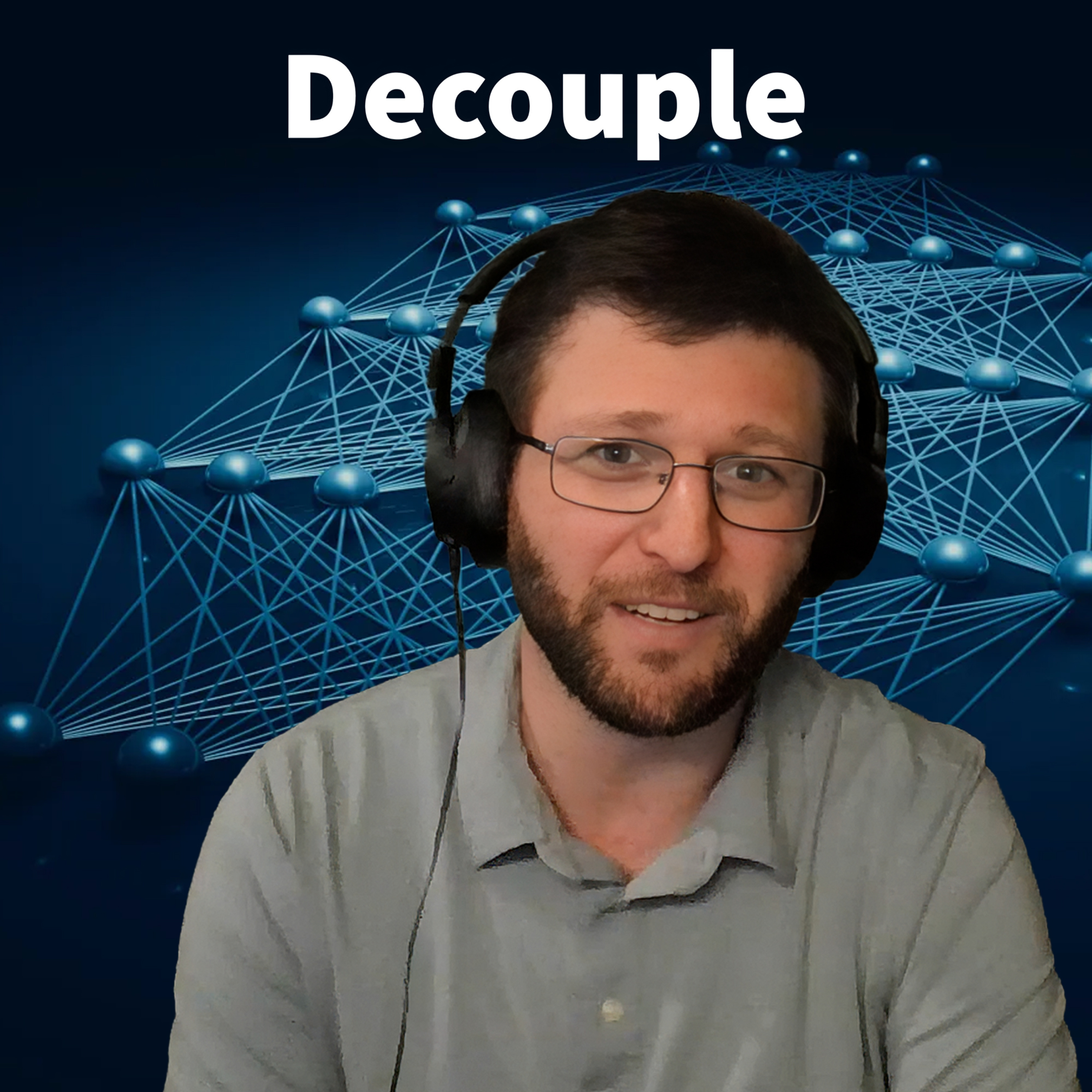
The State of Fusion Energy w/ Gerrit Bruhaug
Aug 13, 2026
Unknown duration
Sunk Costs & Diminishing Returns of Iran's Nuclear Program w/ Farzan Sabet
Aug 6, 2026
Unknown duration
Biomass Masterclass w/ Mark Nelson
Jul 31, 2026
Unknown duration
Ernie Moniz: Reflections on the JCPOA
Jul 23, 2026
Unknown duration
Social Links & Contact
Official channels & resources
Official Website
Login
RSS Feed
Login
| Date | Episode | Topics | Guests | Brands | Places | Keywords | Sponsor | Length | |
|---|---|---|---|---|---|---|---|---|---|
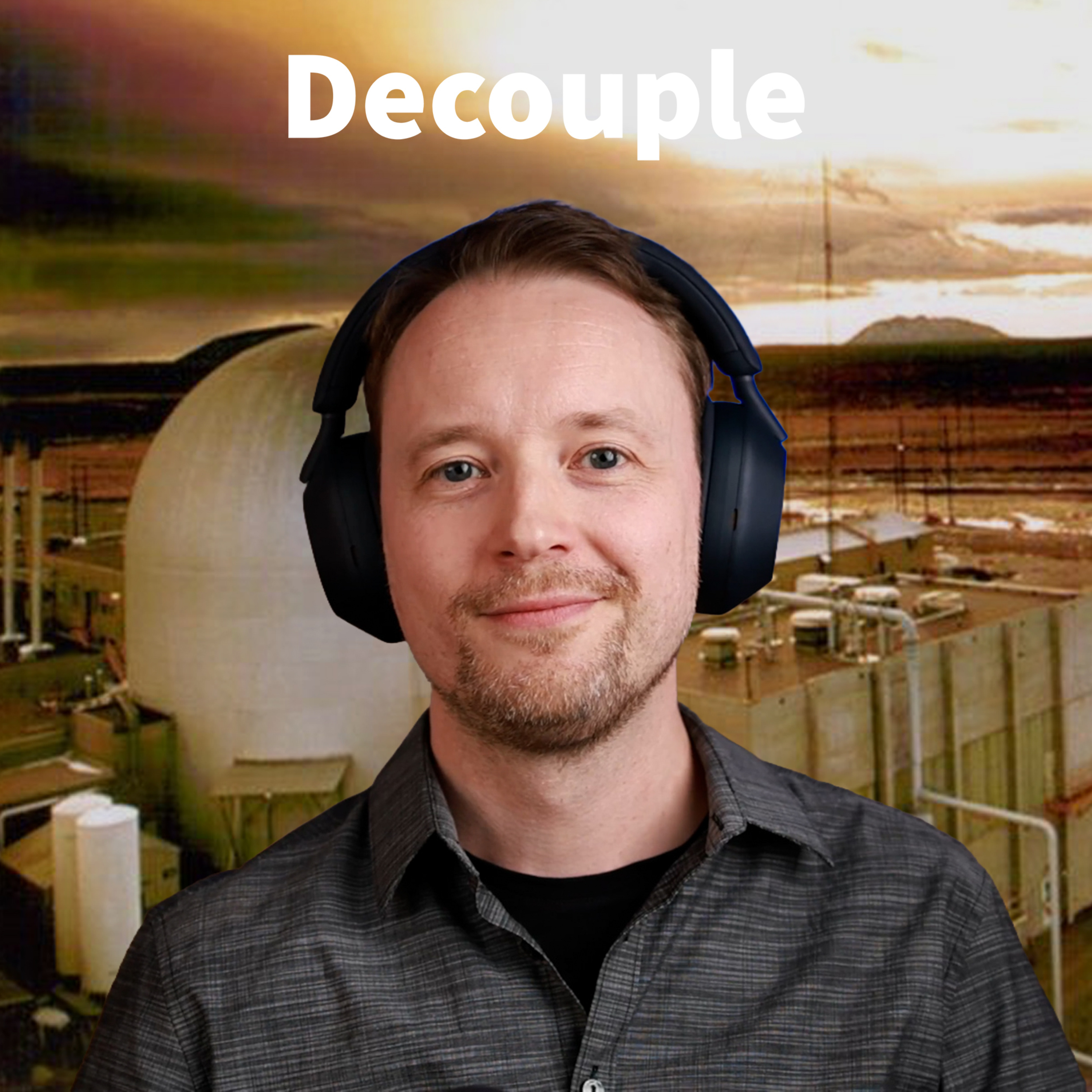
| 9/3/26 | 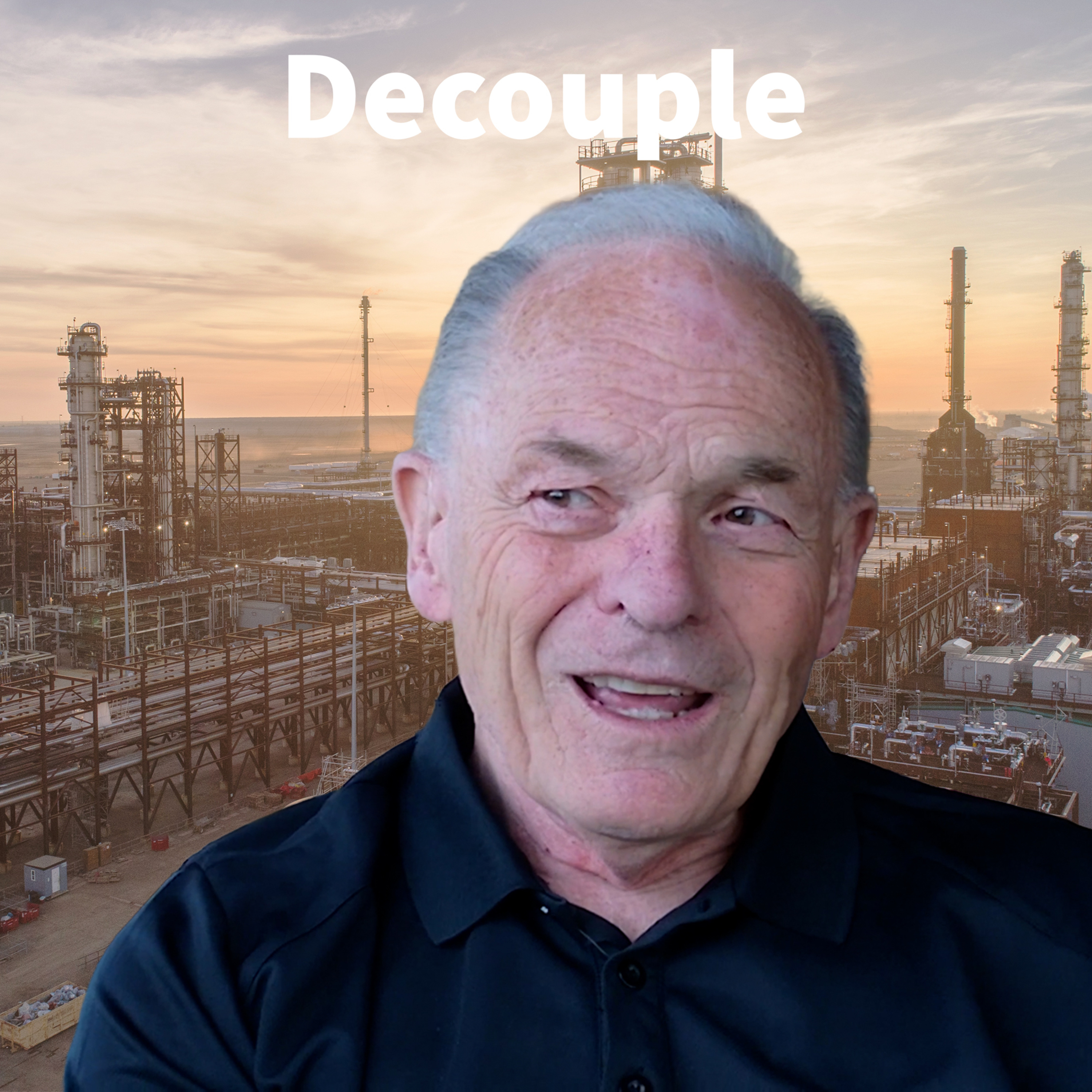 Megaprojects: Some Assembly Required w/ Ian MacGregor | Canada is once again attempting to build nuclear megaprojects after a long pause, making the experience of people who have actually delivered recent large industrial projects increasingly valuable. Ian McGregor is a veteran Alberta engineer, entrepreneur and industrial project developer who helped conceive and build the $12 billion Northwest Sturgeon Refinery and the Alberta Carbon Trunk Line.In this episode we use that project to explore the realities of megaproject delivery: incomplete engineering, supply-chain delays, labour bottlenecks, cost escalation and the challenge of coordinating thousands of critical components across a vast industrial site.We also dive into the refinery’s near-disastrous gasifier burner failure, where a mission-critical component designed to last thousands of hours failed after just 40, forcing McGregor and a small team of engineers and tradespeople to redesign it themselves. From there the conversation broadens into the economics of nation-building infrastructure, why governments often have to play a role in projects with century-long paybacks, and what Canada’s nuclear revival can learn from one of the country’s most ambitious recent industrial megaprojects.Listen to Decouple on:• Spotify: https://open.spotify.com/show/6PNr3ml8nEQotWWavE9kQz• Apple Podcasts: https://podcasts.apple.com/us/podcast/decouple/id1516526694?uo=4• Overcast: https://overcast.fm/itunes1516526694/decouple• Pocket Casts: https://pca.st/ehbfrn44• RSS: https://anchor.fm/s/23775178/podcast/rssWebsite: https://www.decouple.media | — | ||||||
| 8/13/26 |  The State of Fusion Energy w/ Gerrit Bruhaug | Fusion has spent nearly a century as the energy source of the future. In this episode, I’m joined by fusion scientist Gerrit Bruhaug to ask what has actually been achieved, what remains unsolved, and why progress has taken so much longer than the early pioneers expected. We start from first principles, how fusion differs from fission, why the Lawson criterion matters, and how magnetic and inertial confinement take radically different routes to the same goal. Gerrit provides an in-depth analysis of the National Ignition Facility’s breakthrough and why ignition is better understood as fusion’s Chicago Pile moment, rather than the near-term arrival of a commercial power plant.From there we get into the engineering realities behind the headlines: laser efficiency, plasma instabilities, neutron damage, divertor heat loads, tritium breeding and inventory, target manufacturing, parasitic loads, engineering breakeven and the enormous gap between making fusion happen and making cheap electricity.Gerrit also takes us through fusion’s surprisingly long history, from the optimism of the first private laser-fusion startup, KMS Fusion, to today’s new wave of heavily capitalized companies, and explains why the two constraints he watches most closely are tritium inventory and engineering gain.Listen to Decouple on:• Spotify: https://open.spotify.com/show/6PNr3ml8nEQotWWavE9kQz• Apple Podcasts: https://podcasts.apple.com/us/podcast/decouple/id1516526694?uo=4• Overcast: https://overcast.fm/itunes1516526694/decouple• Pocket Casts: https://pca.st/ehbfrn44• RSS: https://anchor.fm/s/23775178/podcast/rssWebsite: https://www.decouple.media | — | ||||||
| 8/6/26 | 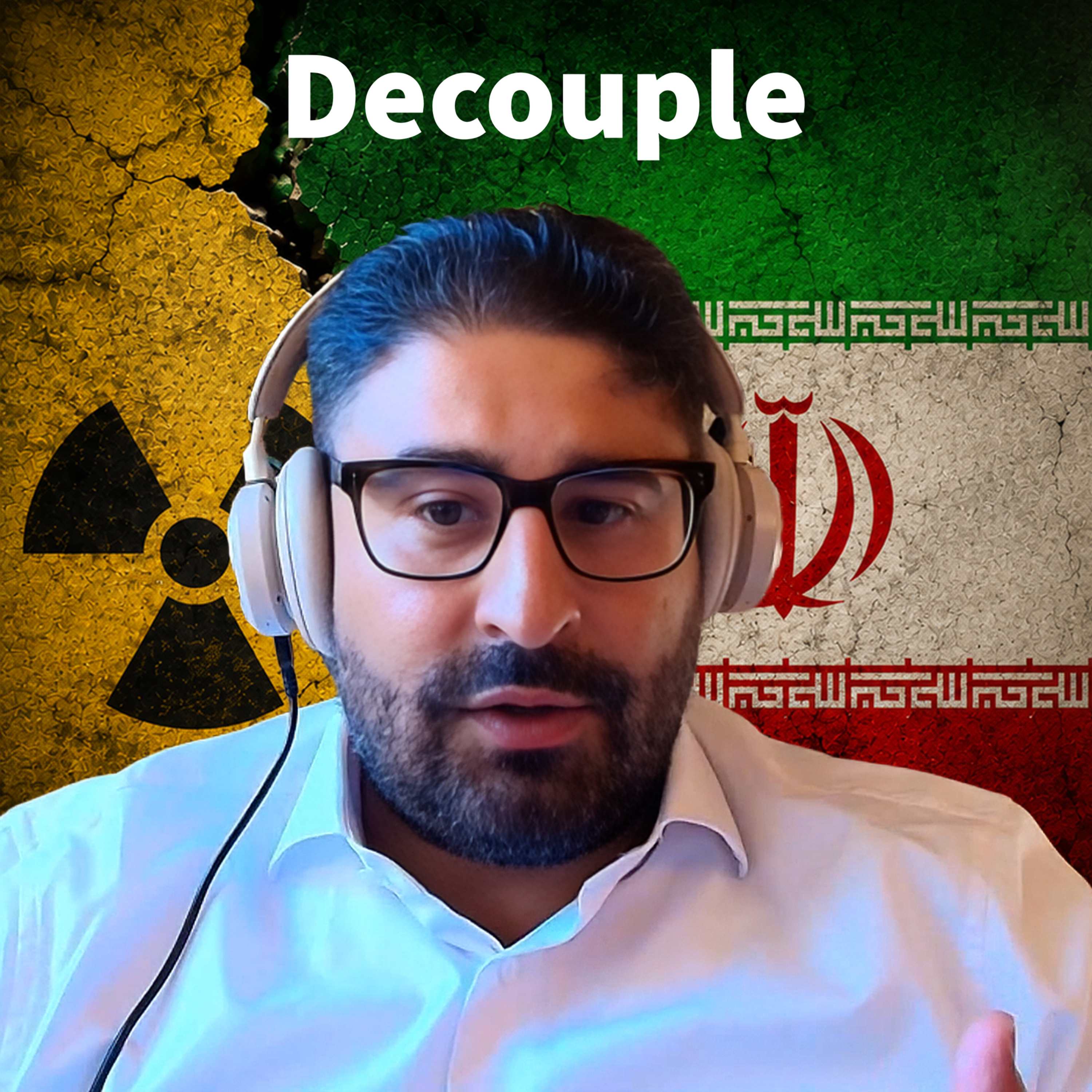 Sunk Costs & Diminishing Returns of Iran's Nuclear Program w/ Farzan Sabet | Iran’s nuclear program is now more than seven decades old, stretching from the Shah’s ambitious Atoms for Peace-era plans to the Islamic Republic’s pursuit of enrichment, missile capability and nuclear latency. Iran historian Farzan Sabet joins Decouple to explain how energy development, techno-nationalism, the trauma of the Iran–Iraq War and a persistent sense of strategic isolation transformed a civilian nuclear project into an increasingly important national-security instrument.We trace the program through the Shah’s plans for 23,000MW of commercial nuclear power, the revolution, the AQ Khan network, the AMAD weapons effort, the JCPOA and the collapse of Iran’s traditional deterrence architecture. Farzan also examines the extraordinary price Iran has paid: sanctions-related economic damage measured in the hundreds of billions of dollars and, by one estimate, comparable to the economic cost of the Iran–Iraq War, yet with neither substantial nuclear power generation nor a nuclear deterrent to show for it.Listen to Decouple on:• Spotify: https://open.spotify.com/show/6PNr3ml8nEQotWWavE9kQz• Apple Podcasts: https://podcasts.apple.com/us/podcast/decouple/id1516526694?uo=4• Overcast: https://overcast.fm/itunes1516526694/decouple• Pocket Casts: https://pca.st/ehbfrn44• RSS: https://anchor.fm/s/23775178/podcast/rssWebsite: https://www.decouple.media | — | ||||||
| 7/31/26 | 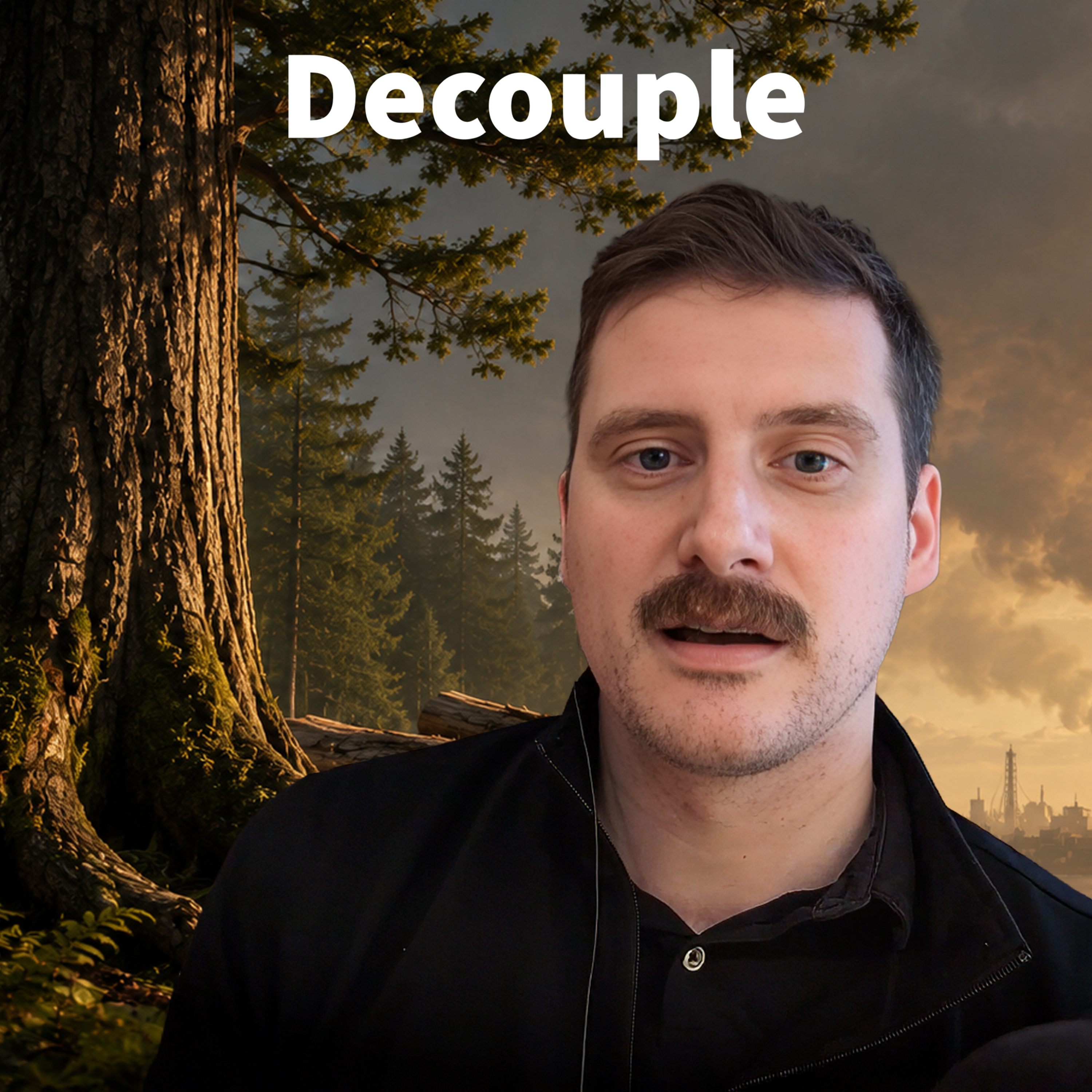 Biomass Masterclass w/ Mark Nelson | For almost the whole of human history, wood was the main act. It was the fuel that cooked food and smelted iron, the material that framed every house and hull, and the first bulk commodity ever moved at scale over long distances. In this episode Chris Keefer talks with energy analyst Mark Nelson about a material we almost entirely take for granted, starting with a fact hiding in plain sight: the grasping hands, binocular vision, and colour sight that define us were all built by an ancestry lived in the trees. From there the conversation turns to why wood, of all the products of photosynthesis, became civilization's battery, storing a century of sunlight in a form that can be felled and hauled away.That storage came with a hard ceiling, because the energy available to any pre-industrial society was set by its land area multiplied by how fast the sun could regrow a forest. Chris and Mark trace that single constraint through the iron furnaces that each needed a forest standing behind them to the oak fleets that turned a Baltic chokepoint into the 19th century equivalent of the Straits of Hormuz. Listen to Decouple on:• Spotify: https://open.spotify.com/show/6PNr3ml8nEQotWWavE9kQz• Apple Podcasts: https://podcasts.apple.com/us/podcast/decouple/id1516526694?uo=4• Overcast: https://overcast.fm/itunes1516526694/decouple• Pocket Casts: https://pca.st/ehbfrn44• RSS: https://anchor.fm/s/23775178/podcast/rssWebsite: https://www.decouple.media | — | ||||||
| 7/23/26 | 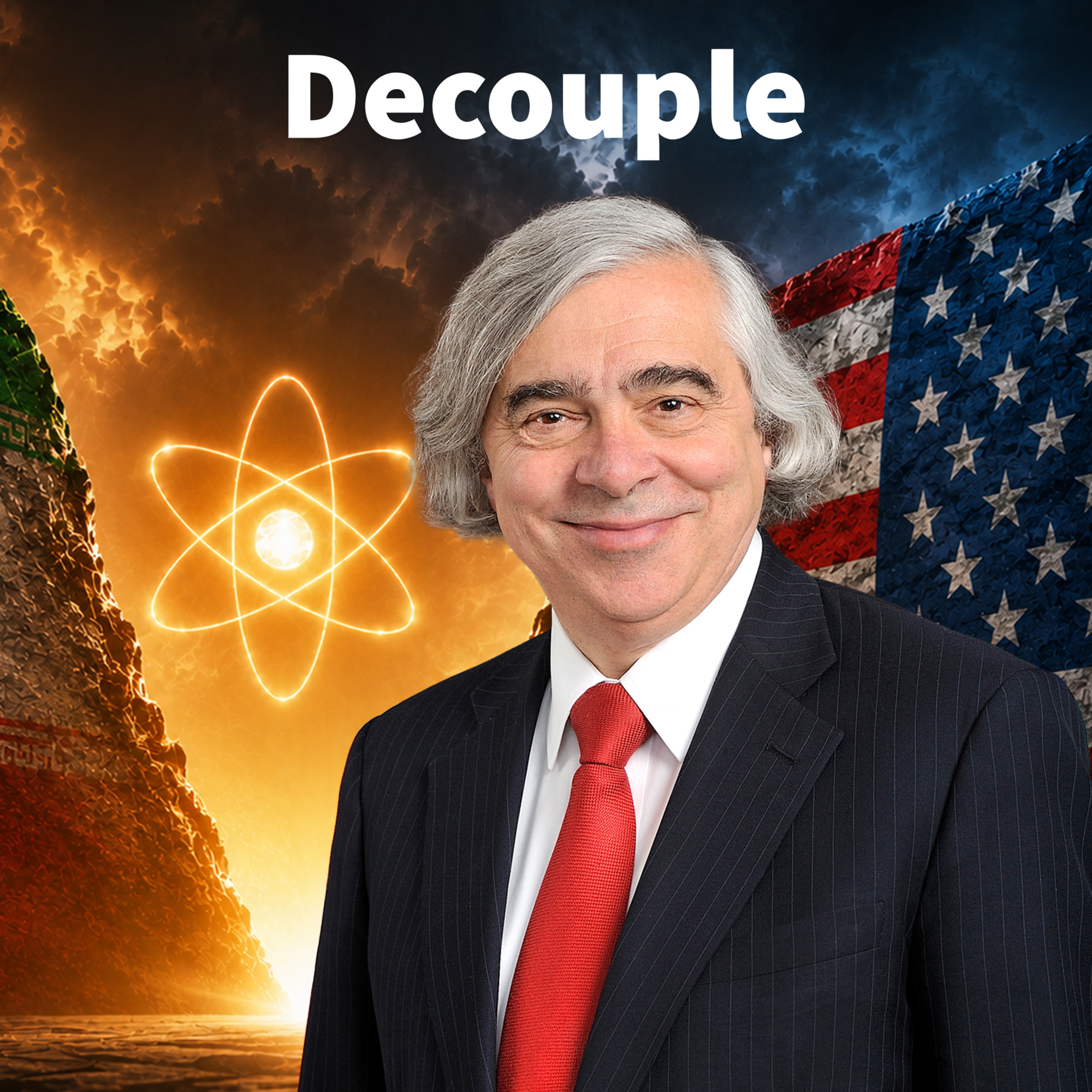 Ernie Moniz: Reflections on the JCPOA | Former U.S. Secretary of Energy Ernest Moniz joins Decouple to examine the history of Iran’s nuclear program and the negotiations that produced the 2015 Joint Comprehensive Plan of Action. As the agreement’s lead American technical negotiator, Moniz offers a rare inside account of his intensive discussions with Iranian nuclear chief Ali Akbar Salehi, explaining how personal trust helped make an extraordinarily difficult negotiation possible. He details the JCPOA’s restrictions on uranium enrichment and argues that its unprecedented inspection, verification and transparency provisions were even more important than its limits on nuclear technology.The conversation also explores the origins of Iran’s nuclear ambitions, including the formative impact of the Iran–Iraq War, the country’s former structured weapons program and its subsequent accumulation of uranium enriched to 60 percent. Moniz assesses the consequences of the United States’ 2018 withdrawal from the JCPOA, the limits of military action, the weakening of Iran’s civilian leadership and the increasingly difficult prospects for renewed negotiations. Despite these obstacles, he argues that diplomacy remains the only durable path to resolving Iran’s nuclear program, and potentially the wider challenges posed by its missiles, drones and regional proxies.Listen to Decouple on:• Spotify: https://open.spotify.com/show/6PNr3ml8nEQotWWavE9kQz• Apple Podcasts: https://podcasts.apple.com/us/podcast/decouple/id1516526694?uo=4• Overcast: https://overcast.fm/itunes1516526694/decouple• Pocket Casts: https://pca.st/ehbfrn44• RSS: https://anchor.fm/s/23775178/podcast/rssWebsite: https://www.decouple.media | — | ||||||
| 7/16/26 | nuclear financingconstruction risks+4 | Michael Seely | Sizewell COlkiluoto+6 | — | nuclear powerfinancing+5 | — | 1h 29m 39s | ||
| 6/24/26 | CANDU reactornuclear engineering+4 | Navid Badie | CANDU reactorcobalt-60+1 | Canada | CANDUnuclear reactor+5 | — | 1h 09m 21s | ||
| 6/17/26 | nuclear powerenergy discourse+4 | James Krellenstein | General ElectricWestinghouse | Oyster CreekDresden+2 | nuclear powercost comparison+5 | — | 1h 02m 56s | ||
| 6/4/26 | AI technologynuclear investment+4 | David Helmer | US governmentELIZA+3 | — | AI hypenuclear sector+5 | — | 1h 32m 24s | ||
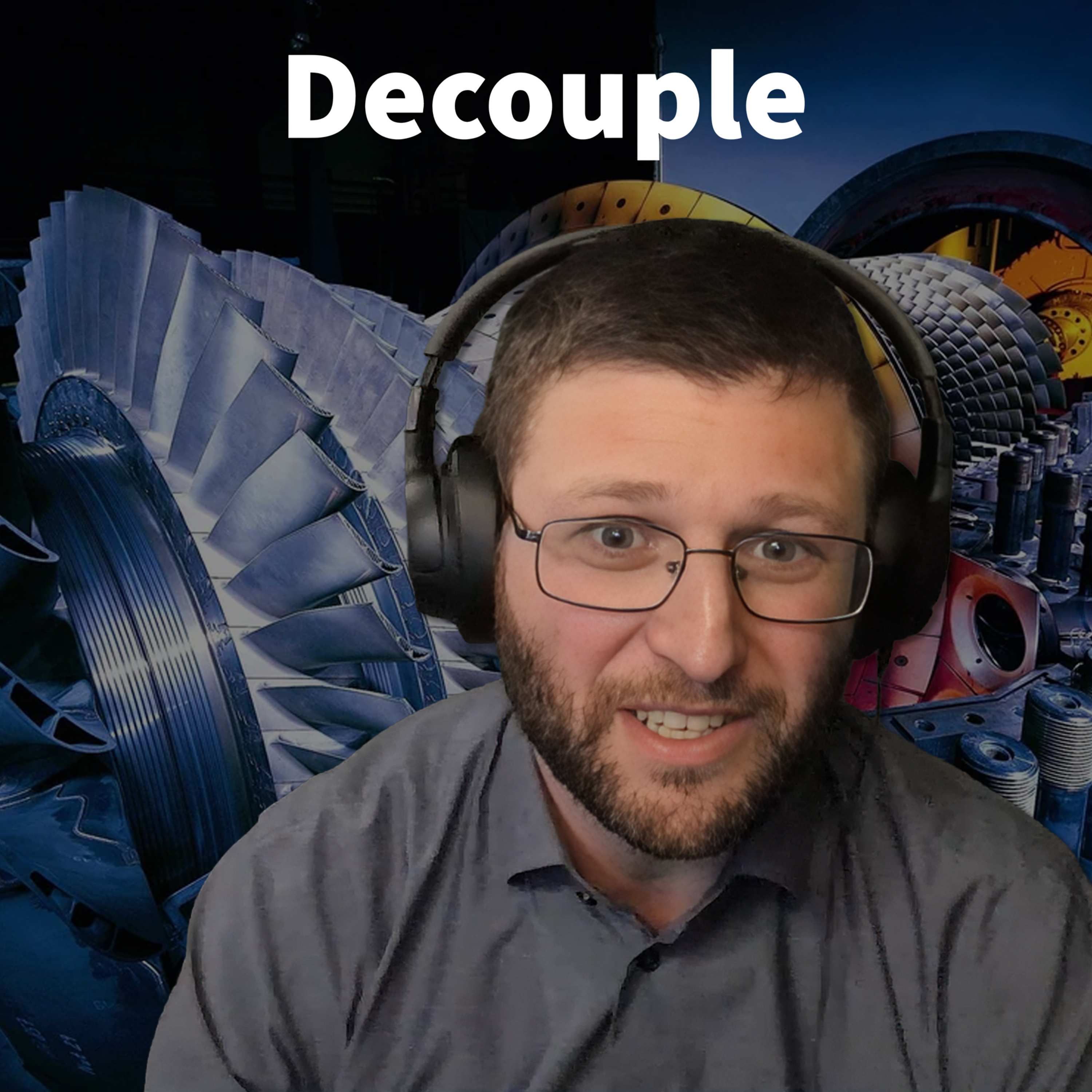
| 5/12/26 | gas turbine technologyaviation innovation cycles+4 | David Helmer | GEBoston Consulting Group+3 | — | gas turbineaviation+5 | — | 1h 05m 48s | ||
Want analysis for the episodes below?Free for Pro Submit a request, we'll have your selected episodes analyzed within an hour. Free, at no cost to you, for Pro users. | |||||||||
| 4/30/26 | uranium marketcommodity cycles+4 | Grant Isaac | CamecoWestinghouse+1 | — | uraniumcommodity cycle+5 | — | 1h 18m 46s | ||
| 4/23/26 | nuclear constructionproject delivery+5 | — | Advanced Boiling Water Reactor (ABWR)Westinghouse+1 | — | nuclear technologyABWR+5 | — | 1h 09m 12s | ||
| 4/9/26 | nuclear reprocessingenergy security+3 | Michael Seely | PUREXEBR-2+1 | FranceLa Hague | nuclear reprocessingenergy+5 | — | 1h 41m 30s | ||
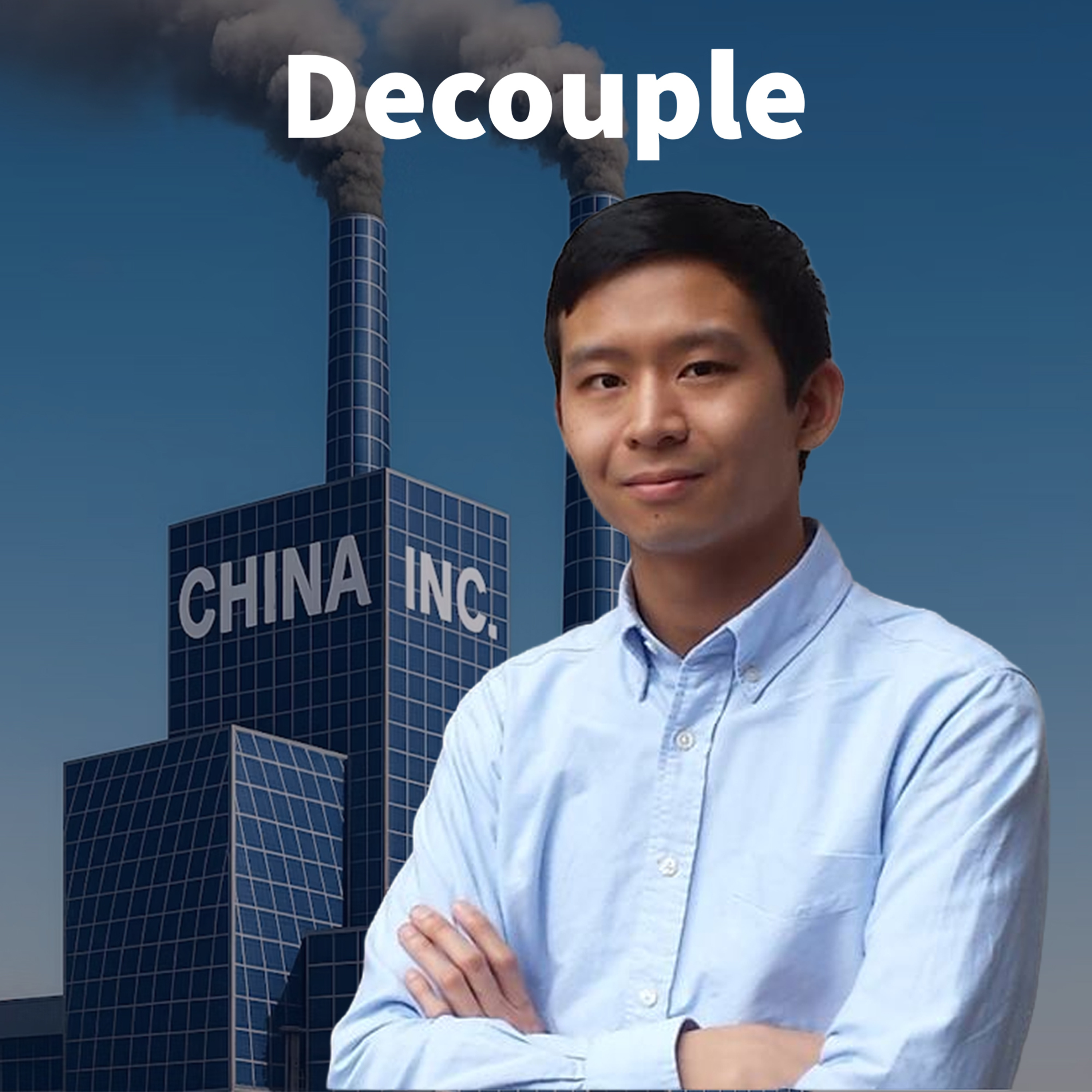
| 4/2/26 | greenwashingChina's industrial dominance+4 | Seaver Wang | Chinaclimate activists+2 | — | greenwashingsolar+7 | — | 1h 06m 57s | ||
| 3/24/26 | energy systemspolitical choices+4 | Doomberg | EuropeSpotify+5 | — | energyEurope+6 | — | 1h 17m 03s | ||
| 3/19/26 | nuclear energyCANDU+5 | Joe St. Julian | AP1000AtkinsRéalis+1 | CanadaDarlington+4 | nuclearCanada+6 | — | 1h 16m 41s | ||
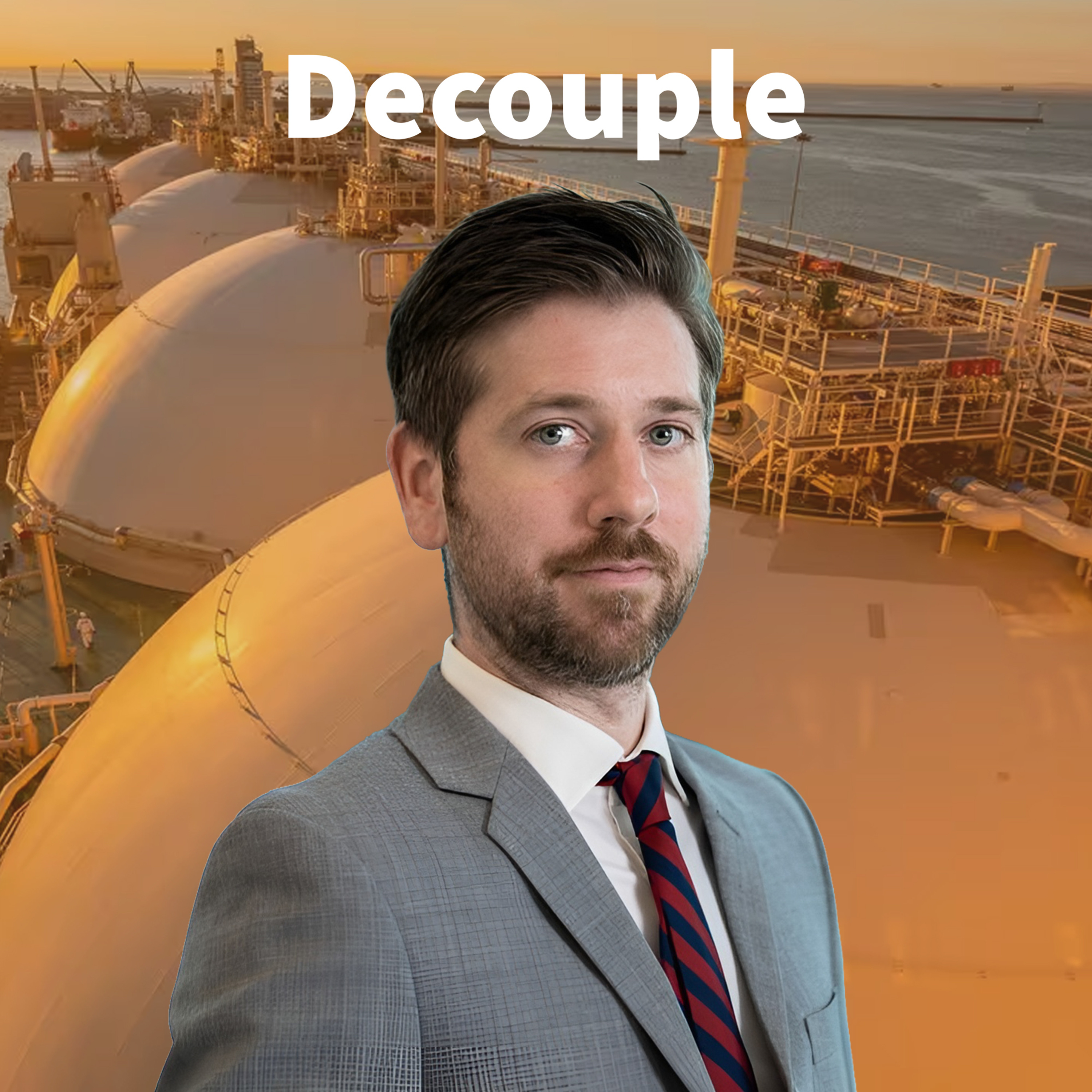
| 3/13/26 | LNGgeopolitics+5 | Stephen Stapczynski | LNGArctic Metagas+1 | IranQatar+2 | LNGIran+5 | — | 1h 15m 31s | ||
| 3/5/26 | nuclear energyfuels+3 | — | nuclear | — | nuclearenergy+3 | — | 1h 25m 26s | ||
| 2/26/26 | nuclear fueluranium processing+4 | Michael Seely | uranium dioxide pelletshigh-assay low-enriched uranium (HALEU)+2 | — | nuclear fueluranium dioxide+5 | — | 1h 20m 46s | ||
| 2/17/26 | nuclear energypower uprates+4 | Robb StewartJames Krellenstein | Alva EnergyWestinghouse+1 | — | nuclear generationmegawatts+5 | — | 1h 05m 29s | ||
| 2/12/26 | AI developmentChina+4 | Kyle Chan | High Capacity SubstackCCP+1 | ChinaUnited States | AI with Chinese characteristicsDeepSeek+8 | — | 1h 06m 11s | ||
| 1/29/26 | 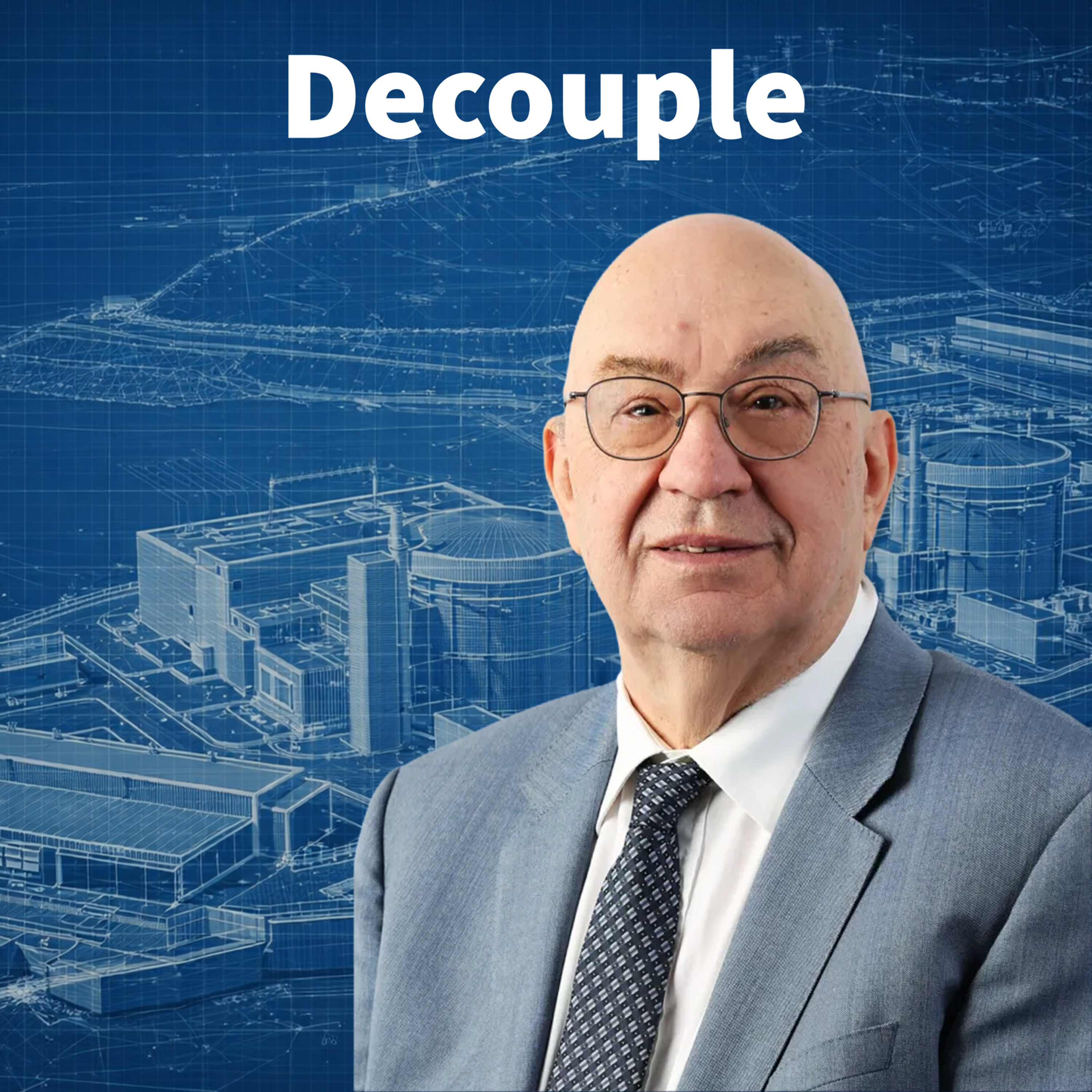 A Case Study of Excellence from Canada’s Nuclear Golden Age | In this special episode of Decouple, Chris Keefer speaks with Ken Petrunik, one of the few leaders in the Western nuclear industry who has taken large reactors from first concrete to operation under budget and ahead of schedule. Petrunik’s career spans Canada’s nuclear golden age and its export era, with senior roles in Romania, Argentina, and China, including leading the Qinshan Phase III CANDU reactors, delivered ahead of schedule and under budget under a fixed price engineering, procurement, and construction contract. The conversation traces how Canada once built nuclear plants at scale and how that environment shaped project managers capable of carrying real responsibility.We deep dive how nuclear projects are actually delivered, including construction sequencing, labor productivity, schedule control, and on site authority. Petrunik recounts moments when projects nearly failed and explains how early decisions and transparent coordination allowed recovery before delays became irreversible. The episode also examines what was lost as Canada’s build capability faded and what today’s nuclear programs can still learn from the people who led projects when reactors were routinely built.Listen to Decouple on:• Spotify: https://open.spotify.com/show/6PNr3ml8nEQotWWavE9kQz• Apple Podcasts: https://podcasts.apple.com/us/podcast/decouple/id1516526694?uo=4• Overcast: https://overcast.fm/itunes1516526694/decouple• Pocket Casts: https://pca.st/ehbfrn44• RSS: https://anchor.fm/s/23775178/podcast/rssWebsite: https://www.decouple.media | — | ||||||
| 1/15/26 | 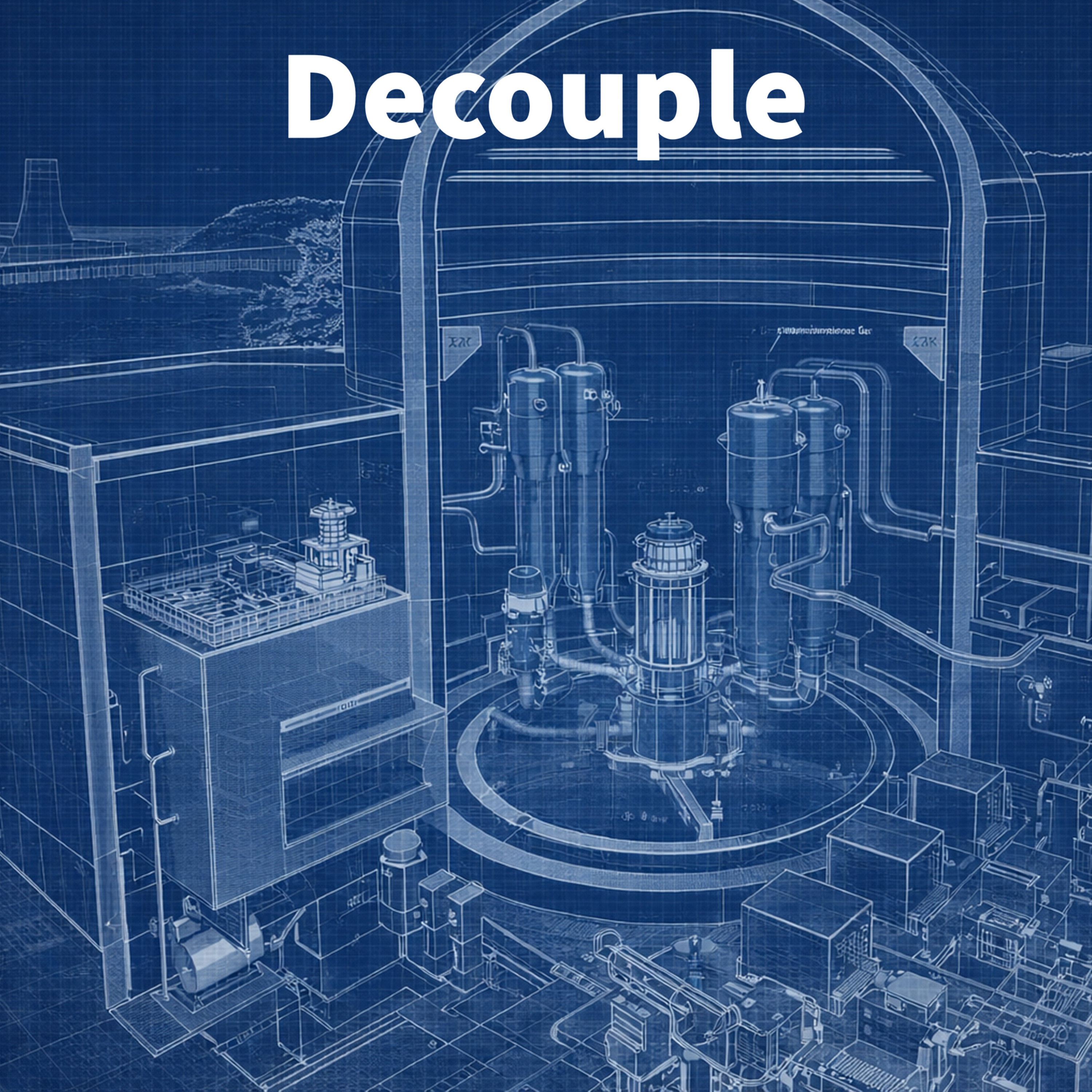 EPR: The Reactor That Tried to Please Everyone and Satisfied No One | In this episode of Decouple we deep dive the European Pressurised Reactor and what its troubled construction history reveals about the real constraints on nuclear build out in the modern West. The conversation traces how a design intended to satisfy every regulator through a design philosophy of extreme redundancy and conservative safety margins instead exposed the limits of Western construction capacity, supply chain readiness, and project management culture. The episode also places the EPR in context alongside other large reactor designs, including AP1000 and APR 1400, highlighting how different philosophies around active redundancy, passive safety, modularity, and operational flexibility shape construction risk and cost. We explore why Germany and Korea were able to execute reactors with highly redundant active safety systems successfully when industrial capacity was warm, and why the EPR pushed that same philosophy beyond the point of diminishing returns. Listen to Decouple on:• Spotify: https://open.spotify.com/show/6PNr3ml8nEQotWWavE9kQz• Apple Podcasts: https://podcasts.apple.com/us/podcast/decouple/id1516526694?uo=4• Overcast: https://overcast.fm/itunes1516526694/decouple• Pocket Casts: https://pca.st/ehbfrn44• RSS: https://anchor.fm/s/23775178/podcast/rssWebsite: https://www.decouple.media | — | ||||||
| 1/8/26 |  Why Nuclear Shipping Is Inherently Niche | Why have we built nuclear ships before, proven they can operate, and still not made them commonplace? Nick Touran breaks down the history of maritime nuclear power, from the Nuclear Ship Savannah and Otto Hahn to Japan’s Mutsu and Russia’s Sevmorput, then pivots to floating nuclear power concepts such as the MH 1A Sturgis and the Offshore Power Systems program. We explore what worked, what failed, and what keeps blocking adoption, including port access rules, indemnity and international agreements, staffing costs, containerization economics, shielding and public reaction, and the unique operational demands of running reactors at sea.Listen to Decouple on:• Spotify: https://open.spotify.com/show/6PNr3ml8nEQotWWavE9kQz• Apple Podcasts: https://podcasts.apple.com/us/podcast/decouple/id1516526694?uo=4• Overcast: https://overcast.fm/itunes1516526694/decouple• Pocket Casts: https://pca.st/ehbfrn44• RSS: https://anchor.fm/s/23775178/podcast/rssWebsite: https://www.decouple.media | — | ||||||
| 12/18/25 |  Janus: The Army’s Second Attempt at Fielding Microreactors | In this episode of Decouple, Dr. Jeff Waksman, Principal Deputy Assistant Secretary of the Army for Installations, Energy and Environment, explains how the U.S. Army is making a second attempt at making microreactors great again. The discussion situates the Janus microreactor program in the long history of the Army Nuclear Power Program and Project Pele, highlighting why earlier small reactor deployments failed to compete with diesel and grid power even in extreme environments, and why Janus represents a fundamentally different approach.Janus is best understood as an attempt to apply the Commercial Orbital Transportation Services model to nuclear energy, using milestone-based funding, hard downselects, and vendor replaceability to subsidize learning rather than electricity sales. The conversation explores the severe economic constraints facing one to ten megawatt reactors, the limits of the SpaceX analogy, and the unglamorous but decisive challenges of fuel logistics, waste removal, and slow nuclear learning cycles that will ultimately determine whether microreactors can ever move beyond demonstration and into durable military let alone commercial service.Listen to Decouple on:• Spotify: https://open.spotify.com/show/6PNr3ml8nEQotWWavE9kQz• Apple Podcasts: https://podcasts.apple.com/us/podcast/decouple/id1516526694?uo=4• Overcast: https://overcast.fm/itunes1516526694/decouple• Pocket Casts: https://pca.st/ehbfrn44• RSS: https://anchor.fm/s/23775178/podcast/rssWebsite: https://www.decouple.media | — | ||||||



Showing 25 of 242
Pitch Fit is a Pro feature
See how bookable this show is for guests, which brands already advertise, the per-episode ad value, and the best-fit guest and sponsor profile. The numbers are blurred on the free plan.
How readily this show books outside guests like you.
How proven this show is for host-read sponsorships.
For Guests
ProFor Advertisers
ProUpgrade to Pro to unlock guest cadence, sponsor categories, fit scores, and per-episode ad value for this show.
Chart history for Decouple
Peaked at #57 in AE, currently #57 in AE.
| Market | Genre | Peak | Current | Trend |
|---|---|---|---|---|
| AE | — | #57 | #57 | — |
| GR | — | #67 | #67 | — |
| Finland | — | #92 | #92 | — |
| VN | — | #92 | #92 | — |
| RO | — | #158 | #158 | — |
| Ireland | — | #175 | #175 | — |
Chart Positions
6 placements across 6 markets.
Chart Positions
6 placements across 6 markets.