Why the Crusades Became Cool Again
About this episode
This episode explores how Walter Scott revived the Crusades in popular culture and the complexities of his message.
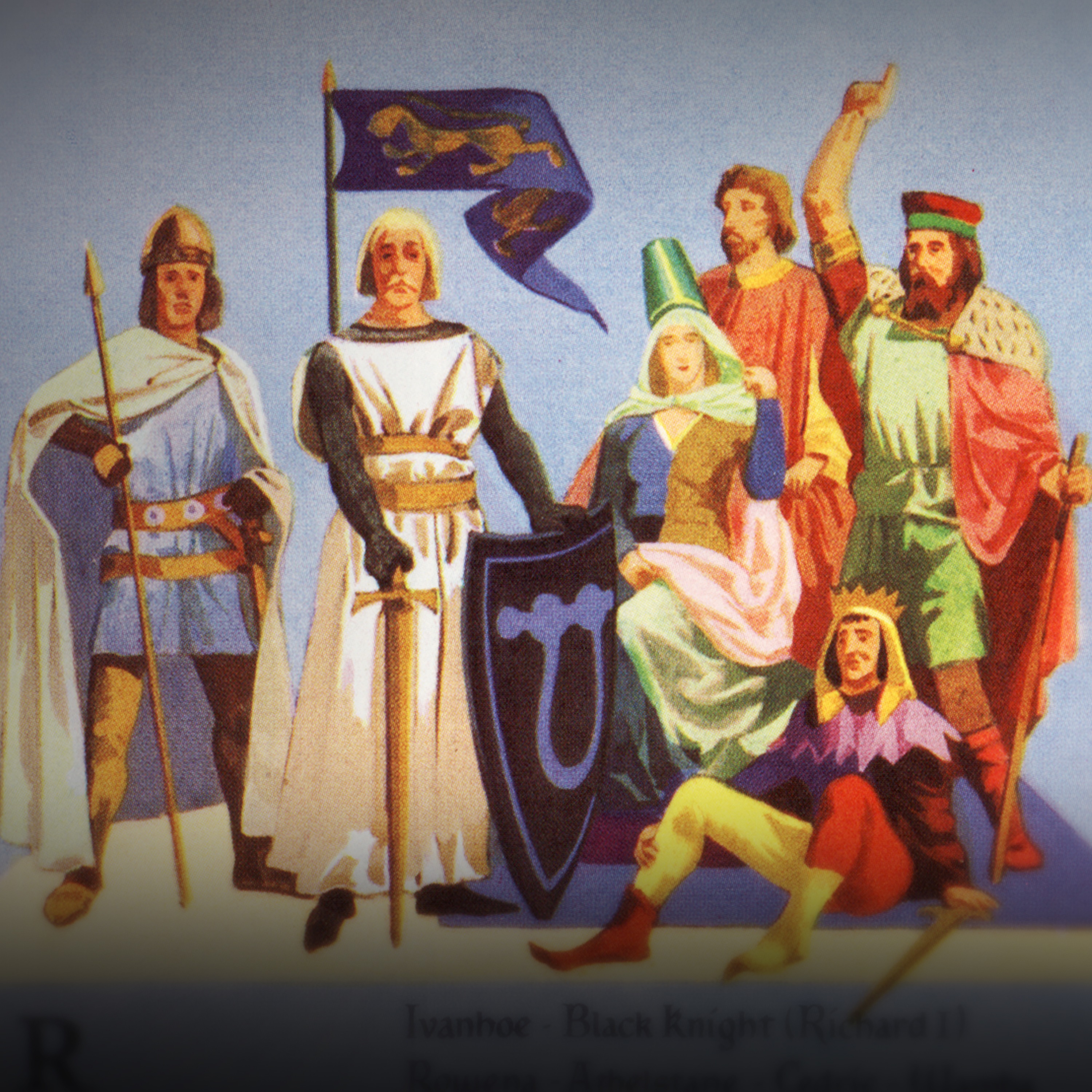
June 8, 1191. The Crusaders and Muslim forces are locked in battle over the city of Acre. On one side is Saladin, the great Muslim leader who has already recaptured Jerusalem. On the other, an armada arrives carrying England’s king: Richard the Lionheart. The Crusades will become one of the defining conflicts of the Middle Ages. But for centuries, their history fades into legend… until a Scottish writer named Walter Scott brings them roaring back. His novels turn knights, tournaments, and holy war into blockbuster entertainment. But Scott’s message was more complicated than simple nostalgia: he saw the Crusades as reckless, violent, and hollow. His readers mostly saw the armor. How did a Scottish poet revive this religious war and turn it into an international phenomenon? And how did his underlying message get lost, warped, and then repurposed to justify even more violence? Special thanks to Ian Duncan, professor of English at the University of California, Berkeley, and author of Scott's Shadow: The Novel in Romantic Edinburgh . You can find the rest of the books we used to research this episode at historythisweekpodcast.com . Get in touch: historythisweek@history.com  …
More episodes of HISTORY This Week
- How Higgins and His Boats Won the War
- WWII with Tom Hanks (Episode 1 – The Beginning)
- The Secretary of War Who Feared the Bomb
- Bonnie and Clyde’s Final Ride
- The Berlin Airlift and the Birth of the New World Order (Part 2)
Explore listener stats, chart rankings, contacts and more on the HISTORY This Week podcast page.