Insights from recent episode analysis
Audience Interest
- historical events and figures
- impact on modern society
Podcast Focus
- explores pivotal historical moments
- features expert interviews
Publishing Consistency
- active for six years
- weekly episode release
Platform Reach
- available on major podcast platforms
- produced by HISTORY Channel
Insights are generated by CastFox AI using publicly available data, episode content, and proprietary models.
Most discussed topics
Brands & references
Total monthly reach
Estimated from 31 chart positions in 31 markets.
By chart position
- 🇺🇸US · History#32100K to 300K
- 🇨🇦CA · History#39100K to 300K
- 🇦🇺AU · History#1195K to 30K
- 🇰🇷KR · History#19100K to 300K
- 🇲🇽MX · History#4930K to 100K
- Per-Episode Audience
Est. listeners per new episode within ~30 days
145K to 458K🎙 Daily cadence·316 episodes·Last published 4d ago - Monthly Reach
Unique listeners across all episodes (30 days)
483K to 1.5M🇺🇸20%🇨🇦20%🇰🇷20%+28 more - Active Followers
Loyal subscribers who consistently listen
193K to 611K
Market Insights
Platform Distribution
Reach across major podcast platforms, updated hourly
Total Followers
—
Total Plays
—
Total Reviews
—
* Data sourced directly from platform APIs and aggregated hourly across all major podcast directories.
On the show
From 12 epsHosts
Recent guests
Recent episodes
Why the Crusades Became Cool Again
Jun 8, 2026
26m 59s
How Higgins and His Boats Won the War
Jun 1, 2026
30m 17s
WWII with Tom Hanks (Episode 1 – The Beginning)
May 27, 2026
40m 14s
The Secretary of War Who Feared the Bomb
May 25, 2026
34m 00s
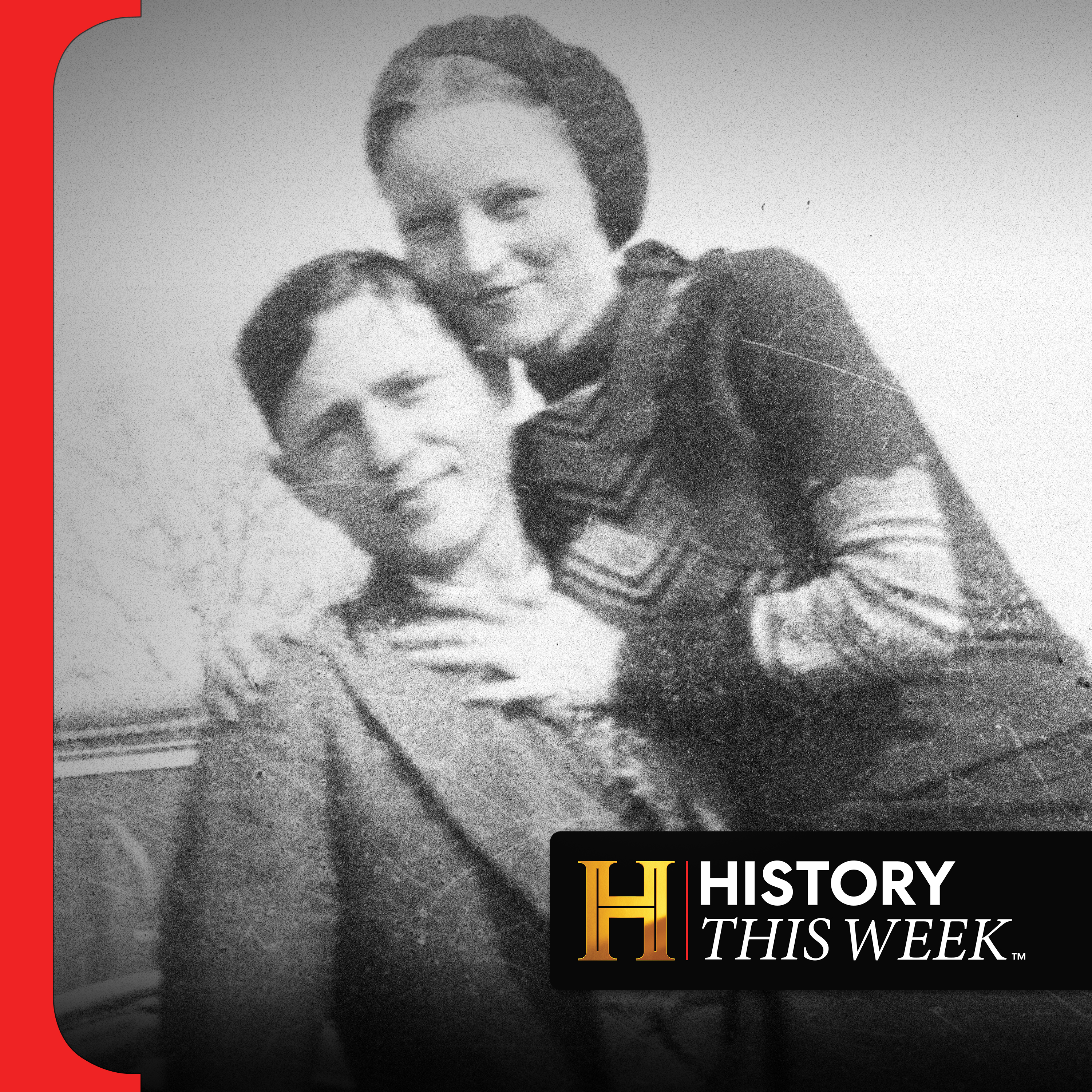
Bonnie and Clyde’s Final Ride
May 18, 2026
31m 18s
Social Links & Contact
Official channels & resources
Official Website
Login
RSS Feed
Login
| Date | Episode | Topics | Guests | Brands | Places | Keywords | Sponsor | Length | |
|---|---|---|---|---|---|---|---|---|---|
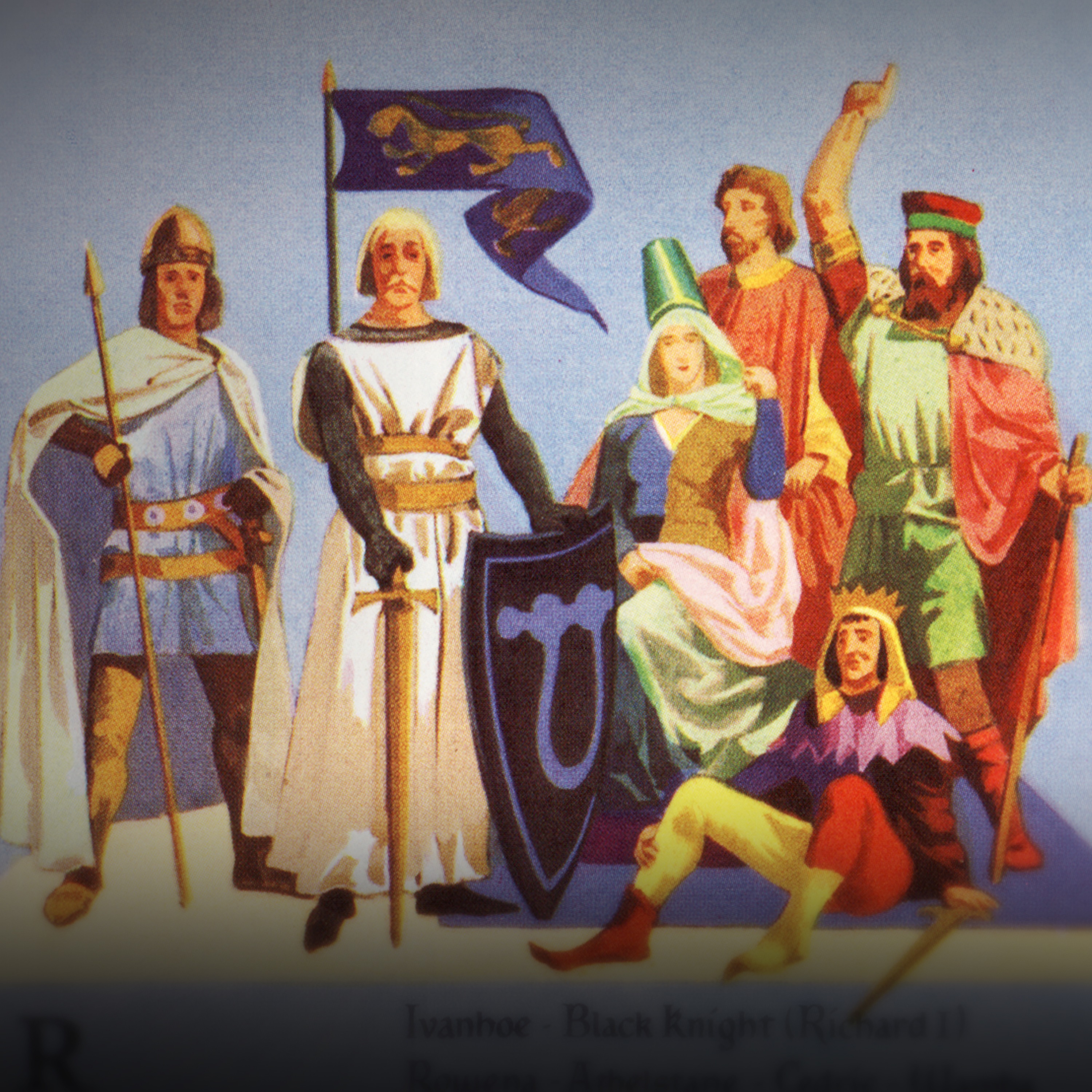
| 6/8/26 | ![]() Why the Crusades Became Cool Again | June 8, 1191. The Crusaders and Muslim forces are locked in battle over the city of Acre. On one side is Saladin, the great Muslim leader who has already recaptured Jerusalem. On the other, an armada arrives carrying England’s king: Richard the Lionheart.The Crusades will become one of the defining conflicts of the Middle Ages. But for centuries, their history fades into legend… until a Scottish writer named Walter Scott brings them roaring back. His novels turn knights, tournaments, and holy war into blockbuster entertainment. But Scott’s message was more complicated than simple nostalgia: he saw the Crusades as reckless, violent, and hollow. His readers mostly saw the armor.How did a Scottish poet revive this religious war and turn it into an international phenomenon? And how did his underlying message get lost, warped, and then repurposed to justify even more violence?Special thanks to Ian Duncan, professor of English at the University of California, Berkeley, and author of Scott's Shadow: The Novel in Romantic Edinburgh.You can find the rest of the books we used to research this episode at historythisweekpodcast.com.Get in touch: historythisweek@history.com Follow on Instagram: @historythisweekpodcastFollow on Facebook: HISTORY This Week PodcastTo stay updated: http://historythisweekpodcast.com | 26m 59s | ||||||
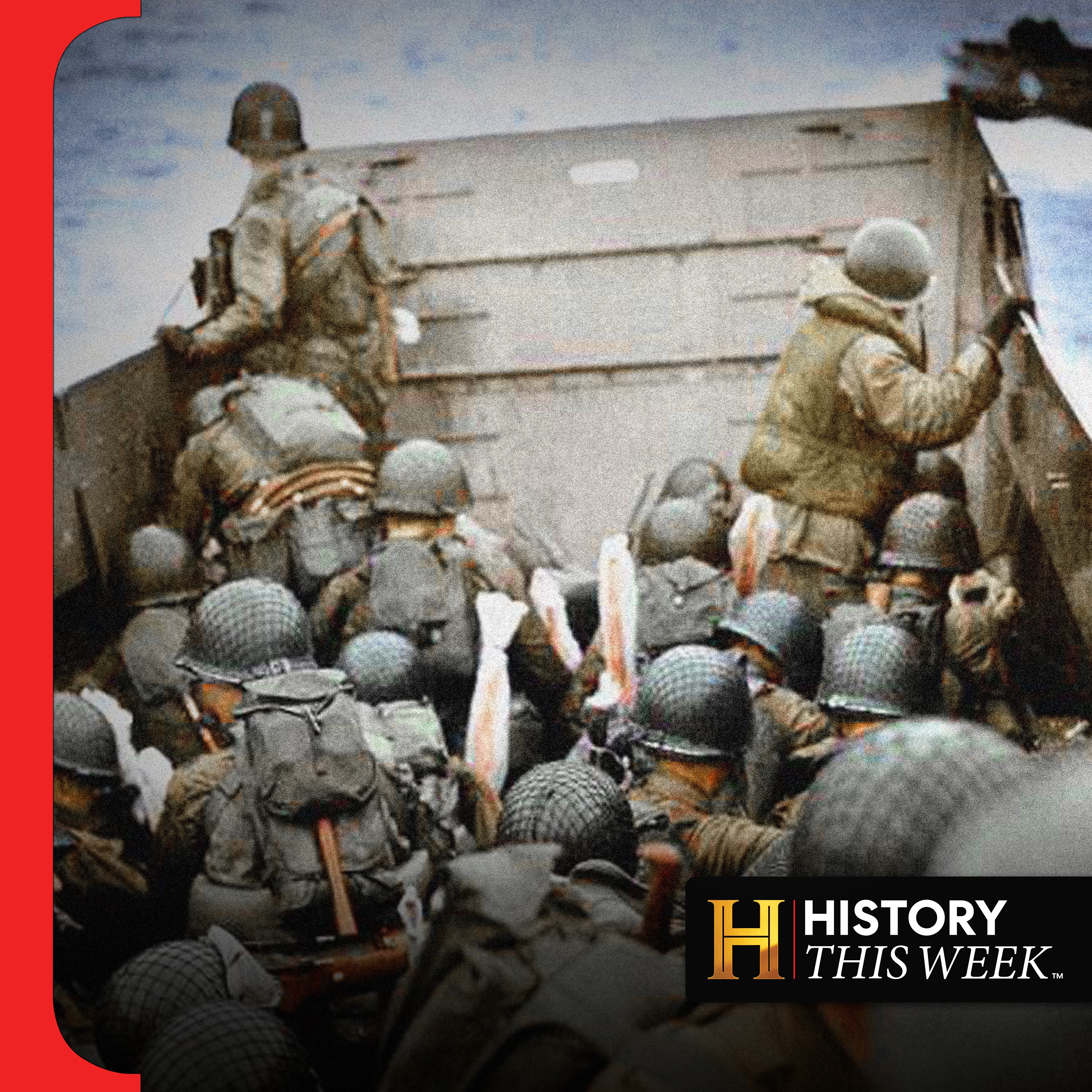
| 6/1/26 | ![]() How Higgins and His Boats Won the War | June 6, 1944. As thousands of Allied soldiers prepare to storm the beaches of Normandy, they climb down rope nets into small wooden landing craft bobbing in the dark waters of the English Channel. Within hours, these boats will carry them into the largest amphibious invasion in history.The craft are known as Higgins boats, named for their inventor, Andrew Higgins: a hard-driving New Orleans boatbuilder who built his reputation designing vessels that could speed through swamps, crash through obstacles, and go places other boats couldn't. Higgins was stubborn, abrasive, and relentless. The Navy repeatedly dismissed his ideas. He refused to go away.How does a small-time New Orleans boatbuilder force his way into the military industrial complex? And what exactly is so special about these boxy little Higgins boats?Special thanks to Dr. John Curatola, Samuel Zemurray Stone Senior Historian at the National WWII Museum in New Orleans, Louisiana. His book is Armies Afloat: How the Development of Amphibious Operations in Europe Helped Win World War II.You can find the rest of the books we used to research this episode at historythisweekpodcast.com.Check out new episodes of History's Greatest Machines with Dolph Lundgren on the HISTORY Channel, premiering on June 1st. Stream the next day at History.com.Get in touch: historythisweek@history.com Follow on Instagram: @historythisweekpodcastFollow on Facebook: HISTORY This Week PodcastTo stay updated: http://historythisweekpodcast.com | 30m 17s | ||||||
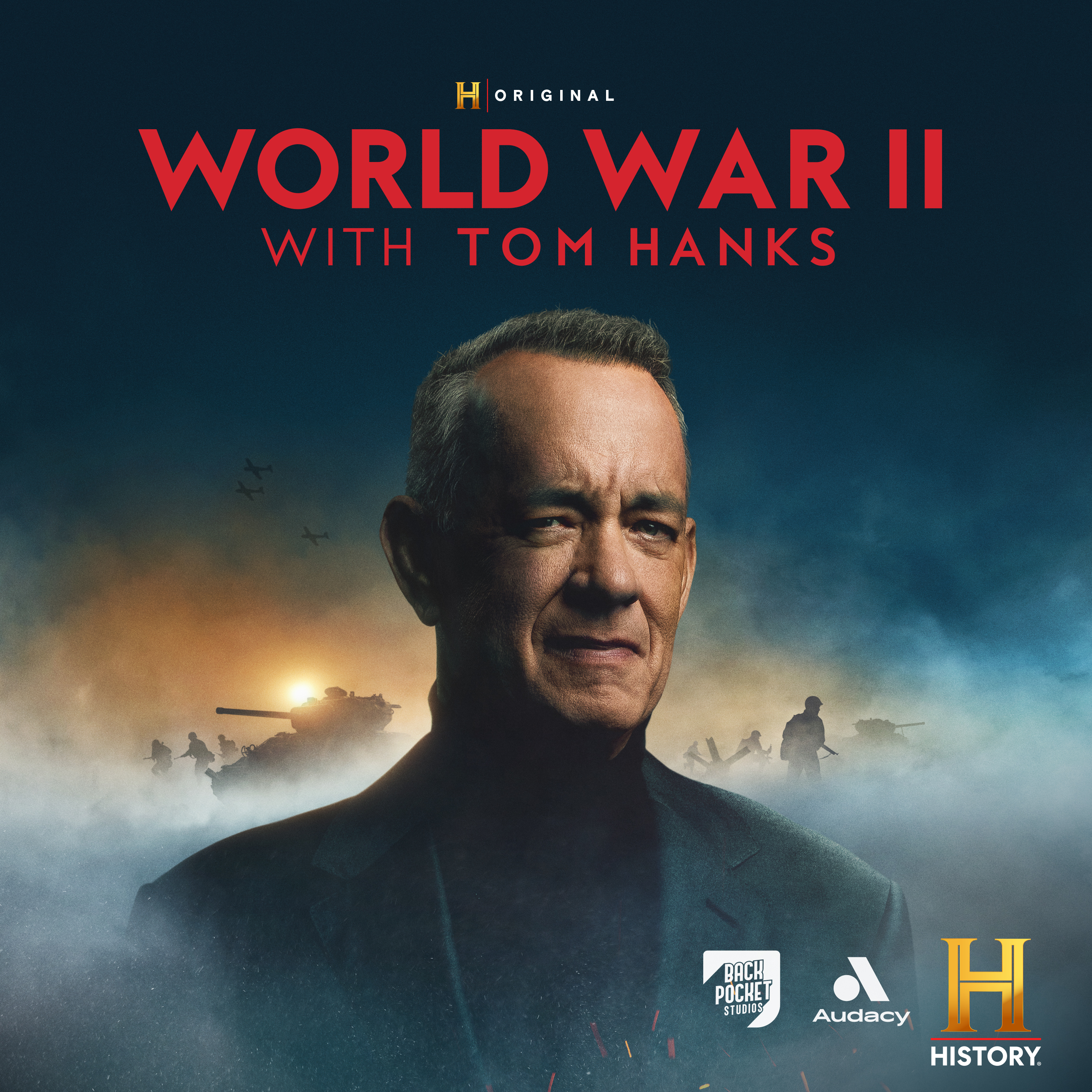
| 5/27/26 | ![]() WWII with Tom Hanks (Episode 1 – The Beginning) | Search "World War II with Tom Hanks" wherever you get your podcasts! New episodes drop every Tuesday. World War II with Tom Hanks reexamines history’s most devastating conflict for a new century. Across twenty hours, the series traces the war’s full arc–from the rise of fascism to Hiroshima–uncovering the decisions, hidden networks, and lasting consequences that continue to shape our world. Episode 1 – The Beginning In September 1939, enabled by a secret pact between Adolf Hitler and Josef Stalin, Germany invades Poland with its lightning style of tank warfare, plunging Europe back into war. Adolf Hitler can now pursue his longed-for racial war, as the world watches in horror, and the stage is set for global conflict. This episode features interviews with (in order of appearance): Dan Carlin, podcaster, Hardcore History Alexandra Richie, professor, Collegium Civitas Robert Citino, senior historian, National WWII Museum Cameron Zinsou, associate professor, Command and General Staff College Geoffrey Wawro, professor, University of North Texas Jadwiga Biskupska, associate professor, Sam Houston State University Simon Sebag Montefiore, historian and author Roger Moorhouse, historian and author Leah Wright Rigueur, associate professor, Johns Hopkins University James Bulgin, Imperial War Museum General Wesley Clark, US Army, Ret. Sean McMeekin, professor, Bard College | 40m 14s | ||||||
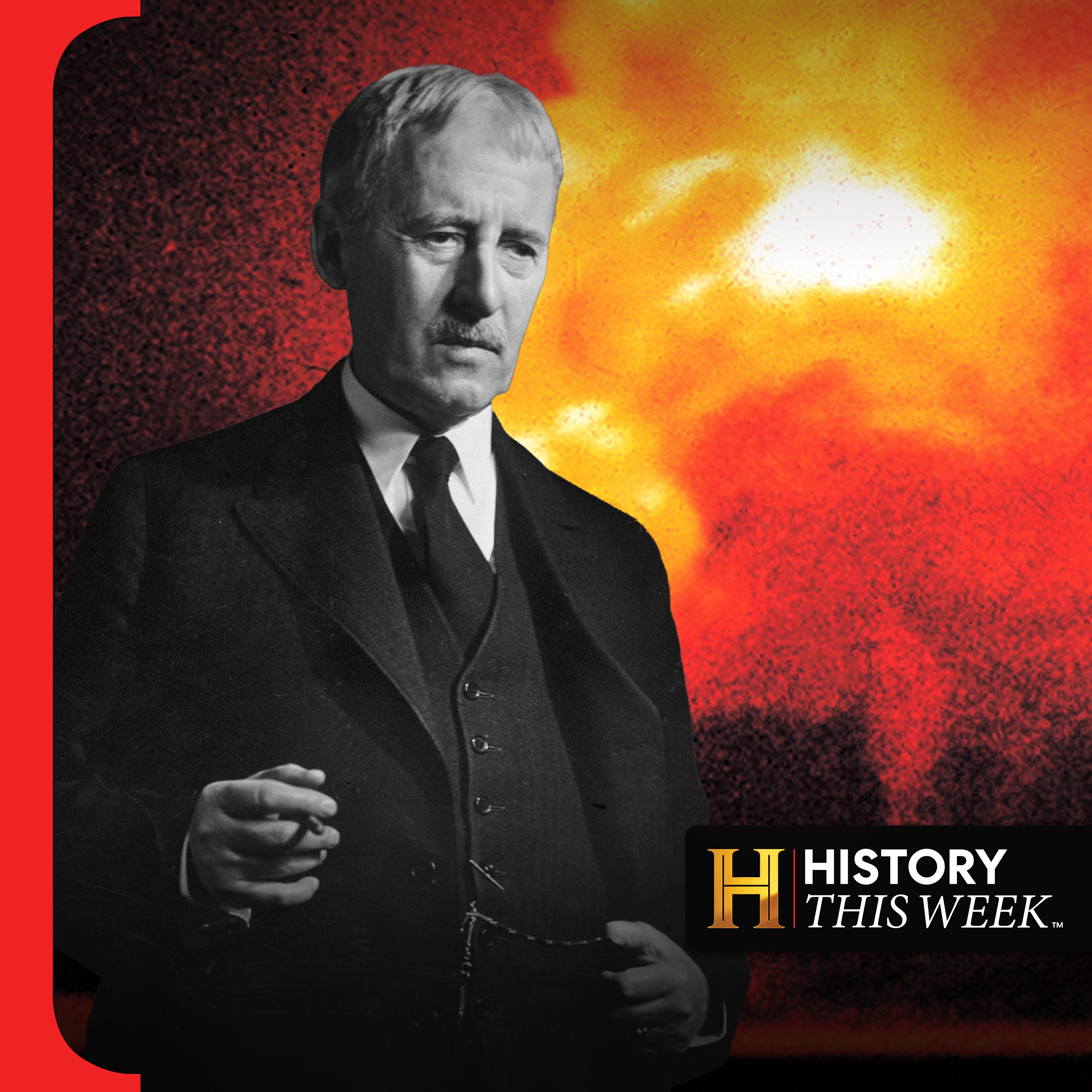
| 5/25/26 | ![]() The Secretary of War Who Feared the Bomb | May 30, 1945. In Washington, Secretary of War Henry Stimson calls General Leslie Groves to his office and demands answers: which Japanese cities are about to become targets for the atomic bomb? What follows will pull Stimson—a deeply religious statesman who believed in restraint, but also in overwhelming force—into a profound crisis over morality, destruction, and what modern war is becoming. How did Henry Stimson grapple with the bomb? And after helping usher in the atomic age, how did he reckon with what he’d done? Special thanks to Evan Thomas, journalist and New York Times bestselling author of Road to Surrender: Three Men and the Countdown to the End of World War II. You can find the rest of the books we used to research this episode at historythisweekpodcast.com. Get in touch: historythisweek@history.com Follow on Instagram: @historythisweekpodcast Follow on Facebook: HISTORY This Week Podcast To stay updated: http://historythisweekpodcast.com | 34m 00s | ||||||
| 5/18/26 | ![]() Bonnie and Clyde’s Final Ride | May 23, 1934. On a muggy Louisiana morning, Bonnie Parker and Clyde Barrow speed toward the Texas border. They’ve been on the run for over a year—wanted for robbery and murder—and the lurid news accounts of their exploits have made them famous. But today, Bonnie and Clyde’s legendary crime spree comes to an end … in a hail of bullets. Why did some come to view these Depression Era outlaws as agents of chaos the country needed? And what was the real motivation behind their crimes? Special thanks to our guest, John Neal Phillips, author of Running With Bonnie and Clyde: The Ten Fast Years of Ralph Fults. ** This episode originally aired May 22, 2023. Get in touch: historythisweek@history.com Follow on Instagram: @historythisweekpodcast Follow on Facebook: HISTORY This Week Podcast To stay updated: http://historythisweekpodcast.com | 31m 18s | ||||||
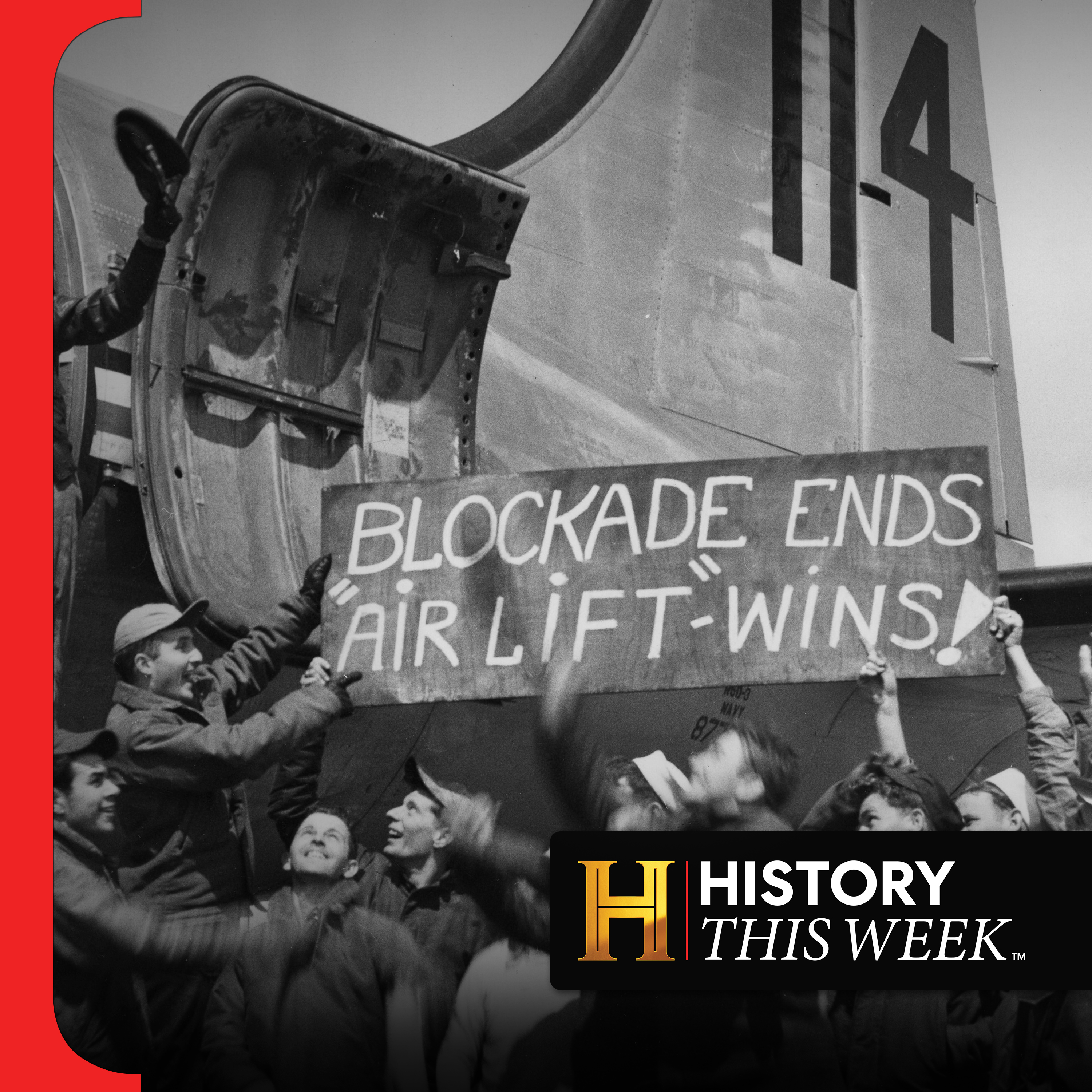
| 5/11/26 | ![]() The Berlin Airlift and the Birth of the New World Order (Part 2) | May 12, 1949. After eleven months under Soviet blockade, the people of West Berlin flood into the streets to celebrate. The lights are back on. The autobahn is open. The siege is over. But just months earlier, West Berlin seemed doomed. Surrounded deep inside Soviet-controlled territory, more than two million Berliners are suddenly cut off from food, fuel, electricity, and supplies after Joseph Stalin seals the city’s borders. Many fear the Western Allies will abandon Berlin altogether. Instead, American and British leaders gamble on something unprecedented: supplying an entire city by air. In this episode, how the Berlin Airlift became the largest sustained airlift in history—and the first major showdown of the Cold War. Along the way: the flamboyant American commander known as “Howlin’ Mad” Howley, Soviet attempts to break the city’s spirit, pilots landing in near-zero visibility every few minutes, and the high-stakes crisis that helped create NATO and reshape the postwar world. Special thanks to Giles Milton, author of Checkmate in Berlin: The Cold War Showdown That Shaped the Modern World. You can find the rest of the books we used to research this episode at historythisweekpodcast.com. | 28m 15s | ||||||
| 5/7/26 | ![]() Introducing: Family Lore✨ | family legendsancestral mystique+3 | — | HISTORY® ChannelBack Pocket Studios+1 | — | family loreancestry+5 | — | 40m 58s | |
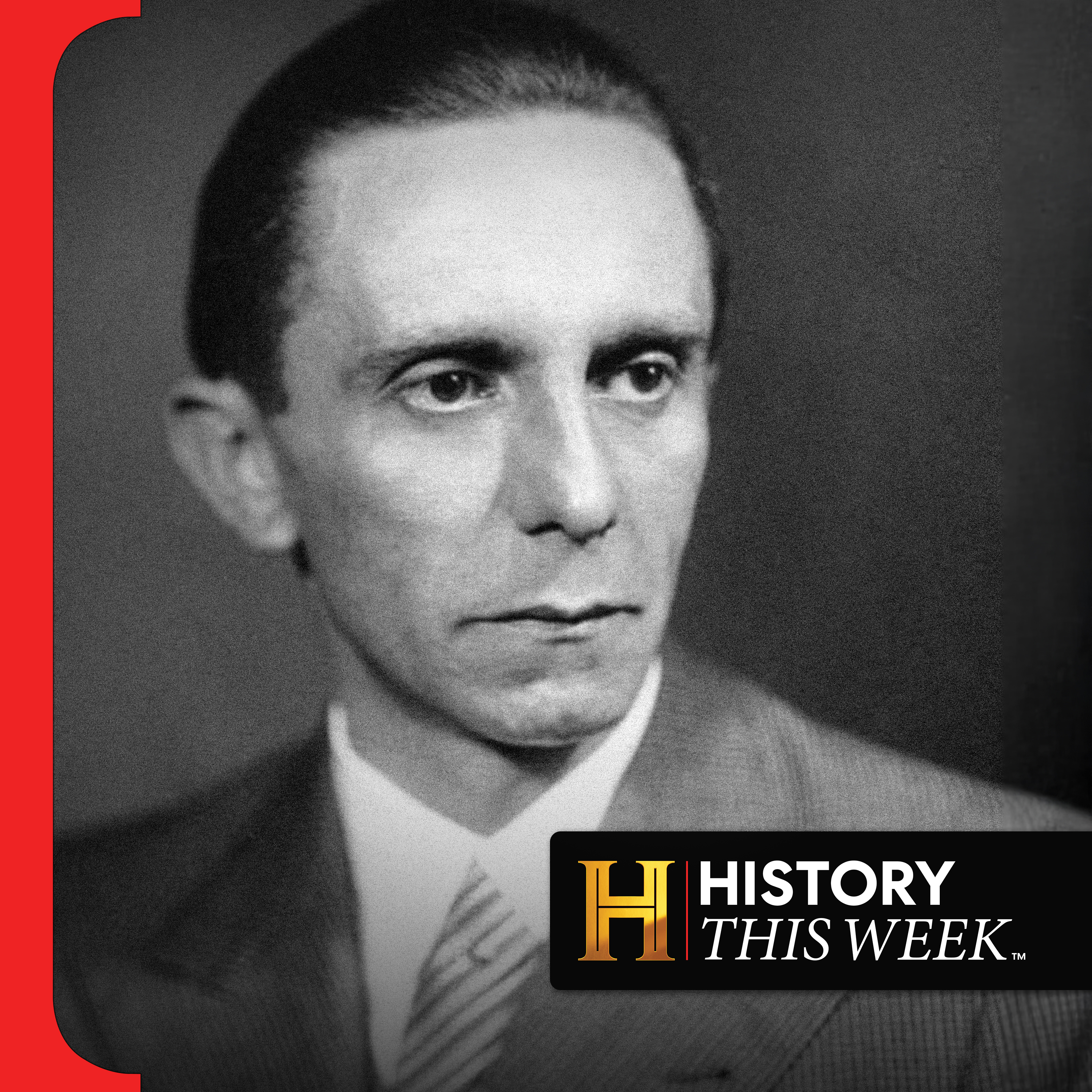
| 5/4/26 | ![]() Surviving the Mad Propagandist of Nazi Berlin (Part 1)✨ | Nazi propagandaWorld War II+4 | Ian Buruma | HISTORY® ChannelBack Pocket Studios | Berlin | Nazi Berlinpropaganda+5 | — | 36m 05s | |
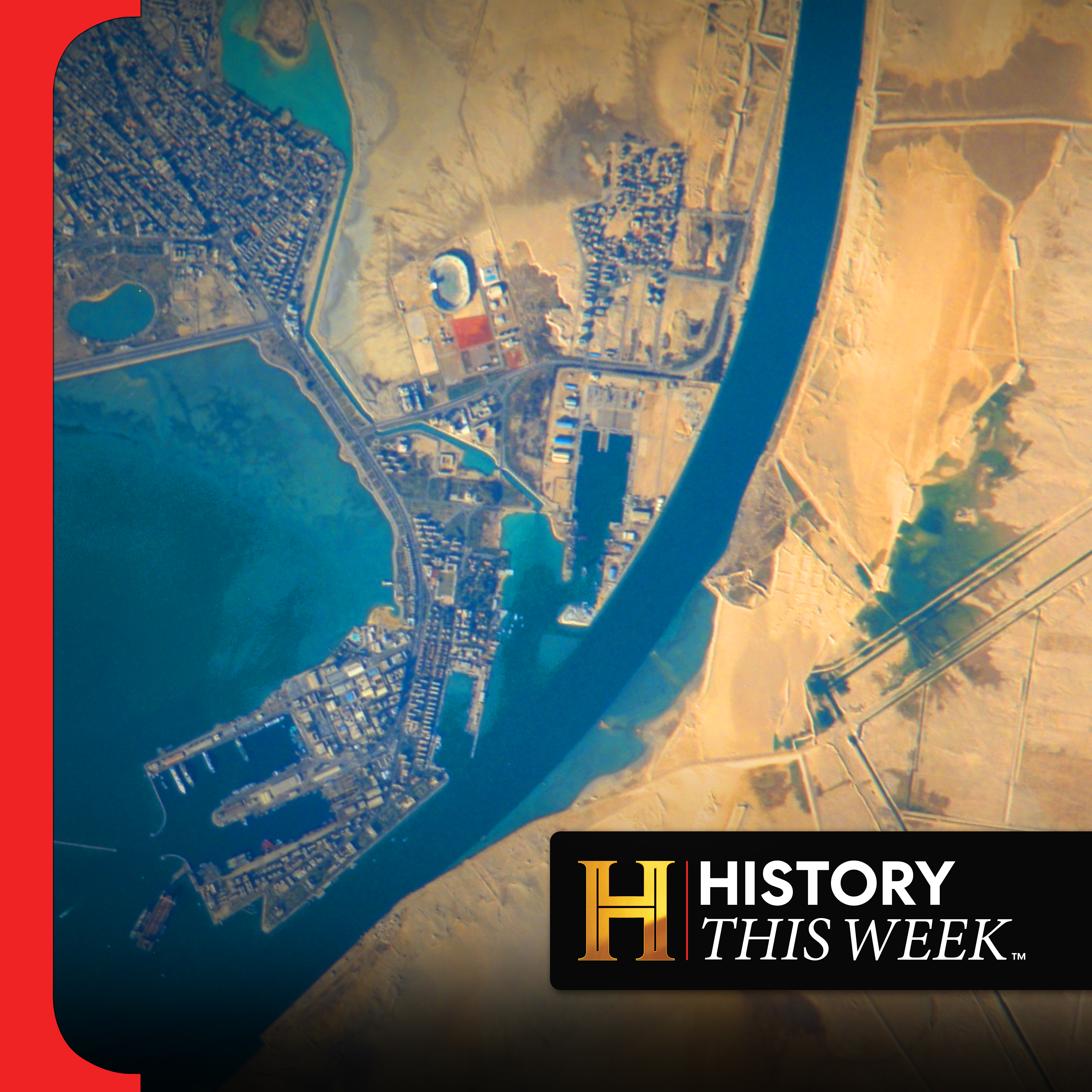
| 4/27/26 | ![]() Parting the Desert Between Two Seas✨ | Suez Canalglobal trade+3 | Ibrahim El-HoudaibyProfessor Aaron Jakes | HISTORY® ChannelParting the Desert: The Creation of the Suez Canal | Lake ManzalaEgypt+4 | Suez Canaltrade route+7 | — | 36m 10s | |
| 4/20/26 | ![]() One Eco-Arson After Another: The Earth Liberation Front✨ | eco-terrorismenvironmental activism+5 | — | Earth Liberation Front | Seattle | Earth Liberation Fronteco-arson+5 | — | 34m 02s | |
Want analysis for the episodes below?Free for Pro Submit a request, we'll have your selected episodes analyzed within an hour. Free, at no cost to you, for Pro users. | |||||||||
| 4/13/26 | ![]() Jefferson’s Trade War Shuts Down America✨ | Thomas Jeffersontrade war+4 | Harvey StrumLawrence Hatter | HISTORY® ChannelBack Pocket Studios+2 | AlbanyTroy | trade warThomas Jefferson+6 | — | 28m 30s | |
| 4/9/26 | ![]() A Good, Not Great Lake (from Points North)✨ | Great LakesLake Champlain+3 | — | CongressNPR+4 | Lake ChamplainLake Ontario | Great LakesLake Champlain+5 | — | 25m 33s | |
| 4/6/26 | ![]() Oil Fields, Bags of Cash, a Presidency Exposed✨ | Teapot Dome Scandalpolitical scandal+3 | Joshua KastenbergJack McElroy | U.S. NavyCitizen Carl: The Editor Who Cracked Teapot Dome, Shot a Judge, and Invented the Parking Meter+2 | Montana | Teapot DomeAlbert Fall+5 | — | 31m 02s | |
| 3/30/26 | ![]() William Parker’s War on Slave Catchers✨ | slaveryresistance+3 | Dr. Iris Leigh BarnesChristy Coleman+2 | Hosanna School MuseumWellesley College | BostonPennsylvania | William ParkerFugitive Slave Act+5 | — | 38m 49s | |
| 3/23/26 | ![]() The First Robot✨ | robotstheater+4 | — | Seton Hill UniversityR.U.R. | — | robotplay+5 | — | 32m 40s | |
| 3/16/26 | ![]() HTW Live: Busting the Myths of Irish Immigration — Recorded at the Tenement Museum✨ | Irish immigrationGreat Potato Famine+4 | Tyler Anbinder | HISTORY® ChannelBack Pocket Studios+1 | Brooklyn, NY | Irish immigrantsBartholomew O’Donnell+7 | — | 40m 56s | |
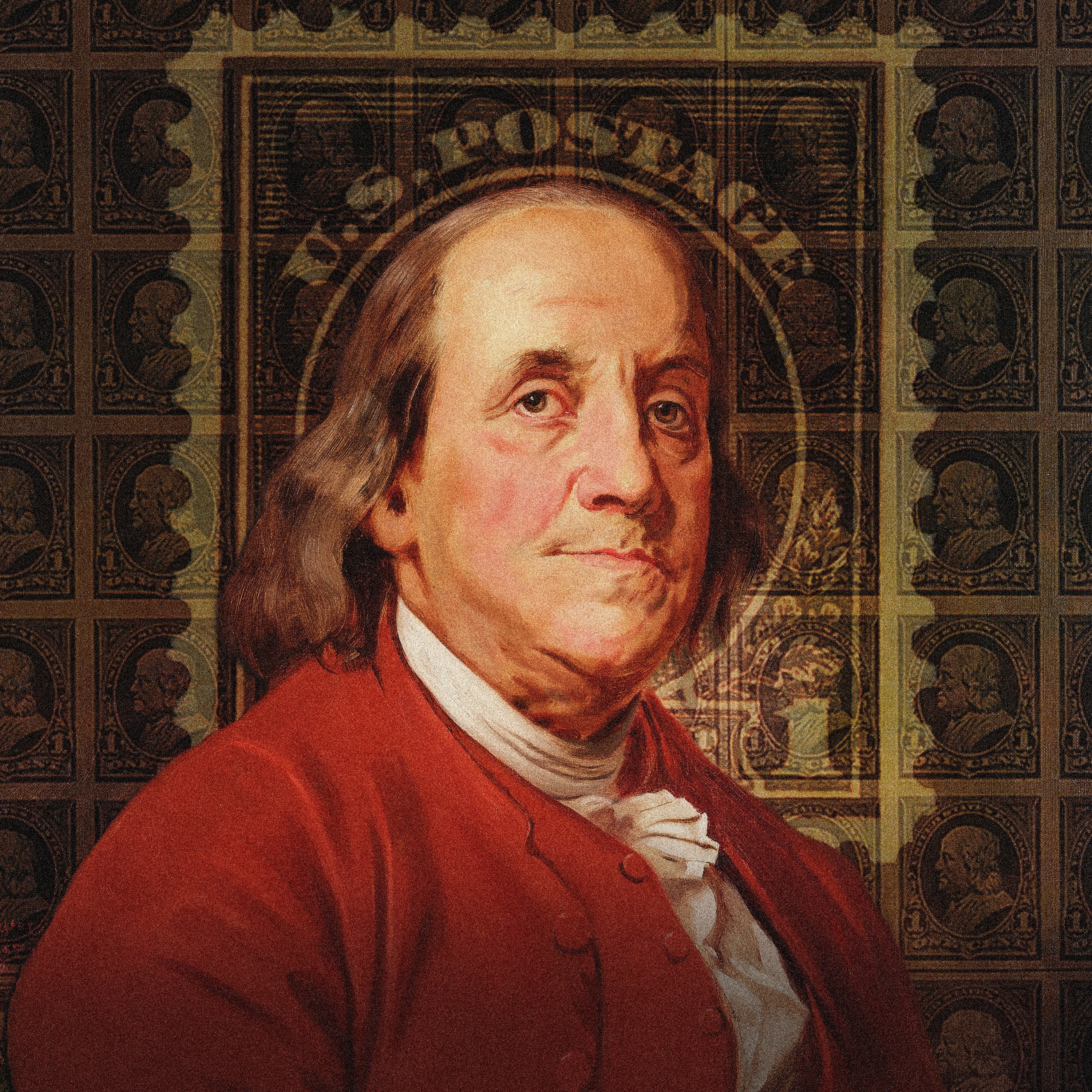
| 3/12/26 | ![]() From Radio Diaries: Orson Welles and the Blind Soldier✨ | Orson Wellesmurder mystery+4 | — | Radio DiariesHISTORY® Channel+1 | — | Orson Wellesmurder mystery+4 | — | 11m 05s | |
| 3/9/26 | ![]() Axis Sally’s Nazi Radio✨ | Nazi propagandaWorld War II+4 | Richard LucasMichael Flamm | Library of Congress | — | Axis SallyMildred Gillars+5 | — | 37m 22s | |
| 3/2/26 | ![]() Stalin Is Dead! | Сталин мертв! | March 5, 1953. The Premier of the Soviet Union, Joseph Stalin, is on his deathbed, and he’s turning blue. At the end of his life, Stalin is surrounded by his closest advisors, but these comrades aren’t hoping for his quick recovery. For days, they’ve been sneaking away from their vigil, plotting. The moment Stalin’s heart stops, they leap into action. What happens when a tyrant falls? And what role did the inner circle play in bringing an end to Stalin? Special thanks to our guest, Sheila Fitzpatrick, historian and author of The Death of Stalin. -- Get in touch: historythisweek@history.com Follow on Instagram: @historythisweekpodcast Follow on Facebook: HISTORY This Week Podcast To stay updated: http://historythisweekpodcast.com | 33m 52s | ||||||
| 2/23/26 | ![]() Disneyland on a Deadline | March 1, 1951. Two Texas horse trainers sit down to lunch with Walt Disney. They assume he wants to use their animals in a movie. Instead, Walt leans in and tells them about something that doesn’t exist yet. Not a carnival. Not an amusement park. Something movie-like in the real world. And if he’s going to build it, he’ll need horses. At that moment, Disneyland is just an idea in Walt’s head. But within a few years, he’ll clear 160 acres of orange groves in Anaheim and attempt to build that dream in barely twelve months. The budget will balloon. The rivers will drain into the soil. The rides will be welded together overnight. And Walt will stake his company — and his personal fortune — on opening the gates on time. Why was Disneyland such a gamble? And how did Walt essentially invent a whole new form of live entertainment? Special thanks to our guests: Leslie Iwerks, director of Disneyland Handcrafted; Mark Catalina, producer of Disneyland Handcrafted; Becky Cline, director of the Walt Disney Archives; and Tom Fitzgerald, chief storytelling executive and senior creative executive at Walt Disney Imagineering. Get in touch: historythisweek@history.com Follow on Instagram: @historythisweekpodcast Follow on Facebook: HISTORY This Week Podcast To stay updated: http://historythisweekpodcast.com | 26m 31s | ||||||
| 2/16/26 | ![]() How To Dig a Train Tunnel Under the Hudson River | February 14, 1905. A stick of dynamite detonates under the Hudson River — and the ground above swallows a locomotive whole. It's the latest setback in an audacious plan to tunnel beneath the river and bring trains into Manhattan. The Pennsylvania Railroad is the largest corporation in the world, but the goopy riverbed keeps fighting back. How did they finally make it across? And why are these 115-year-old tunnels still the most critical infrastructure in America today? Special thanks to our guests: Polly Desjarlais, content and research manager at the New York Transit Museum; Jill Jonnes, author of Conquering Gotham: A Gilded Age Epic: The Construction of Penn Station and Its Tunnels; and Andy Sparberg, former LIRR manager, transit historian, and author of From a Nickel to a Token: The Journey from Board of Transportation to MTA. -- Get in touch: historythisweek@history.com Follow on Instagram: @historythisweekpodcast Follow on Facebook: HISTORY This Week Podcast To stay updated: http://historythisweekpodcast.com | 33m 16s | ||||||
| 2/12/26 | ![]() Trailer: HTW Season Premiere This Monday! | HISTORY This Week will return with new episodes this Monday, February 16th, with a story about the most vital train tunnels in the United States. The North River Tunnels—their formal name—connect New Jersey to Penn Station in New York City, carrying 200,000 passengers every day. These tunnels underneath the Hudson are now over 115 years old, and are in desperate need of repair. The tunnel rehabilitation effort will be the largest infrastructure project in the country. It’s just getting underway, but now, the funding has been tied up in a political battle between the Trump Administration, Amtrak, and the states of New York and New Jersey. The stakes could not be higher. If these tunnels were to fail, up to 20% of U.S. GDP could be at risk. In this episode, we will unpack just how difficult it was to dig these tunnels in the first place. One man, Pennsylvania Railroad President Alexander Cassatt, was determined to build this critical rail connection, ultimately linking the entire Eastern Seaboard via train for the first time, using engineering methods that had never been tried before. If he failed, his corporation—the largest in the world at the time—would have been doomed. 🎧 Stay tuned this Monday, February 16th, for the full story. | 1m 03s | ||||||
| 2/9/26 | ![]() Shut Out of the Majors, They Created Their Own | Feb 13, 1920. For over thirty years, Black baseball players have been locked out of the major leagues. So on this day in Kansas City, Rube Foster, a former pitcher and now a team owner, is trying to make his own league just for Black players. He has gathered owners of other Black baseball teams, who currently play each other in one-off matchups or face independent teams in random games around the country. But Foster wants them to get organized, and soon, the Negro National League would be born. But up to this point, how did Black baseball survive after segregation became the unofficial policy of the major leagues? And how did Black players, owners, and managers join together to create something that no baseball fan could ignore? Special thanks to our guests, Phil S. Dixon, author and Negro Leagues researcher; and Bob Kendrick, President of the Negro Leagues Baseball Museum in Kansas City, MO. ** This episode originally aired Feb 7, 2022. Get in touch: historythisweek@history.com Follow on Instagram: @historythisweekpodcast Follow on Facebook: HISTORY This Week Podcast To stay updated: http://historythisweekpodcast.com | 28m 25s | ||||||
| 2/2/26 | ![]() The Great Comic Book Scare | February 4, 1955. In a New York courtroom, the Comics Czar takes the stand. He’s in charge of enforcing a new code, meant to keep comic books from corrupting America’s youth, and he’s here to prove that his work has cleaned up the industry. But that afternoon, a noted psychologist named Fredric Wertham argues that his work has not nearly gone far enough. When the hearing comes to a close, the committee is left to decide: what is the future of the comic book? Why did one of the country’s leading psychologists see them as a major threat to American children? And what can the Great Comic Book Scare teach us about moral panics? Special thanks to our guests, David Hajdu, author of The Ten-Cent Plague; and Jeremy Dauber, author of American Comics: A History. ** This episode originally aired Jan 31, 2022. Get in touch: historythisweek@history.com Follow on Instagram: @historythisweekpodcast Follow on Facebook: HISTORY This Week Podcast To stay updated: http://historythisweekpodcast.com | 28m 13s | ||||||
| 1/26/26 | ![]() The Dogs Who Saved Nome, Alaska | On January 5, 2026, Jirdes Winther Baxter passed away at 101 years old — the last known survivor of the 1925 diphtheria epidemic in Nome, Alaska. A few years ago, we told the story of the Serum Run: the desperate relay of mushers and sled dogs who carried a life-saving antitoxin across Alaska, including to an 11-month-old Baxter. Today, that run lives on through the Iditarod Trail Sled Dog Race. Enjoy this classic HTW story, and stay tuned for new episodes soon! January 27, 1925. Musher “Wild Bill” Shannon and his team of sled dogs race off into the frigid Alaskan night. He’s carrying a package of life-saving serum, wrapped in fur to keep it from freezing. There’s no time to waste: nearly 700 miles away, in the snowed-in town of Nome, children are dying of diphtheria. Twenty mushers and hundreds of dogs are about to take part in an almost superhuman effort to ferry desperately needed medicine across the howling Alaskan wilderness. Who were they, and what did they endure to reach their goal? And as they pressed on, how did their efforts grip the nation? Special thanks to our guests, Pam Flowers, author of Togo and Leonhard, and Bob Thomas, author of Leonhard Seppala: The Siberian Dog and The Golden Age of Sleddog Racing 1908-1941. ** This episode originally aired Jan 23, 2023. -- Get in touch: historythisweek@history.com Follow on Instagram: @historythisweekpodcast Follow on Facebook: HISTORY This Week Podcast To stay updated: http://historythisweekpodcast.com | 34m 21s | ||||||
Showing 25 of 326
Sponsor Intelligence
Sign in to see which brands sponsor this podcast, their ad offers, and promo codes.
Similar Audience Demographics
Podcasts that attract a similar listener profile
Chart Positions
31 placements across 31 markets.
Chart Positions
31 placements across 31 markets.