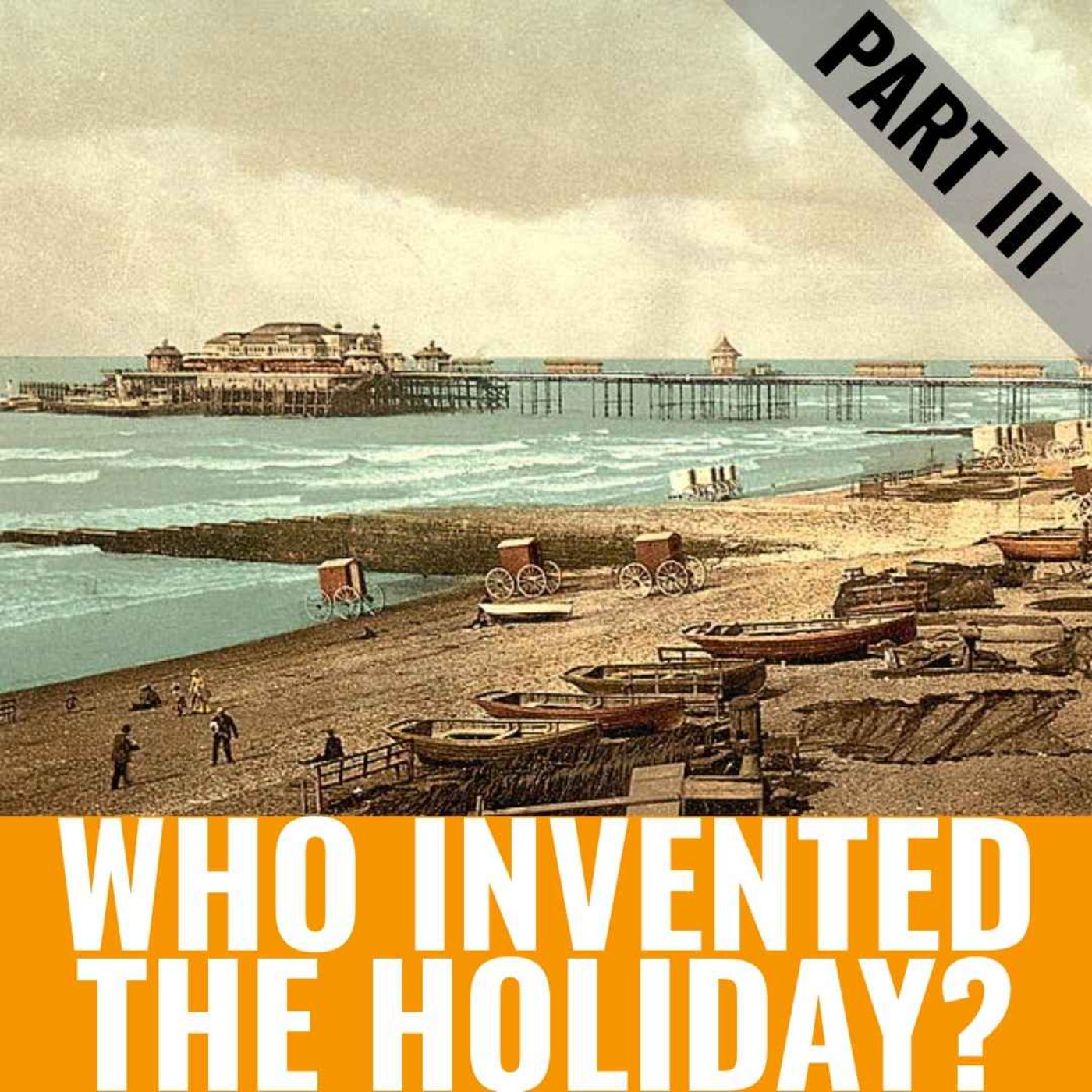
Modern Travel | Rise Of The Seaside | 3
About this episode
The episode explores the history of seaside travel in Britain, its origins, and its socio-economic implications.
Who decided that the sea — cold, dangerous and full of smugglers — was somewhere you went for fun? What kind of doctor prescribes plunging into the Channel naked in the dead of winter, and then drinking it? And how did the towns Britain built to enjoy itself end up among the most deprived places in the country? The holiday — the whole idea that ordinary people are owed one — starts with a Brighton doctor, a shed on wheels and an Act of Parliament, and Peter Frankopan and Afua Hirsch follow it from there to the boarded-up promenades of the present. Dr Richard Russell published a book in the 1750s arguing that seawater cured everything from scrofula to melancholy, and that you ought to drink it by the pint, with milk or port to take the edge off. The elites followed him to a fishing village called Brighthelmstone, the Prince Regent built a pleasure palace there, and once the railways arrived the whole thing belonged to everybody. Then cheap flights took it away again. What the Victorians left behind is a coastline of magnificent architecture standing in some of the poorest wards in England — and, lately, the first signs of something coming back. Join Legacy Plu s for bonus…
People in this episode
Hosts: Peter Frankopan, Afua Hirsch
Topics covered
- history of travel
- seaside culture
- Victorian architecture
- health benefits of seawater
- economic decline
- modern tourism
Keywords
- seaside
- travel history
- Dr Richard Russell
- Brighton
- Victorian
- tourism
- seawater
Mentioned in this episode
Books & works: Grand Tour
Places: Brighthelmstone, Brighton, England
More episodes of Legacy
- 9/11: 25 Years On | The Forever War | 2
- Inbox: Genghis Khan and the Empire We Got Wrong | Marie Favereau
- 9/11: 25 Years On | The World That Made 9/11 | 1
- Inbox: Lindsey Graham and the Price of a Seat at the Table
- Modern Travel | The Full Package | 5
- Inbox: Zhu Rongji and the Price of Modern China
Explore listener stats, chart rankings, contacts and more on the Legacy podcast page.