111. Why Software Hasn't Eaten Museums (Yet)
About this episode
Lucas Junqueira discusses the importance of sustainable software in museums and the impact of technology on the museum experience.
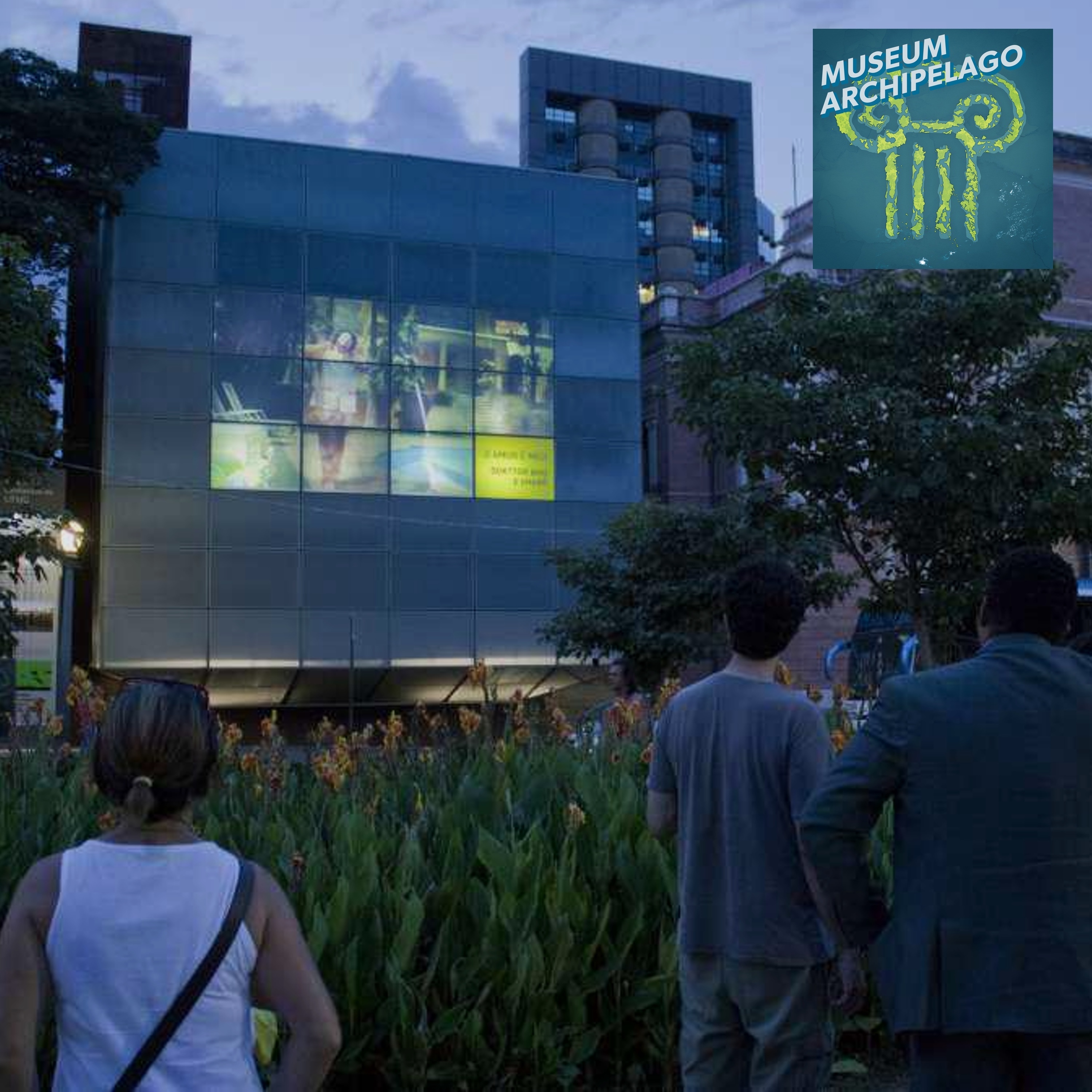
Museums today are filled with software, yet they've largely avoided being "eaten" by the tech industry. Unlike music or movies, exhibitions can't be downloaded or scaled infinitely. There's only one Mona Lisa. But if the wrong platform finds the right leverage, that immunity may not last. Which is why the kind of software museums choose matters. TilBuci is a free, open-source tool used by museums to build touchscreens, kiosks, and projections. It was created by Brazilian software developer Lucas Junqueira after watching too many digital exhibitions quietly break down once the opening buzz faded. Designed to be usable by museum staff long after developers leave, TilBuci treats software not as a product, but as infrastructure. In this episode, Lucas Junqueira talks about what it takes to build museum software that lasts. Through the story of a projection still running on the facade of the Space of Knowledge museum in Belo Horizonte over a decade after it opened, we explore how open, locally controlled tools extend the life of museum systems, and what's at stake if a tech platform ever inserts itself between museums and their audiences. Image: A projection animates the façade of the…
People in this episode
Host: Ian Elsner
Guest: Lucas Junqueira
Topics covered
- museum software
- digital exhibitions
- open-source tools
- technology in museums
- sustainability of museum systems
Keywords
- museum technology
- TilBuci
- digital tools
- exhibition software
- cultural institutions
Mentioned in this episode
Organizations: TilBuci, Space of Knowledge museum
Books & works: Mona Lisa
Places: Belo Horizonte, Espaço do Conhecimento, Praça da Liberdade
More episodes of Museum Archipelago
- 113. World Trade Center Steel in Your Area
- 110. Revisiting The ‘Enola Gay Fiasco’ Today
- 109. The Rise and Fall of Enterprise Square, USA
- 108. The Museum of Utopia and Daily Life
- 107. Crypto and Museums Part 1
- 106. Last Call on 'The Streets of Old Milwaukee'
Explore listener stats, chart rankings, contacts and more on the Museum Archipelago podcast page.