The Iran Crisis and the Price of Oil Dependence
About this episode
The episode discusses the implications of the Iran crisis on global energy and the urgent need for a transition to renewable energy sources.
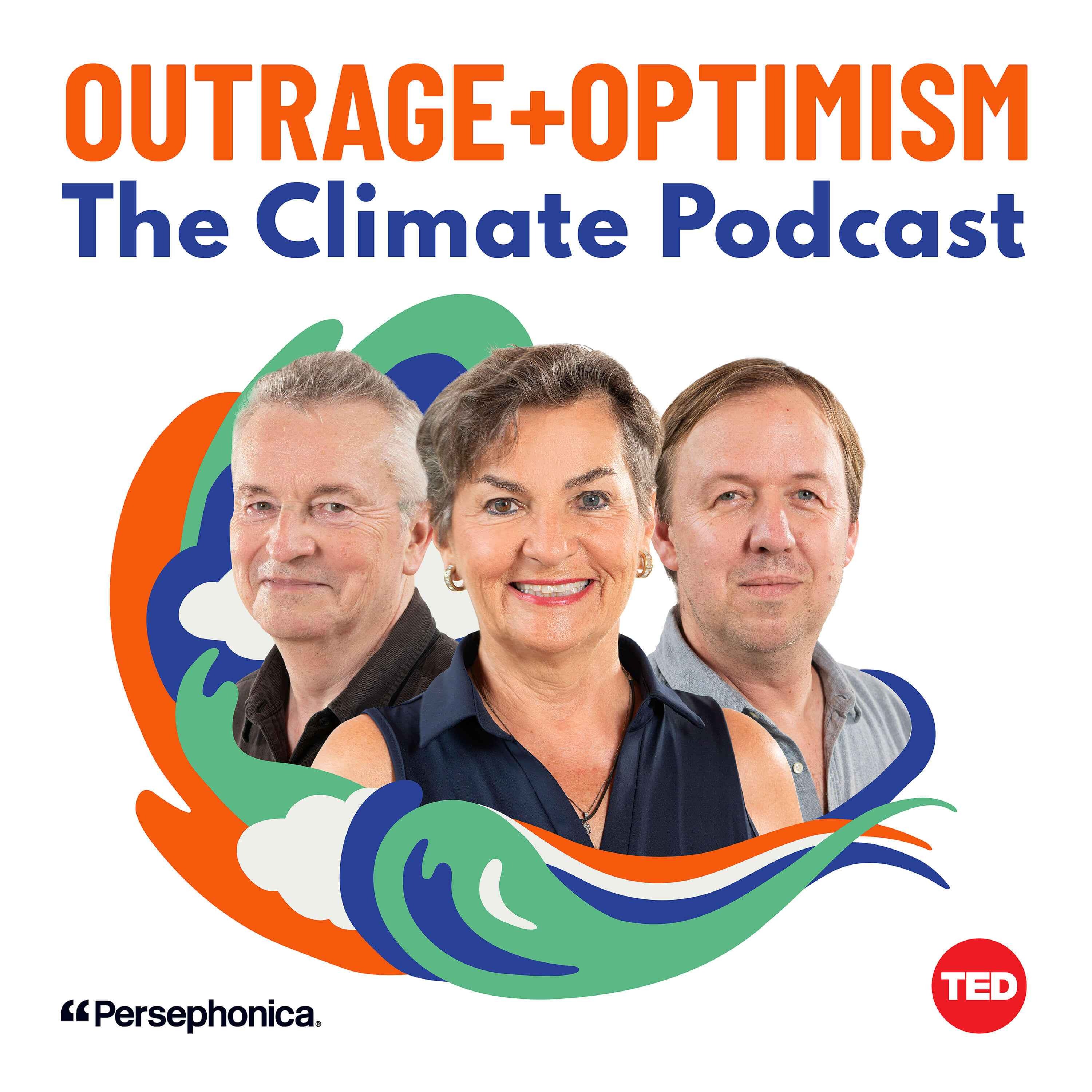
War in Iran has triggered another global energy shock. Once again, conflict has exposed the deep instability built into the fossil fuel system. And once again, the world is reminded that these fuels are not only polluting, but precarious. In this episode, Christiana Figueres, Tom Rivett-Carnac and Paul Dickinson unpack why the threat to oil infrastructure and the Strait of Hormuz matters so much, and why these moments keep repeating. What does it mean to build an economy around fuels concentrated in a handful of volatile places, and transported through fragile choke points? And why are many responding to that insecurity by calling for more drilling? They’re joined by Bruce Douglas , CEO of the Global Renewables Alliance and Chief Growth Officer at the Global Wind Energy Council . Bruce argues that although this is not the first energy crisis of its kind, it may be the first in which the alternatives are ready at scale. Renewables are available now - and, in many cases, cheaper, faster and more secure than doubling down on fossil fuels. Together they explore the fork in the road now facing governments. In a moment of insecurity, do countries try to squeeze more out of declining…
More episodes of Outrage + Optimism: The Climate Podcast
- Beyond the Oil Crisis: What’s actually blocking the transition?
- It’s In Our Blood: Communities vs Forever Chemicals
- The Health Emergency Hiding in Rising Seas
- Forecasting Disaster: A ‘super’ El Niño? And the case for early action
- Flooded: Is extreme weather shifting the climate front lines?
- Water, Wildlife, and Climate’s Hidden Trade-Offs
Explore listener stats, chart rankings, contacts and more on the Outrage + Optimism: The Climate Podcast podcast page.