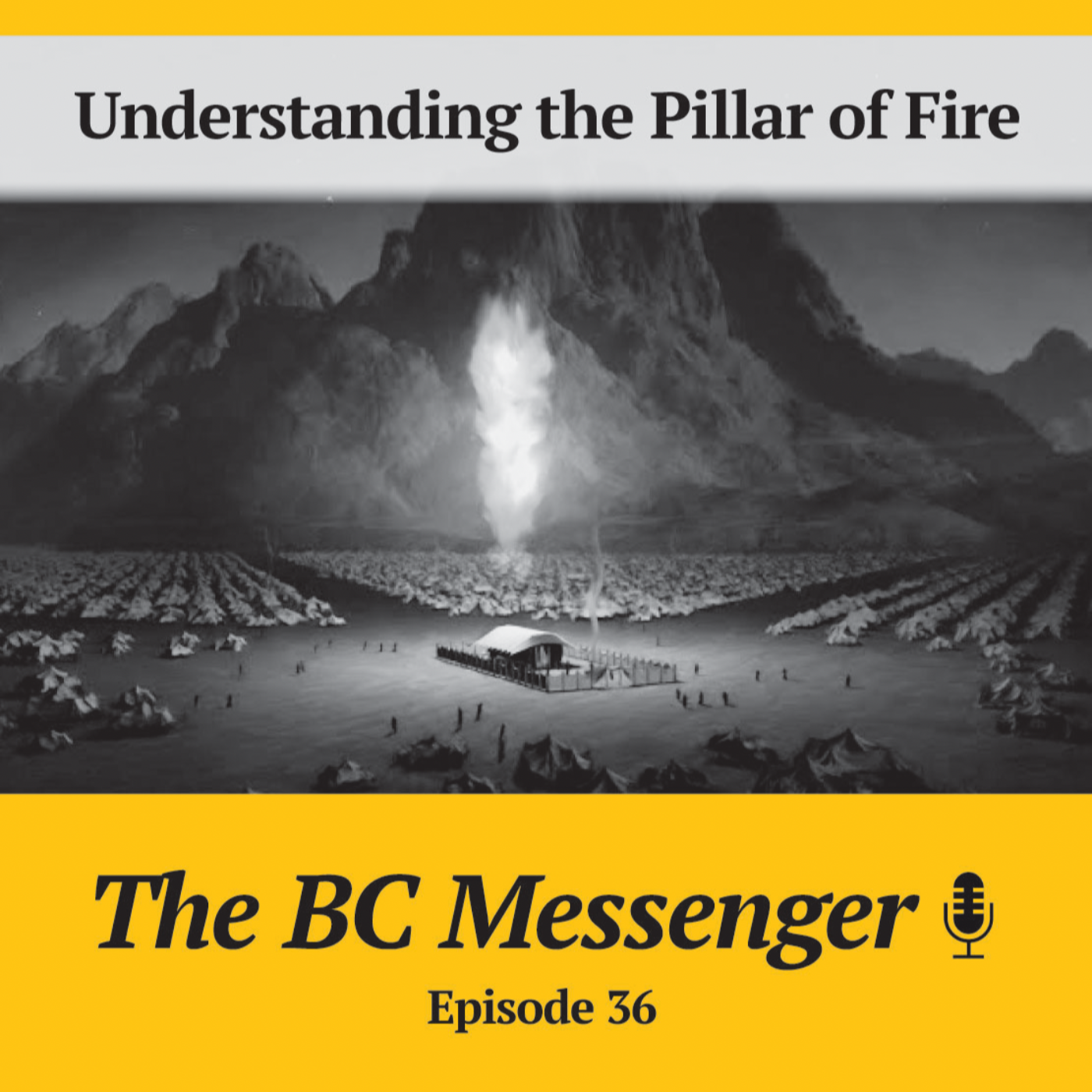
Understanding the Pillar of Fire
About this episode
This episode explores the scientific explanation behind the biblical 'pillar of fire' that guided the Israelites, discussing its implications and related historical insights.
[Season 3, Episode 12] God led the children of Israel through the wilderness by a "pillar of fire" during the night. (Exodus 13:21) Was this a miraculous pillar of actual fire floating in the air, involving smoke and heat? Or was it something else that could actually be explained by science? As with the pillar of cloud, we find that modern science sheds light on what was happening within the environment to create this observable phenomenon at night within the unique environment of the Israelite encampments. Today we call this phenomenon "chemiluminescence." As a result of this new scientific understanding, we can even see what color the pillar of fire would have been. God's works in history are beyond amazing, and once again, we see that they are more real than we ever imagined. Also on this episode: Research Update: NR Measurements Helen's View: Lessons from the Life of Charles Goodyear: Part IV PODCAST WEBSITE: The BC Messenger has a podcast website! It acts as a dedicated "hub" for our listeners, giving you an easy place to search past content, communicate, and provide feedback. READ the full Show Notes and view images online at…
People in this episode
Hosts: Steve Hall, Jennifer Hall
Topics covered
- Pillar of Fire
- Chemiluminescence
- Israelite Encampments
- Science and Religion
- Historical Phenomena
Keywords
- pillar of fire
- chemiluminescence
- Israelites
- Exodus
- science
- religion
- historical phenomena
Mentioned in this episode
Organizations: The BC Messenger
Books & works: Exodus 13:21
More episodes of The BC Messenger
- Is the Law of Moses Just a Copy of Older Law Codes?
- Nothing Fails Like Bible History?? Challenging YouTuber "Holy Koolaid"
- Corruption in Modern Science (Why We Are Independent)
- "Noah's Flood Revisited" by Hugh Ross - Why it Fails
- Who Were the People Who Perished in Noah's Flood?
- Two New Vitamins Walked Into the FDA...
Explore listener stats, chart rankings, contacts and more on the The BC Messenger podcast page.