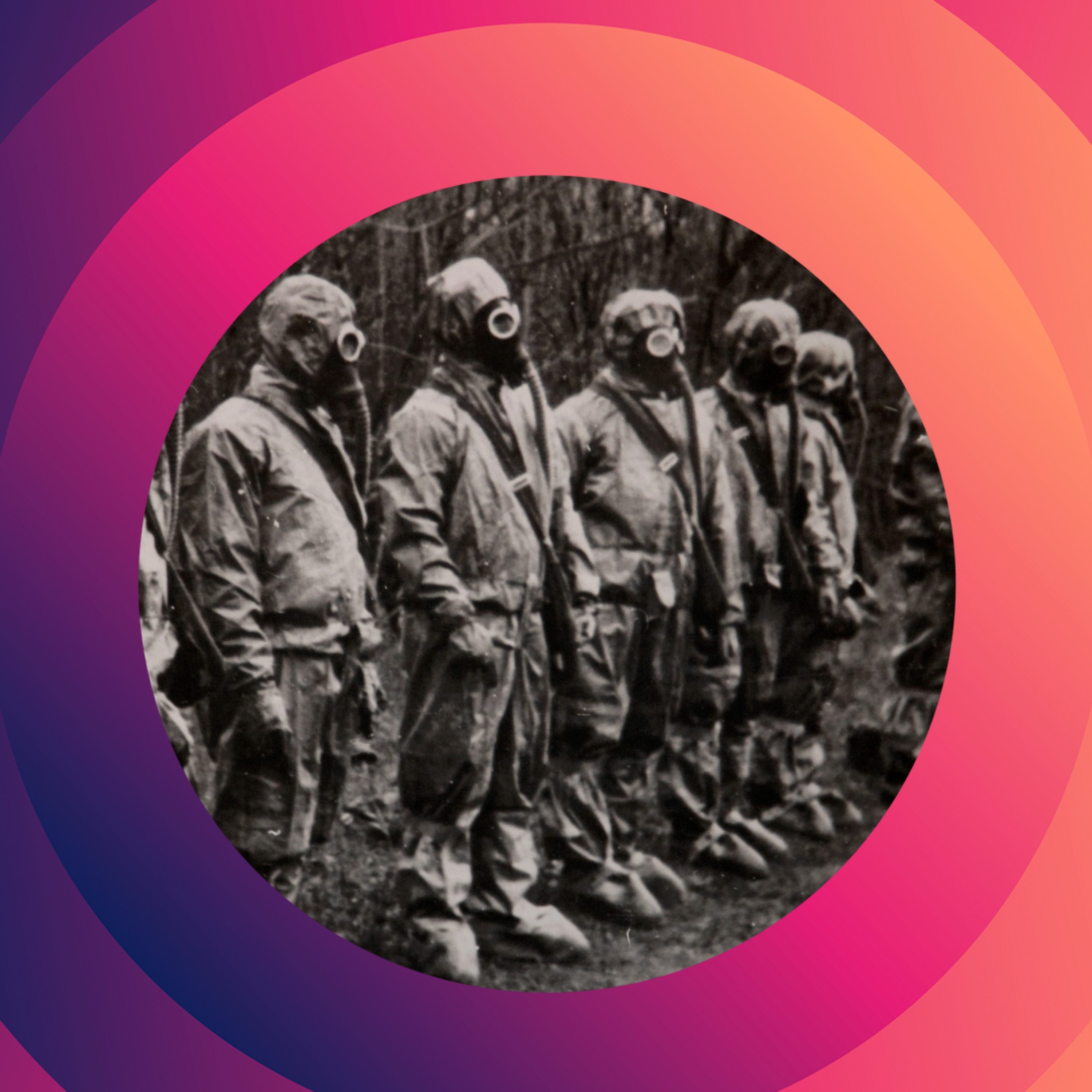
Chernobyl at 40: Is nuclear power back in fashion?
About this episode
The episode discusses the implications of the Chernobyl disaster on the nuclear power industry and its relevance in today's climate context.
In 1986, the Chernobyl nuclear accident devastated the Soviet Union and shocked the world. But, 40 years on, are we now seeing a nuclear renaissance? And what does that mean for the climate? Climate Question host Jordan Dunbar has just visited the most contaminated place in the world for a BBC World Service documentary. He tells co-host Graihagh Jackson about the ghostly atmosphere in the former Chernobyl control room and the huge dome that now covers the remains of the nuclear reactor that exploded. Jordan and Graihagh also discuss how the disaster set back the nuclear power industry for decades. Now, however, nuclear is firmly back on the international agenda because of rising power demand and concerns about energy security. With around 40 countries now aiming to build more nuclear power stations, what will this mean for the climate and the world’s goal of keeping global warming under control? Got a question or a comment? Email us at theclimatequestion@bbc.com Presenters: Jordan Dunbar and Graihagh Jackson Producers: Simon Watts and Diane Richardson Sound Mix: Tom Brignell Editor: Simon Watts Picture credit: Getty Images
People in this episode
Host: Jordan Dunbar
Guest: Graihagh Jackson
Topics covered
- nuclear power
- Chernobyl
- climate change
- energy security
- nuclear renaissance
Keywords
- Chernobyl
- nuclear power
- climate change
- energy security
- nuclear renaissance
- Soviet Union
- power demand
Mentioned in this episode
Organizations: BBC World Service
Places: Chernobyl, Soviet Union, Chernobyl control room, nuclear reactor, 40 countries
More episodes of The Climate Question
- Can technology help us fight flooding in cities?
- Earthquakes and climate change
- Why are some cities banning fossil fuel ads?
- What's it like being a chief heat officer?
- Can better buses fix city pollution?
- Q&A: Beavers, solar panels in the Sahara and nuclear waste
Explore listener stats, chart rankings, contacts and more on the The Climate Question podcast page.