
The Climate Question
Why we find it so hard to save our own planet, and how we might change that.
Insights from recent episode analysis
On the show
- Justin Rowlatt2 eps
- Akshat Rathi2 eps
- Caroline Steel2 eps
Also: Mark Maslin, Graihagh Jackson, Rodrigo Rocha, Dr Caroline Gevaert, Nomsa Maseko, Dr. Verena Simon, Sean Gallen, Marco Silva, Anna Holligan, Umaru Fofana, Dario Hidalgo, Sarah Kaufman, Neta Crawford, Dr. Benjamin Neimark, Laura Bicker, Matt Taylor, Dr Ove Hoegh-Guldberg
Audience Interest
Podcast Focus
Publishing Consistency
Insights are generated by CastFox AI using publicly available data, episode content, and proprietary models.
Most discussed topics
Brands & references
Total monthly reach
Based on 1 signal.
Built from
By chart position
- 🇬🇧United Kingdom · ScienceHOME#586.4K to 34K
- 🇰🇷South Korea · Science#185.0K to 27K
- 🇮🇩ID · Science#222.9K to 15K
- 🇮🇳India · Science#522.8K to 15K
- 🇺🇸United States · Science#1921.7K to 9.1K
- Per-Episode Audience
Est. listeners per new episode within ~30 days
26K to 140K🎙 Weekly cadence·312 episodes·Last published 5d ago - Monthly Reach
Unique listeners across all episodes (30 days)
53K to 280K🇬🇧24%🇰🇷19%🇮🇩11%+14 more - Active Followers
Loyal subscribers who consistently listen
29K to 154K
Market Insights
Platform Distribution
Reach across major podcast platforms, updated hourly
Total Followers
—
Total Plays
—
Total Reviews
—
* Data sourced directly from platform APIs and aggregated hourly across all major podcast directories.
| Date | Episode | Topics | Guests | Brands | Places | Keywords | Sponsor | Length | |
|---|---|---|---|---|---|---|---|---|---|
| 10/18/26 |  Mining: Can we learn lessons from the past? | Lithium and copper are at the heart of the green energy transition, but what's the environmental cost of extraction? From the lithium mines of Salar de Atacama in Chile to the historic copper mines of Butte Montana, author James Crawford has visited the extraordinary landscapes and mining operations powering the renewable energy transition. Graihagh and Jordan chat to James Crawford about his new book Vanishing Earth, and the legacy of mining repair and restoration. Can we learn from the past to mine better in the future? If you have a Climate Question you’d like answered, email: [email protected]: Graihagh Jackson and Jordan Dunbar Production team: Diane Richardson and Melanie Stewart-Smith Sound engineers: Ricardo McCarthy and Tom Brignell Editor: Simon Watts Photo: Lithium ponds in Chile (courtesy James Crawford) | 30m 27s | ||||||
| 10/11/26 |  Are we ready for a super El Niño? | When a powerful El Niño strikes, it can devastate harvests, flood communities and kill thousands of people. Scientists have been warning for months that this one could become the strongest on record. The question is: are we ready? In this episode of The Climate Question, hosts Graihagh Jackson and Jordan Dunbar find out how communities in Kenya and Peru are preparing for a potentially historic El Niño. They speak to BBC Nairobi Correspondent Thomas Mukhwana and Miguel Aristegui from the international development charity Practical Action about the challenges that lie ahead. Miguel's charity worked with the Peruvian government on an action plan it introduced after a localised El Niño event in 2017.From flood-prone neighbourhoods in Nairobi to Peru's newly installed meteorological radar network, we explore what happens when weather extremes collide with existing vulnerabilities. Can early warning systems, emergency planning and climate adaptation reduce the risks? Or will many communities remain exposed when the worst impacts arrive? If you have a Climate Question you’d like answered, email: [email protected]: Diane Richardson, Jordan Dunbar and Melanie Stewart-Smith Sound engineer: Ben Andrews, Ricardo McCarthy and Tom Brignell Editor: Simon Watts | 22m 58s | ||||||
| 10/4/26 |  The battery revolution | From Mongolia to Texas, record numbers of lithium-ion batteries are being added to the world's electricity grids - helping to provide more reliable power and speeding up the transition to renewable energy sources such as wind and solar.China is installing over half of these new batteries, often in giant battery farms, followed by the United States and Europe. And with prices dropping fast, the trend is likely to continue and spread to more developing countries. But is battery development moving fast enough to help us meet our climate goals? And what about alternatives to lithium-ion technology like using air, water or even sand? Could these types of batteries help us with other energy problems such as storing heat over the winter.In this edition of The Climate Question, Hosts Graihagh Jackson talks to Akshat Rathi, senior climate reporter at Bloomberg News and host of Bloomberg Green's Zero podcast.Producers: Diane Richardson and Melanie Stewart-Smith Sound engineer Gareth Jones and Tom Brignell Editor: Simon Watts | 26m 28s | ||||||
| 9/27/26 |  Climate overshoot: The world beyond 1.5°C | The United Nations says the world will pass its most important climate target within a few years. So can we bring the planet's temperature back down quickly? Or will the damage be irreversible?In 2015, world leaders agreed in Paris to try to keep the global temperature below 1.5 degrees above pre-industrial levels to avoid the worst effects of climate change. But the UN now says what scientists call "overshoot" is guaranteed, and it may have devastating consequences.Experts are worried that the higher temperature may trigger "tipping points" in vital parts of our planet's climate system, including coral reefs, glaciers, rainforests and ocean currents. Once past their tipping points, they could flip from helping to keep the Earth cool to making it even warmer.In this show, The Climate Question hosts Graihagh Jackson and Jordan Dunbar talk to Johan Rockström, Director of the Potsdam Institute for Climate Impact ResearchProducers: Simon Watts, Melanie Stewart-Smith and Diane Richardson Sound Mix: Tom Brignell and Phil Bull Editor: Simon Watts | 28m 47s | ||||||
| 9/20/26 |  The solar power boom in Pakistan and the Philippines | The Philippines and Pakistan are now the world's top solar panel importers. We find out why, and what other countries can learn from the boom!Cheap solar panels, mainly imported from China, are transforming lives and slashing electricity bills across Asia. In the last year, Filipinos have put up five times as many rooftop solar panels as the previous ten years combined. Installation companies are struggling to keep up with demand.In Pakistan, where the boom started earlier, solar power has reached every sector of the economy from the textile industry to farming. Solar has helped Pakistanis weather the current energy crisis and reduced the country's reliance on imported fossil fuels.The Climate Question Host Jordan Dunbar talks to Filipino climate journalist, Jhesset Enano, and Pakistani energy analyst, Zeeshan Ashfaq, from the Renewables First think tank in Islamabad.Producers: Jordan Dunbar and Melanie Stewart Smith Sound engineer: Tom Brignell and Dafydd Evans Editor: Simon Watts | 22m 58s | ||||||
| 9/13/26 |  Can China build its way out of climate change? | Huge construction projects are transforming China - think enormous dams, giant solar power farms and a vast high-speed rail network. Will Beijing's "engineering mindset" help it deal with climate change? China's senior leadership is dominated by engineers, starting with President Xi, who trained as a chemical engineer in the 1970s. They have overseen megaprojects like the 50-kilometre bridge joining Hong Kong and Macau, and a plan to move water from southern China to the much drier north.The engineering mania extends to energy, where the world's largest polluter has invested trillions of dollars in wind and nuclear power, as well as high voltage transmission lines spanning the country.But China still uses a huge amount of coal power, and its mega projects have often damaged the local environment and led to the displacement of millions. So what does Beijing's approach mean for climate change? And can China build its way out of the problem?In this edition of The Climate Question Host Jordan Dunbar and BBC Presenter Celia Hatton talk to Dan Wang, the author of Breakneck: China's Quest to Engineer the Future. Dan is currently a research fellow at Stanford University's Hoover Institution.Producer: Jordan Dunbar and Melanie Stewart-Smith Sound Mix: Johnny Hall and Tom Brignell Editor: Simon Watts | 27m 48s | ||||||
| 9/6/26 | climate changeglaciers+4 | Tenzing Chogyal SherpaPasang Yangjee Sherpa | BBC World Service | Nepal | melting glaciersclimate change+5 | — | 26m 28s | ||
| 8/30/26 | droughtclimate change+3 | Dr Iain StaffellDr Vidhisha Samarasekara | Imperial College LondonInternational Water Management Institute | EuropeSouth Africa+1 | droughtclimate change+5 | — | 26m 28s | ||
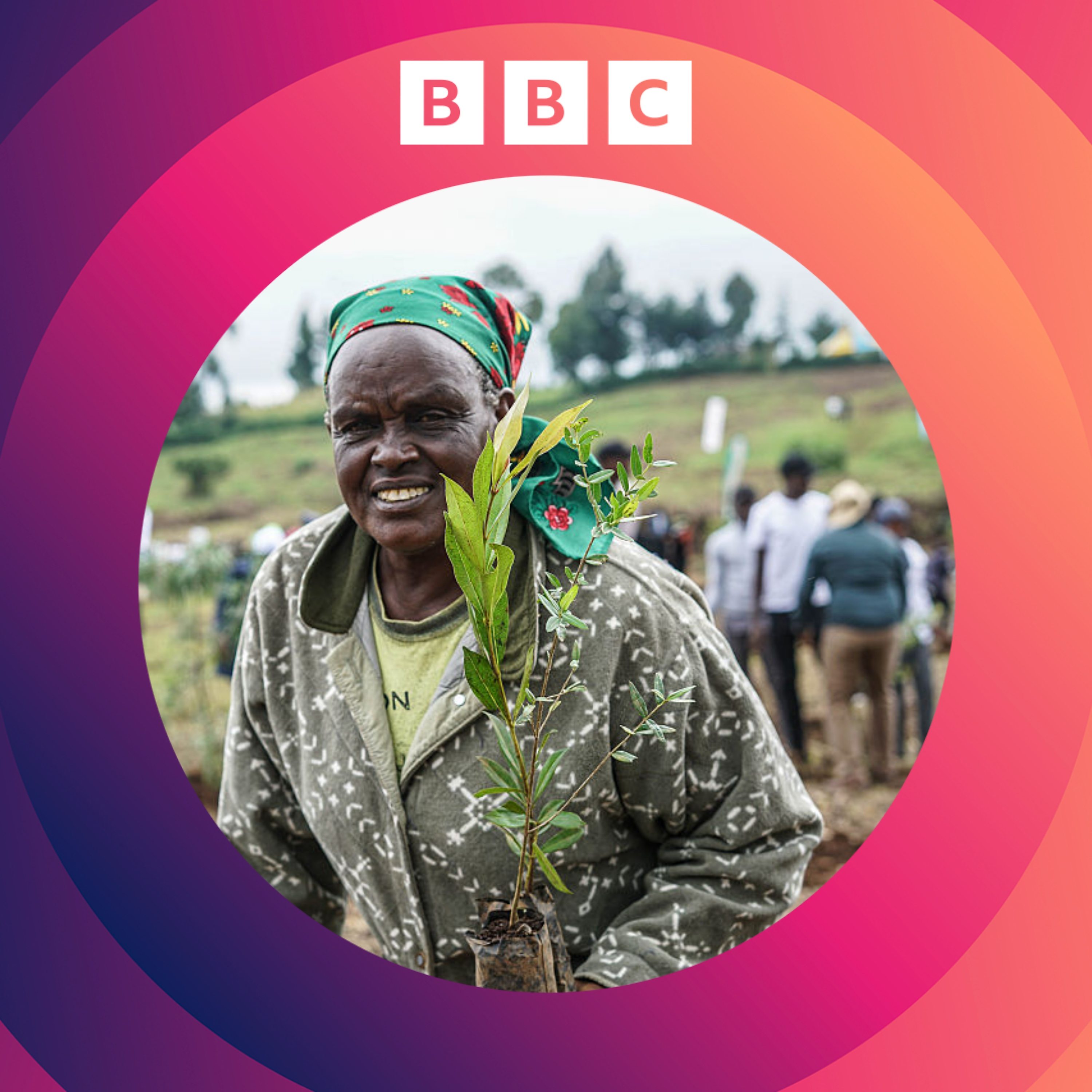
| 8/23/26 | forest conservationenvironmental challenges+4 | Wanjira Mathai | World Resources Institute | AfricaCongo rainforest+3 | Africa's forestsclimate change+7 | — | 22m 59s | ||
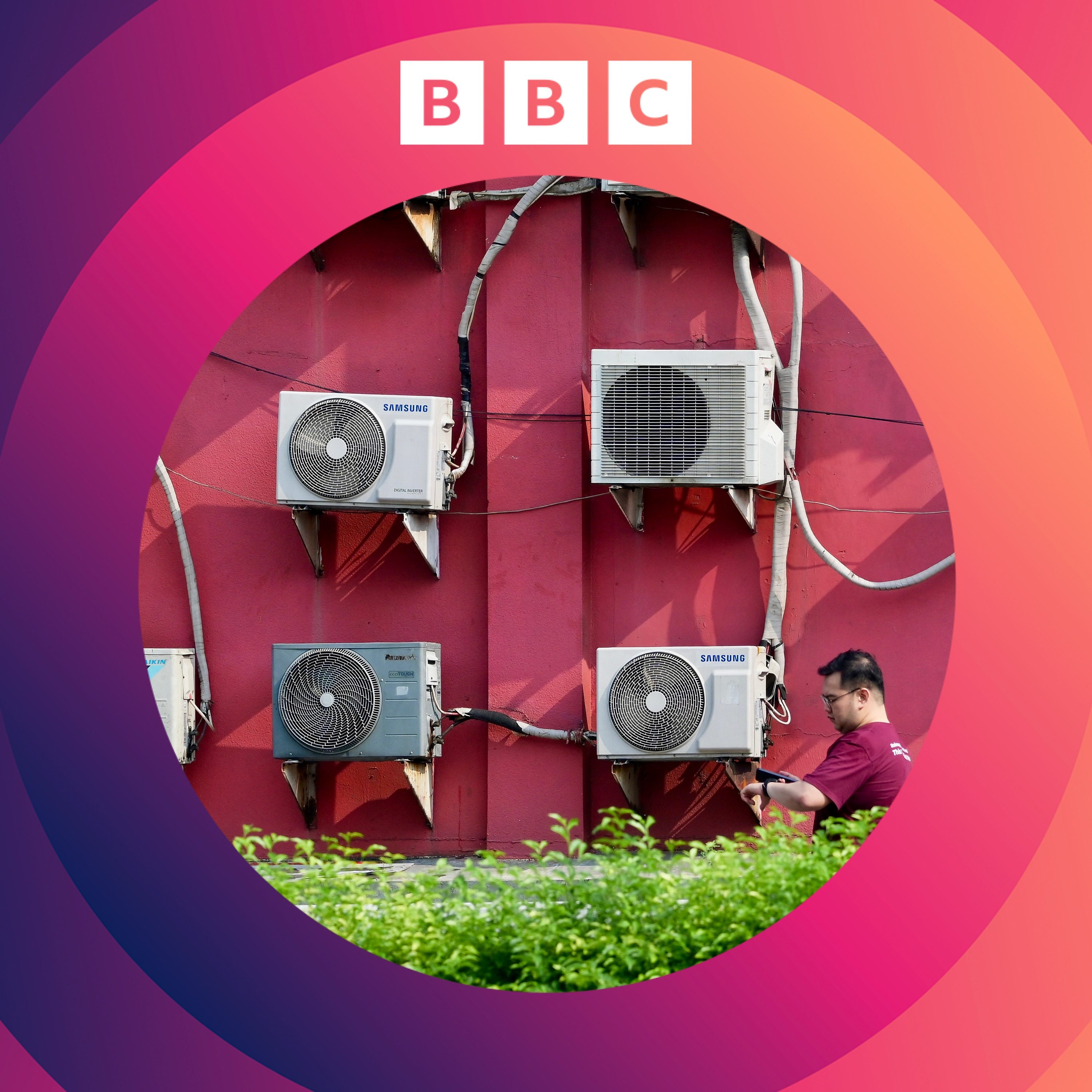
| 8/16/26 | air conditioningclimate change+4 | Kurumi MoriRadhika Khosla | International Energy AgencyUniversity of Oxford+1 | — | air conditioningclimate change+5 | — | 26m 29s | ||
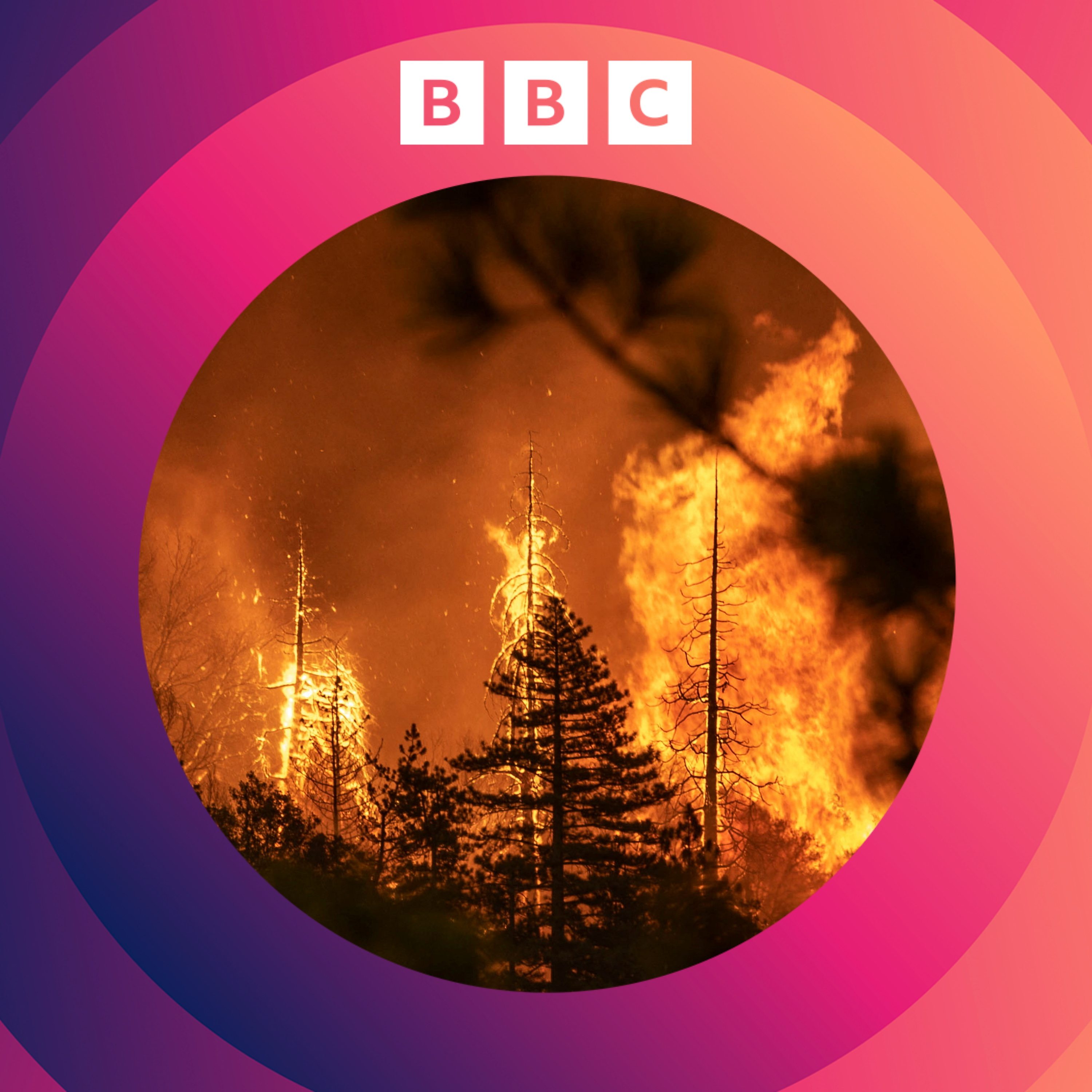
| 8/9/26 | wildfiresclimate change+3 | John Vaillant | Fire Weather | Southern EuropeNorth America | wildfiresclimate change+3 | — | 22m 58s | ||
| 8/2/26 | climate changemotherhood+4 | Bhavreen KandhariDr Susan Chomba+1 | — | IndiaKenya+1 | climate changemotherhood+6 | — | 26m 28s | ||
| 7/26/26 | climate activismprotest tactics+3 | — | Greenpeace | — | climate protestsactivism+5 | — | 26m 27s | ||
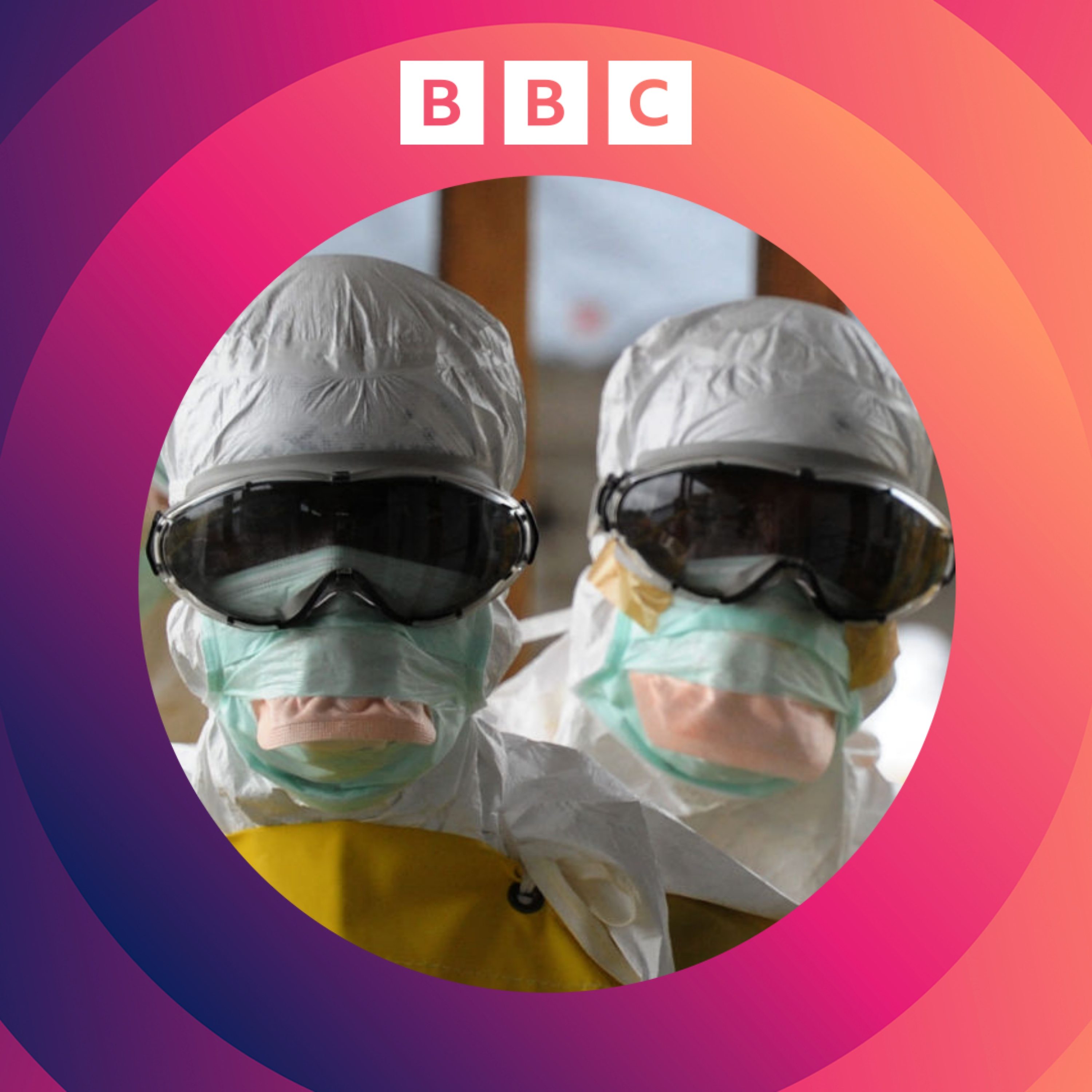
| 7/19/26 | climate changeepidemiology+3 | Dr Neil Vora | US Centres For Diseases Control and PreventionPreventing Pandemics at the Source Coalition | — | climate changeepidemic+5 | — | 26m 28s | ||
| 7/12/26 | science fictionclimate change+4 | Kim Stanley Robinson | COPThe Ministry For The Future+1 | — | climate changescience fiction+5 | — | 26m 28s | ||
| 7/5/26 | climate changeurban planning+3 | Yvonne Aki-SawyerrRogier van den Berg | C40 Cities CoalitionWRI Ross Center for Sustainable Cities | FreetownColombia+2 | climate friendly cityurban areas+3 | — | 26m 29s | ||
| 6/28/26 | El Niñoclimate change+5 | Mark Maslin | University College, LondonBBC World Service | Pacific coast of South America | El Niñoclimate change+6 | — | 22m 59s | ||
| 6/21/26 | climate changesleep+4 | Dr Sophie BostockJanhavee Moole | — | India | climate changesleep disruption+4 | — | 25m 24s | ||
| 6/14/26 | climate changeinsects+3 | Dr Tim Cockerill | Falmouth UniversityBBC World Service | — | climate changeinsects+3 | — | 23m 56s | ||
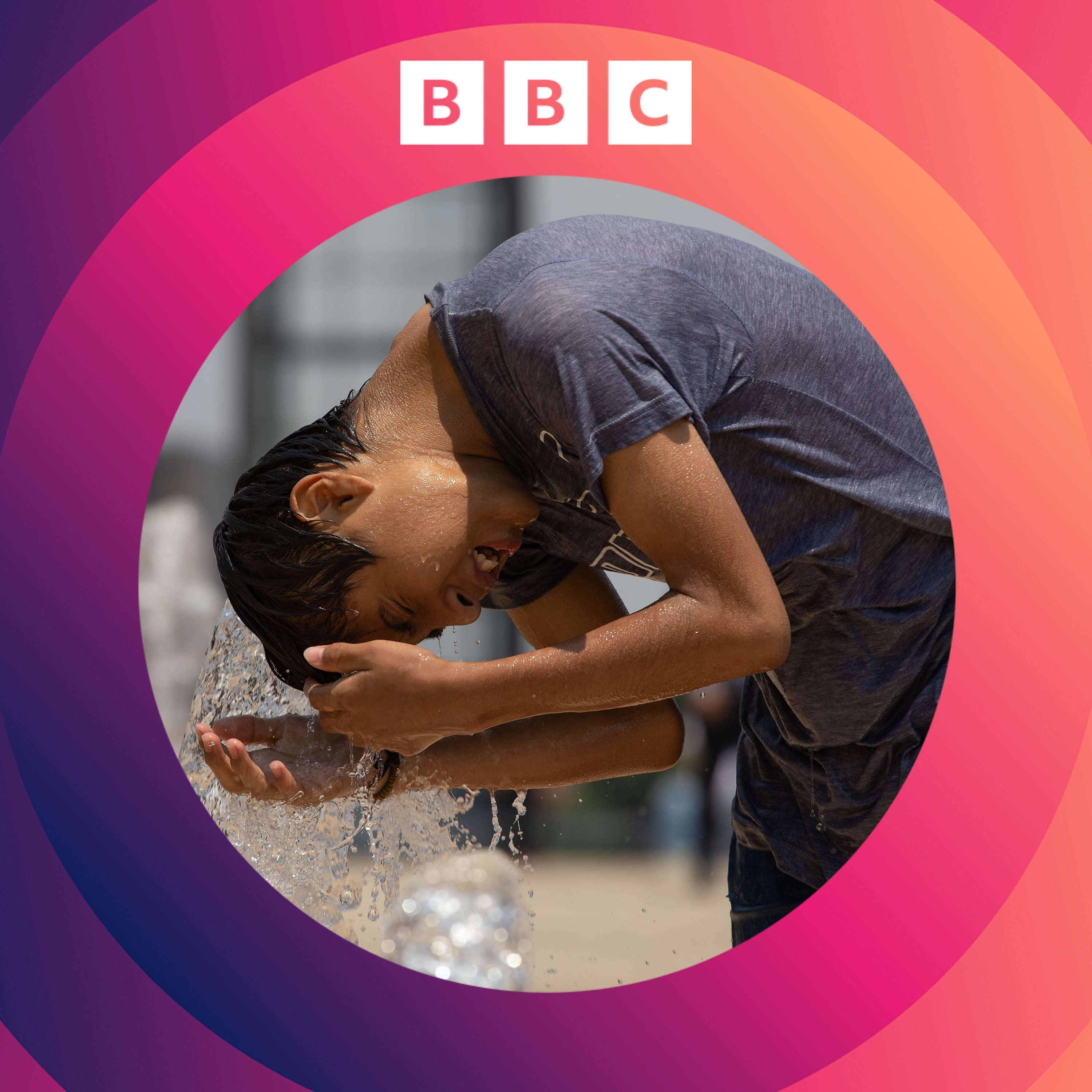
| 6/7/26 | World Cupextreme heat+4 | Dr Madeleine OrrKatie Gornall | FIFA | USAMexico+1 | World Cupextreme heat+5 | — | 26m 39s | ||
| 5/31/26 | coral reefsclimate change+3 | Dr Ove Hoegh-GuldbergDr Stacey Williams | University of QueenslandInstitute for Socio Ecological Research | Puerto Rico | coralclimate change+3 | — | 26m 28s | ||
| 5/24/26 | deep-sea miningcritical minerals+3 | — | BBC World Service | — | deep oceanmining+6 | — | 22m 59s | ||
| 5/17/26 | electric vehiclesclimate change+4 | Lam PhamPatpicha Tanakasempipat | EmberBloomberg | ThailandVietnam+1 | electric carsEV sales+5 | — | 26m 28s | ||
| 5/10/26 | carbon footprinttechnology+4 | Justin RowlattAkshat Rathi+1 | BBCBloomberg News+1 | — | carbon footprintstreaming+5 | — | 26m 28s | ||
| 5/3/26 | climate changeweather+4 | Matt Taylor | BBC | — | climate changeweather+5 | — | 26m 28s | ||
| 4/26/26 | nuclear powerChernobyl+3 | Graihagh Jackson | BBC World Service | ChernobylSoviet Union+3 | Chernobylnuclear power+5 | — | 28m 26s | ||
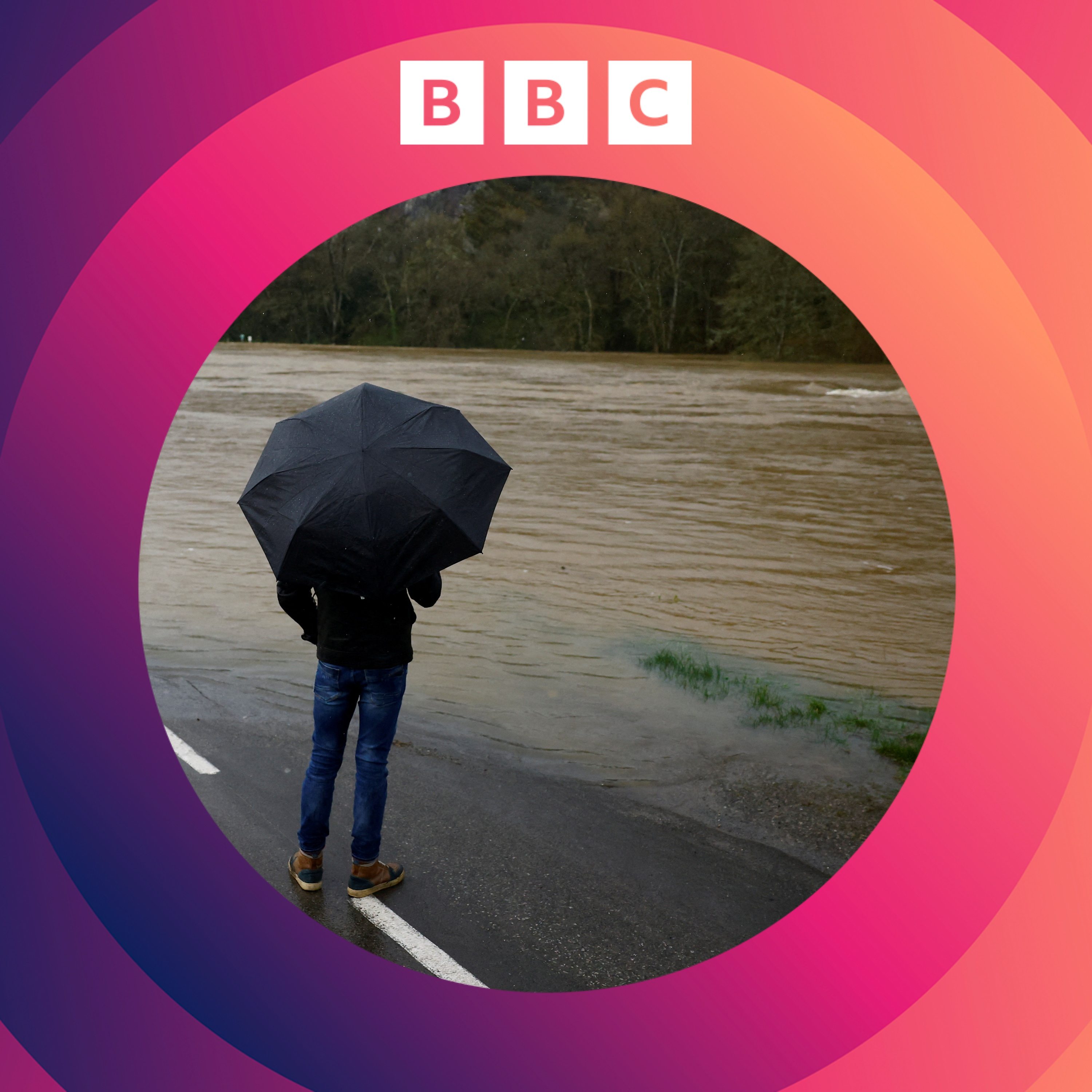
| 4/19/26 | floodingurban planning+4 | Rodrigo RochaDr Caroline Gevaert+1 | Responsive Cities InstituteInternational Institute for Geo-Information Science and Earth Observation | JohannesburgPorto Alegre | floodingcities+5 | — | 26m 29s | ||
| 4/12/26 | earthquakesclimate change+4 | Dr. Verena SimonSean Gallen | Swiss Seismology ServiceColorado State University+1 | — | earthquakesclimate change+4 | — | 26m 28s | ||
| 4/5/26 | fossil fuel advertisingclimate change+3 | Marco SilvaAnna Holligan | BBC VerifyBBC | AmsterdamThe Netherlands | fossil fuel adsclimate action+3 | — | 22m 59s | ||
| 3/29/26 | climate changeurban planning+3 | Umaru Fofana | — | FreetownSierra Leone+2 | Chief Heat Officerclimate change+5 | — | 26m 28s | ||
| 3/22/26 | transportationpollution+4 | Dario HidalgoSarah Kaufman | NYU Rudin Center for Transportation | BogotáNew York | city pollutionpublic transport+4 | — | 26m 28s | ||
| 3/15/26 | beaverssolar panels+4 | Justin RowlattAkshat Rathi+1 | BBC World ServiceBloomberg News+1 | — | beaverssolar panels+4 | — | 26m 27s | ||
| 3/8/26 | climate cost of warcarbon footprint+4 | Neta CrawfordDr. Benjamin Neimark | University of St AndrewsQueen Mary, University of London | GazaUkraine+2 | climate changewar+6 | — | 23m 38s | ||
| 3/1/26 | methaneclimate change+4 | Mark Maslin | University College London | — | methaneclimate change+5 | — | 24m 56s | ||
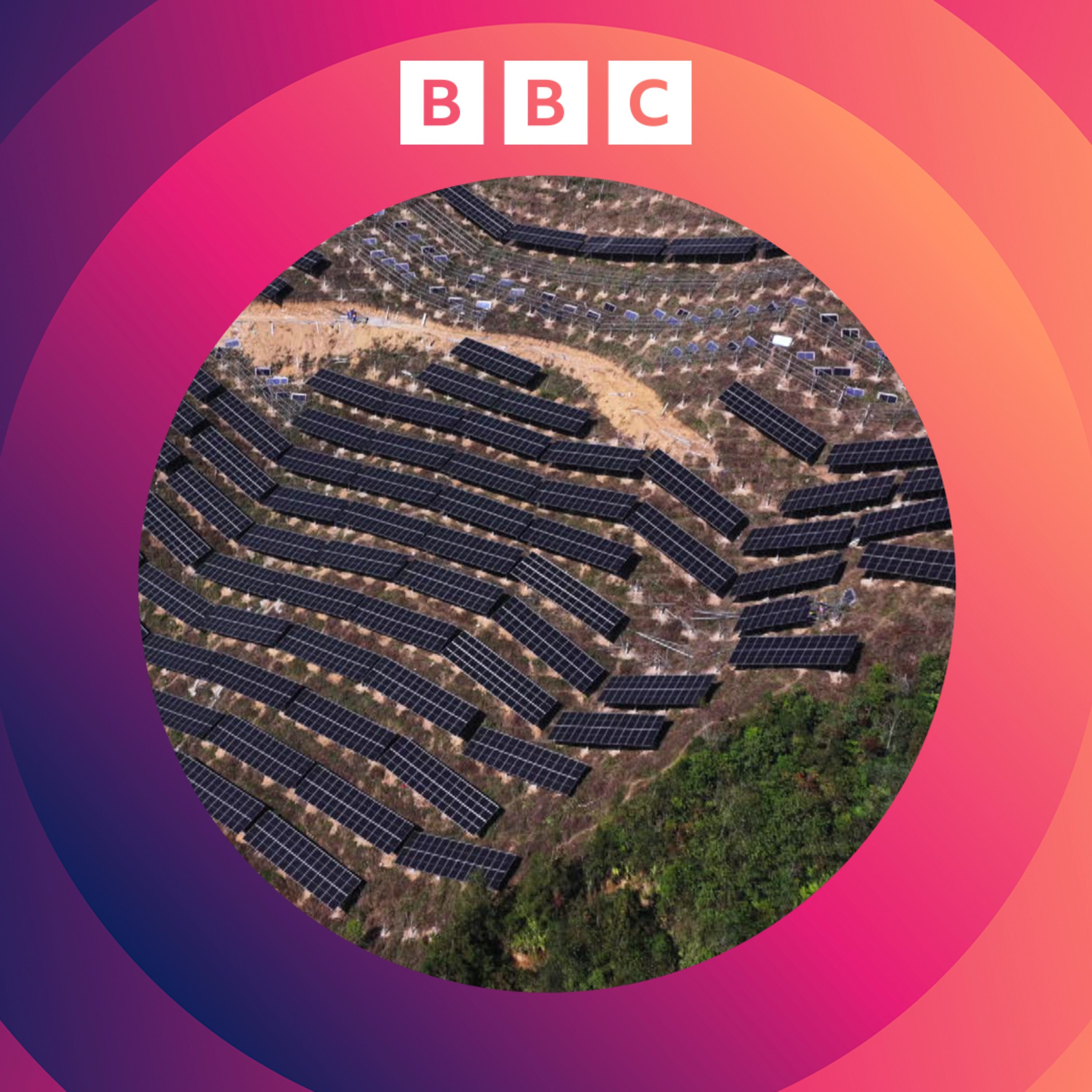
| 2/22/26 | green energyclimate change+4 | Laura Bicker | BBC | ChinaInner Mongolia+1 | Chinagreen energy+5 | — | 25m 30s | ||

















Showing 35 of 312
Pitch Fit is a Pro feature
See how bookable this show is for guests, which brands already advertise, the per-episode ad value, and the best-fit guest and sponsor profile. The numbers are blurred on the free plan.
How readily this show books outside guests like you.
How proven this show is for host-read sponsorships.
For Guests
ProFor Advertisers
ProUpgrade to Pro to unlock guest cadence, sponsor categories, fit scores, and per-episode ad value for this show.
Similar Audience Demographics
Podcasts that attract a similar listener profile


Chart history for The Climate Question
Peaked at #18 in South Korea, currently #18 in South Korea.
| Market | Genre | Peak | Current | Trend |
|---|---|---|---|---|
| South Korea | — | #18 | #18 | — |
| PH | — | #21 | #21 | — |
| ID | — | #22 | #22 | — |
| VN | — | #33 | #33 | — |
| Sweden | — | #46 | #46 | — |
| India | — | #52 | #52 | — |
| Japan | — | #57 | #57 | — |
| United Kingdom | — | #58 | #58 | — |
| New Zealand | — | #58 | #58 | — |
| SG | — | #63 | #63 | — |
| Spain | — | #73 | #73 | — |
| AE | — | #76 | #76 | — |
| NG | — | #78 | #78 | — |
| CO | — | #82 | #82 | — |
| HU | — | #87 | #87 | — |
| Ireland | — | #88 | #88 | — |
| TR | — | #97 | #97 | — |
| South Africa | — | #98 | #98 | — |
| Denmark | — | #103 | #103 | — |
| BE | — | #104 | #104 | — |
Chart Positions
31 placements across 31 markets.
Chart Positions
31 placements across 31 markets.