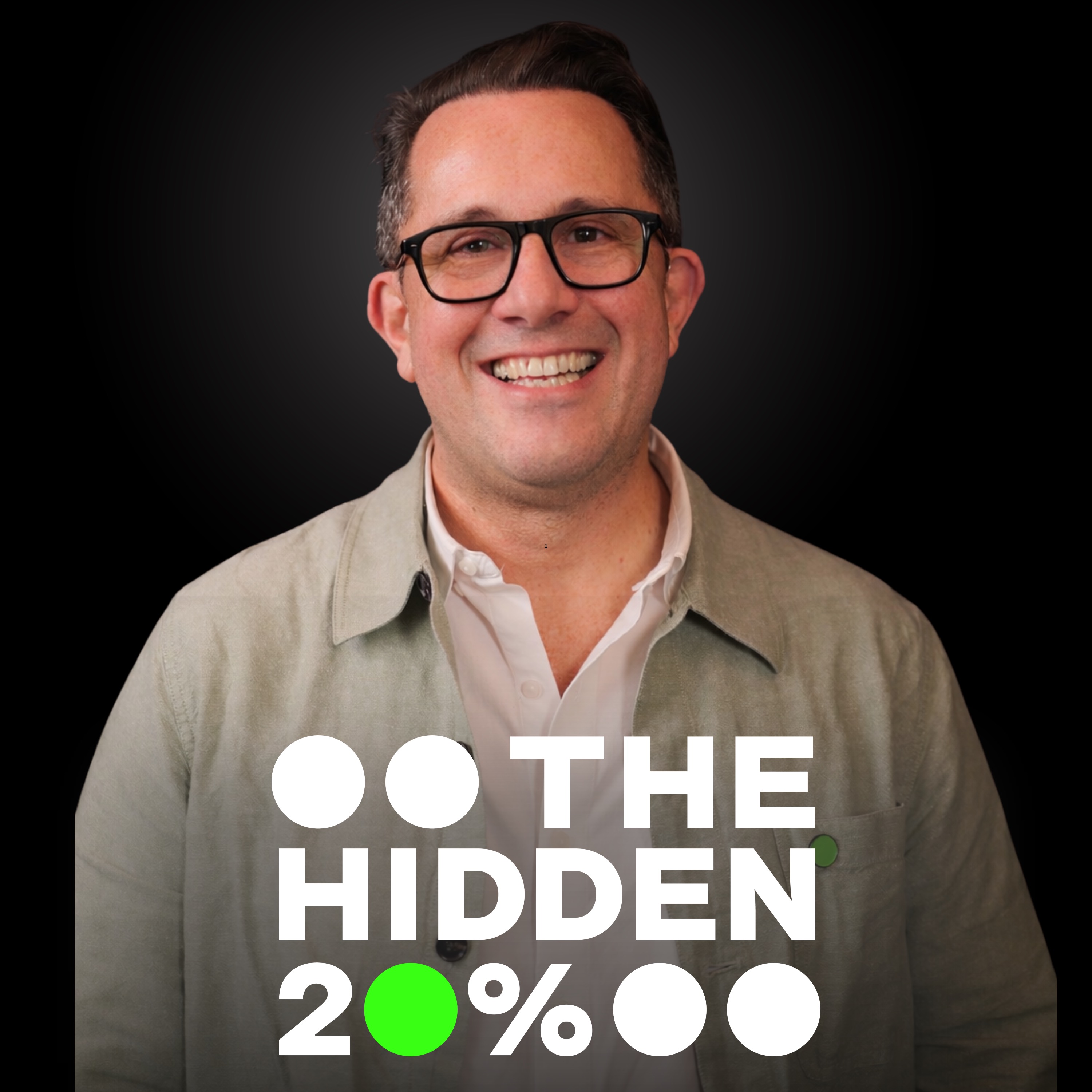
Neurodivergent-Friendly Design: How to Build Spaces That Support Your Brain
About this episode
Pablo Lambrechts discusses how environmental design can support neurodivergent individuals and improve wellbeing.
Pablo Lambrechts, Architect and Director at L+ Architects, joins Ben to explore something most of us feel but rarely question - the impact our environment has on our nervous system. Drawing on his work designing neurodiversity-informed spaces (including Google HQ), Pablo explains how light, sound, layout and materials can either support regulation or quietly work against it. This isn’t about aesthetics - it’s about how spaces shape behaviour, focus and wellbeing. Together, they unpack biophilic design, and why many schools, workplaces and homes are unintentionally disabling for neurodivergent people. Pablo also shares simple, practical changes that can make an immediate difference, without big budgets. Join us at hidden20.org/donate . ________ Host: Ben Branson Production Manager: Phoebe De Leiburné Video Editor: James Scriven Social Media Manager: Charlie Young Music: Jackson Greenberg Head of Marketing: Kristen Fuller The Hidden 20% is a charity founded by AuDHD entrepreneur, Ben Branson. Our mission is simple: To change how the world sees neurodivergence. No more stigma. No more shame. No more silence. 1 in 5 people are neurodivergent. That’s 1.6 billion of…
More episodes of The Hidden 20%
- Why ADHD Changes How You Eat: Brain, Gut & Food Sensitivities
- Autism & Mental Health: Anxiety, Meltdowns vs Shutdowns & What We Get Wrong
- Autism, Language & Intersectionality: The Hidden Bias In Diagnosis & Support
- AuDHD Relationship Goals & The Intersection Of Neurodiversity & Gender
- ADHD Media Narratives & Misinformation: What's Really Happening?
- ADHD & Autism at Work: Masking, Burnout and What Employers Still Get Wrong
Explore listener stats, chart rankings, contacts and more on the The Hidden 20% podcast page.