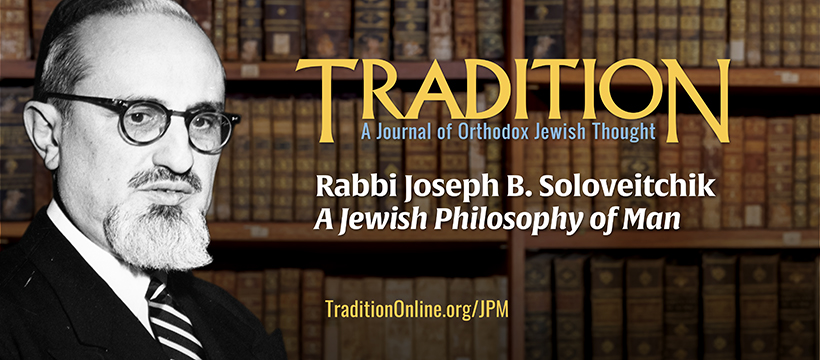
A Jewish Philosophy of Man (e7): Prophetic Loneliness as the Solution to the Problem of Jewish Loneliness
About this episode
Rabbi Joseph B. Soloveitchik discusses the distinction between loneliness and prophetic aloneness in the context of Jewish philosophy.
A Lecture Series by Rabbi Joseph B. Soloveitchik Lecture 7: Delivered February 12, 1959 Different people experience loneliness and aloneness differently. Some people are so preoccupied with how they impress others, with their public persona, that they lack rootedness in their own, private world. When society loses interest in such people, the resulting loneliness becomes a kind of torture, infused with despair and defeat. On the other hand, there are other people who never forget their own, private, numinous world, even as they remain committed to and even sacrifice for the outside world. If rejected by the crowd, this person remains secure in his or her unique self, confident in the special, singular message that only he or she can bring to the world. This is not loneliness but the great experience of aloneness, or what may be called prophetic loneliness. Abraham, Moses, Elijah, and all prophets experienced this aloneness, when the crowd was unwilling to receive their unique message. While loneliness for the first kind of person is paralyzing, prophetic solitude drives creativity. The prophet does not withdraw from society, but all while engaging with and giving to society he…
People in this episode
Host: Joseph B. Soloveitchik
Topics covered
- loneliness
- aloneness
- prophetic loneliness
- Jewish philosophy
- creativity
Keywords
- Jewish loneliness
- public persona
- private world
- Abraham
- Moses
- Elijah
Mentioned in this episode
Books & works: A Jewish Philosophy of Man
Places: Yisrael
More episodes of Tradition Podcast
- A Jewish Philosophy of Man (E8): The Content of the Covenant of Egypt – The Jewish Existential Community
- Rav Moshe’s Legacy
- A Jewish Philosophy of Man (E6): Judaism’s Glorification of the Anonymous Person
- A Jewish Philosophy of Man (E5): The Dialectical Approach to the Individual and the Community
- Understanding a Jewish Philosophy of Man
- A Jewish Philosophy of Man (E4): Judaism’s View of Man as a Lonely Being
Explore listener stats, chart rankings, contacts and more on the Tradition Podcast podcast page.