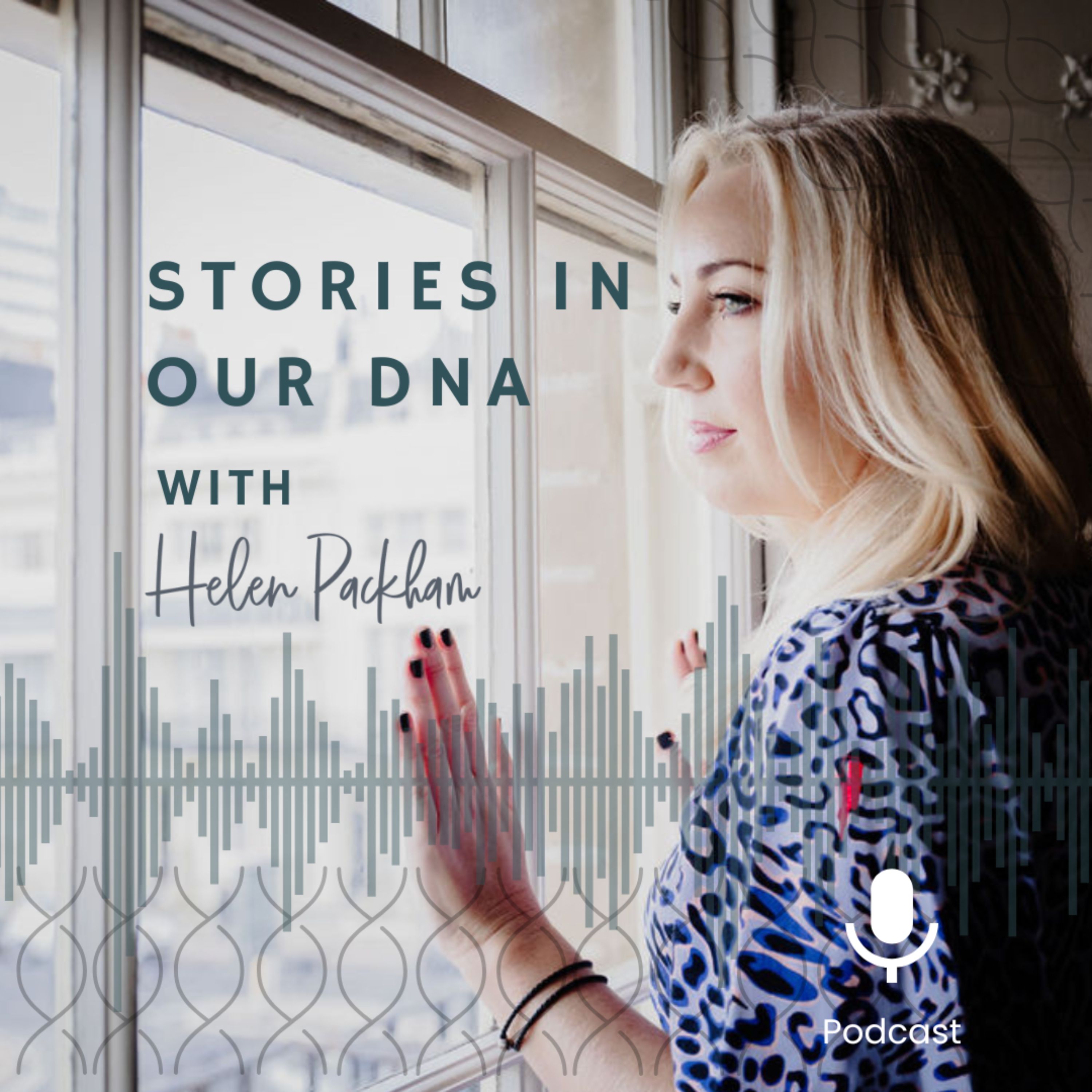
Stories in Our DNA – Ep 3: Wired for Story
About this episode
Helen Packham interviews Lisa Cron about the neuroscience of storytelling and its impact on decision-making and leadership.
Why do stories captivate us while facts often fall flat? In this episode, Helen sits down with Lisa Cron , bestselling author of Wired for Story , to explore the science behind storytelling and why humans are biologically wired to think in narrative. Lisa explains how stories function as a simulation system for the brain , helping us navigate uncertainty, rehearse decisions and understand the world around us. The conversation explores how storytelling influences behaviour, why emotions drive decision-making, and why leaders, speakers and businesses who understand story can create far deeper connection and impact. Together they unpack the neuroscience of storytelling, the emotional mechanisms that make stories powerful, and the storytelling principles that help messages truly land. What You’ll Learn Why humans are wired for story from infancy How storytelling functions as a mental simulation for life The brain chemistry behind compelling stories Why facts alone rarely persuade people The role of misbelief in powerful storytelling Why vulnerability creates deeper connection How leaders can use storytelling to build trust and influence Lisa Cron is a story coach and author…
People in this episode
Host: Helen Packham
Guest: Lisa Cron
Topics covered
- storytelling
- neuroscience
- decision-making
- emotions
- leadership
- communication
Keywords
- storytelling
- neuroscience
- decision-making
- emotions
- leadership
- connection
- impact
Mentioned in this episode
Organizations: wiredforstory.com
Books & works: Wired for Story
Explore listener stats, chart rankings, contacts and more on the Words that Change Lives podcast page.