How to protect democratic politics from the malign influence of money?
About this episode
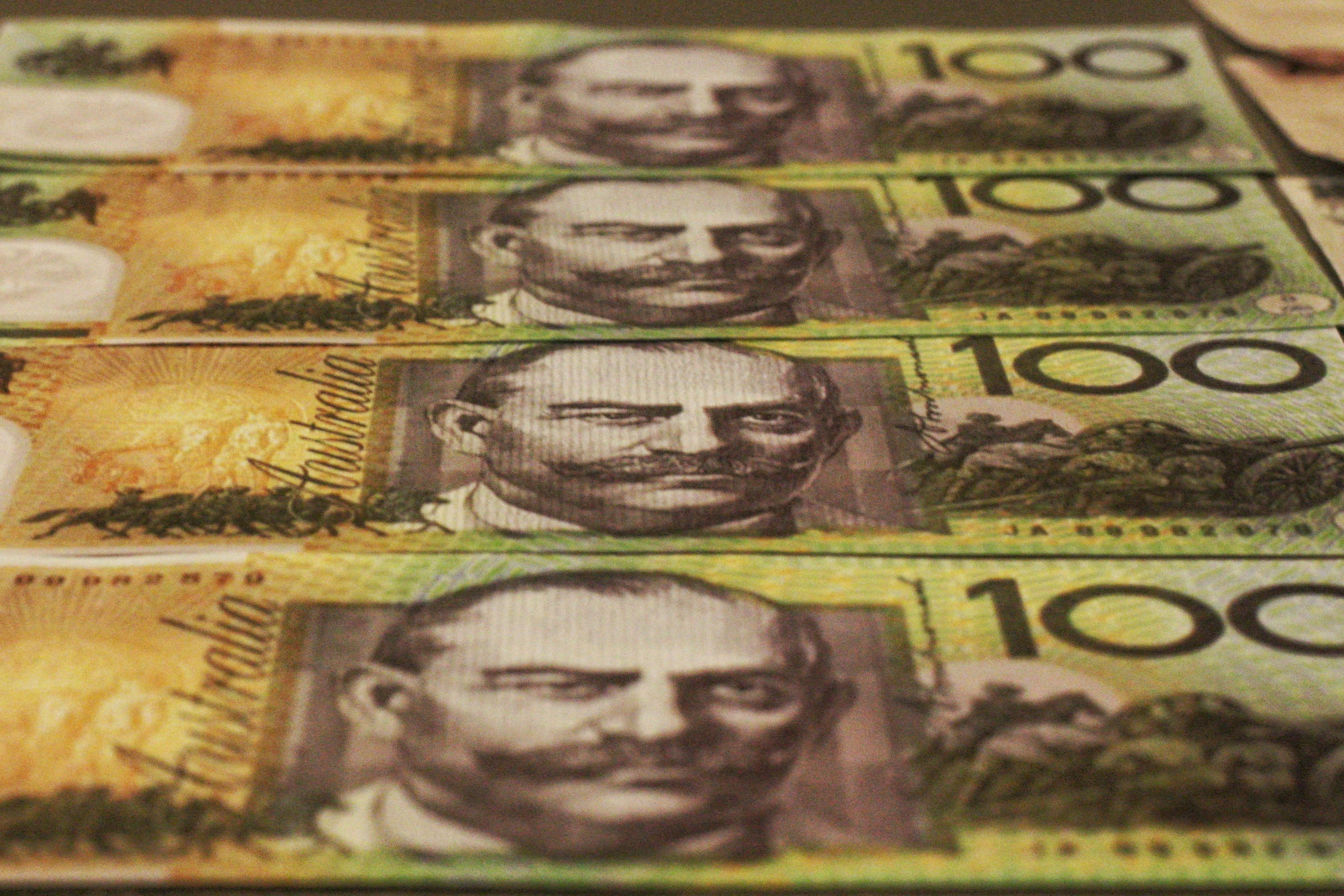
The episode discusses the influence of money on democratic politics and the resulting corruption and mistrust it breeds among citizens.
Ever since Aristotle, it has been recognised that money poses a particular threat to the integrity of political office. Ever the realist, Aristotle knew that those who seek political office are invariably motivated by a certain ambition (philótimo). Though not problematic in itself, but when combined with avarice (philochrematía) it can give rise to a form of corruption as corrosive as the unconstrained exercise of political power. For as Aristotle would put it, one who accepts gifts (katadōrodokoúmenos) will also be one who shows favouritism (katacharizómenos). He holds up as an example the council of “elders” (gérontas) in Sparta, who were “well known to have taken bribes and to have been guilty of partiality in public affairs” (Politics II.1271). The fault of the Spartan system, he concluded, the source of its underlying political rot, was a kind of pervasive unaccountability (aneuthúnos), such that citizens no longer had a reasonable expectation of impartial treatment from lawmakers — which is to say, they could no longer expect justice. The suspicion of hidden influence and the fear of special consideration undermine the faith of citizens in our shared institutions to behave…
More episodes of The Minefield
- Is loyalty a virtue?
- Live from the Festival of Dangerous Ideas: Does longevity threaten the future?
- What response does Jason Arday’s life, and death, morally demand?
- Is opposition to data centres good news for democracy?
- Should fat from cadavers be used for cosmetic procedures?
- What happens to our moral lives when we stop reading books?
Explore listener stats, chart rankings, contacts and more on the The Minefield podcast page.