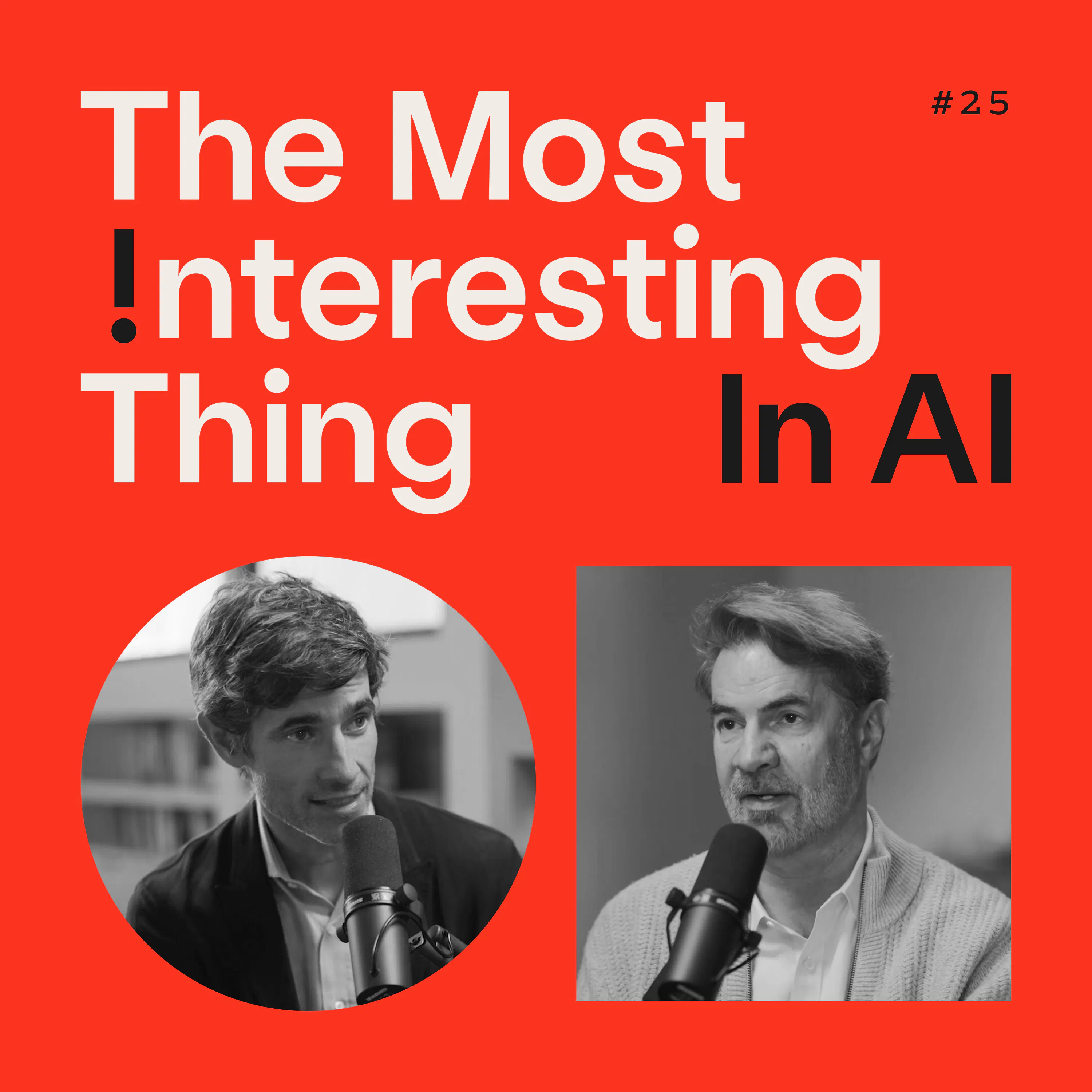
The AI Jobs Disruption - Erik Brynjolfsson with Nicholas Thompson
About this episode
Erik Brynjolfsson discusses the impact of AI on jobs and employment with Nicholas Thompson, exploring data-driven insights and policy implications.
Of all the potential risks and promises of AI, perhaps none are as immediately dire as this: How will it impact jobs? Will employers still need workers? What will it mean if the answer is “no?” Depending on who you’re talking to, the prospect of a future with fewer jobs is either liberating or terrifying. But for a more measured reaction, it helps to look at the data. Stanford economist Erik Bynjolfsson has done just that, drilling down into AI’s effects on employment, upskilling, output, and more. In a conversation with The Atlantic’s CEO Nichlas Thompson, Brynjolfsson goes through his studies of call centers and other AI-exposed fields, and the surprising findings that could bring some much-needed reality to our fears. (00:00) Introduction to Erik Brynjolfsson and his work on AI economics (02:51) How much is free AI actually worth? (05:25) Why isn’t powerful AI showing up in GDP? (06:48) Introducing GDP-B: A new metric to capture value from free digital goods (07:23) Why initial AI adoption often lowers output (09:05) Evidence of the J-curve turning: Call centers, software, and aggregate stats (14:48) Will AI create more jobs or destroy them? Understanding elastic vs. inelastic…
More episodes of The Most Interesting Thing in AI
- How Science Can Fix Dishonest AI - Yoshua Bengio with Nicholas Thompson
- The Limits of Predictive AI - Carissa Véliz with Nicholas Thompson
- AI Utopia or Catastrophe? Nick Bostrom with Nicholas Thompson
Explore listener stats, chart rankings, contacts and more on the The Most Interesting Thing in AI podcast page.