How Reliable Is Forensic Science? The Truth About Criminal Profiling and Investigations
About this episode
This episode explores the reliability of forensic science and criminal profiling in investigations, highlighting both its applications and limitations.
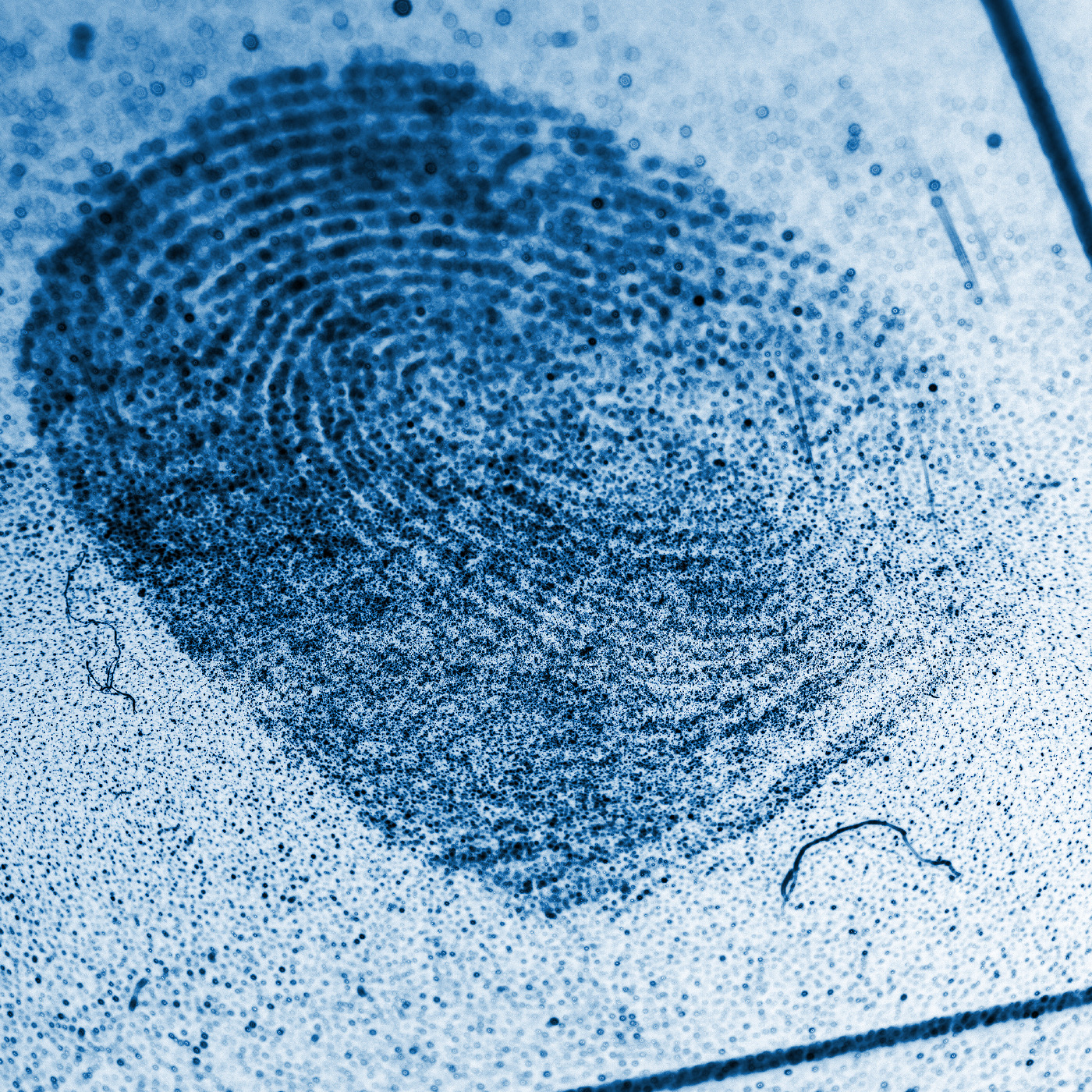
Investigators have long relied on science to help solve crimes, from fingerprint and blood splatter analysis to the psychology of criminal minds. But not every investigative technique rests on solid scientific ground. On this episode, how science is used in criminal investigations, and what happens when these methods aren’t as reliable as we might think. For years in Hollywood, a kind of mythology has been growing around a specific kind of investigator: FBI behavioral analysts, better known as criminal profilers — agents specially trained in psychology to help decode the minds of serial offenders. In TV shows and movies, they’re shown making brilliant, almost miraculous, connections that ultimately help catch the bad guy. But how accurate are these depictions? Pulse reporter Liz Tung explores the history of criminal profiling, how it works, and what’s behind longstanding criticisms of its methods. In 2004, the FBI was called in to assist on an investigation into a series of terrorist train bombings in Madrid. The agency connected the fingerprints gathered to a lawyer in Oregon, ultimately arresting him. There was just one problem: They’d nabbed the wrong guy. The attorney was…
People in this episode
Guests: Liz Tung, Alan Yu
Topics covered
- forensic science
- criminal profiling
- investigative techniques
- psychology
- evidence collection
- FBI
- crime investigation
Keywords
- forensic science
- criminal profiling
- FBI
- evidence collection
- psychology
- investigative techniques
- crime lab
Mentioned in this episode
Organizations: FBI, University of Chicago
Places: Oregon, Madrid
More episodes of The Pulse
- Chasing Wildlife: From the Golden Toad to Giant Elephants
- From Buzz to Burnout: How Alcohol Affects the Brain and Body
- How Science and Ingenuity Built Early America
- The Body Remembers: Exploring the Invisible Wounds Left by Serious Illness
- You’ve Heard of ‘Dad Bod’ But How About ‘Dad Brain?’
Explore listener stats, chart rankings, contacts and more on the The Pulse podcast page.