
Insights from recent episode analysis
Audience Interest
Podcast Focus
Publishing Consistency
Platform Reach
Insights are generated by CastFox AI using publicly available data, episode content, and proprietary models.
Most discussed topics
Brands & references
Total monthly reach
Estimated from 2 chart positions in 2 markets.
By chart position
- 🇺🇸US · Science#1245K to 30K
- 🇰🇪KE · Science#149500 to 3K
- Per-Episode Audience
Est. listeners per new episode within ~30 days
1.6K to 9.9K🎙 Daily cadence·192 episodes·Last published 1mo ago - Monthly Reach
Unique listeners across all episodes (30 days)
5.5K to 33K🇺🇸91%🇰🇪9% - Active Followers
Loyal subscribers who consistently listen
1.6K to 9.9K
Market Insights
Platform Distribution
Reach across major podcast platforms, updated hourly
Total Followers
—
Total Plays
—
Total Reviews
—
* Data sourced directly from platform APIs and aggregated hourly across all major podcast directories.
On the show
From 23 epsHosts
Recent guests
Recent episodes
How Reliable Is Forensic Science? The Truth About Criminal Profiling and Investigations
Jul 16, 2026
49m 34s
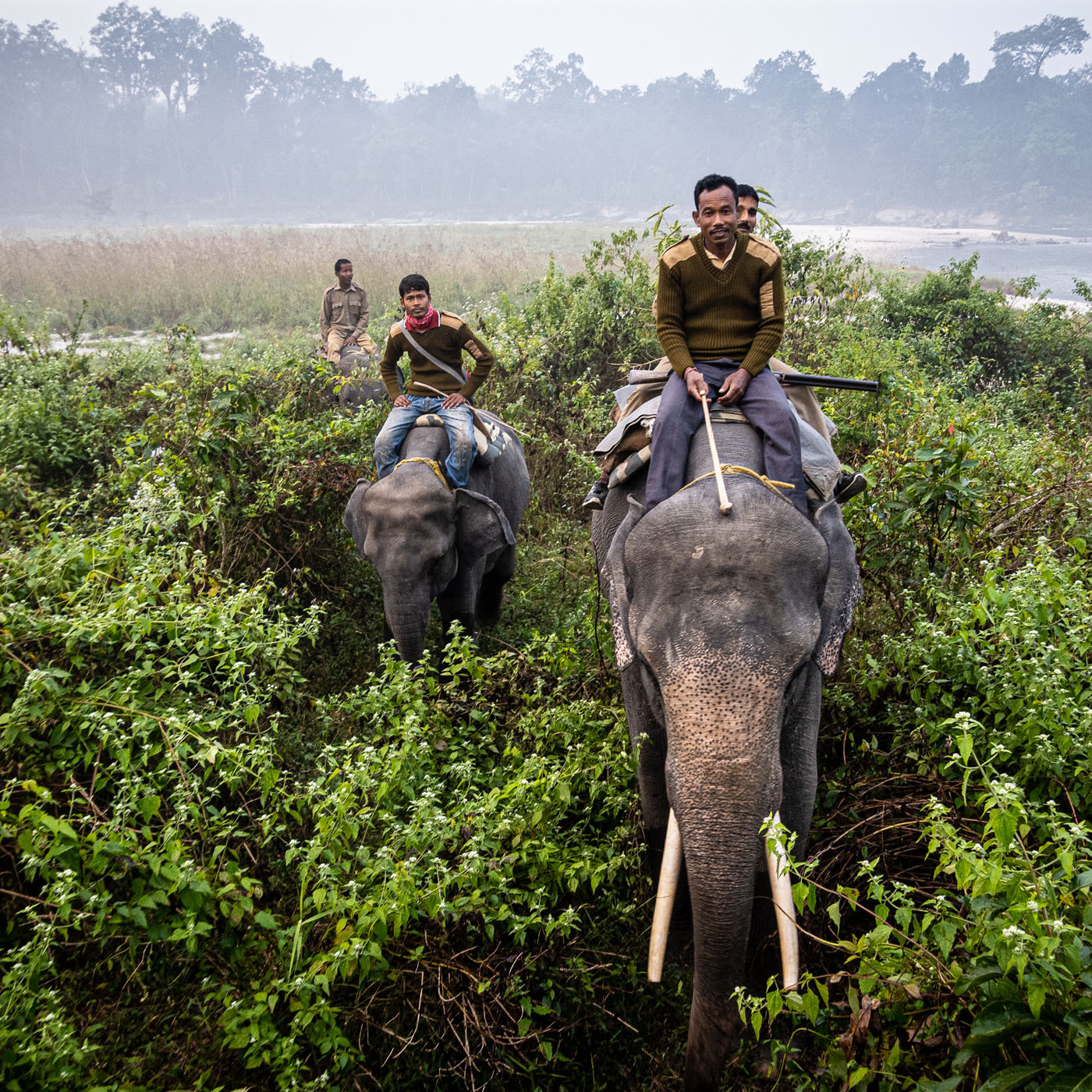
Chasing Wildlife: From the Golden Toad to Giant Elephants
Jul 9, 2026
49m 34s
From Buzz to Burnout: How Alcohol Affects the Brain and Body
Jul 2, 2026
50m 07s
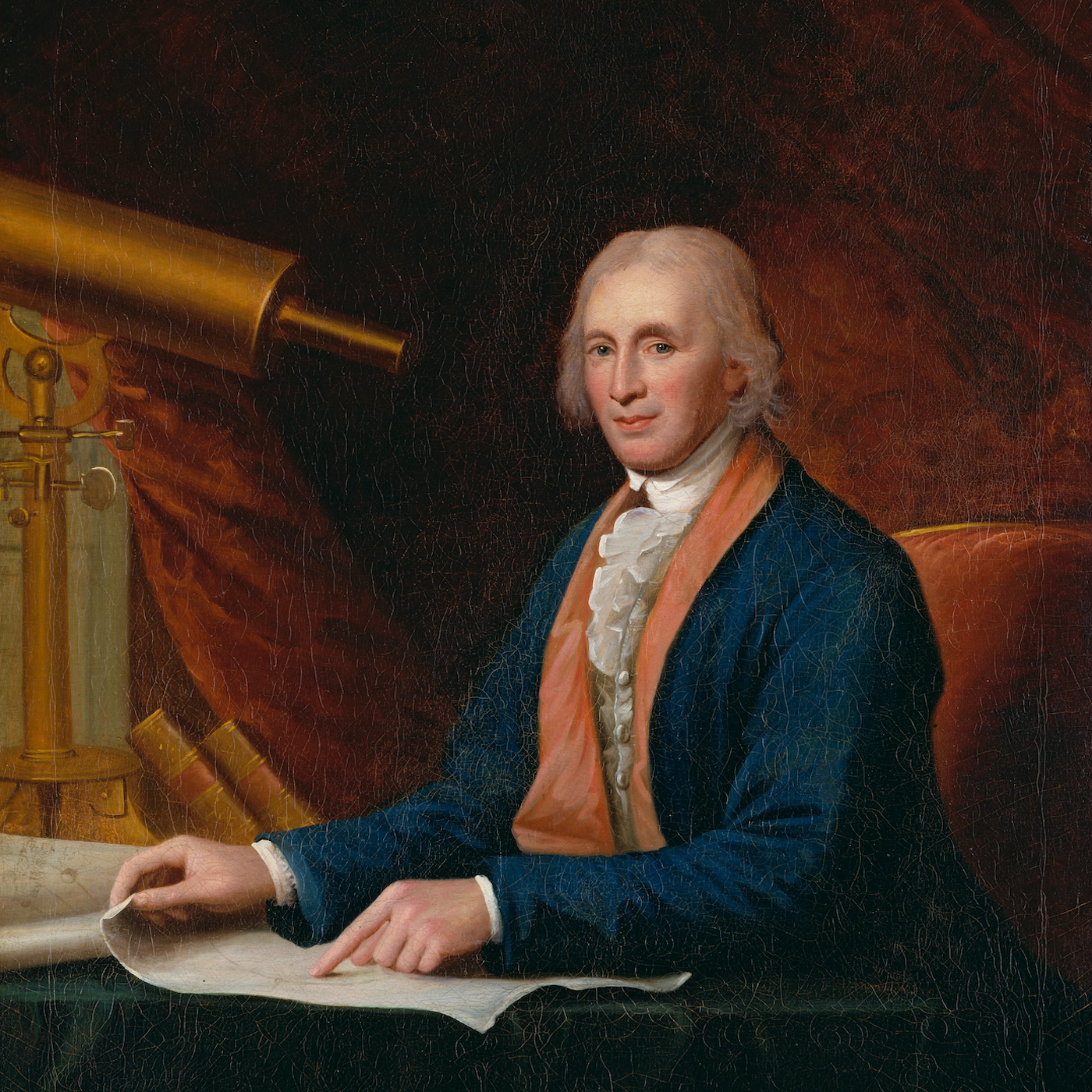
How Science and Ingenuity Built Early America
Jun 25, 2026
1h 03m 04s
The Body Remembers: Exploring the Invisible Wounds Left by Serious Illness
Jun 18, 2026
49m 34s
Social Links & Contact
Official channels & resources
Official Website
Login
RSS Feed
Login
| Date | Episode | Topics | Guests | Brands | Places | Keywords | Sponsor | Length | |
|---|---|---|---|---|---|---|---|---|---|
| 7/16/26 | forensic sciencecriminal profiling+5 | Liz TungAlan Yu | FBIUniversity of Chicago | OregonMadrid | forensic sciencecriminal profiling+5 | — | 49m 34s | ||
| 7/9/26 | wildlife conservationmythical creatures+4 | Trevor RitlandKyle Ritland+2 | WHYYThe Golden Toad: An Ecological Mystery and the S | Costa RicaIndia | golden toadwildlife trade+6 | — | 49m 34s | ||
| 7/2/26 | alcohol consumptionhealth effects+3 | Charles Knowles | Why We Drink Too Much: The Impact of Alcohol on Our Bodies and Culture | — | alcoholbrain+5 | — | 50m 07s | ||
| 6/25/26 | science and innovationAmerican history+4 | Caroline Winterer | TurtleAmerican Philosophical Society | Philadelphia | scienceinnovation+6 | — | 1h 03m 04s | ||
| 6/18/26 | medical traumahealing+3 | Rana Awdish | In ShockAfter Shock: Learning to Reinhabit My Body After Illness | — | medical traumahealing+5 | — | 49m 34s | ||
| 6/16/26 | fatherhoodbrain changes+4 | Darby Saxbe | Dad Brain: The New Science of Fatherhood and How It Shapes Men’s Lives | — | dad brainfatherhood+5 | — | 41m 57s | ||
| 6/11/26 | music and memorymusic therapy+3 | Elizabeth Margulis | Music Cognition LabPrinceton University+2 | — | musicmemory+5 | — | 49m 34s | ||
| 6/4/26 | healthcarelaw+5 | Britt Carpenter | Philly Unknown ProjectU.S. Supreme Court+2 | — | healthcarelaw+8 | — | 49m 34s | ||
| 5/28/26 | happinesspsychology+4 | Eric ZillmerDaniel Coyle | Drexel UniversityFlourish: The Art of Building Meaning, Joy, and Fulfillment | — | happinesspsychology+6 | — | 49m 34s | ||
| 5/21/26 | color perceptioncolor standardization+4 | Jill RafterKory Stamper+2 | House of ColourUniversity of Pennsylvania+1 | — | colorperception+5 | — | 49m 28s | ||
| 5/14/26 | survivaldisaster response+4 | Ellen CochraneJohn Geiger+1 | Follow the Water: The Unbelievable True Story of a Teenager's Survival in the AmazonThe Third Man Factor: Surviving the Impossible+1 | Peruvian Amazon | survivaldisaster+8 | — | 49m 34s | ||
| 5/7/26 | motherhoodmatrescence+4 | Aurélie AthanChelsea Conaboy+1 | Teachers College at Columbia UniversityMother Brain: How Neuroscience Is Rewriting the Story of Parenthood+1 | — | motherhoodmatrescence+5 | — | 49m 34s | ||
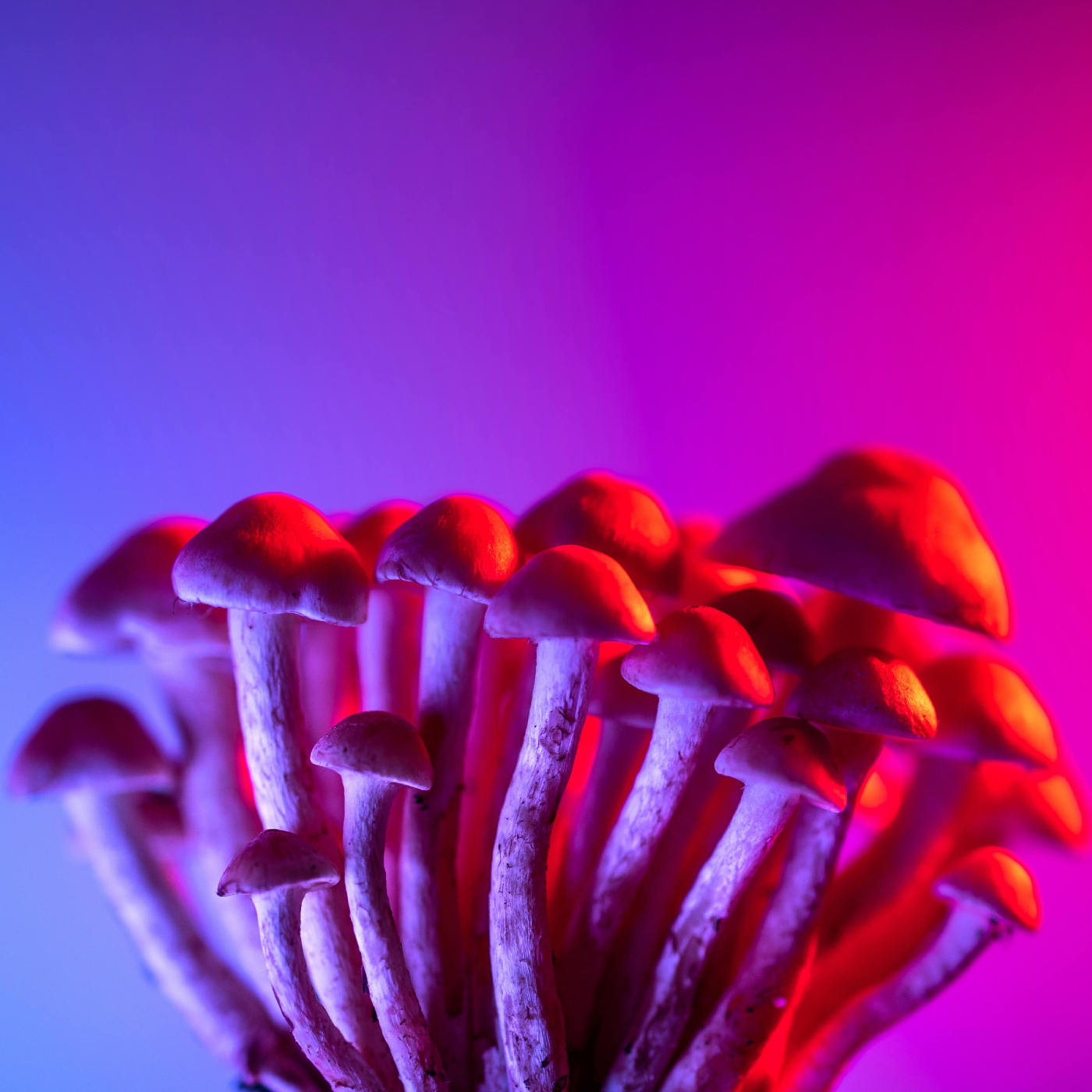
| 4/30/26 | psychedelicsPTSD+4 | Marcus CaponeRachel Yehuda+1 | MDMALSD+5 | — | psychedelicsPTSD+7 | — | 49m 34s | ||
| 4/23/26 | Chernobyl disasternuclear energy+3 | Adam Higginbotham | Chernobyl Nuclear Power PlantMidnight in Chernobyl: The Untold Story of the World's Greatest Nuclear Disaster | Soviet UnionThree Mile Island | Chernobylnuclear energy+5 | — | 49m 34s | ||
| 4/16/26 | dopaminereward system+3 | Michaeleen Doucleff | Dopamine Kids: A Science-Based Plan to Rewire Your Child's Brain and Take Back Your Family in the Age of Screens and Ultraprocessed Foods | — | dopamineaddiction+5 | — | 49m 34s | ||
| 4/9/26 | Greenlandclimate change+4 | Neil Shea | WHYYFrostlines: A Journey Through Entangled Lives and Landscapes in a Warming Arctic | GreenlandEurope+1 | Greenlandclimate science+5 | — | 49m 34s | ||
| 4/2/26 | urgent carehealthcare access+4 | Aaron Weber | Mayo ClinicWHYY | — | urgent carehealthcare+3 | — | 47m 56s | ||
| 4/1/26 | digestive healthbowel movements+4 | Trisha Pasricha | You’ve Been Pooping All Wrong: How to Make Your Bowel Movements a Joy | — | poopbowel movements+5 | — | 44m 17s | ||
| 3/26/26 | perfectionismmental health+3 | Gitanjali Trevorrow-Seymour | WHYYhigh school | — | perfectionismmental health+3 | — | 49m 54s | ||
| 3/19/26 | women in sciencescientific discoveries+4 | Candy ValladoShohini Ghose | NASALost Women of Science | — | women scientistsKatharine Burr Blodgett+6 | — | 49m 34s | ||
| 3/12/26 | caregivingrelationships+5 | Laura MauldinBarry Jacobs+1 | In Sickness and in Health: Love Stories From the Front Lines of America's Caregiving Crisis | — | caregivingrelationships+5 | — | 49m 50s | ||
| 3/10/26 | New Year’s resolutionsproductivity+3 | Chris Bailey | Intentional: How to Finish What You Start | — | New Year’s resolutionsproductivity+5 | — | 31m 52s | ||
| 3/5/26 | history of the telephoneAmerican ingenuity+3 | — | WHYYThe Pulse | — | telephoneAlexander Graham Bell+5 | — | 49m 39s |

















Showing 23 of 23
Pitch Fit is a Pro feature
See how bookable this show is for guests, which brands already advertise, the per-episode ad value, and the best-fit guest and sponsor profile. The numbers are blurred on the free plan.
How readily this show books outside guests like you.
How proven this show is for host-read sponsorships.
For Guests
ProFor Advertisers
ProUpgrade to Pro to unlock guest cadence, sponsor categories, fit scores, and per-episode ad value for this show.
Chart history for The Pulse
Peaked at #124 in United States, currently #124 in United States.
| Market | Genre | Peak | Current | Trend |
|---|---|---|---|---|
| United States | — | #124 | #124 | — |
| KE | — | #149 | #149 | — |
Chart Positions
2 placements across 2 markets.
Chart Positions
2 placements across 2 markets.