How Science and Ingenuity Built Early America
About this episode
This episode explores how science and innovation contributed to the founding of America, featuring discussions on astronomy, the Declaration of Independence, and early inventions like the Turtle submarine.
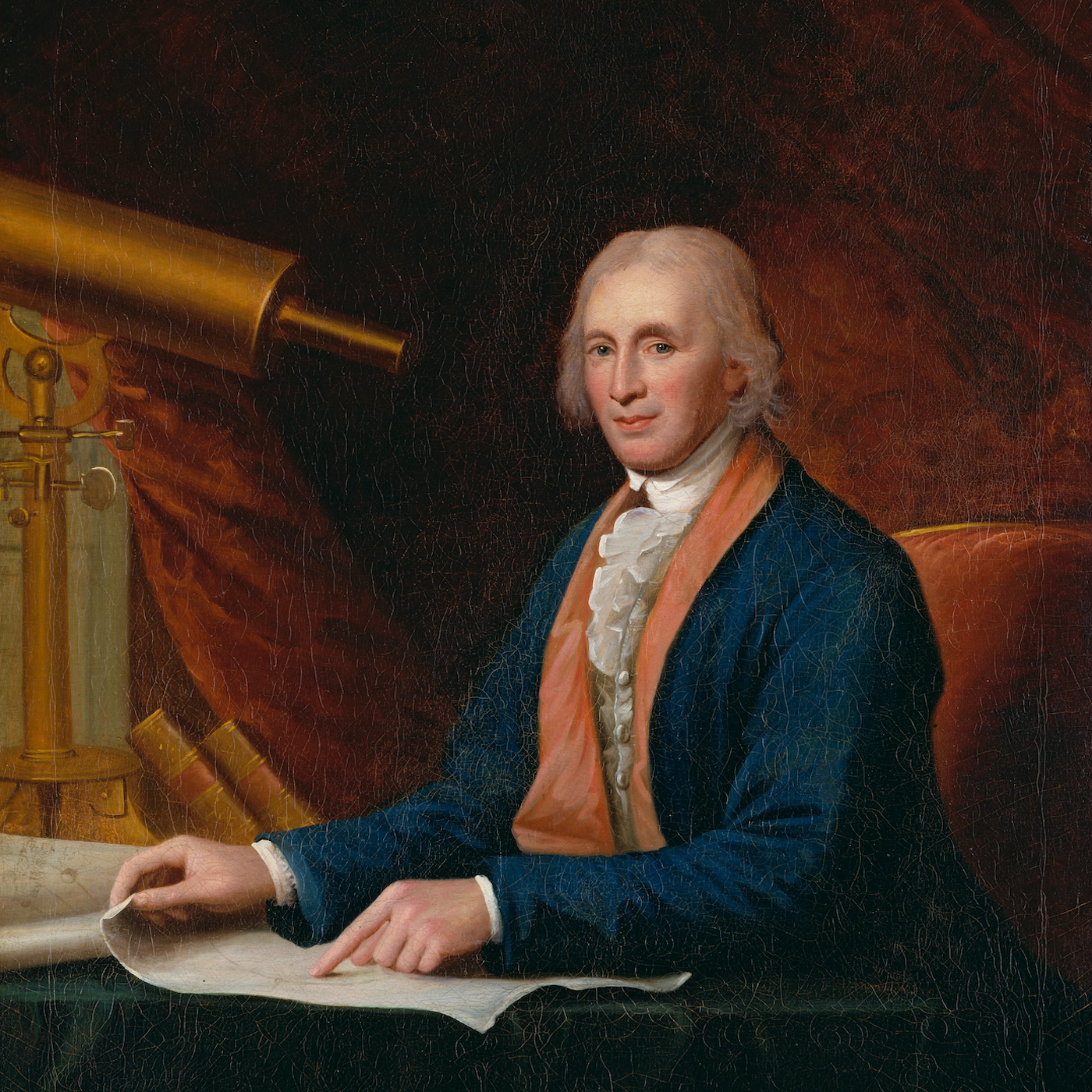
Two hundred and fifty years ago, Philadelphia was not just the center of political revolution, but a hub of scientific discovery. For America’s founders, science was more than a pastime — it was a way of understanding the world and the natural laws that shaped it. On this episode, we explore how science and innovation helped give birth to a new nation. We visit the American Philosophical Society in Philadelphia to explore how tracking the transit of Venus in 1769 became a major success for astronomers in the colonies, one that put American science on the map. We’ll also hear about efforts to find the exact location of the observatory that once stood near Independence Hall — the place some people say was the location where the Declaration of Independence was read out loud for the first time. The first sentence of the Declaration of Independence cites, “Laws of Nature and of Nature's God,” but what exactly does that mean? Caroline Winterer, Professor of History and American Studies at Stanford University joins us to discuss the ideas that allowed the Founders to bridge the gap between physical science and political governance, effectively inventing our modern concepts of society…
People in this episode
Host: Maiken Scott
Guest: Caroline Winterer
Topics covered
- science and innovation
- American history
- Revolutionary War
- astronomy
- political governance
- inventions
Keywords
- science
- innovation
- Philadelphia
- astronomy
- Declaration of Independence
- Turtle submarine
- Revolutionary War
- Caroline Winterer
Mentioned in this episode
Organizations: American Philosophical Society
Products: Turtle
Places: Philadelphia
More episodes of The Pulse
- How Reliable Is Forensic Science? The Truth About Criminal Profiling and Investigations
- Chasing Wildlife: From the Golden Toad to Giant Elephants
- From Buzz to Burnout: How Alcohol Affects the Brain and Body
- The Body Remembers: Exploring the Invisible Wounds Left by Serious Illness
- You’ve Heard of ‘Dad Bod’ But How About ‘Dad Brain?’
Explore listener stats, chart rankings, contacts and more on the The Pulse podcast page.