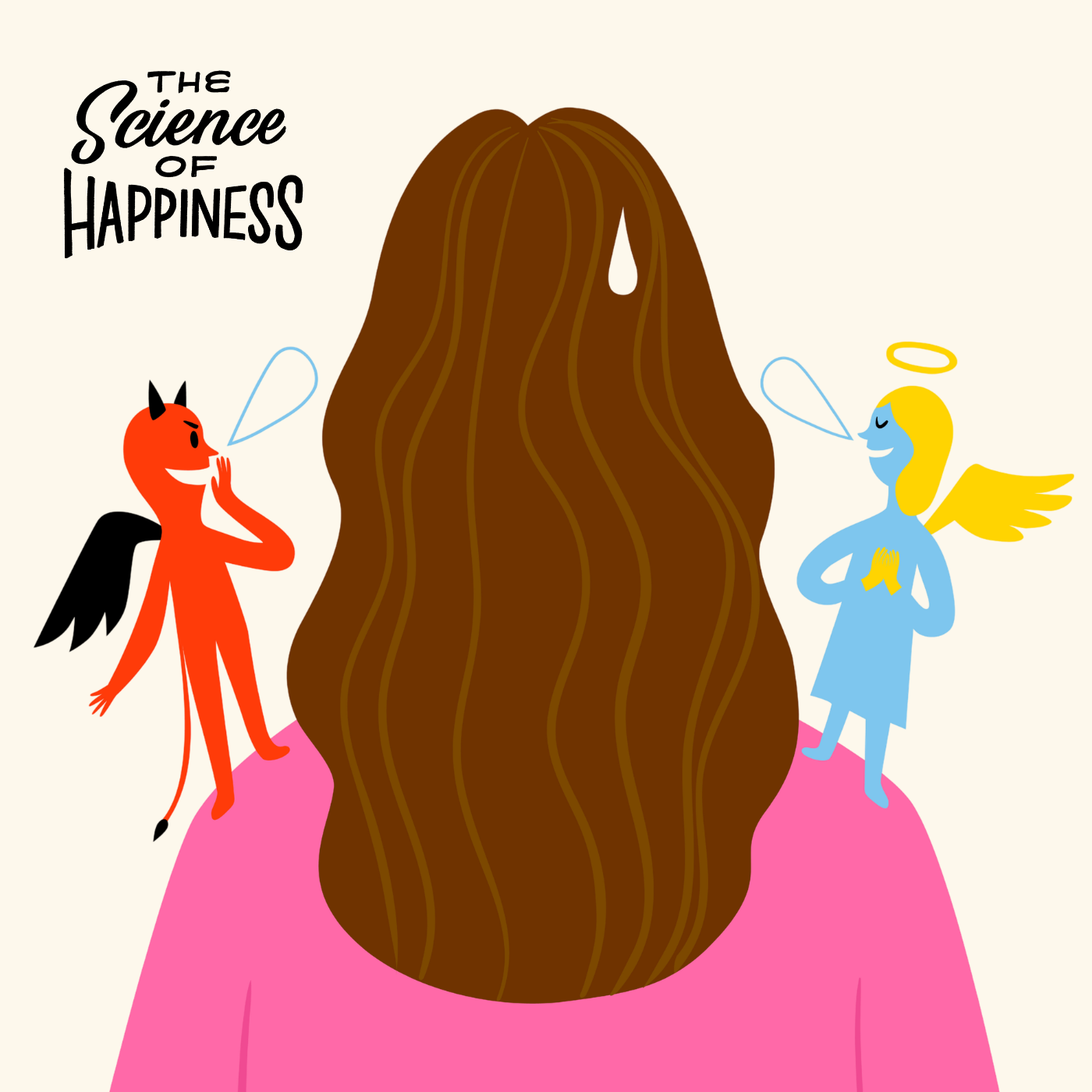
Why Revenge Feels So Good—and Why It Hurts Us
About this episode
The episode explores the compelling nature of revenge and the healing power of forgiveness through the insights of James Kimmel Jr.
Neuroscience reveals revenge can become a powerful habit—and that forgiveness may be one of the most effective ways to break the cycle. Summary: After years of bullying led him to almost committing an act of violence, James Kimmel Jr., an assistant clinical professor at the Yale School of Medicine, set out to understand why revenge can be so compelling—and how forgiveness can interrupt that cycle, easing emotional pain and strengthening self-control. On this episode of The Science of Happiness, we explore what science can teach us about healing ourselves and creating a less violent world. How To Do This Practice: Think of a Grievance: Bring to mind a person or situation that still causes you hurt or resentment. Notice How It Feels: Take a moment to observe any tension, anger, or pain that arises without judging it. Imagine Forgiveness: Without forcing yourself to forgive, simply imagine what it would feel like to let go of the hurt. Notice the Shift: Pay attention to any sense of relief, ease, or softening—even if it's subtle. Return to the Feeling: When the grievance comes back, revisit that imagined sense of forgiveness as a way of caring for yourself. Practice Often: Repeat…
People in this episode
Host: The Science of Happiness
Guest: James Kimmel Jr.
Topics covered
- revenge
- forgiveness
- emotional healing
- neuroscience
- self-control
- bullying
Mentioned in this episode
Organizations: Yale School of Medicine
More episodes of The Science of Happiness
- Happiness Break: A Meditation to Move Through Anger
- How Joy Helps Save the Planet
- Happiness Break: Where Did You Come From? A Guided Reflection Practice
- How To Find the Wow In Life
Explore listener stats, chart rankings, contacts and more on the The Science of Happiness podcast page.