Solar Is Easy. Neighbours Are Not.
About this episode
This episode explores the challenges of implementing solar energy in multi-family buildings and the governance issues that arise.
I installed balcony solar panels at home. They work. They reduce my electricity bill. They also revealed something structural. Solar is technically simple. Scaling it is not. In Vilnius, I explored what happens when decentralised energy meets multi-apartment governance. In Central and Eastern Europe, 60% of people live in multi-family buildings. These buildings concentrate energy poverty, fragmented ownership, tight budgets and collective decision-making. Technology is progressing: Panels are lighter. Batteries are modular. Sodium-ion storage is emerging as a lower-cost option. Lithuania already counts 170,000 consumer-generators, with 12% of electricity production in 2025 coming from consumers. And yet, every time solar approaches a multi-family building, coordination begins. Who carries liability? Who guarantees mounting safety? Who stays present when after-sales disappears? This episode explores: Why 50% neighbour approval for shared solar is a relational threshold, not a technical one How standards on power limits, mounting systems and documentation reduce uncertainty Why flexibility policy collapses without visibility and information symmetry How the revised EPBD and the…
People in this episode
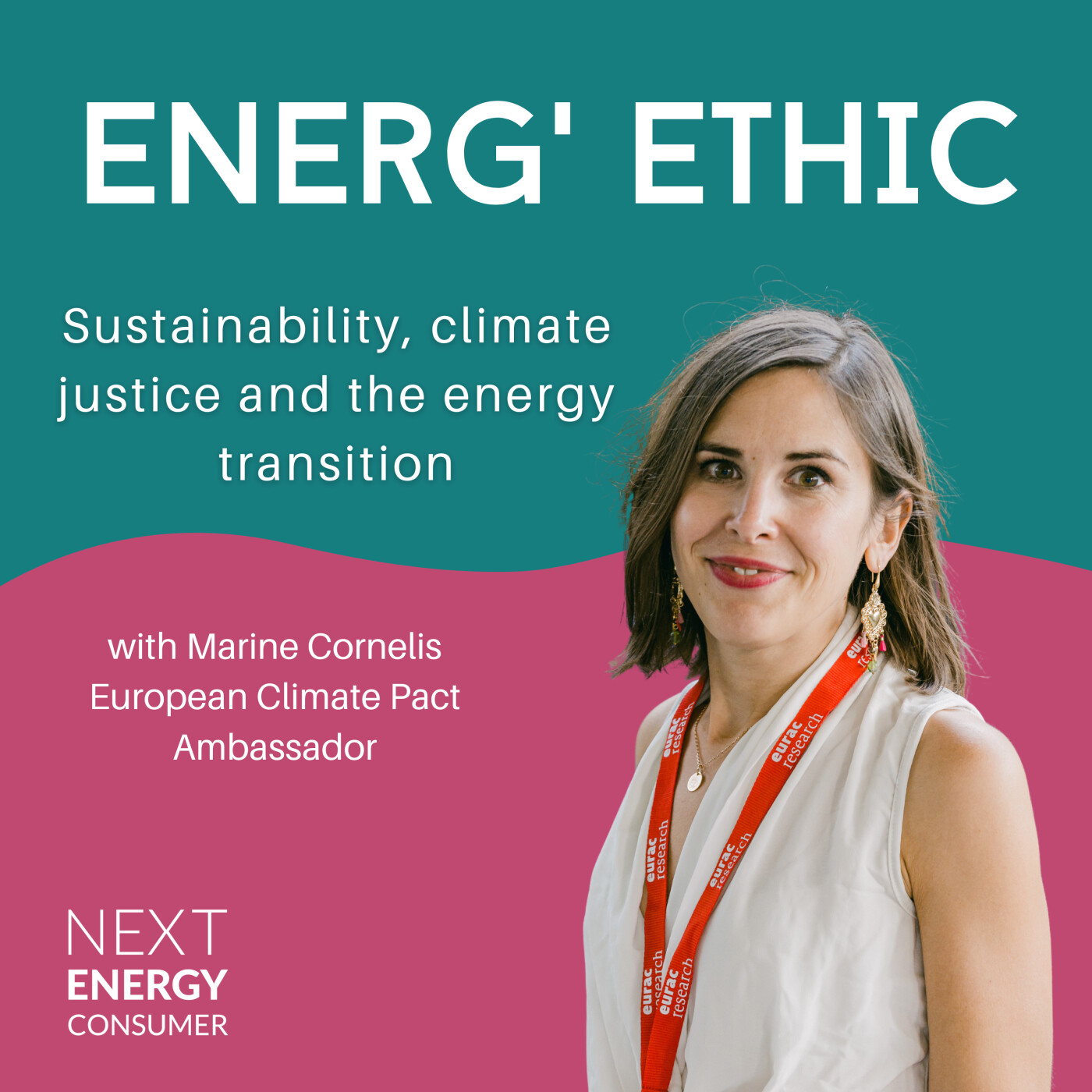
Host: Marine Cornelis
Topics covered
- solar energy
- decentralized energy
- multi-family buildings
- energy poverty
- collective decision-making
- governance
Keywords
- balcony solar panels
- electricity bill
- consumer-generators
- sodium-ion storage
- energy transition
- coordination
- trust
- flexibility policy
Mentioned in this episode
Organizations: EPBD, Citizens Energy Package
Places: Vilnius, Lithuania
More episodes of Energ’Ethic - Climate Justice and Energy Transition
- The public square - Ewelina Hartstein, DG Energy
- The Subsidy That Went to the Wrong Address — Anna Bajomi, FEANTSA
- Fixing Europe's Energy System (Still Working on His Own House)
- Your Flat Called. It Wants a Battery - Ashley Grealish, Windfall Energy
- Willing But Unable - Aurore Dudka
- She's Already Leading the Project. Why Isn't the System Designed Around Her?
Explore listener stats, chart rankings, contacts and more on the Energ’Ethic - Climate Justice and Energy Transition podcast page.