Your Flat Called. It Wants a Battery - Ashley Grealish, Windfall Energy
About this episode
Ashley Grealish discusses the challenges and innovations in providing clean energy solutions for households without traditional infrastructure.
Half of European households live in flats or rented homes. For a decade, the clean energy transition has passed them by — smart tariffs assume an EV, rooftop solar assumes a roof, home batteries assume a wall you can drill into. Ashley Grealish has spent his career on exactly this structural gap: first at Bboxx, building pay-as-you-go solar for half a million homes in rural East Africa; then at ev.energy , scaling smart EV charging while pushing it beyond premium vehicles; now at Windfall Energy, with a 2.5 kWh plug-in battery that arrives overnight, plugs into a standard socket, and does the rest itself. What this episode covers System design over product design. At Bboxx, the team realised that importing a standard television into an off-grid kit didn't work — the power draw was too high. The solution was to rethink everything: low-power 12V appliances, right-sized panels, circular lead-acid battery recovery. The same logic is inside the Windfall battery: don't adapt the user to the system. Redesign the system around the user. Affordability as architecture. Bboxx started at $400 upfront and couldn't reach most of the people it was built for. The shift to pay-as-you-go unlocked…
People in this episode
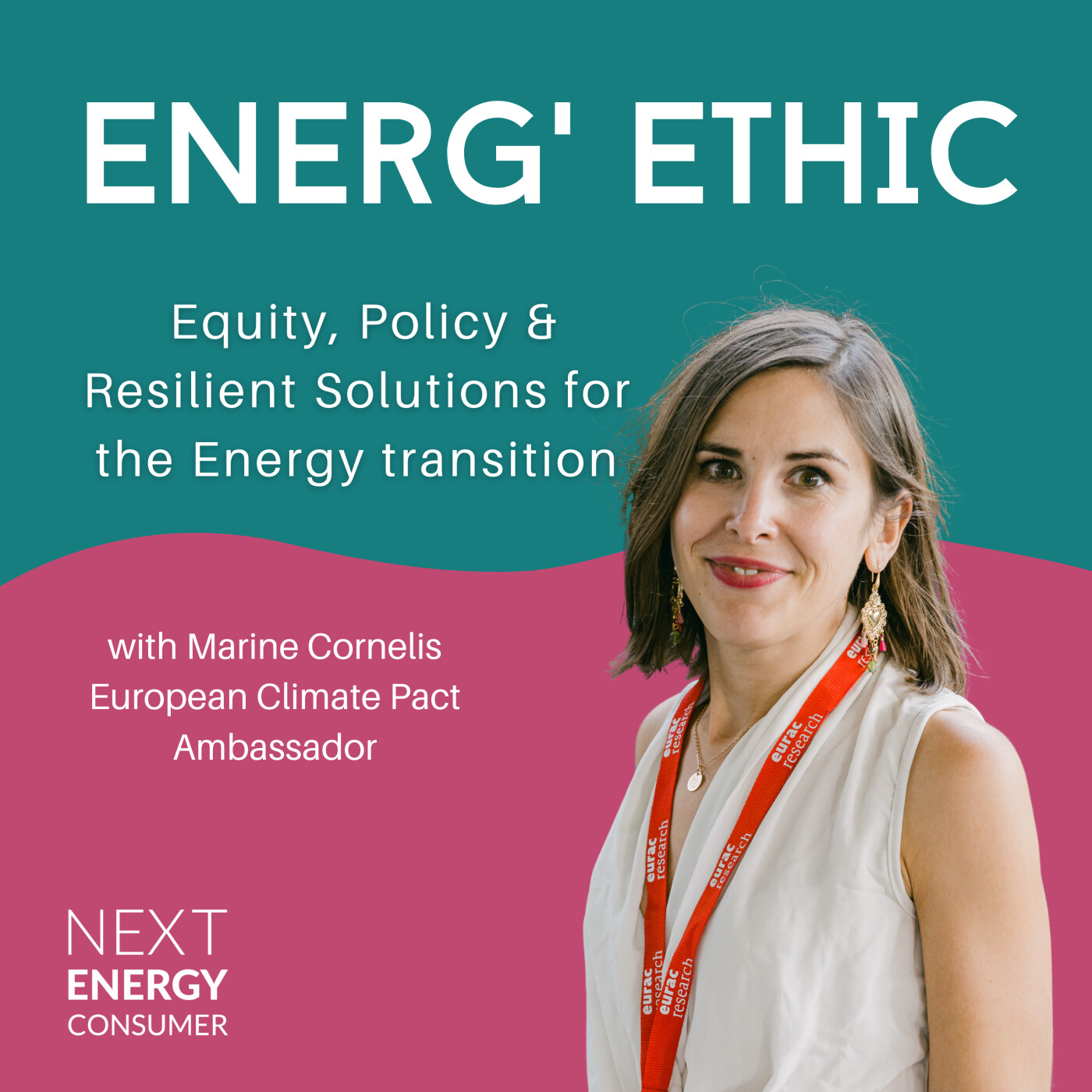
Host: Marine Cornelis
Guest: Ashley Grealish
Topics covered
- clean energy transition
- affordability
- smart tariffs
- home batteries
- system design
- energy supplier partnerships
Keywords
- clean energy
- home batteries
- affordability
- smart tariffs
- energy transition
- Windfall Energy
- Bboxx
- ev.energy
Mentioned in this episode
Organizations: Bboxx, ev.energy, Windfall Energy
Products: 2.5 kWh plug-in battery
Places: Europe, UK
More episodes of Energ’Ethic - Climate Justice and Energy Transition
- The public square - Ewelina Hartstein, DG Energy
- The Subsidy That Went to the Wrong Address — Anna Bajomi, FEANTSA
- Fixing Europe's Energy System (Still Working on His Own House)
- Willing But Unable - Aurore Dudka
- She's Already Leading the Project. Why Isn't the System Designed Around Her?
- Solar Is Easy. Neighbours Are Not.
Explore listener stats, chart rankings, contacts and more on the Energ’Ethic - Climate Justice and Energy Transition podcast page.