‘The Devil Wears Prada’ — high fashion or vision of hell?
About this episode
The episode explores the enduring appeal and deeper themes of the film 'The Devil Wears Prada'.
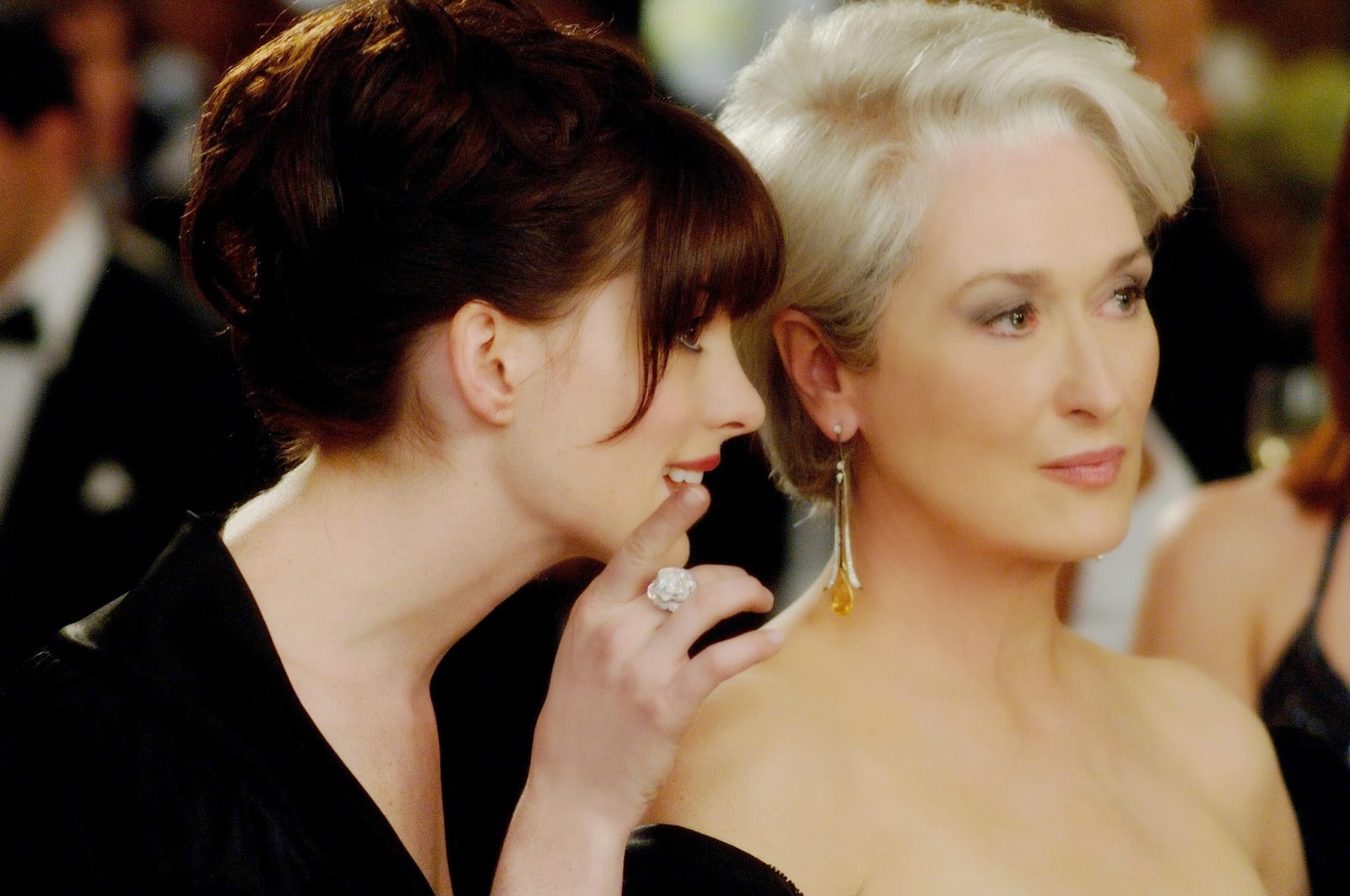
It’s no mystery why David Frankel’s 2006 film The Devil Wears Prada was a hit. The movie had all the ingredients of a certain kind of success. Take a bestselling novel (by Lauren Weisberger) about a midwestern girl trying to make it in the big city, place it in the hands of a screenwriter known for broadly appealing rom-coms (Aline Brosh McKenna), cast a much-loved screen legend in an uncharacteristically villainous role (Meryl Streep) and put her alongside a doe-eyed starlet on her way to becoming a superstar (Anne Hathaway) … then set the plot in the rarefied world of haute couture and divide it between New York and Paris — what’s not to love? What is a little surprising is that The Devil Wears Prada should have achieved the quality of a certain timelessness (despite being released a year before the now ubiquitous iPhone). It is a cinema classic whose enduring appeal and pop cultural resonance have been demonstrated by the global success of a sequel, two decades on. But does the film’s success point to narrative and thematic elements that run much deeper than the appeal of the glossy surface? Take, for instance, the obvious Faustian connection, evoked both in the title of the…
More episodes of The Minefield
- Is loyalty a virtue?
- Live from the Festival of Dangerous Ideas: Does longevity threaten the future?
- What response does Jason Arday’s life, and death, morally demand?
- Is opposition to data centres good news for democracy?
- Should fat from cadavers be used for cosmetic procedures?
- How to protect democratic politics from the malign influence of money?
Explore listener stats, chart rankings, contacts and more on the The Minefield podcast page.