

Insights from recent episode analysis
Audience Interest
Podcast Focus
Publishing Consistency
Platform Reach
Insights are generated by CastFox AI using publicly available data, episode content, and proprietary models.
Most discussed topics
Brands & references
Total monthly reach
Estimated from 1 chart position in 1 market.
By chart position
- 🇹🇼TW · Entrepreneurship#185500 to 3K
- Per-Episode Audience
Est. listeners per new episode within ~30 days
250 to 1.5K🎙 Weekly cadence·1,000 episodes·Last published 5mo ago - Monthly Reach
Unique listeners across all episodes (30 days)
500 to 3K🇹🇼100% - Active Followers
Loyal subscribers who consistently listen
150 to 900
Market Insights
Platform Distribution
Reach across major podcast platforms, updated hourly
Total Followers
—
Total Plays
—
Total Reviews
—
* Data sourced directly from platform APIs and aggregated hourly across all major podcast directories.
On the show
From 10 epsHost
Recent guests
Recent episodes
Ep1171: Fernando Dominguez Pinuaga: Quantum Meets AI
Jan 1, 2026
23m 46s
Ep1169: Lauren Freund: Engagement Over Reach
Dec 18, 2025
20m 45s
Ep1168: Anya Law: Actionable Social Listening
Dec 15, 2025
21m 03s
Ep1167: Daniel Adix: The Recovery Rebrand
Dec 3, 2025
21m 53s
Ep1166 | Matan Kadim: Identity Drives Fitness
Nov 11, 2025
1h 04m 20s
Social Links & Contact
Official channels & resources
Official Website
Login
RSS Feed
Login
| Date | Episode | Topics | Guests | Brands | Places | Keywords | Sponsor | Length | |
|---|---|---|---|---|---|---|---|---|---|
| 1/1/26 | 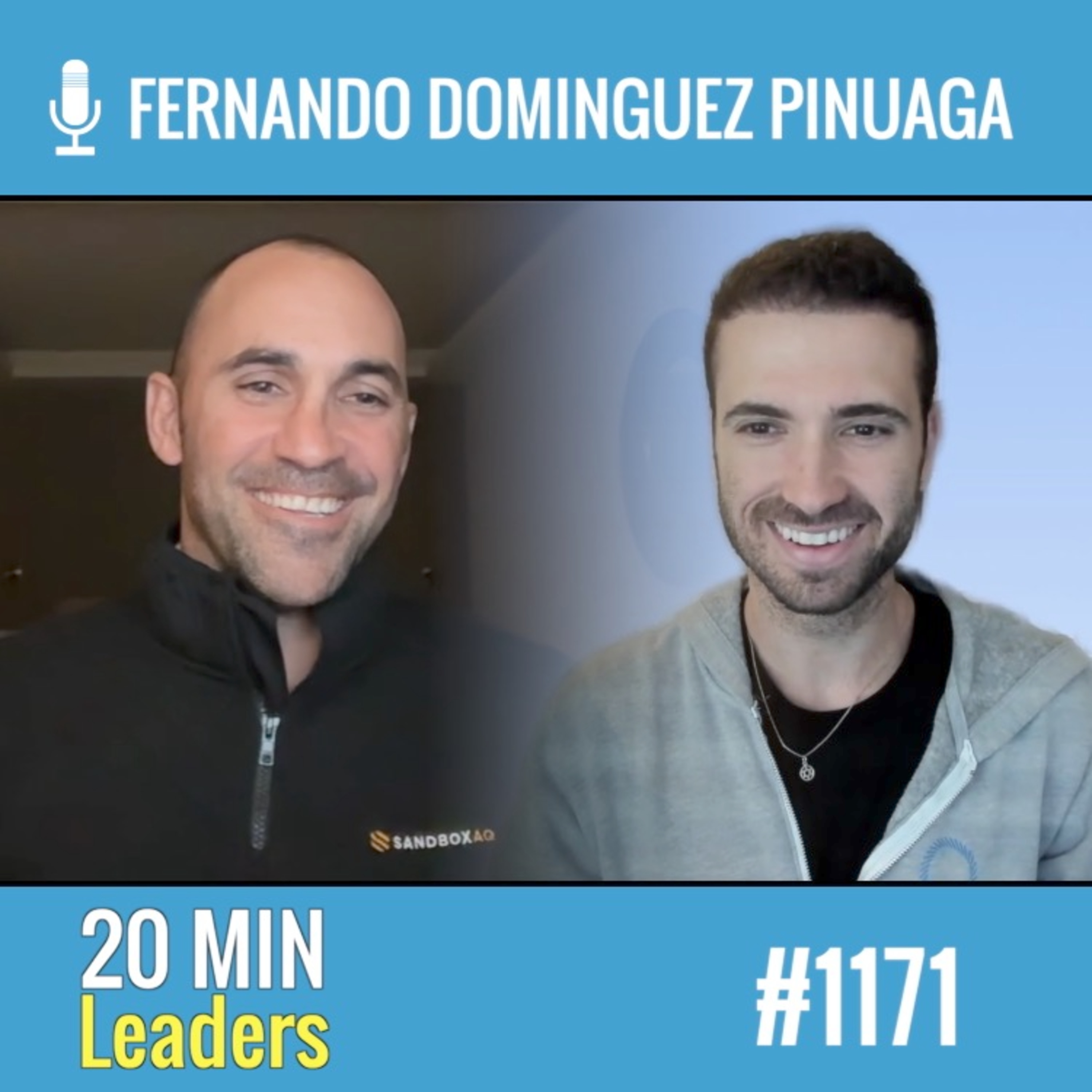 Ep1171: Fernando Dominguez Pinuaga: Quantum Meets AI✨ | quantum computingartificial intelligence+4 | Fernando Dominguez Pinuaga | Google XSandboxAQ+7 | — | quantum computingAI+6 | — | 23m 46s | |
| 12/18/25 | 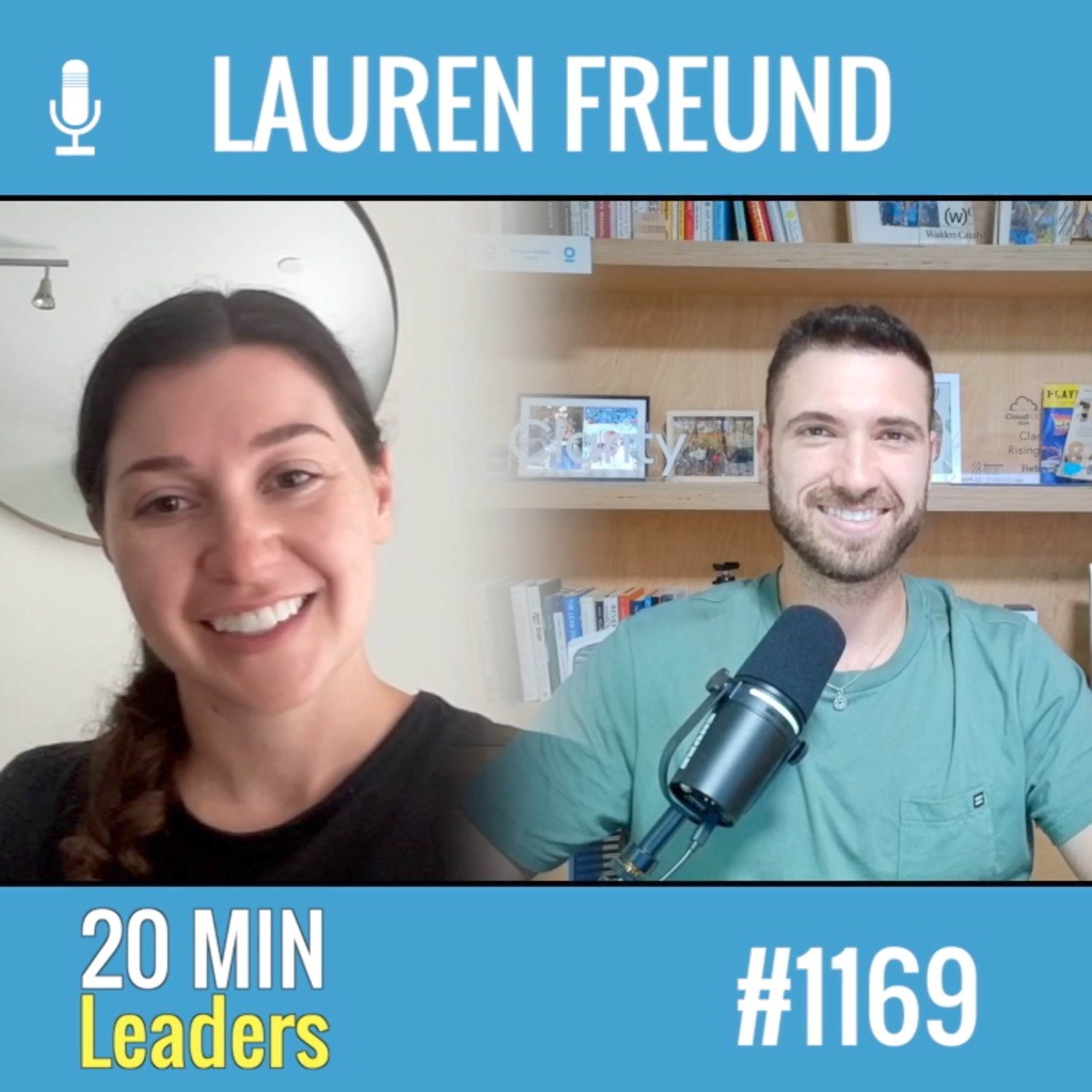 Ep1169: Lauren Freund: Engagement Over Reach✨ | social mediainfluencer marketing+3 | Lauren Freund | Canva20MinuteLeaders | — | influencer playbooksengagement+3 | — | 20m 45s | |
| 12/15/25 | 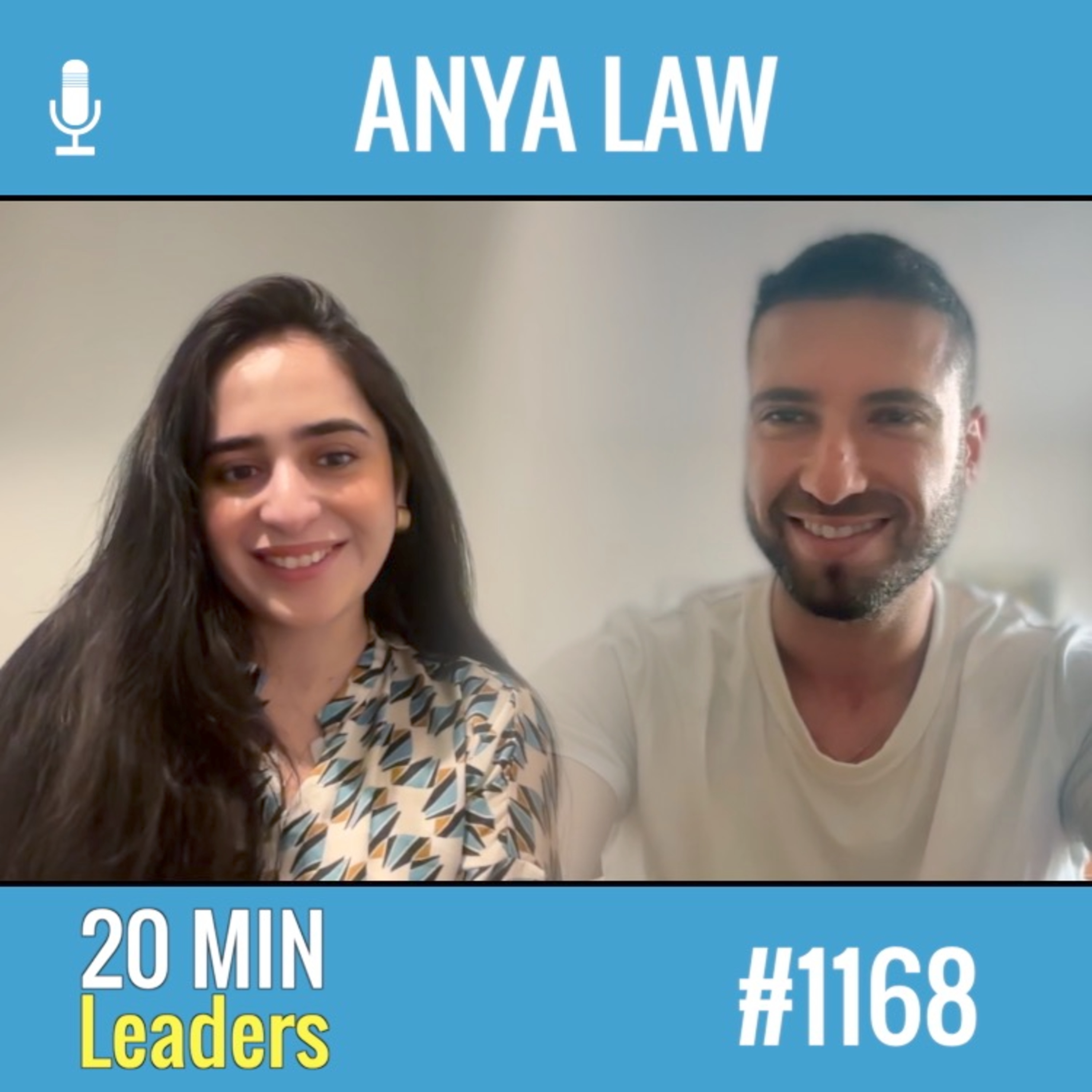 Ep1168: Anya Law: Actionable Social Listening✨ | social listeningmarketing+4 | Anya Law | PitchGhostAtlanta Tech Village+1 | — | social listeningmarketing automation+4 | — | 21m 03s | |
| 12/3/25 | 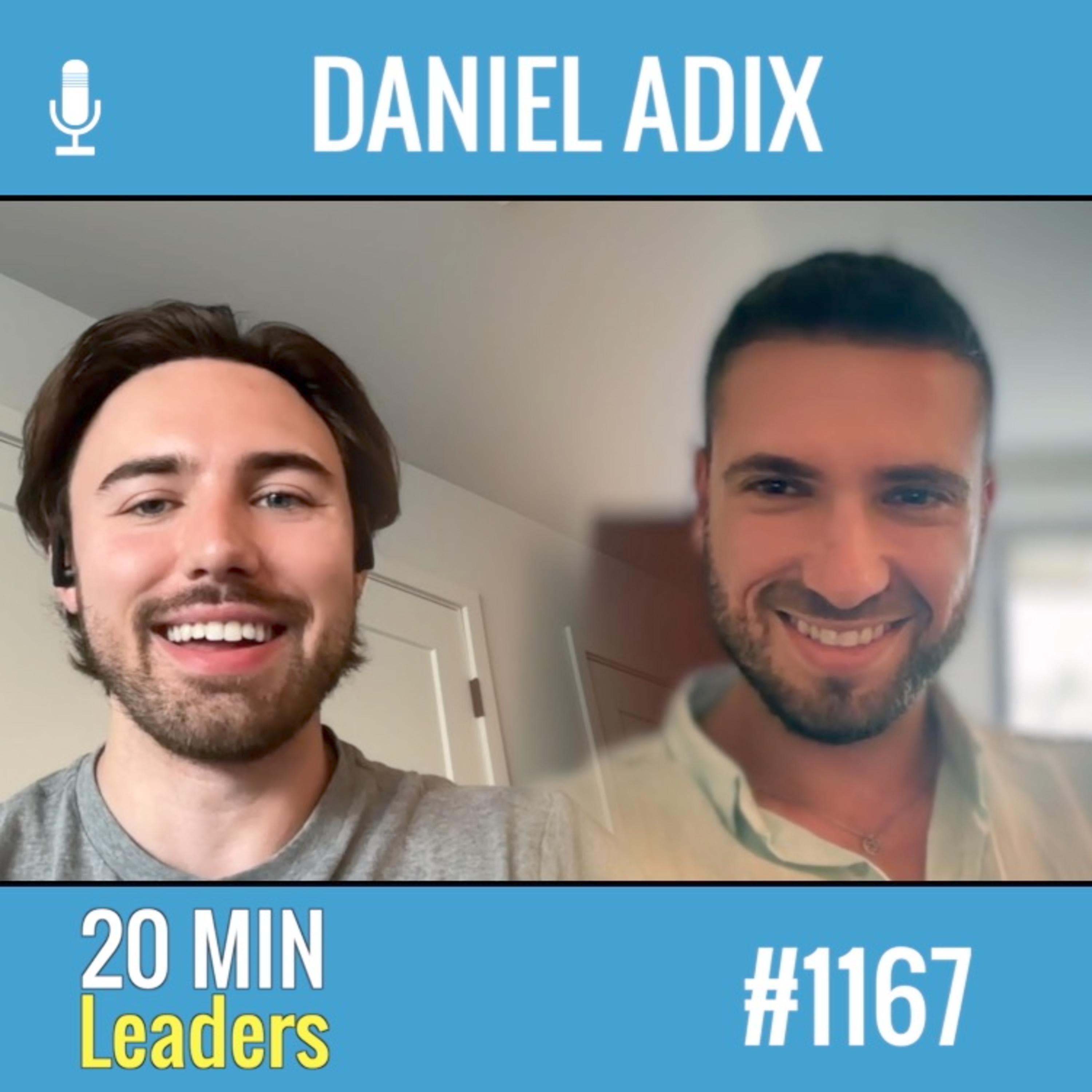 Ep1167: Daniel Adix: The Recovery Rebrand✨ | recovery supplementsentrepreneurship+3 | Daniel Adix | LiQureFoxtrot Chicago | Wisconsin | recoveryDHM+3 | — | 21m 53s | |
| 11/11/25 |  Ep1166 | Matan Kadim: Identity Drives Fitness✨ | fitnessidentity+4 | Matan Kadim | — | — | fitnessidentity+5 | — | 1h 04m 20s | |
| 11/10/25 |  Ep1165 | Neta Bresler: Mind Art for Tech Teams✨ | mentalismcognitive science+3 | Neta Bresler | — | — | mind artmentalism+5 | — | 40m 15s | |
| 9/14/25 |  AI & the Fifth Domain of Warfare: A Talk with Eyal Balicer, Cybersecurity Innovator & Thought Leader✨ | cybersecurityAI+4 | Eyal Balicer | ClarityCiti+1 | Israel | cybersecurityAI+6 | — | 42m 04s | |
| 9/14/25 |  Unlocking GRC Potential with AI: A Conversation with Yair Kuznitsov, CEO of Anecdotes✨ | GovernanceRisk+4 | Yair Kuznitsov | AnecdotesClarity+2 | — | GRCAI+5 | — | 26m 26s | |
| 9/4/25 |  Cybersecurity’s AI Moment: A Conversation with Ron Peled, Founder of Sola✨ | cybersecurityAI+4 | Ron Peled | SolaLivePerson+3 | — | cybersecurityAI+6 | — | 1h 00m 05s | |
| 9/3/25 |  The New Identity Crisis: A Conversation with Avihay Nathan, SVP of AI at CyberArk✨ | AIcybersecurity+4 | Avihay Nathan | CyberArk | — | AI agentscybersecurity+5 | — | 37m 06s | |
Want analysis for the episodes below?Free for Pro Submit a request, we'll have your selected episodes analyzed within an hour. Free, at no cost to you, for Pro users. | |||||||||
| 9/3/25 |  AI and the End of Alert Fatigue: A Conversation with Tsion (TJ) Gonen, Cybersecurity Expert | By Michael Matias, CEO of Clarity and Forbes 30 Under 30 alumFor decades, cybersecurity vendors have armed defenders with dashboards filled with red alerts. But they rarely delivered solutions. As Tsion (TJ) Gonen put it in our recent conversation: “97% of tools just showed you a red screen that said, basically, ‘you suck.’” No remediation. No action. Just fatigue.That paradigm is ending—and AI is the catalyst.Gonen, a veteran cybersecurity leader and founder of Protego Labs (acquired by Check Point), has spent three decades watching the industry wrestle with inefficiency. Today, he sees a profound shift. “Security teams don’t want more tools,” he told me. “They want outcomes. They want closed loops.”This point echoes what Dorit Dor, CTO of Check Point, told me: AI isn’t just another layer of detection. It must act—autonomously and in real-time. At Clarity, we see this daily as we intercept deepfakes and AI-generated phishing attacks that move too fast for human intervention.But before the shift to AI, Gonen argues, the security industry was already in trouble. Too much noise. Not enough signal. “Cybersecurity reached a tipping point even before AI,” he said. “People began to question if the whole model was working.”AI, he believes, doesn’t just enhance existing tools—it reshapes the game. From reducing product development costs to enabling automated response, AI democratizes defense the same way it democratized attack. “The ability to close loops automatically is what makes AI transformational,” he said.It’s a point that also came up in my conversation with Shahar Peled of Terra Security. Shahar talked about replacing manual pentesting with agentic AI. Gonen’s vision is broader: don’t just find issues—resolve them, immediately and autonomously.Yet many founders, he warns, still fall into the same trap: mistaking incremental tech improvements for true breakthroughs. “Real differentiation isn’t just in the tech,” Gonen said. “It’s in how well you integrate into operational workflows.”This distinction—between technology and execution—reminds me of what Tsion (TJ) shares with leaders like Tom Mes: the CISO’s job has become impossibly complex. What they need now isn’t another blinking dashboard. It’s simplicity. Precision. And trust.Looking ahead, Gonen doesn’t expect a flood of brand-new threat categories. Instead, he sees opportunity in rethinking how we solve familiar ones. “You don’t have to invent new problems to build great companies,” he said. “You just have to solve the old ones better—with AI.”The future, he believes, belongs to startups that deliver true operational integration and seamless user experience—not flashy tech for its own sake. His call to entrepreneurs: don’t bolt AI onto your platform. Build with it from day one.My biggest takeaway? The next generation of cybersecurity leaders won’t be judged by how many alerts they generate. They’ll be judged by how many threats they prevent—automatically.We’ve reached a breaking point. Organizations that embrace AI as a core strategy—not just a feature—will define the next era of cybersecurity.About Michael Matias:Michael Matias is the CEO and Co-Founder of Clarity, an AI-powered cybersecurity startup backed by venture capital firms including Bessemer Venture Partners and Walden Catalyst. Clarity develops advanced AI technologies protecting organizations from sophisticated phishing attacks and AI-generated social engineering threats, including deepfakes. Before founding Clarity, Matias studied Computer Science with a specialization in AI at Stanford University and led cybersecurity teams in Unit 8200 of the Israel Defense Forces. Forbes Israel recognized him early on, naming him to the exclusive 18Under18 list in 2013 and the Forbes 30Under30 list thereafter. Matias authored the book Age is Only an Int and hosts the podcast 20MinuteLeaders. | — | ||||||
| 9/1/25 |  The Human Zero Day Series | Ep1164: Shirin Anlen: Building Trust in AI Media | Shirin Anlen traces her path from interactive storytelling to safeguarding human‑rights evidence at WITNESS. She explains how today’s scale, personalization, and ease of manipulation fuel “reality apathy,” empowering leaders to dismiss inconvenient truths as “AI.” Beyond any single tool, she argues for equitable standards, privacy‑aware provenance, usable detection, and media literacy that fits real newsroom and fact‑checking workflows—especially outside well‑resourced markets. The episode challenges tech and policy teams to treat trust as infrastructure and to involve the global majority in designing it. | — | ||||||
| 8/27/25 | 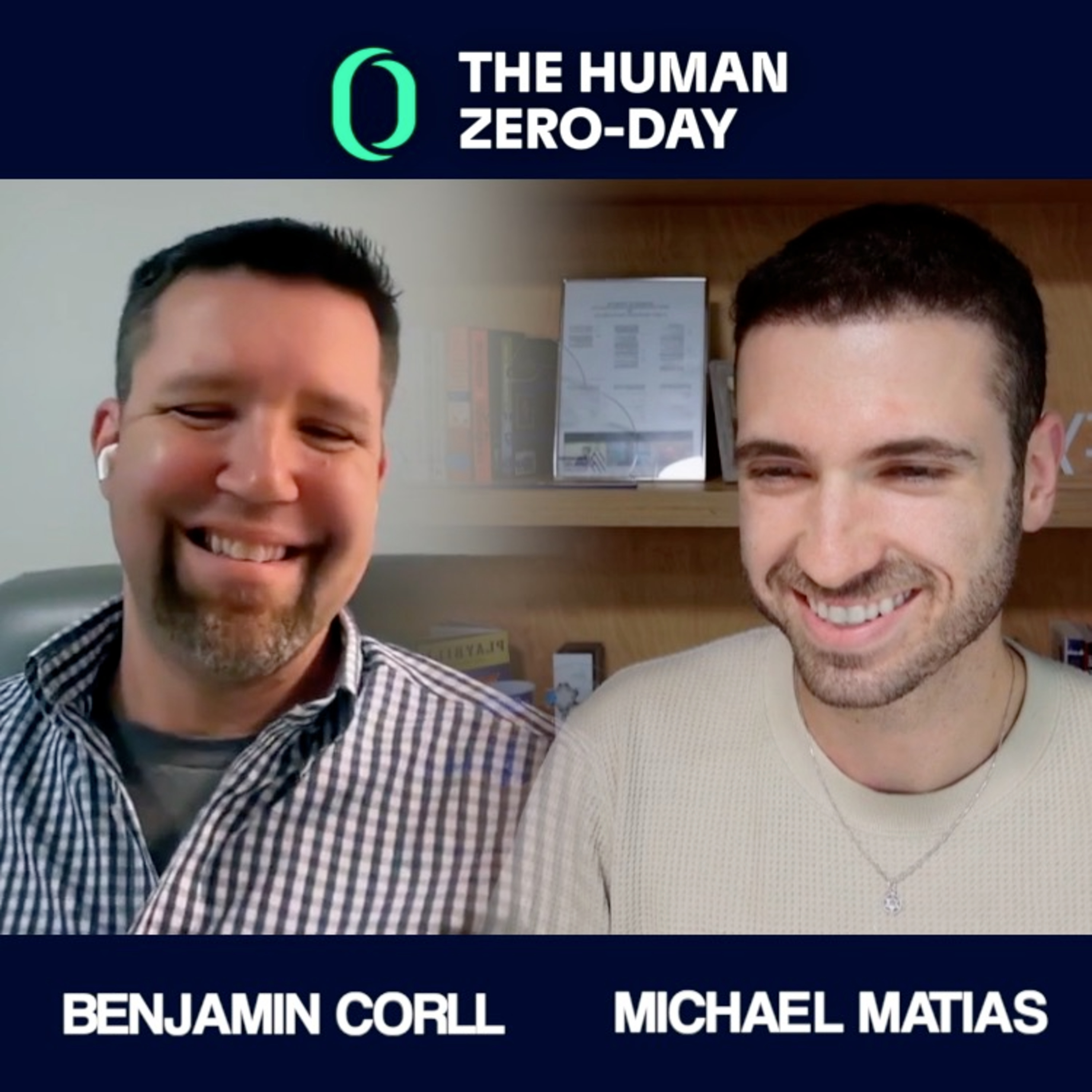 The Human Zero Day Series | Ep1163: Benjamin Corll: Human Risk in Cybersecurity | With decades in cybersecurity, Benjamin Corll has seen threat landscapes evolve from simple antivirus battles to AI-driven social engineering. For Corll, every breach traces back to people—both as the strongest defense and the weakest link. In this conversation, he unpacks the persistence of ransomware and business email compromise, the rise of AI-assisted fraud, and why criminals increasingly “log in” instead of “hack in.” He explains why defense in depth must integrate technology with human training, process checkpoints, and zero trust principles. Most importantly, Corll shares how to make awareness programs relevant, engaging, and role-specific—turning employees into active sensors who strengthen security culture from within. | — | ||||||
| 8/21/25 | 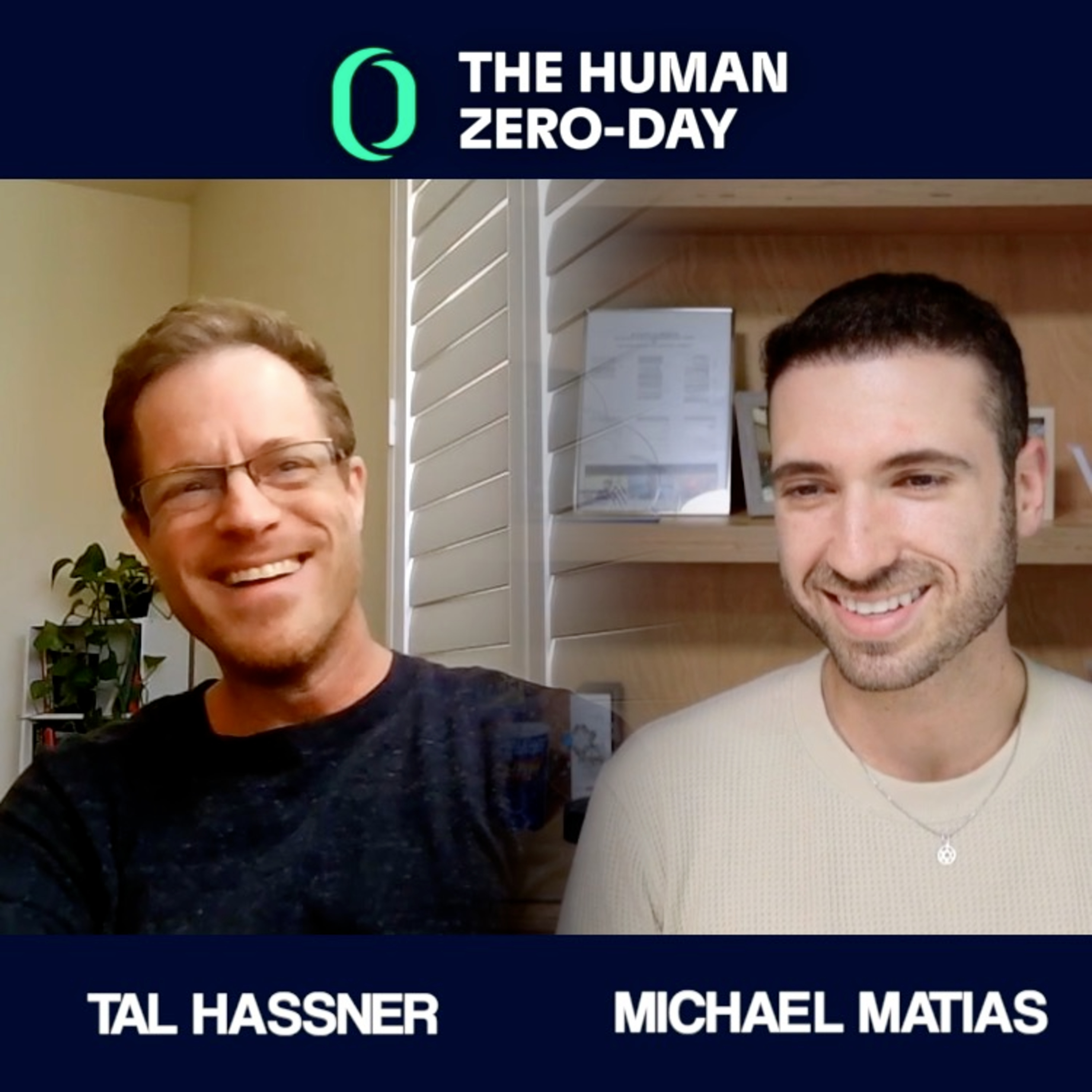 The Human Zero Day Series | Ep1162: Tal Hassner: Rethinking Deepfake Defense | From disappearing people in videos in the late 1990s to shaping AI and vision systems at Intel, Tal Hassner, Chief Scientist for Computer Vision, has watched synthetic media evolve from lab curiosities to global challenges. In this conversation, he dismantles the idea that “is it fake?” is the central question for security. Instead, he lays out a three-pillar approach—provenance, attribution, and integrity—that can outlast the arms race between deepfake creators and detectors. Drawing on decades of research and product experience, Hassner explains why harmful content remains harmful regardless of its origin, and why enterprises must shift from chasing fakes to building trust into their systems from the ground up. | — | ||||||
| 8/14/25 | 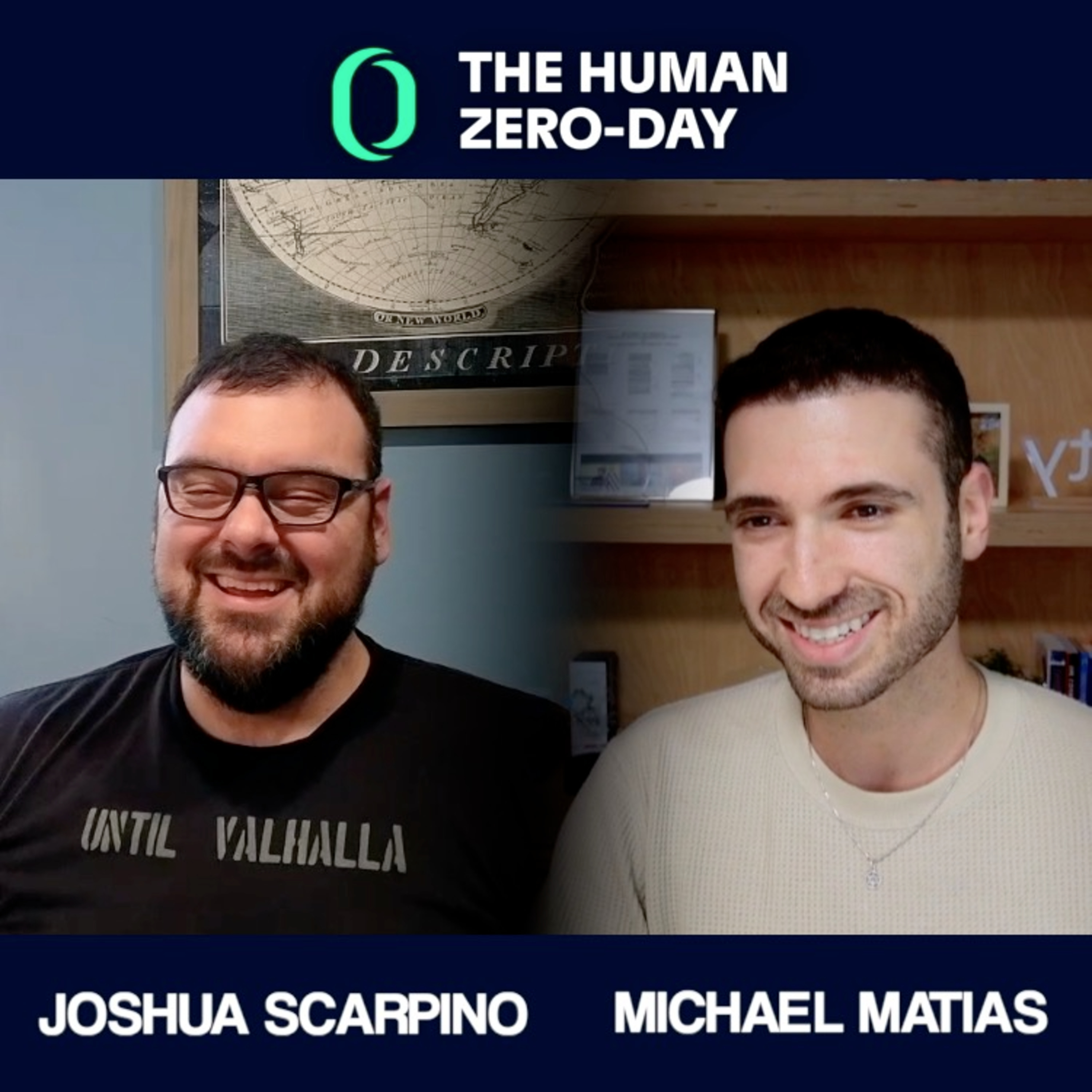 The Human Zero Day Series | Ep1161: Dr. Joshua Scarpino: Personalizing Security Culture | From phishing tests to AI-driven impersonation scams, Joshua Scarpino has seen firsthand how the human element remains the most critical factor in cybersecurity. Drawing on his experience across organizations from NIST to Trust Engine, he explains why technology alone can’t safeguard an enterprise. Instead, effective defense comes from a culture where security is personal—linked to daily habits and values employees carry beyond the workplace. With threats evolving faster than traditional training can adapt, Scarpino shares how bite-sized, relevant, and personalized awareness programs not only reduce risk but transform how teams think, act, and protect. | — | ||||||
| 8/13/25 | 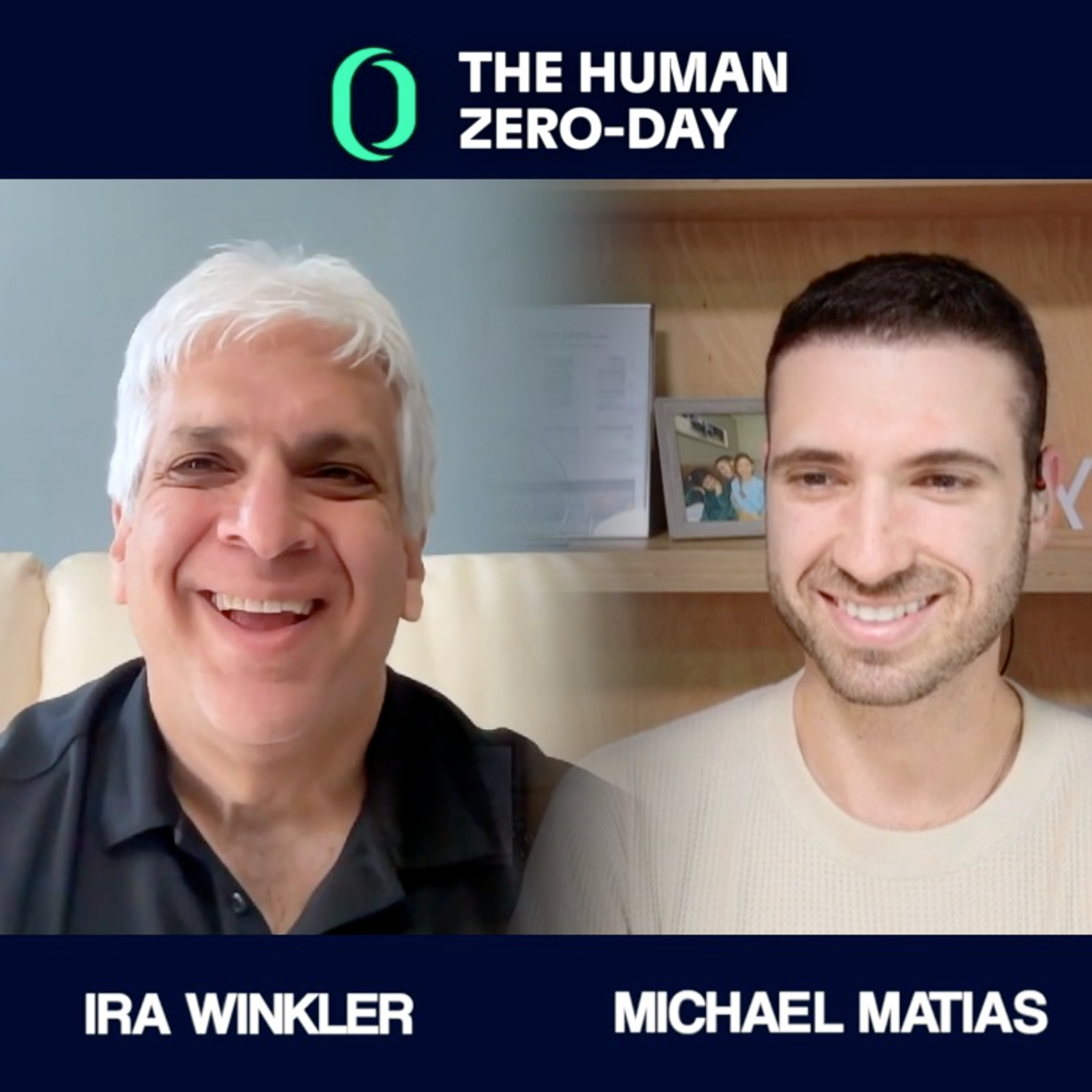 The Human Zero Day Series | Ep1160: Ira Winkler: Awareness Is Not a Strategy | How do you protect an organization when every link in the chain can—and will—fail? Ira Winkler, NSA veteran and author of You Can Stop Stupid, unpacks why human error isn’t the root of security breaches—it’s the visible tip of deeper systemic gaps. From smashing the myth of awareness-as-strategy to advocating for consequence-driven behavior change, Ira brings sharp wit and decades of hands-on insight. His stories span black-bag hacks, social engineering triumphs, and boardroom-level shifts needed to reimagine how we address human vulnerabilities in a world of zero days. | — | ||||||
| 8/9/25 | 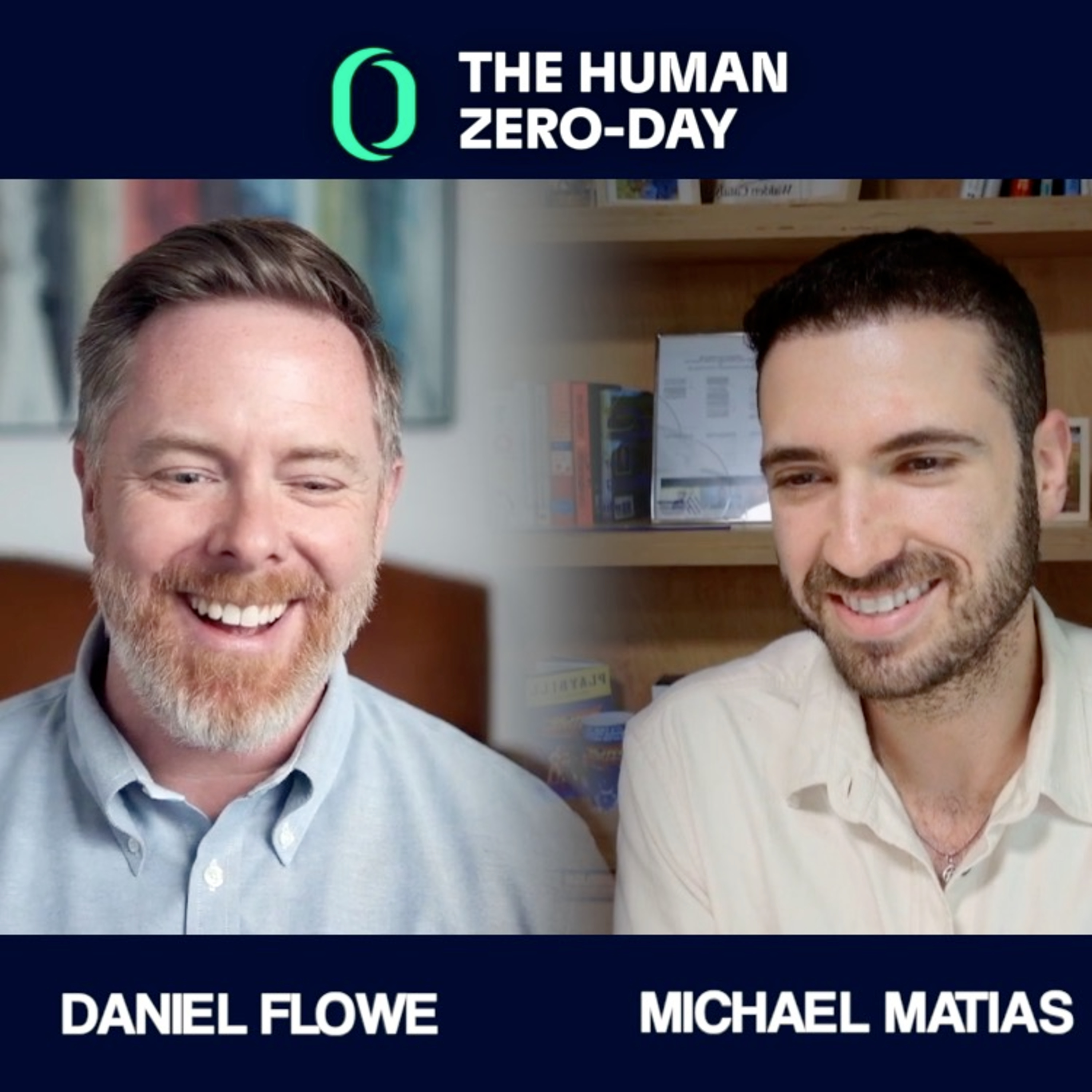 The Human Zero Day Series | Ep1159: Daniel Flowe: Building Trust in Digital Identity | What happens when your “meatspace” identity can no longer keep up with your digital life? Daniel Flowe, Head of Digital Identity at the London Stock Exchange Group, takes us inside the tectonic shift reshaping how we verify who we are online. From the flaws of content-based systems to the promise—and risks—of government-issued e-IDs, he unpacks what equitable, secure, and scalable identity should look like in an AI-infused world. With insights drawn from India, Africa, and beyond, Daniel reveals why the West is lagging—and what we must do to catch up. | — | ||||||
| 8/7/25 | 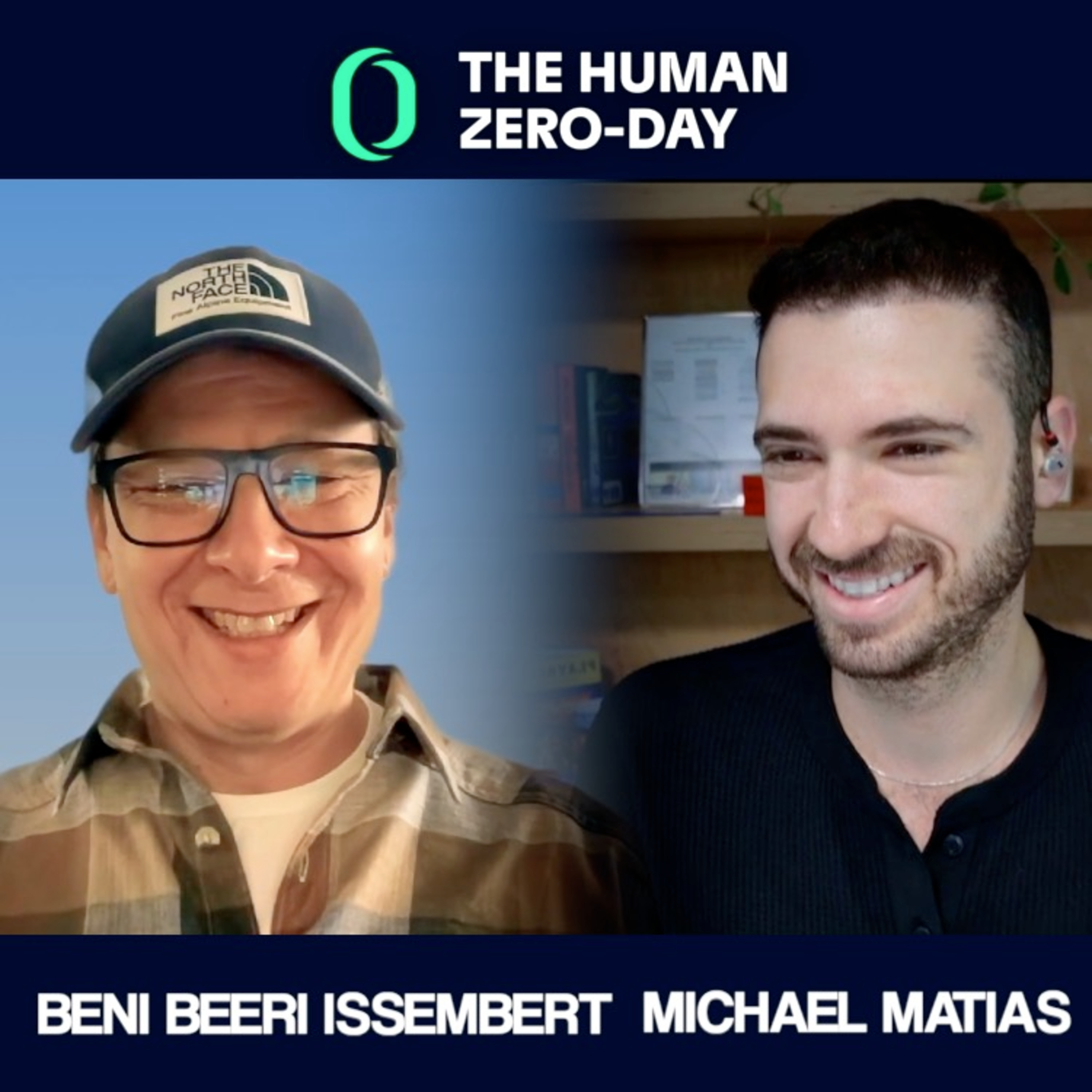 The Human Zero Day Series | Ep1158: Beni Beeri Issembert: Who Am I in AI? | Beni Beeri Issembert’s journey from aspiring philosopher to Head of AI Research and Ethics at Metaphysic is anything but linear. With a deep reverence for Nietzsche and an early curiosity about ethics in technology—long before it became a buzzword—Beni brings a rare perspective to synthetic media and AI. In this thought-provoking conversation, he explores how deepfakes challenge our sense of truth, what it means to have an identity in a world of synthetic realities, and why human discernment remains our most powerful tool. As AI continues to blur the lines between real and fake, Beni offers a hopeful yet grounded view on how we might navigate the future—with integrity, curiosity, and resilience. | — | ||||||
| 8/5/25 | 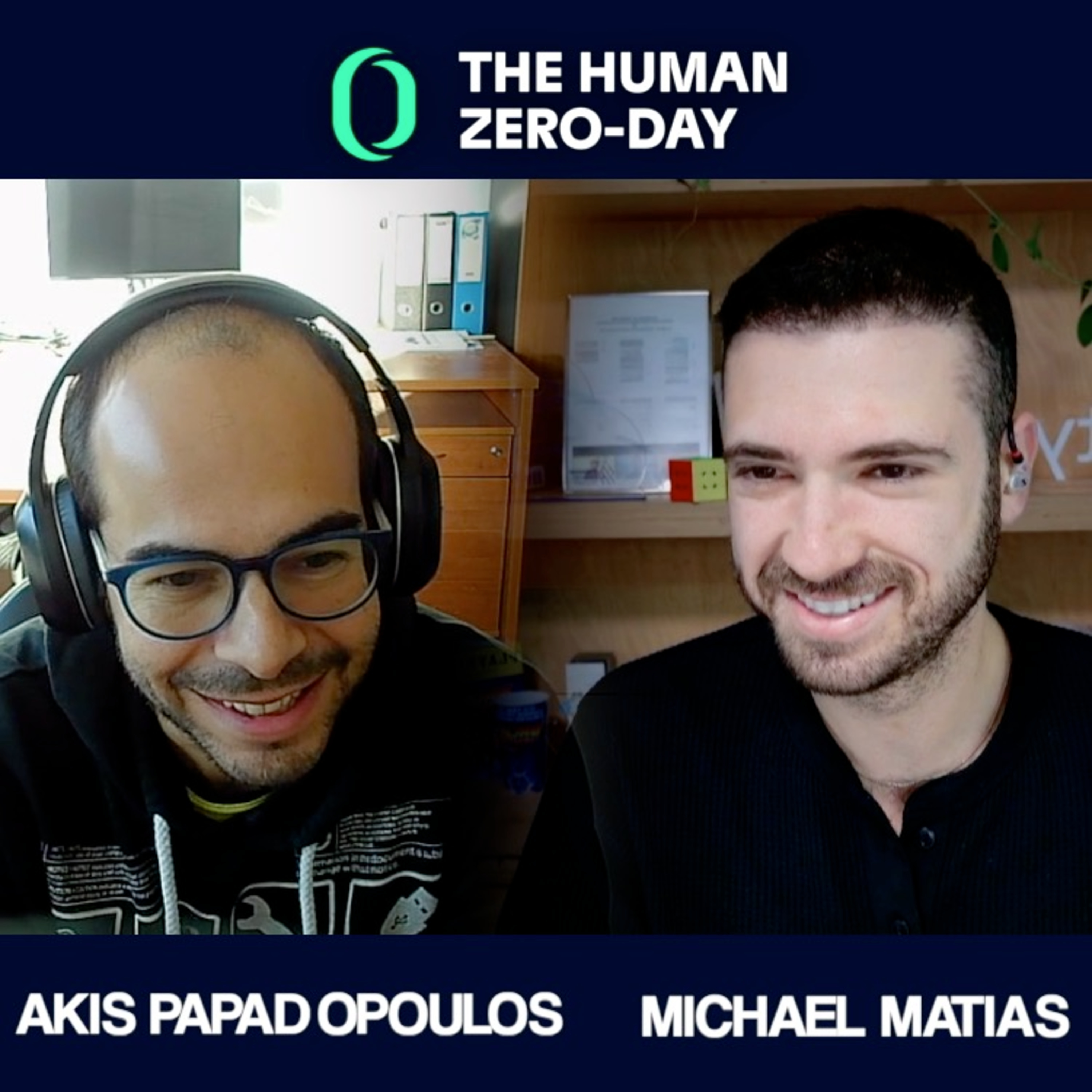 The Human Zero Day Series | Ep1157: Akis Papadopoulos: Verifying What’s Real | Years before deepfakes hit the mainstream, Akis Papadopoulos was already sounding the alarm. From early GAN breakthroughs to today’s ultra-realistic, low-res media threats, he’s led research at the intersection of AI, media forensics, and public trust. In this episode, he explores why detection alone isn’t enough—and how explainability, user experience, and civic responsibility must shape our response to synthetic media. | — | ||||||
| 8/3/25 | 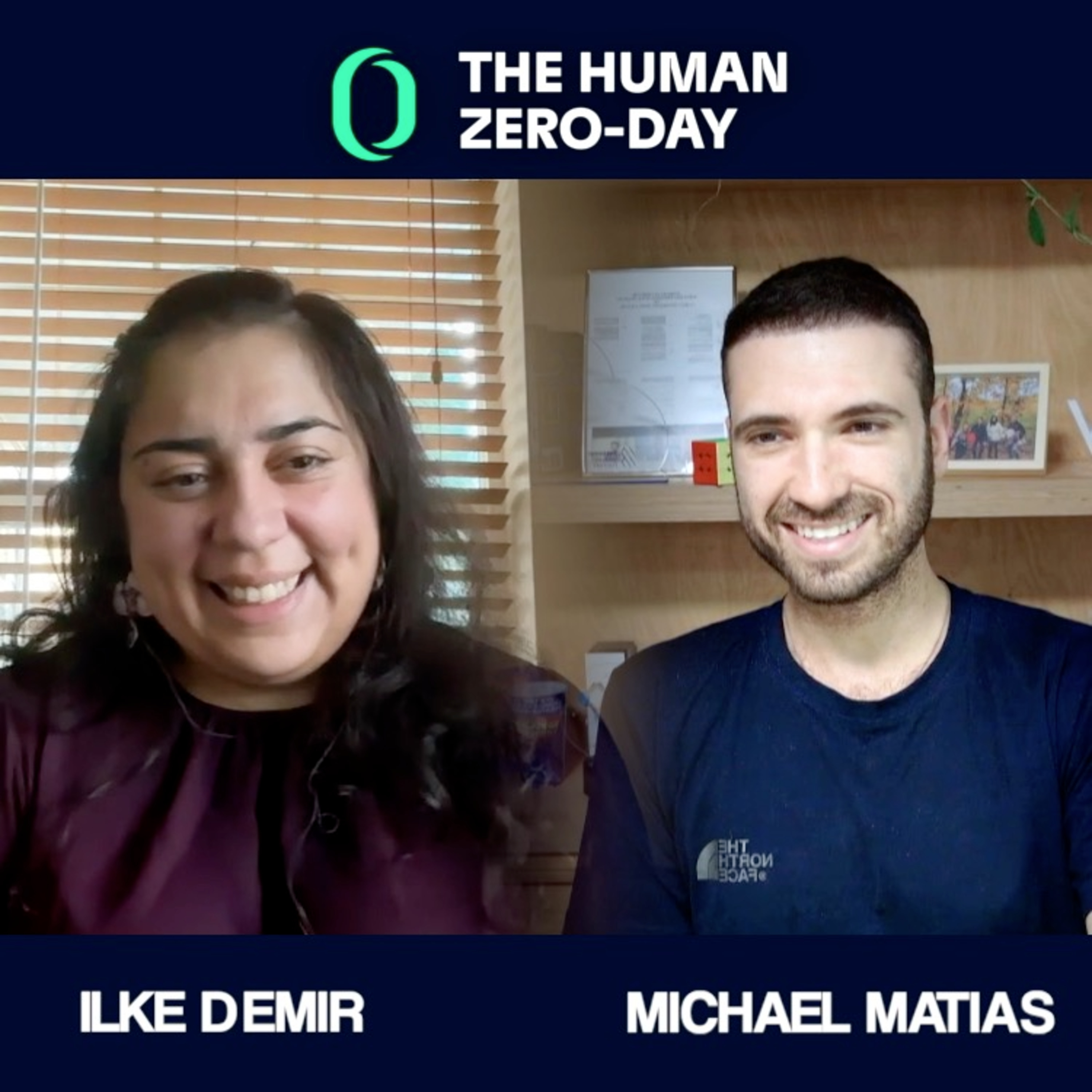 The Human Zero Day Series | Ep1156: Ilke Demir: Detecting Deepfakes by Heart | Ilke Demir’s journey from computational geometry to combating deepfakes began with a question: what makes something truly human? At Intel’s Trusted Media team, she developed FakeCatcher, a tool that detects deepfakes using biological signals like heart rate. In this episode, she unpacks the technical, ethical, and social layers of media trust, explaining why provenance and human perception matter as much as detection. Her insights reveal how defending truth in the AI age isn’t just about better algorithms—it’s about understanding people. | — | ||||||
| 7/30/25 | 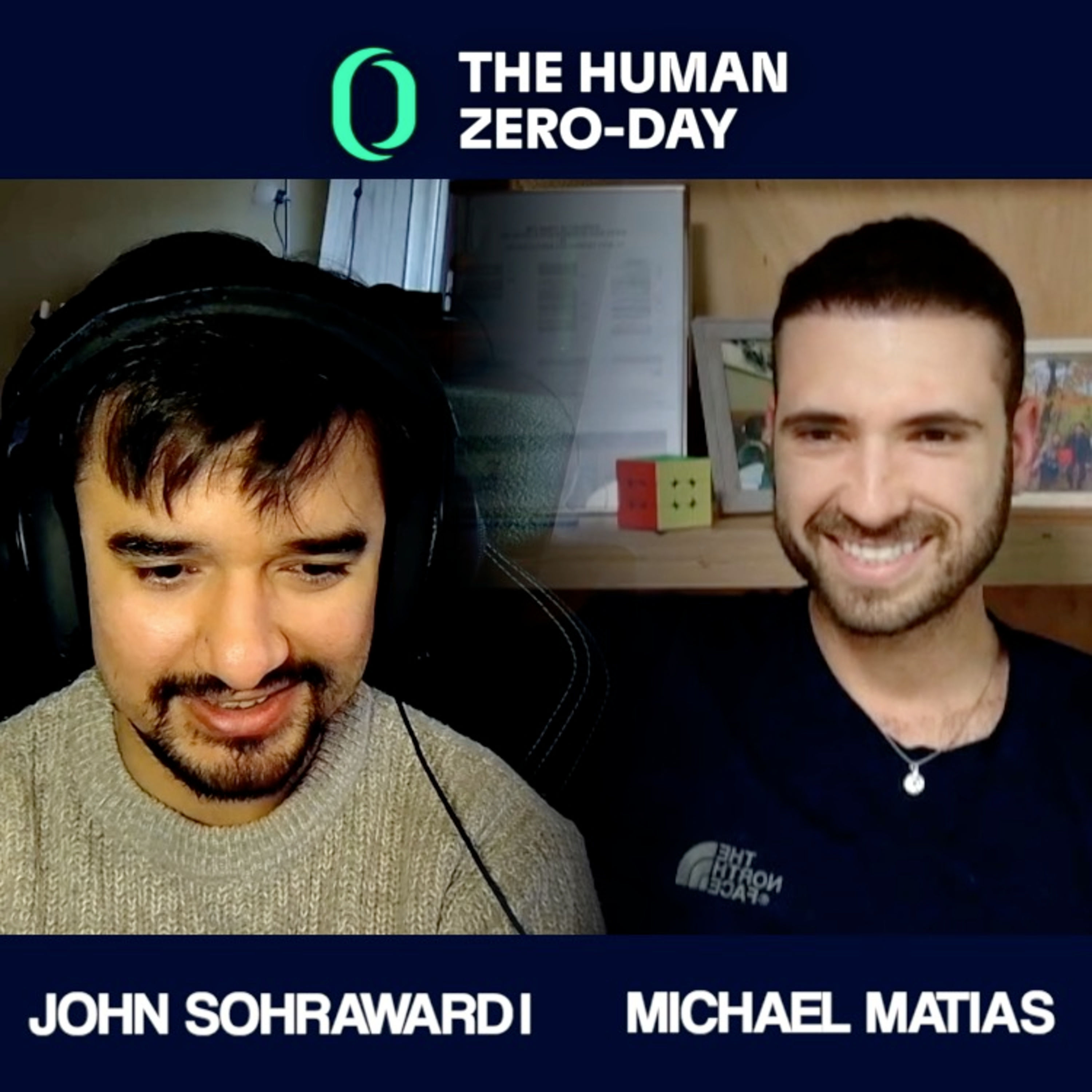 The Human Zero Day Series | Ep1155: John Sohrawardi: Bridging AI and Humans in Deepfake Detection | John shares his journey into deepfake detection, exploring the challenge of making AI explainable and trustworthy for users like journalists and law enforcement. He dives into the complexities of interpreting AI results, the limits of current tools, and why human insight remains vital. His work bridges cutting-edge technology with real-world understanding to help navigate evolving digital threats thoughtfully and responsibly. | — | ||||||
| 7/28/25 | 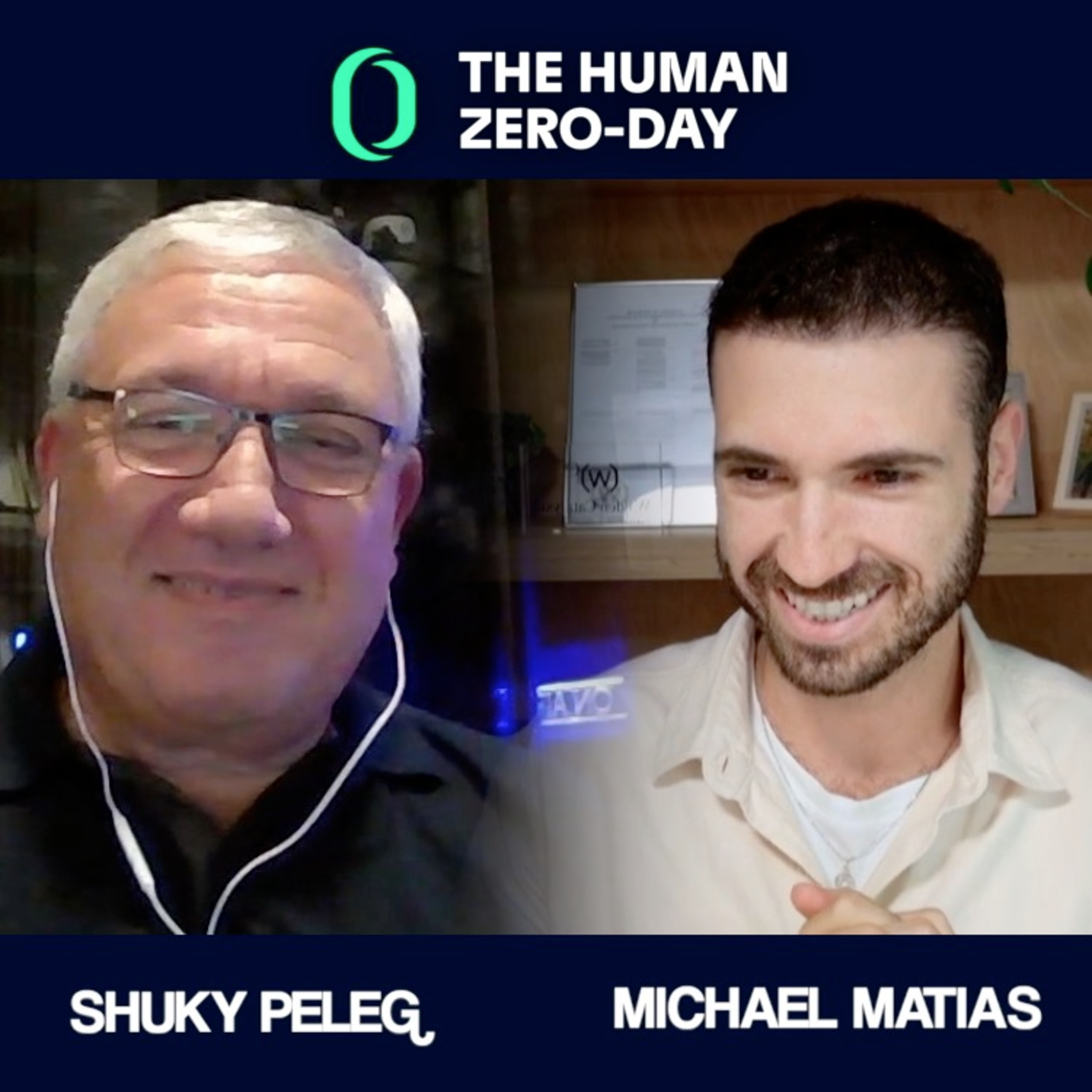 The Human Zero Day Series | Ep1154: Shuky Peleg: Beyond the Last Defense | Shuky Peleg reflects on decades in cybersecurity, from mainframes to AI-driven threats. He explains why employees shouldn’t be the last defense line and explores evolving social engineering tactics. Shuky highlights the growing role of automation, risk scoring, and the need for continuous vigilance in a rapidly changing threat landscape. | — | ||||||
| 7/26/25 | 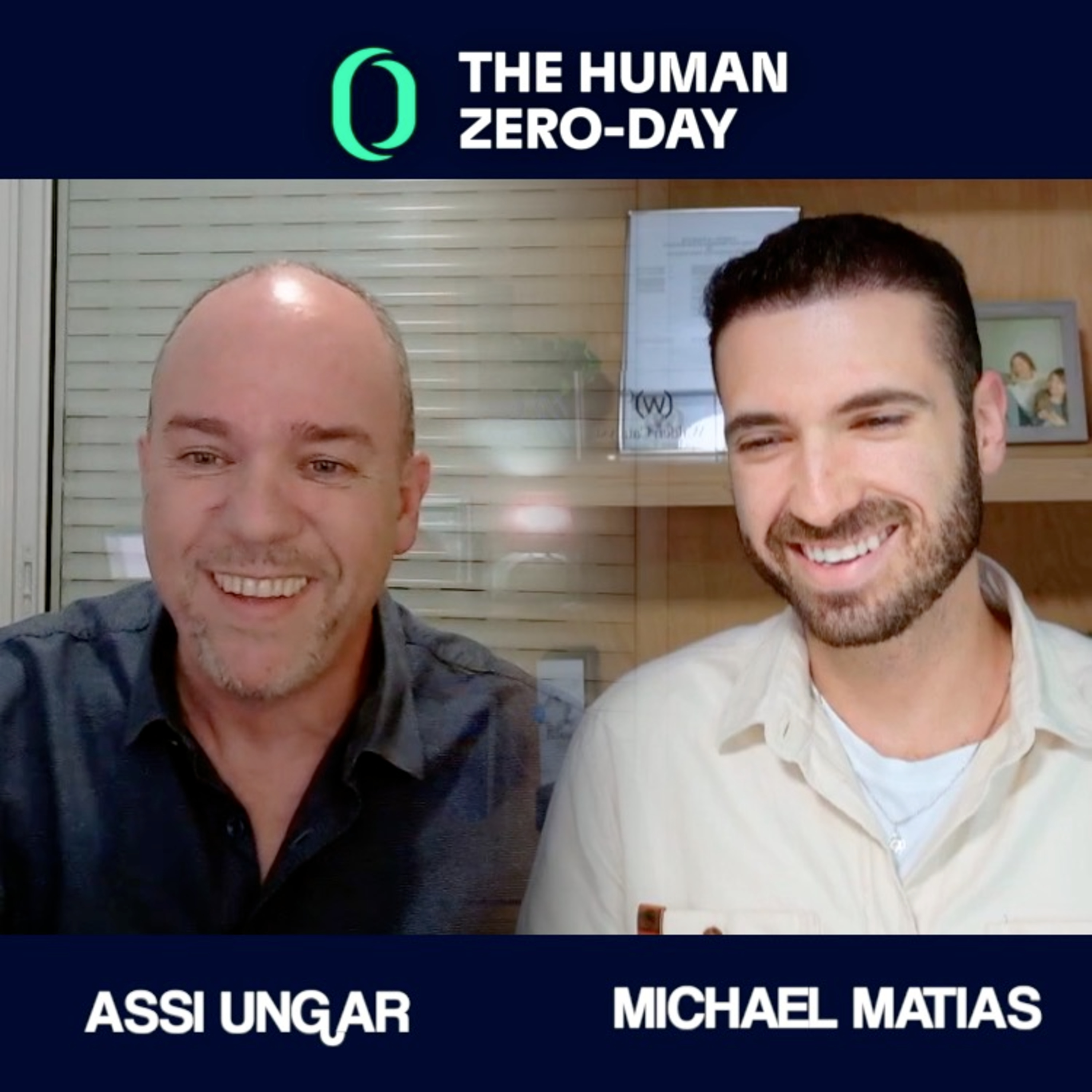 The Human Zero Day Series | Ep1153: Assi Ungar: Secure Humans, Not Systems | Assi Ungar shares how a career that began with WordPerfect support evolved into leading global cybersecurity at scale. He reflects on why trusting nothing is now a safety measure, why process beats panic, and how empathy—not fear—is the CISO’s strongest tool. He also explores AI’s double-edged role in modern security and why protecting personal spaces is now just as vital as enterprise systems. | — | ||||||
| 7/24/25 | 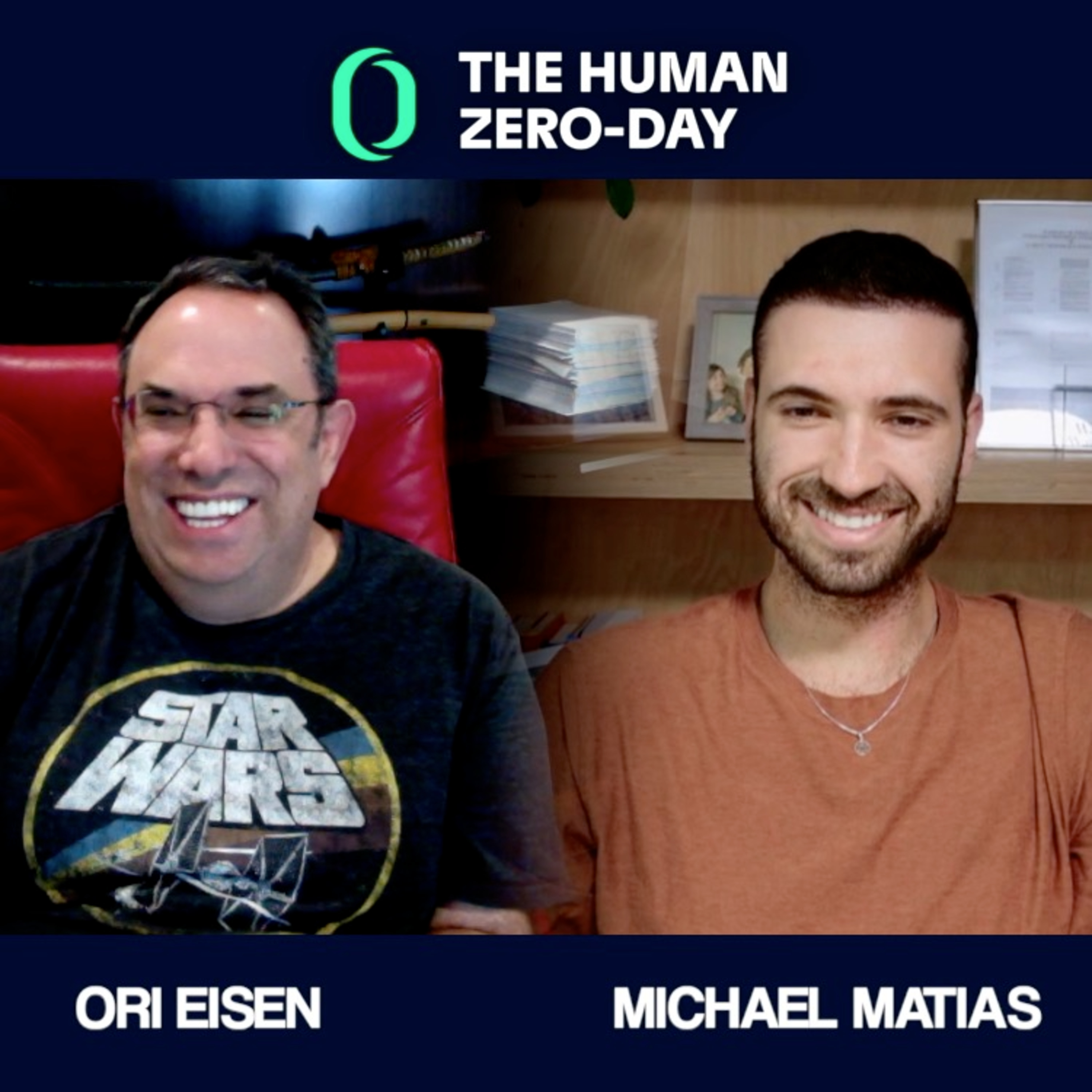 The Human Zero Day Series | Ep1152: Ori Eisen: Identity‑First Defense | Fraud‑investigator‑turned‑entrepreneur Ori Eisen revives the 1990s “nobody knows you’re a dog” cartoon to show how today’s Gen‑AI deepfakes make that joke a board‑level risk. Tracing his path from inventing device‑fingerprinting to launching insured, passwordless logins, he argues identity—not credentials—is the internet’s final perimeter, urging enterprises to gauge every transaction by human‑level risk, from library cards to dam controls. | — | ||||||
| 7/19/25 | 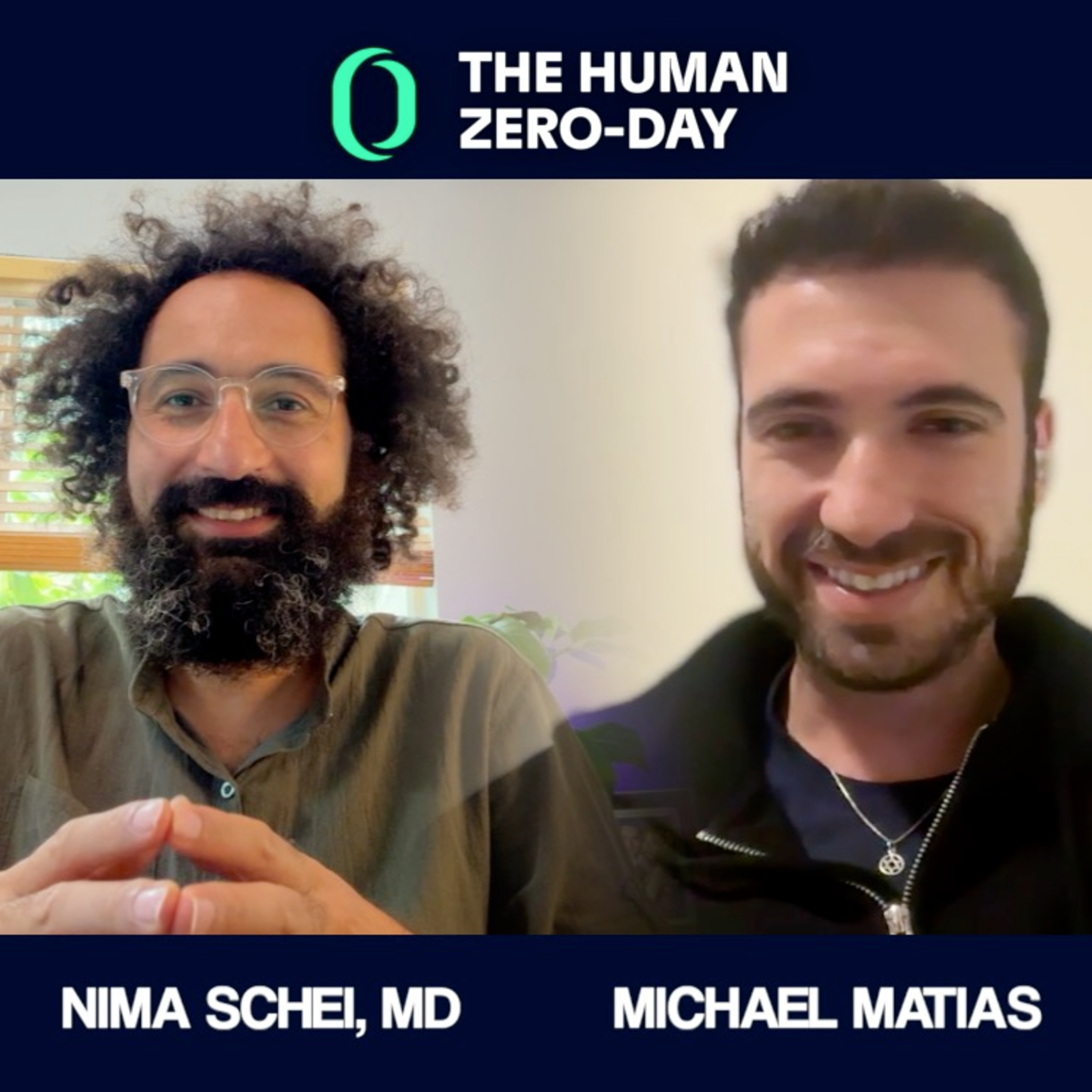 The Human Zero Day Series | Ep1151: Dr. Nima Schei: Bio‑Inspired AI Trust | MD‑turned‑neuroscientist Nima Schei shares how modeling the brain’s limbic system led him from crab‑neuron labs to Guacamole ID—lightweight, continuous desktop authentication—while devising guardrails against deepfakes and MFA fatigue. His bio‑inspired algorithms suggest emotional intelligence in machines can raise trust, cut compute, and free teams in fast‑moving enterprises. | — | ||||||
Showing 25 of 1171
Pitch Fit is a Pro feature
See how bookable this show is for guests, which brands already advertise, the per-episode ad value, and the best-fit guest and sponsor profile. The numbers are blurred on the free plan.
How readily this show books outside guests like you.
How proven this show is for host-read sponsorships.
For Guests
ProFor Advertisers
ProUpgrade to Pro to unlock guest cadence, sponsor categories, fit scores, and per-episode ad value for this show.
Chart Positions
1 placement across 1 market.
Chart Positions
1 placement across 1 market.