Insights from recent episode analysis
Audience Interest
Podcast Focus
Publishing Consistency
Platform Reach
Insights are generated by CastFox AI using publicly available data, episode content, and proprietary models.
Most discussed topics
Brands & references
Total monthly reach
Estimated from 43 chart positions in 43 markets.
By chart position
- 🇬🇧GB · Design#20300K to 1M
- 🇨🇦CA · Design#32100K to 300K
- 🇩🇪DE · Design#5730K to 100K
- 🇺🇸US · Design#9330K to 100K
- 🇦🇺AU · Design#1535K to 30K
- Per-Episode Audience
Est. listeners per new episode within ~30 days
325K to 1.1M🎙 Daily cadence·197 episodes·Last published 6d ago - Monthly Reach
Unique listeners across all episodes (30 days)
1.1M to 3.5M🇬🇧29%🇨🇦9%🇮🇳9%+40 more - Active Followers
Loyal subscribers who consistently listen
433K to 1.4M
Market Insights
Platform Distribution
Reach across major podcast platforms, updated hourly
Total Followers
—
Total Plays
—
Total Reviews
—
* Data sourced directly from platform APIs and aggregated hourly across all major podcast directories.
On the show
From 17 epsHost
Recent guests
Recent episodes
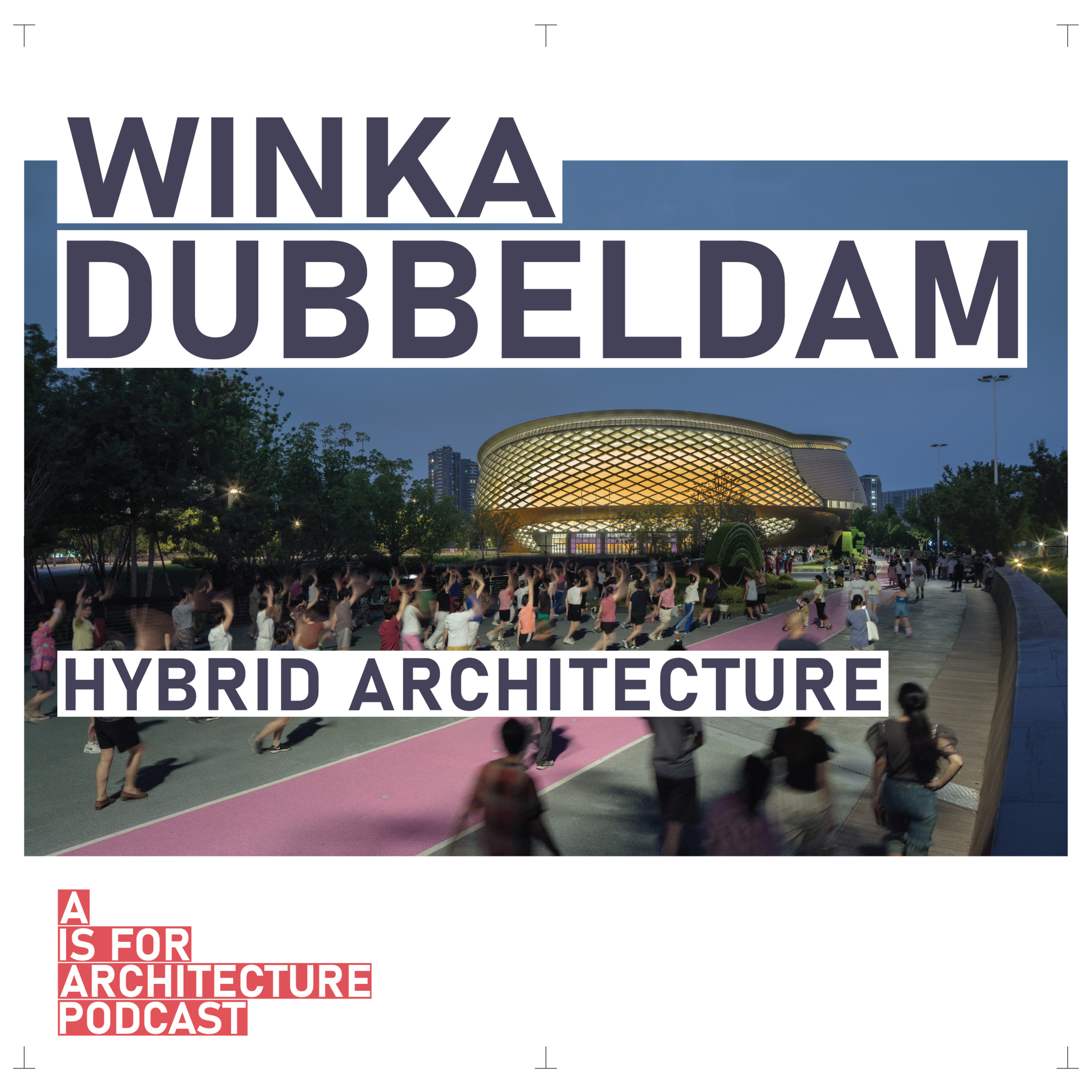
Winka Dubbeldam: Architecture and hybridity.
Jun 18, 2026
Unknown duration
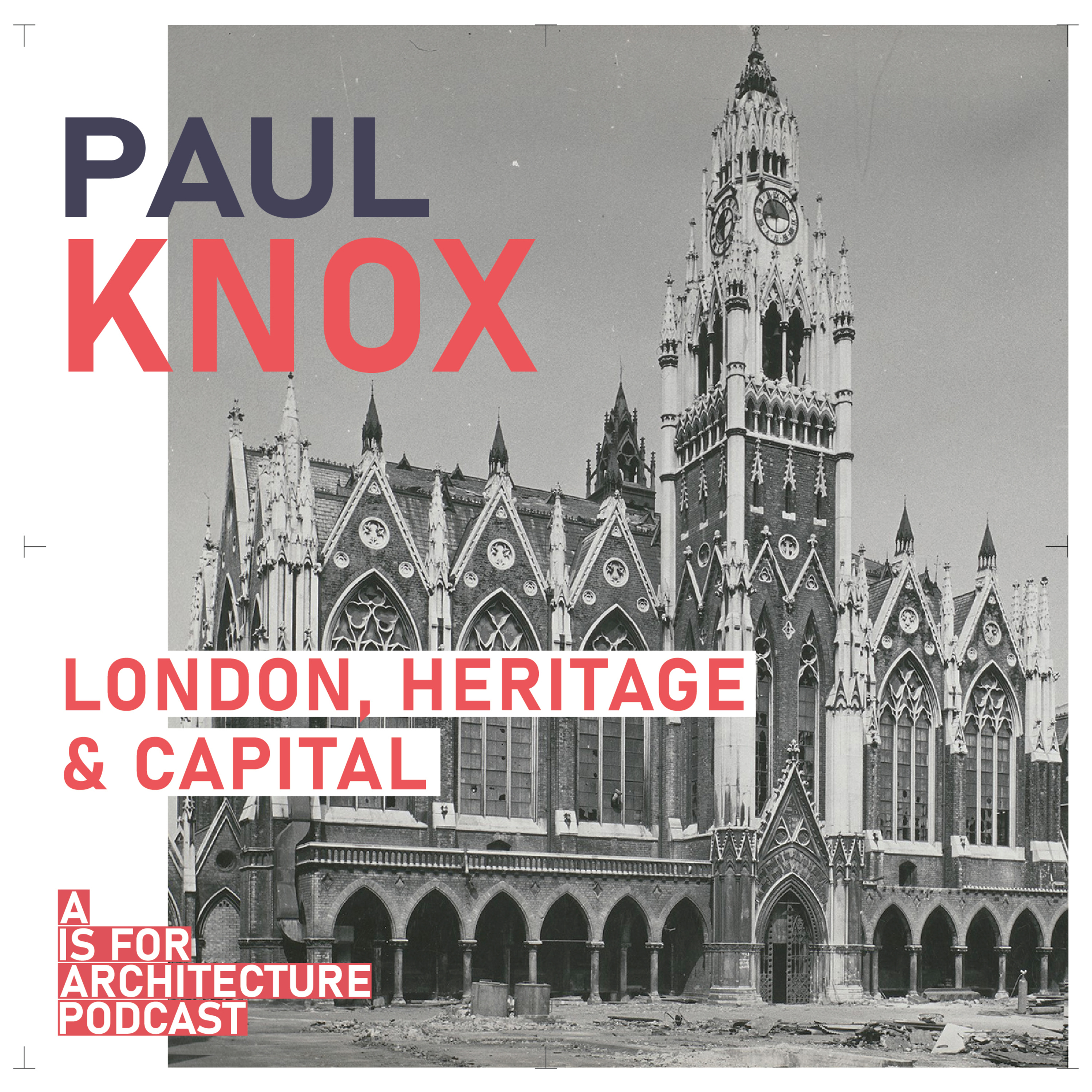
Paul Knox: London, heritage and capital.
Jun 11, 2026
1h 05m 30s
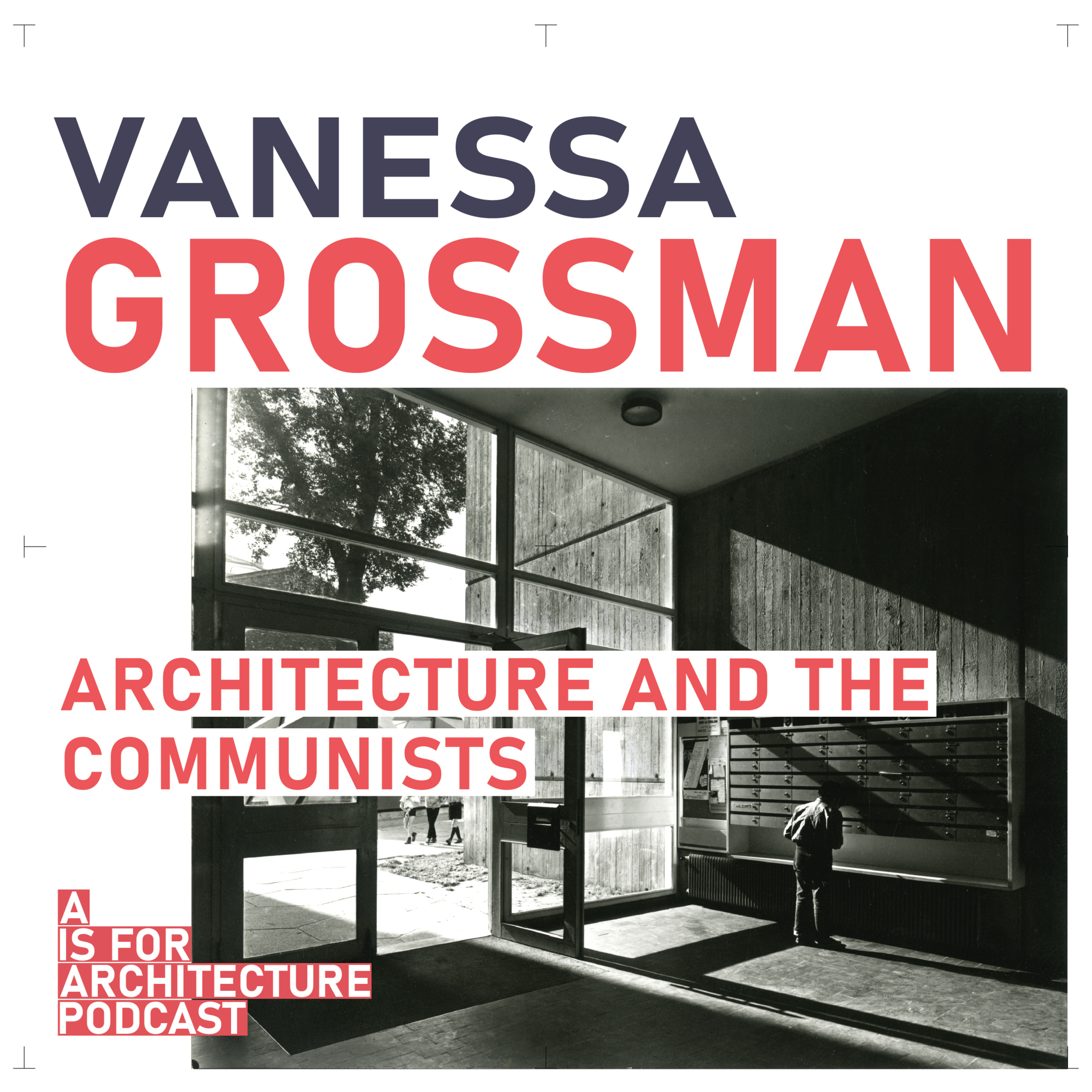
Vanessa Grossman: Architecture and the communists.
Jun 4, 2026
1h 09m 16s
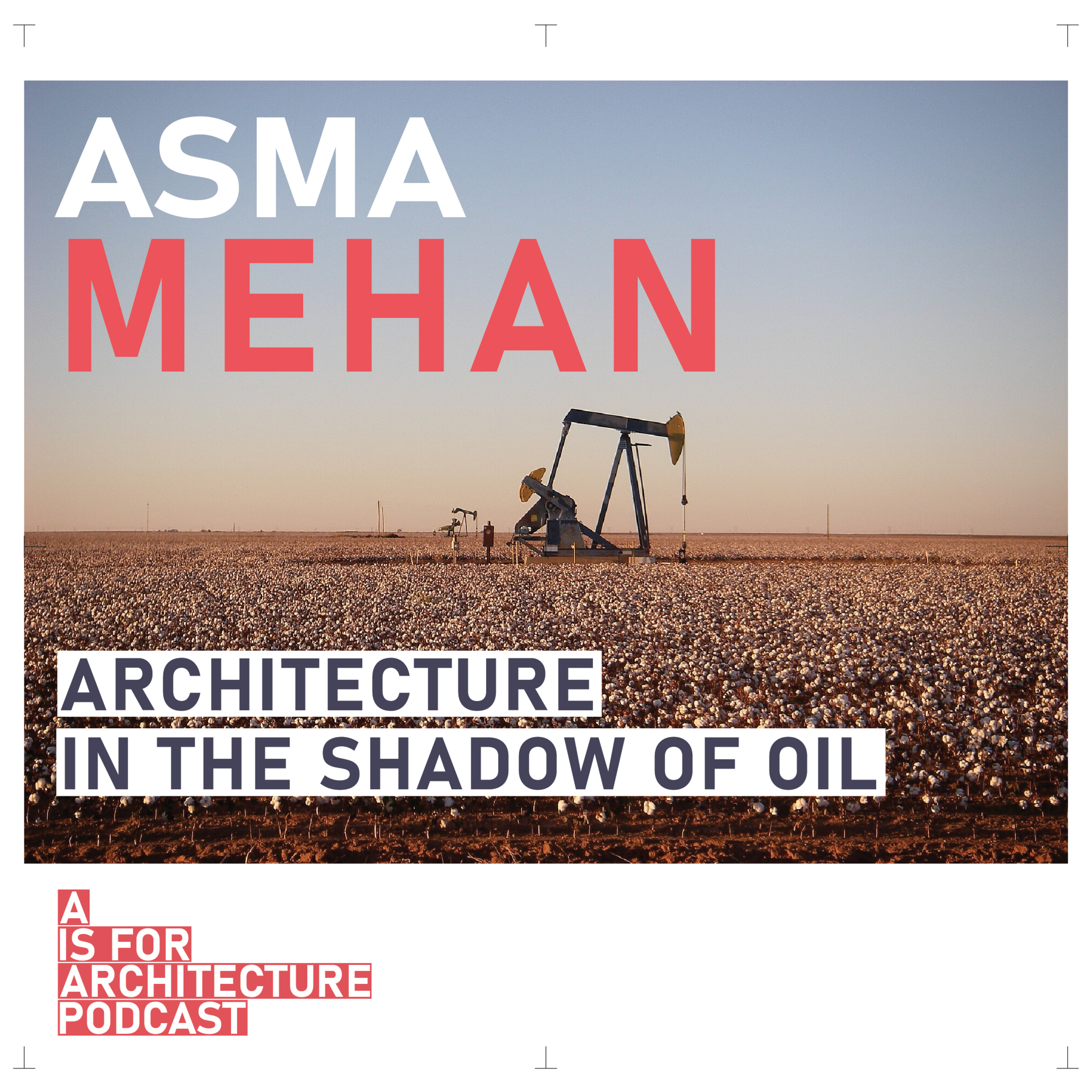
Asma Mehan: Architecture in the shadow of oil.
May 28, 2026
45m 46s
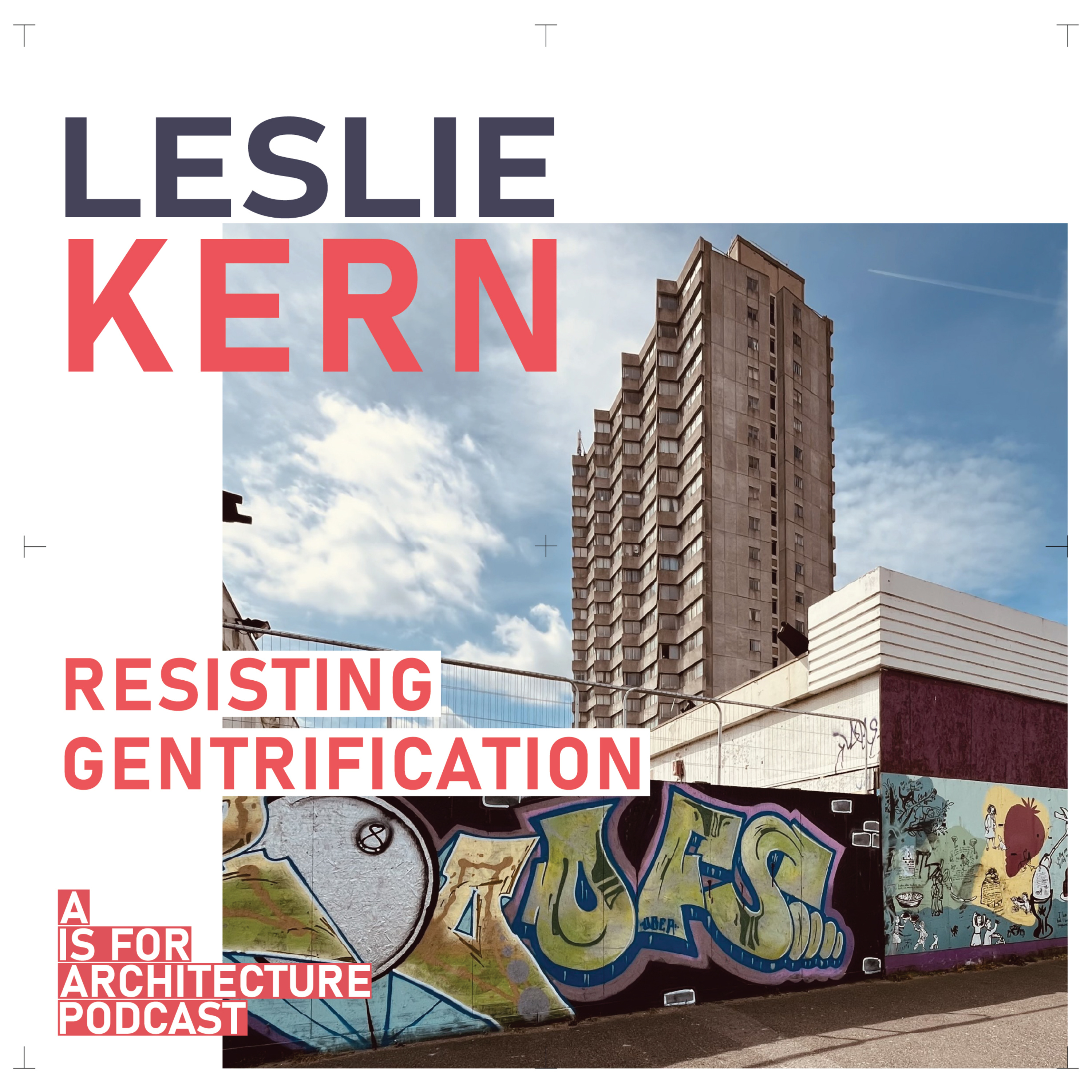
Leslie Kern: Resisting gentrification.
May 21, 2026
59m 09s
Social Links & Contact
Official channels & resources
Official Website
Login
RSS Feed
Login
| Date | Episode | Topics | Guests | Brands | Places | Keywords | Sponsor | Length | |
|---|---|---|---|---|---|---|---|---|---|
| 6/18/26 | ![]() Winka Dubbeldam: Architecture and hybridity. | What if buildings could free themselves – or be freed by their architects – of the stricture of type, of discrete identity, of typology? What might happen if, for example, a school and a house - schoolness and houseness – were hybridized? What if building and non-building, even, were wedded? Might this, perhaps, offer a way to negotiate, heal even, the nature-architecture divide?This is not pompous and pretentious speculation, but the proposal of Winka Dubbeldam, founder-director of Archi-Tectonics and director and CEO of the Southern California Institute of Architecture (SCI-Arc), in her recent edited book, Monsters and Mutants: Explorations in the Architecture-Nature Continuum, published by Park Books in 2025, and featuring essays by Winka, Justin Korhammer, Thom Mayne, Carlo Ratti and Mette Ramsgaard Thomsen. It is also the modus operandi of her and Justin Korhammer’s New York, Los Angles and Hangzhou practice, Archi-Tectonics. Winka and I talk all this, and intriguing and inspiring it is. For new conditions, we probably need new typologies and a taxonomy agile enough to meet a swiftly tilting planet. Here is Winka at work and university. The book is linked above. If you want and can, please support the A is for Architecture Podcast by listening in and sharing it, or by either subscribing on Patreon or making a gift via Buy Me a Coffee. +Music credits: Bruno Gillick Image credit: Hybrid Stadium & Concert Hall, by SFAP. | — | ||||||
| 6/11/26 | ![]() Paul Knox: London, heritage and capital.✨ | architectureurban geography+3 | Paul Knox | Virginia TechYale University Press+1 | LondonPoplar+2 | architectureLondon+5 | — | 1h 05m 30s | |
| 6/4/26 | ![]() Vanessa Grossman: Architecture and the communists.✨ | architecturecommunism+4 | Vanessa Grossman | University of PennsylvaniaYale University Press+1 | FranceFifth Republic | architecturecommunism+5 | — | 1h 09m 16s | |
| 5/28/26 | ![]() Asma Mehan: Architecture in the shadow of oil.✨ | architectureurbanism+4 | Asma Mehan | Huckabee College of ArchitectureTexas Tech University+2 | — | architectureoil+5 | — | 45m 46s | |
| 5/21/26 | ![]() Leslie Kern: Resisting gentrification.✨ | gentrificationurban development+3 | Leslie Kern | VersoGentrification is Inevitable and Other Lies+1 | — | gentrificationurban improvement+3 | — | 59m 09s | |
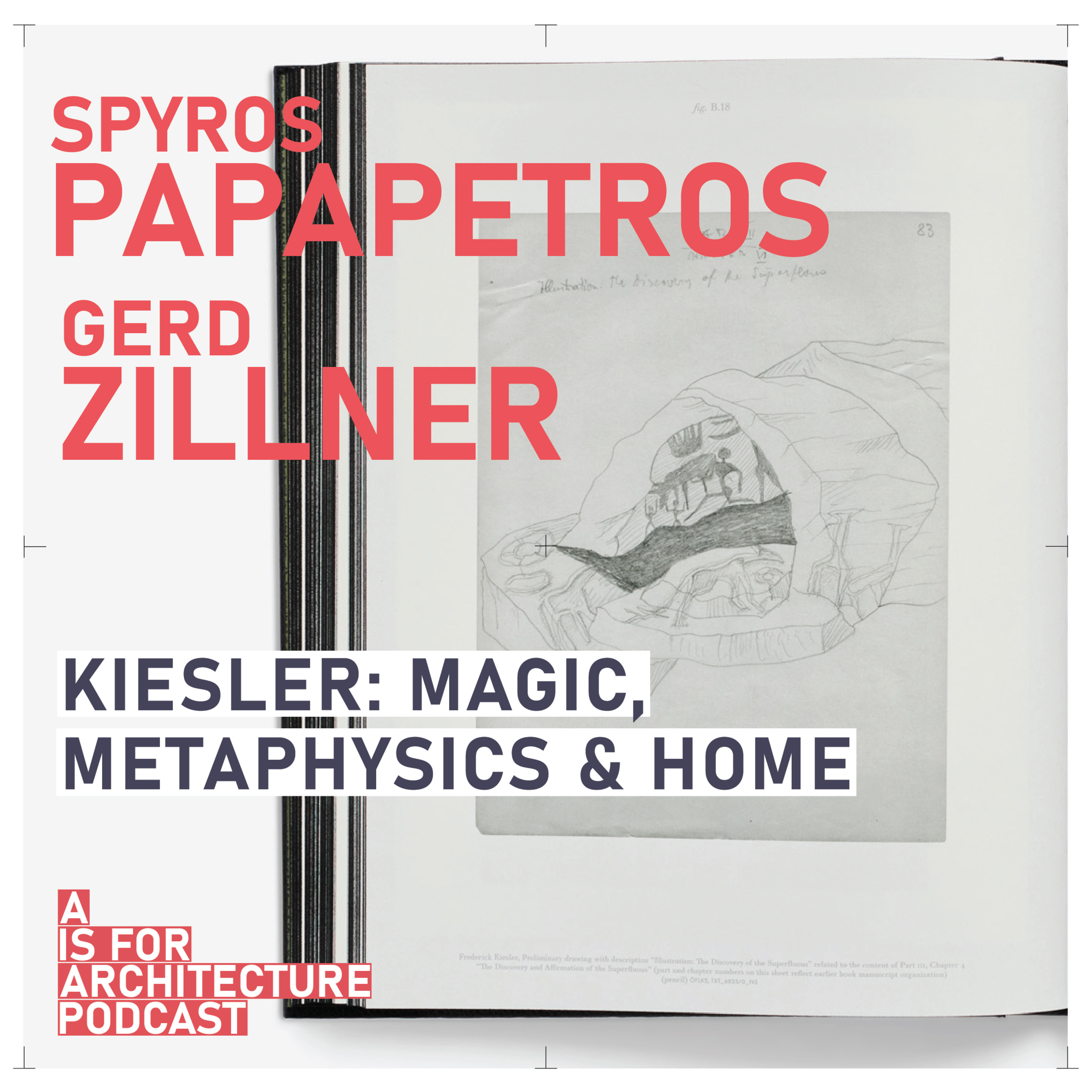
| 5/14/26 | ![]() Spyros Papapetros and Gerd Zillner: Kiesler: magic, metaphysics and home.✨ | architecturemodernism+3 | Spyros PapapetrosGerd Zillner | Princeton UniversityMIT Press+2 | — | Frederick Kieslermagic architecture+3 | — | 1h 09m 05s | |
| 5/7/26 | ![]() Beatriz Colomina: Architecture as disease and cure.✨ | modernismarchitecture+4 | Beatriz Colomina | Princeton UniversityMIT Press+1 | — | architecturemodernism+5 | — | 55m 38s | |
| 4/30/26 | ![]() Hilde Heynen & Lucía Pérez-Moreno: Feminist ecologies and architecture.✨ | feminist ecologiesarchitecture+3 | Hilde HeynenLucía Pérez-Moreno | Katholieke Universiteit LeuvenUniversity of Zaragoza+2 | — | feminismarchitecture theory+3 | — | 1h 09m 40s | |
| 4/24/26 | ![]() Stefan Al: Houses, forms, cultures.✨ | architecturehomes+4 | Stefan Al | Hunter CollegeDwelling on Earth: The Past and Future of the Places We Call Home | — | architecturehomes+6 | — | 1h 04m 28s | |
| 4/16/26 | ![]() Miriam Attwood & John Kinsley: Building community.✨ | architecturehousing+3 | Miriam AttwoodJohn Kinsley | Architects Council of EuropeRIBA+2 | Leith, Scotland | architecturehousing design+3 | — | 56m 51s | |
Want analysis for the episodes below?Free for Pro Submit a request, we'll have your selected episodes analyzed within an hour. Free, at no cost to you, for Pro users. | |||||||||
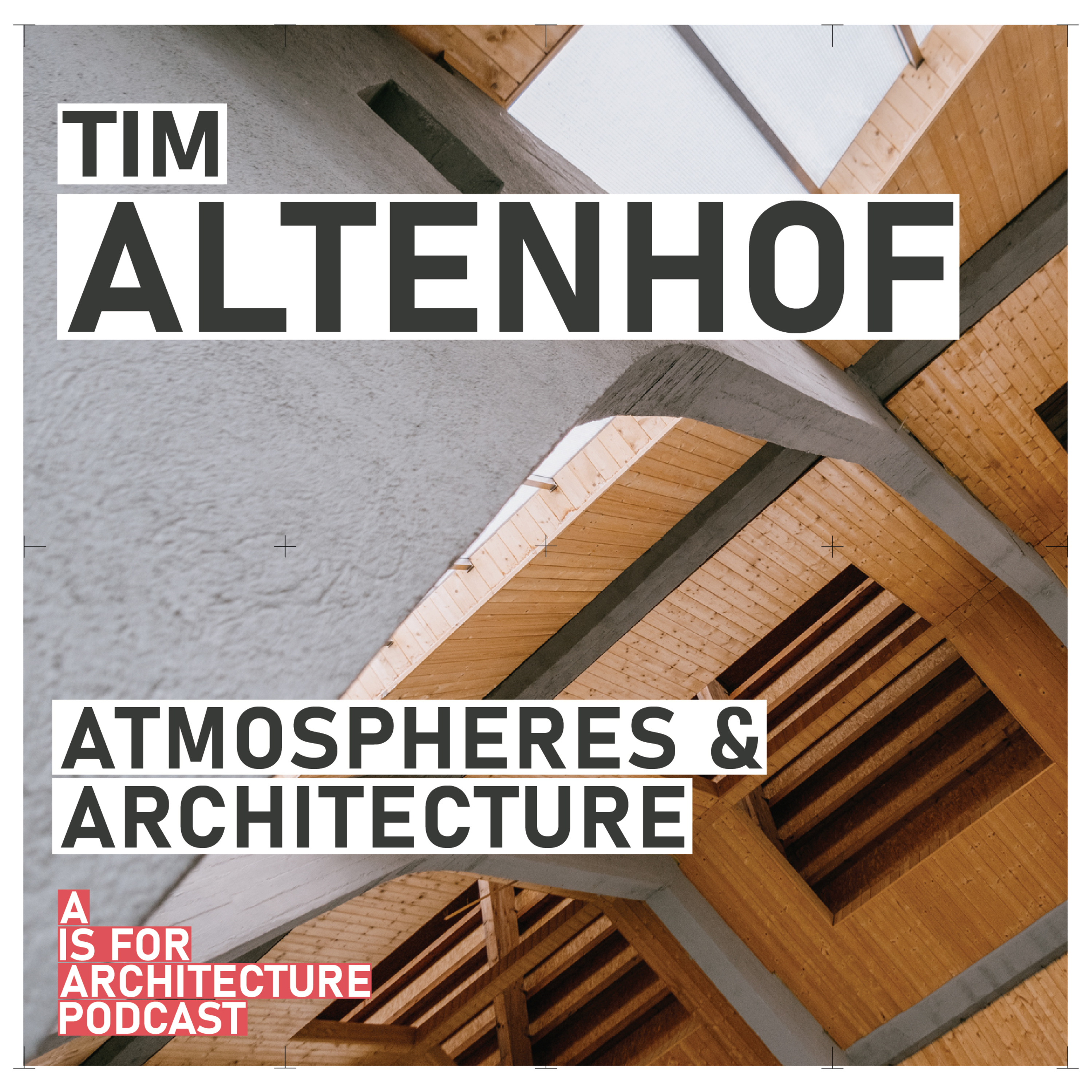
| 4/9/26 | ![]() Tim Altenhof: Atmospheres and architecture.✨ | architecturebreathing+4 | Tim Altenhof | Zone BooksPrinceton University Press+1 | University of InnsbruckLuckenwalde Dye Works | architecturebreathing+5 | — | 1h 06m 06s | |
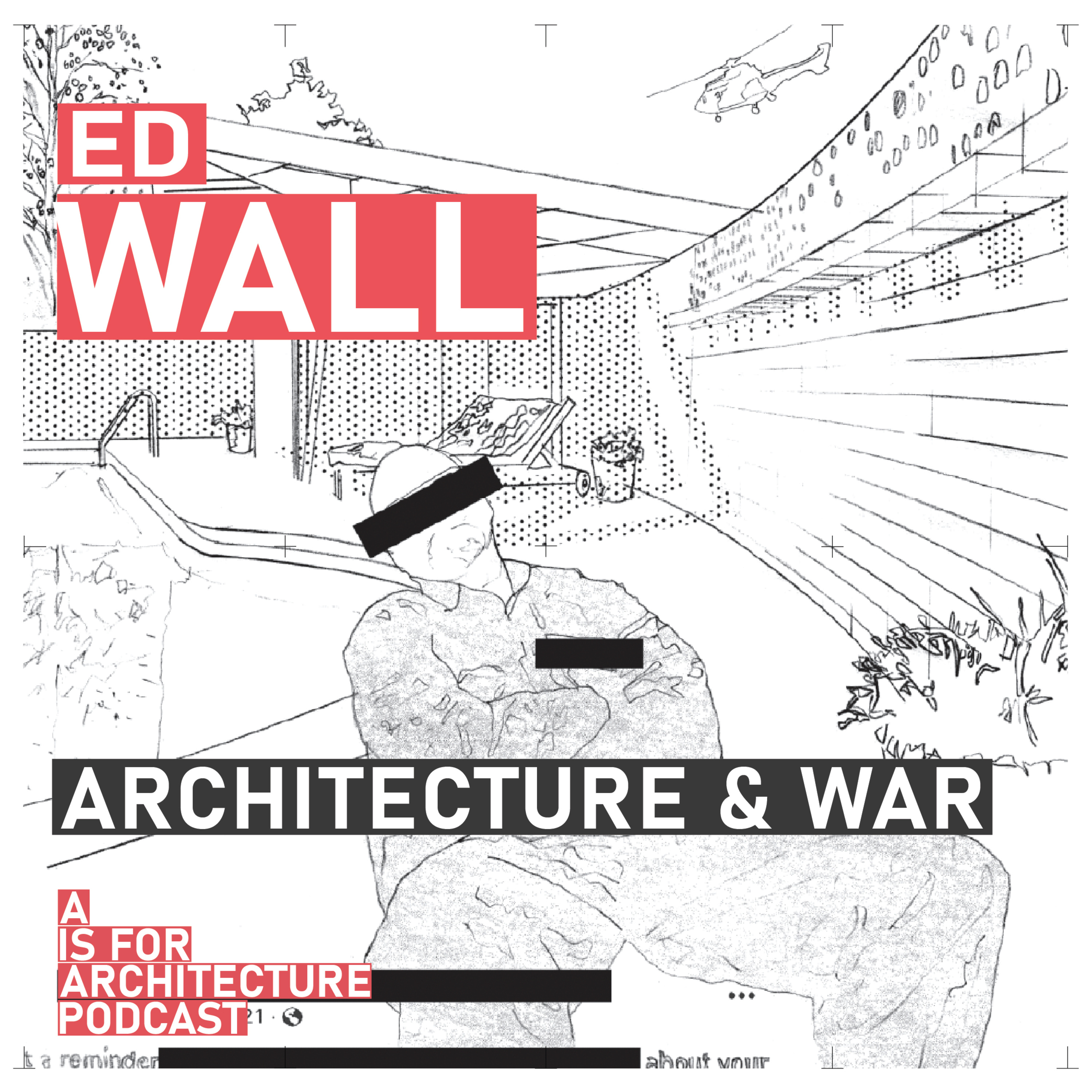
| 3/26/26 | ![]() Ed Wall: Architecture & war.✨ | architecturewar+3 | Ed Wall | University of GreenwichArchitecture for Warfare: How Corporations Profit from Destruction and Reconstruction | — | architecturewarfare+3 | — | 44m 24s | |
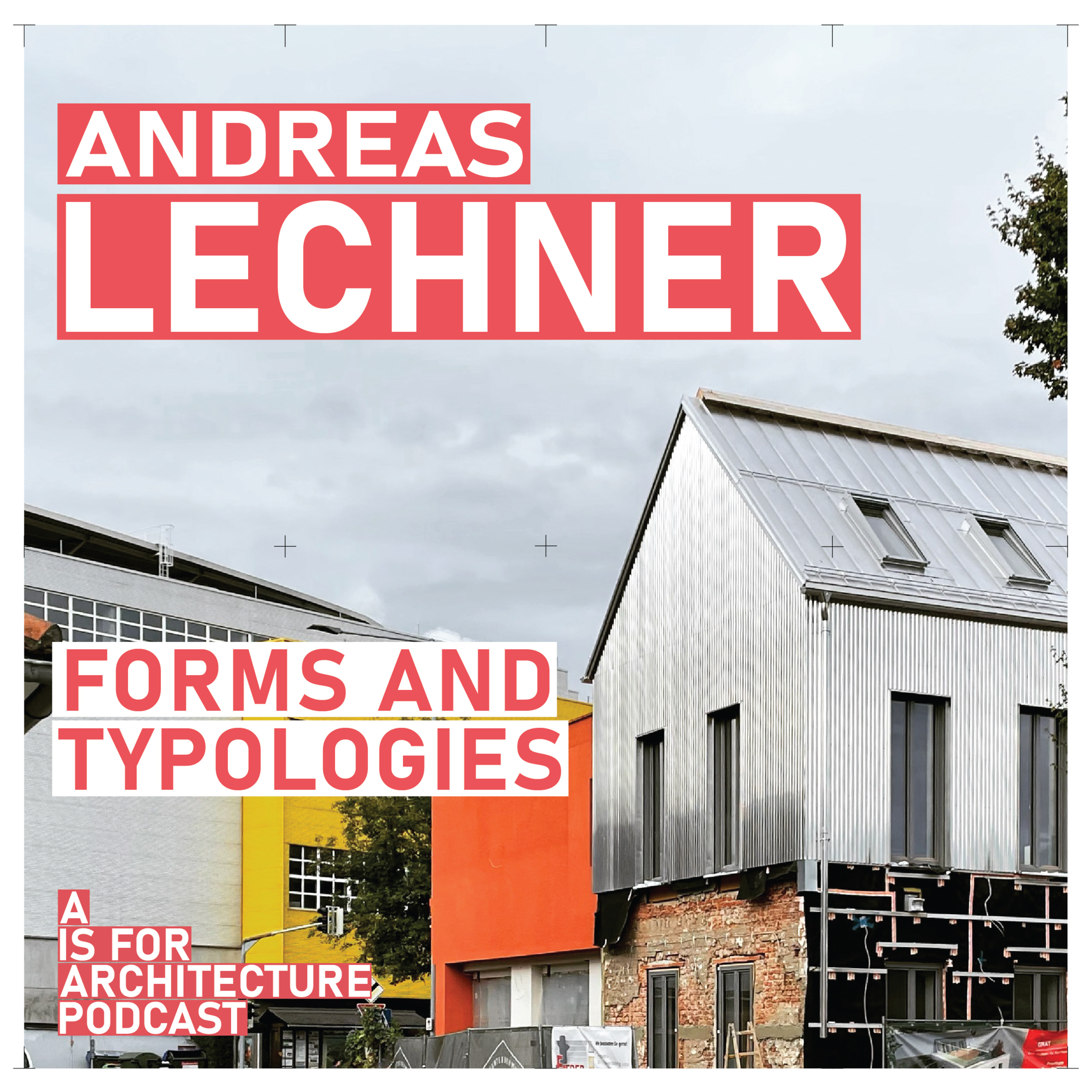
| 3/19/26 | ![]() Andreas Lechner: Forms and typologies.✨ | architectural designtypology+3 | Andreas Lechner | TU GrazStudio Andreas Lechner+1 | — | architecturetypology+3 | — | 57m 41s | |
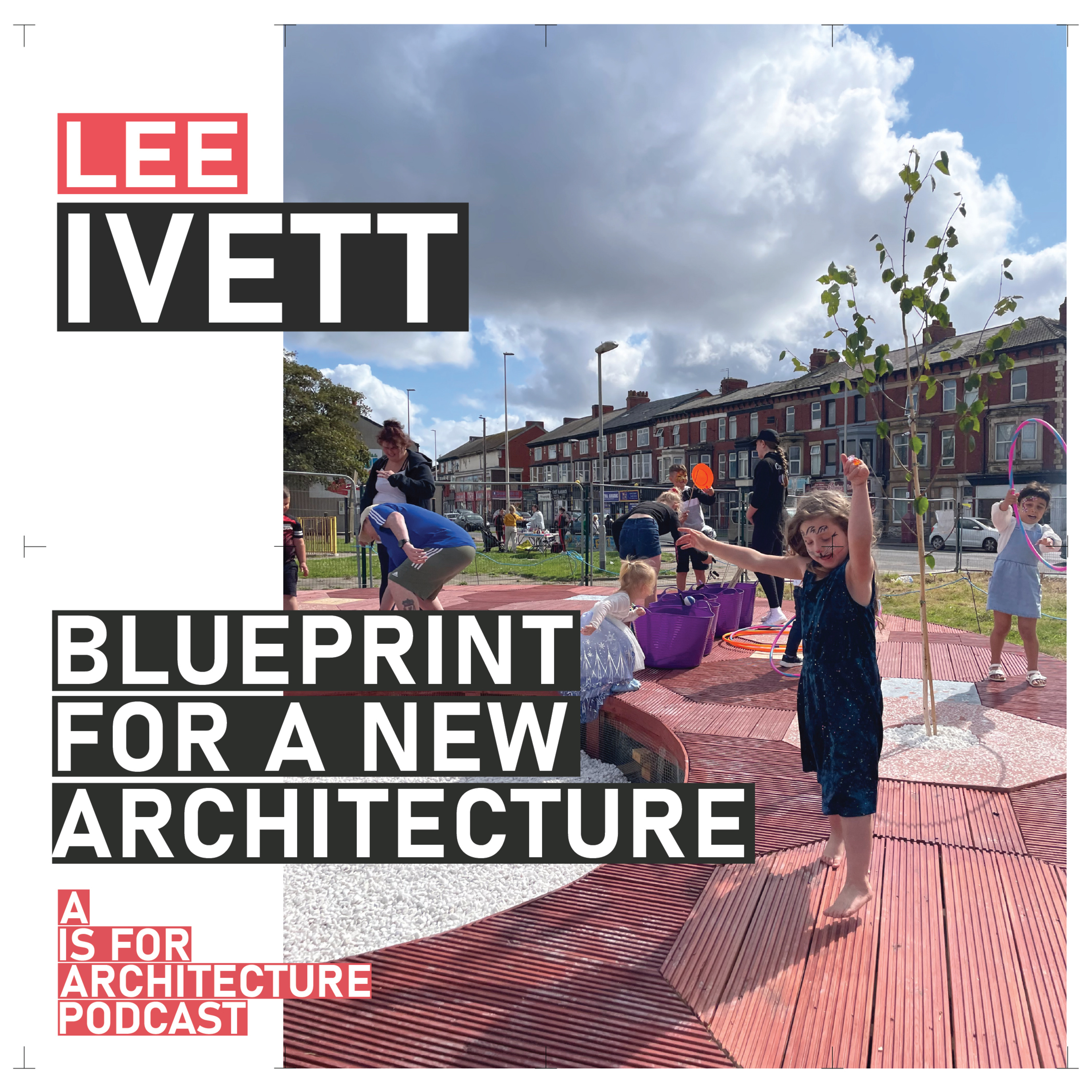
| 3/12/26 | ![]() Lee Ivett: Blueprint for a new architecture.✨ | architectural educationarchitecture practice+4 | Lee Ivett | London School of ArchitectureBaxendale+1 | — | architectureeducation+5 | — | 59m 37s | |
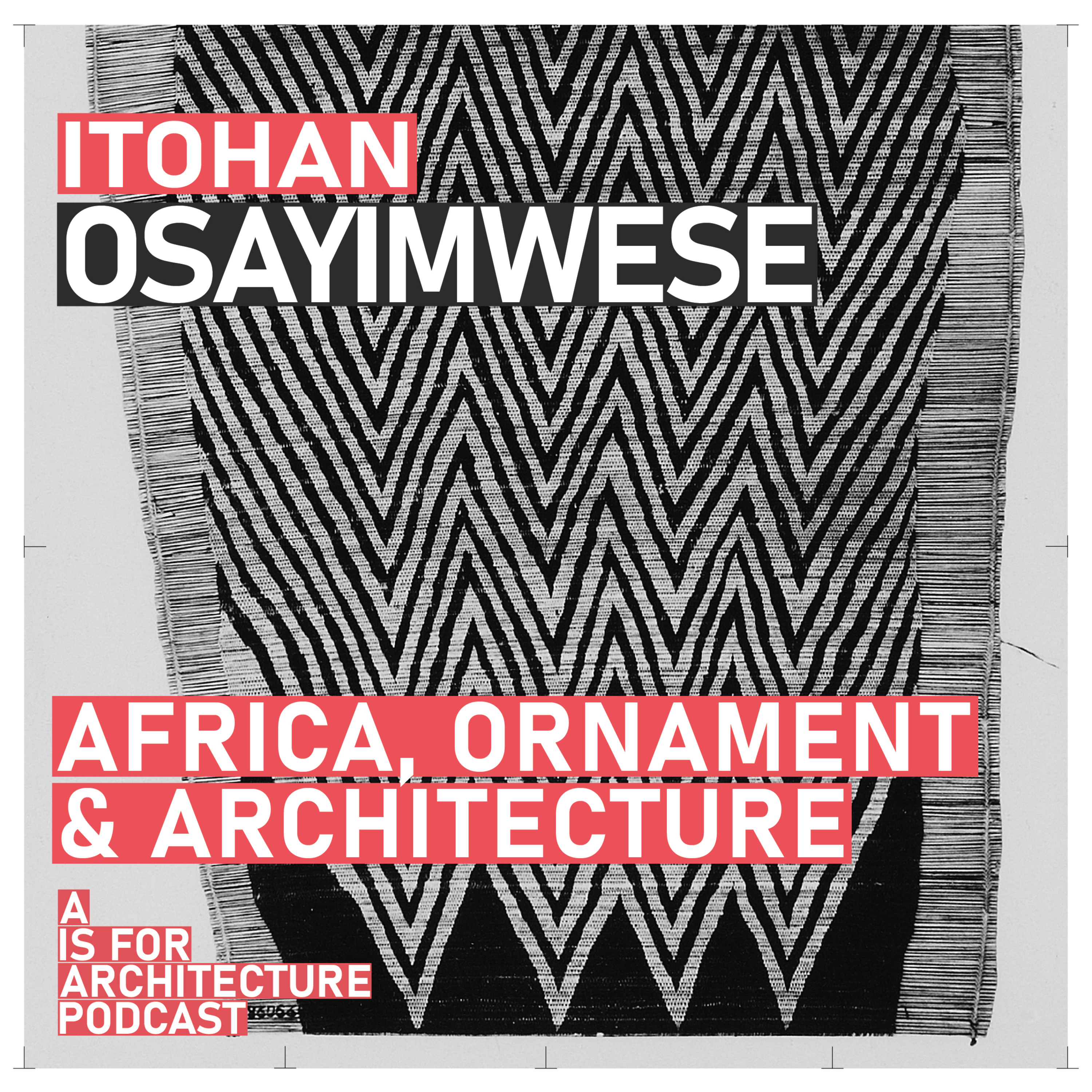
| 3/5/26 | ![]() Itohan Osayimwese: Africa, ornament and architecture.✨ | African architecturecultural heritage+4 | Itohan Osayimwese | Brown UniversityPrinceton University Press+1 | — | African architecturecultural heritage+5 | — | 1h 11m 07s | |
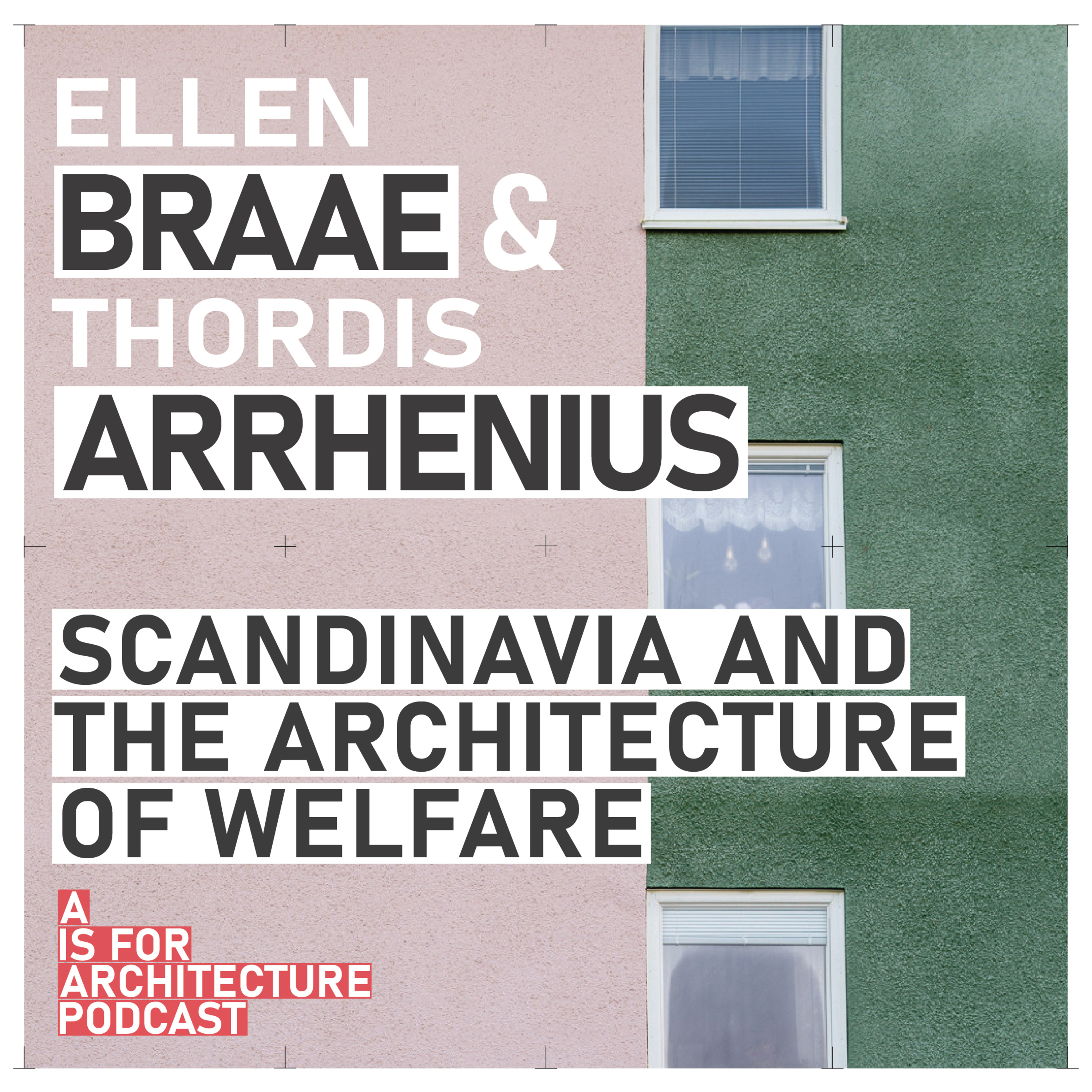
| 2/26/26 | ![]() Ellen Braae & Thordis Arrhenius: Scandinavia and the architecture of welfare.✨ | Scandinavian architecturewelfare state+4 | Ellen BraaeThordis Arrhenius | University of CopenhagenKTH Royal Institute of Technology+2 | — | architecturewelfare architecture+6 | — | 58m 25s | |
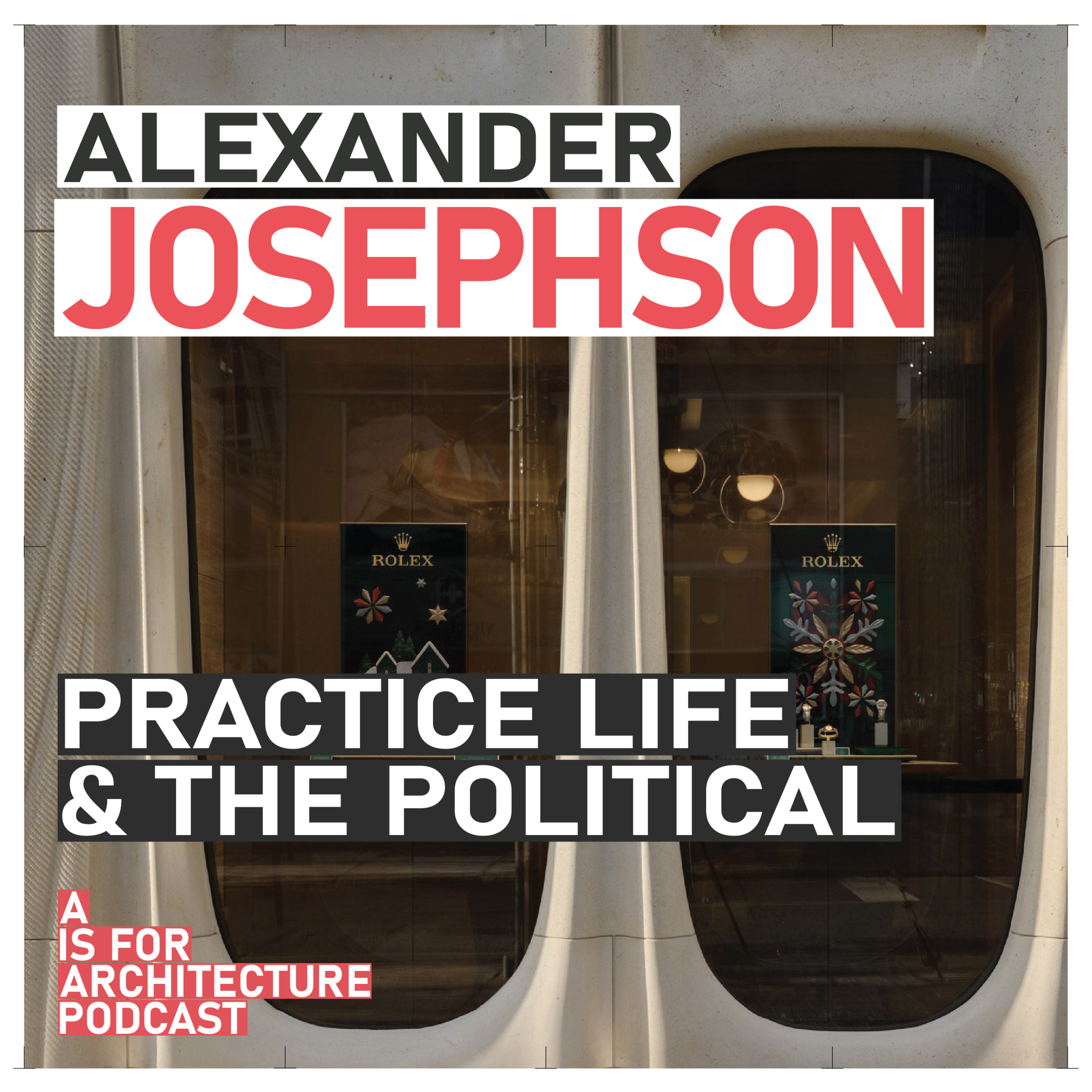
| 2/19/26 | ![]() Alexander Josephson: Practice life and the political.✨ | architecturedesign+4 | Alexander Josephson | PARTISANSCumulus | TorontoHearn Generating Station+2 | architecturePARTISANS+5 | — | 56m 00s | |
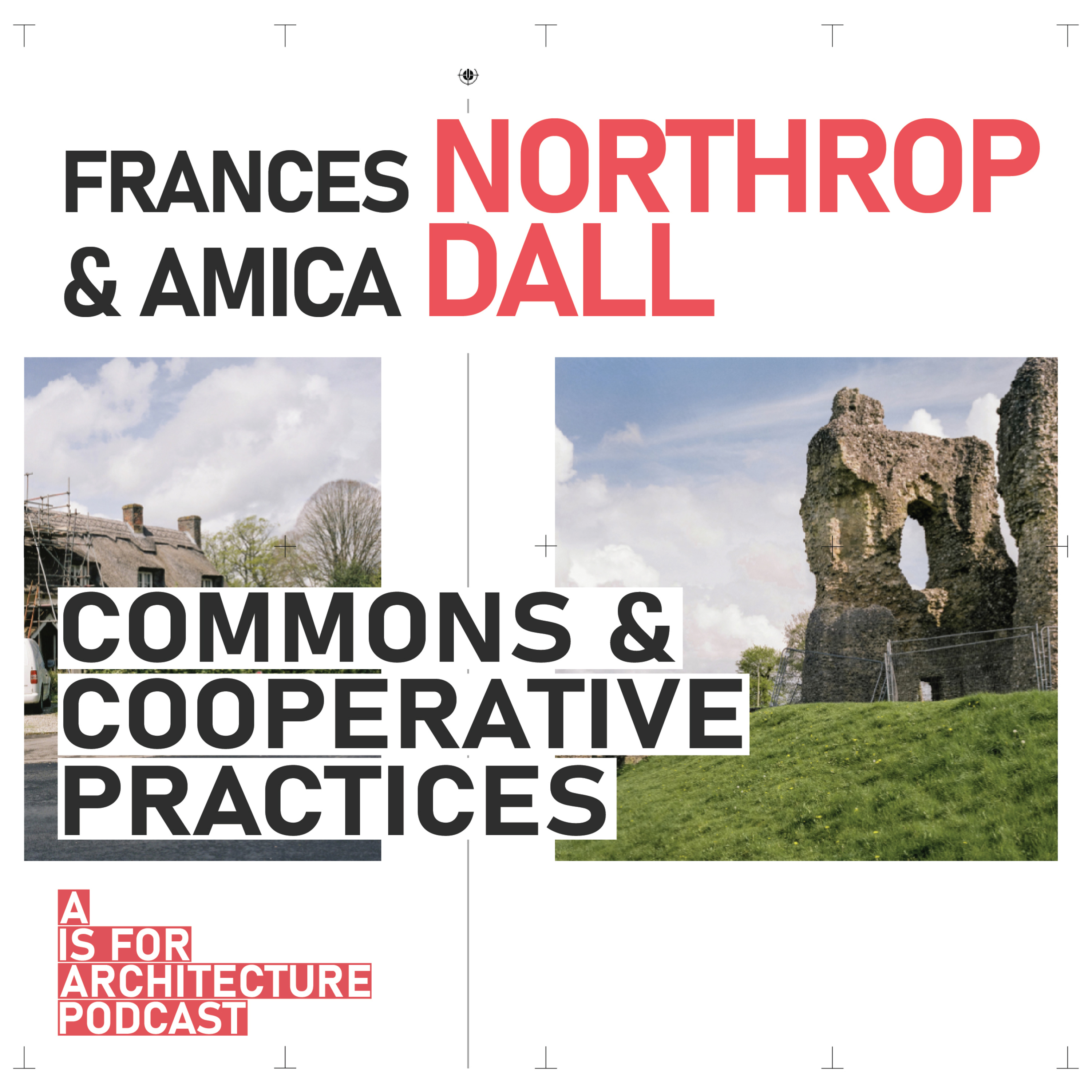
| 2/12/26 | ![]() Frances Northrop and Amica Dall: Commons and cooperative practice.✨ | rural communitiescooperative practice+3 | Amica DallFrances Northrop | AssembleNew Economics Foundation+3 | — | rural housingcommunity-led design+3 | — | 50m 33s | |
| 2/6/26 | ![]() Nele De Raedt & Maarten Delbeke: Beauty, aesthetics. | For Episode 188 of the A is for Architecture Podcast, Nele De Raedt and Maarten Delbeke discuss some small parts of the 2025 book, Beauty in Architecture: Perspectives from Theory and Practice, which they edited and published with Bloomsbury. Beauty in Architecture connects ideas from across practice and theory that consider how beauty might again become central to architectural discourse. Beauty has re-emerged in public debate, but sadly it remains contested in critical discussions, often treated with suspicion – as an issue of politics, more or less. But, as we discuss, perhaps by taking beauty seriously, architecture might permit of – and articulate - broader reflections on values, identity, class, ecology and the notion of a shared cultural life.Nele is Associate Professor in History, Theory and Criticism of Architecture at the Catholic University of Louvain in Belgium and is on LinkedIn and can be found on Instagram at her research group super_positions. Maarten is Professor in the History and Theory of Architecture at ETH Zürich in Switzerland and is on Instagram. The book is linked above.+Music credits: Bruno GillickPhotograph credit: Hong Wan Chan | — | ||||||
| 1/29/26 | ![]() Fernando Lara: Alternative American architectures. | In Episode 187 of the A is for Architecture Podcast, Fernando Lara, professor of architecture at the Weitzman School of Design, University of Pennsylvania, discusses his book, Spatial Theories for the Americas: Counterweights to Five Centuries of Eurocentrism, published by the University of Pittsburgh Press in 2024.Spatial Theories for the Americas critiques the dominance of Eurocentric, cartesian and elitist frameworks in architectural and urban studies, imposed through the colonial-modernist project, particularly as they impinge upon the articulation of indigenous practices, spatial knowledges and cultural forms. Fernando argues that these perspectives failed to reflect the unique realities of the American built world as it was when first encountered by Europeans in the late fifteenth and sixteenth centuries, the legacy of which persists to this day. To address this, the book proposes new theories from multiple disciplines forming a fresh - self-determined – Amerindian vision. Fernando can be found at work here, on his personal website here, on Instagram and LinkedIn. The book is linked above.+Music credits: Bruno Gillick #ArchitecturePodcast #SpatialTheoriesAmericas #FernandoLuizLara #DecolonialArchitecture #ArchitectureTheory #CriticalUrbanism #BuiltEnvironmentStudies #EurocentrismCritique #IndigenousSpatialKnowledge #ArchitectureAndColonialism | — | ||||||
| 1/22/26 | ![]() Francis Terry: New classical architecture. | In Episode 186 of the A is for Architecture Podcast, neoclassical architect Francis Terry, founder of Francis Terry and Associates, discusses his upbringing, education, drawing, work, practice and the imposed politics of it all.In our binary times, it seems strange to think of traditional classical design -still so popular among the public - as somehow controversial, and yet here we are. The institutional profession certainly preferences contemporary modernism – look at all the prize winner – but perhaps this is hardly surprising given widespread disinterest in- and lack of practical knowledge of – the techniques and patterns of traditional design in architectural education. Classicism is of course tainted by its association to a certain politics; modernism by contrast remains rhetorically linked to emancipatory social movements. Even so, whilst classicism retains its hold on the public imagination as rooted, reassuring and legible, architects like Francis - versed in the Doric and the Tuscan, in fluted shafts, acanthus leaves and egg and dart, in astragal, dentils and domes - remain very busy. Francis Terry and Associates is here, and one of his books, Francis Terry: A Life in Sketchbooks, is linked here. Francis is on Insta and LinkedIn.+#ArchitecturePodcast #FrancisTerry #ClassicalArchitecture #NeoclassicalArchitecture #ArchitecturePodcast #ArchitecturalDrawing #TraditionalArchitecture #ArchitectureAndPolitics #ContemporaryArchitectureDebate #ArchitecturalPractice | — | ||||||
| 1/15/26 | ![]() Fatina Abreek-Zubiedat: Making Gaza. | In the latest episode of the A is for Architecture Podcast, recorded at the end of last year, Fatina Abreek-Zubiedat spoke to me about her new book, A Territory in Conflict: Eras of Development and Urban Architecture in Gaza, published by the University of Pittsburgh Press.The Gaza Strip was formed after the 1948 Arab-Israeli War and served to accommodate fleeing refugees. Until 1967 Administered by Egypt, Israel's occupation of the region after the Six Day War saw settlement building and military governance, till in 2005 it withdrew and Hamas took control. But the story of Gaza’s form – it’s spatial and material history - isn’t just one of conflict, but really an interplay of competing forces, ideas and identities. Fatina’s is an extraordinary book, really, and quite other as a piece of history writing, made more pertinent now that so much of the material history of this strange and embattled place needs making again. The book is linked above. Fatina is Assistant Professor and Head of the Spaces-in-Transition Lab at Tel Aviv University. She is on Facebook and Insta.+Music credits: Bruno Gillick #ArchitecturePodcast #ArchitecturalHistory #UrbanStudies #SpatialHistory #CriticalUrbanism #ArchitectureAndPolitics #PostcolonialUrbanism #BuiltEnvironmentStudies #MiddleEastArchitecture #ResearchInArchitecture #AIsForArchitecture | — | ||||||
| 1/8/26 | ![]() Patrick Hutchison: Into the woods. | For the first episode of 2026 for the A is for Architecture Podcast, we’re starting slow and steady – but rather inspiringly I think - with Patrick Hutchison, a builder. Patrick’s very recent book, Cabin: Into the Woods with a Clueless Craftsman, which he published with Harper Collins in November 2025, tells the story of his journey from copywriter to carpenter and now, bestselling author and carpenter, via the renovation – the discovery, in a manner - of a small cabin in the woods. It’s an elegant story indeed, which beyond a sort-of practical how-to for other itchy-footed office-jockeys, is one tangentially rooted in an American romance and myth – from indigenous peoples, Thoreau, pioneers and non-conformists. Through the cabin and through the book, Patrick describes his journey of discovery, at once a DIY adventure story and a meditation on how to find meaning, community and identity through making, through building and through acts of ordinary creation. Architecture has long been allured by the idea of the homes of our forebears, the original dwelling, the cabin in the woods. The preference, as Gombrich put it, for the primitive. But finding a gap in modernity’s matrix? That’s the dream, isn’t it?Patrick can be found on his personal website, on Instagram and LinkedIn. The book is linked above, and has been reviewed everywhere, with Patrick having done quite a bit of TV about it too. Have a wander on the internet and you’ll probably find him.+Music credits: Bruno Gillick | — | ||||||
| 12/25/25 | ![]() Gili Merin: Jerusalem pilgrim city. | It’s Christmas, and just past Hanukkah, and in recognition of that, Episode 183 of the A is for Architecture Podcast, is a conversation with architect, photographer and writer Gili Merin, about her extraordinary and exquisite book, Analogous Jerusalem, which came out with Humboldt Books earlier this year. In Analogous Jerusalem, Gili explores how the sacred topography of the Jerusalem of the pilgrim—particularly the Via Crucis or Stations of the Cross —has been analogically recreated across Europe. Combining essays and a photographic travelogue Gili argues that these "analogous" Jerusalems often surpass the original in their materialisation because, freed from the geopolitical conflicts and material constraints of the "real" city, they permit of a spiritual purity that connects the pilgrims more deeply to the Jerusalem of their imaginations, the Jerusalem that should be. We discuss a little of this, and how Christianity displaced Jerusalem's holiness to distant landscapes, creating sites that foster devotion, introspection, and community. Indeed perhaps, through the words and the abundant, beautiful images of shrines, routes and holy places of the way Jerusalem’s holiness has been reconfigured elsewhere - everywhere - the book itself is an invitation to readers to embark on their own "virtual pilgrimage" without leaving home.Gili currently holds a post-doc position at TU Wien and is a senior researcher at the Geneva University of Art and Design or HEAD. She can be found on her website, on Instagram and LinkedIn. She’s been and done quite a lot in her short years, so with a quick google will find you a lot of stuff.+Music credits: Bruno Gillick Image credits: Main – Gili Merin, Book cover - Francesco Spallacci | — | ||||||
| 12/18/25 | ![]() Andreea Mihalache: Modern architecture and boredom. | In the 182nd episode of the A is for Architecture Podcast, Andreea Mihalache joined me to discuss her new book, Boredom and the Architectural Imagination: Rudofsky, Venturi, Scott Brown, and Steinberg, which she published with the University of Virginia Press in 2024. Exploring the boundaries of boredom, Andreea and I discuss Bernard Rudofsky, Robert Venturi and Denise Scott Brown and Saul Steinberg, the four thinker-makers of the twentieth century explored in her excellent book, whose writing and design challenged boredom’s pervasive, creeping grip on the modern imagination. Looking at our orderly, crisp and glassy, financialised cities now, it’s perhaps difficult to see how their critique of modernity and the city changed anything. But by proposing modes of operation to counter it, each of these folk gave us ways of thinking, engaging and acting through design which remain elegant, generative and – I think – rather inspiring. Andreea is Co-Director of the Architecture Graduate Programs and Associate Professor of Architecture at Clemson University, USA. The book is linked above. +Music credits: Bruno Gillick #ArchitecturePodcast #ArchitecturalTheory #BoredomInArchitecture #LessIsABore #RobertVenturi #DeniseScottBrown #BernardRudofsky #SaulSteinberg #ArchitectureBooks #ArchTheoryPodcast | — | ||||||
Showing 25 of 206
Pitch Fit is a Pro feature
See how bookable this show is for guests, which brands already advertise, the per-episode ad value, and the best-fit guest and sponsor profile. The numbers are blurred on the free plan.
How readily this show books outside guests like you.
How proven this show is for host-read sponsorships.
For Guests
ProFor Advertisers
ProUpgrade to Pro to unlock guest cadence, sponsor categories, fit scores, and per-episode ad value for this show.
Chart Positions
45 placements across 43 markets.
Chart Positions
45 placements across 43 markets.