A Productive Conversation
Hosted by productivity strategist Mike Vardy, A Productive Conversation offers insightful discussions on how to craft a life that aligns with your intentions. Each episode dives into the art of time devotion, productiven...
Insights from recent episode analysis
On the show
- Patrick Rhone6 eps
- Mark Manson2 eps
- Erin Coupe1 ep
Also: Carla Ondrasik, Jon Acuff, Rich Czyz, Johnny Decimal, Daniel Coyle, Joel Zuckerman, Max McKeown, George Barrios, Kyle Austin Young, Dawna Ballard, Steve Kamb, Robin J Emdon, Shimin Ooi, Dr. Henry Cloud, Elizabeth Svoboda, Heather Jo Kennedy, Amy Leneker
Audience Interest
Podcast Focus
Publishing Consistency
Insights are generated by CastFox AI using publicly available data, episode content, and proprietary models.
Most discussed topics
Brands & references
Total monthly reach
Based on the show's feed history.
Built from
By chart position
- 🇳🇬NG · Careers#258.5K to 104K
- 🇮🇳India · Careers#1572.7K to 33K
- 🇫🇷France · Careers#1452.3K to 29K
- 🇭🇰HK · Careers#93675 to 8.3K
- 🇸🇬SG · Careers#102564 to 6.9K
- Per-Episode Audience
Est. listeners per new episode within ~30 days
16K to 196K🎙 ~2x weekly·690 episodes·Last published 1w ago - Monthly Reach
Unique listeners across all episodes (30 days)
32K to 392K🇺🇸71%🇳🇬15%🇮🇳5%+5 more - Active Followers
Loyal subscribers who consistently listen
18K to 216K
Market Insights
Platform Distribution
Reach across major podcast platforms, updated hourly
Total Followers
—
Total Plays
—
Total Reviews
—
* Data sourced directly from platform APIs and aggregated hourly across all major podcast directories.
| Date | Episode | Topics | Guests | Brands | Places | Keywords | Sponsor | Length | |
|---|---|---|---|---|---|---|---|---|---|
| 10/14/26 |  The Difference Between Experimenting and Tinkering (with Patrick Rhone) | My book, Productiveness, is now available. It's about the difference between doing more and doing what matters, and how we lost the ability to tell them apart. I'll send the release date the day it's set. Visit https://mikevardy.com/productiveness to learn more and get your copy today.I spoke at Podcast Movement in New York last month, and the whole conference ran on headphones — every attendee wearing a set, switching channels to pick which stage they were listening to. Which meant that partway through my talk, I watched at least one person in front of me switch to somebody else. It was a bold format. I'm still not sure it worked. But it was a real experiment, and I came away thinking about how rarely we name the experiments we're already running.Patrick Rhone and I spent this month's PM Talks on that — including a distinction I think matters more than it sounds like it should. Experiments have an end in mind. Tinkering doesn't. One of them produces a decision; the other produces the feeling of progress without ever asking you to make one. We also got into Patrick's unrecorded podcast, which got him mocked by some fairly prominent people at the time and then quietly became the thing everybody does now.Six Discussion PointsMost of the choices you make in a day are experiments you never labelled as such — you're acting without knowing the outcome, which is the definition, whether or not you framed it that way.The difference between experimentation and tinkering is an endpoint: an experiment asks a question you intend to answer and then stop, while tinkering is perpetual adjustment that feels productive precisely because it never resolves.Parameters make an experiment possible rather than constraining it — knowing what you can't control is what tells you what's actually worth testing.You cannot predict which thing will land; after thirty years of writing online, the most-linked post of Patrick's career came from a car conversation with his wife and took twenty seconds to write.Coming home from a conference with pages of notes almost guarantees nothing happens — picking exactly three (one thing to act on, one person to connect with, one thing to think about) lets the rest fall away without festering.Stopping is itself an experiment: quitting something at its peak asks a real question about what you'd do with the time and how you'd fill the gap, and you genuinely don't know the answer going in.Three(ish) Connection PointsBetween us we promised rather more than three of these on air, so here they all are. Consider the overrun an experiment.Patrick Rhone — and his NOW page, which he swears he updates every couple of weeksTiny Experiments by Anne-Laure Le CunffFish: a tap essay by Robin Sloan — the one he lost the source code to and rebuilt from scratchMicrosoft's Biggest Miss — Patrick's most-linked post, written in about twenty seconds, based on something his wife said in the carWhat You Bring Home — my piece on the three picks, which is where this conversation startedMy NOW pageThe poem Matt wrote about my talk — handed to me on orange card stock when I went back for my laptopThe three-picks idea came out of my own notebook after New York, and I wrote about it thinking it was a minor observation. It got more response than most things I publish, which rather proves the other half of this conversation — you don't get to choose what resonates. You only get to choose what you try. So: what have you been tinkering with that you could turn into an actual experiment, with an end date and a decision attached? | 53m 30s | ||||||
| 10/7/26 | 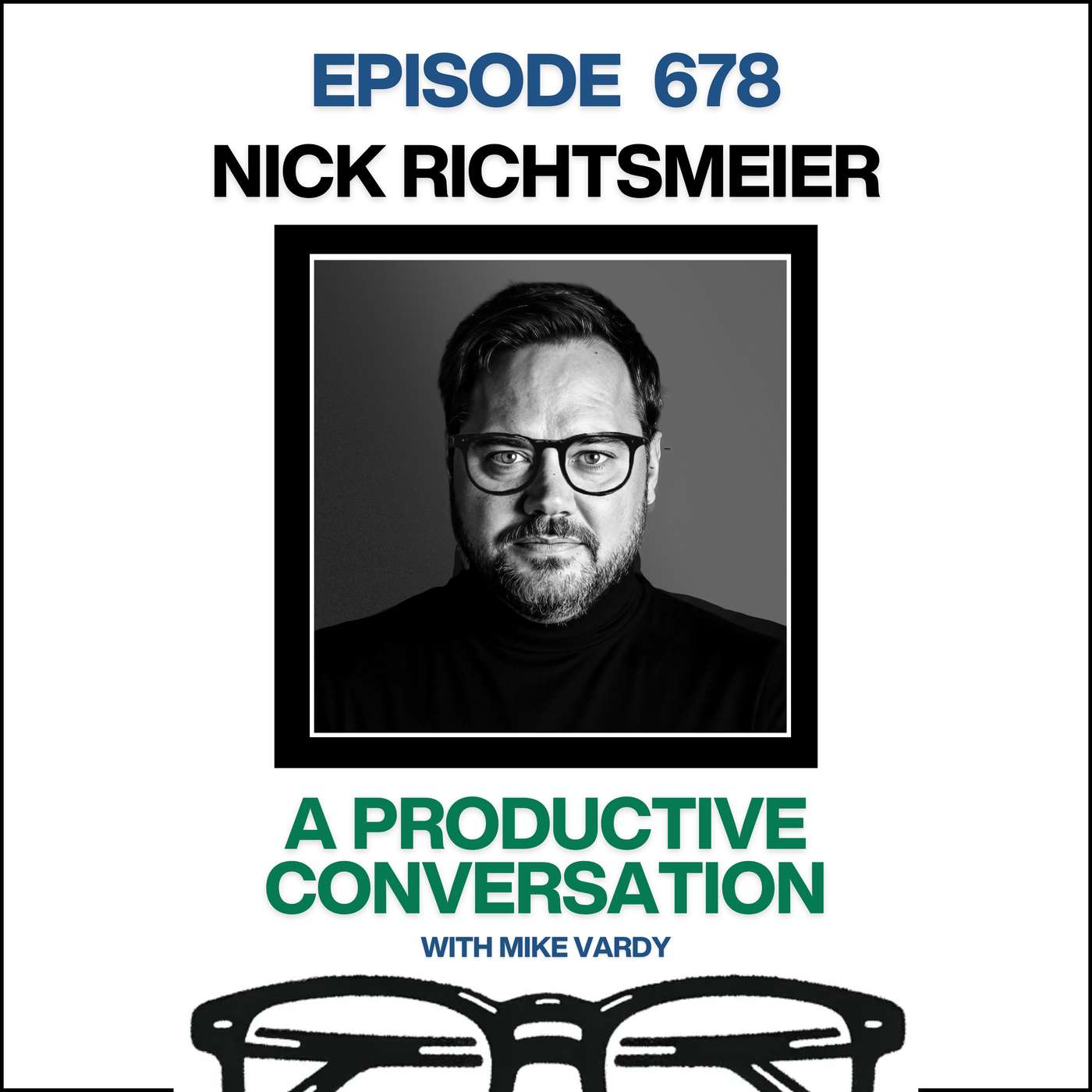 Trust Is Broken, and Optimization Won't Fix It (with Nick Richtsmeier) | My book, Productiveness, is now available. It's about the difference between doing more and doing what matters, and how we lost the ability to tell them apart. I'll send the release date the day it's set. Visit https://mikevardy.com/productiveness to learn more and get your copy today.We're at a forty-year low for trust across nearly every institution, and the reflex is to reach for something faster — a better funnel, a tighter system, an optimization. Nick Richtsmeier's argument is that the reflex is the problem. The things that actually rebuild trust are slow, uncomfortable, and resistant to being made efficient, which is exactly why so few people do them.Nick is the author of The Damn Rules: How Vulnerability, Inefficiency, and Love Liberate Leaders from the Trustbroken Economy, and he's clear that none of the seven rules in it are surprising. You don't read them and think he's a genius. You read them and think: that's true, and I wish it weren't, because my life would be easier. We got into why impatience is a symptom rather than the disease, why being a "category of one" works against you, why the customer is wrong without meaning to be, and why efficiency is a fine tool for managing waste and a terrible one for building anything people care about.Six Discussion PointsImpatience is downstream of the real problem — going after it directly just produces resistance, because what's actually driving it is exhausted nervous systems, anxiety and isolation.We're all playing in an attention casino: miserable most of the time, with occasional payouts just large enough to keep us pulling the arm.People move through resistance on a cocktail of three things — better information, more support, or more pain — and better information is the least important of the three, because we can talk ourselves out of information all day."Who am I being in this situation?" does more than any personality framework, because identity is largely repeatable behaviour, and change starts when someone sees their own pattern rather than the problem.The customer is wrong, and not maliciously — humans are poor predictors of their own behaviour under changed circumstances, which makes customer will a moving target rather than a North Star.Being a category of one is trust-breaking rather than advantageous; competition supplies the contrast that makes a decision easy, and without it you carry the entire burden of proving the category should exist.Three Connection PointsThe Damn Rules by Nick RichtsmeierDamns Given — Nick's ongoing workStop Managing Your Time, Start Crafting Your Time InsteadThe line I keep turning over is Nick's: inefficiency is load-bearing. We've spent a couple of decades treating every inefficiency as a defect to be engineered out, and what we've engineered out along with it is most of what made people trust each other. If your strategy is to do as much as possible, as fast as possible, as cheaply as possible, it's worth asking what that strategy is actually building — and whether anyone will care about it when it's built. | 32m 16s | ||||||
| 9/30/26 | 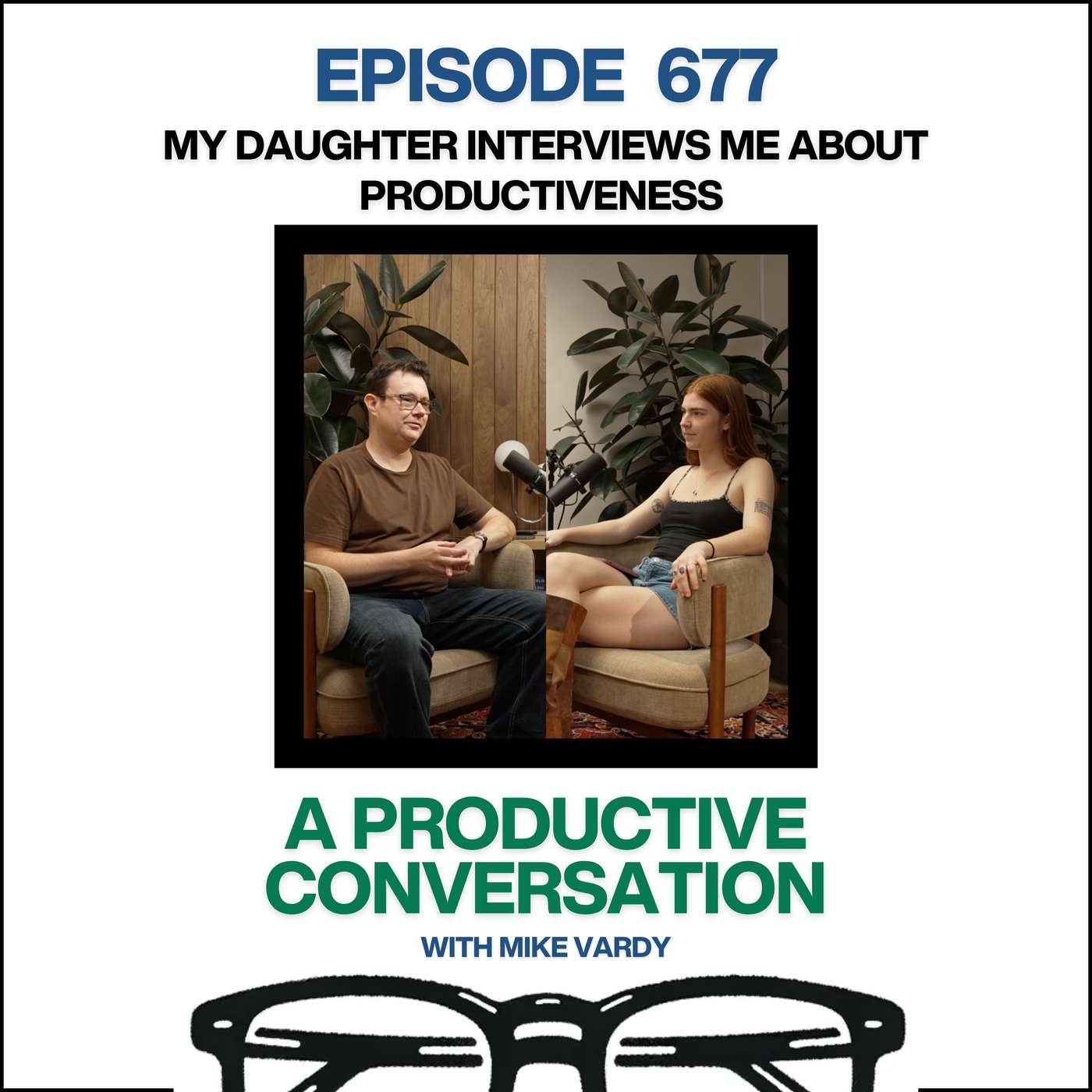 My Daughter Interviews Me About Productiveness (with Grace Vardy) | My book, Productiveness, is now available. It's about the difference between doing more and doing what matters, and how we lost the ability to tell them apart. I'll send the release date the day it's set. Visit https://mikevardy.com/productiveness to learn more and get your copy today.Normally I'm the one asking the questions. This time I wasn't. I was in New York for Podcast Movement, my daughter Grace came down from Montreal to meet me — partly for a concert, let's be honest — and since we were both sitting in a studio anyway, we turned the tables. She'd written her own questions. She hadn't read the book. I had no idea where any of it was going.What came out of it is the most personal conversation I've put on this feed in a long time: why productiveness is a state and not a rate, and why that distinction matters more than it sounds like it should; which of the nine principles I actually struggle with, and the reframe a therapist gave me years ago that changed how I measured a decade of my working life; why I've cut interviews on this show from fifty-two a year to twelve; and why, after eighteen years of doing this, I've never once described myself as a podcaster.It felt right to put this one out on International Podcast Day. Eighteen years, no breaks, and the thing I keep coming back to is that the show was never the point — it's the connective tissue between everything else.Six Discussion PointsProductiveness predates productivity as a word, and the substitution quietly swapped a state for a rate — which matters because a state is tethered to identity in a way a rate never is.Data can change your rate. It can't change your state — which is why measurement alone has never made anyone feel less behind."Is this the right app?" is almost never the first question; whether the work is aligned with your energy is, and most systems will never stop to ask it.A therapist's reframe — that you're a stay-at-home parent who happens to run a business, rather than a business owner who happens to be at home — leaves every fact unchanged and completely alters what success was ever supposed to look like.Cadence is the hardest principle to hold because the seasons of a life keep invalidating the rhythm that was working, and grace is what makes that survivable rather than damning.Legacy is built by the ride rather than designed at the end of it, and you don't get a vote in how it turns out — which is an argument for being more interested in the ride than the result.Three Connection PointsProductivenessThe Front Nine-era photo of Grace and ColtonGrace's ask: She's a psychology student looking for lab experience. If you're a teacher, psychologist or sociologist with room in your lab, get in touch and I'll pass it along.Grace has been around for this work her entire life — she wrote show notes for this show as a teenager for twenty dollars an episode, which she brought up on air and which I had genuinely forgotten. Getting to have this conversation with her, in a studio, in a city we were both in for completely different reasons, is about as good an illustration of the ride-over-the-result argument as I could have staged on purpose. I didn't stage it. That's rather the point. | 1h 01m 52s | ||||||
| 9/23/26 |  You Didn't Fall Behind This Summer. You Just Stopped. | My book, Productiveness, is now available. It's about the difference between doing more and doing what matters, and how we lost the ability to tell them apart. I'll send the release date the day it's set. Visit https://mikevardy.com/productiveness to learn more and get your copy today.I missed two Wednesday livestreams this month, and I spent more time than I'd like to admit trying to decide whether that meant I'd fallen behind. Somewhere in there I realized I was asking the wrong question. Falling behind and stopping are not the same thing — they just feel the same and they get called the same name.Falling behind requires somebody waiting. There's a pace that was set, an agreement, a real person on the other side of it. Stopping is just the absence of motion. That's the whole definition. In this one I get into why confusing the two costs people entire summers, the three predictable ways re-entry breaks, and the distinction between consistency and cadence that finally made all of this click for me. I use my own two missed Wednesdays as the worked example throughout, because it would be a bit strange if I didn't.Six Discussion PointsFalling behind requires that someone was actually waiting; if you can't name them in four seconds, you didn't fall behind — you stopped, and nobody sends a bill for stopping.A guilty conscience quietly converts a neutral fact ("I stopped") into a moral one ("I failed"), and once it's moral you feel you have to atone before you're allowed to simply resume.The Full Restore assumes two weeks away had zero effect on your capacity — an expectation nobody would apply to running or to a language, but that we apply to our work constantly.The debt story treats rest as a withdrawal to be repaid, which quietly means rest was never rest at all; it was borrowing, and every day off becomes a loan against a future day of overwork.The clean slate delay is the most expensive of the three because it feels like planning when it's actually stalling with a calendar in your hand — a two-week stop becomes a six-week one.Consistency is mechanical and treats any gap as a broken chain; cadence is musical, and a rhythm can absorb a rest because rests are written into the score.Three Connection PointsSubscribe to The LanternThe 10-Second InboxListen to the Gary John Bishop conversation (APC668)A system you can return to is worth more than a system you never leave — because the one you never leave is going to get left eventually. Something always happens. When it does, the only thing that matters is whether you built something you can walk back into. If you stopped something in the last six weeks, the question isn't how you let it happen. It's whether this is a rest or a drift, and the only difference between those two is whether you come back. | 32m 01s | ||||||
| 9/16/26 | 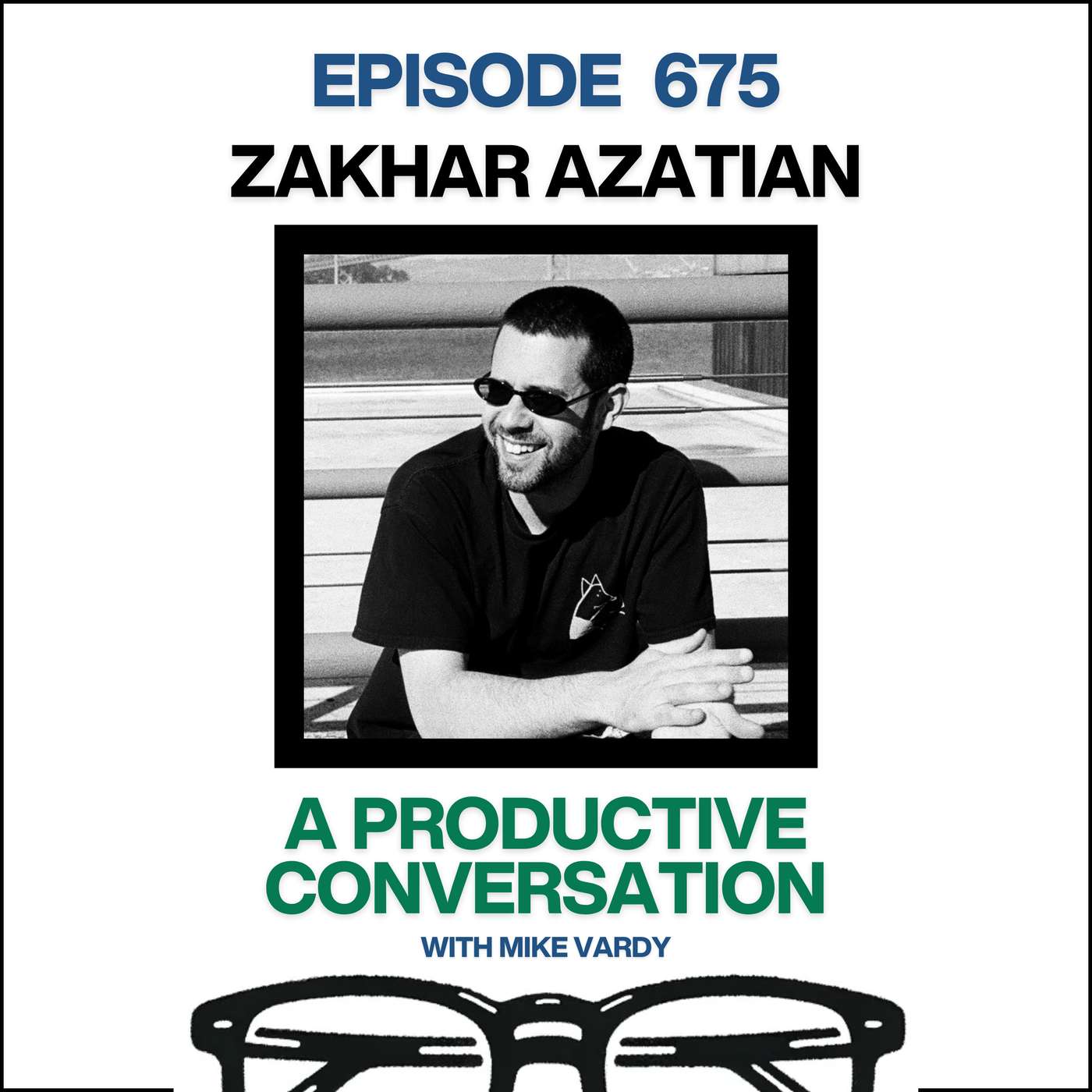 Why One Challenge Beats Ten (with Zakhar Azatian) | My book, Productiveness, is now available. It's about the difference between doing more and doing what matters, and how we lost the ability to tell them apart. I'll send the release date the day it's set. Visit https://mikevardy.com/productiveness to learn more and get your copy today.The appeal of a hard challenge is that nobody's pretending it's easy. Most of what gets sold to us leads with how simple it'll be; programs like 75 Hard do the opposite, and that honesty is a large part of why they work. But the failure mode is predictable, and it's not laziness — it's taking on so many challenges at once that none of them survive contact with an ordinary week.Zakhar Azatian — Zach — is a founder building Be Hard, a platform for structured personal challenges, and he's failed at more of these than he's completed, which makes him a more useful guide than someone with a perfect record. We got into why one challenge with one focus beats ten, how longer challenges force you across seasons and schedule changes in a way 30-day sprints don't, why "I forgot" is a more common failure cause than any lack of discipline, and why a challenge that looks indulgent from the outside can still be doing real work.Six Discussion PointsPrograms like 75 Hard succeed partly because they're honest about being hard, in a market that mostly competes on how easy something will be.Doing multiple challenges simultaneously is the most common way people fail — one challenge with one clear focus, even if it combines physical, social, and mental elements, is far more sustainable.Longer challenges force you across month boundaries, season changes, and disrupted schedules, which is exactly what reveals whether something actually fits your life.Most failures aren't about discipline — they're about a rescheduled task falling out of routine and simply being forgotten.A challenge should be designed around a specific problem you're trying to solve, which means the same activity can be a real challenge for one person and meaningless for another.Fitting a challenge into a full life usually requires removing something rather than finding time — but that removal has to be honest about what's actually optional.Three Connection PointsBe Hard — Zakhar's challenge platformConnect with Zakhar Azatian on LinkedInCheck out Mike's booksIf you've been circling a challenge you keep not starting, the useful question isn't whether you have the discipline. It's whether you've picked one thing instead of five, and whether you know what problem it's actually meant to solve. Get those right and the difficulty stops being the obstacle. | 25m 38s | ||||||
| 9/9/26 | productivitydecision making+3 | — | Productiveness | — | productivityproblem solving+3 | — | 45m 46s | ||
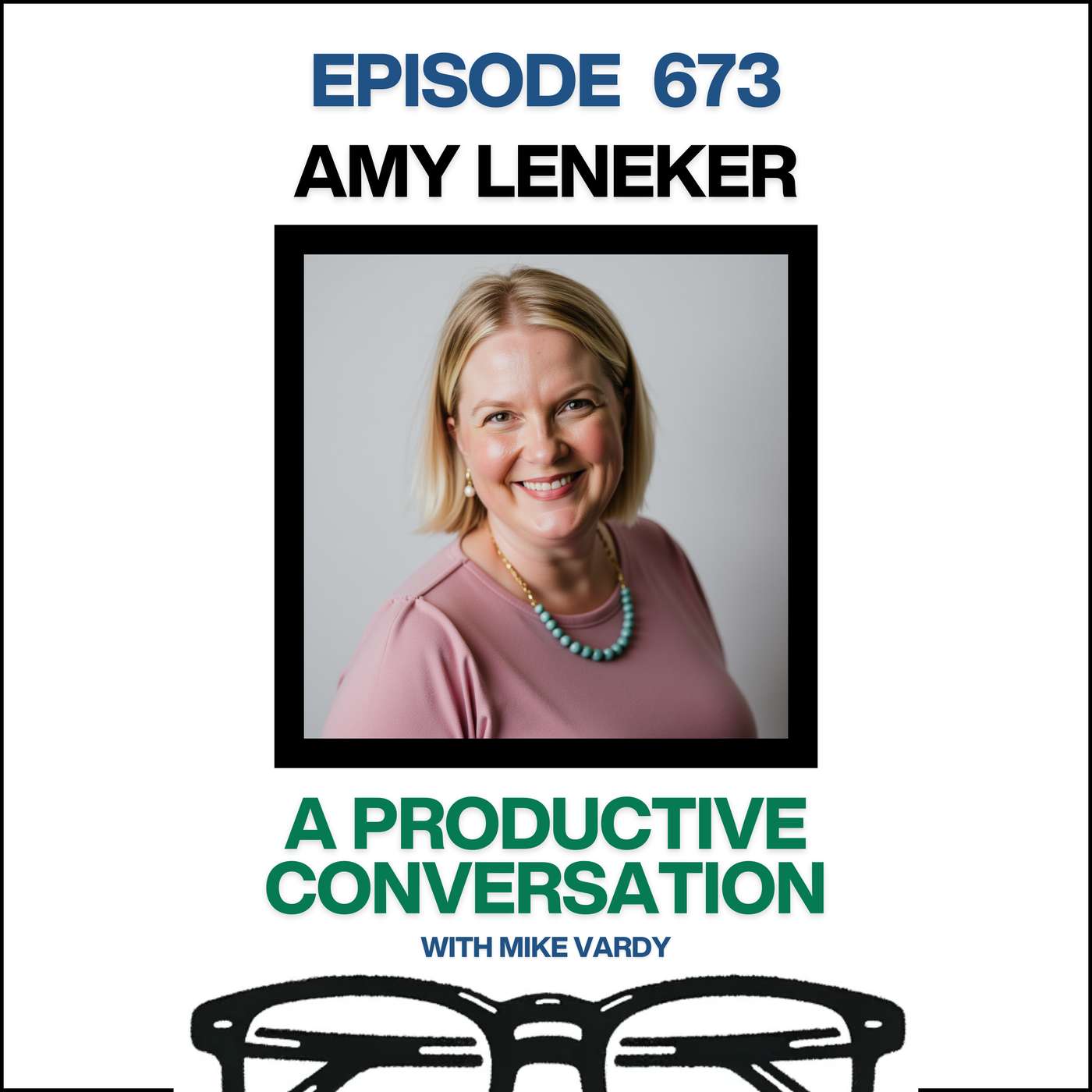
| 9/2/26 | work stresstypes of stress+3 | Amy Leneker | mikevardy.comProductiveness+1 | — | work stresstypes of stress+5 | — | 32m 09s | ||
| 8/26/26 | retreatwork-life balance+3 | — | Productiveness | — | retreatproductivity+5 | — | 27m 13s | ||
| 8/19/26 | quittingorganizational psychology+4 | Anthony Klotz | ProductivenessJolted: Why We Quit, When to Stay, and Why It Matters+1 | — | quittingjolts+4 | — | 44m 58s | ||
| 8/12/26 | aha momentepiphany+3 | Patrick Rhone | Productiveness | — | aha momentepiphany+5 | — | 44m 12s | ||
| 8/5/26 | logichuman mind+4 | Tom Griffiths | ProductivenessThe Laws of Thought: The Quest for a Mathematical Theory of the Mind+1 | — | logichuman mind+5 | — | 38m 34s | ||
| 7/29/26 | life philosophyontology+3 | Gary John Bishop | ProductivenessUnfuck Yourself+1 | — | life isontology+3 | — | 38m 47s | ||
| 7/22/26 | inbox zeromental space+3 | — | Productiveness | — | inbox zeromental space+5 | — | 22m 01s | ||
| 7/15/26 | procrastinationemotional intelligence+3 | Robin J Emdon | Tony RobbinsGet Resultsology: The Science of Getting Stuff Done | — | procrastinationemotional survival+3 | The 10 Second InboxINBOXTODAY | 52m 25s | ||
| 7/8/26 | toleranceetymology+3 | Patrick Rhone | mikevardy.comTed Lasso | — | toleranceetymology+5 | The 10 Second InboxINBOXTODAY | 44m 15s | ||
| 7/1/26 | sleepproductivity+4 | Shimin Ooi | Sleep Reset | — | sleepproductivity+6 | The 10 Second InboxINBOXTODAY | 40m 35s | ||
| 6/26/26 | measurementproductivity+4 | Dr. Henry Cloud | BoundariesNecessary Endings+1 | — | productivitymeasurement+4 | The 10 Second InboxINBOXTODAY | 49m 05s | ||
| 6/24/26 | focusdistraction+4 | — | TimeCrafting TrustThe Productivity Diet | — | attentiondistraction+5 | The 10 Second InboxINBOXTODAY | 50m 10s | ||
| 6/19/26 | pacingproductivity+3 | Elizabeth Svoboda | New York TimesPsychology Today+1 | — | pacingproductivity+5 | The 10 Second InboxINBOXTODAY | 40m 50s | ||
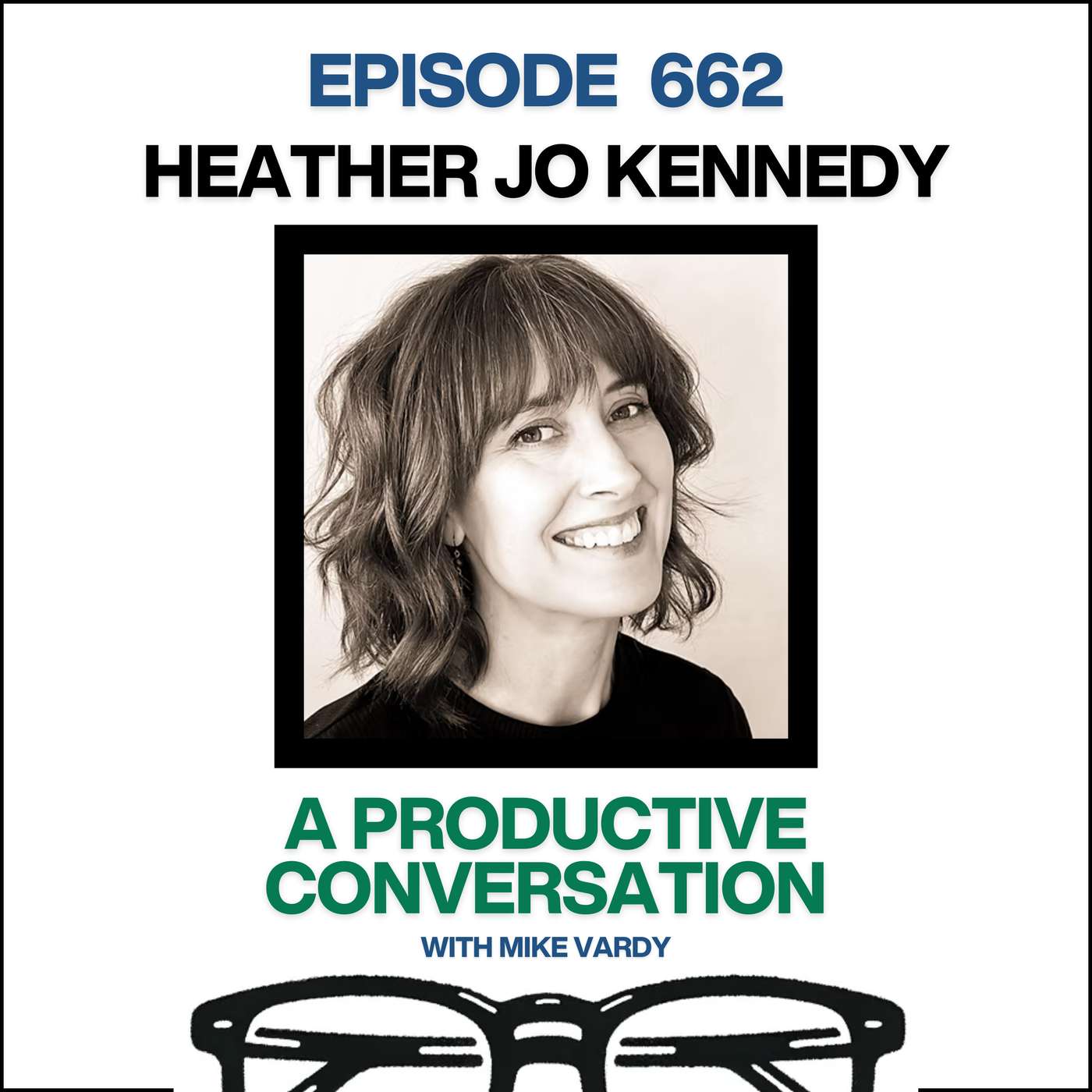
| 6/17/26 | productivityprinciples+4 | Heather Jo Kennedy | Duke UniversityFor Starters | — | productivityemail+6 | The 10 Second InboxINBOXTODAY | 41m 22s | ||
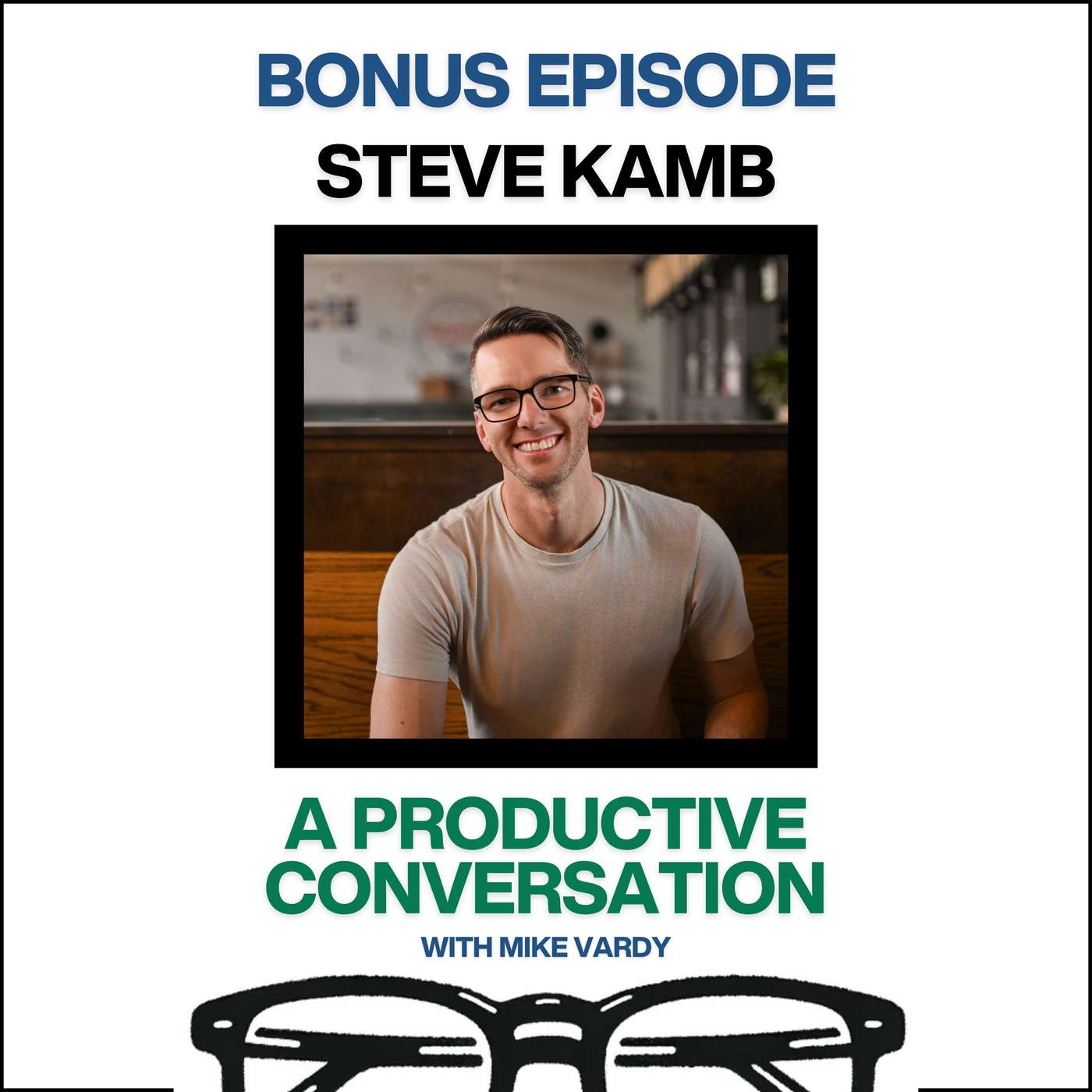
| 6/12/26 | productivitymindset+3 | Steve Kamb | Nerd FitnessHow to Try Again | — | normalPACT+4 | Your Clockwise Week | 42m 59s | ||
| 6/10/26 | prudencereflection+3 | Patrick Rhone | Productiveness | — | prudenceproductivity+3 | Your Clockwise Week | 53m 22s | ||
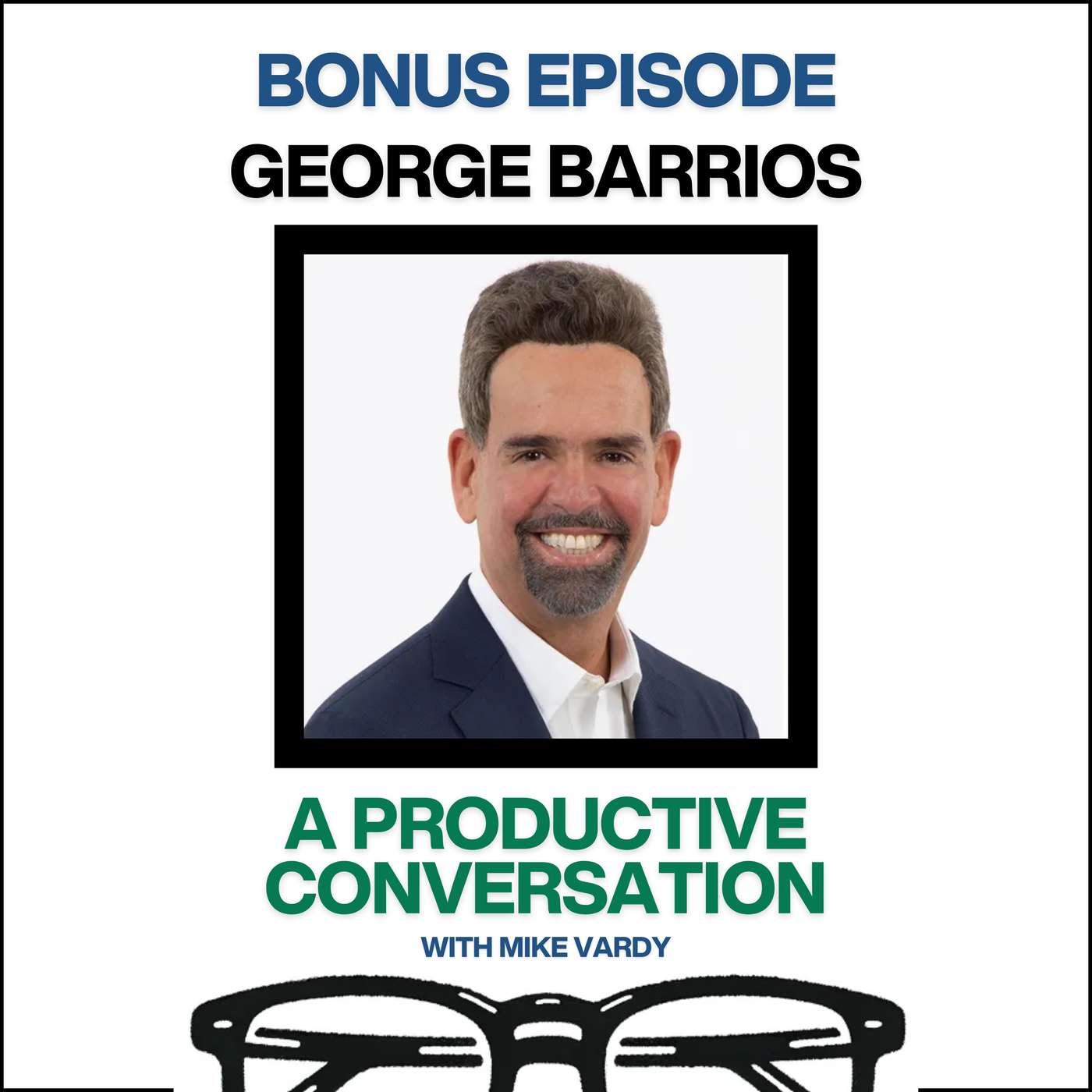
| 6/5/26 | confidencebravado+4 | George Barrios | WWESometimes Wrong, Never in Doubt: How a Cuban Kid from Queens Transformed WWE | Flushing, Queens | confidencebravado+6 | Your Clockwise Week | 56m 19s | ||
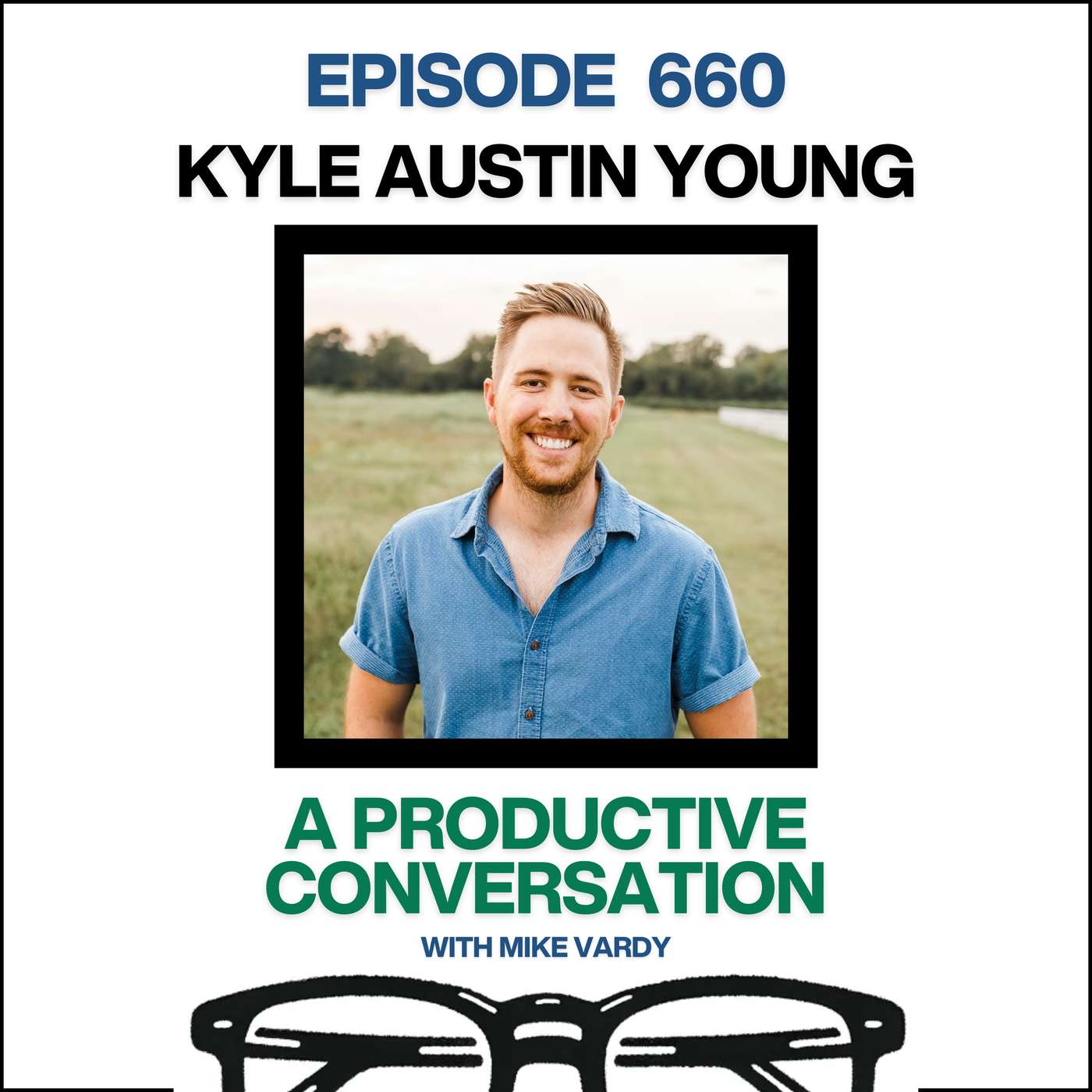
| 6/3/26 | probabilitydecision-making+4 | Kyle Austin Young | Success is a Numbers Game | — | successmindset+5 | Your Clockwise Week | 30m 46s | ||
| 5/27/26 | intentional livingproductivity+3 | — | mikevardy.com | — | intentional livingproductivity systems+5 | Your Clockwise Week | 47m 26s | ||
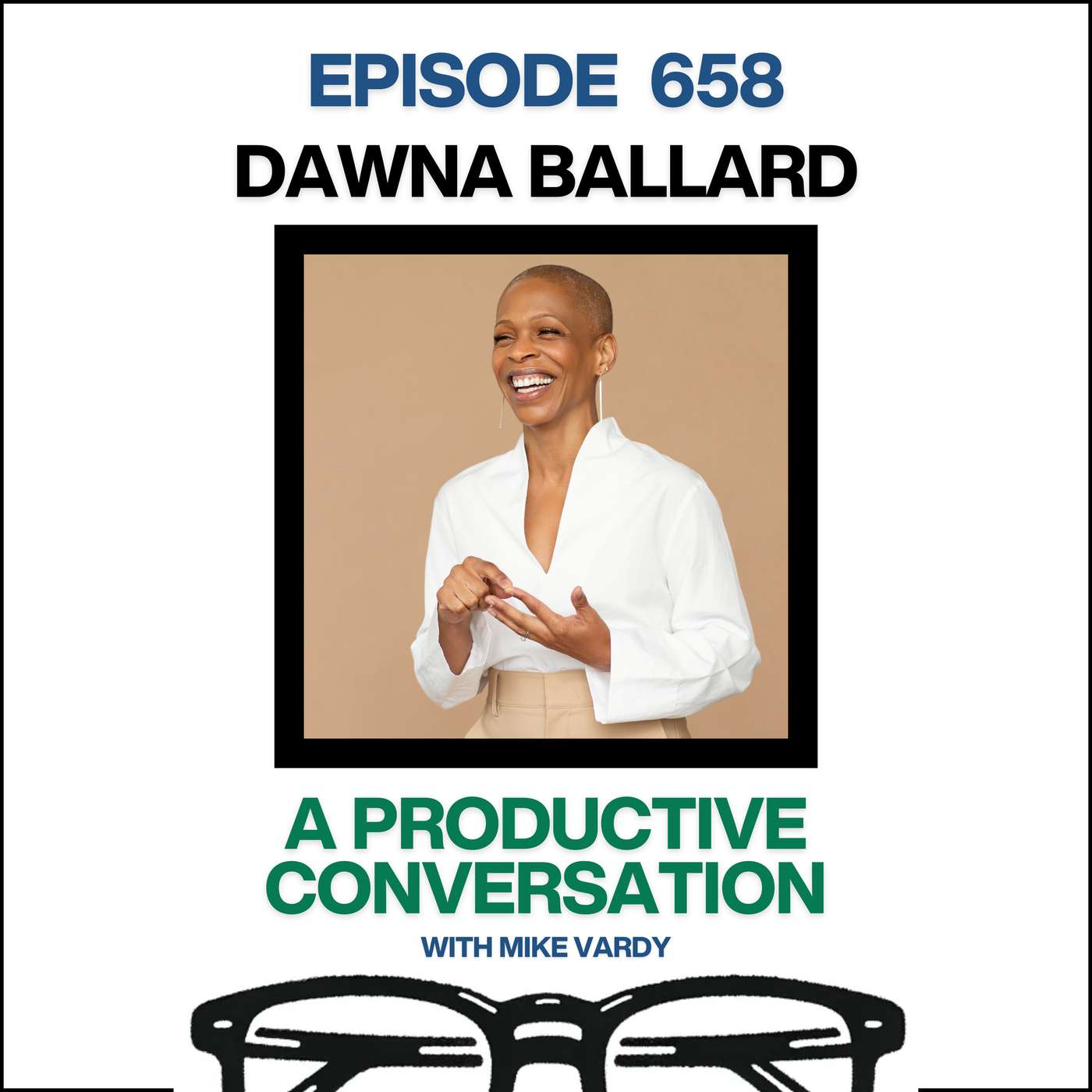
| 5/20/26 | productivitycommunication+3 | Dawna Ballard | University of Texas at AustinTime by Design: How Communicating Slow Allows Us to Go Fast | — | speedproductivity+5 | Your Clockwise Week | 58m 57s | ||
| 5/13/26 | gracetravel+3 | Patrick Rhone | Productiveness | Greece | gracetravel+5 | Your Clockwise Week | 54m 07s | ||
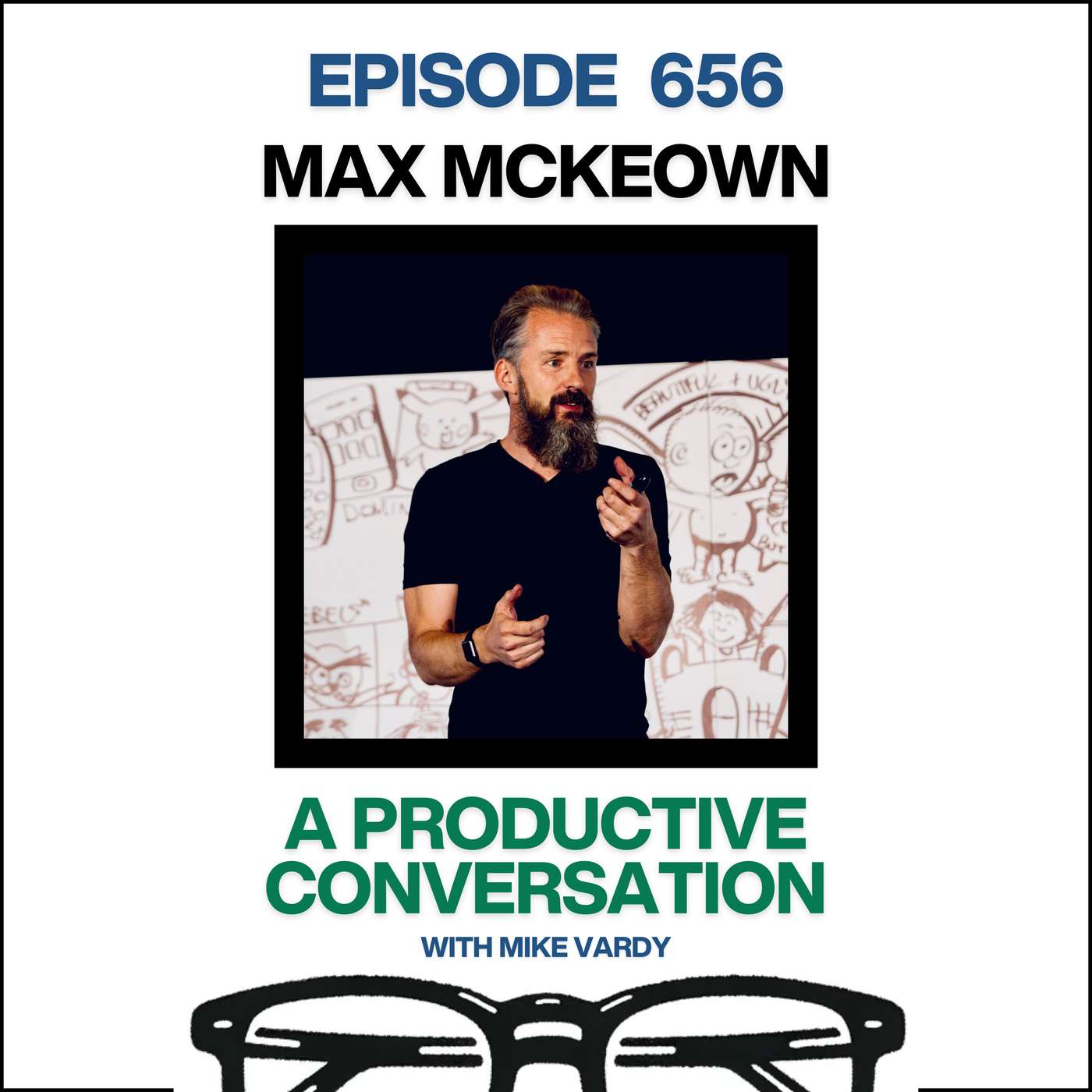
| 5/6/26 | superadaptabilityproductivity+4 | Max McKeown | LinkedInSuperAdaptability: How to Transcend in an Age of Overwhelm | — | overwhelmproductivity+5 | — | 46m 45s | ||
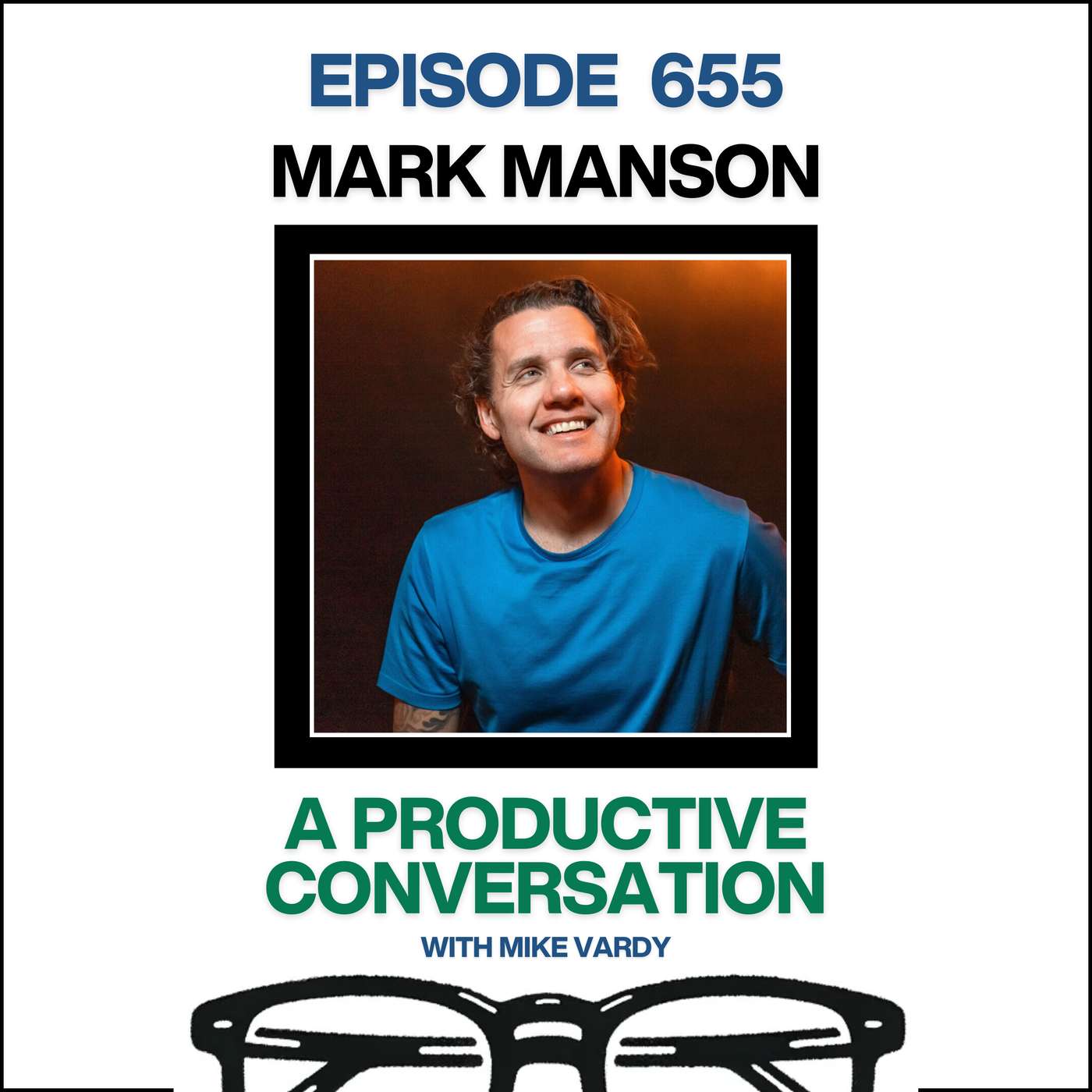
| 4/29/26 | self-improvementproductivity+3 | Mark Manson | SolvedPurpose+2 | — | self-helpimprovement+3 | Your Clockwise Week | 37m 33s | ||
| 4/22/26 | productivityintentional living+3 | Mark Manson | mikevardy.com | — | productivityintentional productivity+3 | Your Clockwise Week | 30m 55s | ||
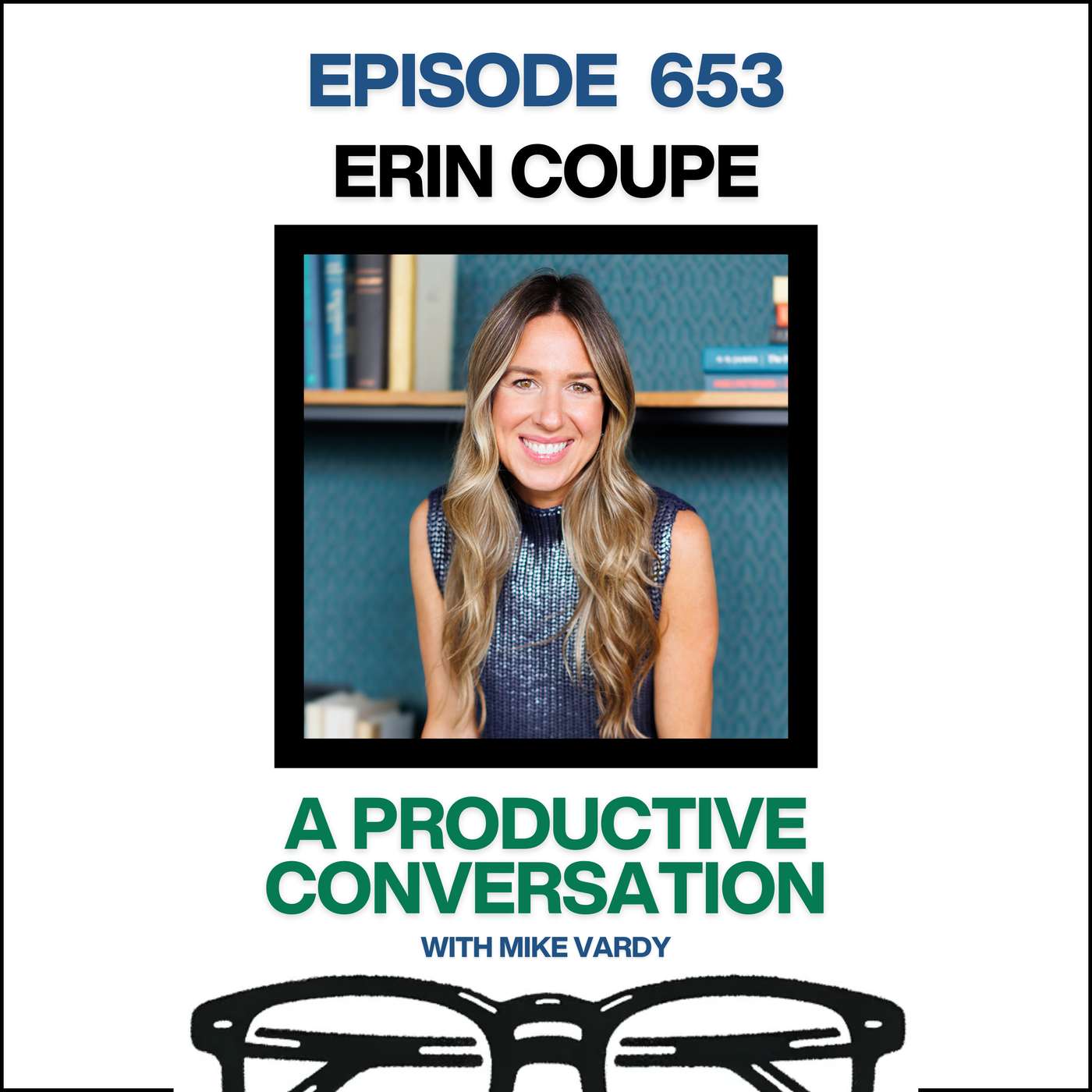
| 4/15/26 | routinesrituals+3 | Erin Coupe | I Can Fit That In: How Rituals Transform Your Life | — | routinesrituals+5 | Your Clockwise Week | 43m 38s | ||
| 4/8/26 | humanityproductivity+4 | Patrick Rhone | mikevardy.com | — | doing nothinghumanity+5 | Your Clockwise Week | 52m 02s | ||
| 4/1/26 | tryingpsychology+4 | Carla Ondrasik | Stop Trying: The Life Transforming Power of Trying Less and Doing More | — | tryingeffort+4 | Your Clockwise Week | 40m 30s | ||
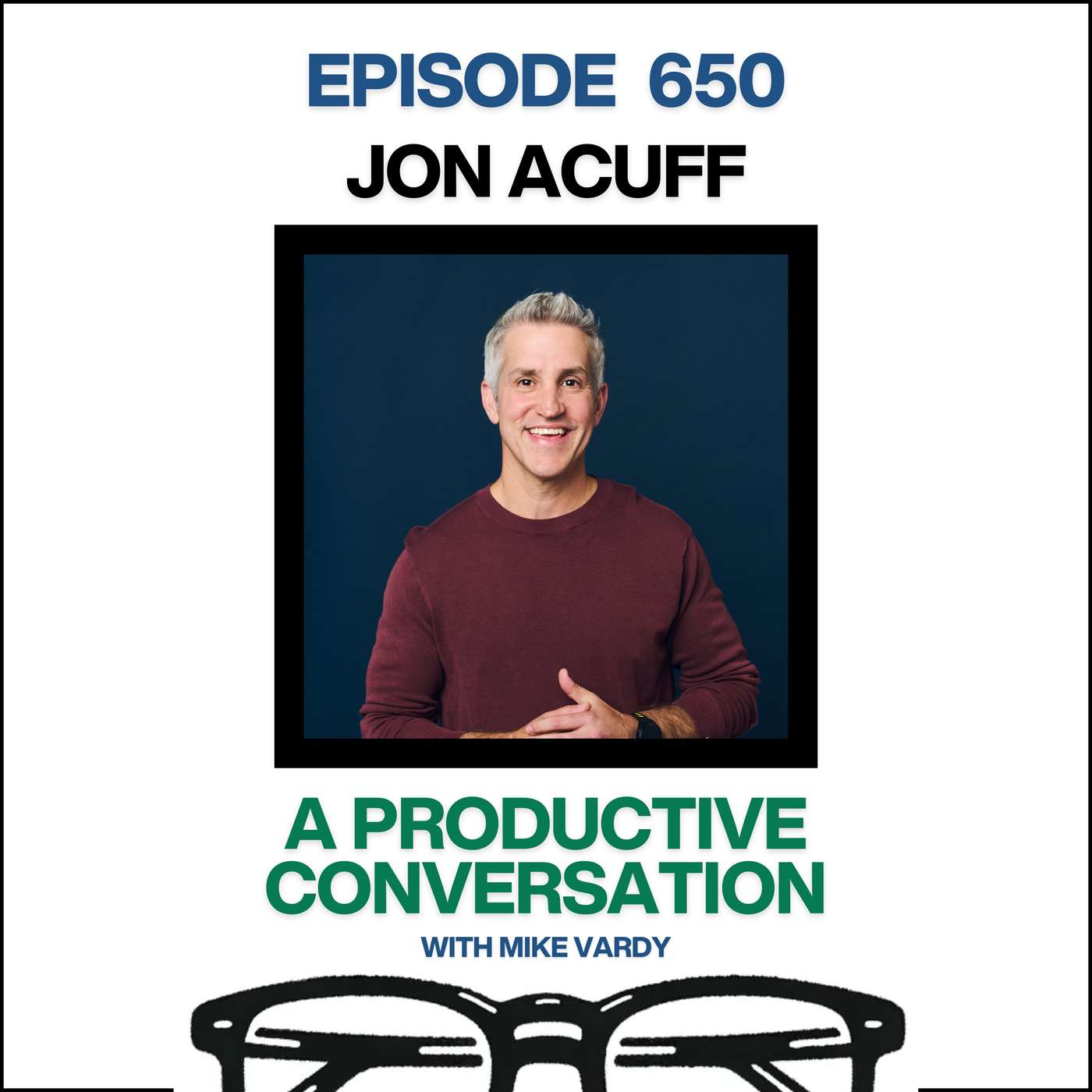
| 3/25/26 | procrastinationproductivity+4 | Jon Acuff | Procrastination Proofmikevardy.com | — | procrastinationproductivity+5 | Your Clockwise Week | 45m 10s | ||
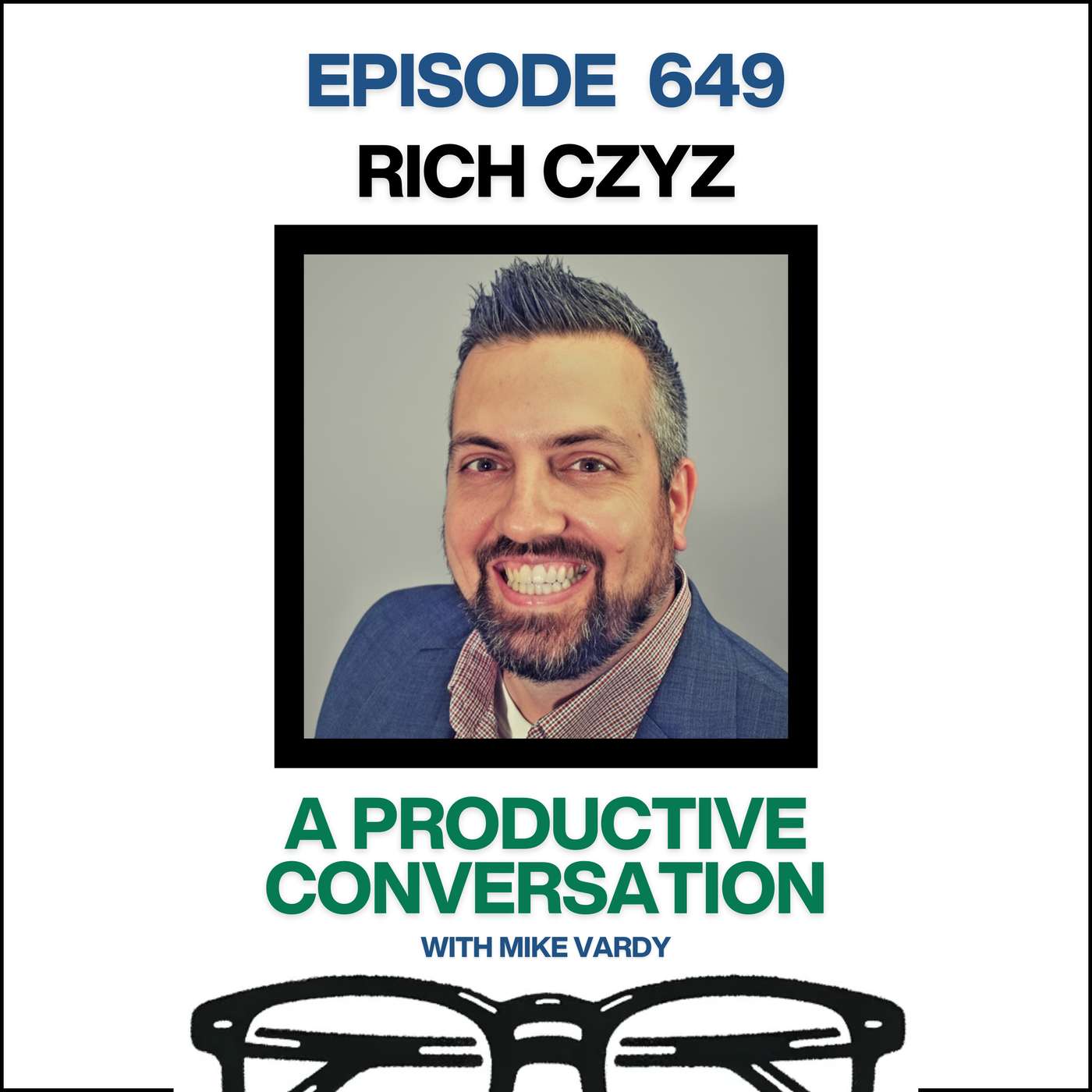
| 3/18/26 | productivityleadership+4 | Rich Czyz | Four O'Clock FacultyThe Practice of Productiveness+1 | — | productivityleadership+5 | Your Clockwise Week | 38m 43s | ||
| 3/11/26 | practicehigh performance+4 | Patrick Rhone | mikevardy.com | — | practiceresults+5 | Your Clockwise Week | 56m 15s | ||
| 3/4/26 | digital organizationproductivity+3 | Johnny Decimal | mikevardy.com | — | digital lifeorganization+3 | Your Clockwise Week | 48m 46s | ||
| 2/25/26 | flourishingperformance+5 | Daniel Coyle | The Culture CodeThe Talent Code | — | flourishingperformance+5 | Your Clockwise Week | 39m 51s | ||
| 2/18/26 | gratitudehandwritten letters+4 | Joel Zuckerman | Gratitude Tiger | — | gratitudeletters+5 | Your Clockwise Week | 35m 55s | ||

Showing 39 of 690
Pitch Fit is a Pro feature
See how bookable this show is for guests, which brands already advertise, the per-episode ad value, and the best-fit guest and sponsor profile. The numbers are blurred on the free plan.
How readily this show books outside guests like you.
How proven this show is for host-read sponsorships.
For Guests
ProFor Advertisers
ProUpgrade to Pro to unlock guest cadence, sponsor categories, fit scores, and per-episode ad value for this show.
Similar Audience Demographics
Podcasts that attract a similar listener profile

The Productivity Show
Asian Efficiency

Beyond the To-Do List - Productivity for Work and Life
Erik Fisher

Getting Things Done
GTD®
It's About Time | Time Management & Productivity for Work Life & Balance
Anna Dearmon Kornick

The 5 AM Miracle: Healthy Productivity for High Achievers
Jeff Sanders

The Mel Robbins Podcast
Mel Robbins

The Diary Of A CEO with Steven Bartlett
DOAC
Chart history for A Productive Conversation
Peaked at #25 in NG, currently #25 in NG.
| Market | Genre | Peak | Current | Trend |
|---|---|---|---|---|
| NG | — | #25 | #25 | — |
| HK | — | #93 | #93 | — |
| SG | — | #102 | #102 | — |
| PT | — | #126 | #126 | — |
| France | — | #145 | #145 | — |
| India | — | #157 | #157 | — |
| Netherlands | — | #185 | #185 | — |
| Finland | — | #195 | #195 | — |
Chart Positions
8 placements across 8 markets.
Chart Positions
8 placements across 8 markets.