
Insights from recent episode analysis
Audience Interest
Podcast Focus
Publishing Consistency
Platform Reach
Insights are generated by CastFox AI using publicly available data, episode content, and proprietary models.
Most discussed topics
Brands & references
Est. Listeners
Insufficient chart data. Estimates will improve as the show charts.
- Per-Episode Audience
Est. listeners per new episode within ~30 days
N/A🎙 Weekly cadence·62 episodes·Last published 2d ago - Monthly Reach
Unique listeners across all episodes (30 days)
N/A - Active Followers
Loyal subscribers who consistently listen
N/A
Market Insights
Platform Distribution
Reach across major podcast platforms, updated hourly
Total Followers
—
Total Plays
—
Total Reviews
—
* Data sourced directly from platform APIs and aggregated hourly across all major podcast directories.
On the show
From 10 epsHosts
Recent guests
Recent episodes
America's favorite popsicle: the Bomb Pop
Jun 25, 2026
Unknown duration
Why Kansas City won the World Cup
May 27, 2026
Unknown duration
Carving Kansas City out from limestone
Apr 29, 2026
Unknown duration
How women made the U.S. a soccer powerhouse
Mar 25, 2026
42m 05s
Reclaiming the right to jaywalk
Feb 17, 2026
27m 01s
Social Links & Contact
Official channels & resources
Official Website
Login
RSS Feed
Login
Resolving iTunes ID\u2026 if this persists, the podcast may not be indexed on Apple Podcasts.
| Date | Episode | Topics | Guests | Brands | Places | Keywords | Sponsor | Length | |
|---|---|---|---|---|---|---|---|---|---|
| 6/25/26 |  America's favorite popsicle: the Bomb Pop | Invented in Kansas City in 1955, the Bomb Pop is the ultimate shorthand for nostalgic Americana — a throwback to the simple days of ice cream trucks, July 4th fireworks and humid summer nights. But Mackenzie Martin reports that during the Cold War, some parents revolted over the symbolism of selling a red-white-and-blue frozen weapon of war to children. This episode of A People's History of Kansas City was reported, produced, and mixed by Mackenzie Martin with editing by Suzanne Hogan and Gabe Rosenberg. | — | ||||||
| 5/27/26 |  Why Kansas City won the World Cup | Kansas City’s efforts to host the World Cup go back all the way to 1988. Now the tournament is finally here, after four years of preparations that not only reshaped the metro’s infrastructure, but also solidified its identity as a true soccer city. How did we land such a big event, and are we ready?Suzanne Hogan brings us the fourth installment of our mini-series on Kansas City’s soccer history.This episode of A People's History of Kansas City was reported, produced, and mixed by Suzanne Hogan with editing by Mackenzie Martin and Gabe Rosenberg.This is the final installment of a series leading up to the 2026 World Cup in collaboration with the Great Game Lab at Arizona State University, which explores how sport connects the us to the rest of the world, and the Us@250 Initiative at New America.Read and listen to the first installment, "The immigrants who made us a soccer city," the second installment, "Lamar Hunt and the dream of U.S. soccer," and the third instsallment, "How women made the U.S. a soccer powerhouse."If you know about a local champion of soccer in Kansas City who helped bring the city to this extraordinary moment, email us at peopleshistorykc@kcur.org | — | ||||||
| 4/29/26 | 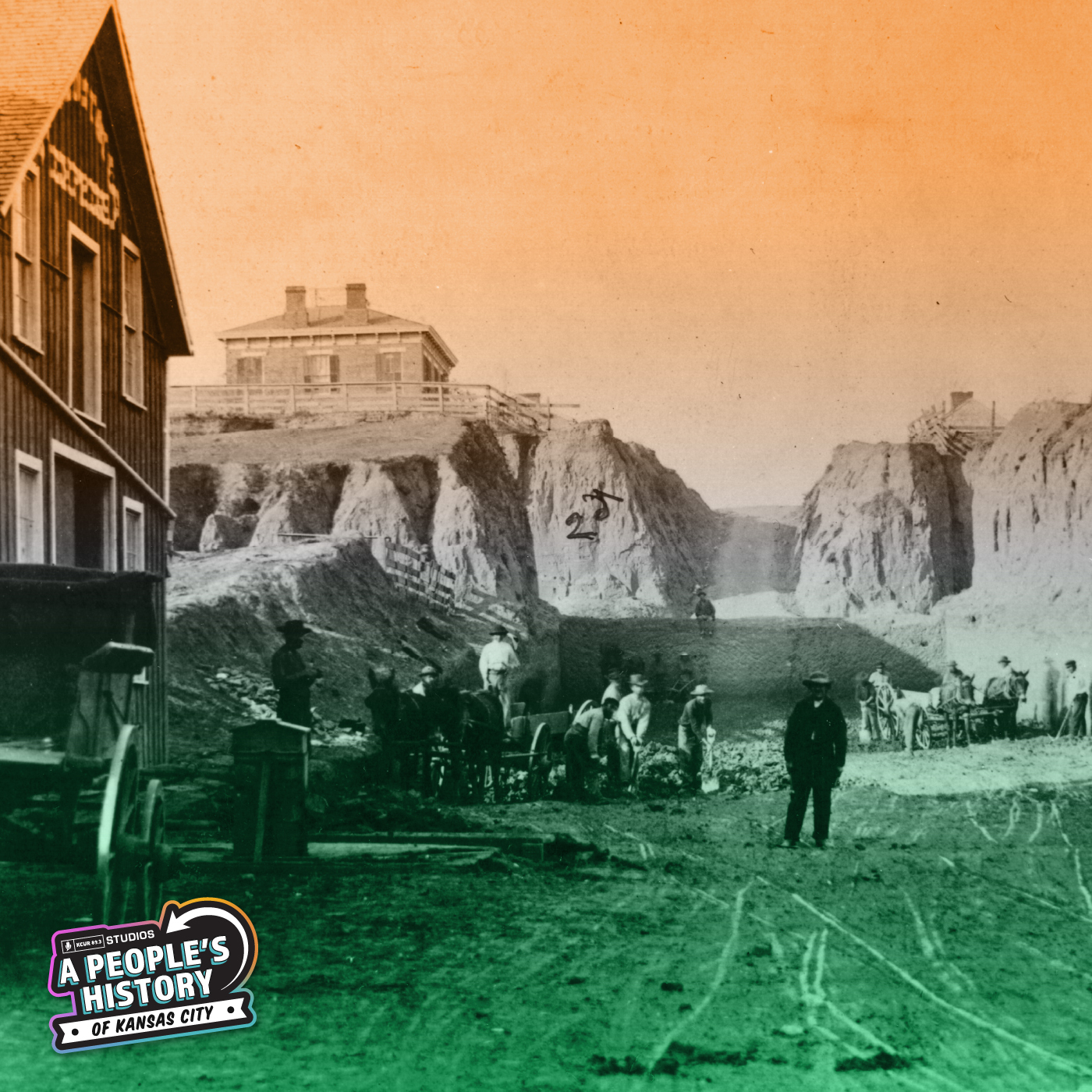 Carving Kansas City out from limestone | Bluffs up to 120 feet tall once hugged the Missouri River by Kansas City — making it difficult to traverse the landscape and expand the growing town. So in the mid-1800s, a Catholic priest named Father Bernard Donnelly recruited hundreds of Irish immigrants for a dangerous but critical task: sculpting the city's streets from mountains of rock and mud. KCUR's Jacob Smollen reports. This episode of A People's History of Kansas City was reported, produced, and mixed by Jacob Smollen with editing by Suzanne Hogan, Mackenzie Martin and Gabe Rosenberg. | — | ||||||
| 3/25/26 | 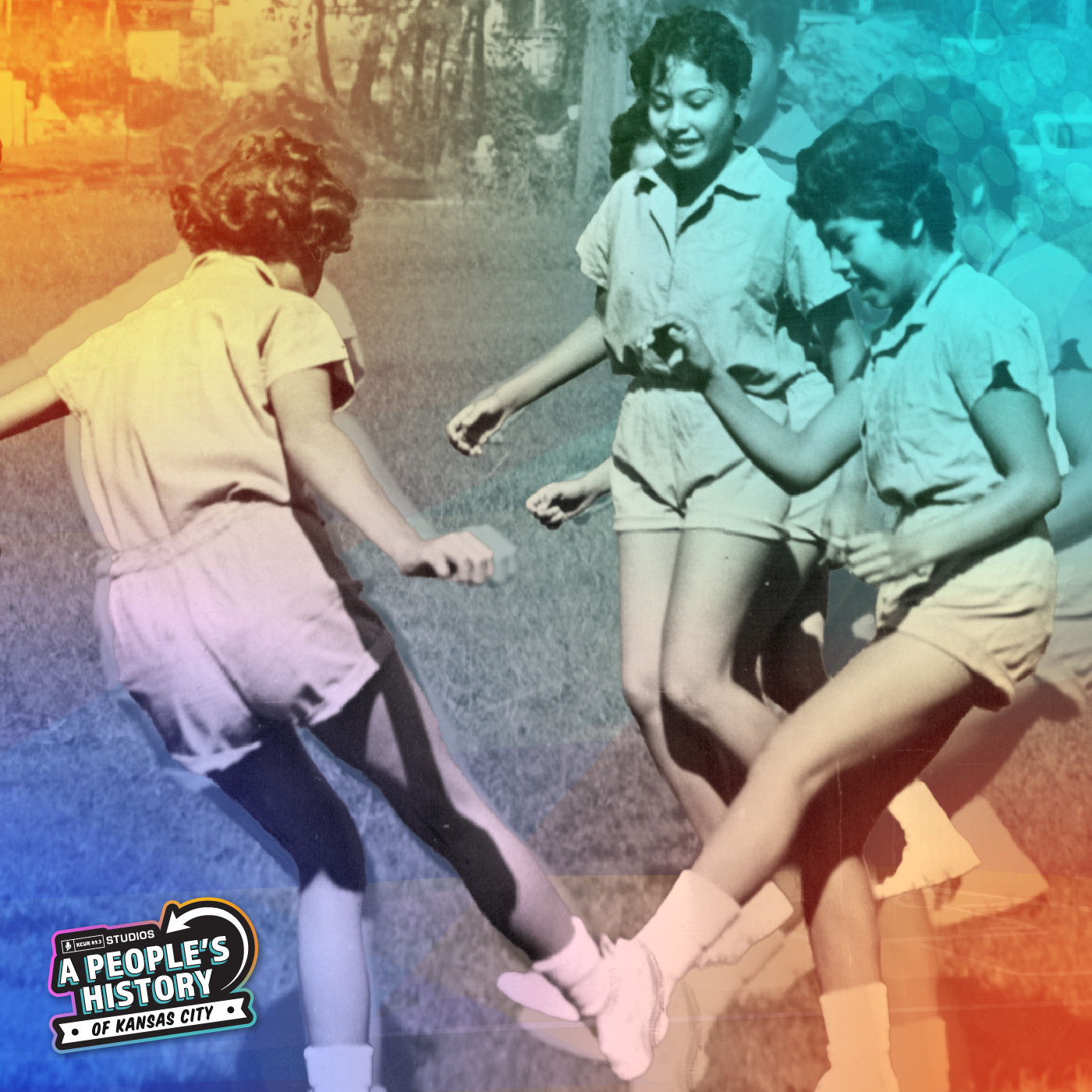 How women made the U.S. a soccer powerhouse✨ | women's soccerKansas City+2 | — | KCURthe Great Game Lab+6 | U.S.Kansas City’s+2 | soccersports history+2 | — | 42m 05s | |
| 2/17/26 | 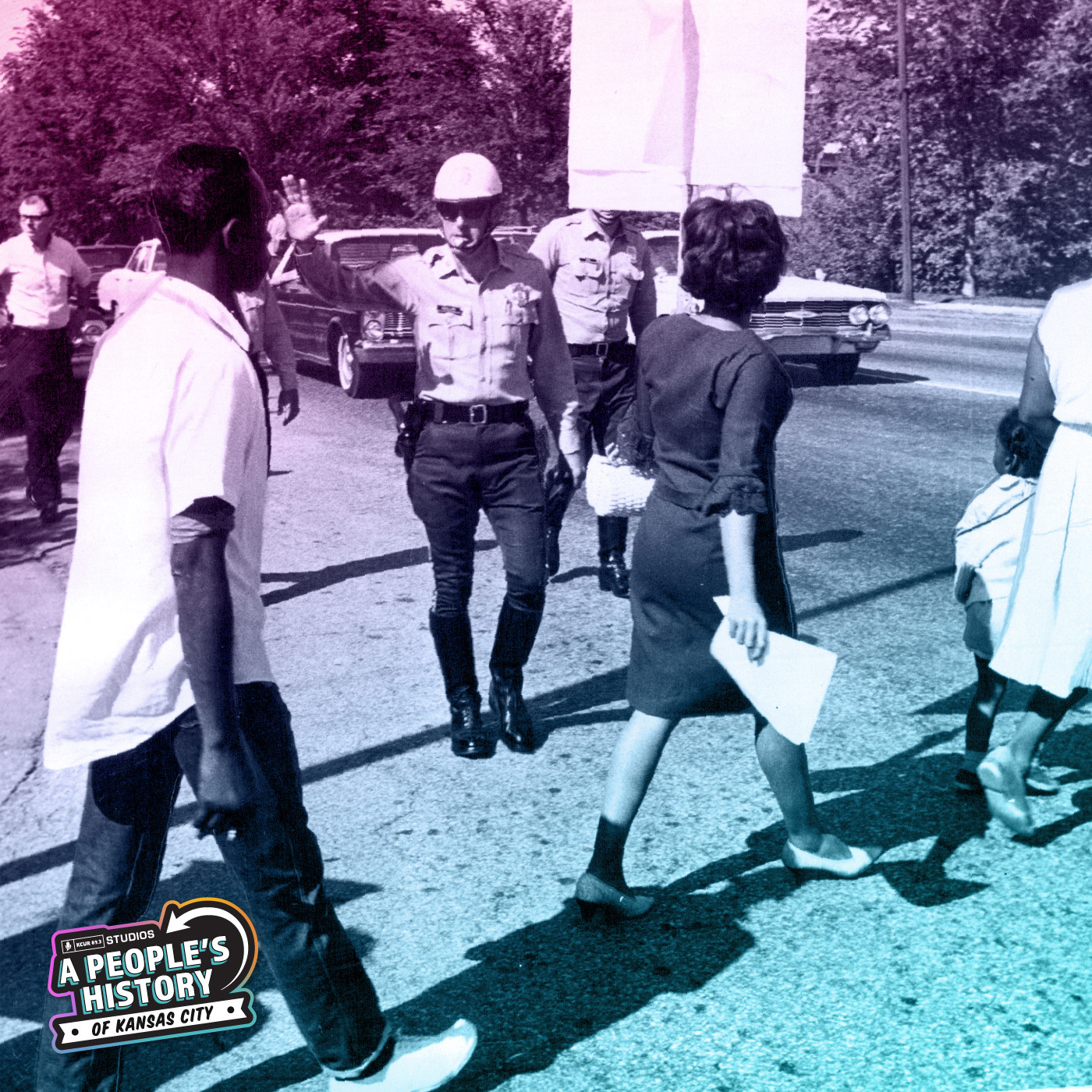 Reclaiming the right to jaywalk✨ | jaywalkinglaw+2 | — | A People's History of Kansas City | Kansas CityMissouri | anti-jaywalking ordinanceBlack men+2 | — | 27m 01s | |
| 1/29/26 | 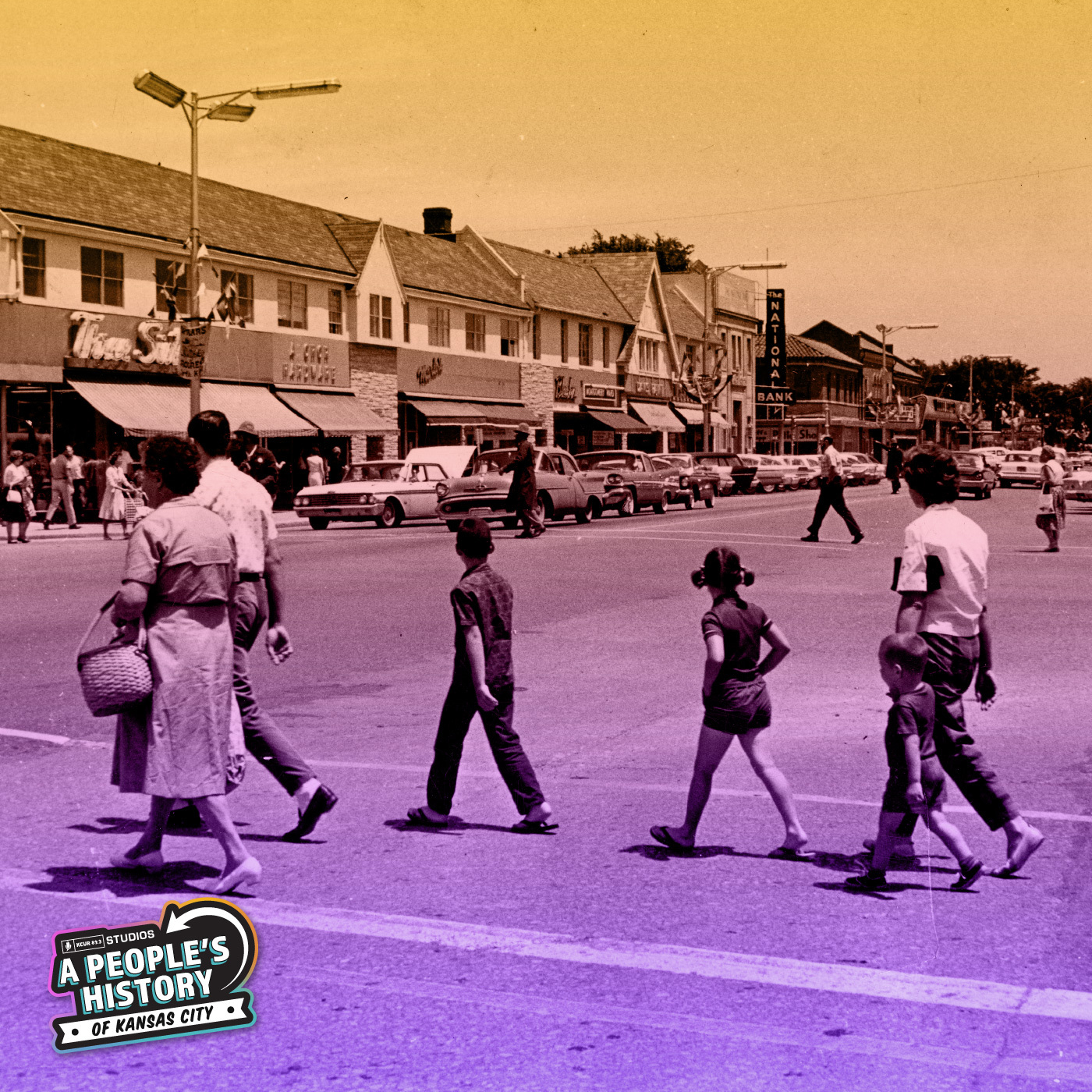 When jaywalking became a crime✨ | jaywalkinghistory+2 | — | — | Kansas CityU.S. | Kansas Citycrime+2 | — | 26m 46s | |
| 12/17/25 |  Leila’s Hair Museum lives on✨ | hair artmuseum+2 | Julie Denesha | Leila’s Hair MuseumKCUR+1 | IndependenceMissouri+1 | Leila Cohoonhair jewelry+1 | — | 27m 12s | |
| 11/21/25 | 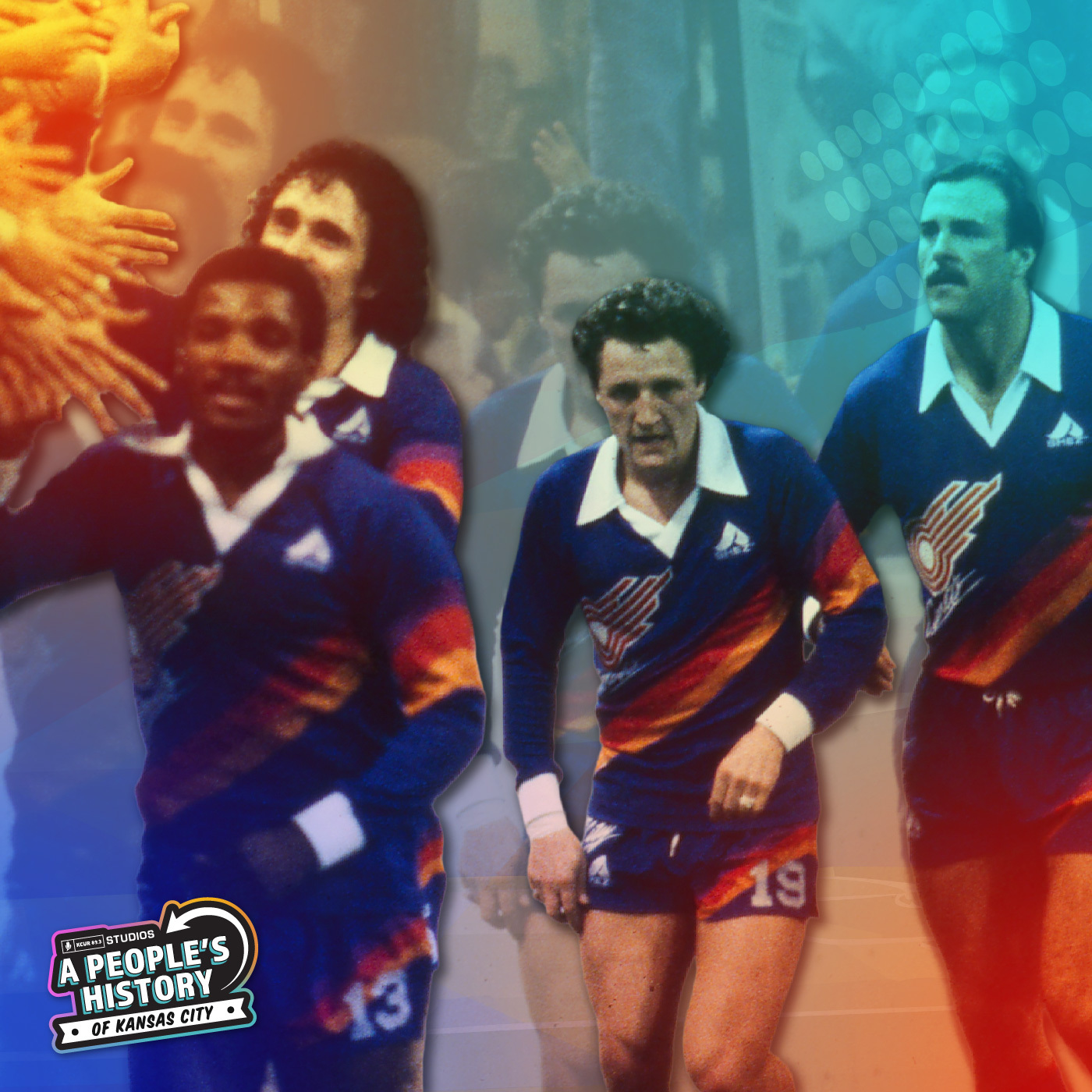 Lamar Hunt and the dream of U.S. soccer✨ | soccerhistory+3 | — | ChiefsMLS+5 | U.S.the United States+2 | Kansas Citysoccer history+2 | — | 37m 37s | |
| 10/20/25 | 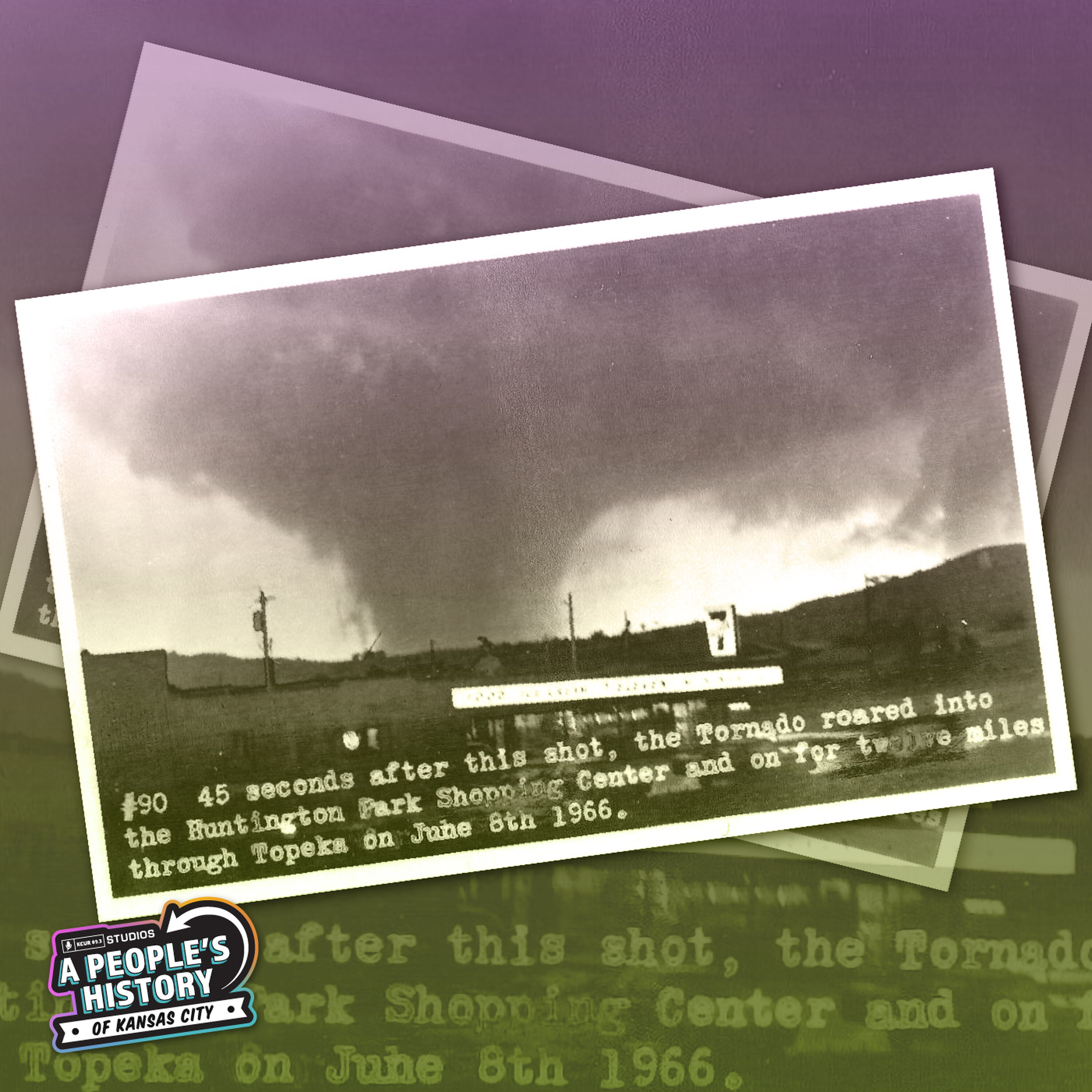 Are tornado urban legends like the ‘Tonganoxie Split’ real?✨ | tornadoesurban legends+1 | — | KCUR | TonganoxieKansas+1 | Tonganoxie Splitsacred places+2 | — | 27m 51s | |
| 9/26/25 | 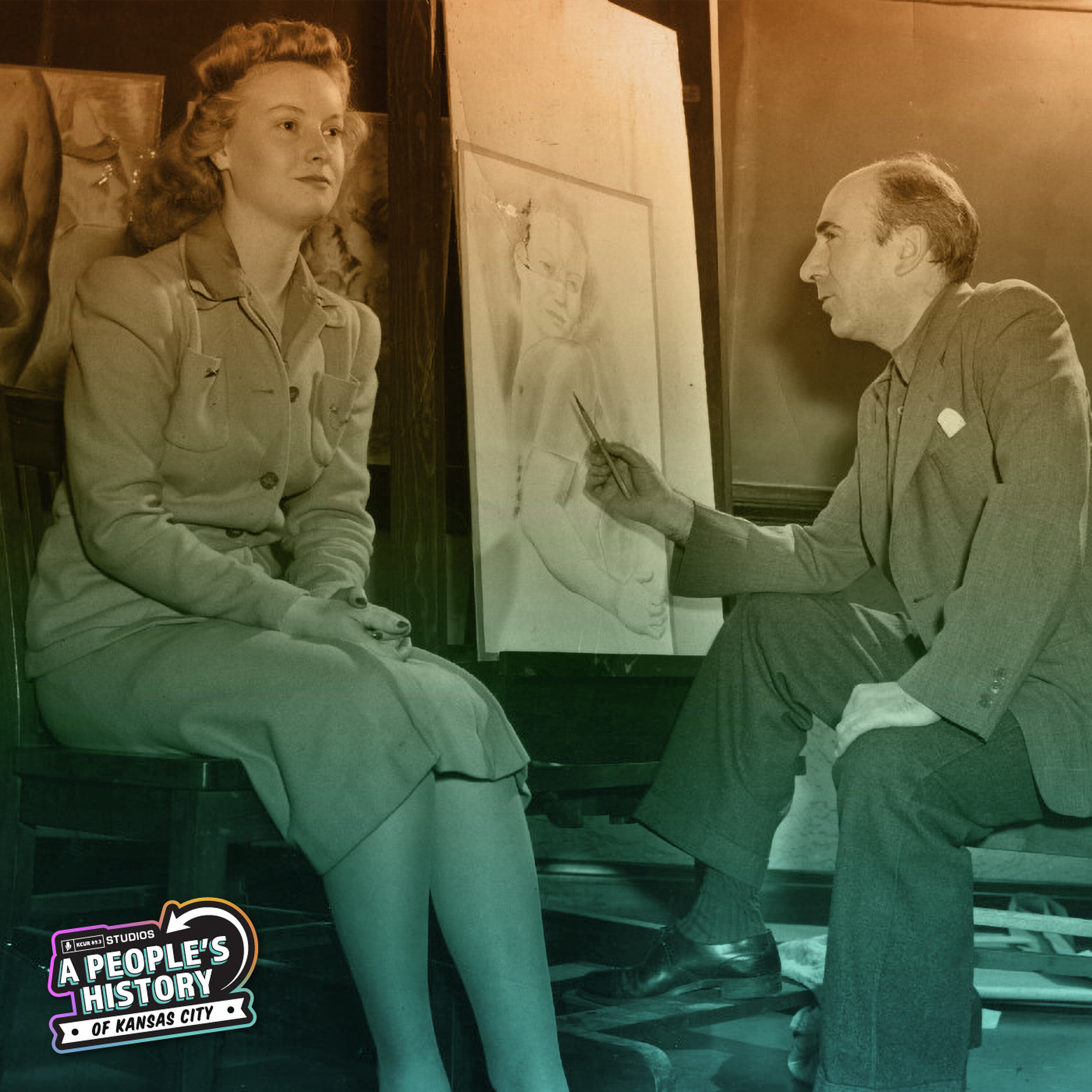 This mural defies fascists✨ | artfascism+2 | — | the University of Missouri-Kansas CityKCUR | Spain | muralUniversity of Missouri-Kansas City+2 | — | 30m 52s | |
Want analysis for the episodes below?Free for Pro Submit a request, we'll have your selected episodes analyzed within an hour. Free, at no cost to you, for Pro users. | |||||||||
| 8/5/25 |  A mystery in Marion: Who was behind the newspaper raid?✨ | newspaper raidlocal journalism+2 | — | KCURQuestion Everything | MarionKansas | Kansassearch warrant+2 | — | 27m 46s | |
| 8/5/25 |  PHKC Live! Test your Missouri history knowledge with us✨ | Missouri historybingo+1 | — | PHKCKCUR+1 | MissouriNorth Kansas City+1 | Kansas Citytrivia+1 | Missouri Humanities | 2m 03s | |
| 7/15/25 | 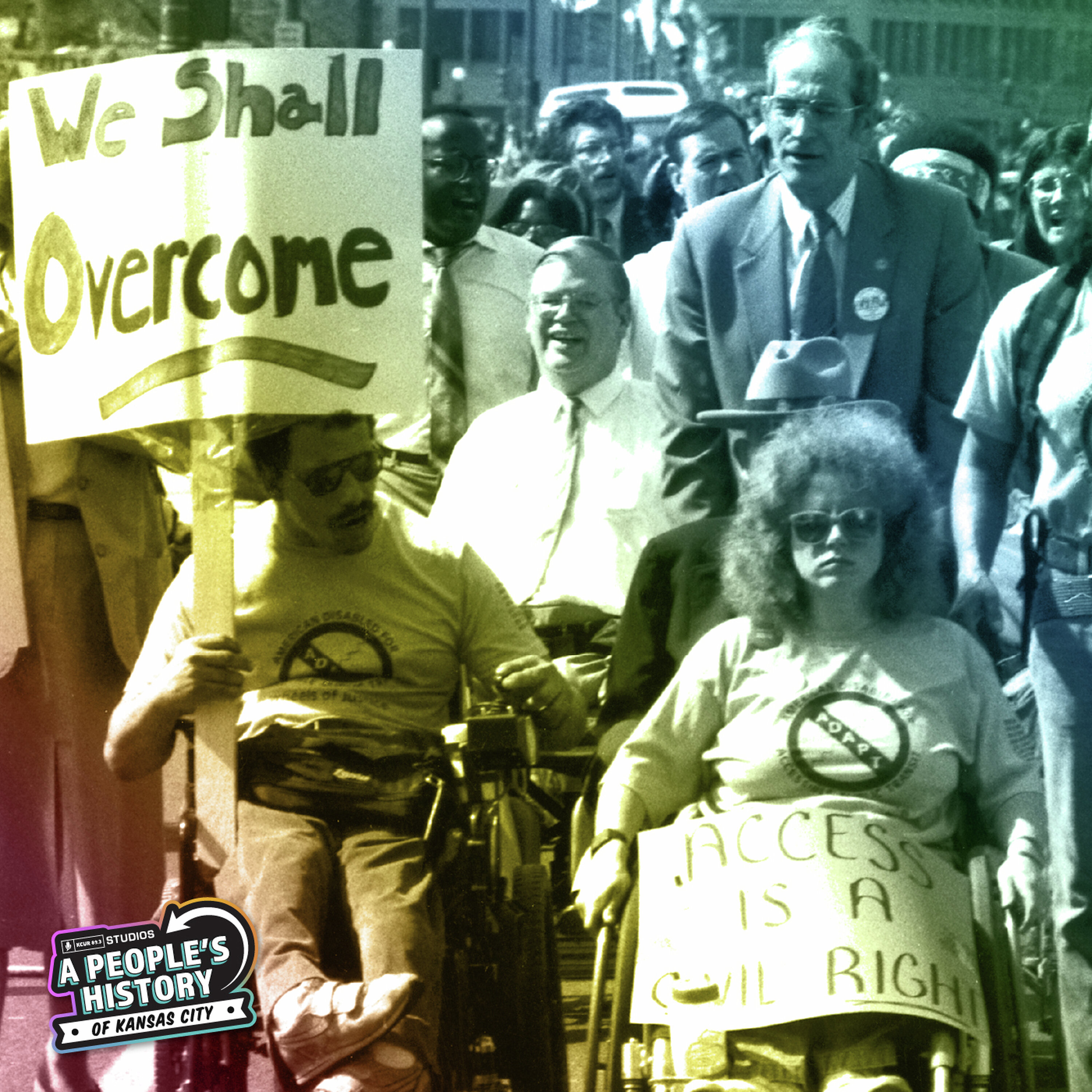 Bob Dole, the ADA, and the power of collective activism✨ | Americans with Disabilities Actcivil rights+2 | — | KCURA People's History of Kansas City | Kansas | disabilitiesadvocacy+2 | — | 35m 24s | |
| 6/23/25 | 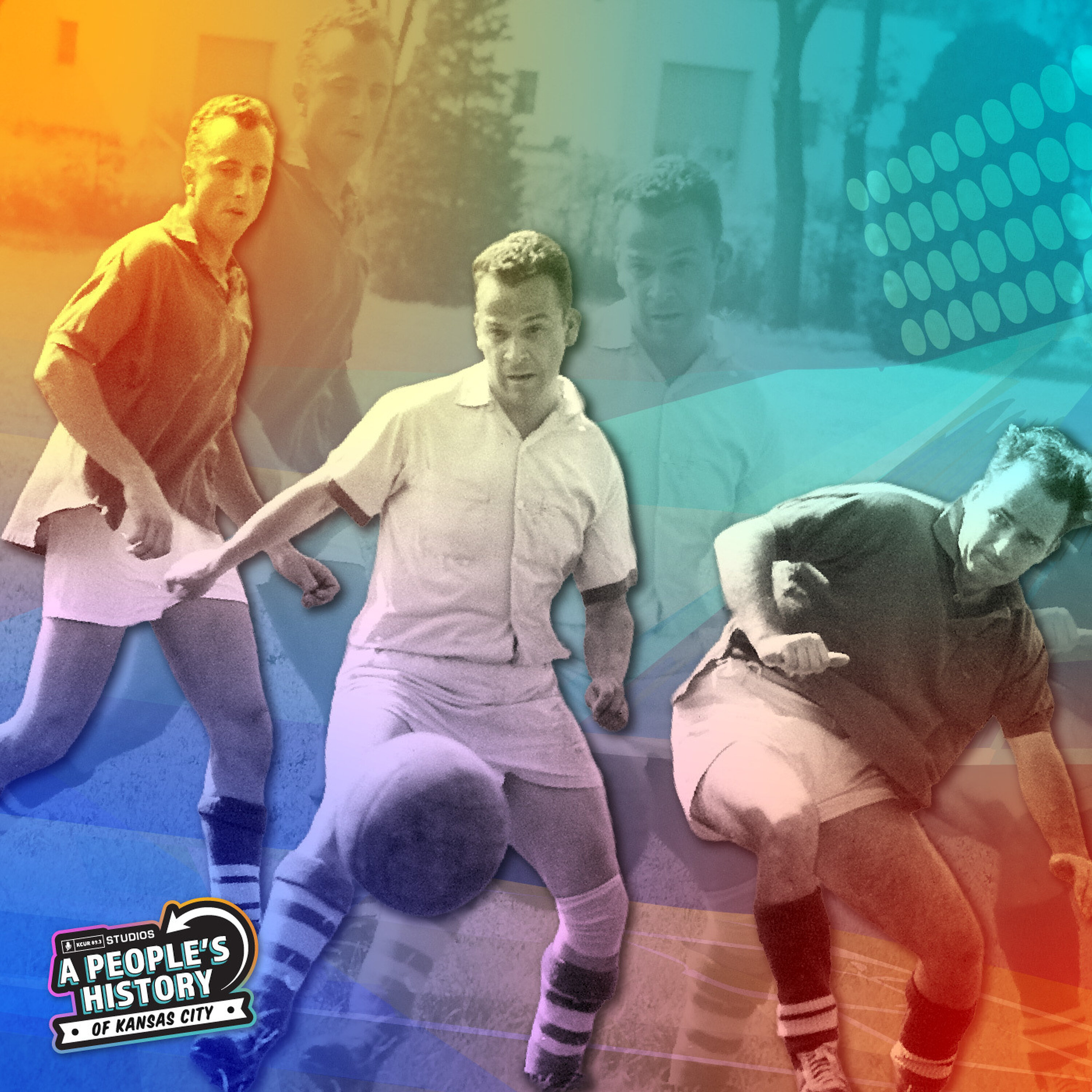 The immigrants who made us a soccer city | Kansas City is preparing to welcome soccer fans from all around the world for the 2026 FIFA World Cup. It’s the smallest host city in North America, and has a lot of work left to get ready. But how did we get to this historic moment? Kansas City may not have embraced the sport at all if not for the immigrants who fought for the beautiful game, back before there were even soccer fields to play on. Suzanne Hogan brings us the first installment of a new mini-series on Kansas City’s soccer history.This episode of A People's History of Kansas City was reported, produced, and mixed by Suzanne Hogan with editing by Mackenzie Martin and Gabe Rosenberg. This is the first installment of a series leading up to the 2026 World Cup in collaboration with the Great Game Lab at Arizona State University, which explores how sport connects the us to the rest of the world, and the US@250 Initiative at New America.If you know about a local champion of soccer in Kansas City who helped bring the city to this extraordinary moment, email us at peopleshistorykc@kcur.org Support this podcast by becoming a KCUR member!: https://kcurwebdonate.umkc.edu/alleg/WebModule/Donate.aspx?P=F13SOCIAL&PAGETYPE=PLG&CHECK=8cudlVFocLfjxn40cNGmMa1gzMC6uhq5nDjkJobrCdg%3dSee omnystudio.com/listener for privacy information. | — | ||||||
| 5/20/25 | 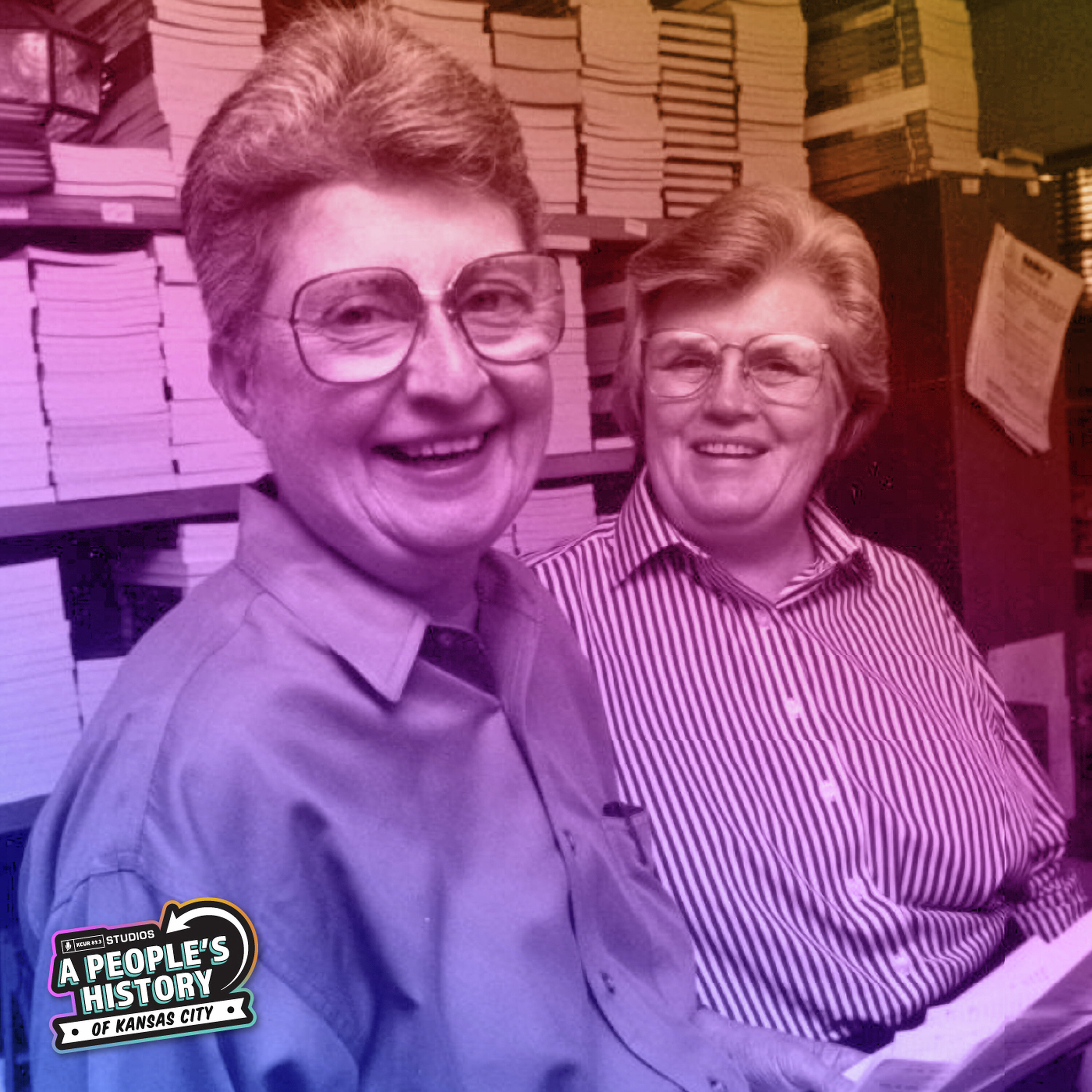 A publishing house for lesbians, by lesbians | As the gay rights movement began picking up steam in the 1970s, Barbara Grier co-founded the largest lesbian publishing company in the world -- right from her Kansas City home. Grier was bold, controversial, and unstoppable in her mission to make books reflect the people and love stories in her life. This episode of A People’s History of Kansas City was reported, produced, and mixed by Olivia Hewitt. Editing by Mackenzie Martin, Gabe Rosenberg, and Suzanne Hogan.Support this podcast by becoming a KCUR member!: https://kcurwebdonate.umkc.edu/alleg/WebModule/Donate.aspx?P=F13SOCIAL&PAGETYPE=PLG&CHECK=8cudlVFocLfjxn40cNGmMa1gzMC6uhq5nDjkJobrCdg%3dSee omnystudio.com/listener for privacy information. | — | ||||||
| 4/28/25 | 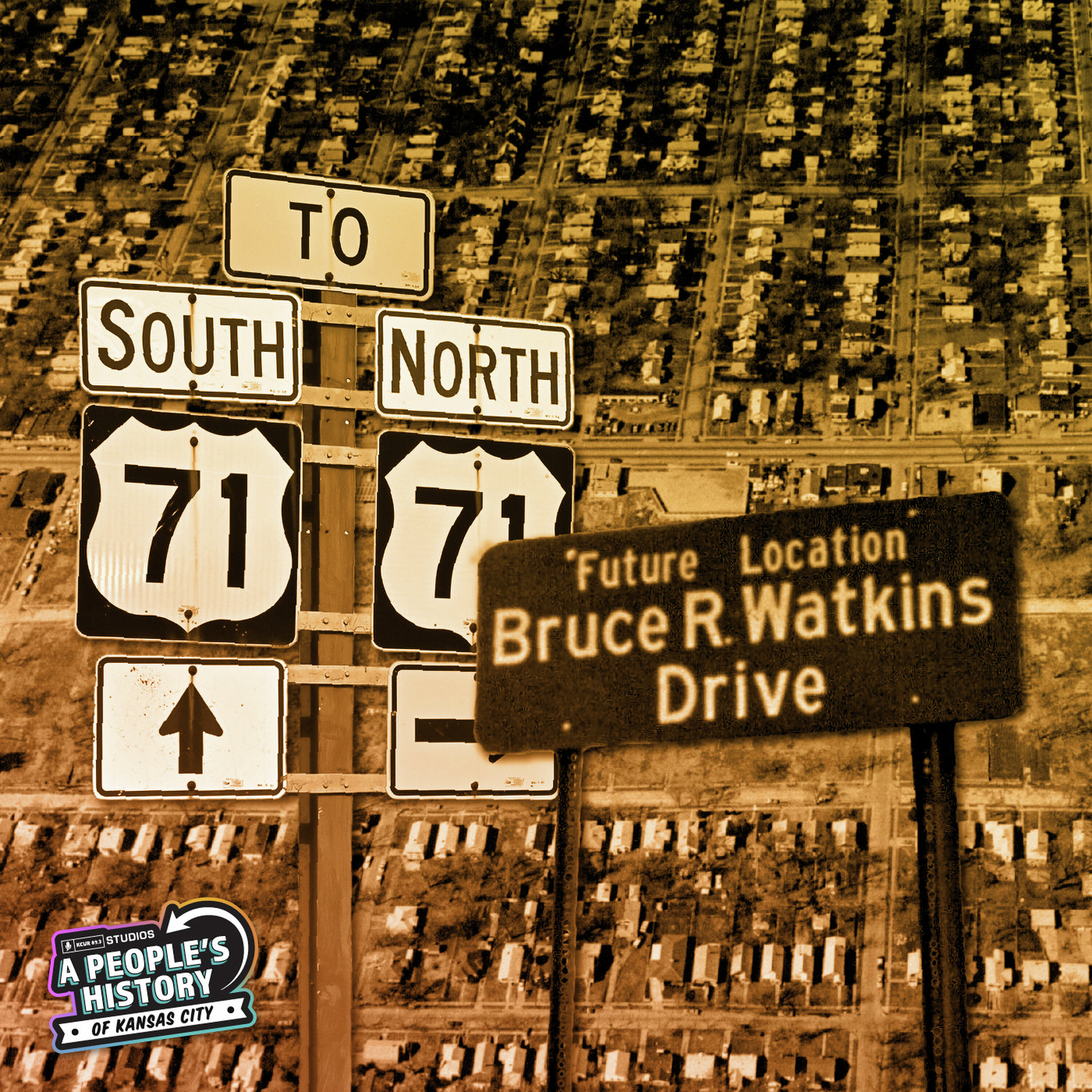 Can Kansas City repair what Highway 71 destroyed? | Bruce R. Watkins Drive is an iconic, 10-mile stretch of U.S. Highway 71 that displaced thousands of people in Kansas City. It divided communities, sparked a movement and led to a rare compromise that residents still live with today. KCUR’s Celisa Calaca reports a new federal grant is trying to mend some of the wounds.Support this podcast by becoming a KCUR member!: https://kcurwebdonate.umkc.edu/alleg/WebModule/Donate.aspx?P=F13SOCIAL&PAGETYPE=PLG&CHECK=8cudlVFocLfjxn40cNGmMa1gzMC6uhq5nDjkJobrCdg%3dSee omnystudio.com/listener for privacy information. | — | ||||||
| 3/26/25 | 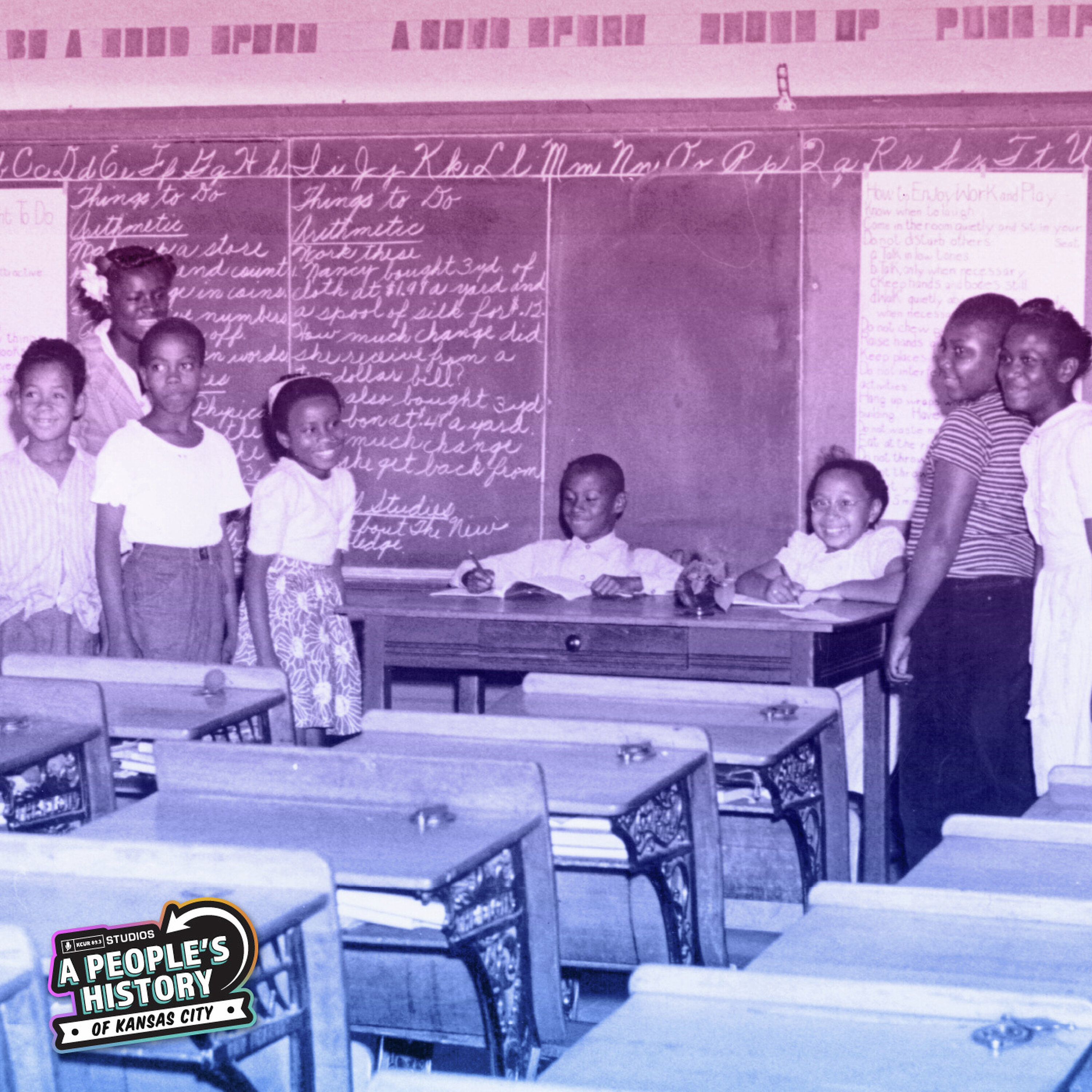 Rebuilding Kansas City's relationship with its public schools | Kansas City is asking voters to buy into its public school system for the first time in nearly 60 years. Even after Kansas City Public Schools regained accreditation and turned around student performance, its crumbling buildings are a persistent reminder of the city’s disinvestment and distrust — a relationship strained by decades of racism, a history-making desegregation case, and plenty of internal turmoil. KCUR’s Jodi Fortino explains how the city and its schools got to this critical point.Support this podcast by becoming a KCUR member!: https://kcurwebdonate.umkc.edu/alleg/WebModule/Donate.aspx?P=F13SOCIAL&PAGETYPE=PLG&CHECK=8cudlVFocLfjxn40cNGmMa1gzMC6uhq5nDjkJobrCdg%3dSee omnystudio.com/listener for privacy information. | — | ||||||
| 2/5/25 | 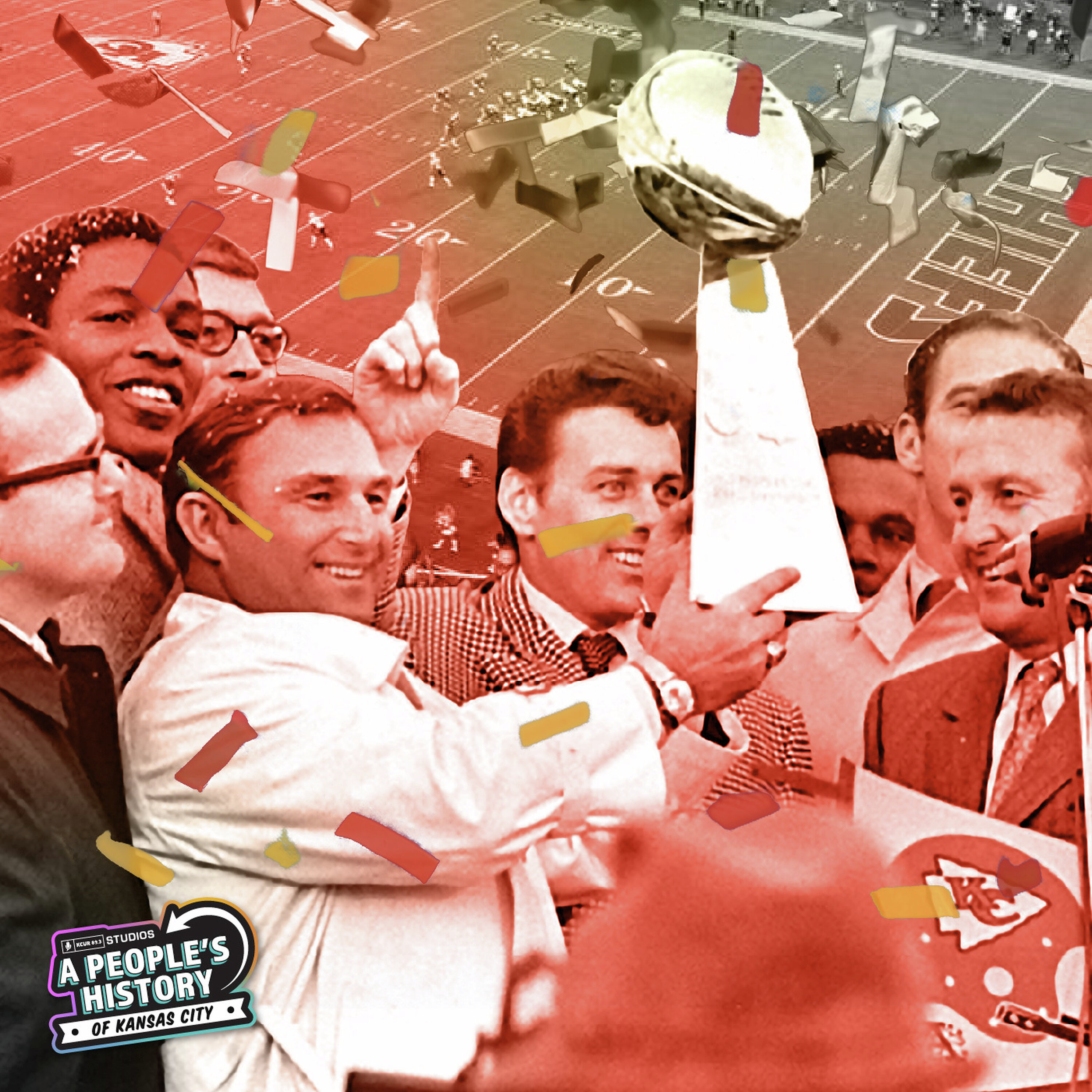 Why Kansas City’s football team became the Chiefs | As Kansas City celebrates the Chiefs’ third consecutive Super Bowl appearance, the team name, logo, and some controversial fan customs are once again being beamed worldwide. Suzanne Hogan explores how it all got started, and how the team avoided becoming the Kansas City Texans. This episode of A People's History of Kansas City was reported and mixed by Suzanne Hogan, produced by Suzanne Hogan and Olivia Hewitt, with editing by Mackenzie Martin and Luke X. Martin. Support this podcast by becoming a KCUR member!: https://kcurwebdonate.umkc.edu/alleg/WebModule/Donate.aspx?P=F13SOCIAL&PAGETYPE=PLG&CHECK=8cudlVFocLfjxn40cNGmMa1gzMC6uhq5nDjkJobrCdg%3dSee omnystudio.com/listener for privacy information. | — | ||||||
| 1/15/25 | 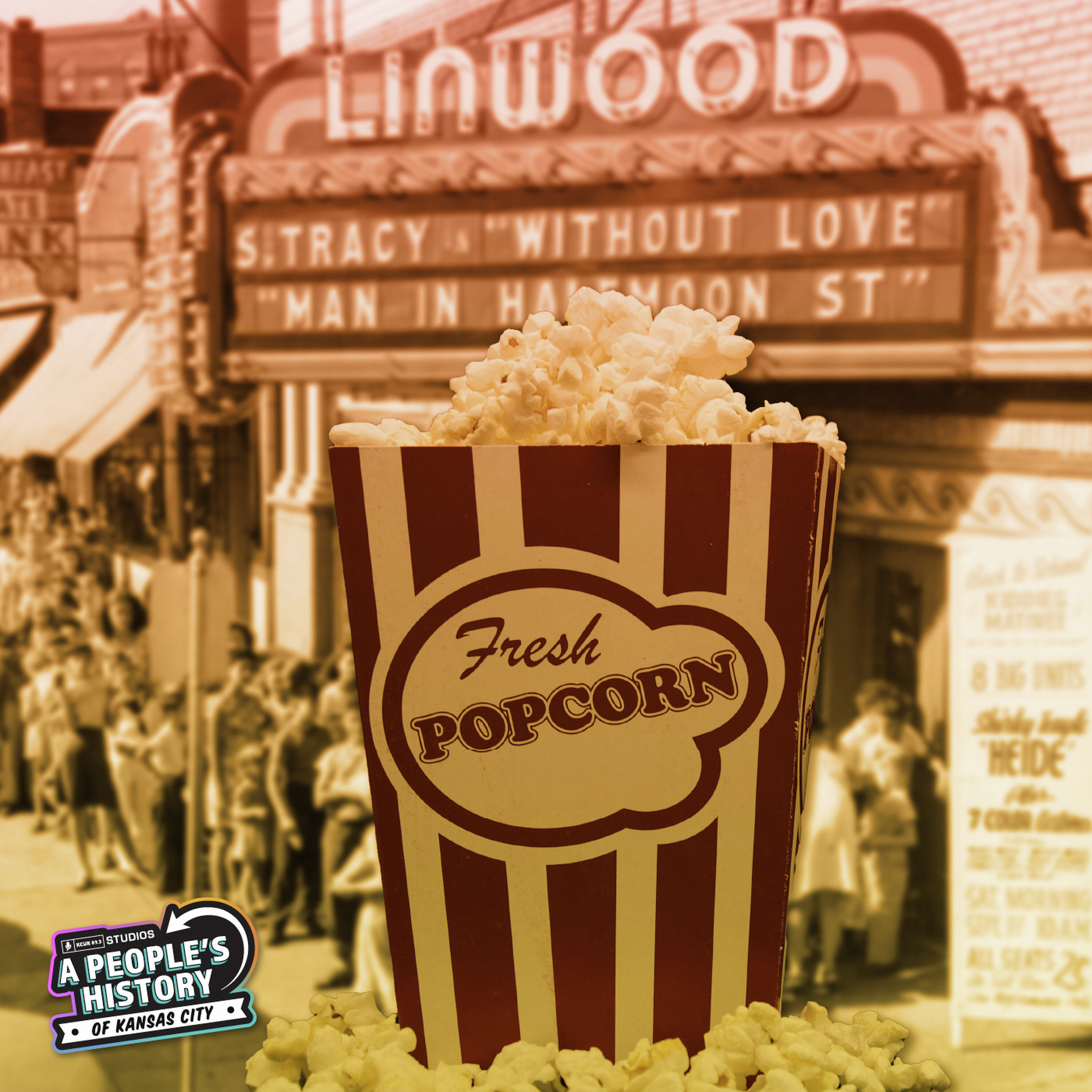 How popcorn and movie theaters met | Popcorn and movie theaters are inseparable today. But a century ago, cinemas actually banned the beloved treat for being cheap and messy. As Mackenzie Martin reports, a Kansas City widow named Julia Braden became one of the first popcorn vendors to talk her way inside the lobby, and built a concession empire in the middle of the Great Depression. This episode of A People's History of Kansas City was reported, produced, and mixed by Mackenzie Martin, with editing by Gabe Rosenberg and Suzanne Hogan. Support this podcast by becoming a KCUR member!: https://kcurwebdonate.umkc.edu/alleg/WebModule/Donate.aspx?P=F13SOCIAL&PAGETYPE=PLG&CHECK=8cudlVFocLfjxn40cNGmMa1gzMC6uhq5nDjkJobrCdg%3dSee omnystudio.com/listener for privacy information. | — | ||||||
| 12/11/24 | 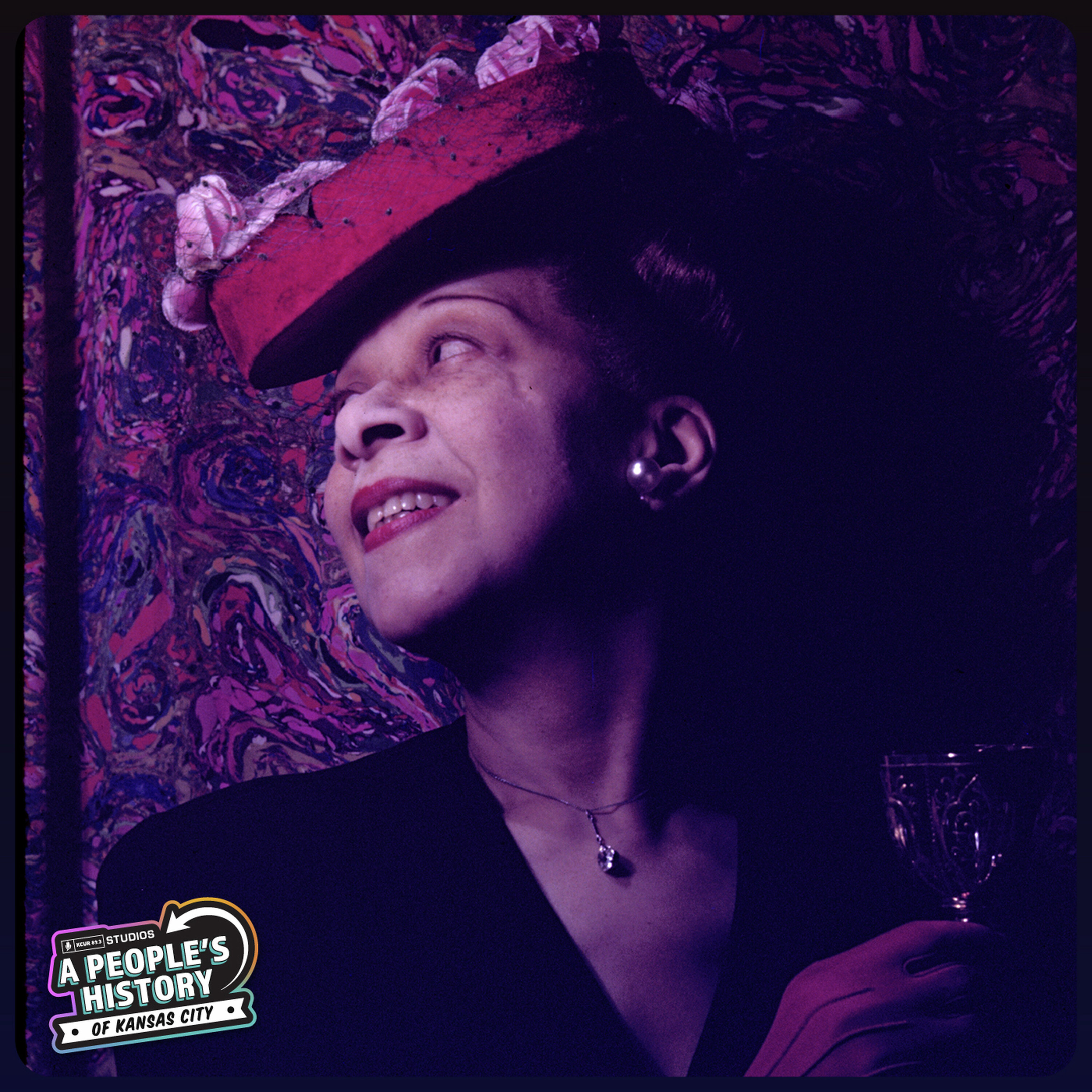 Searching for Nora Holt’s stolen music | Nora Holt was the first Black person in the United States to earn a master’s degree in music. A prolific composer of more than 200 musical pieces and a club-hopping socialite, she once wrote a 42-page work for a 100-piece orchestra. But you’ve probably never heard any of it. Scholars have dreamt of finding her stolen manuscripts for nearly a century, according to Classical KC’s Sam Wisman.Support this podcast by becoming a KCUR member!: https://kcurwebdonate.umkc.edu/alleg/WebModule/Donate.aspx?P=F13SOCIAL&PAGETYPE=PLG&CHECK=8cudlVFocLfjxn40cNGmMa1gzMC6uhq5nDjkJobrCdg%3dSee omnystudio.com/listener for privacy information. | — | ||||||
| 11/11/24 | 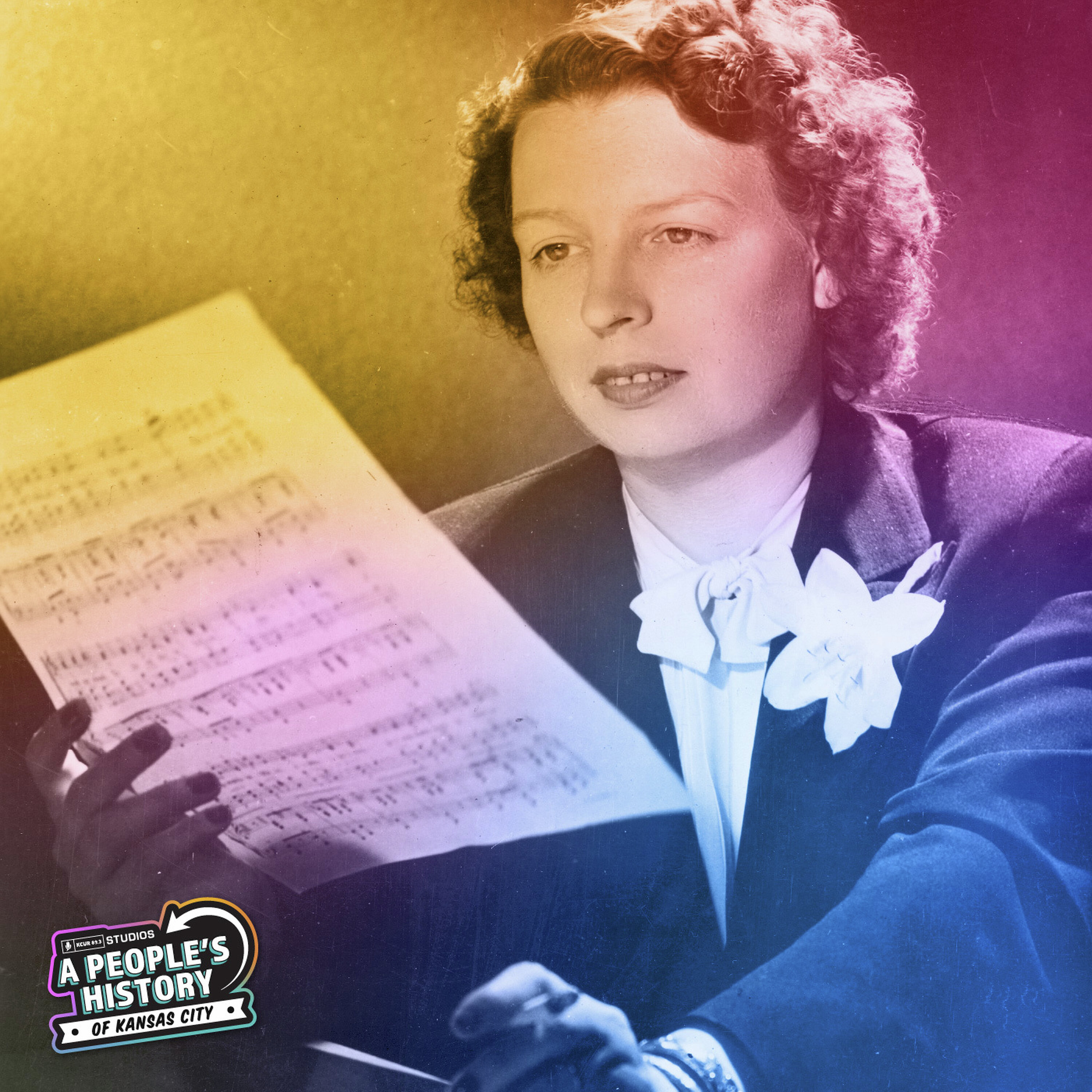 Want a hit song? Give Dana Suesse 12 minutes | Kansas City composer Dana Suesse was behind some of the most popular American music of the 1930s. Nicknamed “the girl Gershwin,” Suesse’s songs like “You Oughta Be In Pictures” and “My Silent Love” were performed by stars like Frank Sinatra and Bing Crosby. As Classical KC’s Lilah Manning reports, Suesse blazed a path on Tin Pan Alley in a music scene otherwise dominated by men.Support this podcast by becoming a KCUR member!: https://kcurwebdonate.umkc.edu/alleg/WebModule/Donate.aspx?P=F13SOCIAL&PAGETYPE=PLG&CHECK=8cudlVFocLfjxn40cNGmMa1gzMC6uhq5nDjkJobrCdg%3dSee omnystudio.com/listener for privacy information. | — | ||||||
| 10/28/24 |  How a Kansas City 'shoot-out' created the modern GOP | In 1976, Kansas City, Missouri, was the unlikely host of a drama-filled Republican presidential convention that ended up defining the conservative agenda for decades to come. Incumbent President Gerald Ford found himself in a heated battle with then-California Gov. Ronald Reagan to win over delegates and obtain the party’s nomination. WFAE’s Ben Bradford tells the story of how this “shoot-out” shaped the modern GOP. (This episode comes to us from the podcast Landslide.)Support this podcast by becoming a KCUR member!: https://kcurwebdonate.umkc.edu/alleg/WebModule/Donate.aspx?P=F13SOCIAL&PAGETYPE=PLG&CHECK=8cudlVFocLfjxn40cNGmMa1gzMC6uhq5nDjkJobrCdg%3dSee omnystudio.com/listener for privacy information. | — | ||||||
| 10/11/24 |  Exposing the Veiled Prophet | The Veiled Prophet of St. Louis is an organization shrouded in mystery, an elite white secret society behind lavish parties, business developments and racist practices. As St. Louis Public Radio’s Chad Davis reports, the story of those who worked to unveil the Prophet directly laid the path to the Ferguson Uprising. (This episode comes to us from the podcast We Live Here.)Support this podcast by becoming a KCUR member!: https://kcurwebdonate.umkc.edu/alleg/WebModule/Donate.aspx?P=F13SOCIAL&PAGETYPE=PLG&CHECK=8cudlVFocLfjxn40cNGmMa1gzMC6uhq5nDjkJobrCdg%3dSee omnystudio.com/listener for privacy information. | — | ||||||
| 9/5/24 | 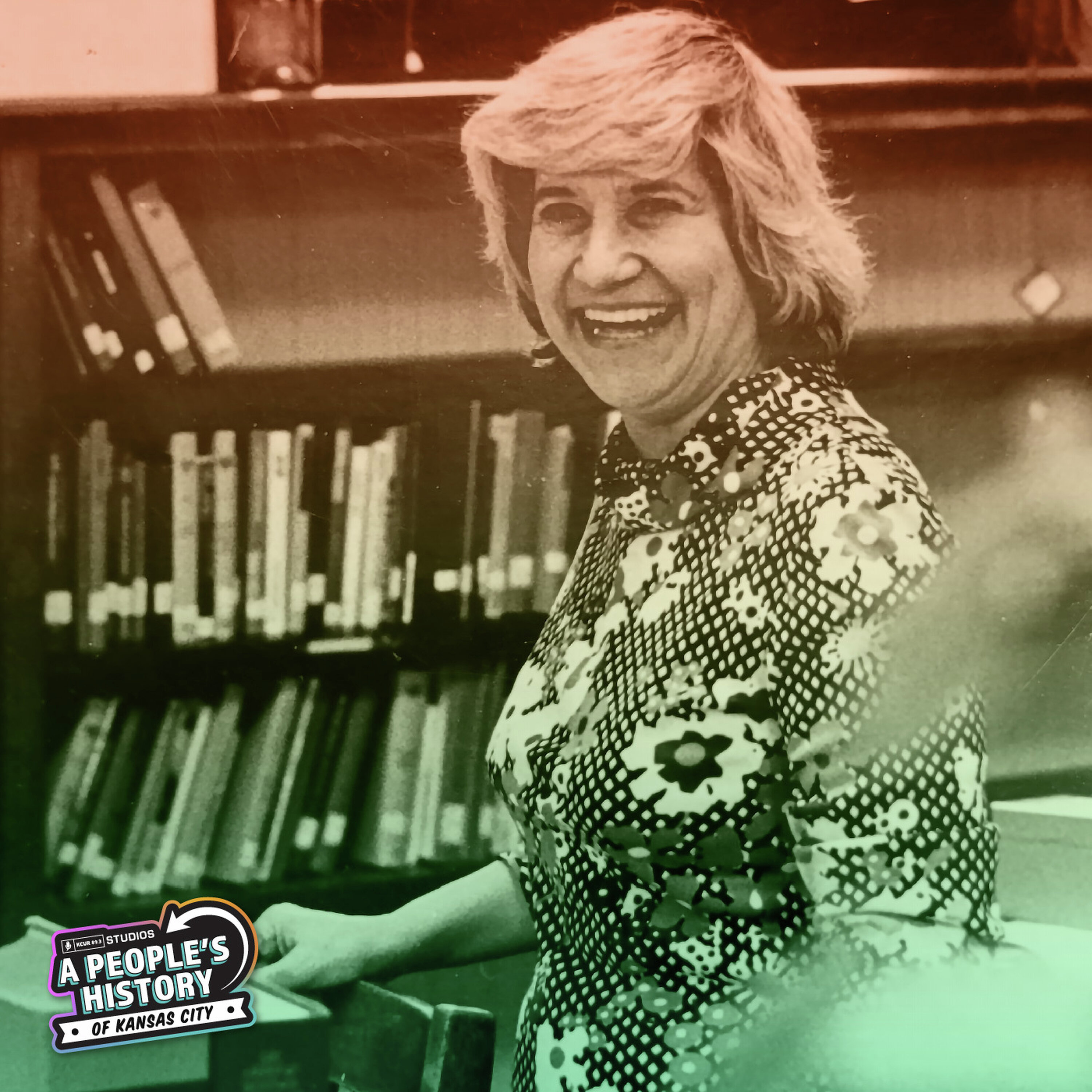 A librarian’s history of the Westside | Armed with a tape recorder, Kansas City librarian Irene Ruiz cataloged the evolving history of the Westside and made the library a more welcoming place for the Mexican immigrants and Latinos who lived there. Today, the Westside branch of the Kansas City Public Library — featuring the robust Spanish language collection that Ruiz began — is named in her honor. Mackenzie Martin traces how Ruiz brought her activism and sense of community across all the chapters of her life.Support this podcast by becoming a KCUR member!: https://kcurwebdonate.umkc.edu/alleg/WebModule/Donate.aspx?P=F13SOCIAL&PAGETYPE=PLG&CHECK=8cudlVFocLfjxn40cNGmMa1gzMC6uhq5nDjkJobrCdg%3dSee omnystudio.com/listener for privacy information. | — | ||||||
| 8/8/24 | 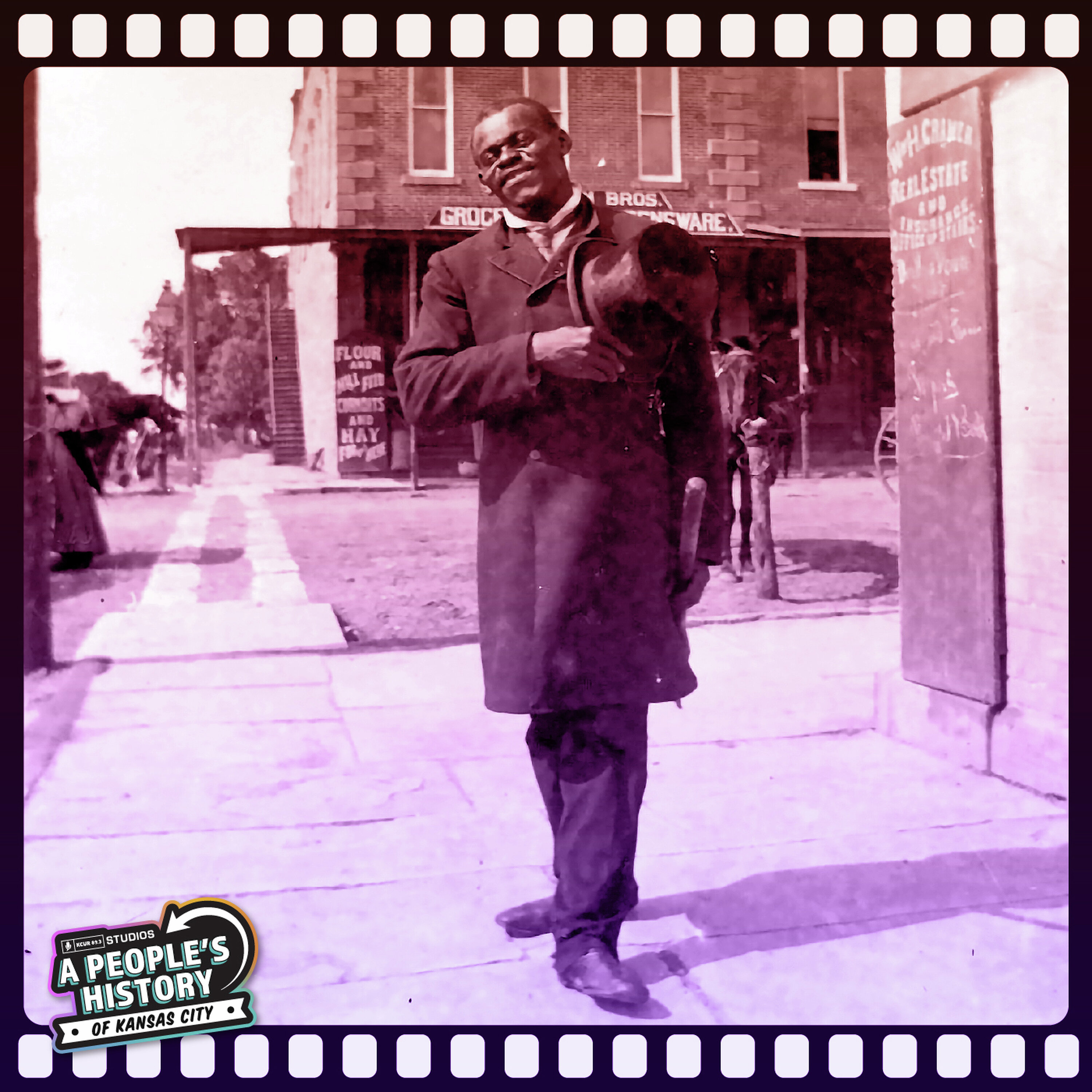 Kansas City’s champion cakewalker | The 19th-century American dance craze "the cakewalk" began as a form of resistance by enslaved Black people — a showy promenade concealing a mockery of slave owners. One of the most charismatic and famous cakewalking champions was Kansas City’s own Doc Brown. KCUR’s Julie Denesha reports on a modern movement to recognize Brown’s stamp on history.Support this podcast by becoming a KCUR member!: https://kcurwebdonate.umkc.edu/alleg/WebModule/Donate.aspx?P=F13SOCIAL&PAGETYPE=PLG&CHECK=8cudlVFocLfjxn40cNGmMa1gzMC6uhq5nDjkJobrCdg%3dSee omnystudio.com/listener for privacy information. | — | ||||||
Showing 25 of 65
Pitch Fit is a Pro feature
See how bookable this show is for guests, which brands already advertise, the per-episode ad value, and the best-fit guest and sponsor profile. The numbers are blurred on the free plan.
How readily this show books outside guests like you.
How proven this show is for host-read sponsorships.
For Guests
ProFor Advertisers
ProUpgrade to Pro to unlock guest cadence, sponsor categories, fit scores, and per-episode ad value for this show.