

Insights from recent episode analysis
Audience Interest
Podcast Focus
Publishing Consistency
Platform Reach
Insights are generated by CastFox AI using publicly available data, episode content, and proprietary models.
Most discussed topics
Brands & references
Est. Listeners
Insufficient chart data. Estimates will improve as the show charts.
- Per-Episode Audience
Est. listeners per new episode within ~30 days
N/A🎙 ~2x weekly·268 episodes·Last published 1w ago - Monthly Reach
Unique listeners across all episodes (30 days)
N/A - Active Followers
Loyal subscribers who consistently listen
N/A
Market Insights
Platform Distribution
Reach across major podcast platforms, updated hourly
Total Followers
—
Total Plays
—
Total Reviews
—
* Data sourced directly from platform APIs and aggregated hourly across all major podcast directories.
On the show
From 12 epsHosts
Recent guests
No guests detected in recent episodes.
Recent episodes
273_Life Without Social Media Part Three
Jun 19, 2026
40m 37s
272_Life Without Social Media Part Two
Jun 5, 2026
41m 44s
271_Life Without Social Media Part One
May 21, 2026
38m 51s
270_Local First, Build Your Life Around Place, Not Convenience
May 8, 2026
48m 12s
269_A Twelve Month Plan for Sovereign Living Part Two
Apr 23, 2026
38m 08s
Social Links & Contact
Official channels & resources
Official Website
Login
RSS Feed
Login
| Date | Episode | Topics | Guests | Brands | Places | Keywords | Sponsor | Length | |
|---|---|---|---|---|---|---|---|---|---|
| 6/19/26 |  273_Life Without Social Media Part Three | Adventures in Sustainable Living Podcast Episode 273 Life Without Social Media Part Three In my opinion, one of the most significant social issues of our time is social media and the effects it has had on our culture and how it has fundamentally changed the fabric of our society. Social media came rolling into our lives and promised a new way to communicate, make new friends, promote your business, and keep in touch with family. But years into this social frenzy, experts are now discovering that this trend actually has a significant down side. That being said, just like most things, there are ways to use this technology to your advantage instead of allowing your life to run by an algorithm. So join me for episode 273 Life Without Social Media Part Three. Welcome back everyone to the Adventures in Sustainable Living Podcast. This is your host Patrick and this is E273, Life Without Social Media Part three. To start out this episode I just want to do a quick recap of the first two parts of this series. In Part One I spoke in depth about how our physical and mental health are directly connected to sustainability and living a sovereign life. I also focused on how the internet, social media and many things about our modern culture directly work against our physical and mental health and limit our ability to make our decisions. In part two I focused on how social media became so embedded in our lives and how we use it for the sake of convenience. Then I pointed out that social media, unless managed appropriately, is actually detrimental to our cultural values and our health. In this episode, I want to give you a plan on how to avoid the detrimental affects of social media. Depending how you want to use this information, you can have a life that is completely devoid of social media or simply use it intentionally and take advantage of what it provides. Good News Story of the Week This week’s good news story is about another win for the environment. I think at this point most of us are aware of microplastic pollution. While most of us equate that to all the plastic floating in the ocean, there are also two other significant sources of pollution, all the fibers to come from automobile trend wear and artificial clothing and textiles. The clothing industry is the world’s most significant source of microplastic pollution. Part of the manufacturing process for these type of textiles is dyeing and washing which will release 360 metric tons of microfibers in one year in a single factory. These large industrial washing operations are prime targets for filtration. Fortunately an English inventor has partnered with a very large home appliance manufacture to produce a laundry machine filter for artificial microfibers. Every load of home laundry sheds about 1 gm of fossil fuel based thread filament that eventually end up on our oceans. This of course does not include all the chemical and dyes that also go along with the fabric threads. These filters are easy to install on home washing machines and are also being marketing to clothing manufactures and industrial washing operations. Once again we are seeing some very smart people doing some very smart things to save our environment. Episode Once again, I think after listening to these last few episodes, some people will get the impression that I think social media is the evil empire. However, it does provide some distinct advantages. What I really want to accomplish is to give you a plan to mitigate the detrimental effects of these platforms. Whether you realize it or not, by using these platforms you are exposing a tremendous amount of personal information. That’s okay if that is what you want. But you have to realized that big tech is collecting all this data about and making money off of it. On the upside, a life style devoid of social media, or one with very limited media can actually become a powerful foundation for clarity, independence, creativity, and real-world connection. So, the big question is why would you want to do this. Now very quickly, let’s review some of the ways in which social media has literally redefine our existence. -Our culture shifted from community to audience. Instead of family, community, profession, and in-person relationships, we measure our worth through visibility and validation such as likes, followers, and shares. -Attention has become the core economic product. Modern social media platforms are built around the “attention economy.” The product is not the app itself. The product is human attention, behavior, emotion, and data. -Mental Health Effects. Research increasingly links heavy social media use with anxiety, depression, loneliness, and reduced self esteem. People now tend to comprehend themselves with edited photos, curated lifestyle, and highlight reels. This distorts a perception of normal life and ordinary reality begins to feel inadequate compared to algorithmically amplified lifestyles. -Relationships Have Become More Superficial and Fragmented Social media may increase your ability to communicate but it decreases the depth of our relationships because there is no face-to-face interaction. -Social Outrage Has Become a Cultural Incentive. Algorithms tend to reward emotionally intense content because it generates greater engagement. As a result, anger and fear spreads faster than nuance and context. Conflicts tends to outperform calm discussions. -News and Truth Have Become Fragmented. The news we received now is personalized, algorithmically filtered, and emotionally amplified. Consequently, misinformation spreads faster and we have greater difficulty distinguishing the truth from manipulation. Childhood and Adolescence Has Changed Dramatically. Younger generations are growing up under conditions humans never evolved for. This atmosphere of permanent connectivity, surveillance by peers, constant comparison and algorithmic influence during brain development affects, self-image, social confidence and attention development. -Privacy and Surveillance Has Become Normalized. Social media has normalized voluntary self-surveillance, data harvesting, location and behavioral tracking. Most users of social media trade privacy for convenience and social participation without fully understanding the scale of data collection. -Consumerism Has Intensified. Social media transformed advertising into culture itself. -Silence and Solitude Have Dramatically Declined. One of the largest cultural changes is the disappearance of uninterrupted solitude. Humans historically spent significant time thinking deeply, reflecting, processing emotions internally and maybe being bored. Social media and smartphones have filled nearly every idle moment with some form of stimulation. Broader Cultural Consequences Taken together, social media has contributed to: Hyper-consumerism Reduced privacy Shortened attention spans Increased anxiety Polarization Loneliness Identity instability Distrust Information overload Constant distraction At a deeper level, it shifted society from: Depth → speed Reflection → reaction Community → audience Presence → performance Privacy → visibility Citizenship → engagement metrics A Complete Life Plan Without Social Media Core Philosophy Living without social media is not about isolation. It is about intentional communication rather than algorithmic communication. You replace: Algorithmic attention → Intentional attention Scrolling → Creating Validation → Contribution Noise → Signal Your influence becomes deeper but more meaningful. Social Media Exit Plan Once again, I want to emphasize that your exit plan may not be a complete exit. It may just be dramatically changing your interaction with social media and shifting to intentional use. The Plan Step 1: Understand What Social Media Currently Does for You Before leaving the social media platforms, first identify the role in your life that these plays actually play. Most people use social media for some combination of reasons: Communication Entertainment News Professional networking Business promotion Education Validation Habitual distraction Loneliness reduction Identity expression Ask: Which functions are truly valuable? Which are harmful? Which can be replaced elsewhere? In other words, start ask yourself, “Does this add value to my life?” Also, define why you are leaving or reducing your time with social media. Before changing anything, write down your reasons. Common motivations: mental health, privacy, reducing distraction, avoiding outrage culture, deeper focus, stronger real-world relationships, protecting children, escaping comparison culture, reducing consumerism. Create a short “anchor statement.” Example: “I want my attention and identity to belong to me, not algorithms.” Step 2: Shift Your Mindset The biggest psychological transition is moving from constant digital participation to intentional real-world presence. A life free of social media usually involves: less stimulation A slower flow of information fewer comparisons with others more privacy more silence and more autonomy. At first this can feel somewhat isolating, maybe boring, slightly uncomfortable or even socially risky. Just keep in mind this discomfort is often withdrawal from constant stimulation and social feedback loops. Step 3: Decide Your Level of Exit You do not necessarily need to disappear entirely. There are several ways to accomplish the same thing. Full Exit Delete all social media permanently. Best for: privacy, mental health reset, deep focus, digital minimalism. Passive Presence Keep accounts but: never scroll never post use only for contact lookup or business presence. Professional-Only Use Use platforms strictly as tools: scheduled content no feeds no notifications no entertainment use. Limited-Time Access Only access platforms: from desktop during scheduled windows of time with strict boundaries. Many people succeed by reducing emotional engagement first rather than deleting everything immediately. Step 4: Replace Communication Systems One major fear is: “How will people contact me?” The solution is rebuilding direct communication. Replace social media interaction with: Texting Phone calls Email Encrypted messaging apps In-person interaction Group chats Newsletters Forums Local communities Often people discover that many so-called “connections” disappear but real relationships deepen and are long-term. A smaller number of meaningful relationships usually replaces hundreds of weak digital interactions. Now your life is more about community instead of digital performance and comparison. Step 5: Build an Alternative Information System Without social media, you must intentionally curate information instead of consuming algorithmic feeds. This means you replace passive feeds with active sourcing. Examples: RSS readers Email newsletters Podcasts Books Independent journalism Long-form interviews Local newspapers Educational websites Direct subscriptions This changes you from a reactive consumer to an intentional learner. Information becomes slower but is often not only higher quality but it may actually be true. Step 6: Prepare for Withdrawal Symptoms Most people underestimate how addictive social media can be. Common withdrawal effects: Reaching for phone automatically Boredom Anxiety Fear of missing out on things Restlessness Compulsive checking impulses Feeling socially invisible This is normal because the use of social media has conditioned your brain by constant short-term novelty, never ending stimulation, intermittent rewards much like gambling, social validation and a constant flow of information. Withdrawal symptoms usually improve substantially after several weeks. Step 7: Redesign Your Environment Most people discount the value of the environment they exist in day-to-day. Environment matters more than willpower. Practical steps: Delete apps from phone Log out on all devices Disable notifications Use grayscale mode Keep phone out of bedroom Use app blockers Remove browser bookmarks Replace idle scrolling times with other rituals Without environmental change, habits tend to return automatically. Another important part of this is to build non-social media alternatives. Communication Alternatives Replace passive digital contact with intentional communication. Use: phone calls, text messaging, email, encrypted messaging apps like Signal, in-person meetups. Habits: schedule weekly calls, host dinners, create recurring meetups, write longer emails instead of endless reactions. Relationships usually become: fewer, but deeper. Step 8: Relearn Deep Attention One major benefit of leaving social media is recovering you ability to concentration. Replace fragmented attention with: Reading books Long walks Journaling Creative hobbies Gardening Exercise Meditation Long conversations Skill-building Keep track of the amount of time you spend on social media. Then decide on a better use of your time. What else could you be accomplishing? At first, slower more intentional activities may feel “under-stimulating.” But eventually many people experience a greater sense of calm, improved focus, mental clarity and even a deeper sense of satisfaction. Step 9: Rebuild Real-World Community One of the most important transitions is moving from: digital connections to a real live community. This may involve joining local clubs, volunteering, taking classes, attending neighborhood events, participating in co-ops. Humans evolved for physical social interaction, not primarily algorithmic driven interaction. Real-world relationships tend to produce stronger trust, a deeper sense of belonging and increased emotional stability. Step 10: Learn to Tolerate Being Less Visible Social media conditions people to equate visibility with relevance. Without social media posting people may know less about your life, you may start to feel less “seen”, and your accomplishments may become quieter. But most people discover, privacy increases your peace, personal experiences feel more authentic and your identity becomes more internally grounded. You stop performing life and start inhabiting it more directly. Step 11: Replace Digital Entertainment Intentionally Social media often fills every empty moment in our lives. Without it, you need healthier alternatives: Reading Outdoor activities Physical fitness Cooking Music Art DIY projects In-person socializing Skill development Exposure to nature exposure The goal here is not deprivation. The goal is reclaiming your attention. This can often be accomplished by building a low-tech environment and create meaningful alternative. Create: a reading list, a movie library, hobby projects, outdoor routines, skill-building goals. Examples: hiking, gardening, homesteading, instrument practice, sustainable living projects, DIY repair skills. Step 12: Create a Sustainable Digital Philosophy The healthiest long-term approach is usually not rejecting all technology. It is using technology intentionally instead of compulsively. A sustainable philosophy for the future might include: Technology as a tool, not to build your identity Communication without surveillance culture Creation things over consumption Depth of experience over constant stimulation Real relationships over audience-building Physical presence over performance for an audience. A Practical Transition Plan Phase 1: Awareness (Week 1) Track usage Identify triggers Disable notifications Remove nonessential apps Phase 2: Reduction (Weeks 2–4) Limit access windows Remove endless-scroll platforms first Replace idle time intentionally Phase 3: Reconstruction (Month 2) Build alternative communication systems Develop offline hobbies Create real-world routines Start long-form learning habits Phase 4: Stabilization (Months 3–6) Normalize slower living Strengthen in-person relationships Build attention endurance Create a sustainable digital philosophy The underlying point here is to make a gradual transition. The Deeper Transition Ultimately, leaving social media is often less about technology and more about reclaiming: attention, privacy, time, autonomy, emotional stability, and identity. The deeper question becomes: “Who am I when I am no longer constantly observed, reacting, posting, comparing, and consuming?” For many people, that is where the real transformation begins. Important Perspective Social media is not entirely harmful. It can provide education, connections, support, business opportunities and access to information. The challenge is that these benefits exist alongside systems optimized to capture attention and influence behavior at unprecedented scale. The deeper question modern society faces is: How do we use powerful communication technologies without allowing these platforms to dominate psychology, culture, relationships, and identity? Life before social media was slower, more local, more private, and far less psychologically fragmented. People still communicated, built relationships, shared ideas, entertained themselves, and formed communities — but the structure of daily life was fundamentally different. Social media has transformed modern culture faster than almost any communication technology in history. In roughly two decades, platforms like Meta, TikTok, X, and YouTube shifted society from a world shaped primarily by local communities, institutions, and long-form media into one driven by algorithms, constant connectivity, and attention economics. The transformation has produced benefits — global communication, educational access, business opportunities, social movements, and creative expression — but it has also fundamentally altered psychology, relationships, economics, politics, and identity in ways many people increasingly view as unhealthy or destabilizing. In my opinion, it is time to get back to a life where communication is more intentional, communities are more physical and local, our attention is less fragmented, privacy is normal, the pace of life is a bit slower and just maybe we get bored. Important Balance I think the real point here is that it is better to achieve a good balance. We have gained a lot from social media but it has also altered our culture in so many unexpected ways. Perhaps it is best to learn to function without it so that you do not depend on these platforms for anything Then build a lifestyle that uses such technology to your advantage. Besides, building a real world social life adds far more value than a digital presence. In closing, I hope that you have enjoy these last few episodes. I also hope you realize that I do not consider the social media platforms to be the evil empire. However, by now you should realize that there are distinct disadvantages to using this technology. Use it for your advantage without allowing it to rule your life. In closing, I certainly hope that you will join me in my next episode. For now, always remember to live sustainably because this is how we will build a better future. | 40m 37s | ||||||
| 6/5/26 | 272_Life Without Social Media Part Two✨ | social mediasustainability+3 | — | — | — | social mediasustainability+5 | — | 41m 44s | |
| 5/21/26 | 271_Life Without Social Media Part One✨ | social mediamental health+3 | — | — | China | social mediamental health+3 | — | 38m 51s | |
| 5/8/26 |  270_Local First, Build Your Life Around Place, Not Convenience✨ | local economyglobalization+3 | — | — | — | local firstglobal economy+3 | — | 48m 12s | |
| 4/23/26 |  269_A Twelve Month Plan for Sovereign Living Part Two✨ | sovereign livingenvironmental restoration+3 | — | — | England | sovereign livingsustainable living+5 | — | 38m 08s | |
| 4/9/26 |  268_A 12 Month Plan for Sovereign Living Part One✨ | sovereign livingself-sufficiency+3 | — | — | — | sovereign livingself-sufficiency+4 | — | 36m 29s | |
| 3/26/26 |  267_The 30 Day Stop the Consumption Challenge Part Two✨ | sustainable livingconsumer culture+3 | — | — | — | sustainabilityconsumption challenge+3 | — | 36m 39s | |
| 3/12/26 |  266_ The 30 Day Stop the Consumption Challenge Part One✨ | consumer culturesustainability+3 | — | Super HoneyCocoa Bean+2 | — | sustainable livingconsumption+3 | — | 27m 20s | |
| 2/26/26 |  265_Twelve Month Sustainability Action Plan✨ | sustainabilityenvironmental restoration+4 | — | — | Galapagos Islands | sustainable livingenvironment+5 | — | 40m 38s | |
| 2/13/26 |  264_Food Waste: The World's Most Solvable Environmental Problem Part Two✨ | food wasteenvironmental impact+3 | — | — | — | food wasteenvironment+3 | — | 41m 03s | |
Want analysis for the episodes below?Free for Pro Submit a request, we'll have your selected episodes analyzed within an hour. Free, at no cost to you, for Pro users. | |||||||||
| 1/30/26 | 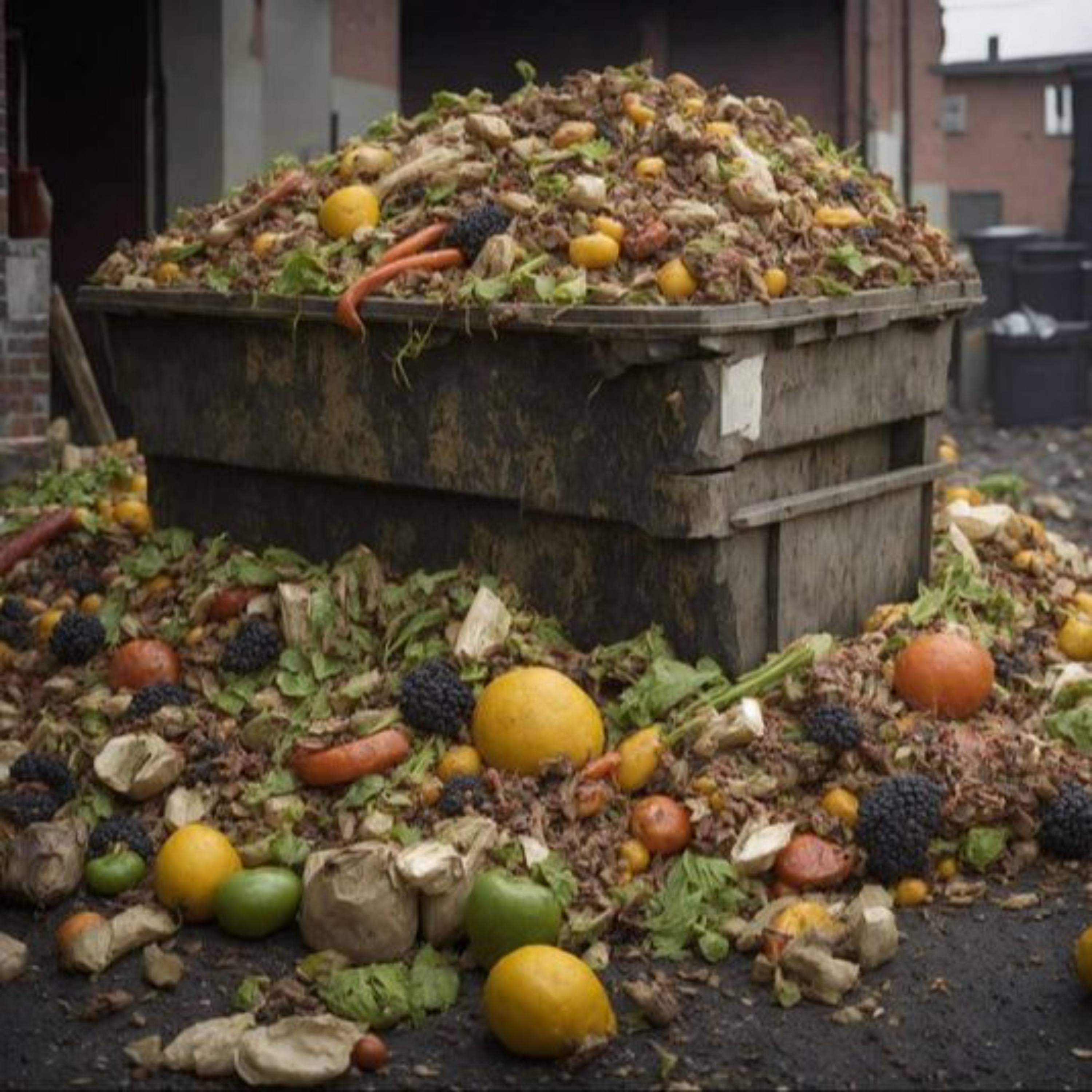 263_Food Waste: The Worlds Most Solvable Environmental Problem✨ | food wasteenvironmental problems+3 | — | — | France | food wastesustainability+4 | — | 34m 19s | |
| 1/30/26 |  260_Powerful Alone, Unstoppable Together: How We Can Help Our Countries Be More Green✨ | environmental sustainabilitypersonal choices+3 | — | — | — | sustainabilitygreen living+3 | — | 42m 00s | |
| 1/15/26 |  262_The Art of Slow Living✨ | slow livingcultural perspectives+3 | — | — | Caribbean | slow livingCaribbean+5 | — | 39m 25s | |
| 1/2/26 |  261_Seven Tips for Sustainable Living in 2026 | Adventures in Sustainable Living Podcast Episode 261 Seven Tips for Sustainable Living in 2026 Over the past couple of years, you have listened me talk about a wide variety of topics focusing on sustainable living. While researching these topics, I have repeatedly come across articles that would condemn us for destroying the planet with the end message focused on how we should change the way we live. What I have notice over that past couple of years is that trend of what sustainable living focuses on is starting to shift in a good way. As we approach 2026, sustainable living is shifting towards practical, consistent actions rather than perfection, emphasizing local, social, and achievable changes that tend to foster well-being and environmental protection. So join me for E261 Seven Tips for Sustainable Living in 2026 Welcome back everyone to the Adventures in Sustainable Living Podcast. This is your host Patrick and this is E 261 Seven Tips for Sustainable Living in 2026. What I want to focus on this episode is the changing trends in the focus of sustainability. Since I’ve had this podcast up and running for several years now, I have certainly seen the focus change in several key ways. That is what I wanted to share since we are now heading into 2026. But before we get to that, let’s first talk about the good news story of the week. Good News Story of the Week This week’s good news story has to do with a tragedy that was followed by a stroke of good luck. A small Spanish town, called La Baneza, was devastated by wildfires this past Spring. There was a total of 120,000 wooded acres that was scorched by the wildfires which left 8,000 residents displaced. The town prayed for rain but it did not come. Next the town bought 117 numbers in the El Gordo Christmas lottery, sponsored by the Spanish government. Because of that, the town’s misfortune turned into a staggering stroke of luck. All the winning numbers they picked total to half a billion USD. After taxes, each villager netted between $20K and $30K USD. This was literally a godsend for those whose homes were damaged by the fire. There is a superstition in El Gordo that good luck follows bad. In this case it was certainly true. So, let’s move on to this week’s episode. One thing is for sure about our society, things are always changing. The same is certainly true for public sentiment, meaning what our society focuses on now may not be the same 2 years from now, or maybe not even 2 weeks from now. But the same could be said for sustainable living. What I have noticed is that as we approach 2026, the focus of sustainable living is shifting towards practical, consistent actions. I am not sure why this shift is happening but I suspect it is because most people are put off by the feeling of having to reach for perfection. Additionally, our environmental and climate challenges are so immense at this point that most people feel as if their individual actions mean nothing at all. So what I want to accomplish with this episode is to outline some consistent and achievable actions to help you live more sustainably. We are not aiming for perfections, rather emphasizing local, social and achievable changes that tend to foster personal well-being and environmental protection. As you will see, there are several key strategies to achieving this. None of this is difficult. It just requires focus and consistent behavior. Why Sustainability in 2026 Looks Different Sustainable living in 2026 is no longer about doing everything perfectly. For example, we do no need a few people living perfect waste free lives. We need millions of people trying to live waste free. In 2026 sustainability is about resilience, adaptability, and realistic choices in a world that is now facing climate disruption, rising costs of living, and even social strain due to all the challenges we now face and even due to limitations on resources. Today, sustainability focuses more on: Reducing vulnerability Increasing self-reliance Strengthening communities Improving quality of life The good news? Contrary to popular belief, the most sustainable choices often make life simpler, cheaper, and healthier. The Best Tips for Sustainable Living in 2026 Tip #1: Consume Less, Choose Better This is something that is easy to overlook especially when you live in a culture that focuses on consumerism. Consequently, we tend to forget that the most powerful sustainable choice is not buying—or buying intentionally. Best practices: Buy fewer, higher-quality items that last. Think in terms of buy it once buy it for life. Prioritize repairable and multi-use products Choose secondhand, refurbished, or shared items This shift: Reduces resource extraction Cuts waste at the source Saves money over time Sustainability begins before the checkout counter. Tip #2: Make Food the Center of Sustainability As individuals food remains the largest daily sustainability lever. In 2026: Food waste is recognized as a major climate issue. Reducing your food waste is one of the most effective wins against our changing climate. Local food systems are increasingly vital Home cooking, which is often overlooked, is truly an act of resilience High-impact actions: Plan meals and track food inventory Eat more plant-based, seasonal meals. This means meals that are based on what is seasonally available. It might be nice to have those imported grapes from South America in the middle of winter. But, such products have a high environmental impact. Preserve food through freezing, drying, or fermenting Reducing food waste saves: Water Energy Land Money Tip #3: Use Energy Smarter, Not Harder Sustainable living in 2026 emphasizes efficiency first. Smart energy choices include: Insulation, sealing, and efficient appliances Electrifying homes where possible to reduce your dependence on fossil fuels. Rooftop solar or community solar participation Using less energy is often more impactful than producing more energy—and it reduces bills immediately. Tip #4: Reduce Waste at the System Level Waste reduction is moving beyond personal guilt to system redesign. Key shifts: Composting food scraps Choosing refill and bulk options to reduce packaging waste Supporting businesses that eliminate packaging Every item you refuse, reuse, or repair sends a market signal. Always remember, choices make changes and it is truly our consumer choices that drive the marketplace. Tip #5: Rethink Transportation and Daily Movement Transportation remains one of the largest household emissions sources. This applies to me as well. As you likely know, a couple of years ago I closely examined my own lifestyle and discovered that my commuting was my biggest area of impact. I rearranged my work life and reduced that by almost 50%. 2026 strategies: Combine trips and reduce unnecessary travel. For example, I rarely leave home on my days off. But, when I do, I combine enough errands that it takes me half a day to it all. Walk, bike, or use public transit when possible. Embrace remote or hybrid work models. It is worth the change even if you work from home one day a week. If everyone did this, it would reduce global oil consumption by 1%. A study in the US shows that remote working two or more days per week cuts emissions up to 29%. Those that work from home full time cut their personal emissions by 54%. Less driving means: Lower emissions Lower expenses due to reducing travel related costs Better physical and mental health Tip #6: Protect Mental and Ecological Health Together Burned-out people can’t build sustainable systems. True sustainability includes: Time in nature Slower, intentional living is far healthier than our high octane lives that most people have Reduced digital overload When people feel grounded and connected, they make better long-term decisions—for themselves and the planet. Contrary to popular belief, our digital, technology driven culture does not necessarily make our lives easier. It actually consumes more of our time. It often leads to increased stress and reduced mental well being. Constant connectivity and the pressure to always be available contributes to a sense of being perpetually busy. Tip #7: Build Community Resilience The most resilient communities in 2026 are connected communities. Community-based sustainability includes: Sharing tools, skills, and resources Regular community gatherings such as potlucks and repair workshops Supporting local food and energy systems Teaching and modeling sustainable habits Clear communication channels such as message boards and neighborhood groups I do have to tell you that I have lived in a very small community for the last 30 years. We all know each other very well and there have been several times that we have all banded together to help out during emergencies. Most recently we had a horrendous wind storm that resulted in 6 trees that blocked the road and took out power lines. We spend a day and a half cutting trees and making sure a family with young children could actually get out for food and supplies. It makes a huge difference when you actually work together because sustainability scales fastest through relationships. Things such as mutual aid, sharing economies, and local action. The Sustainable Life Is the Good Life At the end of the day, the conclusion is that the sustainable life is the good life. Far too many people still have the impression that living sustainably means giving up the things that mean the most to you. But sustainable living in 2026 is not about sacrifice, it’s about alignment. It means: -Living within your limits -Building resilience -Creating sustainability in the face of an uncertain future. Just remember that progress matters more than perfection. When millions of people make small, thoughtful changes, our future begins to shift. Sustainability is not just how we save the planet-it’s how we learn to live well. Living sustainably is actually an act of hope. So, just to review some of the key points for this podcast episode. Tip #1: Consume Less, Choose Better The most powerful sustainable choice is not buying—or buying intentionally. Tip #2: Make Food the Center of Sustainability As individuals food remains our largest daily sustainability lever. Food waste is recognized as a major climate issue. Reducing your food waste is one of the most effective wins against our changing climate. Tip #3: Use Energy Smarter, Not Harder Sustainable living in 2026 emphasizes efficiency first. Focus on smart energy choices. Tip #4: Reduce Waste at the System Level Composting food scraps Choosing refill and bulk options to reduce packaging waste Supporting businesses that eliminate packaging Tip #5: Rethink Transportation and Daily Movement Transportation remains one of the largest household emissions sources. Tip #6: Protect Mental and Ecological Health Together Burned-out people can’t build sustainable systems. True sustainability includes: Time in nature Slower, intentional living is far healthier than our high octane lives that most people have Reduced digital overload Tip #7: Build Community Resilience Sharing tools, skills, and resources Regular community gatherings such as potlucks and repair workshops Supporting local food and energy systems Teaching and modeling sustainable habits 🌱 2026 Sustainable Living Checklist (Check off what you already do. Circle what you’ll start next.) 🏡 HOME & ENERGY ☐ Switch to 100% renewable electricity (community solar or utility plan) ☐ Install solar panels or support local solar initiatives ☐ Replace all bulbs with LEDs ☐ Seal drafts; improve insulation where possible ☐ Use smart power strips to reduce phantom energy use ☐ Line-dry clothes when weather allows ☐ Choose Energy Star appliances when replacing old ones ☐ Lower thermostat in winter / raise it in summer ☐ Audit home energy use annually 💧 WATER STEWARDSHIP ☐ Install low-flow showerheads and faucet aerators ☐ Fix leaks immediately ☐ Collect rainwater (where legal) ☐ Water plants early morning or evening ☐ Replace lawn with native or drought-tolerant plants ☐ Use drip irrigation or soaker hoses ☐ Reduce meat consumption to lower water footprint 🍎 FOOD & KITCHEN ☐ Plan meals weekly to prevent food waste ☐ Eat mostly plant-based meals ☐ Buy local and seasonal foods ☐ Store food properly to extend freshness ☐ Freeze leftovers and surplus produce ☐ Compost food scraps ☐ Support farmers markets or CSA programs ☐ Grow something—herbs, greens, or vegetables ☐ Track food waste for one full month 🛍️ CONSUMPTION & WASTE ☐ Refuse single-use plastics ☐ Carry reusable bags, bottles, and utensils ☐ Buy secondhand first (clothes, furniture, tools) ☐ Repair instead of replace when possible ☐ Choose refillable or bulk products ☐ Avoid fast fashion ☐ Recycle correctly (know local rules) ☐ Donate or repurpose unused items ☐ Aim for zero-waste swaps gradually 🚲 TRANSPORTATION ☐ Walk or bike for short trips ☐ Use public transit when available ☐ Combine errands to reduce trips ☐ Carpool when possible ☐ Work remotely part-time if feasible ☐ Choose fuel-efficient or electric vehicles ☐ Reduce air travel or offset flights responsibly 🌳 NATURE & BIODIVERSITY ☐ Plant native trees or shrubs ☐ Create pollinator habitat ☐ Avoid chemical pesticides and herbicides ☐ Support conservation organizations ☐ Leave part of yard “wild” ☐ Protect soil health with compost and mulch ☐ Reduce outdoor lighting to protect wildlife 🧠 PERSONAL & COMMUNITY IMPACT ☐ Learn about climate-smart living annually ☐ Share sustainable practices with friends or neighbors ☐ Volunteer locally (food recovery, gardens, cleanups) ☐ Support sustainability-focused businesses ☐ Advocate for climate-positive policies ☐ Vote with environmental impact in mind ☐ Build local resilience networks ☐ Teach children or youth about sustainability 📊 ANNUAL REFLECTION (End of 2026) ☐ Reduced household waste ☐ Lowered energy or water bills ☐ Cut food waste by at least 25% ☐ Increased local food consumption ☐ Improved connection to nature ☐ Helped others live more sustainably 🌍 Remember: Sustainable living in 2026 is about systems, habits, and community—not guilt or perfection. Every small shift compounds into meaningful change. | 28m 12s | ||||||
| 12/5/25 |  259_Habits for Sustainable Success: The Little Things Make the Difference | Adventures in Sustainable Living Podcast Episode 259 Habits for Sustainable Success: The Little Things Make a Difference Humanity is now the dubious owner of a long laundry list of environment issues that we have to solve. Obviously some are more pressing than others. Despite this, we tend to go about our daily business as if nothing is wrong. Why is that? Do you ever stop to ask yourself why nothing ever really gets done. On the other end of the spectrum, has there ever been a time when someone looked at you and commented about how lucky you were. Meanwhile you are thinking “What I accomplished was not a matter of luck but the result of years of hard work.” So, what do these two scenarios have in common? If you want to know, then join me for E259, Habits for Sustainable Success: The Little Things Make the Difference. Welcome back everyone to the Adventures in Sustainable Living Podcast. This is your host Patrick and this is E259 The bottom line for this episode is that I want to give you a way that you can develop a more sustainable lifestyle one step at a time. But, that is also connected to how we go about accomplishing so many other good things in our lives. But, I am going to give you a spoiler alert. It is not difficult. It is not brain surgery. It just requires a few simple things, most of which are largely overlooked. So, stick around and find out how you can accomplish almost anything including a sustainable life that is incredibly planet friendly. Good News Story of the Week This weeks good new story is about recycling success. The country of Romania has reached an astounding 94% recycling rate for plastic, glass, and metal containers in just two years. This was accomplished with a simple deposit return system. Each retailer that sells products which come in recyclable containers are given a tax credit for the cost of installing return infrastructure. Then, the customer, when they buy each item, are charged a deposit that is returned with a few cents extra when they return the items. Even though the total waste generated by Romania still remains high, they are making progress. Between 2011 and 2021, recycling rates stayed around 11%. Now surveys show that nearly 90% of Romanians have used the new recycling system. Once again I find it astounding that such a small country has show amazing progress when my home country, the United States, still lags way behind in getting sustainable systems in place. Now let’s move onto this weeks episode. Now you may think I am wandering off course here but I first want to mention something first about the use of fossil fuels. Although the use of coal as an energy source dates back almost 3,600 years, the widespread use of this fossil fuel did not start until around 1760, which was the dawn of the Industrial Revolution. Over time, various scientists began to realize the detrimental affects of burning fossil fuels, in particular the warming of the planet. Since we have largely ignored this problem, we are now seeing the effects of climate change. Humanity has now passed several planetary boundaries. What this means is that we are continuously pushing the limits of what our planet can absorb and still recover without reaching a point of no return. As unfortunate as that is, we did not get ourselves into this situation over night. It has been the result of repeatedly ignoring the consequences of our actions. Let’s look at a different scenario. Approximately 45% of Americans cannot comfortably manage their debt. About 88% of those say they have regrets about their spending. In other words, this is not something that happened overnight. It was the result of repeatedly making bad choices. Now these two topics may seem unrelated but they do have something in common. Both are the result of long-term repeated poor decisions. We have known about climate change for at least 100 years. The average American did not get into financial trouble overnight. It was the result of months to years of making poor decisions. But sometimes I think many of us look a challenging problems and think it has reached the point of no return. For example, in order to reverse the damage we have done to our planet, it will require monumental changes to our lifestyles, buying habits, what we eat, drink, wear, and how much we drive, not to mention numerous other things. In order to get out from under a tremendous debt load, it will require some fundamental changes to how you manage your financial life. I know this because it took me 5 years of making some hard choices to get completely out of debt. In both of these examples in order to correct the problem, fundamental long-term changes have to be made. That was the foundation of my getting myself out of debt. That is the foundation of protecting yourself from certain chronic disease and staying better health. But, guess what? The best way to make big changes is to form new healthy habits one small thing at a time. That is how we will save the planet. That is how we could all get out of debt. That is how we could all live a simple, healthy, sustainable life. If we jump with both feet and try to accomplish too much at once, we get overwhelmed, loose interest and never stick to what we were trying to accomplish. It does not help of course that we live in a society and culture where distraction is the norm. Accomplishing something positive for ourselves seems to be increasingly difficult. Spoiler Alert But, here’s the spoiler alert. More often than not it is the small little things that make the difference. It is the day-to-day habits that will eventually make a huge difference and transform your life. But, the opposite is also true. It is the day-to-day habits that can also have a long-term detrimental effect on your life and on the planet. For example: You may not think much about throwing away a single use plastic water bottle. But when that happens 60 million times per day in the US alone it makes a difference. You may not think much about allowing an apple to go to waste. But half a billion apples get thrown away every single year. If we all reduced our driving by 10%, it would save 110 million metric tons of carbon dioxide from entering the atmosphere, which is the same as taking 28 coal fired power plants off line for an entire year. Personal example: Now, allow me to give you a very personal example of how the little things make a difference. Years ago someone suggested to me that the best way to save money was to never balance your checkbook. I of course thought this was an absurd suggestion so I ask for an explanation. This person said to me that whenever I made a purchase or any kind, round up that figure in my checkbook register. So, if you make a purchase for $5.10 then round up to $6. Or if you make a purchase for $7.60 round up to $10. Even though I thought this was ridiculous I did it anyway. Eight years later I had managed to save enough money to buy a second home. Now, if you think this is ridiculous, let’s look at another example. Whenever you go to a business to purchase something during the check out process it is common place for them to ask you if you want to round up to the next highest dollar in order to donate to a charity. More often than not that results in you donating a small amount of change. It is a seemingly insignificant amount of money. There is a local hardware and lumber yard close to where I live that does this and they donate to the local children’s hospital. Over the course of the year, they donate tens of thousands of dollars just from collecting donations that are simple spare change. It’s the little things that make a difference. More often than not, it is not the magnificent break throughs but the small little things we do day-to-day that over time produce great success and result in great change. And this is exactly the same process that is needed to live a more sustainable and regenerative life that will literally save our planet. There is no doubt that we have a monumental task when it comes to saving our planet. Solving financial issue can also pose extensive challenges as well as doing what it takes to correct habits such as substance abuse. When most people think of these things they alway have the impression that it takes incredible will power. But, in so many respects it is not about will power. It is about building healthy daily habits. The best way to build healthy habits is design an environment and system in your life that makes the right choices easy, automatic, and repeatable. The “best way” combines psychology, behavior science, and a practical structure that is easy to implement. What I want to do is give you a simple formula for building healthy, daily habits. Remember, it’s not about solving all your problems or challenges all it once. It’s about taking one step at a time. 🌱 THE 6-STEP FORMULA FOR BUILDING HEALTHY DAILY HABITS 1. Start Tiny (Smaller Than You Think) Most people fail because they start too big. Tiny habits that build momentum are small, consistent actions that, when repeated, create a positive domino effect leading to significant long-term results. These habits by nature are so easy they are nearly impossible to fail, which helps establish consistency and triggers the brain's reward system through dopamine release, reinforcing the behavior. Over time, these micro-actions accumulate, building self-efficacy and creating a foundation for larger achievements Examples of “tiny” habits that build momentum: If a task takes less than two minutes, do it immediately. This helps to overcome procrastination. Drink a glass of water each morning. This improves your hydration and increasing your energy level Read one page of a book before going to bed. This gradually improves your knowledge level and even improves your sleep quality Doing one push up before brushing your teeth. This tiny action often leads to a full workout which improves your physical fitness and discipline. Small habits such as these help to bypass resistance, build confidence, and make consistency easy. 2. Anchor the Habit to Something You Already Do This is called habit stacking. To anchor a new habit to an existing routine, first identify a reliable, daily behavior you already perform consistently, such as brushing your teeth, making coffee, or logging into your computer. Next, use the "when-then" formula to link the new habit directly to the existing one—for example, "When I finish brushing my teeth, then I will do one push up" or "When I sit down at my desk, then I will write my top three priorities”, “After I start coffee, I will fill up my water bottle for the day.” This method leverages established neural pathways, reducing friction and making the new behavior easier to adopt by turning it into a natural extension of an automatic routine. Start small and specific, and reinforce the habit with a quick reward or acknowledgment to strengthen the connection over time By doing this your existing routines act as “triggers” for new habits and this increases your likelihood of sticking with it. 3. Make the Habit Easy, Not Perfect To design your environment to support a new healthy habit, focus on making the desired behavior easy and visible while making unhealthy alternatives more difficult. The most effective strategy is to reduce the number of steps required to perform the good habit and increase the steps for the bad one, ensuring the best choices become the path of least resistance. This approach aligns with the psychological principle that your environment shapes behavior more than willpower alone. Make healthy choices frictionless: Put fruit on the counter; hide junk food. Lay out workout clothes the night before. Keep a water bottle on your desk. Use apps or alarms as gentle reminders. Your environment shapes your behavior far more than motivation or will power 4. Remove the Obstacles Habits fail when they require too many steps. This usually involves distance, time, and effort required to perform a new habit. All of these things produce more “friction” to creating a new behavior. For example: Reduce friction: If you want to read more → keep books next to your bed. If you want to exercise → choose workouts you can do at home. If you want to cook healthier → meal-prep ingredients ahead of time. Make the new, healthy habit the path of least resistance. 5. Tie the Habit to Your Identity To tie a habit to your identity, begin by clearly defining the type of person you want to become, such as "a healthy eater" or “to live a waste free lifestyle”.The habit you want to identify with should align with your core values and beliefs of course. You reinforce it by consistently performing actions that reflect that identity. For example, choosing to eat more vegetables and fruits every day or making every effort to reduce your food waste. Over time, these repeated behaviors solidify your self-image, making the habit feel natural and automatic because it aligns with who you believe you are and the type of person you want to be. The strongest habits come from the belief: “I am the type of person who strives to live a zero waste lifestyle” Examples: “I am a person who takes care of my body.” “I am someone who keeps my word to myself.” “I am a person who volunteers my time to non-profits” Identity-based habits create internal consistency—your mind wants to act like the kind of person you believe you are. 6. Celebrate Small Wins (Seriously) You need to celebrate small wins because your brain learns through reward. When you finish a habit—even a tiny one—add a micro-celebration: Smile Say “yes!” Check it off a list Give yourself a small mental reward This reinforces the behavior neurologically, making it more automatic. Often times after I have had a good, productive day on the homestead, I make myself a cup of my favorite specialty coffee as a reward. 🧩 BONUS: THE 4 HABIT PITFALLS TO AVOID Perfectionism: Missing once doesn’t matter—missing twice starts a pattern. Just remember you don’t have to be perfect. Think of it this way. We don’t need a few people living a perfect waste free life. We need millions of people trying to live a waste free life. Stacking too many habits at once: Big things happen when you make one small change at a time. Do not over load yourself. Build one or two new habits at a time. Relying on motivation: As you well know our motivation tends to fluctuate. Systems you put in place to ensure your success is what will make the difference. Choosing habits you don’t actually care about: They won’t stick. 🔁 THE HABIT LOOP YOU WANT TO MASTER Every habit runs on this loop: Cue → Routine → Reward Design each step intentionally: Cue: Trigger it with a place, time, or existing routine. Routine: Make it simple and repeatable. Reward: Celebrate or track progress. Now to close out this episode, I just want to emphasize that if you want to make some positive changes you need to -Stop procrastinating -Stop seeking perfection -Let go of your fear of failure -Stop comparing yourself to other. What you need to do is get plenty of sleep, eat a healthy diet, get regular exercise, and focus on the things that really matter to you. All of that can change starting with building new habits one at a time. Just remember, from the tiny acorn grows the mighty oak and the great Sequoia starts out as a tiny sprout. Likewise, we can change the world starting with tiny new habits. John C Maxwell, an American author and pastor once said, “You’ll never change your life until you change something you do daily. The secret of your success is found in your daily routine. Now to close out this episode, I want to let you know that if you download the transcript I have two challenges outlined for you. The 30 day healthy habit challenge and the 30 day sustainable living challenge. Each of these contact quick, simple tasks that you can perform each day. It will help you to start living a healthier, more sustainable life. Enjoy and I will see you soon. 🌱 30-Day Healthy Habit Challenge A daily reset for mind, body, and environment WEEK 1 — Foundation: Hydration, Movement, and Calm Day 1: Add one extra glass of water Hydration improves digestion, brain function, and inflammation. Day 2: 10-minute morning stretch Wakes up joints, reduces stiffness, boosts circulation. Day 3: No phone for the first 30 minutes of the day Reduces cortisol spike and mental clutter. Day 4: Eat one anti-inflammatory food Examples: berries, leafy greens, walnuts, turmeric, ginger. Day 5: 15-minute walk outside Sunlight regulates sleep, improves mood, and lowers inflammation. Day 6: Swap one processed snack for a whole-food option Nuts, fruit, carrots + hummus, plain yogurt, etc. Day 7: Early bedtime (30 minutes earlier) Sleep is the body's most powerful repair mechanism. WEEK 2 — Nutrition & Environment Reset Day 8: Make one meal 100% plant-based Supports gut health, reduces inflammatory load. Day 9: Avoid seed oils for the day Use olive, avocado, or coconut oil for cooking. Day 10: Add herbs/spices to every meal Anti-inflammatory powerhouses: turmeric, rosemary, oregano, cumin, cinnamon. Day 11: Declutter one small area A drawer, a shelf. Reduces mental load. Day 12: Do a 5-minute breathing session Box breathing or 4-7-8 breathing for stress reduction. Day 13: Eat at least 25g of fiber Great for microbiome + stabilizing blood sugar. Day 14: No sugar for the day Helps inflammation and energy stability. WEEK 3 — Movement, Strength, and Mental Clarity Day 15: 20-minute strength session Bodyweight works: squats, pushups, planks, lunges. Day 16: Replace one drink with herbal tea Ginger, peppermint, chamomile, hibiscus for anti-inflammatory benefits. Day 17: Digital sunset (no screens 1 hour before bed) Supports melatonin and sleep quality. Day 18: Try a new vegetable or fruit Variety improves nutrient diversity. Day 19: 10-minute core or posture routine Good posture reduces chronic pain and inflammation. Day 20: Spend 20 minutes in nature Improves immunity, lowers stress hormones, boosts mood. Day 21: Practice grateful journaling (3 things) Improves emotional regulation and resilience. WEEK 4 — Deepening & Integrating Day 22: Meal prep one healthy meal or snack Helps reduce processed foods and food waste. Day 23: Reduce omega-6 load for the day Avoid soybean, corn, sunflower, safflower, vegetable “blends.” Day 24: Cold exposure or contrast shower Supports metabolism, immune function, and stress tolerance. Day 25: Schedule a “no-rush” day or half-day Move slower, rest more, reduce adrenaline. Day 26: 30 minutes of reading (no screens) Nourish your mind without digital overwhelm. Day 27: Add fermented food to one meal Kimchi, sauerkraut, yogurt, miso → microbiome support. Day 28: Declutter digital space Delete 20 files, unsubscribe from 3 emails, clear apps. WEEK 5 — Integration & Reflection Day 29: Make a fully anti-inflammatory meal Include: greens, lean protein/legumes, healthy fat, herbs, colorful veggies. Day 30: Reflection + Next Steps Write: 3 habits that were easiest 3 that had the biggest impact 1–2 habits you’ll keep daily or weekly 🌍 30-Day Sustainable Living Challenge A daily journey toward reducing waste, saving resources, and living in harmony with the planet. WEEK 1 — Awareness & Simple Swaps Goal: Build a foundation by replacing daily habits with easy, sustainable alternatives. Day 1 – Audit Your Waste for 24 Hours Track what you throw away. Awareness reveals your biggest impact areas. Day 2 – Refuse Single-Use Plastics Today Say no to straws, bags, disposable cups, cutlery, and unnecessary packaging. Day 3 – Carry a Reusable Kit Assemble: water bottle, travel mug, utensils, cloth napkin, tote bag. Day 4 – Do a Home Energy Scan Turn off unused lights, unplug chargers, find “energy vampires.” Day 5 – Replace One Product with a Sustainable Alternative Examples: bar soap, bamboo toothbrush, refillable cleaner, beeswax wrap. Day 6 – Walk, Bike, or Carpool for One Errand Reduces emissions and builds healthier routines. Day 7 – Cook a Zero-Waste Meal Use items close to expiration, leftover veggies, or freezer finds. WEEK 2 — Reduce, Reuse, Repair Goal: Strengthen resourcefulness, creativity, and waste reduction. Day 8 – Start a “Use What You Have” Rule Before buying anything new, check if you can borrow, repair, or repurpose. Day 9 – Declutter Responsibly Sort one space (closet, bathroom, pantry) and donate or repurpose items rather than trashing. Day 10 – Repair One Item Mend clothing, fix a small appliance, sharpen tools, tighten screws. Day 11 – Repurpose Food Scraps Make broth from veggie scraps, regrow lettuce or green onions, make citrus peel cleaner. Day 12 – Swap Paper Towels for Cloth Use old T-shirts as rags or buy reusable microfiber/cloth towels. Day 13 – Set Up Recycling & Composting Systems Create labeled bins; look up what’s accepted locally. Day 14 – Buy Nothing Day Practice mindful consumption and reset impulse spending. WEEK 3 — Food Sustainability & Home Efficiency Goal: Reduce food waste, cut energy usage, and support sustainable food systems. Day 15 – Plan a Week of Meals Use existing pantry, fridge, and freezer ingredients first. Day 16 – Shop with a Zero-Waste Mindset Buy produce loose, choose bulk items, avoid plastic-heavy products. Day 17 – Eat a Plant-Based Meal Lower carbon footprint, reduce water use, improve health. Day 18 – Learn Your Local Food System Research farmers markets, CSAs, food co-ops, gleaning programs. Day 19 – Adjust Your Home Temperature by 1–2 Degrees Small thermostat changes save energy over time. Day 20 – Wash Clothes on Cold & Air-Dry Protects fabric, saves energy, and reduces household emissions. Day 21 – Conduct a Water-Saving Check Fix small leaks, shorten showers, use a bowl to rinse produce, run full loads. WEEK 4 — Community, Advocacy, and Long-Term Habits Goal: Connect your personal actions to broader systemic change. Day 22 – Support a Sustainable Business Choose local, ethical, refillable, fair-trade, or low-waste merchants. Day 23 – Share Sustainable Living with Someone Teach a friend, post your progress, or give away a sustainable starter item. Day 24 – Reduce Meat Consumption for the Day Livestock is a major source of emissions; this habit has big planetary benefits. Day 25 – Do a Nature Connection Activity Walk in a park, plant a tree, visit water or forest areas, observe wildlife. Day 26 – Switch to Renewable Energy Sources (Even Partially) Sign up for community solar or green energy through your utility if available. Day 27 – Advocate for Change Write to a local official, school, or business urging sustainable practices (recycling bins, composting, clean energy, food donation policies). Day 28 – Start a Long-Term Sustainable Project Examples: Backyard compost Rainwater collection Pollinator garden Growing vegetables or herbs Home energy efficiency upgrades Day 29 – Create a “Low-Waste Emergency Kit” Include: reusable bag, utensils, cloth napkin, containers, water bottle. Day 30 – Reflect & Renew Your Commitment Write: Which habits felt natural? Which had the biggest environmental impact? What changes will you adopt permanently? Celebrate the progress—small steps add up to a massive cumulative impact. | 32m 25s | ||||||
| 11/20/25 |  258_How to Transform Our Urban Areas into a Sustainable Metropolic | Over the last several hundred years there have been an increasing number of people moving to urban areas. But have you ever ask yourself if it is healthier to live in the city or in a rural area. Or is it more environmentally friendly to live in the city versus the country side. Which lifestyle has the least environmental impact? There is no doubt that urbanization has reshaped our land, our lifestyles and our resources systems. But, few people comprehend that this lifestyle is profoundly unsustainable. Despite that, more and more people are becoming suburbanites. But it is possible to change all that with the right balance and of course intentional living. So join me for E258 How to Transform Our Urban Areas into a Sustainable Metropolis Welcome back everyone to the Adventures in Sustainable Living podcast. This is your host Patrick and this is E258 How to Transform Our Urban Areas into a Sustainable Metropolis. So, what I want to discuss in this episode is this global trend toward urbanization, why that is happening, and the significant environmental impact of this trend. But I want to follow that by giving you a balanced perspective on how we can make our urban areas much more sustainable. Good News Story of the Week Now I thought this story sort of goes along with this week’s episode because it is about urban living. A couple of days ago I was seeing an older couple as clients in one of the clinics where I work on a regular basis. They were telling me they had recently moved into town after living in a very rural area for over 30 years. They were telling me that the two biggest areas of adjustment with living in town was all the noise and all the light pollution. This kind of made me laugh because I could relate to exactly what they were saying. Whenever I have to spend time in town for work that is exactly what I cannot adjust to, all the noise and the light pollution. But as it turns out, those things have a detrimental affect on our health. A recent study showed that the street light outside your window, the charging light on your plug adapter, or the flash of your phone in the middle of the night because you are receiving a message, can have harmful affects on your brain. These artificial light sources were linked to increased stress activity in the brain, increased arterial inflammation, and a higher risk of heart disease. Artificial light sources are nearly universal in our modern cities and suburbs. It was already known that environmental factors such as increased air and noise pollution can have the same detrimental effects. But this first of it’s kind study revealed the same relation with light pollution. The greater the artificial night light exposure, the higher the risk of heart disease development. Every standard deviation increase in light exposure was associated with about 35% and 22% increased risk of heart disease over five- and 10-year follow-up periods, respectively. It has long been known that sound, regular sleep is the foundation of good health. Now you have yet another reason to turn off all your devices when you go to bed. You will not only sleep better but you may even live longer. Now, let’s move on to this weeks episode on how to make our urban areas more sustainable. On a global basis approximately 55% of people live in urban areas. In the United States that is closer to 81%. This trend is due to a variety of factors including concentrated economic opportunities and the fact that cities serve as the engines of the national economy, accounting for a large share of the national gross domestic product. That said, urbanization has a down side. Such a process reshapes land, people, and resource allocation. Urbanization may drive economic growth, opportunity, and innovation- rapid, poorly planned and poorly managed urban growth drives major environmental impacts. For example: 🏡 Environmental Impacts of Suburban Living 1. High Transportation Emissions Suburbs are built around car dependency. ❗ Why it’s harmful: Long commutes are common (urban job centers ↔ suburban homes). Few transit options → nearly every adult must own a car. Multiple cars per household is the norm. Most errands require driving—schools, groceries, medical visits. 💨 Environmental consequences: High per-capita carbon emissions Air pollution (NOx, PM2.5, ozone) Congested road networks and traffic-related emissions Transportation is usually the single largest footprint of suburban life. 2. Land Consumption and Habitat Loss Suburbs spread people over large areas in low-density patterns. ❗ Why it’s harmful: Large lots and wide streets consume more land per person. Natural habitats (forests, wetlands, grasslands) are converted into lawns and housing. Wildlife corridors are fragmented, reducing biodiversity. 🌱 Environmental consequences: Decline in native species Increase in human–wildlife conflicts Loss of carbon-sequestering landscapes Loss of pollinator habitat Suburban sprawl is one of the biggest contributors to habitat fragmentation in North America. 3. High Home Energy Use Suburban houses are typically: Larger Detached Less energy-efficient Less shaded (fewer trees, larger roofs) ❗ Environmental impact: Greater heating and cooling needs Higher electricity consumption More materials required for construction and maintenance Greater embodied carbon in homebuilding A suburban home can use 2–3× more energy than an urban apartment. 4. Water Use and Pollution Suburbs alter natural water systems. ☔ Problems include: Long driveways, roads, and roofs increase impervious surfaces → more stormwater runoff Runoff carries fertilizers, pesticides, and oil into waterways Large lawns require heavy irrigation in many regions Irrigation stresses local watersheds and adds additional pollution due to the chemicals used on the lawn. 💧 Outcome: Water pollution (phosphorus, nitrogen, herbicides) Algal blooms in lakes and rivers Declining groundwater levels Strain on municipal water systems 5. Excessive Waste Generation Suburban households tend to produce more waste because of: More space → more stuff Greater consumption of packaged goods Higher rates of food waste Fewer shared or communal resources (no shared appliances, tool libraries, etc.) 🚮 Environmental effects: Larger landfill footprint More methane emissions Increased waste collection fuel use 6. Loss of Agricultural Land Suburban expansion often occurs on prime farmland. ❗ Why that matters: Reduces local food production Increases reliance on imported foods Raises food miles and supply-chain emissions Degrades soil and replaces it with construction fill Farmland loss is one of the most direct environmental costs of suburban development. 7. Car-Centric Infrastructure Emissions Suburbs require massive amounts of infrastructure because everything is spread out. This includes: Miles of extra roads Water pipes Sewer lines Power lines Streetlights 🌍 Environmental consequences: High material use (concrete, asphalt, steel) Large construction emissions High maintenance emissions Increased risk of heat islands due to asphalt coverage 8. Consumer Culture and Material Footprint Suburban life often encourages: Frequent shopping Owning more belongings Large homes to fill Multiple fridges/freezers, large garages, storage units Heavy appliance use This translates into: Higher embodied carbon Higher waste output More energy use Larger ecological footprint 9. Reduced Community Resilience Suburbs are less resilient to climate impacts because they: Depend on distant job centers Depend on long supply chains Lack local food systems Have weak public transportation Are vulnerable to fuel price spikes Environmental disruptions can hit suburbs harder than cities or self-sufficient rural areas. 🌿 Summary: Why Suburbs Are Often the Least Sustainable Suburban sustainability suffers because of high population density, heavy car reliance, large resource-hungry homes, and land-intensive development. Suburbs → highest emissions, highest land consumption, highest resource use Rural areas → potential for regenerative land management and self-sufficiency 🌍 Summary Urbanization damages the environment by driving: 🌳 Habitat loss & biodiversity decline 🚱 Water depletion & pollution 🌫️ Air pollution & health impacts ⚡ High energy use & emissions ♻️ Excessive waste & resource consumption Now, on the other hand, you may think that since urbanization causes such significant environment impact, maybe it is better to live in a rural area. Well, not so fast. As you will see, rural living has a downside as well. 🌱 Which is More Sustainable? It Depends. 🌾 Potential Environmental Benefits of Rural Living 1. Closer Connection to Natural Systems Many rural residents grow some of their own food, compost, and rely on natural resources more directly. Less reliance on long industrial supply chains reduces “food miles” and packaging waste. 2. Lower Population Density Less crowding reduces strain on local air and water systems. Rural areas often have cleaner air and more access to green space, improving both environmental and human health. 3. Opportunities for Renewable Energy More land for solar panels, small wind turbines, and biomass systems. Easier to integrate sustainable housing (passive solar, rainwater harvesting, gray water systems). 4. Potential for Regenerative Practices Rural living often supports sustainable agriculture, reforestation, and biodiversity restoration on private land. Community-led stewardship projects (pollinator habitats, native replanting) can directly restore ecosystems. 🏭 Environmental Drawbacks of Rural Living 1. Transportation Footprint Long distances to work, school, or shops mean car dependency and higher fuel consumption. And by the way, once I realized that my means of transportation was by far my greatest environmental footprint, I managed to reduce my commuting by at least 60% Rural residents often drive more miles per person than city dwellers. 2. Infrastructure Inefficiency Lower population density makes it harder to provide energy-efficient infrastructure (public transit, waste systems, water treatment). Rural homes may rely on septic tanks, wood burning, or diesel generators, which can pollute if not managed well. 3. Land and Resource Use Large properties, livestock, and crop production require significant land, water, and fertilizers. Poor land management can lead to soil erosion, deforestation, and habitat loss. 4. Limited Recycling and Waste Options Rural areas often lack comprehensive waste collection and recycling systems. Burning or dumping waste can release pollutants. ⚖️ Urban vs. Rural: The Tradeoff Aspect Urban Living Rural Living Energy Efficiency High (dense housing, shared infrastructure) Often low (individual systems) Transportation Public transit, walkability Car-dependent Food Systems Imported, packaged Locally grown possible Green Space Limited Abundant Pollution Air, noise, waste Lower density but more diffuse Community Impact Scalable solutions Local stewardship possible Urban living is generally more sustainable when: Cities are compact, walkable, and transit-oriented Residents use public transport or active transportation such as cycling Apartments are energy-efficient People consume fewer goods and reduce food waste Overall urban per-capita emissions are often lower. Rural living is more sustainable when: Residents generate their own energy Practice regenerative agriculture or permaculture Reduce reliance on long commutes Grow or locally source food Manage land responsibly Rural households can be extremely sustainable when designed intentionally. 🌿 The Bottom Line Urban sustainability = efficiency Rural sustainability = self-sufficiency and regeneration Both environments can be sustainable—or unsustainable—depending on choices, infrastructure, and community systems. But since this trend toward urbanization is going to continue, how can the suburbs become more sustainable? Suburbs are the least efficient yet this is where the greatest majority of people live. Why Is This Important? Let me take a few moments to explain a little bit about this trend toward urbanization and this will help you to understand why this is so important. 1. What Urbanization Means Urbanization is the increasing concentration of populations in cities, transforming societies from predominantly rural and agricultural to predominantly urban and industrial/service-oriented. This shift has been happening for more than a century but has accelerated dramatically in recent decades. 2. The Scale of the Trend The world crossed a major threshold in 2007, when—for the first time—more people lived in cities than in rural areas. Today, over half of humanity lives in urban areas, and projections estimate that by 2050, nearly 70% of the global population will be urban. 3. Main Drivers of the Urbanization Trend A. Economic Opportunity Cities tend to offer: More job options Higher wages Access to diverse industries Entrepreneurship opportunities Urban regions often become economic engines due to industry clustering, innovation, and investment. B. Improved Access to Services People move to cities for: Education Healthcare Reliable transportation Digital connectivity Cultural and social services Urban areas generally provide greater public infrastructure that is difficult to maintain in sparsely populated rural areas. C. Mechanization and Decline of Rural Labor Demand Rural areas—especially farming—require less human labor due to: Agricultural mechanization Improved technology Larger industrial farms This reduces opportunities for rural employment, pushing people toward urban areas. D. Demographic Momentum Cities attract young people, and: Young adults have higher birth rates Urban populations grow faster once established E. Globalization and Market Integration As economies become globally linked, cities emerge as: Trade hubs Centers of finance and logistics Innovation hotspots This shifts national investment toward urban areas. 4. Consequences of the Urbanization Trend Positive Outcomes More efficient use of resources through density (public transit, utilities, compact housing) Greater access to education and healthcare Opportunities for innovation and cultural exchange Higher overall economic productivity Negative Outcomes Urban sprawl and loss of surrounding farmland Rising housing costs and homelessness Traffic congestion and air pollution Expansion of informal settlements or slums Increased strain on water, energy, and waste systems Heat-island effects that intensify climate impacts Cities can become resource-intensive and pollution-heavy if not well planned. 5. Why Urbanization Will Continue Urbanization is a self-reinforcing loop: People move to cities to access opportunities. Growing populations attract more investment and infrastructure. Investment creates even more jobs and opportunities. More people move in. Additionally: Rural birthrates are declining. Climate change is making some rural livelihoods harder (drought, crop loss). Cities are becoming centers of technological and economic growth. 6. The Future of Urbanization The next decades will bring: Mega-cities (10+ million people) continuing to grow Medium-sized cities absorbing most of the population increase A push toward sustainable, green, low-carbon urban design More climate migration toward urban areas Urbanization is now one of the defining demographic and social mega-trends of the 21st century. Yet, it is by far one of the most environmentally damaging ways in which we can live. So, this begs the question of how are we supposed to change that and make our urban and suburban areas more efficient, less resource intensive and more sustainable. 🧠 Core Idea Urbanization isn't the problem — unplanned, uncontrolled, and resource-intensive urbanization is. Sustainable cities can reduce environmental damage using: Public transit and walkable design Green buildings and clean energy Nature-based infrastructure (parks, green roofs, wetlands) Circular waste systems Local food systems and urban farms 🌱 Making Suburban Areas More Sustainable Suburban areas often have higher environmental impacts than dense cities or compact rural towns because of car-dependent design, larger homes, more land consumption, and resource-intensive lifestyles. But suburbs also hold enormous potential: space for solar, room for gardens, and the ability to retrofit neighborhoods toward greener, healthier living. 1. 🌞 Clean Energy & Efficient Homes ➤ Install Solar on Homes Suburban rooftops are typically ideal for solar. Widespread rooftop solar can dramatically reduce grid demand. ➤ Promote Home Energy Retrofits High-efficiency insulation Heat pumps for heating/cooling Smart thermostats Energy-efficient windows ➤ Community Solar Projects For renters or shaded roofs, shared solar fields allow whole neighborhoods to benefit. 2. 🚶♂️🚲 Transportation Transformation Suburbs are built around cars, which is the largest emissions source in suburban life. Solutions include: ➤ Build walkable “15-minute” hubs Adding small commercial centers—groceries, clinics, cafes—within walking/biking distance reduces car use. ➤ Safe bike lanes & multi-use paths Well-designed trails linking homes to schools and amenities greatly increase active transportation. ➤ Electrify transportation EV charging stations in every neighborhood Electric buses and shuttles School bus electrification Incentives for e-bikes and cargo bikes ➤ Better public transit Express buses, on-demand shuttles, and improved scheduling make transit viable even in spread-out areas. 3. 🌳 Land Use, Green Space & Biodiversity Suburban landscapes can shift from aesthetic lawns to productive, biodiverse spaces. ➤ Replace lawns with climate-friendly landscapes Native plants Pollinator gardens Drought-resistant landscaping (“xeriscaping”) This saves water and restores biodiversity. ➤ Community gardens & edible landscaping Fruit trees and shared garden plots reduce food miles and strengthen community resilience. ➤ Tree planting and canopy restoration Tree canopy reduces urban heat, improves air quality, and lowers energy use in homes. 4. ♻️ Waste Reduction & Sustainable Consumption ➤ Composting systems Curbside composting dramatically reduces landfill methane and gives residents nutrient-rich soil. ➤ Enhanced recycling Provide standardized bins, reduce contamination, and offer education on proper sorting. ➤ Tool libraries and repair cafés Fewer purchases, more sharing → lower consumption and waste. ➤ Reduce packaging waste Encourage refill stations, bulk buying programs, and local plastic-free stores. 5. 💧 Water Efficiency & Stormwater Management ➤ Rain gardens & bioswales These capture stormwater, prevent flooding, and filter pollutants before they reach waterways. ➤ Rainwater harvesting Barrels or cisterns reduce strain on municipal water and irrigate gardens. ➤ High-efficiency appliances Low-flow toilets, efficient showerheads, and smart irrigation systems dramatically reduce water use. 6. 🛍️ Local Food & Circular Communities Suburbs can move toward more localized, circular food and production systems: ➤ Suburban agriculture Raised beds, greenhouses, micro-farms, community-supported agriculture. ➤ Local farmers’ markets Shorter supply chains → fewer emissions and stronger local economy. ➤ Food sharing & food recovery programs Community fridges, gleaning networks, and donation programs reduce waste and hunger. 7. 🏡 Rethinking Community Design & Policy Sustainable change often begins with local planning decisions. ➤ Mixed-use zoning Allows shops, services, and small businesses in residential areas. ➤ Infill development Build within existing areas instead of expanding outward (reducing sprawl). ➤ Smaller homes & accessory dwelling units (ADUs) More efficient use of land, lower energy use, more affordable housing. ➤ Green building incentives Tax credits and rebates for solar, heat pumps, insulation, and electric appliances. 8. 🤝 Community Engagement & Behavioral Shifts ➤ Neighborhood sustainability groups Organize tree planting, garden sharing, tool swaps, repair days, and educational workshops. ➤ School programs School gardens, native landscaping, composting, and sustainability clubs. ➤ Climate-friendly lifestyle campaigns Encourage active transport, plant-based diets, and low-waste habits. 🌎 The Big Picture Transforming the suburbs into sustainable communities is not only possible—it’s already happening in pockets around the world. With relatively small changes in design, behavior, and policy, suburban areas can become: more energy-efficient less car-dependent more biodiverse healthier more resilient to climate change less resource-intensive Suburban sustainability is a critical—often overlooked—piece of achieving national environmental goals. 🌍 Balanced Perspective Urban living can be more sustainable if cities are designed well—dense, efficient, powered by clean energy, and full of green spaces. Rural living can be more harmonious with nature if individuals live regeneratively—using renewables, conserving resources, and protecting biodiversity. ✨ The best path forward blends both: sustainable cities surrounded by thriving rural communities — each supporting the other through clean energy, local food systems, and environmental stewardship. 🌍 Conclusion 🏡 Rural living is gentler on the land if sustainable practices are prioritized. 🏙️ Urban living can be greener overall if cities are designed efficiently. So, as you can see, even if you live in a suburban area, your life and lifestyle can be far more sustainable, and in fact, easier than how I choose to live. But once again, it truly comes down to a balanced perspective | 35m 29s | ||||||
| 11/14/25 |  257_How to Solve Our Global Challenges in One Generation | Adventures in Sustainable Living Podcast Episode 257 How to Solve Our Global Challenges in One Generation Years ago I built this really nice storage shed at the cabin. It is where we store a lot of our extra dry goods and it also houses our chest freezer. But, despite the size of the shed, it is in a perpetual state of disarray. I have this really bad habit of just closing the door and ignoring it. I sometimes think that our world is a lot like my storage shed, in a perpetual state of disarray. And most of us go home at night, close our doors and forget about it. Now this sort of approach of course is not the answer to my storage shed or our global challenges. So join me for E257 How to Solve Our Global Challenges in One Generation. Welcome back everyone to the Adventures in Sustainable Living Podcast. This is your host Patrick and this is E257 How to Solve Our Global Challenges in One Generation. What I want to cover in this episode is sort of a quick over view of our global challenges based on things I have covered in the last several episodes. But then I want to talk very specifically about how we are going to solve those challenges. Now I will say, the solution is rather straight forward but I may not be easy. Good News Story of the Week This weeks good news story is about a possible medical breakthrough regarding the treatment of human brain disorders such as Alzheimer’s disease. An anti-body compound that is found exclusively in camelids such as alpacas, llamas, and dromedaries could be used to treat specific human brain disorders. This antibody like protein, can nano bodies, has been used successfully in mice is now set for development to treat humans. This camelid antibody could open a new era of biologic therapies for brain disorders and revolutionize how scientists think about therapeutics such as for cancer and autoimmune disorders. These nano-bodies have not been found in other mammals but have been observed in some fish species. They have been shown to restore behavioral deficits in certain neurologic disorders. And FYI, the World Health Organization says that approximately 8.7% of our current drug compounds have been derived from animals. Now, let’s move on to this week’s episode. You know, I tend to be a very organized person. I pay close attention to my personal finances. Even though I am self employed and can within reason do with my schedule whatever I choose, I tend to decide on my work schedule 3 to 4 months in advance. And since I love to travel I am usually planning things at least 6 to 9 months in advance, sometimes longer. But despite that level of organization, my storage shed is in a constant state of disarray. This is because I am constantly working on one thing or another, always in a hurry of course and I have a tendency to not put all the tools away. I always joke around about how it looks like a trailer park after a tornado. I occasionally think that I am going to leave that mess to someone in my will. But If I would only approach my storage shed with some level of intentionality, the organization would take care of itself. But, then again, the same is true about our world. Over the last few episodes I have focused on some of the greatest environmental challenges of our time. Things such as melting ice caps, our dependence on fossil fuels, plastic pollution, deforestation, our agricultural systems, the urban diet pressure loop and ocean acidification all have a significant and compounding affect on our planet. But like so many other things, I tend to look at big challenges such as these and the first question I ask is, “How did we get here?” But as with most big challenges and big problems, it’s never any one thing. It is the result of multiple factors with the underlying, driving theme of a total lack of intentionality. Now to cement that point in your brain, let’s do a quick comparison between two opposite ends of the spectrum. Intentional living is a mindful lifestyle philosophy centered on making conscious, deliberate choices that align with your values, purpose, and long-term vision for life—rather than simply reacting to circumstances or following societal norms. It’s truly about living by design, not default. Now let’s compare that philosophy to the way of life that has resulted in our present global challenges. This will explain why we have ended up where we are at this point in time and, if you remember from my last few episodes, this is a quick summary. ⚙️ 1. Industrialization and Overconsumption Since the Industrial Revolution, economic growth has relied on burning fossil fuels (coal, oil, gas), which release massive amounts of greenhouse gases. Societies measure success by production and consumption — leading to overuse of natural resources far beyond the Earth’s ability to regenerate them. Mass production and a “throwaway” culture have caused waste accumulation, pollution, and depletion of forests, soils, and oceans. 🌍 We’re using about 1.7 Earths’ worth of resources each year — meaning we’re overshooting what the planet can renew. 👥 2. Rapid Population Growth The global population has soared from 2.5 billion in 1950 to over 8 billion today. This expansion drives demand for food, water, housing, energy, and land — putting immense pressure on ecosystems. Urban sprawl and infrastructure growth destroy habitats and strain water and energy supplies. More people means more demand — but finite ecosystems can’t keep up. 🌾 3. Unsustainable Agriculture and Food Systems Industrial farming uses chemical fertilizers, pesticides, and monocultures, degrading soil and biodiversity. Livestock production emits methane and consumes vast land and water resources. Food waste — nearly 1/3 of all food produced — adds unnecessary strain to landfills and the climate. Our food system both depends on and damages the environment it relies on. 🏭 4. Dependence on Fossil Fuels Energy, transport, and manufacturing still depend largely on coal, oil, and natural gas. These fuels emit carbon dioxide and other pollutants that cause climate change, acid rain, and air pollution. Transition to renewable energy is happening, but too slowly to offset rising emissions. Fossil fuels built the modern world — and now threaten its stability. 🌳 5. Deforestation and Habitat Destruction Forests are cleared for agriculture, logging, and urban expansion. This destroys biodiversity, reduces carbon storage, and disrupts rainfall patterns. Coral reefs, wetlands, and grasslands face similar destruction. Every lost forest weakens the planet’s ability to regulate its own climate. 🧪 6. Pollution and Waste Industrial, agricultural, and household pollution contaminate air, water, and soil. Plastic pollution has reached every ecosystem — from mountain peaks to ocean floors. Chemical contaminants like PFAS, heavy metals, and microplastics harm wildlife and human health. The planet has become our landfill — but nature has limits. 💰 7. Economic Systems That Ignore Environmental Costs Current economies prioritize short-term profit and growth over long-term sustainability. Environmental damage is treated as an “externality” — something not paid for by the polluters. This encourages resource exploitation and discourages conservation. The environment pays the hidden cost of economic progress. 🧠 8. Lack of Awareness, Protective Policy, and Global Cooperation Environmental problems are complex and interconnected — no single nation can solve them alone. Many policies are reactive, not preventive. Disinformation, political inaction, and unequal global responsibilities slow down progress. Awareness is rising, but collective action is still too fragmented and slow. 🌀 9. Feedback Loops and Compounding Crises Climate change worsens other issues: droughts lead to deforestation, deforestation increases warming, and so on. Urban diet pressure loop also places immense pressure on our ecosystems. These feedback loops amplify the speed and scale of environmental decline. The planet’s natural balance is unraveling faster than we can repair it. 🌱 In Summary We face so many environmental challenges today because: Humanity has outpaced nature’s capacity to regenerate. Economic systems reward exploitation over conservation. We still value short-term profit over long-term sustainability. Our global population and consumption keep rising. Pollution and waste are side effects of convenience and profit. Global action has been too slow to match the scale of the crisis. Now my guess is that the average person would look at that list and feel overwhelmed. The average person would look at that list and feel as if their individual action makes no difference. If you are one of those people, welcome to the club of millions of others. This is the reason for a lot of inaction. Most people feel overwhelmed by environmental problems for a mix of psychological, social, and even structural reasons. 🌀 1. The Problems Feel Immense and Global Climate change, deforestation, plastic pollution — these issues seem too vast for one person to influence. The scale of destruction (melting ice caps, dying coral reefs, species extinction) can feel paralyzing. Constant exposure to bad news leads to eco-anxiety and desensitization. “How can my recycling or composting possibly matter when the oceans are filling with plastic?” 🧠 2. Information Overload and Complexity The environmental crisis is complex and interconnected — climate, energy, food, water, economy — each tied to the other. Scientific terms and political debates can make it confusing to know what’s true or what to prioritize. Conflicting messages (“go vegan!” vs. “fly less!” vs. “buy electric cars!”) create decision fatigue. People don’t lack compassion — they lack clarity and confidence about what really helps. 🏭 3. The Feeling That “Big Systems” Are to Blame Many see governments and corporations as the primary culprits, so individual efforts feel insignificant. When policies, infrastructure, and industries remain unsustainable, personal actions seem futile. People may think: “Why should I sacrifice when oil companies keep polluting?” Systemic inertia breeds personal helplessness. 💰 4. Lifestyle Dependence on Unsustainable Systems Modern life depends on convenience — packaged foods, cars, electricity, cheap goods — all tied to fossil fuels and resource extraction. Making greener choices can feel expensive, inconvenient, or out of reach. It’s hard to feel empowered when eco-friendly living seems designed for the wealthy. Many want to live sustainably, but society isn’t built to make that easy. 📺 5. Media Negativity and Doom Fatigue Constant exposure to alarming headlines (“The world is burning!” “We’re running out of time!”) causes emotional burnout. The brain responds by tuning out or avoiding the topic altogether. Without hopeful stories or visible progress, despair grows. Too much fear shuts people down — hope and agency open them up. 🕰️ 6. The Disconnect Between Action and Outcome Environmental progress takes time — years or decades — while people are used to instant results. Picking up litter or planting a tree feels good, but the global picture barely shifts, leading to discouragement. People struggle to see the collective impact of small actions. The benefits of sustainability are real but delayed — and that delay can drain motivation. 🤝 7. Social and Cultural Barriers In some communities, caring about the environment is seen as “political” or “elitist.” Lack of community support or peer pressure discourages change. People may fear judgment for “not doing enough” or for “being too radical.” We change best when we feel connected, not shamed. 💚 8. Emotional Fatigue — Eco-Anxiety, Grief, and Guilt Many people feel guilty for their lifestyle, grieve for the damage done, or fear the future. Without outlets for hope, purpose, or community, these emotions become overwhelming. This can lead to apathy — a protective form of emotional numbing. Overwhelm is often a sign of deep care, not indifference. 🌱 How We Can Overcome the Overwhelm Challenge What Helps Feeling powerless Focus on small, local actions that show visible results Information overload Learn one issue at a time and apply it to your life Doom fatigue Seek out success stories and solutions journalism, visit the Good News Network several times per week. Systemic frustration Join collective action — community gardens, local policy, volunteer groups Emotional burnout Practice eco-gratitude and connect with nature regularly Disconnection Build community around shared purpose — you’re not alone Now, all of that being said, let’s circle back to this concept of intentional living. Intentional living is a mindful lifestyle philosophy centered on making conscious, deliberate choices that align with your values, purpose, and long-term vision for life—rather than simply reacting to circumstances or following societal norms. It’s about living by design, not default. So, let’s briefly take a deeper look at what it means: 🌱 Core Principles Clarity of Values – You take time to define what truly matters to you (e.g., sustainability, family, creativity, freedom, health, contribution). Purposeful Decisions – Every major (and many minor) choice—how you spend time, money, energy, and attention—is guided by those values. Simplicity and Focus – You reduce distractions and excess commitments to make space for what’s meaningful. Awareness and Reflection – You cultivate mindfulness and self-awareness to stay aligned and adjust as needed. Sustainability and Balance – You aim for a lifestyle that supports long-term well-being—personally, socially, and environmentally. 🌍 How It Looks in Practice In daily life: Choosing to spend your mornings journaling, meditating, or gardening instead of scrolling through social media. In relationships: Nurturing authentic, positive connections rather than maintaining surface-level ones. In work: Pursuing a career or projects that reflect your values and make a positive impact. In consumption: Buying fewer, better things; supporting ethical brands; reducing waste. In environment: Living sustainably—reducing energy use, supporting local food systems, and caring for nature. 🧭 Benefits of Intentional Living Greater sense of purpose and fulfillment Reduced stress, overwhelm, and clutter Stronger self-identity and confidence in decisions Improved relationships and community connection A more sustainable and harmonious lifestyle 🌿 In Short Intentional living is about aligning your actions with your beliefs—living consciously, ethically, and authentically so your life reflects what matters most to you. Now let’s compare that to how we are going to solve our global challenges in one generation. Despite how most of us may feel, there is actually quite a lot we can do. 🌡️ 1. Reduce Your Carbon Footprint Actions: 🚲 Walk, bike, carpool, or use public transport instead of driving alone. ✈️ Limit air travel; offset emissions or choose virtual meetings. ⚡ Switch to renewable energy (community solar, green power programs). 💡 Improve home efficiency: LED bulbs, smart thermostats, good insulation. 🔌 Unplug electronics when not in use. Why it matters: Energy and transportation account for most greenhouse gas emissions. Even small personal reductions add up to huge collective impact. 🥗 2. Eat Sustainably Actions: 🍎 Choose more plant-based meals — even one or two meatless days a week makes a difference. 🥦 Buy local, seasonal, and organic foods to reduce transport emissions. ♻️ Avoid single-use packaging; bring reusable bags and containers. 🍲 Reduce food waste: plan meals, store food properly, compost scraps. Why it matters: Food systems generate about one-third of global emissions, and food waste is one of the largest contributors to methane pollution. 🏡 3. Conserve Water and Energy at Home Actions: 🚿 Take shorter showers and install low-flow fixtures. 💧 Fix leaks promptly. ☀️ Use solar dryers (clotheslines) and energy-efficient appliances. 🌳 Shade your home with trees to reduce cooling needs. Why it matters: Energy and water conservation reduce the strain on freshwater systems and cut emissions from power generation. 🛒 4. Consume Less and Buy Smart Actions: 🛍️ Buy fewer, higher-quality, durable goods. 🔄 Repair, reuse, and share instead of constantly replacing. 🧴 Choose eco-friendly, non-toxic, and plastic-free products. 📦 Support companies with sustainable and ethical supply chains. Why it matters: Every product requires energy, water, and materials to produce. Minimalism and mindful consumption directly reduce pollution and waste. 🌳 5. Protect and Restore Nature Actions: 🌱 Plant native trees, flowers, or create a pollinator garden. 🚯 Clean up litter in your neighborhood or local waterways. 🐦 Support conservation groups or volunteer at nature reserves. 🏡 Avoid pesticides and chemicals harmful to soil and pollinators. Why it matters: Healthy ecosystems absorb carbon, clean air and water, and protect biodiversity — all essential for a stable climate. 🗳️ 6. Advocate and Educate Actions: 🗳️ Vote for leaders and policies that support climate action and sustainability. ✍️ Write to representatives or sign petitions for stronger environmental laws. 🧠 Educate friends, family, and your community about simple sustainable steps. 💬 Use social media to amplify positive environmental change. Why it matters: Systemic change requires public demand and informed citizens. Your voice — multiplied by millions — drives policy and corporate accountability. 💚 7. Build Sustainable Habits and Mindsets Actions: 📅 Set small, achievable sustainability goals each month. 🧩 Join local eco-groups, co-ops, or community gardens. 🌎 Practice gratitude and mindfulness toward nature. 👣 Track your impact using carbon footprint apps or sustainability journals. Why it matters: Long-term change starts with consistent habits — not perfection, but progress. ⚖️ 8. Support Systemic Change with Your Wallet Actions: 🏦 Switch to green banks or credit unions that don’t fund fossil fuels. 💵 Invest in renewable energy funds or sustainable businesses. 🛒 Support local farmers, artisans, and repair services instead of global chains. Why it matters: Your spending power can shift markets faster than you think — demand creates supply. 🌍 In Summary Category Individual Actions Global Benefit Reduce Emissions Drive less, save energy Slows climate change Eat Sustainably Eat plants, waste less food Protects land & water Protect Nature Plant trees, avoid chemicals Supports biodiversity Buy Mindfully Consume less, recycle Cuts pollution Advocate Vote, speak up Drives systemic change 🌱 Small actions create big waves. Most people feel as if their individual action makes no difference. But, you need to look at this from a different perspective. Truly it is the culmination of our individual actions over the past several hundred years that have resulted in our present global challenges. This is where our individual actions come into play. For example, you may not think much about purchasing or throwing away a single plastic bottle. But globally, estimates suggest that around 1 million plastic bottles are purchased every minute, which translates to roughly 1.4 billion bottles per day. Globally, only about 9% of all plastics are recycled with plastic bottles being the worst culprit. This means approximately 1.3. billion plastic bottles per day end up in the trash. When you look at this from that perspective you start to truly appreciate that when millions of people adopt sustainable habits it will truly make a difference. Eventually businesses, governments, and communities evolve to reflect those values. That being said, I have been living off the grid and focusing on a sustainable, low impact lifestyle for almost 30 years now. Guess what, my life is still not perfect. I am still finding better ways of doing things. It’s a process and I am not sure my life will ever be 100% sustainable. But, look at it this way. 🌍 We don’t need a handful of people living perfectly sustainable lives. We need millions living imperfectly but consciously — together. 🌍 But there’s hope. We already have the knowledge and technology to reverse many of these trends — renewable energy, regenerative farming, circular economies, and restoration ecology — if we choose to act collectively. The bottom line is that we could solve our global challenges in one generation if will live intentionally. | 33m 15s | ||||||
| 11/7/25 |  256_Ocean Acidification: The Silent Threat Beneath the Waves | Adventures in Sustainable Living Podcast Episode 256 🌊 Ocean Acidification — The Silent Threat Beneath the Waves Most of us love going to the beach. There is something soothing about listening to the sound of the waves, relaxing in the sun and then cooling off with a refreshing swim. If you enjoy snorkeling, that adds another layer of enjoyment. If you are a scuba diver like I am, that adds a completely different dimension to enjoying the ocean. But what most people do not realize is that the oceans are not just vast bodies of water. They are literally the foundation of Earth’s life support system, influencing everything from the air we breath to the food we eat and the climate we depend on. Yet once again, we are altering the very foundation of a vital ecosystem. So join me for E256 Ocean Acidification-The Silent Threat Beneath the Waves. Welcome back everyone to the Adventures in Sustainable Living Podcast. This is your host Patrick and this is E256 Ocean Acidification-The Silent Threat Beneath the Waves. If you have been following me for some time then you know that I am an active scuba diver. I enjoy it because when you are underwater it is quiet and peaceful and you often get to be up close and personal with a lot of sea creatures. But it also makes me sad when I read about the global effects of human activity on the ocean ecosystem and I see these things first hand when I go scuba diving. Few of us appreciate that our oceans are the foundation of much of our planet’s life-support system and are essential to human life and civilization. But before we dive too deep into this week’s episode, let’s first talk about the good news story of the week. The World’s Largest Sailboat Moves Cargo Across the Atlantic And since this week’s episode is talking about our oceans, I thought this story was appropriate. As you likely know, how means of transportation results in some of our heaviest carbon emissions. That said, we are now seeing the rapid rise of EVs and other means of transportation. But, there is also something else on the horizon, which is a low emissions method of transporting merchandise across the ocean. After more than 200 years of industrialization, a French ship builder has brought back the sail and the schooner to decarbonize low to mid volume shipping by building the largest sailboat in the world. The 450 foot long vessel names Neoliner Origin was christened on October 13th when she made her maiden voyage from the coast of Brittany to Baltimore all while producing 80% less carbon emissions. The vessel made a speed of 11 knots with carrying 5,300 tons of cargo. Multiple firms now agree that this could be a quick and effective way to reduce the carbon footprint of container shipping. As the old saying goes, necessity is the mother of invention. I think at this point we all know very well and we need some smart solutions in order to reverse climate change and make sure our planet is sustainable for the generations to come. Now let’s get to this week’s episode. As I said above, few of us appreciate that our oceans are the foundation of much of our planet’s life-support system and are essential to human life and civilization. For example: 🌍 1. The Ocean Regulates Earth’s Climate The ocean absorbs and redistribute heat. around the planet through currents like the Gulf Stream and El Niño systems. By absorbing over 90% of the excess heat from global warming, the oceans have slowed the pace of climate change — though this has caused marine heatwaves and coral bleaching as a side effect. 🌀 Without the ocean’s moderating influence, Earth’s climate would be far more volatile and less habitable. 💨 2. The Ocean Produces Most of the Oxygen We Breathe Phytoplankton, microscopic marine plants, generate 50–70% of Earth’s oxygen through photosynthesis. That means every second breath you take likely comes from the ocean. 🐟 3. The Ocean Provides Food and Livelihoods Over 3 billion people depend on seafood as a primary source of protein. The global fishing and aquaculture industries employ more than 200 million people. Coastal economies rely on fisheries, tourism, and maritime trade. 🍽️ A healthy ocean feeds both people and economies. 💧 4. The Ocean Drives the Water Cycle Evaporation from the ocean’s surface forms clouds that create rainfall, replenishing freshwater supplies worldwide. This regulates agriculture, drinking water, and natural ecosystems. 💊 5. The Ocean Is a Source of Medicine and Technological Innovation Marine organisms have inspired life-saving medicines — including cancer treatments, painkillers, and antibiotics. The ocean is a frontier of discovery, with new species and genetic materials being found constantly. Marine biotechnology is leading advances in bioplastics, biofuels, and sustainable materials. ⚗️ The cures and technologies of the future may already be living under the waves. 🚢 6. The Ocean Powers Global Trade and Connectivity About 90% of international trade travels by sea. Undersea cables carry most of the world’s internet data. Ports, shipping, and marine transport connect global economies and cultures. ⚓ The ocean is the circulatory system of modern civilization. 🌱 7. The Ocean Supports Biodiversity and Balance It is home to over 80% of all life on Earth, from coral reefs to deep-sea vents. Marine ecosystems stabilize climate, cycle nutrients, and maintain planetary balance. 🪸 When the ocean thrives, all life on Earth benefits. ⚠️ 8. The Ocean Is Under Threat Despite its importance, human activity is disrupting ocean health through: Pollution (plastics, oil spills, toxins) Overfishing and habitat destruction Climate change and acidification Loss of biodiversity These pressures due to human activity weakens the ocean’s ability to sustain humanity. We are turning a vital, natural ally into a struggling ecosystem. For a quick summary: ✅ Summary: Ocean Function Human Benefit Threat if Degraded Climate regulation Stable global temperatures More heatwaves, storms Oxygen production Air to breathe Declining plankton populations Food source Protein, nutrition Food insecurity Trade & economy Jobs, goods movement Economic instability Medicine & innovation New cures, materials Lost discoveries Water cycle Rain and freshwater Drought and imbalance Now I must say that when we see reports of enormous coral bleaching events, we may think first about how unfortunate that really is but we also overlook the broader implications. But as I have eluded to above, there is a silent threat beneath the waves that often goes ignored. That threat is ocean acidification. What Is Ocean Acidification and Why Does It Matter 🌍 1. The Ocean as a Carbon Sink The ocean absorbs about 25–30% of all human-produced CO₂ emissions each year. This makes it the largest active carbon sink on the planet, alongside forests and soils. Without the ocean’s buffering capacity, atmospheric CO₂ levels — and global temperatures — would be much higher. ⚗️ 2. How the Ocean Absorbs Carbon There are two main mechanisms: a. Physical (Solubility) Pump Cold surface waters absorb CO₂ directly from the atmosphere. Ocean currents transport that CO₂-rich water into the deep ocean. When water sinks, it can store carbon for hundreds to thousands of years. b. Biological Pump Phytoplankton (microscopic plants) use CO₂ during photosynthesis. When they die or are eaten, carbon is transferred through the marine food web. Some of that organic material sinks to the seafloor, effectively locking carbon away in sediments. ⚠️ 3. The Downside — A Double-Edged Sword While this carbon absorption helps slow climate change, it also leads to ocean acidification: CO₂ + H₂O → H₂CO₃ (carbonic acid) More carbonic acid = lower pH, making oceans more acidic. This threatens marine ecosystems, especially corals and shell-forming species.This simple chain of reactions changes the chemical balance of the ocean, making it harder for marine organisms to build shells and skeletons. Consequently, shell fish, coral and even plankton, which are at the base of the food chain, are threatened. Since the Industrial Revolution, ocean pH has dropped from about 8.2 to 8.1 — a 30% increase in acidity. Most people think of climate change as a problem of and in the atmosphere. However, it’s also a problem of the sea. Ocean acidification is by far one of the most serious, yet least visible, effects of carbon pollution. Ocean acidification doesn’t just threaten one species — it destabilizes entire food webs, from the tiniest plankton to the largest predators. Coral Reefs in Crisis Coral Reefs — The Rainforests of the Sea Reefs support 25% of all marine life. Acidification weakens coral skeletons, slowing reef growth. Combined with warming seas, this leads to mass bleaching and reef collapse. Healthy coral reefs protect coastlines, support fisheries, and attract tourism. Their decline has cascading effects on economies and ecosystems. Human Consequences Why It Matters to Us Fisheries lose billions in revenue as shellfish and fish stocks decline. Coastal protection weakens without reefs and shell beds. Food security is threatened for millions who rely on seafood. Ocean acidification isn’t just an environmental issue — it’s an economic and human survival issue. The Bigger Picture A Global Feedback Loop Ocean acidification reduces the ocean’s capacity to absorb CO₂, accelerating climate change. Fewer calcifying organisms means less carbon locked away in shells. The ocean becomes a less effective carbon sink. This creates a dangerous feedback loop — the more CO₂ we emit, the less the ocean can help us absorb it. Conclusion This should be a warning sign, a flashing red light. Ocean acidification is a silent crisis unfolding beneath the surface. Its impacts are vast — ecological, economic, and social. The time to act is now because this situation creates a dangerous feedback loop- the more C02 we emit the less the oceans can absorb. Yes — our oceans are one of the largest carbon sinks on Earth. 🌊 Here’s how and why that matters: 🌿 Blue Carbon Ecosystems Certain coastal ecosystems act as super carbon sinks: Mangroves, seagrasses, and salt marshes capture and store carbon in both plant matter and sediment. They can store up to four times more carbon per hectare than tropical forests. Protecting and restoring these ecosystems is key to strengthening the ocean’s carbon sink role which can potentially mitigate this dangerous feedback loop. ✅ In summary: Yes, the ocean serves as a massive carbon sink — absorbing billions of tons of CO₂ and regulating Earth’s climate. But its ability to do so is being stressed by pollution, global warming, and acidification, which could weaken this vital function if we don’t act to reduce emissions and protect marine ecosystems. And, as it turns out there is a lot that we can do to change this. 🌎 Strategy to Reduce and Reverse Ocean Acidification I. Reduce the Root Cause — Cut Carbon Emissions Goal: Decrease the amount of CO₂ entering the atmosphere and oceans. Key Actions: Transition to renewable energy — scale up solar, wind, hydro, and geothermal power. Phase out fossil fuels — end subsidies for oil, coal, and gas industries. Improve energy efficiency in transportation, buildings, and manufacturing. Adopt carbon pricing (carbon tax or cap-and-trade systems) to incentivize low-carbon alternatives. Invest in carbon capture and storage (CCS) technologies to remove CO₂ directly from the air or at emission sources. Impact: Slows the rate of ocean CO₂ absorption and allows natural planetary buffering systems to recover. II. Protect and Restore Ocean Ecosystems Goal: Strengthen natural processes that absorb carbon and stabilize marine chemistry. Key Actions: Restore “blue carbon” habitats — mangroves, seagrasses, salt marshes, and kelp forests, which trap carbon in biomass and sediments. Protect coral reefs — reduce local stressors such as pollution, overfishing, and coastal development. Create marine protected areas (MPAs) — to give ecosystems space to regenerate. Limit nutrient runoff — reduce agricultural fertilizers and waste that worsen acidification through algal blooms. Control pollution and plastics — minimize toxins that harm marine organisms’ ability to adapt. Impact: Healthy marine ecosystems can store more carbon, buffer local pH, and support biodiversity resilience. III. Advance Ocean Alkalinity and Carbon Removal Innovations Goal: Actively enhance the ocean’s capacity to absorb and neutralize CO₂. Key Actions: Ocean alkalinity enhancement (OAE) — add naturally alkaline minerals (like olivine or limestone) to help neutralize acidity. Seaweed cultivation — large-scale kelp farms that absorb CO₂ and can be harvested or sunk to sequester carbon. Artificial upwelling/downwelling — circulate deep, nutrient-rich waters to enhance productivity and carbon capture. Support marine geoengineering research — with strong safety, monitoring, and ethical oversight. Impact: Restores some chemical balance in affected waters, although these artificial solutions must be tested carefully for ecological safety. IV. Strengthen Global Policy and Governance Goal: Make ocean acidification a core part of global climate policy. Key Actions: Include ocean acidification targets in international agreements (like the Paris Climate Accord). Fund long-term monitoring — expand global observation networks for ocean pH, chemistry, and biodiversity. Support vulnerable nations — small island and coastal states facing direct impacts on fisheries and coral reefs. Integrate acidification into national climate adaptation plans. Encourage collaboration among governments, scientists, NGOs, and industry. Impact: Creates coordinated, accountable global action rather than isolated efforts. V. Educate, Engage, and Empower Communities Goal: Build public and local support for ocean protection. Key Actions: Public education campaigns — inform people about ocean acidification’s link to carbon emissions. Citizen science initiatives — coastal communities monitor pH and local changes. Sustainable seafood choices — support fisheries and aquaculture adapting to acidification. School and youth programs — build ocean literacy and stewardship from an early age. Local climate actions — tree planting, reduced driving, home energy conservation. Impact: Transforms awareness into everyday behavioral change and community resilience. VI. Monitor, Adapt, and Innovate Continuously Goal: Track progress, share knowledge, and adjust strategies. Key Actions: Global monitoring networks (e.g., GOA-ON: Global Ocean Acidification Observing Network). Fisheries adaptation — breeding acid-tolerant species, shifting harvest zones, and improving aquaculture resilience. Data sharing and early warning systems — predict and mitigate local acidification events. Research funding for long-term ocean chemistry and ecosystem health studies. Impact: Ensures adaptive management and long-term sustainability. VII. Summary — “Healing the Blue Planet” Focus Area Main Goal Key Impact Cut CO₂ emissions Address root cause Slows acidification globally Restore ecosystems Enhance natural buffers Rebuilds resilience and biodiversity Innovate safely Explore alkalinity solutions Potential pH recovery Policy & cooperation Align global action Strengthens accountability Public engagement Build ocean literacy Drives cultural and behavioral change 💙 Our Responsibility: Protect the Blue Planet To safeguard our future, we must: Cut carbon emissions Reduce plastic and chemical pollution Protect marine habitats Support sustainable fishing Educate and engage communities 🌊 A healthy ocean is not optional — it’s essential for life, climate stability, and human well-being. The bottom line is that our climate future has not yet been decided and we still have time to reverse this trend. The same actions that fight climate change can also slow ocean acidification and help to protect our greatest ally in the fight for a stable climate. | 25m 38s | ||||||
| 10/31/25 |  255_Food Scarcity and the Urban Diet Pressure Loop Part Two | Adventures in Sustainable Living Podcast Episode 255 Food Scarcity and the Urban Diet Pressure Loop Part Two One of the things that humanity does best is to go about our daily business despite warnings that we should change. The reason for this is that we are better at responding to emergencies than we are about planning for the future. As long as life seems good we just keep doing what we are doing and all warnings that we are headed for a cliff are just noise in the background. Climate change is a perfect example. The first seminal paper about climate change was published in 1896. We are now seeing the obvious effects of climate change. But, there is another, more subtile looming problem that most of us do not even know it exist. So join me for part two of Food Scarcity and the Urban Diet Pressure Loop. Welcome back everyone to the Adventures in Sustainable Living podcast. This is your host Patrick and this is E255 Food Scarcity and the Urban Diet Pressure Loop Part Two. In last week’s episode I explained this concept of the urban diet pressure loop and why that contributes to food scarcity. In this week’s episode I am going to go into a little more detail about that and explain what we can do now in order to avoid global food scarcity. But before we dive into that, as always let’s talk about the good news story of the week. Eighty-year old grandmother makes history If you ever feel as if you are too old to accomplish something, get a lot of this. An 80 year old grandmother from Mountain Lakes, New Jersey, named Natalie Grabow, made history by becoming the oldest woman to ever finish the Ironman World Championship triathlon in Hawaii. Natalie did not even learn to swim until she was almost 60 years old. Despite that, she swam 2.4 miles, pedaled 112 miles on a bicycle and then ran the 26.2 mile marathon. About 60 other competitors quit before finishing the race but Natalie kept going. What is even more amazing about this accomplishment is that Natalie grew up in an era when women were not allowed to participate in sports. Furthermore, she is already looking at new challenges. So, the next time you think you are too old to do something, think of Natalie. Now let’s move on to this week’s episode. It always amazes me how we have known about the possibility of climate change for over 125 years and we still have world leaders that publicly state it’s just a fraud. But despite that, there are a lot of very smart people out there coming up with some solutions to this global issue. But the bottom line is there is a lot we can do as individuals to have a significant impact on climate change. However, it will require significant changes to our lifestyle. So the question is whether or not we are willing to do it. But the same hold true about food scarcity. 🌍 1. Population Growth Outpacing Food Production The global population is expected to reach around 9.7 billion by 2050. That means the world will need to produce roughly 60% more food than it does today. Yet, the amount of arable land, water, and other natural resources available for agriculture is not increasing—many are actually shrinking. So, the next question is………….. Do we produce enough food to feed the entire planet? Yes — we already produce enough food to feed everyone on Earth, and then some. In fact, global agriculture currently produces about 1.5 times more food than is needed to feed the world’s population. Yet, hundreds of millions of people still go hungry every day. The problem is not a lack of food, but how that food is distributed, used, and wasted. So why do we have this paradox? 👇 🌾 1. We Overproduce Food — But Unevenly The world produces enough calories to feed 10 billion people, even though the population is about 8.1 billion. However, production is concentrated in wealthier regions (North America, Europe, parts of Asia), while others (Sub-Saharan Africa, parts of South Asia) lack access or infrastructure to grow or import enough food. Some crops are grown primarily for animal feed, biofuels, or export, not for direct human consumption. 👉 Example: About 36% of global grain is used to feed livestock, not people. 🚫 2. Food Waste and Loss Roughly one-third of all food produced is lost or wasted every year. In rich countries, waste happens at the consumer level (throwing away leftovers, oversized portions, expired food). In poorer countries, waste happens earlier in the chain (poor storage, lack of refrigeration, spoilage during transport). This wasted food could feed billions of people if handled efficiently. 💰 3. Poverty and Inequality Many people go hungry not because food doesn’t exist, but because they can’t afford it. Rising food prices, low wages, and lack of access to land or credit keep nutritious food out of reach for millions. Even within wealthy nations, food insecurity affects low-income households due to inequality, not scarcity. 🌍 4. Conflict, Corruption, and Supply Disruptions Wars, political instability, and trade barriers interrupt food delivery. Corruption or weak governance can divert aid and food supplies away from those who need them most. In 2024 alone, conflicts in parts of Africa and the Middle East left millions in acute hunger despite available global surpluses. 🌾 5. Climate and Environmental Challenges Droughts, floods, and soil degradation reduce yields in vulnerable regions, worsening local shortages even when global supplies are ample. This means food abundance in one area doesn’t always translate to food security everywhere. 💡 In Summary ✅ Yes, humanity produces enough food to feed everyone. ❌ But hunger persists due to waste, inequality, poor infrastructure, and political and economic barriers. To truly “feed the world,” we need to: Reduce food waste at every stage of the chain. Support small farmers and sustainable production. Improve storage, transport, and distribution systems. Make food access equitable and affordable for all. So, as you see, things are quite different in wealthy, developed nations versus developing nations. Unfortunately most of us are oblivious to these problems. It is an out-of-sight out-of-mind issue. Furthermore, we are oblivious to the fact that our daily choices contribute to the problem due to what is called the Urban Diet Pressure Loop. Now, let’s just do a quick review: The Self-Reinforcing “Urban Diet Pressure Loop” Here’s how the cycle perpetuates itself: Urbanization → more people concentrated in cities. Rising incomes → demand for meat, dairy, and processed foods. Industrial agriculture expansion → monocultures, deforestation, high resources inputs because we are now more dependent on imported products. Long, global supply chains → higher emissions, more loss and waste. Environmental degradation & climate change → less resilient production. Food price shocks & inequality → urban demand for cheap, processed foods grows even more. Back to Step 1: Urban growth and consumption rise again, amplifying the loop. Dual Food System Another concept that most of us are oblivious to is that fact that urbanization and the urban diet pressure loop creates a dual food system. 🏙️ 1. What a “Dual Food System” Means A dual food system develops when a country’s food supply splits into two unequal sectors: The formal, industrialized sector: supermarkets, fast food, processed and imported products — convenient but expensive. The informal or traditional sector: street vendors, local markets, small farmers, and low-cost staples — affordable but often limited in variety, nutrition, and safety. These systems serve different income groups and often coexist in cities — but with growing inequality between them. 💰 2. Urbanization Increases Income Gaps Urbanization brings economic growth and rising incomes — but not evenly. A wealthy minority gains access to higher-paying jobs and modern amenities. A large low-income population works in informal sectors (construction, transport, domestic work) with unstable earnings. 👉 This income gap produces unequal food access: The wealthy can afford imported meats, dairy, and processed foods. The poor rely on cheap, energy-dense staples or street food for survival. 🏬 3. Modern Retail Expands for the Wealthy As cities grow, multinational food corporations and supermarkets target the urban middle and upper classes with: Imported goods Packaged convenience foods Fast-food chains and restaurants These outlets offer status and convenience, but they exclude lower-income families who can’t afford them. Meanwhile, traditional markets — which once fed entire cities — decline or are displaced. 👉 The result: Parallel food economies within the same city. 🥖 4. Informal Food Markets Serve the Urban Poor Low-income urban residents buy most of their food from: Street vendors and local markets Small shops or open-air stalls Food sold on credit or in small daily quantities These informal systems are vital for food security, but often lack: Proper sanitation or cold storage Consistent pricing and food safety Access to diverse, nutritious foods (like fresh produce or protein) This creates a situation where the urban poor have food access but not nutrition — cheap calories without vitamins or variety. 🍟 5. Processed Foods Flood Urban Markets Urbanization changes lifestyles — more people working long hours, less time for cooking. Processed and fast foods become attractive: they’re convenient, tasty, and aggressively marketed. Even low-income households buy cheap processed foods (instant noodles, snacks, sugary drinks) because they’re filling and easy to prepare. 👉 This contributes to “double malnutrition”: Undernutrition among those who can’t afford enough food Over nutrition (obesity, diabetes) among those relying on cheap, unhealthy processed foods Thus, both ends of the dual system suffer in different ways. 🚚 6. Dependence on Imports and Corporate Food Chains As cities modernize, governments often prioritize food imports and corporate retail over small farmers. Imported foods fill supermarket shelves, displacing local produce. Local farmers lose access to urban markets and income. Over time, cities depend more on global food supply chains and less on nearby rural production. This makes urban food systems fragile, especially when global prices rise or trade is disrupted. 🏗️ 7. Rural–Urban Divide Deepens Urbanization draws workers away from agriculture, reducing rural food production. Rural communities lose labor and investment. Cities must import more food — sometimes from abroad. This dependency widens the urban–rural inequality loop, reinforcing the dual system. 📈 8. Policy and Infrastructure Bias Governments often invest in urban infrastructure and modern retail — roads, supermarkets, industrial zones — while neglecting: Rural storage and transport systems Local food processing Smallholder farmer support As a result, formal food systems thrive in cities, while traditional systems struggle in rural and low-income areas. ⚖️ 9. Consequences of the Dual Food System Group Access to Food Type of Food Nutrition Impact Wealthy & Middle Class High Imported, processed, supermarket-based Overconsumption, diet-related diseases Urban Poor Limited Cheap staples, street food, small vendors Undernutrition or poor diet quality Rural Farmers Decreasing Produce sold at low prices, few market opportunities Income insecurity ➡️Result: Both systems are unsustainable — one overuses resources, the other undernourishes people. Cities have food abundance for some — and scarcity or malnutrition for others. The divide is not about food quantity, but who can access healthy, affordable, and sustainable food. The “urban diet pressure loop” describes how the growing demand for resource-intensive, processed, and imported foods in cites and urban areas creates a self-reinforcing cycle that makes food systems more resource-intensive, wasteful, and fragile over time. On top of that throw in climate change and extreme weather events, water scarcity, widespread soil degradation, biodiversity loss, over fishing, ocean pollution, political, economic and social disruption and we end up with a train wreck on top of a train wreck. Furthermore, most of us are not even aware that this problem exists. And of course the million dollar question is………. How Do We Break the Loop? The bottom line is that the answer is simple but not easy because it is going to require that each us change many of our daily choices. In essence: Modern urban diets drive production systems that over consume resources, generate waste, and weaken resilience — creating a cycle of unsustainable demand and environmental strain. 🌱 To address food scarcity linked to urbanization and shifting diets, we must tackle both supply and demand sides of the food system — how food is produced, distributed, and consumed — while restoring balance between cities, rural areas, and the environment. 🌍 1. Reconnect Cities with Sustainable Food Production Urbanization has distanced people from where their food comes from. Rebuilding that connection strengthens resilience. ✅ Actions: Promote urban and peri-urban agriculture — rooftop gardens, vertical farms, hydroponics, and community gardens can supply cities with fresh produce and reduce transport costs. Protect farmland near cities (“green belts”) to secure local food supplies and prevent sprawl. Encourage city–rural partnerships so urban markets support nearby farmers rather than depending entirely on imports. 👉 Impact: Less dependence on long global supply chains, fresher food, lower emissions, and more local jobs. 🥦 2. Shift Diets Toward Plant-Forward, Resource-Efficient Eating Dietary choices are powerful levers for reducing food scarcity and environmental stress. ✅ Actions: Promote plant-based proteins (beans, lentils, peas, soy, nuts) to reduce demand for land- and water-intensive meat and dairy. Encourage “planet-friendly diets” that are balanced, local, and seasonal. Educate consumers about the environmental impact of food choices — e.g., carbon and water footprints of common meals. 👉 Impact: Less pressure on agricultural land and water, more food available for direct human consumption. 🗑️ 3. Reduce Food Waste Across the Urban Chain Cities are where most food waste occurs — in homes, supermarkets, and restaurants. ✅ Actions: Implement food waste prevention programs — “ugly produce” campaigns, smaller portion sizes, and better storage education. Expand food recovery and redistribution systems (e.g., food banks, surplus-sharing apps). Develop composting and anaerobic digestion systems to turn unavoidable waste into soil nutrients and energy. 👉 Impact: Cutting food waste by just 50% could feed an additional billion people worldwide. 🚜 4. Support Regenerative and Climate-Resilient Agriculture Sustainable production is key to feeding growing urban populations without exhausting ecosystems. ✅ Actions: Invest in regenerative agriculture (no-till, cover crops, crop rotation) to restore soil health and increase yields naturally. Expand agroforestry and integrated farming — combining trees, crops, and livestock for efficient land use. Support smallholder farmers with training, fair markets, and infrastructure to supply cities sustainably. 👉 Impact: Healthier soils, stable yields, and long-term resilience to climate change. 🏙️ 5. Build Fair, Localized Food Distribution Networks Urban food scarcity often comes from inequality and poor access, not actual shortages. ✅ Actions: Establish urban food hubs, farmers’ markets, and cooperatives to make local food accessible and affordable. Improve cold storage, transport, and logistics to reduce losses and stabilize prices. Use digital tools (like mobile apps or urban food maps) to connect consumers directly to local producers. 👉 Impact: Fairer prices for farmers and more affordable, nutritious food for urban residents. 💸 6. Address Economic Inequality and Food Access Urban food insecurity is often tied to poverty, not lack of food. ✅ Actions: Introduce or strengthen food assistance and subsidy programs for low-income households. Encourage livable wages and fair employment to ensure families can afford healthy food. Support social enterprises that bring affordable, nutritious foods to underserved neighborhoods. 👉 Impact: Reduces hunger in cities and ensures that economic growth translates into real food security. 🧠 7. Foster Food Education and Cultural Shifts Sustainable diets depend on informed, motivated consumers. ✅ Actions: Integrate food literacy and sustainability education into schools and public campaigns. Promote awareness about seasonal, local eating and how it supports both health and the planet. Revitalize traditional food cultures that emphasize whole grains, legumes, and community meals. 👉 Impact: Healthier populations, reduced waste, and greater appreciation for food’s true value. ⚙️ 8. Encourage Policy Alignment and Urban Food Planning Governments play a crucial role in shaping sustainable food systems. ✅ Actions: Develop urban food policies and resilience plans that integrate food security, land use, health, and climate goals. Set targets for reducing food waste and emissions in the food sector. Incentivize sustainable diets and local supply chains through taxes, subsidies, and public procurement (e.g., schools, hospitals). 👉 Impact: Systemic change from top-down, ensuring sustainable food is the easiest choice for consumers and producers alike. 🌱 9. Promote Circular Food Systems Cities can redesign their food systems to minimize waste and close resource loops. ✅ Actions: Recycle organic waste into compost for local agriculture. Capture food processing byproducts for animal feed or biogas. Develop urban “food circularity” networks linking producers, distributors, and waste managers. 👉 Impact: Reduces emissions, conserves resources, and creates jobs in sustainable waste management. 🔁 10. The Integrated Vision: The Sustainable Urban Food Loop A sustainable path replaces the current “urban diet pressure loop” with a regenerative food cycle: From: Long supply chains → Waste, inequality, and lack of resilience To: Local-regional networks → Efficiency, inclusion, and resilience From: Resource-heavy diets → Meat, processed, imported foods To: Resource-light diets → Plant-based, local, fresh foods From: Linear system (“produce–consume–discard”) To: Circular system (“produce–consume–recover–renew”) ✅ In Summary To address food scarcity linked to urbanization and diet shifts, we must: 🌾 Rebuild connections between cities and sustainable farms 🥗 Shift to plant-forward, less wasteful diets 🏙️ Strengthen local markets and food access 🔄 Reduce waste and close resource loops ⚖️ Align policies for equity, resilience, and sustainability Goal: A food system that feeds everyone fairly, efficiently, and sustainably — one that supports both people and planet, even as cities grow. Okay, all that being said, the second million dollar question is…………. What can you do today? I know you have heard me say before that our choices make changes but it is a point worth emphasizing. Our consumer choices drive the marketplace. Making different choices means that over time agricultural practices, food production and packaging will change. Awareness of climate change continues to grow, plant based alternatives to meat are becoming more available and younger generations want diet choices that are more sustainable. But, on a personal level, I have done several things to change my diet. First I embraced this concept of “meatless Mondays.” Then I expanded that to going vegetarian three days a week. I reduced my beef consumption by 75% by shifting my choices to pork, chicken and fish. I switch between regular cow’s milk and a plant based alternative. Every other time I purchase milk I choose a plant based alternative instead. I purchase local organic produce from local farms when it is available. By doing all of this I estimate that I have reduced the environmental impact of my diet by at least 30%. Additionally, making these changes has barely even altered my lifestyle. So…..it is possible. Well folks I think that is about it for this week. Be sure to join me again next week for another episode as I continue my series regarding some of the greatest environmental challenges of our time and what we can do about it. Until then, this is your host Patrick signing off. Always remember to live sustainably because this is how we build a better future. | 31m 05s | ||||||
| 10/22/25 |  254_Food Scarcity and the Urban Diet Pressure Loop Part One | Adventures in Sustainable Living Podcast Episode 254 Food Scarcity and the Urban Diet Pressure Loop Part One When you live in a developed country where life tends to be stable, it is easy to get the impression that all is good in the world and there are no worries. Most of us calmly go about our daily business and much of the time the vast array of global issues are out of sight out of mind. For example, we are oblivious to the fact that millions of people in the world go hungry everyday. Furthermore, it is even more difficult to believe that what we eat everyday contributes to food scarcity and hunger. Who would have ever thought about that. So join me for episode 254 and learn how the urban-diet pressure loop contributes to food scarcity, environmental degradation and world hunger. Welcome back everyone to the Adventures in Sustainable Living podcast. This is your host Patrick and this is E254 How the Urban-Diet Pressure Loop Contributes to Food Scarcity and Environmental Degradation. I truly think that if you were raised in developed, modernized country you can count yourself among some of the most privileged people in the world. We live a life of comfort. We have what we want when we want. We can even do our grocery shopping online and have that delivered as well. For the most part, life always seems good. The majority of us never stop to think that we may actually be contributing to some of the biggest challenges our time. Good News Story of the Week But before we get to that, let’s talk about the good news story of the week. As you likely know by now I am a very active scuba diver. One of my favorite creatures to see are the sea turtles. They are often very curious and sometimes not very shy about approaching people. Additionally, they often take naps on the sandy areas during the day which mean you can get quite close to them and take some awesome photos. For many decades sea turtle populations were on the decline due to hunting and habitat destruction. But thanks to new legislation protecting both habitats and the turtles themselves, turtle populations are increasing worldwide. More turtles are nesting and in some areas there is as much as a 500% increase in egg production. Many former hunters have now turned into tour guides working in the ecotourism industry and introducing people to this majestic species. It also helps that younger generations now view the turtles as a valuable species instead of something to be harvested. This is yet another example of how humanity can work together to protect the environment and restore biodiversity. Now let’s move on to this weeks episode. Now, I stated above that most of us never stop to think that what we do every day, in fact many of the things we take for granted, may actually be contributing to some of the biggest challenges our world now faces. I am going to spend the next couple of episodes focusing on why that is true and why our daily diet is a significant contributing factor to food scarcity and world hunger. For those of us in the developed world we rarely think about food scarcity. Yet on a daily basis nearly 800 million people face hunger. Furthermore, I am willing to bet that not a single one of us realizes that our every day diet actually contributes to food scarcity and world hunger. More that likely few of us have ever heard of what is called the urban diet pressure-loop. Actually I had never heard of this concept until I started researching material for this episode. But this pressure loop explains why our daily diet choices actually contributes to food scarcity and hunger. So, here’s the dilemma we face. We produce enough food to feed the entire planet. In fact, global agriculture currently produces about 1.5 times the amount of food that is needed to feed the world’s population. The underlying problem is not the lack of food, but how that food is produced, distributed, used, and wasted. Furthermore, our present diets exacerbate the problem. And the reason for this is the urban diet pressure-loop. Allow me to explain. Although urbanization started long before the 19th century, the modern era of rapid urbanization can be contributed to the Industrial Revolution. Since that time, the percentage of people moving to urban areas has increased. At present, on a global basis approximately 56% of people live in urban areas. In the United States, that is as much as 83%. This trend toward urbanization is driven by a combination of factors. People migrate from rural to urban areas primarily in search of better employment opportunities, improved access to healthcare and education, and a higher standard of living. But this tremendous trend also produces some additional consequences related to our food systems. In general incomes are higher in urban areas. Workers in larger cities earn higher average wages than those in smaller cities, a phenomenon known as the urban wage premium. With a higher wage comes an increased standard of living which is what you would expect. With a higher standard of living there is a strong positive correlation between increased income and increased consumption of meat, dairy, and processed foods- a phenomenon known as the “nutrition transition.” 💰 1. The Nutrition Transition: What It Means As countries industrialize and incomes rise, people’s diets and lifestyles change in predictable ways. They move from traditional, plant-based diets (grains, legumes, vegetables) to Westernized diets rich in meat, dairy, fats, sugar, and processed foods. This shift reflects both economic ability and social aspiration — meat and processed foods become symbols of prosperity and modern living. 👉 Term coined by nutrition scientist Barry Popkin, the “nutrition transition” follows income growth and urbanization worldwide. 🍖 2. Why Income Growth Leads to More Meat and Dairy Consumption A) Affordability Meat, dairy, and processed foods are more expensive per calorie than staples such as rice or beans. As income rises, people can afford to eat foods they previously viewed as “luxuries.” This happens both at the household and national level: countries with rising GDP per capita show parallel rises in per-capita meat and dairy consumption. 👉 Example: Between 1980 and 2020, as China’s income increased sevenfold, meat consumption rose more than fivefold. B) Cultural and Social Status In many cultures, meat and dairy are associated with wealth, status, and celebration. As families climb the economic ladder, diets often shift to include more of these foods as a visible sign of prosperity. Marketing by global food corporations also reinforces the idea that Westernized diets = success and modern living. C) Urbanization and Convenience Higher incomes often accompany urban lifestyles — less time for cooking, more reliance on ready-made, fast foods, and processed foods. Supermarkets and fast-food chains expand rapidly in urban centers, making processed foods more accessible and desirable. Traditional diets and cooking habits decline as convenience becomes a higher priority. 🧀 3. Processed Foods Rise Alongside Income Wealthier consumers can afford packaged snacks, sugary drinks, refined grains, and oils. These foods are heavily marketed, long-lasting, and convenient, fitting urban and modern lifestyles. Global corporations target emerging markets with affordable processed foods — often cheaper than fresh fruits or vegetables in cities and large urban centers. 👉 Example: Between 2000 and 2020, ultra-processed food sales tripled in Latin America and Southeast Asia as middle classes expanded. 🐄 4. Environmental and Health Consequences This shift has global ripple effects: 🌍 Environmental: Increased meat and dairy demand → higher land, water, and energy use. More greenhouse gas emissions from livestock. Deforestation for grazing and feed crops (especially soy and corn). 🧠 Health: Diet-related diseases like obesity, diabetes, and heart disease rise with income. Ironically, as nations escape hunger, they enter an era of over nutrition and chronic disease. Traditional diets (high in fiber, low in fat) are replaced with high-calorie, nutrient-poor foods. 👉 Example: Obesity rates in middle-income countries (such as Brazil, China, and Mexico) now rival those in wealthy nations. 📊 5. Global Data Patterns Low-income countries: diets dominated by grains, roots, legumes. Middle-income countries: rapid growth in animal protein and processed foods. High-income countries: meat and dairy consumption plateaus — but remains high — while demand for plant-based alternatives is slowly growing. 👉 According to the Food and Agricultural Organization data: In low-income countries, people eat less than 10 kg of meat per year. In middle-income nations: 30–60 kg per year. In high-income nations: 80–100+ kg per year. That’s roughly a tenfold difference driven largely by income. 🔁 6. The Feedback Loop As income rises → meat and processed food consumption rises → demand increases → production expands → prices fall → consumption rises further. This creates a self-reinforcing global system that prioritizes high-impact foods — with major environmental and health costs. ✅ In Summary The correlation between income and increased consumption of meat, dairy, and processed foods is strong because of: Factor Effect 💰 Higher income Greater affordability of meat and packaged foods 🏙️ Urbanization Less time, more demand for convenience foods 🧠 Social aspiration Meat seen as a sign of success and modernity 🛒 Market availability Global food corporations flood new markets 📈 Economic growth Expands middle class, changing dietary patterns ➡️ Result: As people earn more, diets shift toward resource-intensive, high-calorie, and less sustainable foods — straining the environment and public health. 🍔 Changing Diets Increase Pressure on Land, Water, and Increases Emissions 🥩 A) Rise of Meat- and Dairy-Heavy Diets As incomes rise, people tend to shift from plant-based diets to ones high in meat, dairy, and processed foods. Producing animal-based foods requires far more land, feed, and water than grains or vegetables. 👉 Example: It takes 15,000 liters (≈4,000 gallons) of water to produce 1 kilogram of beef. Nearly 80% of global agricultural land is used for livestock grazing and feed — yet livestock provide less than 20% of the world’s calories. This means more land and water are used to feed animals instead of humans, worsening food scarcity. 🌽 B) Crops Diverted for Animal Feed and Biofuels A large share of global grain and soy production goes to animal feed or biofuel, not direct human consumption. This reduces the amount of food available for people and raises prices for staple crops such as corn and wheat. 👉 Around 36% of global grain is fed to livestock, and about 10% goes into biofuel production. 🧂 C) Processed and Imported Foods Urban diets are shifting toward highly processed, convenience foods, which require more energy and input of greater amounts of resources to produce and transport. These foods often depend on global supply chains vulnerable to climate and even political disruptions. This increases overall resource consumption while decreasing local food self-reliance. 🌍 D) Nutritional Inequality In many developing countries, urbanization creates a dual food system: The wealthy have access to imported, resource-intensive foods. The poor struggle to afford even basic staples. This worsens both malnutrition and obesity, and deepens economic inequality — a key factor behind food insecurity. ⚠️ 3. Combined Impact: The Urban–Diet Pressure Loop Trend Effect on Food Scarcity Urban sprawl Loss of farmland & local food supply Long supply chains Higher waste & vulnerability Meat-heavy diets Higher water & land use Biofuel crops Less food for people Processed foods More energy, packaging, and emissions Consumer waste Billions of tons of food lost annually Together, these trends make the food system more resource-intensive, wasteful, and fragile — even as global demand keeps rising. 🏙️ Urbanization Concentrates Demand but Disconnects People from Food Production 🌾 A) Less Local Food Production As cities expand, farmland is paved over for housing, roads, and industry. Urban sprawl consumes fertile soil near cities — the very land best suited for feeding them. This increases dependence on long-distance supply chains, which are more vulnerable to disruption and waste. 👉 Example: Every year, millions of hectares or acres of farmland are lost to urban expansion, especially in Asia and Africa. 🚚 B) Longer and More Fragile Supply Chains Urban areas require vast logistics networks to transport, store, and distribute food. Longer chains mean more energy use, packaging, and spoilage, especially for perishable foods. When transport, energy, or trade are disrupted, urban centers — with little local food production — face immediate shortages. 💧 C) Higher Water and Energy Demands Cities demand more processed, packaged, and imported foods — all of which use more water, energy, and resources. Urban food systems tend to be more resource-intensive per calorie consumed than traditional rural diets. 🗑️ D) More Food Waste In cities, much food waste happens at the consumer and retail levels — from supermarkets discarding “imperfect” produce to households throwing away leftovers. Wealthier urban consumers waste more food, even as others go hungry nearby. Globally, urban food waste contributes to nearly half of all post-harvest losses. ✅ In Summary Urbanization and changing diets worsen food scarcity because they: 🏙️ Replace farmland with cities and lengthen food chains 🚚 Increase waste and dependence on distant production 🥩 Raise demand for resource-intensive foods ⚖️ Deepen inequality in access to affordable nutrition Let’s look at a couple of examples just to cement these thoughts in your memory because the resource demands and environmental impacts of animal vs. plant-based protein are vastly different. 🥩 1. Land Use Protein Source Land Required per 1 lb of Product Explanation Beef 🟤 ~30–50 square feet Cows require large grazing areas and farmland to grow feed (corn, soy, alfalfa). About 80% of global agricultural land is used for livestock and feed, though it provides less than 20% of calories. Plant-Based Protein (e.g., Lentils, Peas, Soy, or Tofu) 🟢 ~1–3 square feet Plant proteins are grown and consumed directly — no “middle step” of feeding an animal. This drastically reduces total land needed. ➡️ Beef uses roughly 15–20 times more land than most plant-based proteins. Deforestation for grazing and soy feed (especially in the Amazon) is a major driver of habitat loss and biodiversity decline. 💧 2. Water Use Protein Source Water Required per 1 lb Key Points Beef 🟤 ~1,800 gallons (≈6,800 liters)** Water is needed for animal drinking, cleaning, growing feed crops, and processing. “Virtual water” includes everything from irrigation to slaughterhouse cleaning. Plant-Based Protein (e.g., Lentils, Tofu, Peas) 🟢 ~200–300 gallons (≈750–1,100 liters)** Water is primarily used for irrigation; no extra water for feed or livestock upkeep. ➡️ Producing beef uses about 6–10 times more water than growing equivalent plant-based protein. 🌾 3. Feed Conversion Efficiency Metric Beef Plant-Based Protein Feed required per 1 lb of protein 🟤 6–10 lbs of grain/feed 🟢 1–1.5 lbs of crops (directly consumed) It takes 6–10 pounds of grain to produce 1 pound of beef, meaning most calories are lost converting plant energy into animal mass. Plant-based proteins are direct energy sources — far more efficient for feeding people. 🌡️ 4. Greenhouse Gas Emissions (GHGs) Protein Source CO₂-Equivalent Emissions per 1 lb Explanation Beef 🟤 ~25–30 kg CO₂e (≈55–66 lbs CO₂e)** Cows emit methane during digestion (enteric fermentation), and manure releases nitrous oxide — both powerful greenhouse gases. Beef also requires fossil fuels for transport and fertilizer. Plant-Based Protein (e.g., Lentils, Soy, Peas) 🟢 ~1–3 kg CO₂e (≈2–7 lbs CO₂e)** Plants emit much less CO₂ overall; nitrogen fertilizers and transport are main contributors. ➡️ Beef produces 10–20 times more GHG emissions than most plant proteins. 🧪 5. Energy and Fertilizer Use Aspect Beef Plant-Based Protein Energy Use 🟤 High – feed production, transport, heating barns, processing 🟢 Moderate – mainly farming and processing Fertilizer Use 🟤 Heavy – for growing feed crops 🟢 Lower – legumes fix nitrogen naturally, reducing fertilizer need ➡️ Growing legumes such as lentils or soybeans enriches the soil with nitrogen, improving fertility for future crops — while feed crops for cattle deplete it. 🗑️ 6. Pollution and Waste Type Beef Plant-Based Protein Manure Waste 🟤 Large volumes produce methane and water pollution 🟢 Minimal waste, mostly compostable plant residues Water Pollution 🟤 Runoff from feedlots and manure contaminates rivers 🟢 Lower nutrient runoff and no livestock waste Deforestation 🟤 Major driver (Amazon rainforest cleared for cattle/feed) 🟢 Minimal land clearing, especially in rotation systems 🌍 7. Overall Environmental Footprint Summary Impact Category Beef Plant-Based Protein Difference Land Use 🌋 Very High 🌱 Very Low ~20× higher for beef Water Use 💧 Very High 💧 Low ~10× higher for beef GHG Emissions 🌫️ Very High 🌤️ Very Low ~20× higher for beef Energy Use ⚡ High ⚡ Moderate ~4× higher for beef Pollution & Deforestation 🏭 Severe 🌳 Minimal Major gap ✅ In Summary Producing 1 pound of beef vs. 1 pound of plant-based protein: Resource Beef Plant-Based Beef Uses… Land 30–50 sq ft 1–3 sq ft ~20× more Water ~1,800 gal ~250 gal ~7× more GHG Emissions 25–30 kg CO₂e 1–3 kg CO₂e ~15× more 🌍 Conclusion: Beef production is among the most resource-intensive and environmentally damaging forms of protein. Shifting even part of our diets toward plant-based proteins dramatically reduces land use, water demand, pollution, and greenhouse emissions — while freeing up resources to feed more people globally. 🔁 The Self-Reinforcing “Urban Diet Pressure Loop” Here’s how the cycle perpetuates itself: Urbanization → more people concentrated in cities. Rising incomes → demand for meat, dairy, and processed foods. Industrial agriculture expansion → monocultures, deforestation, high resources inputs. Long, global supply chains → higher emissions, more loss and waste. Environmental degradation & climate change → less resilient production. Food price shocks & inequality → urban demand for cheap, processed foods grows even more. Back to Step 1: Urban growth and consumption rise again, amplifying the loop. 👉 Result: Each cycle increases resource intensity, waste, fragility of our supply chains and increased environmental damage. Now there is a lot more to this concept of urban diet pressure loop than what I can present in one episode. So, next week I am going to cover some additional concepts just to reinforce why we need to change so many of the things we are doing. It all starts with our personal choices. But there is another thing you should consider. We live in an environment where we are constantly pelted with advertisements. Everyone wants your money. Everyone wants you to purchase THEIR product. However, no one actually cares about your health. Safeguarding your health and wellbeing is up to you and only you. Big corporations, the oil industry, the plastics industry and the food industry will all say the same thing. “We are only providing consumers with the products and services that they want, the very things they are asking for.” What they means is that we have to change what we are asking for. Our personal choices drive the market place and consequently our choices do make changes. More often than not, the most sustainable choices you can make are in fact the least expensive and the healthiest options. Contrary to popular belief it does do not take that much time or effort to purchase basic ingredients and whole foods and cook from scratch. This urban diet pressure loop all started with the rapid urbanization following the Industrial Revolution. Now in the U.S. as much as 83% of people live in urban areas. You would think that concentrating more people in a small area would reduce our environmental impact. But, the opposite is true. In a way this trend toward urbanization makes me laugh. I am not at all a city person and I think that all these people crowded together in a small space leaves more rural areas for me to enjoy. Additionally, in the unlikely event of a major crisis the last place I would ever want to be is in an urban area with a high concentration of people. Well folks, I truly hope you have enjoyed this episode and I also hope it will encourage you to make choices that are much more sustainable. Next week, I am going to dive into more detail about how our diet choices contribute to environmental damage, food scarcity and world hunger. But I also want to discuss how we can change that. Until then, this is your host Patrick signing off. Always remember to live sustainable because this is how we build a better future. | 35m 02s | ||||||
| 10/15/25 |  253_Can We Feed the World Without Destroying It? | Adventures in Sustainable Living Podcast Episode 253 Is It Possible to Feed the World Without Destroying It? It has long been known that our current methods of agriculture are harmful to the environment. Scientists and environmentalists have been warning us for many years now that we need to rethink our present food systems. Despite this, in the coming years we are going to need to produce twice as much food in order to feed our growing population. This creates a serious dilemma. If what we are doing now isn’t working, how can we change our food systems so that we can feed ourselves and not destroy the planet in the process. And that is the focus of this episode. So join me for E253 is it possible to feed the world without destroying it? Welcome back everyone to the Adventures in Sustainable Living podcast. This is your host Patrick and this is E253 is it possible to feed the world without destroying it. In this episode I am going to continue my discussion on some of the greatest environmental challenges of our time. Although I have already covered this topic to some degree I want to look at this from a little bit of a different angle. But before we get started, I would also to first present the good news story of the week. Good news story of the week This weeks good news story is about yet another successful ecological recovery. Did you know that invasive species are a major driver of biodiversity loss and is responsible for 60% of global extinction. Furthermore, the global spread of invasive species is driven by human activity such as trade and travel. The global economic impact is about $423 billion annually with the greatest impact being on island nations. But there is good news. Island Conservation, a global nonprofit organization with a mission to restore islands for nature and people, has successfully eradicated invasive black rats, allowing the native forests and seabird population on two different atolls in the Marshall Islands which has allowed to islands to make a significant recovery even after one year. Introduction of this invasive species has had a devastating effect on the local ecosystem due to the constant scavenging behavior of the rats. These small islands have long been a feeding and breeding ground for green sea turtles and is a bird sanctuary. It took one year of work to eradicate the rats the the island was transformed. Colonies of birds are now thriving. The native forests and plants are now regrowing in areas that had been completely wiped out. So, this is a good example of how human activity damages the planet but it can also be reversed with a little time and effort. But, this also makes a point of the fact that we humans should pay a bit more attention to what we are doing in the first place. Now, let’s move on to this weeks episode. I distinctly remember hearing about climate change when I was a teenager. At the time I thought it was an interesting, yet most likely improbable concept, that humanity could actually alter the climate of an entire planet. I also thought at the time that surely I would never see that in my lifetime. And, of course, I was wrong. The reasons this has happened is multifaceted. However, some things are more damaging than others. Several studies have shown that our global food system is responsible for up to 1/3 of all human caused greenhouse gas emissions. Additionally, our agricultural systems occupy an enormous amount of land and consumes vast amounts of fresh water. One of the most damaging of all agricultural activities is cattle ranching. About 60% of the world’s agricultural area is dedicated to cattle while it only makes up 24% of global meat consumption. All the while scientists and environmentalist are waving a warning flag that we need to rethink our current food systems. Switching to more sustainable farming methods and focusing on a more plant based diet would dramatically reduce our carbon footprint. So, just for the sake of a quick summary and overview of the challenges that we face. I am not going to dwell on this too much because I have covered much of this in previous episodes. 🌍 How We Can Feed the World Without Destroying It Introduction The world produces enough food for everyone, yet millions go hungry while out ecosystems are being destroyed. Key Challenge: By 2050, we’ll need to feed nearly 10 billion people—without destroying the planet that sustains us. We can feed the world sustainably—if we rethink how we produce, distribute, and consume food. The Problem with Our Current Food System The challenges we have with our current food system are on multiple different levels. However, I am only going to do a quick overview here. Just know that there is a lot more information in a transcript than what I am going to cover today. Industrial agriculture drives deforestation, soil degradation, water scarcity, and greenhouse gas emissions. Food waste: One-third of all food produced is never eaten. Inequity: While some countries face obesity and overproduction, others face chronic hunger. Biodiversity loss: Monocultures and pesticide use endanger pollinators and wildlife.\ Great question — here are the main problems with our current food system, broken down into the biggest themes: 🌍 Environmental Problems Deforestation & Land Use: Clearing forests for cattle, soy, and palm oil destroys ecosystems and releases carbon. Soil Degradation: Industrial farming depletes topsoil, reducing fertility and resilience. Water Overuse: Agriculture consumes about 70% of freshwater globally, often unsustainably. Greenhouse Gas Emissions: Farming (especially livestock) contributes ~25–30% of global emissions. Biodiversity Loss: Monocultures and pesticides harm pollinators and wildlife. 🍽️ Food Waste & Inefficiency One-third of all food is wasted from farm to plate. Wasted food means wasted land, water, labor, energy, and money. Much of this happens at the consumer and retail level in wealthy countries, while food rots before reaching markets in poorer ones. 🌾 Over reliance on Industrial Agriculture Monocultures: Reliance on a few crops (wheat, rice, corn, soy) increases risk of crop failure and reduces resilience. Rice, wheat, and corn provide 50% of the calories consumed by the entire planet. Chemical Dependency: Heavy use of pesticides and fertilizers pollutes water, damages soil, and harms health. Factory Farming: Livestock raised in industrial systems generate pollution, disease risk, and massive methane emissions. ⚖️ Inequality & Access Hunger vs. Overconsumption: Nearly 800 million people go hungry while others face obesity from ultra-processed diets. Food Deserts: Millions lack access to fresh, healthy food. Small Farmers: Provide most of the world’s food yet face poverty, land grabs, and lack of support. A 2021 study by the Food and Agricultural Organization found that 81% of global crop production is performed on small farms, highlighting their significant role in food production despite their limited land use. Another study highlighted that small farms, those less than 2 hectares, meaning less than 5 acres, provided 35% of global food production yet used only 12% of the agricultural land. Corporate Control: A handful of companies dominate seeds, fertilizers, and global trade, concentrating power. 🏥 Human Health Impacts Poor Diets: Processed, high-sugar, high-fat foods drive obesity, diabetes, and heart disease. Chemical Exposure: Pesticides and additives affect long-term health. Zoonotic Risks: Industrial livestock systems can spread diseases (e.g., avian flu, swine flu). 📦 Supply Chain Vulnerabilities Globalized Dependence: Long, fragile supply chains are vulnerable to climate shocks, wars, and pandemics. Transport Emissions: Shipping food across the globe increases carbon footprints. Price Volatility: Climate change, energy costs, and speculation cause instability that hits the poorest hardest. ✅ In short: Our food system wastes resources, harms the environment, creates inequality, damages health, and is unstable in the face of any sort of crises. 2. Rethinking Agriculture Regenerative Farming: Practices that rebuild soil health, store carbon, and increase resilience. Agroecology & Permaculture: Designing farms to mimic natural ecosystems. Precision Agriculture: Using data, sensors, and AI to reduce water, fertilizer, and pesticide use. Urban & Vertical Farming: Growing food in cities to reduce transport emissions and land pressure. 🌱 Soil-Health Practices Regenerative Agriculture: Builds soil fertility through composting, cover crops, and crop rotation. No-Till / Conservation Tillage: Minimizes soil disturbance, reducing erosion and carbon release. Cover Cropping: Planting clover, rye, or legumes between harvests to restore nutrients and prevent soil erosion. Agroforestry: Integrating trees with crops or livestock, which improves biodiversity, shade, and carbon storage. 💧 Smarter Water Use Drip Irrigation: Delivers water directly to plant roots, reducing waste. Rainwater Harvesting: Collecting and storing rain for dry seasons. Drought-Resistant Crops: Using traditional seed varieties and breeding resilient plants. 🌾 Crop & Farm Diversification Crop Rotation: Alternating crops to maintain nutrients and prevent pests. Polycultures: Growing multiple crops together (instead of monocultures) to mimic natural ecosystems. Integrated Farming Systems: Combining crops, livestock, aquaculture, and forestry to recycle nutrients. 🐝 Natural Ecosystem Support Organic Farming: Avoids synthetic pesticides/fertilizers, relying on natural soil and pest management. Companion Planting: Growing crops together that support each other (e.g., basil with tomatoes to repel pests). Integrated Pest Management (IPM): Using biological controls like beneficial insects instead of heavy pesticide spraying. Pollinator Protection: Maintaining wildflower strips, hedgerows, and bee habitats on farms. 🌍 Community & Localized Approaches Community-Supported Agriculture (CSA): Local farms supplying seasonal produce directly to members. Urban & Vertical Farming: Growing food in cities with hydroponics or aeroponics to reduce transport emissions. Fisher Farms in the UK is a prefect example of this. They focus primarily on leafy greens. By carefully controlling the internal conditions of their facilities they are able to eliminate the use of pesticides, herbicides and insecticides. They are also able to produce in one acre the same amount of food that would typically require 250 acres using traditional farming. ✅ In short: Sustainable agriculture focuses on restoring soil, conserving water, protecting biodiversity, cutting waste, and reducing emissions — while still producing enough food. ♻️ Close the Loop Reduce Food Waste: Compost scraps, donate surplus food, and improve storage to prevent spoilage. Circular Farming: Reuse animal manure, crop residues, and byproducts as fertilizers or energy. Local Food Systems: Shorter supply chains mean less transport, packaging, and emissions. ✅ Bottom line: We can protect nature and feed ourselves by farming in ways that work with ecosystems instead of against them, reducing waste, diversifying diets, and supporting farmers who put the planet first. What Can We Do at Home Now in my opinion, maybe it is somewhat useless to make a point of saying we need to change our farming systems. The fact is that most of us depend on industrial agriculture for what we eat on a day-to-day basis. That said, I have also pointed out on numerous occasions that our choices do make changes. I truly think it is our day-to-day choices that will cause a shift in our agricultural systems to something more sustainable. It is what I would refer to as shifting our diets for planet and people. But more specifically: 🌱 Eat More Plants Center meals around vegetables, fruits, legumes, nuts, and whole grains. Beans, lentils, and chickpeas provide affordable protein with a tiny environmental footprint. Whole plant foods also improve health (lowering risk of diabetes, heart disease, obesity). As opposed to focusing most of our calories on highly processed foods. 🥩 Rethink Meat & Dairy Eat Less Industrial Meat: Especially beef and lamb, which have the highest emissions and land use. Choose Better Sources: If eating meat, prioritize grass-fed, pasture-raised, or regenerative livestock. Shift to Poultry, Fish, or Eggs: Lower footprint compared to red meat. Plant-Based Alternatives: Try plant-based burgers, oat/soy/almond milk, or blended meat-vegetable products. 🐟 Choose Sustainable Seafood Look for certified sustainable fisheries (MSC, ASC labels). Diversify seafood choices to reduce pressure on popular species like tuna or salmon. Support regenerative aquaculture (e.g., mussels, seaweed) that actually clean water and store carbon. 🌾 Support Sustainable Farming Buy local and seasonal foods when possible — reduces transport emissions and supports regional farmers. Choose organic or regenerative options when affordable, since these methods protect soil and biodiversity. Explore heritage and indigenous crops (e.g., quinoa, millet, amaranth) that are nutrient-dense and climate resilient. 🍽️ Reduce Food Waste (Part of Diet Too!) Plan meals, store food properly, and use leftovers creatively. “Eat ugly” produce — misshapen fruits and veggies are just as good. Portion mindfully — smaller servings reduce plate waste. Store Food Smartly ❄️: Learn how to extend freshness (e.g., keep greens in damp cloth, freeze extras). Love Leftovers 🍲: Repurpose extras into soups, casseroles, or smoothies. Compost 🌱: Turn scraps into soil instead of trash. 💡 Simple Shifts You Can Start Today Meatless Mondays 🌱 — one day a week without meat. Half-Plate Rule 🥗 — make half your plate fruits/veggies. Swap Once 🥛 — trade dairy milk for plant milk once a week. Mindful Eating 🍴 — eat what you buy, savor meals, reduce overeating. ✅ Bottom line: A planet-friendly diet is plant-rich, low in waste, and moderate in animal products, especially red meat. Small changes, multiplied across millions of people, add up to a massive environmental win. Now I want to close out this episode with story about an experience I recently had when I was traveling in Tennessee. I want to share this because it is a perfect example of what is possible. I spent a great deal of time over a two week period looking at real estate in rural areas in Tennessee that were somewhat close to where I grew up. I have been thinking for the past two years about buying some land and setting up my travel trailer because it would make it tremendously easy for me to spend more time with family. During this two week period I drove through mostly small farming communities which were predominately Mennonite. It turns out that this community has a central market where they sell various items that are produced on the surrounding farms. Their market had a wide variety of fruits, vegetables, homemade bread products, honey, jelly, pickles as well as many other home canned goods. During the time that I was shopping in the market, there were numerous deliveries which were brought in with horse drawn wagons. As new product was brought in, inventory was done and it was placed on the shelves. Needless to say, I was impressed and purchased a number of items knowing that this was truly organic, seasonal, and locally produced. And I have to tell you I ate some of the best tasting apples I’ve had in years. The whole time I was there I was thinking this is exactly how things were when I was growing up on the farm. We could not have cared less about what was going on in the next state, much less the next country, because it had no bearing whatsoever in what we did, how we worked or how we fed ourselves. It was solely a local economy. Simple, secure, effective, healthy and little impact. It kind of makes you question whether or not this concept of industrial agriculture and a globally connected economy is really a smart choice. Conclusion Feeding the world sustainably is not just possible—it’s necessary. It requires innovation, equity, and cultural change, but the solutions already exist. Perhaps there is more security in locally controlled food systems which are organic and far healthier than industrial products. I sort of compare this to my solar electric system. I created my own power station which is not dependent on anything else. What not set up a local food system that is safe, secure, and resilient and has little environmental impact. Well, folks that is about it for today. I hope you will join me again next week where I am going to discuss another one of our major environmental concerns. | 24m 52s | ||||||
| 10/8/25 |  252_What Can Be Done About Deforestation? | Adventures in Sustainable Living Podcast Episode 252 What Can Be Done About Deforestation? 🌳 The Magnitude and Effects of Deforestation There are so many times that I sit in front of my cabin enjoying the fact that I am completely surrounded by trees. During the 29 years that I have owned this property, I have always been determined to leave it in it’s original state as much as possible. That is why it is difficult for me to imagine that deforestation is one of the critical environmental issues of our time. Living where and how I do, it is difficult for me to see or even feel the magnitude and effects of deforestation. At the rate we are going, it is estimated that our planet will be devoid of trees in 300 years. And that is the focus of this episode, the magnitude and effects of deforestation and what we can be about it. Welcome back everyone to the Adventures in Sustainable Living Podcast. This is your host Patrick and this is E252, which focuses on the magnitude and effects of deforestation and what each of us can do about it. Introduction Over the last several episodes I have focused on some of the most pressing environmental issues of our time. Some of those issues are obvious such as our dependence on fossil fuels and the resulting effects on climate change. However, issues such as deforestation are a bit more subtle because it is literally out-of-site out-of-mind. But deforestation refers to is the large-scale removal of trees from forests and woodland areas. This occurs for a variety of reasons, which we will get into shortly. But before we get to that, let’s talk about the good news story of the week. Good News Story of the Week I found this story to be particularly interesting simply because I am a scuba diver. Who would have ever thought that conservation work would involve the use of hammers. But that is exactly what was done in order to preserve the kelp forests in the Santa Monica area. This was because the purple spiny sea urchins were taking over. Since the early 1900s there has been little predation pressure on the local urchin population. Sea otters were hunted for their furs and more recently the sea star populations have collapsed due to a wasting disease. Both of these were natural predators of the sea urchins. In their absence, the urchins have taken over and the kelp forests have not been able to regenerate. This is why for the last 13 years volunteer divers have used hammers to smash the urchins which were sometimes 70 to 80 per square meter. Such a high population density can wipe out a kelp forest in a matter of days. Some 15,575 hours have been logged smashing nearly 5.8 million sea urchins clearing the equivalent of 61 football fields of seabed. Eradicating a non-invasive species is certainly not the typical mode of conservation. But in this case it was a necessary one. Consequently, what has been referred to as an underwater cathedral can now regenerate. Now let’s move on to this week’s episode by first talking about the magnitude of deforestation. Part 1: The Magnitude of Deforestation Every year, the world loses about 10 million hectares of forest, or 24.7 million acres—an area roughly the size of Portugal. The Amazon, the Congo Basin, and Southeast Asia are deforestation hotspots. Agriculture, especially cattle ranching and palm oil plantations, accounts for around 80% of global deforestation. Logging, mining, and infrastructure projects are also contributing factors. If current trends continue, much of the world’s tropical rainforests could be gone within a century. For example, only 4% of Scotland’s native forests remain intact. Only about 7% of the native forests in England are still intact. In the United States approximately 96% of the original virgin forests have been cut down. On a global basis, 49% of our native forests have been cut down or significantly altered by human activity. Part 2: Environmental Effects Forests are critically important for maintaining a balance on our planet, serving as vital components of the Earth's ecosystems and supporting life in numerous ways. They cover nearly one-third of the Earth's land surface, acting as the largest carbon sinks on the planet, absorbing approximately 2.6 billion tonnes of carbon dioxide annually—about one-third of the CO₂ released from fossil fuel combustion. This carbon sequestration is essential for regulating the climate and mitigating the impacts of climate change. Beyond climate regulation, forests are home to over half of the world’s terrestrial species, including 60,000 tree species, 80% of amphibians, 75% of birds, and 68% of mammals, making them crucial for preserving biodiversity. They also play a key role in water cycle regulation, directly contributing to clean and stable water supplies for about 75% of the world’s accessible freshwater resources. Forests help prevent soil erosion, stabilize land, and protect watersheds, which is vital for agricultural productivity and ecosystem stability. Having some knowledge of the vital role of our forests, you can thus appreciate what happens when we cut down so many trees. Climate Change: Forests store carbon; when cut or burned, that carbon is released, contributing to global warming. Deforestation accounts for about 10–15% of greenhouse gas emissions. Biodiversity Loss: Forests harbor more than 80% of terrestrial species. Clearing habitats pushes countless species toward extinction. Soil Degradation: Without trees, soils erode, nutrients wash away, and land becomes less productive, sometimes turning into deserts. Water Cycle Disruption: Trees recycle water into the atmosphere. Large-scale clearing reduces rainfall and worsens droughts. Part 3: Human and Social Effects Deforestation also has profound human and social consequences.The destruction of forests disrupts the livelihoods of billions who depend on them for shelter, medicine, and sustenance, particularly affecting Indigenous peoples who are often marginalized and face threats to their sovereignty and survival. Deforestation increases the risk of zoonotic diseases spreading to humans by forcing wildlife into closer contact with human populations; an estimated 60% of emerging infectious diseases originate from animals, with habitat loss being a major driver. Indigenous communities, who rely on forests for food, medicine, and cultural resources, are disproportionately impacted; their displacement and loss of land often result from illegal logging, cattle ranching, and land grabbing, undermining their sovereignty and leading to social conflict. The loss of forest cover contributes to food insecurity, as deforestation for agriculture degrades soil fertility and reduces long-term agricultural productivity, threatening the subsistence of rural populations. In the Amazon, deforestation has led to the extinction of entire tribes and the exposure of Indigenous peoples to foreign diseases to which they have no immunity, often introduced by loggers and farmers. The degradation of forest ecosystems also affects water cycles and increases the risk of flooding and drought, which further destabilize communities and livelihoods. Part 4: Global Ripple Effects Deforestation is not a local problem—it affects the entire planet. Deforestation triggers a cascade of interconnected environmental, climatic, and socioeconomic consequences that extend far beyond the immediate loss of trees, impacting ecosystems, climate stability, and human communities worldwide. The primary driver is the release of stored carbon dioxide when trees are cut down or burned, significantly contributing to global warming and disrupting the planet's carbon cycle. This disruption leads to altered weather patterns, reduced rainfall, increased soil erosion, and heightened vulnerability to wildfires, which in turn further degrade land and threaten biodiversity and food security. Climate Change Acceleration: Disruption of Water Cycles and Weather Patterns: Loss of Biodiversity and Ecosystem Services such as clean water, fertile soil, and natural pest control. Soil Degradation and Erosion Impact on Human Communities. Conclusion Deforestation is more than just losing trees—it is losing biodiversity, stability, and a livable future. The magnitude is staggering, and the effects reach every corner of the globe. To confront it, we must protect existing forests, restore degraded lands, and adopt sustainable practices in agriculture, energy, and consumption. Every action matters, from global policy to personal choices. 🌍 Protecting forests is protecting life itself. So now that you know the extent of this problem, let’s briefly talk about why this problem exists. By understanding that, you can appreciate what we can do to stop this problem. 🌱 Economic Drivers Agriculture Expansion The biggest cause (about 80% of deforestation) is converting forests into farmland and pasture. Examples: cattle ranching in the Amazon, palm oil plantations in Southeast Asia, soy farming in Brazil. Global demand for cheap meat, cooking oil, and animal feed keeps rising. Commercial Logging High demand for timber, paper, and wood products drives both legal and illegal logging. Often poorly regulated, with weak enforcement. Mining and Infrastructure Forests are cleared for mining (gold, bauxite, oil, etc.) and infrastructure projects like roads, dams, and pipelines. These projects open up previously untouched areas to further exploitation. 🌍 Social and Demographic Pressures Population Growth More people means more demand for food, housing, and fuel. In some regions, forests are cut down for subsistence farming or firewood. Poverty and Livelihoods For many rural communities, forests are the fastest way to earn income or survive day to day. Without alternative livelihoods, people rely on clearing forests. ⚖️ Political and Governance Issues Weak Land Rights Indigenous and local communities often lack legal ownership of their forests, making it easy for corporations or governments to seize and clear them. By comparison, think of the great western expansion in the United States result is the Native Americans having their land seized. It is the same principle. Corruption and Poor Enforcement Even where laws exist, they are often not enforced due to corruption, lack of resources, or political pressure from powerful industries. Short-Term Profits vs. Long-Term Sustainability Governments often prioritize economic growth and exports (timber, beef, palm oil) over forest conservation. 🔄 Global Consumption and Trade International markets fuel deforestation through demand for beef, soy, palm oil, coffee, cocoa, and timber. Many consumers in developed countries indirectly drive deforestation with the products they buy. 🌡️ Feedback Loop As forests are lost, ecosystems degrade, making them more vulnerable to fires, pests, and climate change. This accelerates further deforestation, creating a vicious cycle. 👉 In short: Deforestation is rampant because short-term economic gain outweighs long-term ecological survival in the way our global systems are structured. 🌳 What We Can Do as Individuals to Stop Deforestation Forests are vital for life on Earth. They store carbon, regulate the climate, protect water cycles, and provide habitat for millions of species. Yet millions of acres are lost every year. While industries and governments play a huge role, our choices as individuals drive the demand that fuels deforestation. Similarly our individual choices at at the root of our dependence on fossil fuels and the rampant plastic pollution. Big government and big business likes to point the finger at the consumer. They like to say, “Well this is what you wanted so we are going to supply it.” However, in a way, that is good news because that means we also have the power to change it. Part 1: Reduce Consumption of Forest-Damaging Products The four commodities that are primarily responsible for deforestation are: beef, palm oil, soy, and timber. Beef production has the largest impact. Cutting back on beef consumption, especially from deforestation hotspots such as the Amazon, reduces pressure on land. Land conversion for agriculture is one of the biggest drivers of deforestation, and beef production is one of the biggest drivers of land conversion. I have to tell you that every where I turn to read about sustainable practices I constantly have this one thing come up, limit your beef consumption. Soy production, primarily used as animal feed, contributes significantly to deforestation in Latin America. Avoid palm oil-heavy products (or choose certified sustainable palm oil) or choose products made from sustainable palm oil. Now you must know that of all the vegetable oils produced, palm oil production is the one that is the most criticized. However, recent research has shown that replacing palm oil with other vegetable oils would just exacerbate the problem. Palm oil production is cheaper, more efficient, and requires much less land. Wood products, including pulp for paper and timber for construction, are also a major driver. Look for FSC-certified wood and paper to ensure it comes from responsibly managed forests. Reduce waste — using less packaging, paper, and single-use items means fewer trees cut unnecessarily. Part 2: Support Sustainable Alternatives As consumers, we can vote with our wallets. Buy products with eco-labels such as Rainforest Alliance, Forest Stewardship Council, or Fair Trade. Eating more plant-based meals reduces the need for land-clearing agriculture. Make meat your side dish instead of the main course. Support materials that don’t rely on old-growth forests: bamboo, hemp, or recycled paper. Focusing on reducing and eliminating your food waste. Approximately 40% of the food produced for human consumption goes to waste. Eliminating food waste will literally save billions of meals. If this were accomplished, there would be no need to clear additional land for agricultural purposes. Part 3: Use Your Voice to Influence and Educate Others Our influence goes beyond what we buy. Support brands with strong environmental commitments. Write to companies and supermarkets demanding zero-deforestation policies. Participate in petitions, campaigns, and especially in voting — because policies protecting forests are shaped by public demand. Part 4: Direct Action and Restoration Individuals can take direct steps, too. Plant trees in your community or support reforestation and restoration programs abroad. Donate to groups protecting forests and Indigenous communities. Support Indigenous land rights — several studies show that forests are safest where Indigenous peoples are in control. Part 5: Everyday Habits Even small lifestyle changes add up. Go paperless when possible. Reuse, recycle, and compost to reduce the demand for new raw materials. If you have a construction project consider purchasing after market materials instead of something brand new. This is something I commonly do. Share what you learn — awareness spreads change faster than almost anything else. Conclusion Stopping deforestation may seem like a global issue beyond individual reach, but our daily choices shape the demand that drives it. If we reduce harmful consumption, support sustainable alternatives, use our voices, take direct action, and build better everyday habits, we can help protect forests. So many of our daily choices are directly responsible for driving the marketplace. Consequently, our choices do make changes. 🌍 Remember: when we protect forests, we protect the Earth, and ultimately, ourselves. And as a final reminder, deforestation is driven by demand — and demand is shaped by our choices. | 30m 45s | ||||||
| 10/1/25 |  251_How to Reduce and Eliminate Plastic Pollution | Adventures in Sustainable Living Podcast Episode 251 How to Reduce and Eliminate Plastic Pollution There is a long list of environmental problems that we are faced with today. As you learned from my last episode, our dependence on fossil fuels is at the top of that list. Solving the problem of fossil fuels will be difficult because our entire culture has been built on the use of this convenient energy source. However, there are many other pressing environmental issues that have just as much of a widespread impact. One of the things on this list of pressing issues we face is plastic pollution. However, it is one of the most pervasive, widespread concerns that can actually be solved. In this episode I am going to focus on why this is such a widespread problem and what we can do to fix it. Welcome back everyone to the Adventures in Sustainable Living podcast. This is your host Patrick and this is E251 which focuses on how to reduce and eliminating plastic pollution. Now I do know that I have spoken about this issue of plastic pollution before. But in this episode I wanted to focus on why this is such a problem and the steps each of us can take to address this issue because this is one of those problems that is solvable. DoorDash for Good This week’s good news story focuses on yet another environmental concern that we have in our present culture and that is good waste. In the late 20 teens, a company was formed in Pittsburg that began rescuing donated food that was near its expiration date for was aesthetically unappealing. It was a sort of Door Dash for good. This company connected with hundreds of local businesses and using an app that they developed, called 412 Food Rescue, they developed a food transport network involving only volunteers. With 25,000 drivers they sometimes churn out 600 meals a day for non-profits that help those in need. They would sometimes amass 70 million pounds of food which turns into 57 million meals. Fast forward to 2025, they have expanded into Illinois, Arkansas, California, New York, Colorado, North Dakota and Texas. Together they have rescued tens of millions of pounds of food and have prevented 102 million pounds of greenhouse gas emissions. This is a perfect example of regular people helping each other to tackle one of the biggest problems in our modern world. Now let’s move on to this week’s episode on plastic pollution. But first let’s talk briefly about why plastic pollution is such a widespread problem. 🌍 Presentation: Why Plastic Pollution is a Widespread Problem 1. The Scale of Plastic Production In the 1950s, global plastic production was about 200 million tons per year. Since that time plastic production has literally exploded. We now produce about 460 million tons every year, and more that half of it is designed for single use. Items such as bags, bottles, and packaging are used for minutes yet once discarded they persist in the environment for centuries. 2. Persistence in the Environment Unlike organic waste, plastic doesn’t break down naturally. Instead, it fragments into smaller and smaller pieces, creating microplastics. These tiny particles have been found everywhere—from our water, to the soil, in the atmosphere, on top of Mount Everest, in Arctic ice and even in human bloodstreams. 3. Impact on Oceans and Wildlife Every year, between 8 and 12 million tons of plastic end up in our oceans. That is the equivalent of one garbage truck load of plastic every minute. This pollution affects all marine environments, from surface waters to deep-sea habitats, and has been linked to the decline of at least 800 species worldwide, including 86% of sea turtle species, 44% of seabird species, and 43% of marine mammal species. The most direct and visible impacts are ingestion and entanglement, which can lead to starvation, suffocation, drowning, internal injuries, and death. Marine animals frequently mistake plastic debris for food. Sea turtles, for example, often confuse plastic bags and balloons with jellyfish, their natural prey, leading to fatal blockages in their digestive tracts. Similarly, seabirds ingest plastic, mistaking it for food, which can cause internal damage, reduced nutrient absorption, and even a newly identified condition called plasticosis—plastic-induced fibrosis—where scar tissue forms in the digestive system, impairing health and growth. This issue is so severe that scientists estimate 60% of seabird species have consumed plastic, a figure projected to rise to 99% by 2050. 4. Human Health Concerns Plastic pollution isn’t just an environmental issue—it’s a health issue. We eat, drink, and even breathe microplastics daily. They can even enter our bodies on contact. Exposure to microplastics has been linked to a range of potential health issues, including respiratory disorders, inflammatory bowel disease, cancer, cardiovascular disease, and reproductive problems, hormone disruption, and immune system stress. Other studies indicate that microplastics can induce oxidative stress, inflammation, DNA damage, and disruption of the gut microbiome, which may contribute to chronic diseases. In vitro and animal studies have demonstrated that microplastics can accumulate in organs such as the lungs, liver, and intestines, causing cellular damage, impaired organ function, and adverse developmental effects, with some research showing that particles as small as 100 nm can reach nearly all organs after entering the body. 5. Economic Costs Tourism suffers when beaches are littered. Fishing industries lose revenue as fish populations decline. Governments spend billions on clean-up. In the long run, it costs far more to deal with plastic waste than to prevent it. The economic cost of plastic pollution is substantial and encompasses direct and indirect damage across various sectors of the economy. The annual cost of plastic pollution is estimated to range from $6 billion to $19 billion for 87 coastal countries, primarily due to cleanup efforts, lost income in fisheries and aquaculture, and reduced tourism revenue. A broader assessment by the Union Bank of Switzerland suggests the social and environmental costs amount to between $300 billion and $460 billion annually, including health impacts from emissions and chemical exposure, ocean cleanup, and lost ecosystem services. This figure could be significantly higher if the health effects of microplastics in human blood are fully accounted for. The global economic impact is even more staggering, with one report estimating the lifetime cost of plastic produced in 2019 alone at $3.7 trillion—exceeding the GDP of India—and projecting this cost to double by 2040 if no action is taken. The cost of managing plastic waste for governments between 2021 and 2040 could reach up to $670 billion The total cost of inaction, including environmental degradation and health impacts, is projected to be far greater than the investment required to transition to a circular plastics economy, where savings could reach $1.3 trillion in direct costs and $3.3 trillion in other avoidable expenses. 6. Global Inequality Plastic pollution also reflects injustice. Wealthier nations often export their plastic waste to poorer countries, where it overwhelms local systems and harms communities living near dumpsites and incinerators. The burden is not equally shared. 7. Why It’s Hard to Solve Plastic pollution is difficult to solve because the root causes—overproduction and the widespread use of single-use plastics—are deeply entrenched in global consumption and industrial systems, and many proposed solutions fail to address these upstream issues. The problem is exacerbated by the fact that plastic is designed to be durable, making it nearly impossible to fully degrade in the environment, and a vast majority of plastic waste is not properly managed, leading to pollution in oceans, rivers, and even human bodies. Recycling systems are weak, and only about 9% of plastic has ever been recycled. Meanwhile, plastic production is tied to fossil fuels—meaning powerful industries have a stake in keeping production high. 8. The Global Ripple Effect Plastic pollution doesn’t stay local. It doesn’t stay at home. Rivers carry it to oceans, winds spread microplastics across continents. A bottle discarded on one coast can wash up thousands of miles away. This is a truly global problem that no country can solve alone. Plastic pollution creates a profound and interconnected ripple effect, impacting climate change, biodiversity, human health, and global economies. The crisis is escalating, with 500 million tonnes of plastic produced in 2024 alone, generating 400 million tonnes of waste, and projected to almost triple by 2060 if current trends continue. This pollution disrupts ecosystems, contributes significantly to greenhouse gas emissions, and threatens food security and public health worldwide. Conclusion Plastic pollution is widespread because of how much plastic we produce, how long it lasts, and how far it spreads. It harms wildlife, threatens human health, has significant economic impacts, and creates global inequalities. But, as I stated above we are not powerless and there is a lot that we can do. By reducing single-use plastics, supporting alternatives, strengthening government policies, and working together, we can begin to turn the tide on plastic pollution. And that is the focus of the second half of this episode. 🌍 What We Can Do to Reduce and Eliminate Plastic Pollution Plastic pollution is one of the greatest environmental challenges of our time. But unlike so many other environmental problems that we are faced with today, we already know the solutions. Reducing and eliminating plastic waste requires action from all of us—individuals, communities, industries, and governments. This is obviously a problem that requires cooperation across the board. 1. Reduce Single-Use Plastics The greatest percentage of plastic is manufactured for single use. The first obvious step to solve our plastic problem is very simple: use less plastic. Make it your goal to never use a single use plastic item again. Carry a reusable water bottle. Bring your own shopping bag and reusable produce bags. Say no to straws and disposable cutlery. Buy a safety razor instead of using disposable. If you go out to eat take your owner containers for left overs. Support businesses that allow you to refill rather than throw away. These small shifts reduce demand for plastic at the source. 2. Improve Recycling and Waste Management Only a small fraction of plastic is recycled today. Globally, only 9% of plastic ever gets recycled. Again, the best thing you can do, is to not use plastics. But if you do, take advantage of recycling services. Be sure to separate your plastics appropriately. Additionally, if you have a voice in your community speak up about investing in modern recycling technology and infrastructure. Also, I did a series of episodes on recycling and why it is so inefficient. Admittedly, there are a lot of challenges when it comes to recycling the right way and a lot of controversy over whether or not it is even economical to do so. But think of it this way, the trash is not going to be there if you don’t produce it. 3. Promote Alternatives to using plastics We need better materials. Common alternatives to single-use plastics include materials such as paper, glass, metal, natural fibers (such as bamboo, cotton, and jute), and bioplastics derived from biomass. Reusable and refillable packaging, as well as innovations such as seaweed-based packaging and biodegradable coatings, are also emerging as sustainable options. These alternatives aim to reduce environmental impact, though their effectiveness varies based on factors like food safety, convenience, production costs, and end-of-life disposal. Additionally, businesses should redesign their products to be durable, repairable and reusable. As consumers, we can support these changes with our choices. 4. Clean-Up and Recovery Efforts Reducing future waste is critical, but we also need to clean up the plastic already in our environment. Common plastic cleanup and recovery programs focus on removing plastic pollution from the environment and transforming it into reusable materials, with a strong emphasis on community involvement, targeted interventions, and integration with recycling systems. Recent initiatives highlight the importance of preventing pollution at its source, particularly through river catchment interventions and the deployment of technologies such as river booms and solar-powered interceptors to capture plastic before it reaches the ocean. The most effective programs are those that combine cleanup efforts with recycling, data collection, and community engagement, ensuring long-term sustainability and environmental benefit. Great example of some of these programs are -Cleanup and Recycle South Africa: A long-standing initiative launched in 1996 by Plastics SA, this program conducts annual environment days involving approximately 120,000 people to clean beaches, rivers, roadsides, and parks. -Blue Keepers (Brazil): An initiative by the United Nations Global Compact Brazil, Blue Keepers brings together over 2,100 members from government, industry, and academia to combat land-based marine pollution. -Ocean Cleanup (Global): This Dutch nonprofit deploys river interceptors and ocean cleanup systems to remove plastic from rivers and the Great Pacific Garbage Patch. 5. Education and Awareness Change begins with knowledge. By teaching people about the dangers of plastic pollution and the alternatives available, we create opportunities for informed choices. Schools, media campaigns, and community events can inspire cultural shifts toward reuse and sustainability. Education and awareness campaigns are vital tools in combating plastic pollution. Such campaigns empower individuals and even entire communities to take meaningful action. Public awareness initiatives can be integrated into a city’s strategic action plan and include a variety of approaches such as consumer and business awareness campaigns, documentary films, school programs, and community clean-up activities. Such efforts aim to increase public understanding of the dangers of plastic pollution and available solutions, thereby encouraging changes in individual attitudes, purchasing habits, recycling behavior, and responsible business practices. Plastic Free Communities Several communities across the UK and beyond have achieved plastic-free status through dedicated efforts. Penzance in Cornwall became the first UK town to earn Plastic-Free Community status in December 2017. The Isle of Arran became Scotland's first plastic-free community in 2019. Anglesey, an island in Wales, was awarded Plastic Free Community status In Wales, Chepstow became the first town in South Wales to achieve the status, followed by four other communities. Some inland communities have also made significant progress. Leamington & Warwick became the 100th accredited Plastic-Free Community in January 2020, following a comprehensive plan developed with local businesses, schools, and councils. 6. Policy and Regulation Government action is essential. Bans on plastic bags, straws, and micro-beads are already working in many countries. Taxes and incentives can push industries toward sustainable alternatives. Stronger policies ensure corporations are held accountable for the massive amounts of plastic they produce. Along this same line, it is interesting to note that it is truly the more developed countries in the world that have been the slowest about developing such policies, in particular the United States. 7. Global Cooperation Plastic pollution is a borderless problem. International agreements—like a global plastics treaty—are crucial to tackle production, trade, and disposal. Sharing technology, resources, and knowledge ensures that every country, rich or poor, can be part of the solution. Conclusion You have to remember that plastic pollution does not respect borders. While we commonly use the term “throw it away” the reality these days is that there is no away. Many of the so-called disposable items that we throw away are still sitting in the landfill. The best example that I like to point out to people is that the “disposable” diapers that your parents used on you when you were an infant are still fermenting in the landfill. This example cements the fact that plastic pollution is a long-standing global crisis. It threatens ecosystems, human health, economies and future generations. However, it is solvable. But the solutions require collective action involving individuals, communities, businesses and governments. On an individual basis we can each take action by refusing single-use plastics, supporting sustainable businesses, joining clean-ups, and demanding strong policies that hold big business accountable to the waste they produce. Together, we can build a world where plastic no longer pollutes our oceans, our food, and our future. The solutions are literally in our hands—let’s use them by acting boldly and consistently. | 30m 20s | ||||||
| 9/24/25 |  250_Reducing Your Dependence on Fossil Fuels | Adventures in Sustainable Living Podcast Episode 250 The Top 15 Environmental Concerns: Reducing Our Dependence on Fossil Fuels As you could likely guess, there is a whole list of environmental concerns that we are face with in our modern world. When you look at this list, it is easy to see why people are completely overwhelmed and feel as if their individual action makes no difference. At the top of that list is our dependence on fossil fuels. That dependence is directly related to why our ice caps are melting. But, as with most things, there is something we can actually do about it. It may require some modifications to your lifestyle, and perhaps a transition to renewable energy, but it is entirely possible. That is how we go from doom to empowerment. It is truly worth the effort. So join me for episode 250 which focuses on reducing our dependence on fossil fuels. Welcome back everyone to the Adventures in Sustainable Living Podcast. This is your host Patrick and this is E250 which is part two in a series of episodes where I am focusing on the top 15 environmental concerns of our time. This episode focuses on how to reduce our dependence on fossil fuels. The Rejuvenation of the Chicago River It should not be a surprise that the rivers that flow through our major cities are some of the most polluted waters in the world. A combination of dumping and pollute decade after decade results is water that is virtually lifeless and far too polluted for swimming or any other activity. But, following the passage of the 1972 Clean Water Act, things began to change and the Chicago River is a prime example. Before the development of the railway systems, commercial goods had to arrive into major cities by boat or barge. In order to accommodate this, engineers designed canals which required dredging up the river bed and lining it with steel panels and concrete. Virtually overnight, the plants and wildlife that depended on the river bank were eliminated. On top of that the river was basically used as a dumping ground and sewage disposal system which resulted in massive algae blooms which further choked off the local ecosystem. But a number of initiatives and civic investments have changed all of that. Storm water management and sewage storage systems were modernized to prevent runoff. An eco-park was designed to support local plant and wildlife species. Instead of 5 species of fish there are now 77 species living in the Chicago River as well as turtles and fresh water mussels. Instead of a stinking, toxic river, it is now a pleasant place to walk and spend some time. Various aspects of this project started back in 1972. This is a prime example of how we can reverse some of our environment damage if we put our minds and our money in the right place. Now, let’s move on to this week’s episode. I remember when I was around nine or ten years old I had a nice little yard maintenance business that provided me with a fair amount of extra money. At the time I was too young to drive so when I need gasoline for the lawn mower, I would hook the gas tank to the handle bars of my bicycle and off I would go to the gas station. I remember spending less than 50 cents to fill my tank. That was enough gasoline to last me a couple of months. The point being is that my bicycle was my only means of transportation and it cost me nothing to maintain it because it was powered by my legs. In my early teens I first starting hearing about climate change. At the time, I thought it was a rather novel, and perhaps improbable scenario, that human activity could possibly change the climate of an entire planet. But here we are 50 years later and I am realizing just how naive I was at the time. Presently it is our dependence on fossil fuels that is one of the top 15 environmental concerns of our time. That being said, I always look at situations such as this and like to ask “How did we get here?” If the use of fossil fuels is so detrimental to the health of our planet, and perhaps the future of humanity, why are we still dependent on this energy source? Dependence on Fossil Fuels 1. Historical Development The Industrial Revolution was built on coal, then oil and gas. These fuels provided cheap, dense, and portable energy that powered factories, trains, ships, and later cars and planes. Entire economies and societies grew around fossil fuels, locking them in as the foundation of modern civilization. 2. Energy Density & Reliability Fossil fuels are energy-dense (a small amount produces a lot of energy). They’re also reliable and easy to store and transport compared to renewables such as solar or wind, which depend on weather and storage technology. 3. Infrastructure Lock-In Our global systems—power plants, cars, trucks, planes, heating systems, factories—were designed for fossil fuels. Transitioning to alternatives means rebuilding huge portions of this infrastructure, which is costly and slow. 4. Economic & Political Power The fossil fuel industry is one of the largest and most profitable sectors in the world. Governments have historically subsidized oil, gas, and coal, keeping prices artificially low and discouraging alternatives. Geopolitical power (e.g., oil-producing nations) has also reinforced fossil fuel dominance. 5. Consumer Lifestyle & Convenience Cars, plastics, cheap electricity, air travel, and modern agriculture all depend heavily on fossil fuels. People are accustomed to the convenience and low cost that fossil fuels have historically provided. 6. Slow Transition to Alternatives Renewables are growing fast, but they’re relatively new compared to 150+ years of fossil fuel reliance. Challenges remain in energy storage, grid updates, and scaling production. Fossil fuels are still cheaper in many places, especially where renewable infrastructure is limited. ✅ In short: Fossil fuels dominate as our primary energy source because they have always been the easiest, cheapest, and most powerful source of energy when we built modern society. That “lock-in” effect makes change difficult, even though practical alternatives now exist. Even though we have the ability to power the entire planet on renewable energy, will still rely on fossil fuels. Additionally, the transition to all renewables would require changes in our lifestyles and people are hesitant to sacrifice, or maybe even give up how they presently live. 🌍 How We Can Reduce Our Dependence on Fossil Fuels The opportunity: a transition to cleaner, renewable, resilient energy. Our energy and climate future has not yet been decided. Although we could have made a significant difference decades ago, we are still not past the point of no return. Regardless of what anyone says, the science is there to back up the fact that we need to change. 1. Why We Must Reduce Dependence Environmental: CO₂ emissions → global warming, extreme weather. Health: air pollution linked to respiratory and heart disease. Economic: price spikes, reliance on unstable regions, job risks in outdated industries. Even though the United States produces more oil than any other country in the world, the price of that oil is determined by the world market, NOT what is going on in the US. Security: I want to present something that most people never think about when it comes to our sources of energy. If we depend on someone else for our energy, then we are subject to the conditions, and the volatility of the world market. If we produce our own energy, this strengthens our national security. Similarly, if you run your entire residence off of renewable energy and are not dependent on the power grid, this increases your own personal security. Price shocks: Since we live in a global economy, any one little thing that happens to affect that economy automatically hikes up oil prices. Consequently, the price of every other commodity goes up as well because this affects the price of production and delivery. 2. Key Solutions I think it is rather obvious that the key solution to our predicament is to transition to renewable energy simply because the resource base is abundant. A. The Resource Base is Abundant Solar Power: Every hour, the sun delivers more energy to Earth than humanity uses in an entire year. Covering less than 1% of global land with solar panels could power the planet. Wind Power: Wind resources (onshore + offshore) could supply several times current electricity demand. Offshore wind in particular is steady and close to population centers. Hydropower: Already the largest renewable source. It can also serve as large-scale energy storage through pumped hydro. Geothermal: Reliable, always-on energy tapped from Earth’s heat. Other sources: Wave and tidal power add regional diversity. Solar ☀️ and wind 🌬️ are now cheaper than fossil fuels in many regions. Geothermal & hydro provide reliable base load. Storage batteries make renewables dependable. Takeaway: The physical energy resource is not the limit — it’s our systems, infrastructure, and politics that matter most. B. Technology is Mature and Getting Cheaper Solar and wind are now the cheapest new electricity sources in most of the world. Energy storage (batteries, pumped hydro, hydrogen) is scaling rapidly, solving the “intermittency” problem. Smart grids can balance supply and demand across regions. Electrification of transport, heating, and industry reduces dependence on fossil fuels. C. Integration is Achievable Integration of renewable energy is achievable. Although I will admit that is not without some challenges. But such an energy transition creates: Diversification: Combining solar, wind, hydro, and geothermal smooths out supply. Storage & Flexibility: Batteries, hydrogen, thermal storage, and flexible demand make 24/7 renewable power realistic. Global Interconnection: Supergrids (long-distance high-voltage transmission lines) can move power across time zones and weather systems. 3. Making the Transition? Policy and Systematic Changes Now the first thing I want to mention is likely going to make you roll your eyes. But I am going to mention it anyway. Obviously if we are going to make a complete transition to renewable energy in many ways it is going to have to be from the top down. This means systemic and policy changes, which of course translate into government intervention. We know that we can’t wait for government officials to get finished with their eternal board meeting. But, there are things that could happen. -Incentives for renewable energy -Carbon taxes -Incentive and EVs -Ending incentives that favor fossil fuels -Investments in renewable infrastructure, which will have to be massive -Legislation that supports clean energy targets -Investments to improve public transportation Real-World Evidence Now if you think this is not possible, let’s look at some real world examples. Iceland: Almost 100% renewable (hydro + geothermal). Costa Rica: Runs for months at a time on renewable energy. Denmark: More than 50% of its electricity comes from wind. U.S. Cities (e.g., Burlington, Vermont; Aspen, Colorado): Already 100% renewable electricity. China & India: Investing more in solar and wind than in new coal plants. The examples above clearly show renewable energy is possible to scale up and run an entire country. So, it is possible to change our energy future. That of course will require the cooperation of big business and big government. While all of that sounds great, let’s make it a bit more personal. While we are waiting for the major powers to actually do something productive, I am going to give you an action plan for how you can make that transition for yourself. Every little thing we do not only makes a difference but also serves as a means to inspire someone else to make changes as well. So, let’s dive into a simple plan where you can make a slow transition to renewable energy over a period of a couple of years. C.🌞⚡ Step-by-Step Action Plan to Go Renewable 1) Set your goal and baseline (today) Download your last 12 months of utility bills. Note: Electricity (kWh/month) Gas/propane (therms or gallons/month) Average monthly cost Pick a target: e.g., “Cut total energy use 20% in 12 months,” “Get to 100% clean electricity this year,” or “Electrify 3 major appliances in 3 years.” Create a simple tracker (sheet or app) to log monthly kWh/therms and big actions taken. 2) Cut wasted energy first (week 1–4) Efficiency is the cheapest “renewable energy source.” What this means is that the greenest energy is the energy you never use. Fix easy leaks: weather-strip doors, add door sweeps, caulk obvious gaps, close fireplace dampers when not in use. Replace all of your lighting with LEDs. Smart power strips for TV/office; Make it your goal to eliminate vampire loads, which is all the electricity usage that occurs just because we leave all of our devices plugged in all the time. Some source state that this can be as much as 10% of your utility bill. Imagine if you reduced your energy usage by 10% that would be the equivalent of getting over one month of free utilities per year. Thermostat: winter 68°F (lower at night), summer 78–80°F (higher when away). Use scheduling. Replace clogged HVAC filters; clean fridge coils; set fridge 37–40°F / freezer 0–5°F. Book a home energy audit if available; many utilities subsidize blower-door tests and insulation upgrades. 3) Switch your electricity to clean sources (week 1–6) Pick the best path available to you: Green power/REC, renewable energy certificate program: Many utilities offer a “100% renewable” or “wind/solar” tariff you can opt into online—usually minutes to enroll. Community solar or shared solar: Subscribe to a local project; you get credits on your bill without owning panels (great for renters or residences that have shaded roofs which negates the use of solar panels). Rooftop solar (homeowners): Check the age of your roof, note any shading throughout the day, and verify the structural readiness of your roof to handle the load of solar panels. Get 3 quotes from solar providers; ask about the kWs per panel, expected kWh/yr, warranty, and the cost of the entire set up per W. All of this effects the economic viability of your proposed project. all-in. Consider adding conduit or a combiner box now if you plan future electrification of additional appliances which of course will affect the electrical load. 4) Electrify what you can, in the right order (months 2–24) Electrification lets your home run on clean power as the grid decarbonizes. Space heating & cooling: Replace furnace/AC with a cold-climate heat pump at end of life (or earlier if rebates are strong). Seal ducts and insulate first for best results. Water heating: Heat pump water heater (HPWH). If panel capacity is tight, look for lower-amp or 120-V models. The other thing that is also very viable, switch to an on-demand electric water heater. Cooking: Move to induction (full range or a $60–$100 countertop unit). This will improve your energy efficiency by about 10%. Laundry: Heat pump dryer (ventless options for apartments). These dryers recycle the warm air and use it over and over to help dry clothes instead of expelling warm air. Misc: Swap gas lawn tools for electric; consider an electric grill or induction grill plate. Transport: Prioritize fewer car miles. Options in order of cost: trip-chain + transit → e-bike → plug-in hybrid → full EV. Use off-peak/smart charging if available. 5) Add load flexibility (months 2–12) Make your demand match clean supply. Ask your utility about time-of-use rates. This means the cost of electricity can vary depending on the time of day; shift laundry, dishwashing, and EV charging to off-peak. Enroll in demand response programs (smart thermostat/EV charger events). Use pre-cooling/heating (run the heat pump before peak hours). 6) Storage and resilience (optional, months 6–24) Battery storage can back up critical circuits and soak up midday solar. Start with a critical loads list (fridge, lights, outlets, Wi-Fi, medical devices). It is possible to set up a small solar array, with battery back up, to run critical household circuits and not spend more than $5K Cheaper resilience steps: LED lanterns, portable power station, and a manual transfer switch for essential loads. 7) Finance it smartly (any time) Stack rebates, tax credits, and utility incentives for heat pumps, HPWHs, induction, weatherization, EVs, chargers, and solar. Consider low-interest green loans, on-bill financing, or PACE (where offered). Get quotes that show net cost after incentives and estimated bill savings. Compare simple payback and total cost of ownership. 8) Choose cleaner companies and money If your area offers community choice aggregation (CCA) or a renewable supplier, opt into the highest-renewables tier. Move checking/savings or retirement funds away from fossil-heavy institutions if that aligns with your values; pick funds/banks that finance clean energy. Buy from installers/suppliers with credible certifications and long warranties. 9) Advocate where you live and work HOA/landlord: Use a one-page brief to request solar-ready roofs, EV-ready parking, or permission for an induction range/HPWH. Offer to share results and costs. Workplace/school/faith community: Propose a green-power purchase, rooftop/community solar subscription, or EV charging. Start with a pilot and a payback summary. Local policy: Support building codes that enable heat pumps, solar rights, EV-ready wiring, and energy-sharing microgrids. 10) Make it stick (every month) Track your kWh/therms vs. baseline; annotate big changes (e.g., “installed HPWH in May”). Set a recurring calendar reminder to review energy use, adjust schedules, and plan the next upgrade. Share progress with neighbors/friends; collective adoption accelerates market shifts. Lifestyle and Personal Choices Now, the transcript for episode is more or less in an outline format. Consequently, you can download it and use it a guide to reducing your dependence on fossil fuels. While this is sort of a general overview, some changes that you can make are much easier than others. Some changes have a greater impact that others. Things such as reducing the use of your automobile, conserving energy at home, doing a home energy audit, changing over to LED lighting are examples that have minimal impact on your lifestyle. Other things such as installing solar, even a small array, are a much bigger commitment. But there is one other thing that is especially powerful in reducing our impact on the planet and that is changing the way we eat. By far, the way we eat and how our food is produced has a significant environmental impact. Changing our diets to more plant-based proteins, and cutting back on the amount of animal based protein we consume will have a significant impact. For example, a comprehensive analysis found that vegan diets result in 75% less climate-heating emissions, water pollution, and land use compared to diets consuming over 100 grams of meat daily. And just to give you a visual idea, 100 grams of meat is about the size of the palm of your hand or roughly the size of a deck of cards. At any rate, this shift could reduce global food-related greenhouse gas emissions by up to 68% within 15 years, significantly limiting global warming. Now, you must know I have no desire to be a vegan or a vegetarian. However, I am slowly transitioning to a plant based diet, which means I am eating a lot more fruits and vegetables and plant based proteins and cutting back significantly on animal based proteins. But, as I said, there are a significant number of things all of us can do to change our lifestyles to something that is more planet friendly. The end result is cleaner air, healthier communities, stable energy prices and a more sustainable and resilient future. Fossil fuels have been the mainstay of our energy for many years. We have known for nearly 150 years that the burning of fossil fuels would warm our climate. Yet we have done nothing. Whether you realize it or not, our dependence on fossil fuels is not inevitable-it’s a choice. Of the top 15 environmental concerns that we are faced with today, our dependence on fossil fuels is, in my opinion, one of the most difficult things we are going to have to deal with because it is so entrenched in our society. It is doable, but it will have an affect on almost every aspect of our lives. Regardless, if we don’t change how we are living, we will sooner or later deal with the consequences. But, to wrap up this episode, here is a fast 90-Day Sprint toward reducing you dependence on fossil fuels. Fast-Start 90-Day Sprint Week 1–2 Enroll in green power or community solar. LED swap + smart strips; thermostat schedules; weather-strip doors. Buy a single-burner induction hotplate and start using it 3–5 nights/week. Week 3–4 Book an energy audit. Get quotes for heat pump (space) and HPWH; start rebate paperwork. Enroll in time-of-use and demand response utility programs. Month 2 Implement audit quick fixes (attic insulation/air sealing if feasible). Plan panel upgrades only if necessary; many modern heat pumps/HPWHs work on modest amperage. Month 3 Choose electrification project #1 (HPWH or ducted/ductless heat pump). If you drive, test-ride an e-bike or price a PHEV/EV; set a “replace at end-of-life” plan. So, as you can see, our dependence on fossil fuels is not inevitable. It is a choice. And for now you actually have the choice to live how you want. What I would suggest is that you get ahead of the game and make some positive sustainable changes in your lifestyle while you still have that choice. Don’t let anyone make that choice for you because that may be what happens at some point in the future. At the end of the day, your choices do make a difference. Together we can build a cleaner, stronger, resilient and sustainable future. | 37m 31s | ||||||
| 9/17/25 |  249_The Melting Ice Caps: Why It Matters to Us All | Adventures in Sustainable Living Podcast Episode 249 The Melting Ice Caps-Why It Matters to All of Us I’m sure we’ve all heard the old joke “What happens in Vegas stays in Vegas.” This refers to the fact that people often take a trip and do some outrageous things. Once they are back home they would rather not share their silly shenanigans with friends and family. But, things are often very different when it comes to a lot of other human shenanigans, such as altering the climate of our planet. One of the most concerning results of this is the melting of the ice caps. While you may think this is of no concern to the average person, the problem is what happens in the Arctic doesn’t stay in the Arctic. So join me for E249 The Melting Ice Caps-Why It Matters to All of Us Welcome back everyone to the Adventures in Sustainable Living Podcast. This is your host Patrick and this is E249. Our world is faced with a long list of environmental challenges. Unfortunately, we have known about this for a very long time. Fortunately, it is still not too late to do something about it. In this episode I am only going to focus on one of those challenges and that is the melting ice caps and why it matters to all of us. Good News Story of the Week I thought is story went right along with this weeks episode and it is a fantastic example of what we can accomplish give the right motivation. It reminds me of the small village in Japan that proved it it possible for an entire community to go completely waste free. There is a rural village in China that manages to transform 240, 000 acres of desert into a flourishing forest. Previously this land was described by scientists as being unfit for human habitation. Literally for generations small villages worked to perfect a very labor intensive form of reforestation in order to restore the landscape. Tree saplings were planted and grown on nearby mountainsides. All of the labor had to be performed by hand using teams of people. Eventually the planting techniques were perfected and the new forest spanned a total of 240,000 acres. Presently, this former desert is now covered with grasses, Mongolian pine, larch trees, as well as orchards, animal pastures, and soccer fields. The landscape has been literally transformed into a miniature paradise that was recognized by the UN as one of the world’s finest examples of human desert control and ecological restoration. This project also won the New Sustainable Cities and Human Settlements Award in New York City last October. As always, it amazes me how a small village of dedicated people can be a shining example to the rest of the world, Meanwhile, governments in developed countries that have seemingly endless financial resources sit back and do nothing. Now, let’s move on to this week’s episode. It should be no surprise that polar ice caps are melting as the result of global warming. We lose Arctic sea ice at a rate of approximately 77,000 to 78,000 square kilometers per year. This is an area about the size as the state of South Dakota or South Carolina. This is also roughly the same size as the UAE, Austria, French Guiana or Ireland. This equates to a loss of about 13% per year. Depending on where you are on the planet, you may be as much as 10,000 kilometers or 6,216 miles away from this phenomenon. Based on that perspective, you may be of the opinion that this is an Arctic problem that you should not be worried about. However, as mentioned earlier, what happens in the Arctic doesn’t stay in the Arctic. Melting of the ice caps doesn’t just affect the polar regions. It triggers a global ripple effect that touches nearly every system on Earth. Unfortunately, most of us view the news of melting ice caps with benign disinterest while a cascade of interconnect global consequences quietly worsens. But, I want to explain why this really matters. Our ice caps sort of serve as planetary “air conditioners” which regulate our global climate by keeping things in balance and help to control sea levels. This happens through several different mechanisms. 🌍 How Melting Ice Caps Affect Everyone 1. Reflecting Sunlight (Albedo Effect) Ice and snow are bright, reflecting up to 80–90% of incoming sunlight back into space. This keeps the planet cooler by preventing excess heat absorption. When ice melts, darker ocean or land is exposed, absorbing more heat, which accelerates warming—a dangerous feedback loop. 2. Stabilizing Ocean Currents The melting and freezing of polar ice influence major ocean currents such as the Gulf Stream. These currents distribute heat around the globe—moving warm water north and cold water south. Stable ice helps regulate this circulation, keeping weather systems predictable. 3. Storing Freshwater Ice caps hold about 70% of the world’s freshwater. As they melt, the influx of freshwater dilutes salty ocean water, altering density and slowing circulation. This change disrupts global climate patterns, affecting rainfall, storms, and even monsoons. 4. Regulating Atmospheric Temperatures The cold air masses formed over the ice caps influence jet streams and wind patterns. A stable polar climate helps keep temperature differences between the poles and equator balanced. When polar regions warm too much, the jet stream destabilizes, causing extreme weather swings. ✅ In short: The ice caps act as a giant mirror, thermostat, and circulation stabilizer for Earth. When they shrink, the planet warms faster, weather grows more chaotic, and global systems destabilize. The Science Behind the Melting Polar regions are warming 2–4 times faster than the global average. Melting is caused by greenhouse gas–driven warming and feedback loops (less ice = less reflection, more heat absorbed). Glaciers and permafrost are also destabilizing, compounding the problem. 1. Loss of Ice and the Albedo Effect 🌞 Ice and snow reflect most sunlight back into space (high albedo). As ice melts, darker ocean water and land are exposed. Dark surfaces absorb far more heat, leading to more warming → which melts even more ice. This feedback loop accelerates polar warming faster than elsewhere. 2. Ocean Heat Absorption 🌊 Open Arctic waters absorb summer heat instead of reflecting it. This heat is released back into the atmosphere in autumn and winter, raising regional air temperatures. 3. Changes in Clouds and Water Vapor ☁️ Warmer polar air holds more moisture (normally it’s very dry). Water vapor is itself a greenhouse gas, trapping more heat. Increased cloud cover can also trap outgoing heat, intensifying warming. 4. Weakened Heat Transport 🌍 Normally, the temperature difference between the equator and poles drives strong winds and currents that move heat around. As poles warm, this gradient weakens → less heat escapes northward, meaning the Arctic keeps more of the warming. 5. Melting Permafrost and Greenhouse Gases 🧊 Thawing permafrost releases methane and carbon dioxide, both potent greenhouse gases. These gases add to warming globally, but the effect is especially strong in the Arctic where the emissions originate. ✅ In short: The poles warm faster because ice loss exposes heat-absorbing surfaces, extra moisture and gases trap more heat, and feedback loops amplify the process. That’s why scientists call the Arctic “the canary in the coal mine” for climate change—it shows the effects first, and most intensely. Rising Seas and Coastal Impacts 🌊 Global sea level has already risen ~8 inches since 1900; melting ice could add feet more. Threatens coastal cities like New York, Miami, Dhaka, and entire island nations. Millions of people at risk of displacement—climate refugees. 🌊 How Much Sea Level Rise Has Already Happened Since 1900, global average sea levels have risen about 8 inches (20 cm). Nearly half of that rise occurred just in the last 30 years, as ice loss and ocean warming have accelerated. The rate of rise is increasing: today, seas are rising about 0.14 inches (3.6 mm) per year, more than double the 20th-century average. 🏝️ Why Coastal Impacts Are So Severe Tides + Storm Surges Higher baseline sea levels mean storm surges reach further inland. Even “nuisance flooding” (sunny-day flooding during high tides) is becoming common in cities like Miami and Norfolk. Saltwater Intrusion Rising seas push saltwater into underground freshwater aquifers. This contaminates drinking water and farmland soils, making crops harder to grow. Erosion and Land Loss Coastal areas are eroding faster as waves reach higher. Some communities (like in Louisiana and Alaska) are already being forced to relocate. Infrastructure Damage Roads, bridges, ports, sewage systems, and power plants are built near coasts. Billions of dollars in property and infrastructure are now at risk. 📍 Real-World Impacts Already Seen Miami, Florida – frequent “king tide” flooding now occurs several times a year. Jakarta, Indonesia – sinking + sea rise so severe that Indonesia is relocating its capital. Kiribati & Maldives – small island nations already losing land, with existential threats from just a few feet of rise. New York & New Jersey – during Hurricane Sandy (2012), higher sea levels amplified the flooding damage. 🚨 What’s Ahead If Ice Loss Accelerates Scientists project 1–3 feet (0.3–1 m) of additional rise by 2100 if emissions continue. Worst-case scenarios (rapid Antarctic melt) could mean 6+ feet (2 m), which would displace hundreds of millions worldwide. ✅ Summary: Sea levels have already risen 8 inches, which is enough to cause flooding, saltwater intrusion, and coastal damage in many regions. Because the rise is accelerating, the impacts in the next decades will be far more severe — threatening homes, food security, economies, and even the survival of entire nations. Extreme Weather Everywhere ⛈️ Melting ice alters ocean currents such as the Gulf Stream, disrupting weather patterns. Leads to stronger hurricanes, floods, droughts, and heatwaves. Agriculture and water supplies destabilized worldwide. 1. Disruption of Ocean Currents 🌊 The ice caps help drive thermohaline circulation (global ocean conveyor belt). Melting ice adds massive amounts of cold, fresh water into the oceans. This dilutes salty water, making it less dense and slowing major currents like the Gulf Stream. Result: heat is no longer transported in the same way → leading to harsher winters in some regions, extreme heat in others, and disrupted rainfall patterns. 2. Weakened Jet Stream 🌬️ The jet stream (fast-moving air high in the atmosphere) is powered by the temperature difference between the cold poles and warm equator. As the Arctic warms much faster (Arctic amplification), this difference weakens. A weaker jet stream becomes wavy and sluggish → causing weather to stall. Example: prolonged heatwaves in Europe, long cold spells in North America, or extended monsoons. 3. More Moisture in the Atmosphere 💧 Warmer air holds more water vapor. As polar ice melts and oceans warm, evaporation increases. This extra moisture fuels stronger storms, hurricanes, and heavier rainfall events. Example: Hurricane Harvey (2017) dumped record-breaking rain, amplified by a warmer, wetter atmosphere. 4. Shifting Pressure Systems 🌍 Melting Arctic ice changes how air masses move and interact. Loss of sea ice alters wind circulation, sometimes pulling frigid Arctic air southward (the “polar vortex” effect). Result: sudden extreme cold snaps in mid-latitudes, even while the Arctic itself is unusually warm. ✅ Summary: Melting ice caps act like a domino effect: Freshwater weakens ocean currents → disrupting global heat distribution. A weakened jet stream gets “stuck,” locking in extreme weather. Warmer air holds more water, powering stronger storms. Pressure shifts cause unusual cold outbreaks. So even if you live thousands of miles from the Arctic or Antarctic, the melting ice caps are shaping the storms, heatwaves, floods, and freezes you experience. Ecosystems and Wildlife 🐧🐻❄️ 🐻 1. Loss of Habitat for Polar Wildlife Polar bears, seals, and walruses rely on sea ice platforms for hunting, resting, and breeding. Polar bears hunt seals from the ice — less ice = less access to food. Walruses are forced onto land in crowded groups, leading to deadly stampedes. Penguins in Antarctica depend on stable ice for breeding grounds; melting reduces safe nesting space. 🐟 2. Shifts in Marine Ecosystems Algae and plankton grow on the underside of sea ice, forming the base of the polar food chain. As ice disappears, these primary producers decline, affecting fish, seals, whales, and seabirds. Fish populations (like Arctic cod) shift northward in search of cooler waters, altering global fisheries. Coral reefs (far from the poles) are also affected indirectly: changing currents and freshwater influx stress ecosystems worldwide. 🐦 3. Migration and Food Chain Disruption Birds such as Arctic terns, puffins, and migratory geese rely on ice-edge ecosystems for feeding during long migrations. As ice-dependent fish and krill populations decline, seabirds face mass starvation events. Ripple effect: when Arctic food webs collapse, global migratory species suffer too. 🌱 4. Melting Permafrost and Land Ecosystems As frozen ground thaws, ecosystems shift from tundra to shrubland or wetlands. Native cold-adapted species (caribou, Arctic foxes, snow owls) lose habitat. Invasive species move north, competing with and displacing native wildlife. 🌐 5. Global Ecological Ripple Effects Melting ice raises sea levels, flooding coastal wetlands, mangroves, and estuaries — critical nurseries for fish and birds. Warmer oceans from ice melt stress coral reefs, which support 25% of marine species. Loss of polar stability impacts entire food webs, from krill in Antarctica to tuna and salmon migration routes. ✅ Summary: Melting ice caps devastate wildlife by: Stripping away critical polar habitats. Disrupting food chains from plankton to predators. Forcing species migration and extinction. Flooding coastal ecosystems globally. It’s not just polar bears — it’s a domino effect across the entire planet’s biodiversity. Human Health and Economy 💰 🧍♂️ Human Health Impacts 1. Increased Flooding & Displacement Sea level rise puts millions at risk of losing homes. Displacement creates “climate refugees”, leading to overcrowding, stress, and reduced access to healthcare. 2. Water and Food Security Saltwater intrusion contaminates drinking water and farmland soils. Fisheries and agriculture are disrupted by altered ocean currents and extreme weather. Result: malnutrition, hunger, and higher food prices. 3. Spread of Diseases Warmer, wetter conditions from ice melt expand habitats for mosquitoes, ticks, and other disease carriers. Thawing permafrost can release ancient bacteria and viruses previously trapped in ice. Increased risk of outbreaks, from malaria to unknown pathogens. 4. Heat and Mental Health Amplified extreme weather (heatwaves, floods) increases heatstroke, respiratory issues, and stress. Climate-related displacement and disasters raise rates of depression, anxiety, and PTSD. 💰 Economic Impacts 1. Infrastructure Damage Coastal flooding destroys roads, ports, housing, and power grids. Billions of dollars in insurance claims, disaster relief, and rebuilding costs. 2. Agriculture and Food Prices Shifting weather and saltwater intrusion lower crop yields. Fisheries collapse as ecosystems change. Less supply = higher prices globally. 3. Energy and Transportation Costs Disrupted shipping routes from melting Arctic ice first seem like an opportunity — but unstable ice makes them risky. Rising energy demand for cooling during extreme heat adds costs. 4. Global Economic Instability Climate refugees and food insecurity can fuel conflict and migration pressures. Developing nations, least responsible for emissions, face the biggest financial burdens. Global markets become more volatile as supply chains are disrupted. ✅ Summary Human health: more flooding, food insecurity, disease, and stress. Economy: massive infrastructure damage, higher food/energy costs, and global instability. Melting ice caps are not just an environmental crisis — they’re a public health and economic security crisis. 🌍 The Global Ripple Effect of Melting Ice Caps 1. Rising Seas → Coastal Cities & Nations Higher seas flood coastal communities, destroy infrastructure, and threaten entire island nations. Climate refugees increase as millions are displaced. Global trade is disrupted — ports, shipping routes, and supply chains are at risk. 2. Disrupted Ocean Currents → Global Weather Instability Freshwater from melting ice slows currents like the Gulf Stream. This redistributes heat unevenly, altering rainfall, storms, and seasonal patterns. Regions face extreme weather swings — drought in one place, floods in another. 3. Jet Stream Changes → Stalled Weather Systems With the poles warming faster than the tropics, the jet stream weakens. Results in stalled weather: Long-lasting heatwaves in Europe. Prolonged cold snaps in North America. Persistent monsoons in Asia. 4. Ecosystem Collapse → Food Chain Disruption Loss of sea ice destroys polar ecosystems, but ripple effects reach global fisheries. Shifts in fish populations affect diets and economies worldwide. Coral reefs and coastal wetlands also collapse from rising seas, threatening 25% of marine biodiversity. 5. Economic & Political Stress Flood damage, food shortages, and energy instability cost trillions of dollars. Developing nations bear the brunt, fueling inequality. Resource scarcity and displacement increase risks of conflict and global instability. 6. Health & Disease Spread More flooding and heatwaves = more health risks. Thawing permafrost may release ancient pathogens. Diseases spread faster in a destabilized climate, crossing borders easily. ✅ Summary: The melting ice caps are not a local problem — they trigger a domino effect: seas rise, currents slow, weather destabilizes, ecosystems collapse, economies strain, and human health suffers. What begins in the Arctic and Antarctic reshapes the entire world. 🌱 What We Can Do to Slow the Melting of the Ice Caps How Can We Turn Doom into Empowerment? 1. Cut Carbon Emissions in Daily Life Drive less: walk, bike, carpool, or use public transport when possible. Fly less: choose trains or buses for shorter trips; offset emissions when flying is unavoidable. Switch to clean energy: choose renewable power providers if available; consider rooftop solar. 2. Eat for the Climate Reduce red meat and dairy (livestock produce methane, a potent greenhouse gas). Embrace plant-based meals and seasonal, local foods. Cut food waste — plan meals, store food properly, and compost scraps. 3. Conserve Energy at Home Improve insulation and efficiency: seal leaks, upgrade windows, use efficient lighting and appliances. Set thermostats wisely — cooler in winter, warmer in summer. Turn off electronics and lights when not in use. 4. Support Nature’s Defenses Plant trees, restore wetlands, and protect green spaces — they capture carbon naturally. Advocate for protecting forests, oceans, and ecosystems globally. 5. Be a Conscious Consumer Buy less, choose quality over quantity, and support sustainable brands. Avoid single-use plastics and products that drive deforestation (like some palm oils). Reuse, repair, and recycle to reduce the need for resource-heavy production. 6. Raise Your Voice Support leaders and policies that prioritize renewable energy and climate action. Join or support organizations fighting climate change and protecting polar regions. Talk to friends, family, and community — awareness spreads action. ✅ Summary: Small Actions, Big Impact Every ton of carbon we prevent keeps global temperatures lower — and helps preserve the ice caps. Less fuel burned = less warming. Less food wasted = less pressure on farmland and energy. More forests and renewables = more resilience. The ice caps are our planet’s air conditioners — by changing how we live, eat, travel, and vote, we keep them from breaking down. Conclusion – Why It Matters to Everyone The melting ice caps are not “just an Arctic problem”—they are a global warning system. Their fate determines our coastlines, food, health, and future. Protecting them means protecting ourselves, our children, and generations to come The melting ice caps are not just an Arctic (or Antarctic) problem because what happens at the poles cascades outward, reshaping the entire planet. 🌡️ 1. Global Temperature Regulation Ice caps act like Earth’s air conditioners by reflecting sunlight. As they shrink, the Earth absorbs more heat everywhere, not just in polar regions. This accelerates warming worldwide — hotter summers, longer heatwaves, and shifting seasons. 🌊 2. Rising Seas Everywhere Melting ice raises sea levels globally, not just near the poles. Coastal cities — from Miami to Mumbai, New York to Jakarta — face flooding, erosion, and saltwater intrusion. Island nations like the Maldives or Kiribati risk disappearing entirely. ⛈️ 3. Extreme Weather Around the World Melting ice alters ocean currents and weakens the jet stream. This causes unpredictable weather far from the poles: Droughts in Africa. Floods in Asia. Heatwaves and cold snaps in Europe and North America. 🐟 4. Ecosystem & Food Chain Disruption Arctic plankton and fish declines ripple through global fisheries. Shifts in marine species affect diets and economies worldwide. Melting permafrost can release methane and even ancient pathogens, threatening global health. 💰 5. Human Health & Economy Everywhere Sea rise damages infrastructure worth trillions. More storms and food shortages increase insurance costs and food prices globally. Migration pressures and conflict risk rise as communities are displaced. ✅ In summary: The melting ice caps may start in the Arctic and Antarctic, but they’re a planetary crisis. Their loss alters sea levels, weather, ecosystems, health, and economies everywhere. Protecting them is not about saving “faraway ice” — it’s about safeguarding the stability of life across the entire Earth. | 33m 36s | ||||||
Showing 25 of 123
Pitch Fit is a Pro feature
See how bookable this show is for guests, which brands already advertise, the per-episode ad value, and the best-fit guest and sponsor profile. The numbers are blurred on the free plan.
How readily this show books outside guests like you.
How proven this show is for host-read sponsorships.
For Guests
ProFor Advertisers
ProUpgrade to Pro to unlock guest cadence, sponsor categories, fit scores, and per-episode ad value for this show.