
Insights from recent episode analysis
Audience Interest
Podcast Focus
Publishing Consistency
Platform Reach
Insights are generated by CastFox AI using publicly available data, episode content, and proprietary models.
Most discussed topics
Brands & references
Est. Listeners
Insufficient chart data. Estimates will improve as the show charts.
- Per-Episode Audience
Est. listeners per new episode within ~30 days
N/A🎙 Weekly cadence·55 episodes·Last published 3w ago - Monthly Reach
Unique listeners across all episodes (30 days)
N/A - Active Followers
Loyal subscribers who consistently listen
N/A
Market Insights
Platform Distribution
Reach across major podcast platforms, updated hourly
Total Followers
—
Total Plays
—
Total Reviews
—
* Data sourced directly from platform APIs and aggregated hourly across all major podcast directories.
On the show
From 11 epsHosts
Not detected.
Recent guests
Recent episodes
Dame Ottoline Leyser | How Plants Decide What To Do : Thinking Like A Vegetable
May 29, 2026
41m 07s
A History of Hip Hop
Oct 31, 2025
1h 00m 00s
Professor Nathan Mayne | Life Beyond Earth
Oct 19, 2025
44m 00s
Alan Puttock | Beavers on the River Otter
Jul 24, 2025
36m 30s
Dr Thomas Smith | Understanding Wildfires
Jul 9, 2025
39m 41s
Social Links & Contact
Official channels & resources
Official Website
Login
RSS Feed
Login
| Date | Episode | Topics | Guests | Brands | Places | Keywords | Sponsor | Length | |
|---|---|---|---|---|---|---|---|---|---|
| 5/29/26 |  Dame Ottoline Leyser | How Plants Decide What To Do : Thinking Like A Vegetable✨ | plant intelligencedecision making+3 | Dame Ottoline Leyser | Clare College Cambridge UniversityUK Research and Innovation | — | plantsintelligence+3 | — | 41m 07s | |
| 10/31/25 | 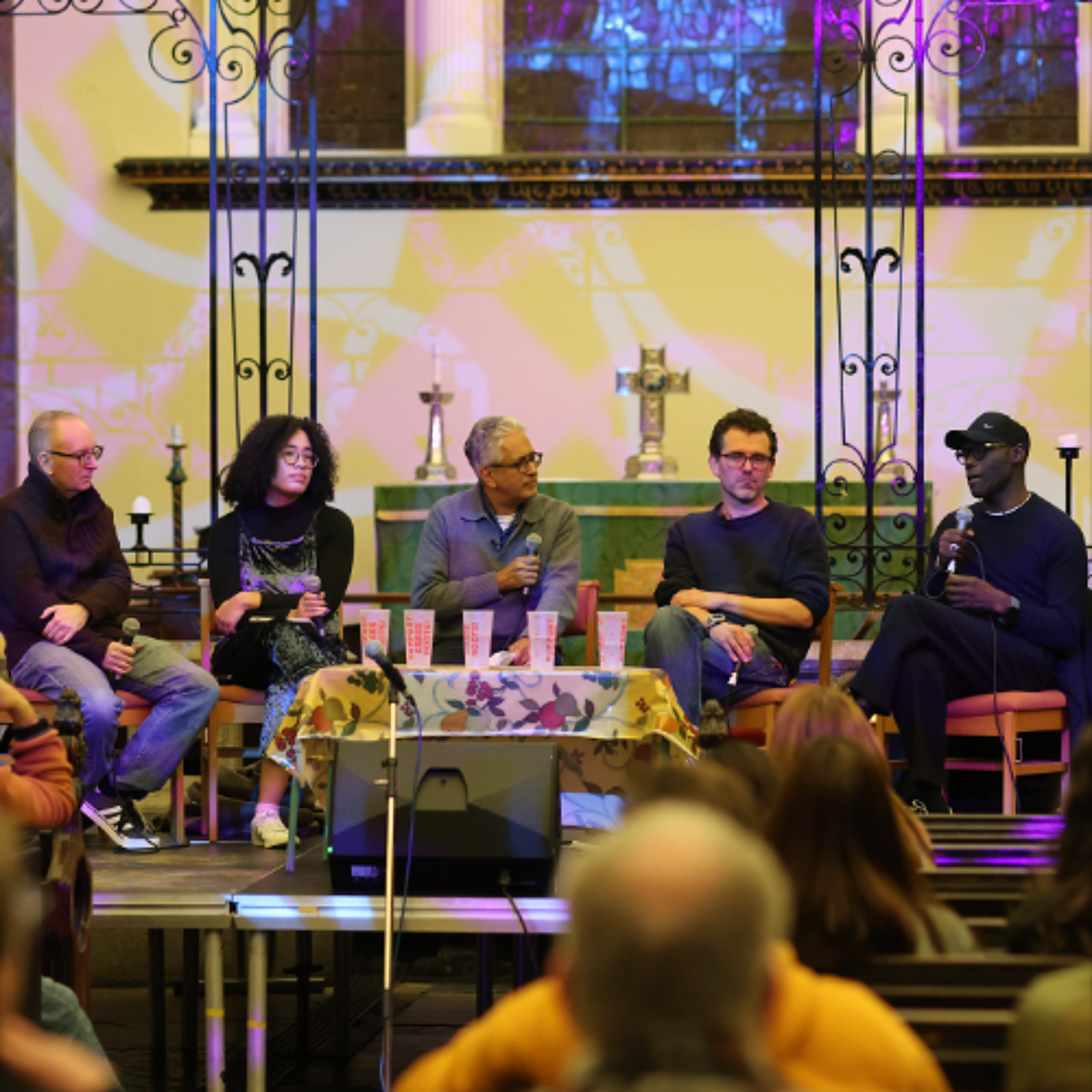 A History of Hip Hop✨ | hip hopmusic history+3 | Mykaell Riley | UKRICollege of Design+20 | BronxJamaica+6 | BronxJamaica+3 | — | 1h 00m 00s | |
| 10/19/25 |  Professor Nathan Mayne | Life Beyond Earth✨ | exoplanetsastrophysics+3 | Professor Nathan Mayne | the University of ExeterUniversity of Exeter+4 | Earth | extra-terrestrial lifeUniversity of Exeter+3 | — | 44m 00s | |
| 7/24/25 | 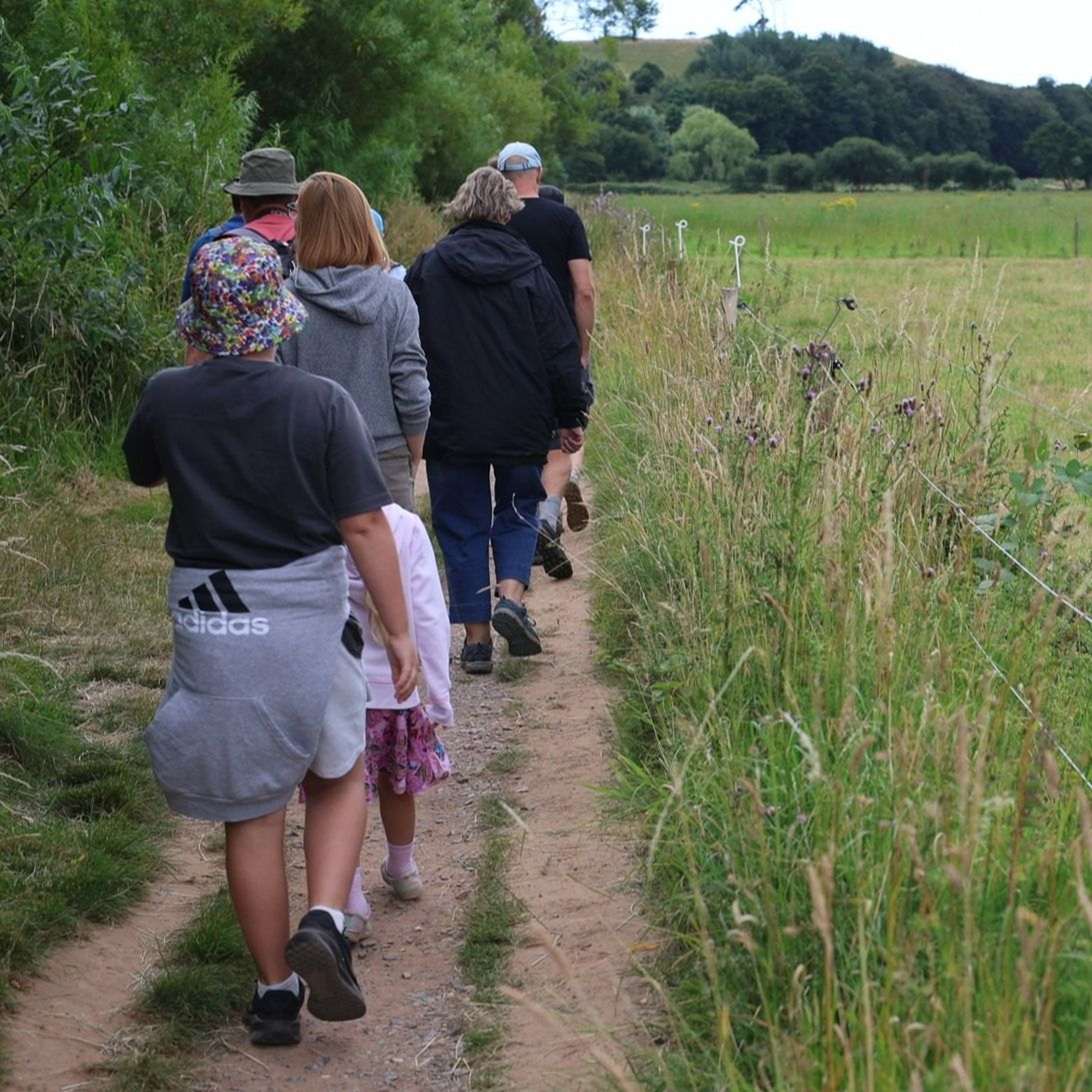 Alan Puttock | Beavers on the River Otter✨ | environmentbiodiversity+3 | Alan Puttock | Devon Wildlife Trustthe University of Exeter+4 | the River OtterUK+3 | beaversRiver Otter+7 | — | 36m 30s | |
| 7/9/25 | 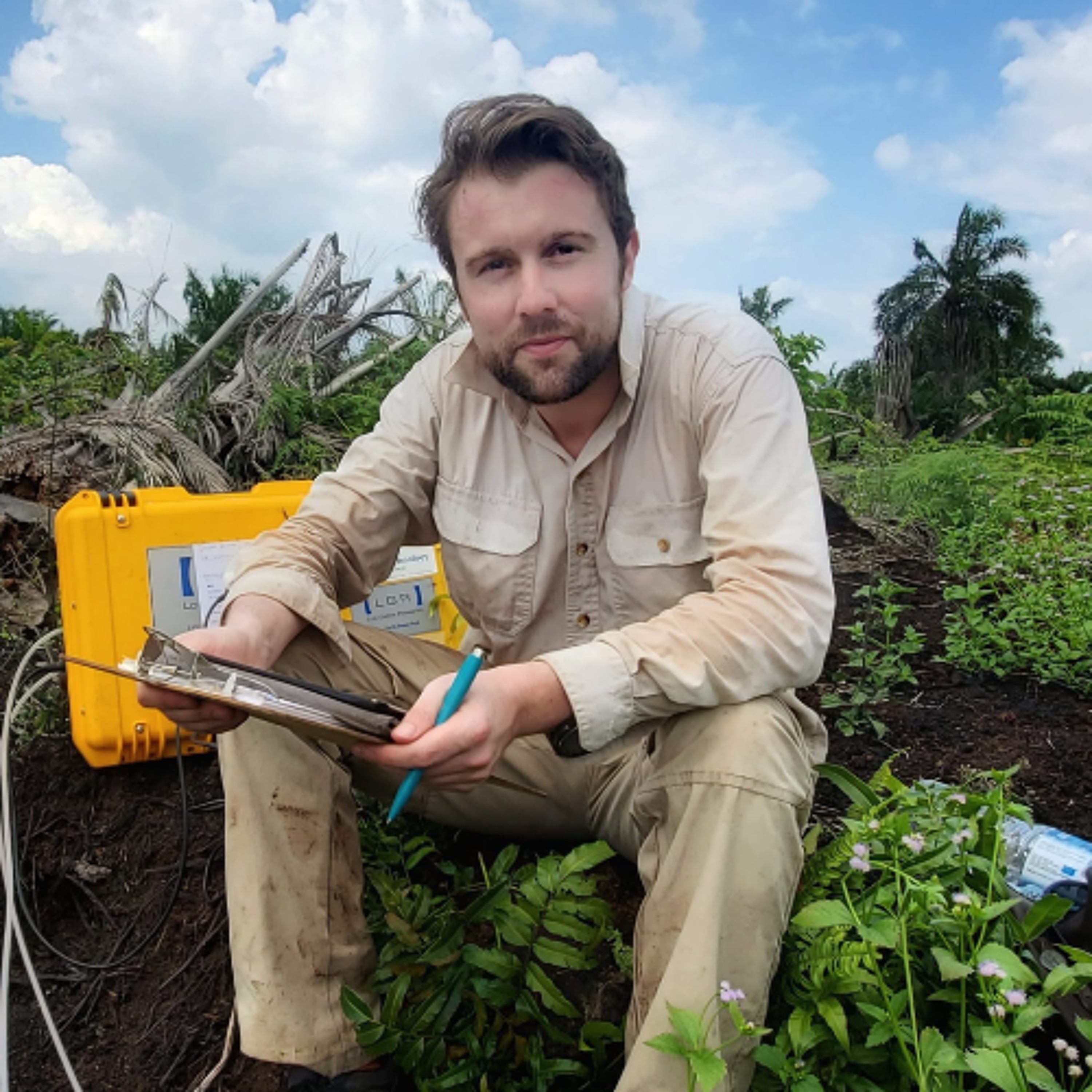 Dr Thomas Smith | Understanding Wildfires✨ | wildfiresenvironment+3 | Dr Thomas Smith | the London School of Economics and Political SciencesEnvironmental Geography Department of Geography and Environment+1 | CaliforniaAustralia+3 | wildfire behavioursmoke emissions+3 | — | 39m 41s | |
| 5/2/25 | 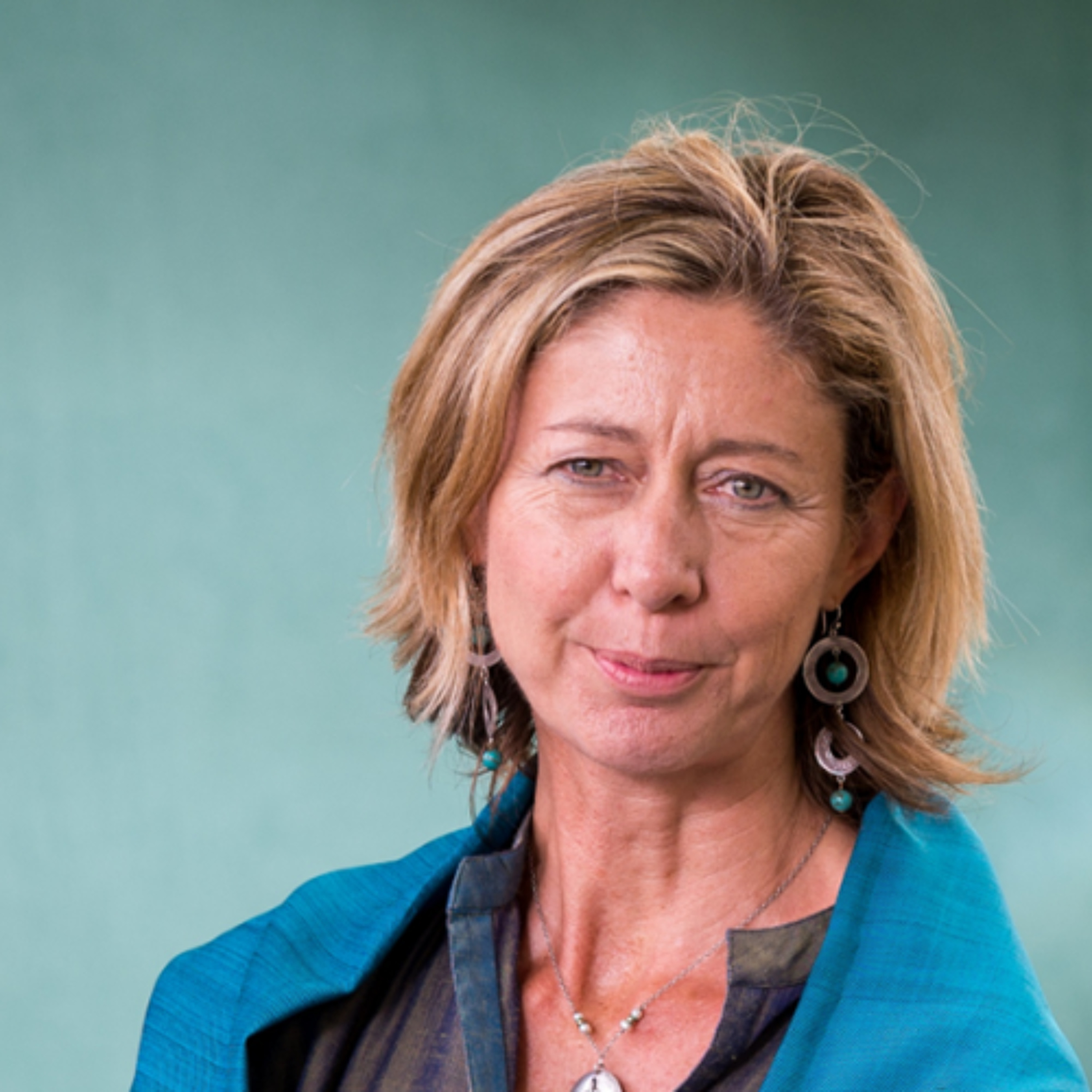 Christina Lamb | Years of Living Dangerously✨ | journalismwar+3 | Christina Lamb | The Sunday TimesTaliban+13 | the South WestBritain+9 | foreign correspondentI am Malala+7 | — | 35m 54s | |
| 3/10/25 | 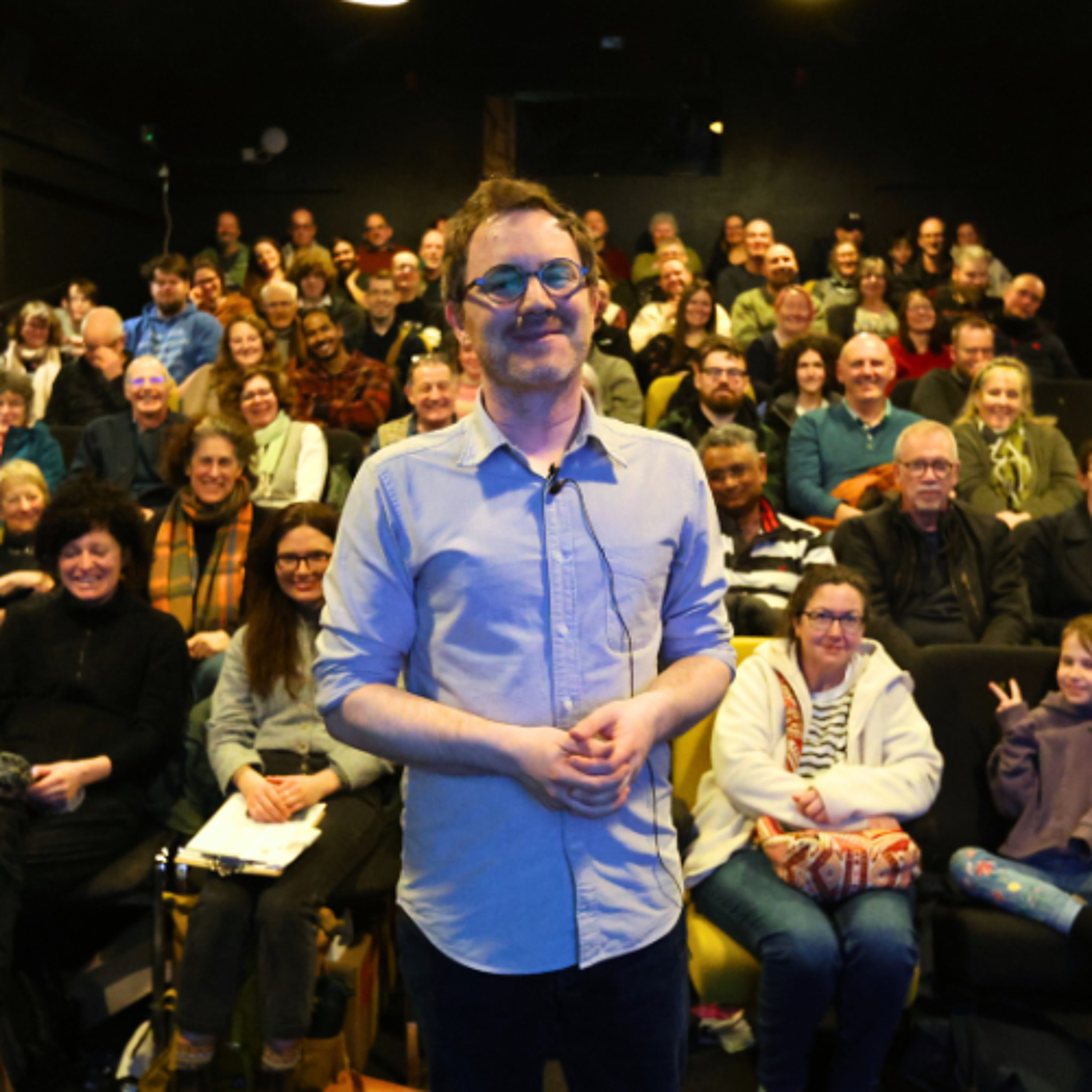 Joshua Howgego | The Meteorite Hunters✨ | meteorite huntingscience journalism+3 | Joshua Howgego | The Meteorite HuntersNew Scientist Magazine+7 | London | meteoritestime capsules+7 | — | 35m 29s | |
| 2/12/25 |  Dr Abby Russell and Charlie Kelman | 9 Things You Never Knew About Neurodiversity✨ | neurodiversityautism+3 | Charlie KelmanDr. Abby Russell | the University of Exeter Children and Young People’s Mental Health Research Collaboration | UK | neurodivergencediagnosis+3 | — | 40m 00s | |
| 1/2/25 |  Dr. Claire Newman | Weather on Mars✨ | Mars explorationplanetary science+3 | Dr. Claire Newman | Mars Roversthe Perseverance Rover+10 | MarsEarth+1 | weather on MarsPerseverance Rover+7 | — | 34m 01s | |
| 12/18/24 |  Dr Tina Cartwright | Making Menopause Matter✨ | menopausehealth+3 | Dr. Tina Cartwright | the University of Westminster | — | perimenopausesymptoms+4 | — | 29m 23s | |
Want analysis for the episodes below?Free for Pro Submit a request, we'll have your selected episodes analyzed within an hour. Free, at no cost to you, for Pro users. | |||||||||
| 12/9/24 |  Professor Robin May | A Microbial Safari Through The Human Zoo✨ | microbiologyhuman immune system+3 | Professor Robin May | the University of BirminghamROBIN MAY School of Biosciences+2 | UK | virusesbacteria+5 | — | 37m 41s | |
| 11/20/24 | 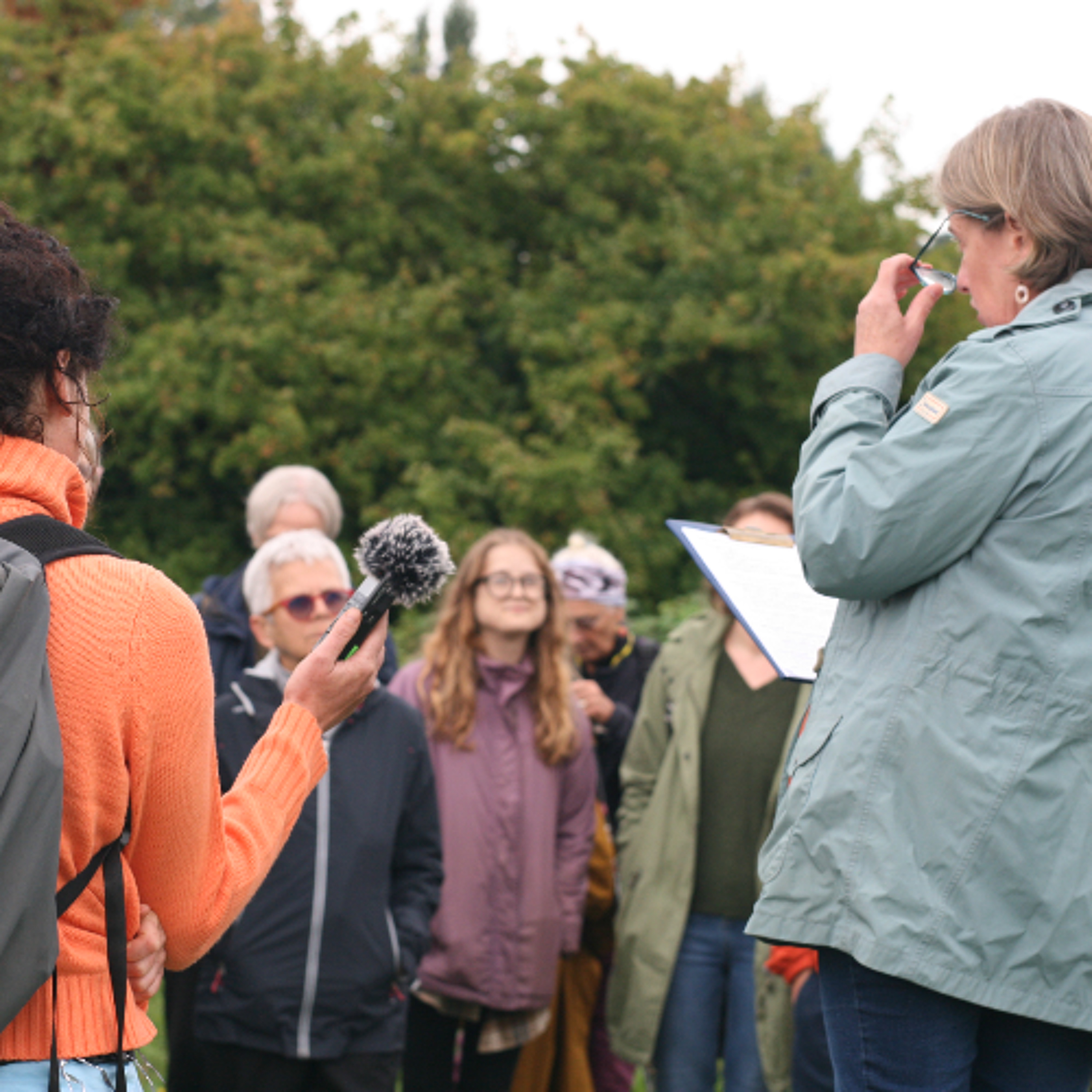 Can we have it all? Biodiversity, housing and people | Join Dr. Diana Tingley, from the University of Exeter for a walk and talk around Ludwell Valley Park New laws say that housing developments must leave the natural environment in a better state than beforehand, known as Biodiversity Net Gain. We discuss whether the current legislation can work well for people and nature at the same time, and whether it goes far enough. We also talk about the benefits to people from being able to access nature and whether social justice has a role to play in all of this. Dr. Diana Tingley Diana works at the cross section between academia, business, policy and public engagement as a Senior Research Fellow in the Land, Environment ,Economics and Policy (LEEP) Institute, University of Exeter. Her current research focuses on public preferences for how Biodiversity and Environmental Net Gain can be delivered in practice. With contributions from: Professor Ian Bateman: Co-Director LEEP , University of Exeter. Chris Moulton: Nature Reserve Officer, Devon Wildlife Trust. Sara Eppel: Nature And People Foundation Members of the public at the 'walkie talkie' event, Ludwell Park 2024 Further information: https://www.exeter.ac.uk/research/leep/ This work is supported with funding from the Esmée Fairbairn Foundation. | — | ||||||
| 10/18/24 |  Can AI be fair? | Celebrating Ada Lovelace Day and the pioneering research of women in science, technology, engineering, and mathematics. A discussion with world leading scientists and thinkers on Artificial Intelligence and equality. From benefits to healthcare and the environment, there is a lot that is exciting about AI and its contribution to our society. However, the risks – including algorithmic bias, invasion of privacy, and the power of big business – are well versed. So how can we ensure that data science and AI is working for and not against us? Hear about how ideas from computer and data scientists – particularly women – are empowering diversity, cooperation and prosperity for all. As many of us turn to generative AI to increase productivity at work, how can we be sure that the everyday tools we use are ethical and fair? This event is for The Joint Centre for Excellence in Environmental Intelligence. SPEAKERS JUDY WAJCMAN Principal Investigator for Women in Data Science and AI Alan Turing Institute Judy Wajcman is Principal Investigator for Women in Data Science and AI at the Alan Turing Institute. She also is Emeritus Professor of Sociology at the London School of Economics (LSE). Her previous positions include the Anthony Giddens Chair in Sociology at the LSE and Professor of Sociology in the Research School of Social Sciences at the Australian National University. She has also held posts in Cambridge, Edinburgh, Manchester, Sydney, Warwick, most recently holding the Mellon Fellowship at the Center for Advanced Study in the Behavioral Sciences at Stanford University. Judy has published widely in the fields of science and technology studies, feminist theory, work and organisations, and is probably best known for her analysis of the gendered nature of technology. Her books include The Social Shaping of Technology, Feminism Confronts Technology and TechnoFeminism. ANNA BALDYCHEVA Assistant Professor (Senior Lecturer) in Electronic Engineering Department of Engineering University of Exeter REBECCA KESBY Journalist BBC EKATERINA HERTOG Associate Professor in AI and Society Oxford Internet Institute University of Oxford | — | ||||||
| 9/26/24 | 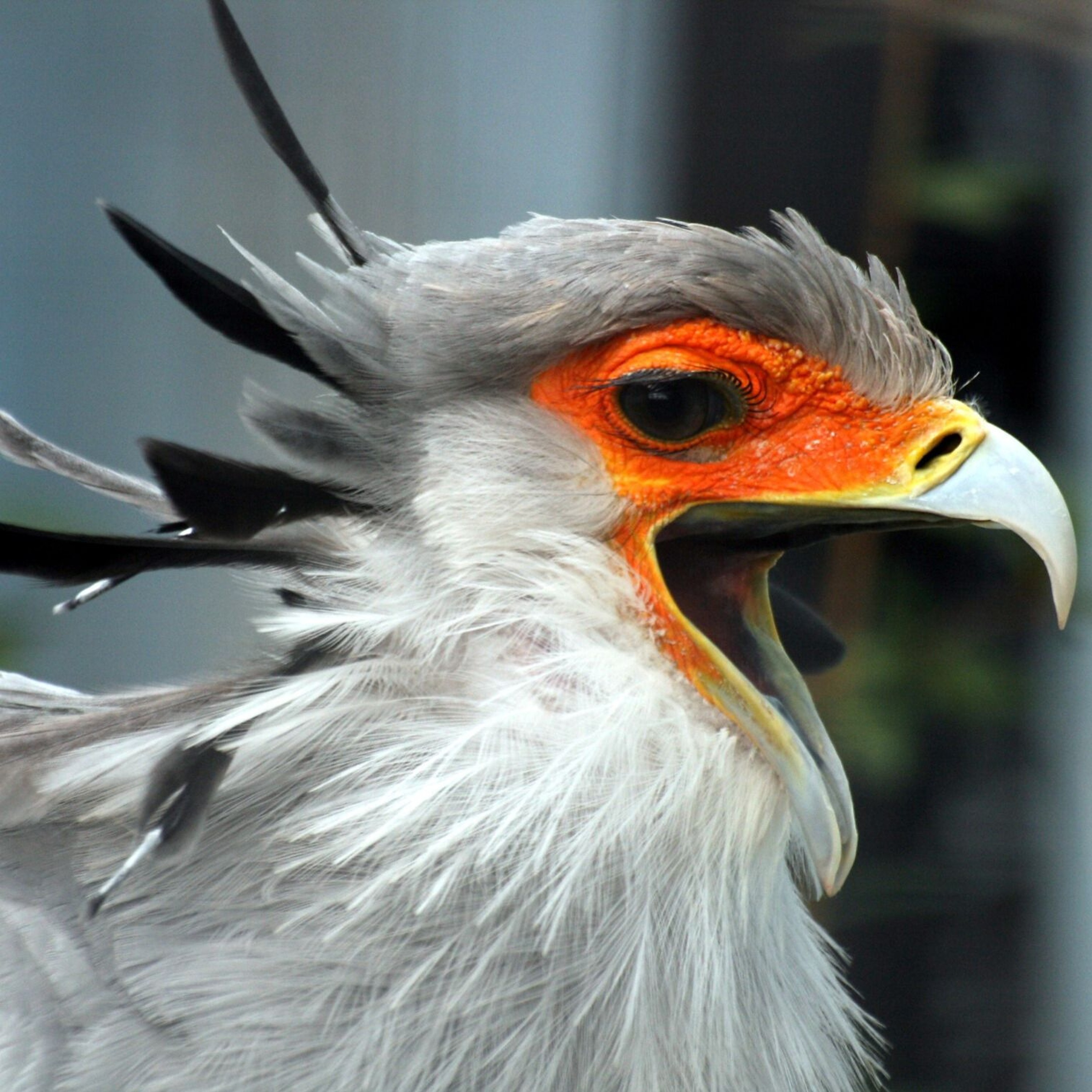 Oddities of the Animal Kingdom | Dr Steven Portugal | From naked mole rats and their teeth digging skills to kickboxing secretary birds, get ready to get your freak on. Dr. Steve Portugal from the Centre of Ecology, Evolution and Behaviour at the Royal Holloway University of London, has long been interested in the curious and peculiar behaviours of our fellow earthly inhabitants. STEVE PORTUGAL Steve Portugal is a comparative ecophysiologist. The common theme of his work focuses on how animals adapt their behaviour and ecology to the challenges of their environment, within the constraints of their own physiological and anatomical limitations. Such questions are particularly important in the light of global environmental change and exploitation of natural resources, in the emerging field of conservation physiology. From September, Steve will commence his new position as Associate Professor of Animal Behaviour at the University of Oxford and St Hugh’s College. | — | ||||||
| 6/21/24 | 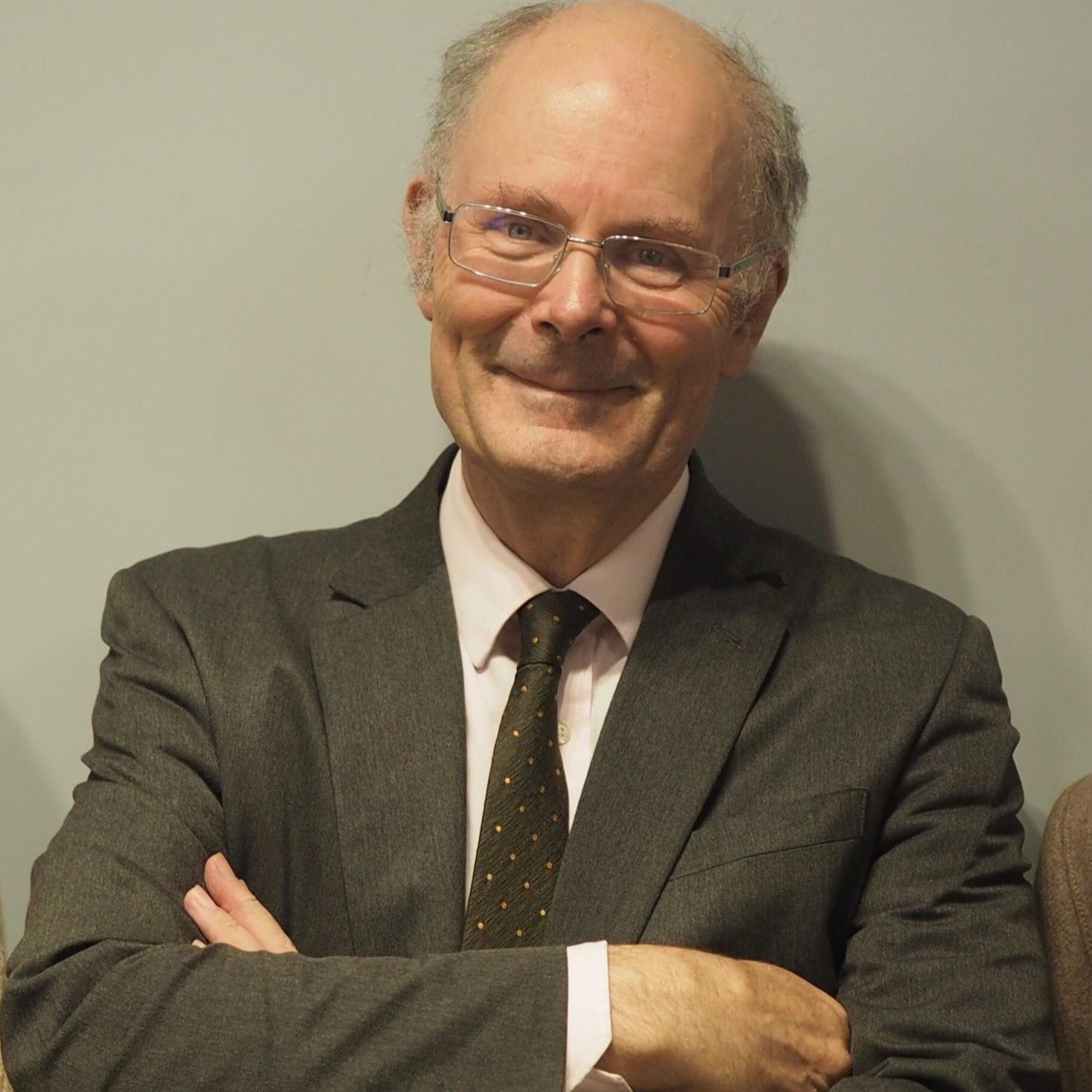 Sir John Curtice | Election Survival Guide | The man behind much meaningful analysis of election statistics visits the South West for an exclusive event with Agile Rabbit. Sir John Curtice is in conversation with former Radio 4 presenter Ritula Shah. Using the latest poll data, Sir John will be sharing potential outcomes and reflecting on the implications for both politicians and the electorate. Sir John famously provides poll analysis on election nights for the BBC and is a regular contributor across the media. 20th June 2024 | — | ||||||
| 4/30/24 | 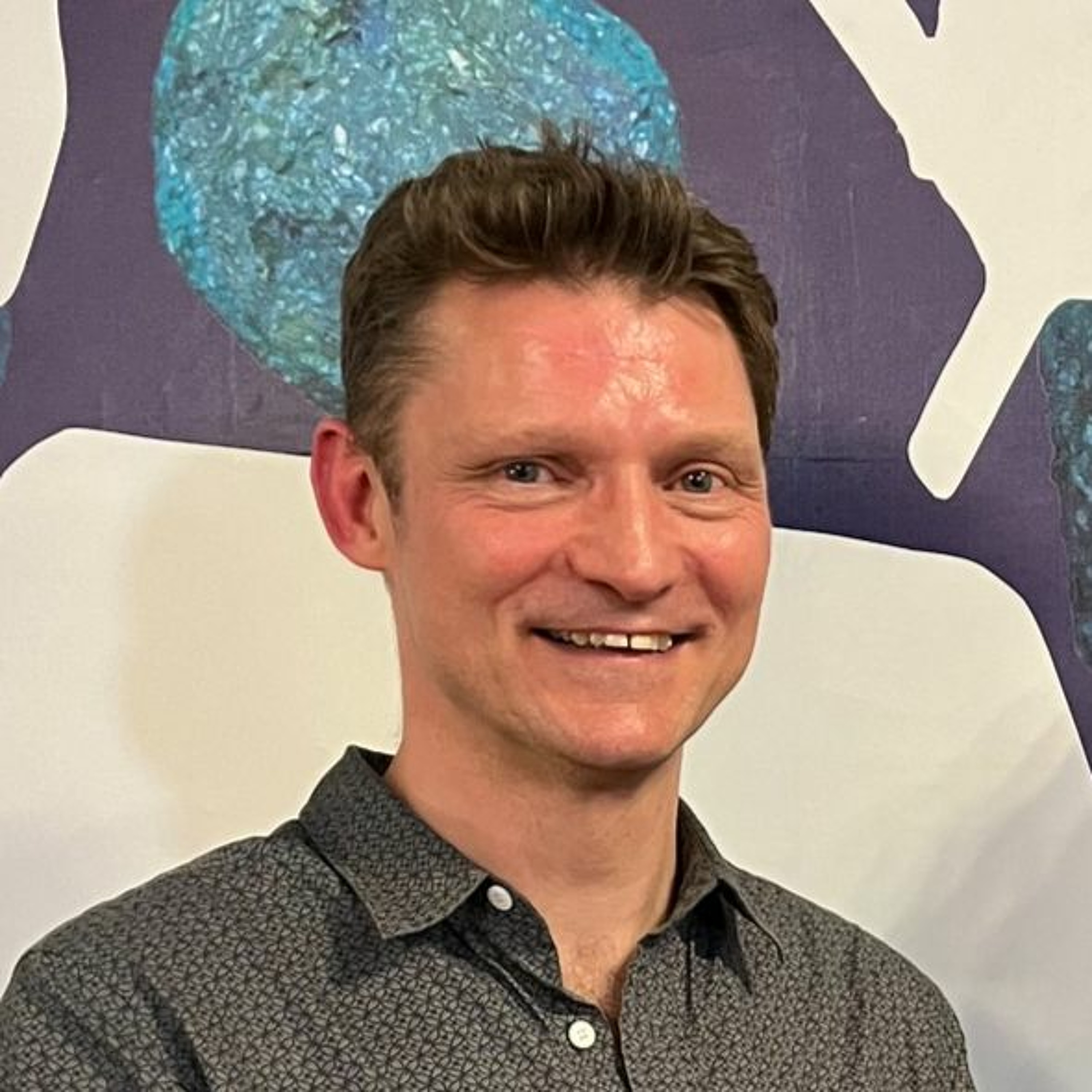 Professor Nathan Lepora | Humans vs Robots | Nathan Lepora, Professor of Robotics and AI at the University of Bristol, shares his vast knowledge on most recent robotic developments. Professor Lepora is interested in the intersection of artificially embodied intelligence and neuroscience and how, in turn, this manipulates how we perceive our surroundings, learn, and interact with one another. He is the leader of the Dexterous Robotics Group in Bristol Robotics Laboratory, a collaborative research group that investigates and develops dexterous robots with a human-like sense of touch that can intelligently interact with their surroundings. Together with his research group, he has pioneered the use of 3D-printing for easy fabrication of tactile sensors, leading to multiple benefits from open-sourcing the technology to the integration into robot hands and grippers. | — | ||||||
| 4/3/24 | 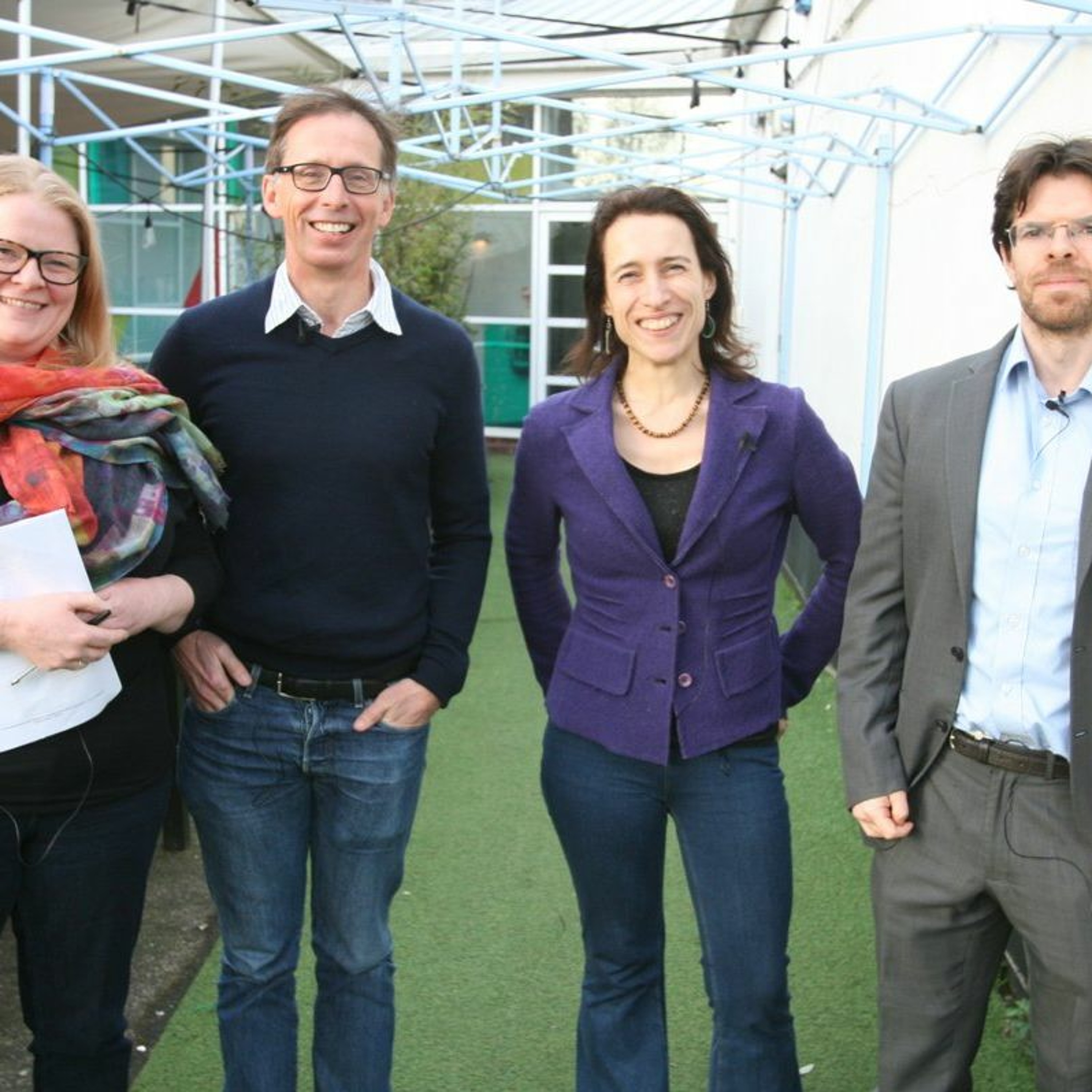 How safe is Artificial Intelligence? | Professor Sabina Leonelli, Professor Seán Ó hÉigeartaigh, Professor Anthony King, Rebecca Kesby. Whether it’s a deepfake of Taylor Swift or Rishi Sunak’s summit at Bletchley Park, news about Artificial Intelligence seems unescapable. And it’s accelerating at an unprecedented rate. With a group of world experts, we’re getting behind the headlines to look at what’s really happening in AI safety, particularly the role that law and politics play in providing regulation and reassurance. The AI landscape is complex, ranging from positive impacts such as healthcare advances to those more negative that affect real-life opportunities and services. So, what are the risks of AI as well as the transformative opportunities? This event was part of AI UK Fringe and in partnership with the University of Exeter’s Institute for Data Science and Artificial Intelligence and the Alan Turing Institute. | — | ||||||
| 4/3/24 | 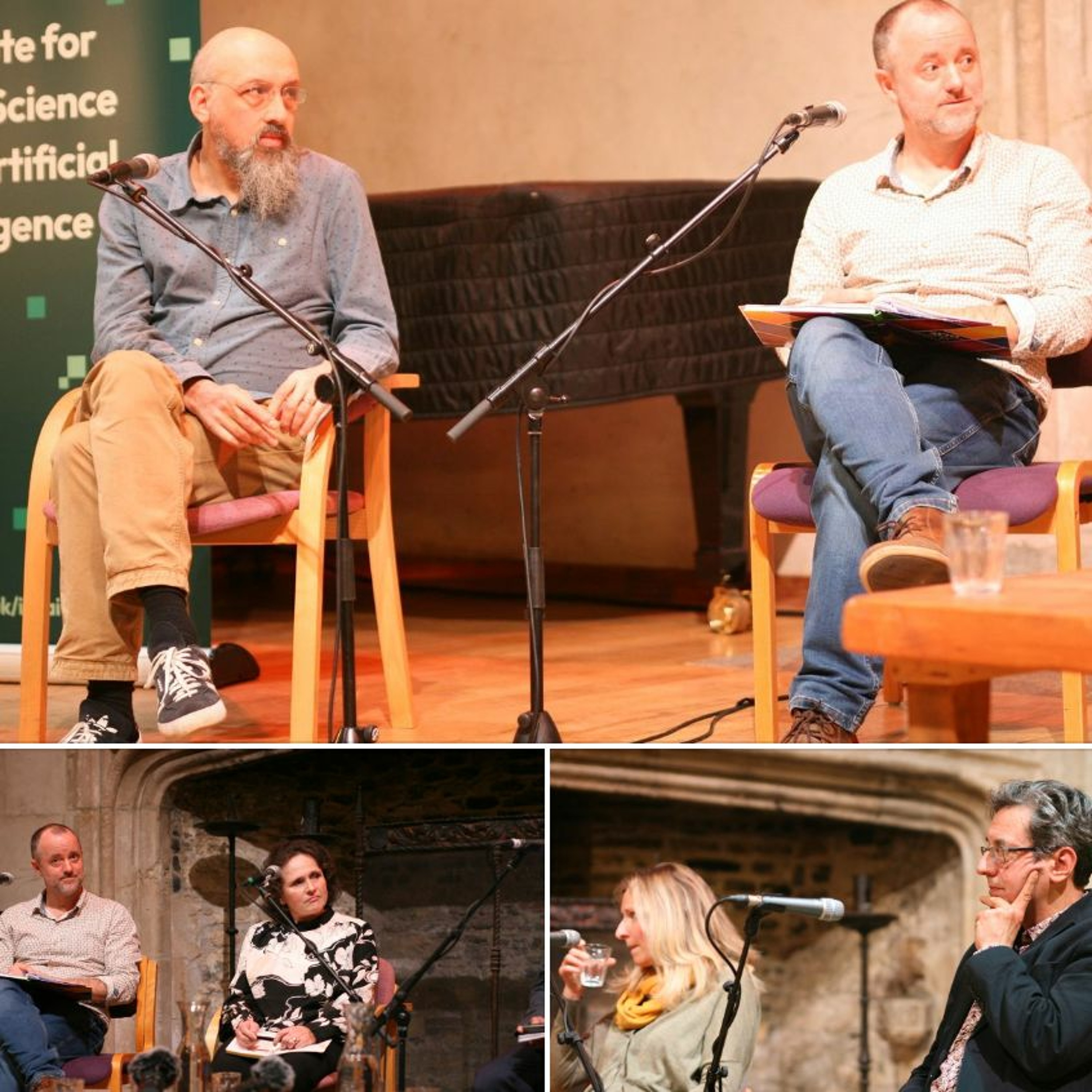 Environmental Intelligence: Can AI change the world? | Professor Penelope Endersby FREng, Hon FInstP, Professor Hywel Williams, George Monbiot, Professor Seth Bullock, Professor Sarah Hartley, James Coomarasamy Artificial Intelligence enables us to track environmental footprints, extreme weather events, carbon emissions, and biodiversity loss. But can it help us to find solutions to tackle some of our society’s most pressing environmental issues? AI has a staggering carbon footprint itself – but can it help us find solutions in a rapidly changing climate? The UK’s leading data scientists and environmental thinkers joined us for this special fringe event as part of AI UK Fringe, at Dartington Hall. We heard about how scientists and companies focus their efforts and research on how AI can support communities to navigate their water supply, what the technology can tell us about our changing weather, and whether it can increase harvest globally. This AI UK Fringe panel was for the University of Exeter's Institute for Data Science and Artificial Intelligence and in partnership with the Alan Turing Institute. | — | ||||||
| 3/10/24 |  Professor Tessa Baker | Sounds of Spacetime | What fills the space between stars in our universe? Pure nothingness? After sparking interest with our curious audience at Standon Calling, Tessa Baker visited us in Exeter. She discusses how space, in fact, isn’t empty and still, but can twist and stretch like a piece of elastic. And when it does, it produces special ‘sounds’ called gravitational waves, which we can hear with some incredible instruments. Tessa Baker is Professor of Cosmology and Royal Society University Research Fellow at the University of Portsmouth. She take us on a journey through outer space, black holes, and the most violent events in the universe, to explain one of the most exciting scientific discoveries of the century, and what it means for our understanding of the cosmos. | — | ||||||
| 12/21/23 |  John Crace | Depraved New World | From Partygate and Boris Johnson’s farewell to Jeremy Corbyn handing over Labour’s leadership to Keir Starmer – bestselling author John Crace takes us on a hilarious tour of the whirlwind world of post-Brexit Britain. Over the past few years, the various Prime Ministers, and some heated parliamentary debates at Westminster, John Crace’s brilliant political sketches have provided the nation with some desperately needed comic relief. He speaks about his new book, Depraved New World: Please Hold, the Government Will Be With You Shortly, capturing British politics at its most absurd. Recorded on December 3rd 2023 at Exeter Phoenix | — | ||||||
| 11/11/23 |  Dr Chris Kempshall | The History and Politics of Star Wars | DEATH STARS AND DEMOCRACY The hugely popular Star Wars films famously came about from George Lucas’s desire to tell a ‘Vietnam War in space’. Since then, the Star Wars films have always focused on repurposing contemporary events in a science fiction setting. We’ll discover the fascinating ways in which Star Wars is inspired by real-world events and history. This event explores the films and their responses to real world moments. We also look at the books and computer games in the franchise, to see how they responded to the fall of the Soviet Union, genocides and ethnic cleansing in the 1990s, and both 9/11 and the Global War on Terror. | — | ||||||
| 8/24/23 |  Wild Isles | Water and Sussex | Funded by DEFRA’s Resilience Innovation Programme, Blue Heart is investigating how rain, river and waste water move through Eastbourne and southern Wealden to help reduce the impact of flooding. Blue Heart are working with local organisations and communities to build resilience to flooding and other effects of climate change, be more sustainable and strengthen connections to our local environment. The latest BBC programme narrated by David Attenborough, Wild Isles, looks at the beauty of nature here in Britain and Ireland. We were joined by Nick Gates one of its directors and producers at the Towner Gallery in Eastbourne for a special event. Nick is a naturalist, producer, and writer based in Bristol. The South Downs feature in the series and Nick grew up in Sussex. With a passion for conservation, nature-friendly farming, and rewilding, he loves to find stories that inspire people to care for the natural world. This was a Blue Heart event recorded at Towner Gallery in Eastbourne You can find out more at blueheart.org.uk | — | ||||||
| 6/29/23 |  Water and Climate Change | Thursday 22 June 2023 Exeter Phoenix Prof David Butler FREng, Professor Tania Kovats, Trevor Bishop, Dr Sarah Ward, Anu Anand Hear four speakers passionately discuss the implications of our changing world on a key area. Climate Change and water are intertwined, from flooding and drought, to increased demand and varying quality. We’re looking at the 10 key changes you need to know: what we are already experiencing, alongside what to expect in the coming years, and the positive ways scientists and engineers are building resilience. We’re sharing the research behind the headlines, with a particular focus on the work of the Centre for Water Systems at the University of Exeter. We’ll examine the science behind attribution; is there evidence that individual extreme flooding events were affected by Climate Change? How can we become more resilient in a changing world to extreme weather events and how does the artistic community work with scientists to communicate their work? This event is in partnership with the Centre for Water Systems at the University of Exeter, which is celebrating its 25 year anniversary. | — | ||||||
| 4/27/23 |  Can I Trust Science? | CAN I TRUST SCIENCE? From anti-vaxxers to climate deniers, not everyone trusts science. A special live event with a panel of international experts to look at why there is mistrust and positive antidotes to deal with it. This discussion explores the Open Science movement, which is sweeping the globe promoting practices to make science more transparent and less biassed. One method is sharing data – that increases trust through openness and accelerates the quality of research. There are hurdles to sharing data: who owns it, how it’s arranged, and the motivation of scientists when their careers are driven by publishing results. But are there limitations, a tyranny of openness? Sharing data without acknowledgement or payment may lead to exploitation of those who produced it. The panel examines the ethics of data and share positive solutions to make science more responsible, so we can all trust it. TIMANDRA HARKNESS SABINA LEONELLI TRAVIS COAN CAROLE GOBLE CBE FRENG FBCS JAMES COOMARASAMY | — | ||||||
| 2/17/23 |  How to Fix the Internet | A lively discussion with some of the world’s leading thinkers as we reassess our relationship with the internet and set out a positive vision of how it can be improved so we can reshape the digital world into a space where we can all flourish. In partnership with the Institute of Data Science and Artificial Intelligence at the University of Exeter HELEN MARGETTS OBE Director of the Public Policy Programme, Professor of Society and the Internet The Alan Turing Institute University of Oxford SILVIA MILANO Lecturer in Philosophy of Data and Data Ethics Institute for Data Science and Artificial Intelligence (IDSAI) University of Exeter CHICO CAMARGO Lecturer in Computer Science (E&R) Institute for Data Science and Artificial Intelligence (IDSAI) University of Exeter RITULA SHAH (CHAIR) Lead Presenter, The World Tonight BBC Radio 4 | — | ||||||
Showing 25 of 56
Sponsor Intelligence
Sign in to see which brands sponsor this podcast, their ad offers, and promo codes.