Insights from recent episode analysis
Audience Interest
Podcast Focus
Publishing Consistency
Platform Reach
Insights are generated by CastFox AI using publicly available data, episode content, and proprietary models.
Total monthly reach
Estimated from 1 chart position in 1 market.
By chart position
- 🇦🇺AU · Marketing#7730K to 100K
- Per-Episode Audience
Est. listeners per new episode within ~30 days
15K to 50K🎙 ~2x weekly·37 episodes·Last published 1w ago - Monthly Reach
Unique listeners across all episodes (30 days)
30K to 100K🇦🇺100% - Active Followers
Loyal subscribers who consistently listen
12K to 40K
Market Insights
Platform Distribution
Reach across major podcast platforms, updated hourly
Total Followers
—
Total Plays
—
Total Reviews
—
* Data sourced directly from platform APIs and aggregated hourly across all major podcast directories.
On the show
Recent episodes
What Will SEO Look Like in 2027? (James Dooley Interviews Charles Floate)
May 19, 2026
10m 51s
The Best SEO Tactics for 2026 Rankings (James Dooley Interviews Charles Floate)
May 19, 2026
12m 19s
Split Testing SEO Strategies That Work | James Dooley & Experts
May 12, 2026
20m 12s
AI Search Visibility Strategies for Claude, Gemini & ChatGPT (James Dooley vs Charles Floate)
May 12, 2026
10m 39s
Winning AI SEO Tactics for 2026 | James Dooley & Experts
May 12, 2026
20m 41s
Social Links & Contact
Official channels & resources
Official Website
Login
RSS Feed
Login
| Date | Episode | Description | Length | ||||||
|---|---|---|---|---|---|---|---|---|---|
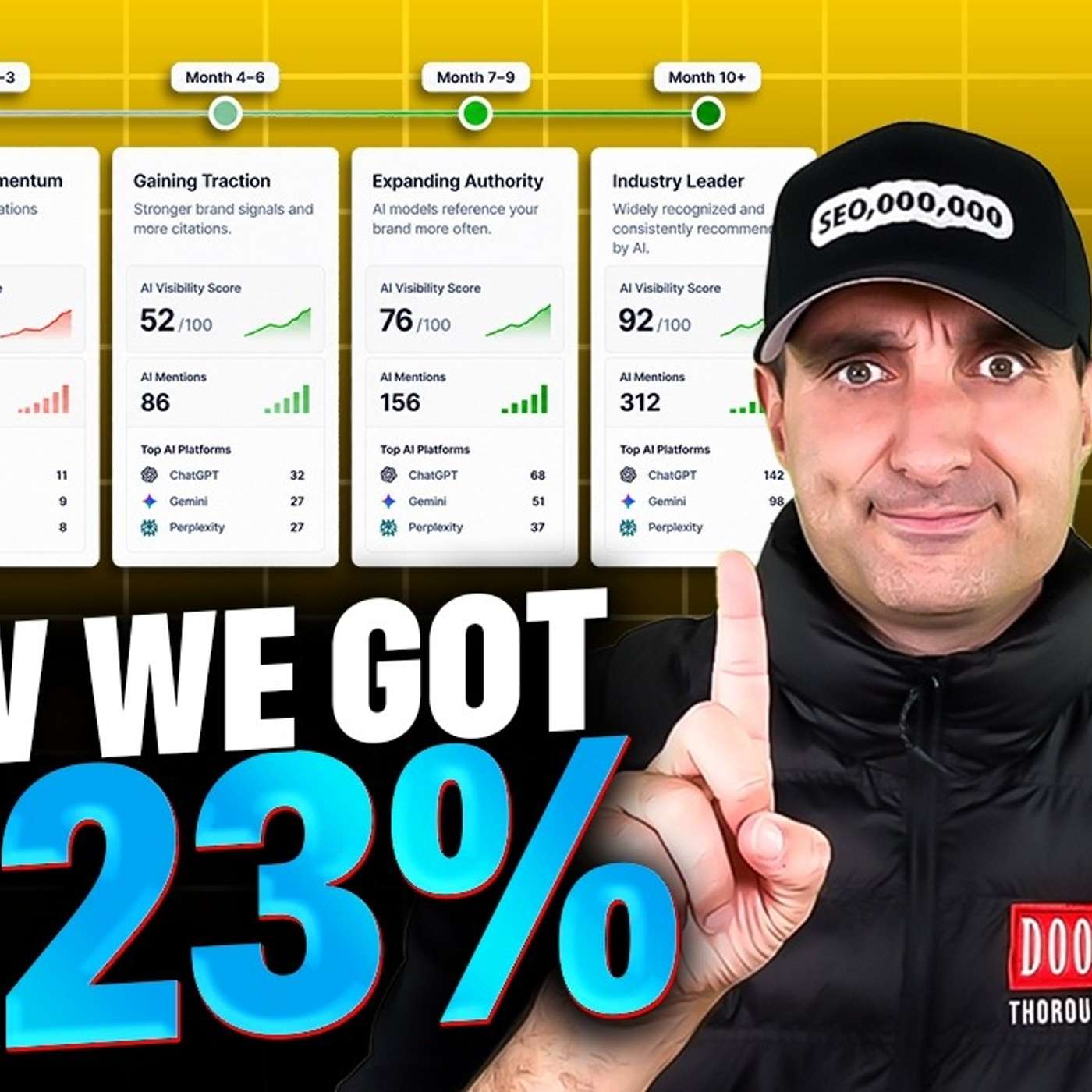
| 5/19/26 | ![]() What Will SEO Look Like in 2027? (James Dooley Interviews Charles Floate) | James Dooley and Charles Floate discuss SEO predictions for 2027, focusing on how AI mode, AI overviews and LLM-driven search could reshape the SEO industry. Charles Floate explains why Google moving towards AI as the default search experience could change traditional rankings, content strategy, brand visibility and off-page authority. The conversation covers the shift from one-domain SEO to wider entity building, third-party corroboration, sentiment, semantic content networks, podcasts, video, social media and Reddit. They also discuss why SEO may become closer to holistic marketing because AI systems use multiple sources to form answers. This video is useful for SEO professionals, marketers and business owners preparing for AI search, GEO, AI SEO and future ranking systems in 2027. | 10m 51s | ||||||
| 5/19/26 | ![]() The Best SEO Tactics for 2026 Rankings (James Dooley Interviews Charles Floate) | James Dooley and Charles Floate discuss the best SEO strategies working in 2026, focusing on how Google’s algorithm is shifting towards AI overview support, consensus-led content and verifiable information. Charles explains how topical authority, site focus, schema, third-party corroboration, link building and tier two link activation influence rankings because Google needs clear, trusted and repeated signals to understand what should rank. The conversation also covers how AI search, ChatGPT, Gemini, Claude and Perplexity are changing SEO strategy, why consensus matters across multiple indexed sources, and how parasite pages can reinforce a target ranking position. They also discuss user engagement, Chrome-based signals, traffic activation, social boosts and the limits of short-term virality. This video is useful for SEOs, affiliate marketers, agencies and brands planning SEO growth in 2026. | 12m 19s | ||||||
| 5/12/26 | ![]() Split Testing SEO Strategies That Work | James Dooley & Experts | James Dooley is joined by Mike Lovatt, Paul Truscott and Luke Bastin to discuss SEO testing, split testing and why research and development is critical for staying ahead in modern search algorithms. The discussion covers private SEO testing groups, Google algorithm behaviour, split test experiments, transactional page optimisation, schema testing, AI visibility, task fulfilment, local SEO, structured data and search intent optimisation.The group explains how testing different SEO strategies across industries and countries helps uncover what is genuinely working in today's algorithms rather than relying on outdated conference advice. Topics include subdomain geo-targeting, schema-driven snippets, SERP filter chips, mobile UX, corroborative SEO signals and the importance of collaborative testing communities for discovering new ranking factors and SEO opportunities. | 20m 12s | ||||||
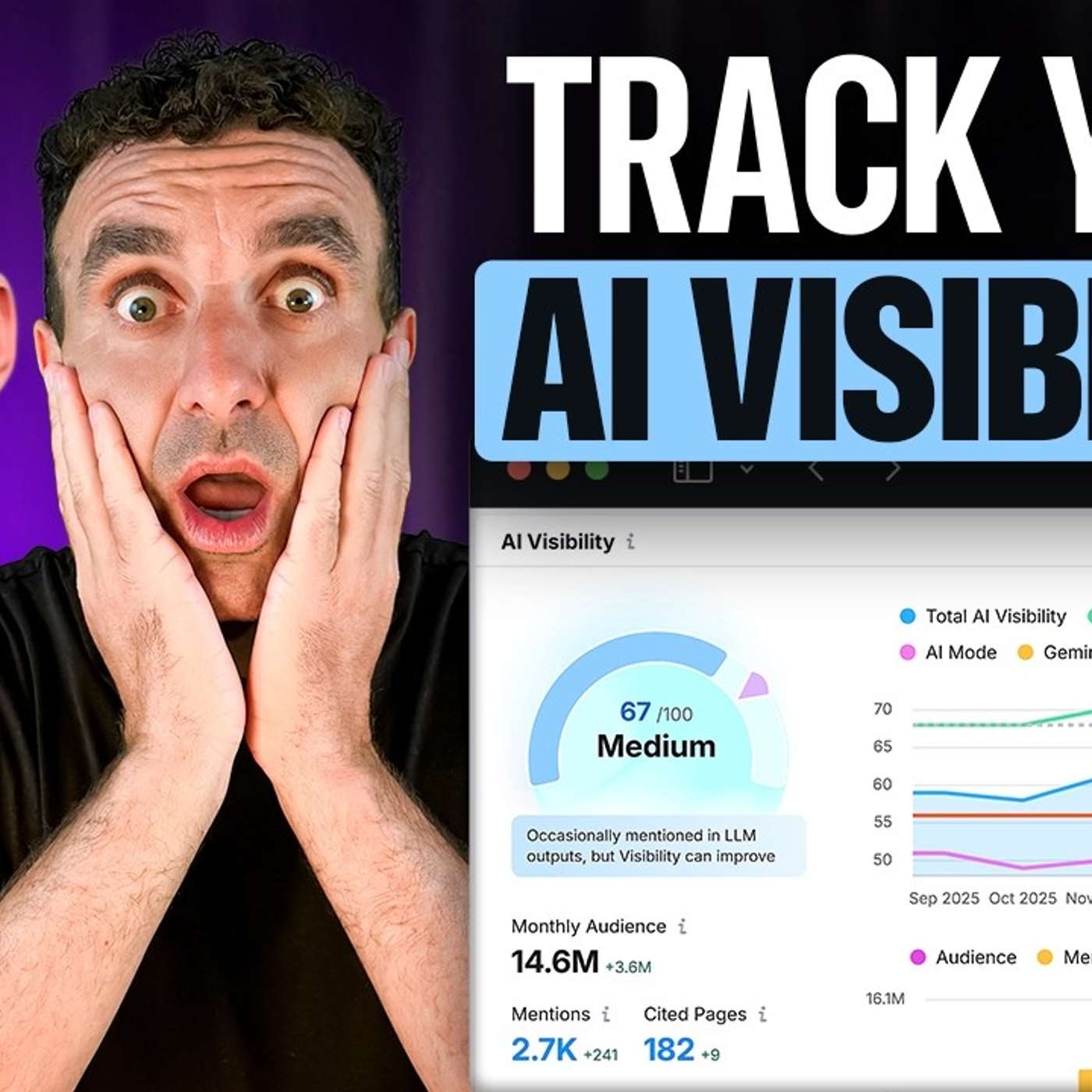
| 5/12/26 | ![]() AI Search Visibility Strategies for Claude, Gemini & ChatGPT (James Dooley vs Charles Floate) | James Dooley and Charles Floate discuss how to increase AI search visibility across ChatGPT, Claude, Gemini and Perplexity. The conversation explains how brands can improve rankings and citations by understanding where their audience searches, how each AI model retrieves information, and how grounded search queries influence visibility. Charles Floate covers listicles, balanced sentiment, source trust, training data, Common Crawl, Internet Archive, PDFs and third-party content placement. The discussion also explains why consensus matters because AI systems need consistent entity signals across websites, podcasts, guest posts, reviews and case studies. They also explore query fan-outs, video SEO, YouTube transcripts, multimodal AI and how brands can build stronger entity understanding across text, audio, video and imagery. This video is useful for SEO professionals, marketers and brands looking to improve AI visibility and LLM citations. | 10m 39s | ||||||
| 5/12/26 | ![]() Winning AI SEO Tactics for 2026 | James Dooley & Experts | James Dooley, Mike Lovatt, Paul Truscott and Luke Bastin discuss AI SEO strategies that are working in 2026 for improving visibility across ChatGPT, Claude, Gemini, Perplexity and AI overviews. The conversation covers GEO, AI SEO, brand visibility, off-page consensus, listicles, comparison pages, press releases, podcasts, case studies and data-rich content. They explain why brands need wider digital footprints because LLMs use third-party sources, brand mentions and entity signals to understand who a company is and what it does. The group also discusses how strong organic rankings support AI visibility, why brand signals matter, and how social media repurposing can drive branded search and AI citations. This video is useful for SEO professionals, agencies and business owners looking to improve AI visibility, entity recognition and search performance in 2026. | 20m 41s | ||||||
| 5/12/26 | ![]() Rank in Gemini AI Overviews with Listicles | James Dooley & Jabez Reuben | James Dooley and Jabez Reuben discuss how listical link building helps brands get cited in Google Gemini AI overviews. The conversation explains why listicles work well for Gemini because they create structured, indexable and retrievable content across third-party sources. Jabez explains that DR, DA and traffic are less important than whether the article gets indexed, ranks in Google and avoids blocked LLM crawlers. They also cover robots.txt checks, Claude skills, semantic writing, comparison tables, FAQs, internal links, authority references, YouTube videos and infographics. The discussion highlights why one listicle is not enough, as Gemini needs consistent consensus signals across local, citywide, regional and nationwide coverage. This video is useful for SEOs, link builders and brands looking to improve Gemini citations, AI overview visibility and organic search rankings. | 7m 56s | ||||||
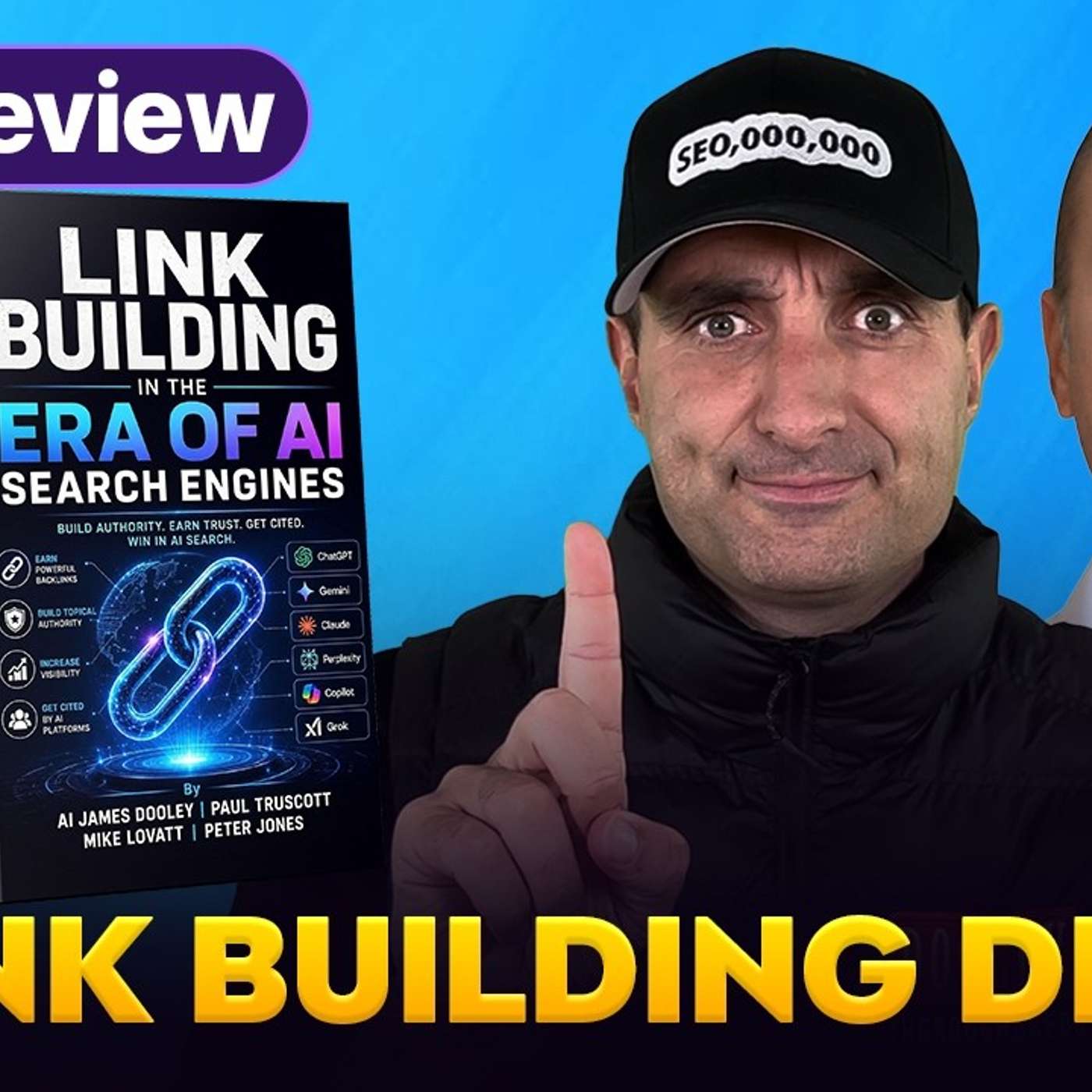
| 5/12/26 | ![]() Claude SEO: Listicle Link Building Explained | James Dooley x Jabez Reuben | James Dooley and Jabez Reuben discuss how listical link building can help brands get cited inside Claude AI. The conversation explains why Claude often pulls from Google results, which makes indexed and well-structured listicles important for AI visibility. Jabez explains why brands should include competitors in comparison articles because this helps Google and Claude understand category relevance. They also cover consensus building, Google Business Profile strength, review signals, robots.txt checks, LLM crawler access and the need for multiple listicles rather than one isolated guest post. The podcast explains how comparison tables, quick summaries, FAQs, YouTube videos, contact details and semantic variation can help listicles rank in both Claude and Google organic results. This video is useful for SEOs, link builders and brands looking to improve Claude citations, AI visibility and LLM rankings. | 6m 58s | ||||||
| 5/12/26 | ![]() How Listicles Help You Rank in ChatGPT | James Dooley & Jabez Reuben | James Dooley and Jabez Reuben discuss how listical link building can help brands get mentioned and cited inside ChatGPT. The conversation explains how ChatGPT uses query fan-out, source retrieval and consensus signals to identify relevant brands across different niches. Jabez explains why listicles make information easier for LLMs to retrieve and why brands need more than one article to influence AI search results. The podcast covers comparison articles, competitor mentions, dealbreaker content, direct reviews, variation building and third-party content placement. They also discuss why appearing alongside established competitors helps ChatGPT understand category relevance and entity positioning. This video is useful for business owners, SEO professionals and link builders who want to improve ChatGPT visibility, AI citations, LLM rankings and brand mentions through structured listicle campaigns. | 6m 23s | ||||||
| 5/12/26 | ![]() Build Consensus in AI Results with Listicles | James Dooley & Jabez Reuben | James Dooley and Jabez Reuben discuss how listical link building builds consensus for LLMs, AI overviews and Google organic rankings. The conversation explains why structured listicles help AI systems understand brands, competitors, locations and category relevance because they provide clear, retrievable answers across query fan-outs. Jabez explains how comparison tables, competitor mentions, FAQs, media, USPs, awards and entity-focused content improve listicle performance. They also discuss why one guest post or press release is not enough, as AI systems need repeated, varied and consistent signals across trusted third-party sources. The podcast covers bottom-up consensus building, regional targeting, YMYL niches, semantic SEO, daisy-chain linking and brand coverage strategies. This video is useful for SEOs, link builders and brands looking to improve AI visibility, LLM citations and organic search performance. | 16m 03s | ||||||
| 4/29/26 | ![]() How GBP Optimiser Transforms Google Business Profiles James Dooley Interviews Mike Martin | This video explains why GBP Optimizer helps local businesses manage and improve multiple Google Business Profiles. James Dooley and Mike Martin discuss why Google Business Profiles matter more in 2026 because AI search, Gemini, Ask Maps and map results are pushing more local enquiries through Google Maps. Mike Martin explains how GBP Optimizer automates compliant profile actions, including image scheduling, post creation, review requests, Q&A content and profile scoring. The discussion highlights why map pack rankings can outperform organic website rankings because local searches often show Google Maps above standard results. They also cover review velocity, near me keywords and local lead generation because regular profile activity improves visibility, calls and enquiries. The outcome is a practical GBP strategy for agencies, rank and rent operators and local businesses. | 11m 23s | ||||||
Want analysis for the episodes below?Free for Pro Submit a request, we'll have your selected episodes analyzed within an hour. Free, at no cost to you, for Pro users. | |||||||||
| 4/27/26 | ![]() The AI SEO Debate James Dooley Disagrees With Mike Martin | This video debates whether AI will replace traditional SEOs or simply supercharge the way SEO work is delivered. James Dooley and Mike Martin discuss AI website building, vibe coding, local SEO, Google Business Profiles, rank and rent, lead generation and paid ads because these areas are changing quickly as AI tools become faster and cheaper. Mike Martin argues that basic web design, on-page SEO, copywriting and clerical SEO tasks are becoming commoditised because AI can now follow SOPs, build sites and automate large parts of delivery. James Dooley pushes back because strong SEO still needs brand trust, search intent, backlinks, information gain, digital PR, topical authority and project oversight. The discussion also covers pricing pressure, client outcomes, AI slop and why Google Business Profile optimisation may remain valuable because it requires ongoing local activity and human judgement. | 25m 10s | ||||||
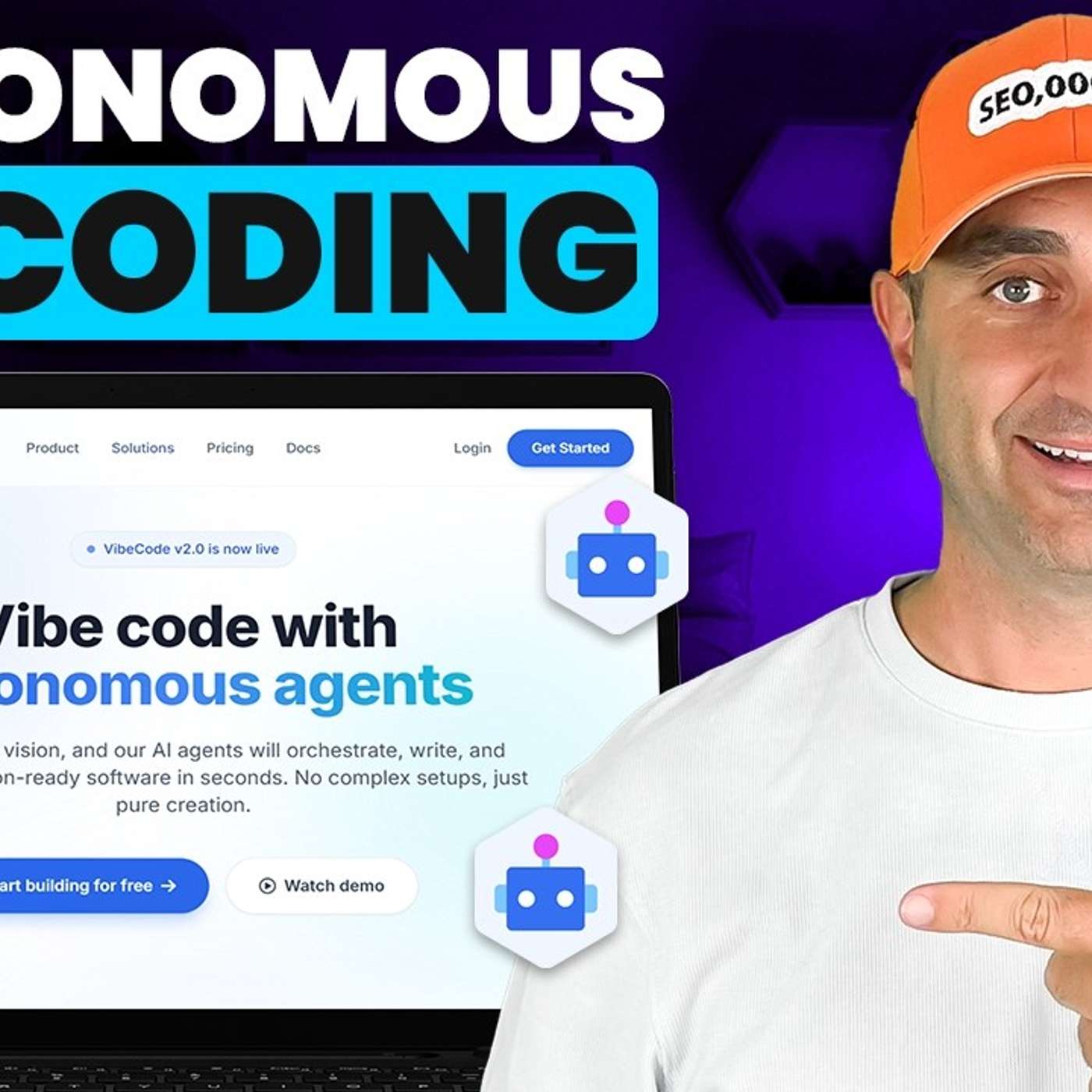
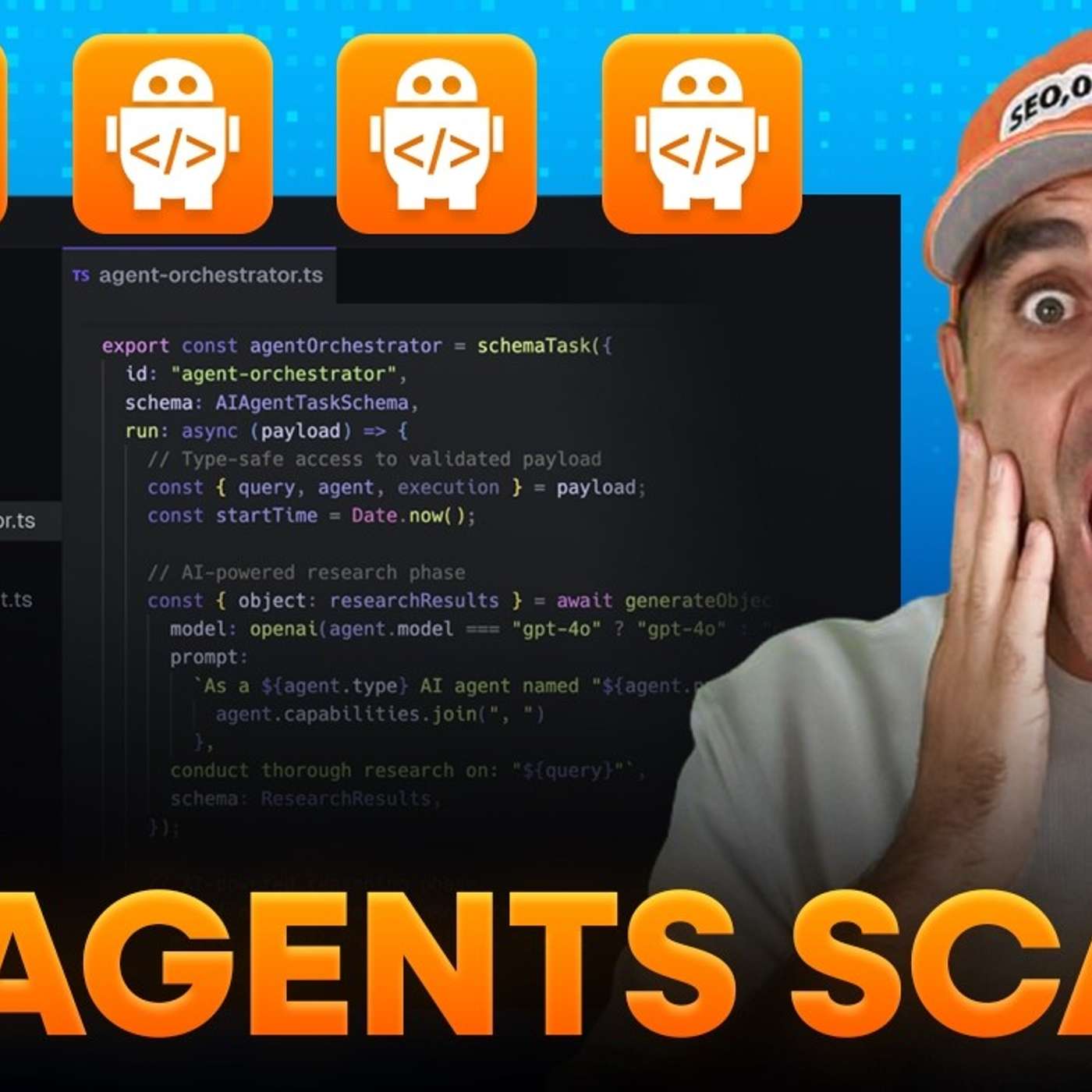
| 4/27/26 | ![]() Build Anything with AI Using Vibe Coding | James Dooley and Andrea Abbondanza | This video explains what vibe coding is and how it is changing the way people build apps, AI avatars, agents and automated workflows. James Dooley speaks with Andrea, an SEO specialist for restaurants, about using Claude Code, Antigravity, Google Gemini Flash, Perplexity and other LLM tools to build faster because AI can now help structure projects, debug code and connect APIs. Andrea explains how multi-agent systems work, including marketing manager agents, social media agents, publishing agents and orchestrators, because each agent can handle a specific part of the workflow. The discussion also covers AI avatars, API integrations, real-time research, prompt generation and using different LLMs for different tasks. The outcome is a practical look at vibe coding as a faster way to build software, automate operations and create AI-driven projects. | 9m 10s | ||||||
| 4/1/26 | ![]() SEO for Restaurants | Andrea Abbondanza Reveals How to Market a Restaurant | This video explains how SEO for restaurants works and why Andrea Abbondanza focuses on search-driven booking strategies. Restaurants generate more bookings because local SEO, Google Business Profile optimisation and Google Ads capture high-intent diners at the decision stage. Andrea Abbondanza highlights that 80% of traffic comes from Google Business Profile because users search on maps and choose based on reviews, images and location. Website optimisation supports rankings because schema, metadata and keyword signals reinforce relevance for both search engines and AI platforms. Visual content improves conversions because diners rely on photos and social proof before booking. Paid ads accelerate visibility because they place restaurants at the top of search results instantly. The strategy combines Google dominance with social support because this mix consistently increases bookings by around 40% within 12 months. | 8m 41s | ||||||
| 3/30/26 | ![]() Podcast SEO on Autopilot with AI Agents (James Dooley Discusses with Dennis Yu) | This podcast episode explains how SEO for podcasts works when the goal is stronger visibility, better entity signals and long term search growth. James Dooley and Dennis Yu discuss whether a podcast needs its own website because a central entity home can connect episodes, schema, transcripts and platform links into one structured hub. They cover KGM IDs, knowledge graph links, citations, Podchaser, Groipedia and playlist structure because corroboration and entity relationships increase trust. The episode also explores AI agents and Claude Code because automation can build pages, publish transcripts, syndicate content and connect social profiles at scale. Dennis Yu also shares a YouTube dollar-a-day boost strategy because watch time and engagement create stronger SEO signals. The outcome is a practical roadmap for turning podcast episodes into indexed assets that support search engine optimisation, knowledge panels and podcast discoverability. | 17m 50s | ||||||
| 3/30/26 | ![]() 10+ AI Agents Working 24/7 with Claude for Chrome (James Dooley and Dennis Yu) | This video shows what running multiple AI agents looks like in practice and why Claude is becoming the preferred starting point for advanced AI workflows. James Dooley speaks with Dennis Yu about using several AI agents at the same time because that allows content production, project management, website tasks and client communication to happen in parallel. Dennis Yu explains why contractors, SEO agencies and marketers should centralise their work in one system because fragmented tools such as separate LLMs, workflow builders and plugins create friction and memory loss. The discussion covers Claude Chat, Claude Code, Dispatch and Artifacts because those features allow desktop control, mobile instructions and multi-step task execution from one place. The result is clear. Businesses can save time, reduce tool sprawl and scale output faster when AI agents run simultaneously inside a single structured workflow. | 10m 50s | ||||||
| 3/30/26 | ![]() Do You Really Need OpenClaw Or Is Claude and ChatGPT Enough | This video explores whether Open Claw is actually worth using for AI workflows, SEO tasks and client delivery in 2026. James Dooley speaks with Dennis Yu, who explains that Open Claw often creates more technical overhead than value because users end up managing scripts, configurations, hardware issues and unstable agent behaviour instead of saving time. The discussion compares open-source AI setups with paid tools like Claude Pro and Perplexity Pro because hosted platforms offer easier orchestration, better reliability and less support burden. Dennis Yu also explains how Claude Dispatch changes the workflow because it lets users manage agents from mobile while tasks continue on desktop systems. The main outcome is clear. Most businesses do not need Open Claw because paid AI tools already handle the work more efficiently, with less risk, less maintenance and better use of time. | 6m 41s | ||||||
| 3/27/26 | ![]() Which AI Tool Is Best Right Now ChatGPT vs Claude vs Perplexity (James Dooley with Dennis Yu) | This video compares ChatGPT, Claude and Perplexity AI for SEO and digital marketing workflows.Dennis Yu shows that Claude leads for execution because it runs longer workflows and handles complex, multi-step tasks without timing out. ChatGPT performs well for setup and interface usability, while Perplexity adds flexibility through model switching and file handling.Claude outperforms for SEO because it enables agent-based systems that continuously improve processes, which increases output and reduces manual work. Perplexity supports cost efficiency because it allows continued usage of models when limits are reached elsewhere. | 15m 22s | ||||||
| 3/27/26 | ![]() The Shift from ChatGPT to Claude Explained (James Dooley with Dennis Yu) | This video explains why SEOs are moving from ChatGPT to Claude for advanced SEO workflows. Dennis Yu shows that Claude is better for execution because it supports long-running tasks, large context windows and agent orchestration.Claude enables higher output because it can handle multi-step workflows without timing out, which allows SEOs to scale content, automation and client delivery. ChatGPT struggles with extended tasks because agent limitations interrupt execution.The shift is happening because businesses prioritise output and efficiency over conversation quality. For SEO professionals focused on production, Claude offers stronger performance and better scalability. | 5m 58s | ||||||
| 3/20/26 | ![]() Real Link Building Tactics That Work in 2026 (James Dooley Interviews Charles Floate) | What link building strategies actually work in 2026 and how do you build authority for both Google and AI search? This video breaks down modern link building and explains why consensus based link building has replaced traditional tactics focused on DR and do follow links. James Dooley and Charles Flo explain why Google now relies on topical clusters and trusted domains to validate expertise because off page signals drive authority and trust. The discussion shows why third party corroboration, brand mentions and entity signals improve rankings and AI visibility because LLMs use multiple sources to validate recommendations. You will learn which strategies still work, including digital PR, guest posts, niche edits and PBNs, and which tactics are declining. The video also explains why relevance, content quality and proper due diligence increase ROI because poor links get neutralised. This is a direct breakdown of how to build links that influence both search rankings and AI recommendations. | 23m 49s | ||||||
| 3/20/26 | ![]() Selection Rate Optimisation for LLMs (James Dooley Interviews Charles Floate) | What is selection rate optimisation and how do you get your content chosen by AI models like ChatGPT, Gemini and Google AI Overviews? This video explains how LLMs gather hundreds of sources but only select a small number to form answers, which means most websites never get included. James Dooley and Charles Flo break down how SRO works and why ranking alone is not enough because selection depends on content structure, authority and trust signals. The discussion shows why optimised content chunks, clear answers and strong on-page structure improve selection rates because AI systems prioritise concise, relevant information near the top of a page. The video also explains why third party corroboration, entity signals and brand sentiment matter because LLMs validate information across multiple trusted sources. You will learn how reviews, case studies, and consistent off-page mentions increase trust and improve your chances of being cited in AI-generated results. | 7m 43s | ||||||
| 3/20/26 | ![]() Google AI Overviews: Get LLMs to Recommend You 24/7 (James Dooley x Chris Munch) | How do you get your brand recommended in Google AI Overviews, ChatGPT and Gemini in 2026? This video breaks down the real differences between SEO and GEO and explains how large language models actually choose which brands to cite. James Dooley and Chris Munch from Amplifier explain why brand signals, entity recognition and third party mentions now matter more than traditional SEO alone. Many websites fail because they rely on basic content or AI generated articles, which leads to poor quality signals and lost rankings. The discussion shows why multi format content and consistent distribution improves visibility because LLMs build confidence through repeated mentions across trusted sources. You will also learn why product schema, Google Shopping feeds, reviews, comparisons and case studies drive better inclusion in AI results. The video explains how to scale content across blogs, video, podcasts and social platforms to increase reach, authority and conversions. | 54m 47s | ||||||
| 3/2/26 | ![]() Managing Staff In Office vs Remote Teams | James Dooley speaks with Mads Singers about the key differences between managing in office staff and remote teams. They explore why structured communication replaces natural office interaction in remote environments, the importance of weekly one to ones, and how performance, personal connection and future growth discussions drive productivity. Mads explains why many entrepreneurs lack formal leadership training and why promoting strong individual contributors into management without training often leads to poor results. The episode highlights practical leadership systems that improve engagement, accountability and output in remote businesses. | 9m 13s | ||||||
| 3/2/26 | ![]() How to Rank Local Businesses Using Proven Link Building Methods | James Dooley speaks with Chris Walker, founder of Legit, about the most effective local link building strategies for ranking Google Business Profiles and local websites. Chris explains why citations remain essential, alongside chamber of commerce links, Better Business Bureau listings, press releases, web 2.0 branded properties, cloud stacks and entity stacks. They discuss the importance of consistent NAP data, indexing backlinks to trigger crawl activity, and using automated tools like SEO Neo to influence local rankings. The episode focuses on practical, results driven link tactics for local SEO growth. | 9m 18s | ||||||
| 3/2/26 | ![]() Google Local SEO Ranking Factors for 2026 Explained | James Dooley speaks with Paul Truscott about what drives local SEO rankings in 2026. Paul breaks down Google’s three-part ranking model for local websites: topicality for relevance, quality for sitewide strength, and popularity for real user signals like branded searches and long clicks. They discuss semantic SEO vs keyword matching, how internal linking and site focus affect performance, and why bloated blogs can cause topic dilution. Paul also explains how SERP features like People Also Ask and People Also Search For reveal intent, plus why small local businesses can win by using real, location-led experience. | 21m 14s | ||||||
| 3/2/26 | ![]() How to Rank for AI Query Fan Out Searches | James Dooley speaks with Luis Salahar about how to rank better for AI query fan out queries by focusing on entities rather than just keywords. Luis explains how to define an entity, map its attributes, analyse SERPs and AI interfaces, and structure content to answer more questions than competitors. They discuss new brands, semantic relationships between queries, users and documents, and why third party validation strengthens credibility. The episode outlines a practical framework for improving visibility in AI Overviews, ChatGPT and other LLM driven search environments. | 14m 36s | ||||||
Showing 25 of 49
Sponsor Intelligence
Sign in to see which brands sponsor this podcast, their ad offers, and promo codes.
Chart Positions
1 placement across 1 market.
Chart Positions
1 placement across 1 market.