Insights from recent episode analysis
Audience Interest
Podcast Focus
Publishing Consistency
Platform Reach
Insights are generated by CastFox AI using publicly available data, episode content, and proprietary models.
Most discussed topics
Brands & references
Est. Listeners
Based on iTunes & Spotify (publisher stats).
- Per-Episode Audience
Est. listeners per new episode within ~30 days
25,001 - 50,000 - Monthly Reach
Unique listeners across all episodes (30 days)
75,001 - 150,000 - Active Followers
Loyal subscribers who consistently listen
40,001 - 100,000
Market Insights
Platform Distribution
Reach across major podcast platforms, updated hourly
Total Followers
—
Total Plays
—
Total Reviews
—
* Data sourced directly from platform APIs and aggregated hourly across all major podcast directories.
On the show
From 11 epsHosts
Recent guests
Recent episodes
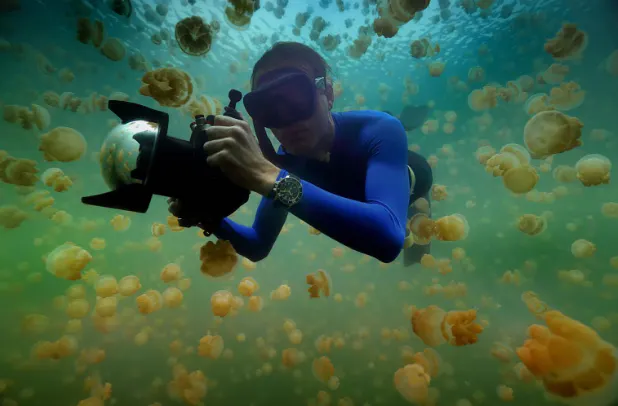
Dr Enric Sala Nat Geo Explorer-In-Residence (Classic)
May 4, 2026
59m 37s
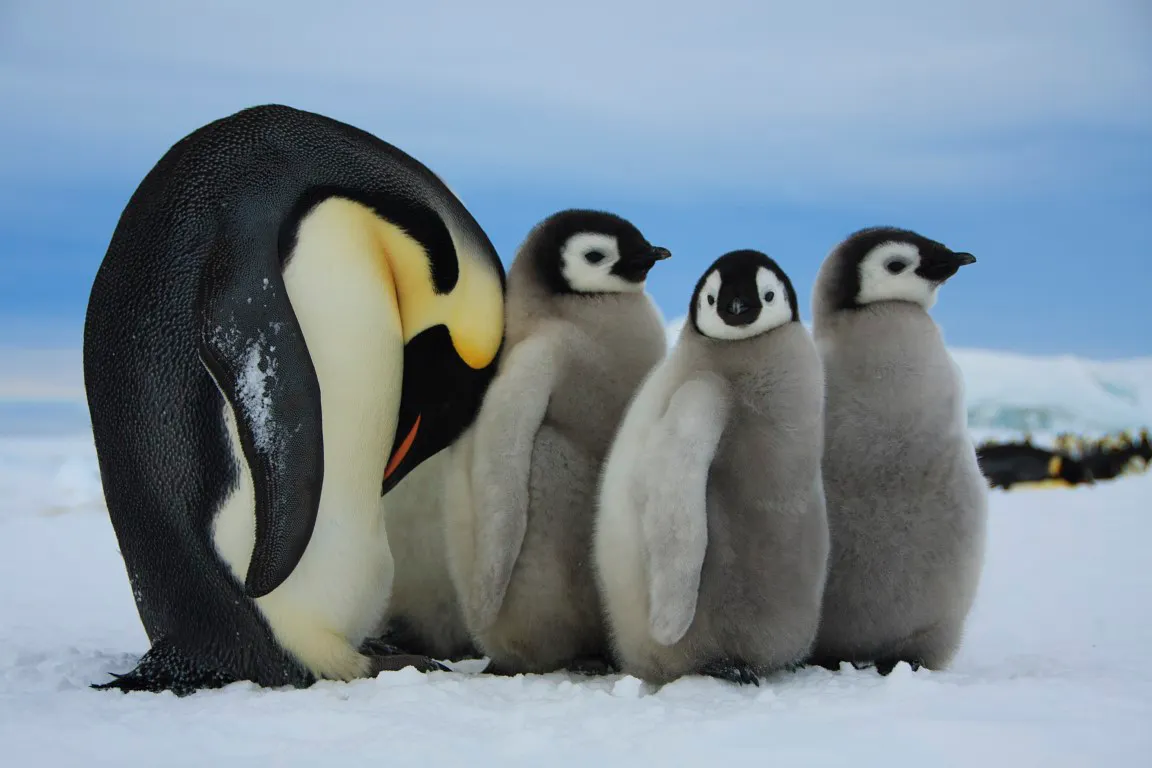
Emperor Penguins: Super Dads on Melting Ice and the Urgent Call to Act
Apr 29, 2026
1h 09m 42s
Jaguars: Apex Guardians of the Rainforest (Classic)
Apr 27, 2026
1h 15m 43s
Extinction Begins with Silence: Apathy, Shifting Baselines, and Choosing to Act
Apr 22, 2026
28m 29s
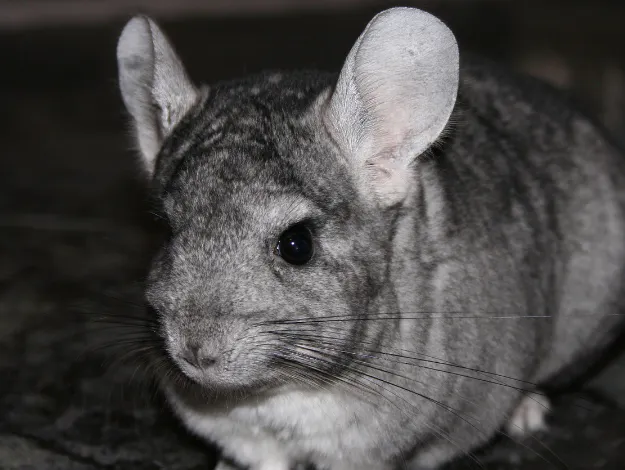
Chinchillas: From Luxury Fur to the Edge of Extinction (Classic)
Apr 20, 2026
1h 04m 09s
Social Links & Contact
Official channels & resources
Official Website
Login
RSS Feed
Login
| Date | Episode | Topics | Guests | Brands | Places | Keywords | Sponsor | Length | |
|---|---|---|---|---|---|---|---|---|---|
| 5/4/26 | ![]() Dr Enric Sala Nat Geo Explorer-In-Residence (Classic) | Chris interviews Dr. Enric Sala, a marine ecologist and Explorer in Residence at the National Geographic Society, where he leads the groundbreaking Pristine Seas initiative. Since 2008, his work has helped protect over 6 million square kilometers of ocean by combining science, exploration, and policy. By documenting some of the last untouched marine ecosystems on Earth, Sala works directly with governments to establish large marine protected areas—proving that when the ocean is given space to recover, it can rebound faster than we expect. Learn more about your ad choices. Visit megaphone.fm/adchoices | 59m 37s | ||||||
| 4/29/26 | ![]() Emperor Penguins: Super Dads on Melting Ice and the Urgent Call to Act✨ | emperor penguinsclimate change+4 | — | Southern Ocean | Antarctic | emperor penguinsclimate change+5 | — | 1h 09m 42s | |
| 4/27/26 | ![]() Jaguars: Apex Guardians of the Rainforest (Classic)✨ | jaguarsecosystems+4 | — | Patreonconservation organizations | Central and South AmericaAmericas | jaguarskeystone species+5 | — | 1h 15m 43s | |
| 4/22/26 | ![]() Extinction Begins with Silence: Apathy, Shifting Baselines, and Choosing to Act✨ | extinctionapathy+5 | — | — | — | extinctionapathy+5 | — | 28m 29s | |
| 4/20/26 | ![]() Chinchillas: From Luxury Fur to the Edge of Extinction (Classic)✨ | Chinchillasendangered species+3 | — | Patreonconservation organizations+1 | Andes | chinchillasendangered+5 | — | 1h 04m 09s | |
| 4/15/26 | ![]() Noise Pollution Impacts on Birds w/Natalie Madden✨ | noise pollutionbirds+4 | Natalie Madden | Defenders of Wildlife | — | noise pollutionbirds+5 | — | 45m 28s | |
| 4/13/26 | ![]() The Truth About American Black Bears (Classic)✨ | American black bearsbiology+5 | — | Patreonconservation organizations | — | black bearsNorth America+5 | — | 1h 02m 14s | |
| 4/8/26 | ![]() Migration Collapse: The Alarm Bells Are Ringing✨ | migrationecosystems+4 | Chris | All Creatures PodcastMigration Collapse | ArcticMonarch butterflies+2 | migration collapseecosystems+5 | — | 52m 14s | |
| 4/6/26 | ![]() Meerkats: The Tiny Sentinels Guarding the Desert (Revisited)✨ | meerkatssocial behavior+4 | — | Patreonconservation organizations | southern Africa | meerkatssocial mammals+5 | — | 1h 02m 01s | |
| 4/1/26 | ![]() De-Extinction: A Scientist’s Perspective from Inside a Cloning Lab✨ | de-extinctioncloning+4 | — | Texas A&MDolly | Pyrenean ibexmammoths+2 | de-extinctioncloning+5 | — | 58m 16s | |
Want analysis for the episodes below?Free for Pro Submit a request, we'll have your selected episodes analyzed within an hour. Free, at no cost to you, for Pro users. | |||||||||
| 3/30/26 | ![]() Living Nightmares of the Deep: Anglerfish (Revisited)✨ | anglerfishdeep sea+4 | — | Patreonconservation organizations | — | anglerfishdeep sea predators+4 | — | 1h 25m 48s | |
| 3/25/26 | ![]() Secrets of the Bees with Dr. Sammy Ramsey✨ | bee intelligencecolony collapse+5 | Dr. Sammy Ramsey | University of Colorado BoulderNational Geographic+3 | — | bee intelligencehoneybees+5 | — | 40m 56s | |
| 3/23/26 | ![]() Monarch Butterfly- Revisited (Making a Comeback!) | Bringing back an older episode, but a classic! This week, great news as Monarch Butterfly winter populations have regained 60% of their population numbers vs previous years! Once again, conservation is proving to work and thus, we are releasing this older episode. Chris and Angie delve into their life cycle, migration patterns and unique 'super generation'. They also discuss the butterflies' ecological importance and the role they play in pollination and ecosystems. The hosts share their experiences of visiting a university's natural history museum and butterfly breeding program. With a focus on the alarming decline in the Monarch butterfly population, threats like climate change, pesticide use and habitat loss are highlighted. They also bring attention to active conservation organizations like Monarch Watch and the ESS Society, and promote involvement in citizen-science projects. They encourage listeners to contribute to butterfly conservation by planting pollinator gardens, with a forthcoming resource on suitable plants for different U.S regions. Podcast Timeline 00:50 Introduction and Welcome 00:59 Exploring the World of Insects 01:40The Significance of Monarch Butterflies 02:20 The Research and Preparation Process 02:37 The Passion for Learning about Creatures 03:06 The Fascinating Journey of Monarch Butterflies 04:28 The Importance of Insect Conservation 04:05 The Incredible Migration of Monarch Butterflies 04:42 The Monarch Butterfly in New Zealand 05:39 The Beauty and Importance of Monarch Butterflies 06:43 The Life Cycle of Monarch Butterflies 10:19 The Impact of Climate Change on Monarch Butterflies 15:27 The Role of Citizen Scientists in Monarch Conservation 32:13 The Evolution and Migration of Monarch Butterflies 42:24 The Mystery of Monarch Migration 43:10 Theories on Monarch Migration 44:26 Adaptation and Migration Patterns 44:48 Monarch Butterflies in New Zealand 45:20 The Fascinating Multi-Generational Relay Race 46:07 The Incredible Journey of Monarch Butterflies 53:32 The Monarch Butterfly Life Cycle 54:56 The Super Generation of Monarch Butterflies 57:02 The Intriguing Physiology of Monarch Butterflies 01:03:13 The Importance of Conservation Efforts 01:23:48 The Role of Citizen Science in Monarch Conservation 01:26:00 The Impact of Planting Pollinator Gardens ------------------------------------------------------ Another thank you to all our Patreon supporters. You too can join for one cup of "good" coffee a month. With your pledge you can support your favorite podcast on Patreon and give back to conservation. With the funds we receive each month, we are have been sending money to conservation organizations monthly. We now send a check to every organization we cover, as we feel they all are deserving of our support. Thank you so much for your support and for supporting animal conservation. Please considering supporting us at Patreon HERE. We also want to thank you to all our listeners. We are giving back to every conservation organization we cover and you make that possible. We are committed to donating large portions of our revenue (at minimum 25%) to every organization we cover each week. Thank you for helping us to grow, and for helping to conserve our wildlife. Please contact us at advertising@airwavemedia.com if you would like to advertise on our podcast You can also visit our website HERE. Learn more about your ad choices. Visit megaphone.fm/adchoices | 1h 31m 18s | ||||||
| 3/16/26 | ![]() Masters of Disguise: The Incredible Sea Dragons (From the Vault) | This was our 50th episode we did back in 2018. How far we have come over the years. Sea dragons are among the most extraordinary fish on Earth, found only in the temperate coastal waters of southern Australia. Close relatives of seahorses, species like the leafy, weedy, and ruby sea dragon drift through kelp forests and seagrass meadows disguised as floating seaweed. Their intricate, leaf-like appendages aren’t used for swimming but for camouflage, allowing them to vanish into their surroundings. And like seahorses, it’s the males who carry the eggs, brooding them externally until they hatch. Although they look mythical, sea dragons are very real — and increasingly vulnerable. They rely on healthy kelp forests and stable coastal ecosystems, which are under pressure from warming oceans, marine heatwaves, pollution, and habitat degradation. Because they are poor swimmers and highly specialized to their environments, they cannot easily relocate when conditions change. Protecting sea dragons means protecting entire underwater ecosystems that support rich marine biodiversity. =========================================================== Another thank you to all our Patreon supporters. You too can join for one cup of "good" coffee a month. With your pledge you can support your favorite podcast on Patreon and give back to conservation. With the funds we receive each month, we are have been sending money to conservation organizations monthly. We now send a check to every organization we cover, as we feel they all are deserving of our support. Thank you so much for your support and for supporting animal conservation. Please considering supporting us at Patreon HERE. We also want to thank you to all our listeners. We are giving back to every conservation organization we cover and you make that possible. We are committed to donating large portions of our revenue (at minimum 25%) to every organization we cover each week. Thank you for helping us to grow, and for helping to conserve our wildlife. Please contact us at advertising@airwavemedia.com if you would like to advertise on our podcast You can also visit our website HERE. Learn more about your ad choices. Visit megaphone.fm/adchoices Learn more about your ad choices. Visit megaphone.fm/adchoices | 1h 09m 16s | ||||||
| 3/11/26 | ![]() The State of Nature in 2026: Crisis, Comebacks, and What Happens Next | Chris reflects on the state of nature in 2026, where conservation is defined by both loss and recovery. While habitat fragmentation, climate warming, coral bleaching, and Arctic instability continue, meaningful protection efforts are delivering results. He highlights conservation wins, including pandas downlisted to vulnerable, green sea turtles to least concern, tiger recovery in India through reserves and anti-poaching, Gabon’s protection of forest elephants for rainforest integrity and carbon storage, and community-led snow leopard conservation in Nepal. The episode also addresses ongoing losses, key drivers of biodiversity decline, global efforts like 30x30 and the High Seas Treaty, and practical ways listeners can help — from reducing consumption to supporting frontline conservation initiatives like Snow Leopard Sisters. 00:00 Welcome and Reality Check 00:46 Conservation Is Tension 02:40 Climate and Biodiversity Link 03:17 Resilience and Hope in Action 04:40 2026 Roadmap for Today 05:42 Big Wins Pandas and Turtles 07:55 India’s Wildlife Comeback 11:00 Gabon Forest Elephants 14:45 Snow Leopard Sisters Spotlight 19:44 Losses and Extinctions 24:25 Why Extinction Is Accelerating 27:45 Five Biggest Threats 29:46 Mainstream Momentum and 30x30 35:48 People Giving Hope 38:21 What You Can Do Now 42:43 Support Snow Leopard Conservancy 44:38 Final Call to Action Learn more about your ad choices. Visit megaphone.fm/adchoices | 47m 59s | ||||||
| 3/9/26 | ![]() The Ostrich: Africa’s Feathered Giant (Revisited) | In this re-release, we revisit one of Africa’s most iconic species ,the Ostrich, the largest living bird on Earth. Native to sub-Saharan Africa, ostriches dominate open savannas and semi-arid landscapes with their towering height, powerful legs, and unmistakable presence. Though flightless, they are built for speed, capable of reaching up to 70 km/h (43 mph), making them the fastest birds on land. Ostriches are evolutionary marvels. They have only two toes per foot, a rare adaptation that increases stride efficiency and speed, and they lay the largest eggs of any living bird. Social and highly alert, they often live in loose groups and rely on keen eyesight to detect predators across vast plains. While some populations remain stable, wild ostriches face pressures from habitat loss and historical overhunting, reminding us that even the most formidable species depend on healthy ecosystems to endure. =========================================================== Another thank you to all our Patreon supporters. You too can join for one cup of "good" coffee a month. With your pledge you can support your favorite podcast on Patreon and give back to conservation. With the funds we receive each month, we are have been sending money to conservation organizations monthly. We now send a check to every organization we cover, as we feel they all are deserving of our support. Thank you so much for your support and for supporting animal conservation. Please considering supporting us at Patreon HERE. We also want to thank you to all our listeners. We are giving back to every conservation organization we cover and you make that possible. We are committed to donating large portions of our revenue (at minimum 25%) to every organization we cover each week. Thank you for helping us to grow, and for helping to conserve our wildlife. Please contact us at advertising@airwavemedia.com if you would like to advertise on our podcast You can also visit our website HERE. Learn more about your ad choices. Visit megaphone.fm/adchoices Learn more about your ad choices. Visit megaphone.fm/adchoices | 1h 12m 03s | ||||||
| 3/4/26 | ![]() How Wildlife SOS Rescues and Rehabilitates India’s Wildlife | Chris sits down with Nikki Sharp, Executive Director of Wildlife SOS (US), to explore the organization’s frontline conservation and rescue work in India, with a special focus on Asian elephants. With only 35,000–40,000 Asian elephants remaining worldwide — and India home to roughly 60% of them — the species has declined significantly due to habitat loss, expanding infrastructure, and human-elephant conflict. Nikki shares how Wildlife SOS moved from ending India’s dancing bear practice to rescuing captive and wild elephants, supporting anti-poaching efforts, and protecting species from sloth bears to star tortoises. The episode highlights innovative solutions such as community WhatsApp alert systems and emerging AI tools to reduce train collisions, while also addressing the emotional realities of trauma in rescued elephants. The mission is clear: end elephant exploitation, reduce preventable deaths, and empower people everywhere to protect wildlife — starting with refusing elephant rides and supporting ethical conservation. Timeline 00:00 Meet Nikki Sharp 01:05 From Dinner to Mission 04:21 Why Asian Elephants Matter 05:11 Population Crash Explained 09:32 Why So Overlooked 11:03 Asian vs African Differences 14:54 Coexistence Solutions 17:50 Tech to Prevent Collisions 20:45 India Conservation Momentum 24:06 Elephant Rescue Realities 28:24 Manu Rescue Timeline 30:02 High Stakes Transport 32:55 Life at the Sanctuary 33:55 Trauma and Recovery Stories 38:00 Threats to Wild Elephants 40:35 Beyond Elephants Conservation Work 43:38 Welfare Meets Conservation 45:25 Next Decade Goals 47:52 How You Can Help 50:08 Where to Follow Wildlife SOS 50:33 Closing Thanks and Wrap =========================================================== Another thank you to all our Patreon supporters. You too can join for one cup of "good" coffee a month. With your pledge you can support your favorite podcast on Patreon and give back to conservation. With the funds we receive each month, we are have been sending money to conservation organizations monthly. We now send a check to every organization we cover, as we feel they all are deserving of our support. Thank you so much for your support and for supporting animal conservation. Please considering supporting us at Patreon HERE. We also want to thank you to all our listeners. We are giving back to every conservation organization we cover and you make that possible. We are committed to donating large portions of our revenue (at minimum 25%) to every organization we cover each week. Thank you for helping us to grow, and for helping to conserve our wildlife. Please contact us at advertising@airwavemedia.com if you would like to advertise on our podcast You can also visit our website HERE. Learn more about your ad choices. Visit megaphone.fm/adchoices Learn more about your ad choices. Visit megaphone.fm/adchoices | 54m 03s | ||||||
| 3/2/26 | ![]() Punch the Snow Monkey: Japan’s Winter Survivor (Re-Release) | Punch has taken the world by storm! As a Snow Monkey, Punch comes from a long line of survivors!! Snow monkeys, formally known as Japanese macaques, are the northernmost-living wild primates on Earth. Found across Japan’s mountainous forests, they endure freezing winters and deep snow — conditions no other non-human primate tolerates. Famous for bathing in hot springs, this behavior is learned socially within troops, highlighting their intelligence and cultural complexity. Although globally stable, snow monkeys face increasing pressures from habitat fragmentation, tourism management challenges, and climate shifts affecting snowfall and forest ecosystems. Their story is one of resilience and adaptation — but also a reminder that even the toughest species depend on stable environments to thrive. =========================================================== Another thank you to all our Patreon supporters. You too can join for one cup of "good" coffee a month. With your pledge you can support your favorite podcast on Patreon and give back to conservation. With the funds we receive each month, we are have been sending money to conservation organizations monthly. We now send a check to every organization we cover, as we feel they all are deserving of our support. Thank you so much for your support and for supporting animal conservation. Please considering supporting us at Patreon HERE. We also want to thank you to all our listeners. We are giving back to every conservation organization we cover and you make that possible. We are committed to donating large portions of our revenue (at minimum 25%) to every organization we cover each week. Thank you for helping us to grow, and for helping to conserve our wildlife. Please contact us at advertising@airwavemedia.com if you would like to advertise on our podcast You can also visit our website HERE. Learn more about your ad choices. Visit megaphone.fm/adchoices Learn more about your ad choices. Visit megaphone.fm/adchoices | 1h 13m 37s | ||||||
| 2/25/26 | ![]() Aardvarks: Africa’s Nocturnal Ecosystem Engineers | Chris and Angie explore the remarkable aardvark—requested by John, a naturalist in Kentucky—highlighting this truly unique African mammal with no close living relatives. Built for an ant-and-termite diet, aardvarks use a 30 cm sticky tongue, enamel-free continuously growing teeth, and powerful claws to dig extensive burrows that shelter many other species, making them vital ecosystem engineers across sub-Saharan Africa. They cover fascinating adaptations (nostrils that seal shut while digging, an extraordinary sense of smell, bursts of speed up to 40 km/h), along with behavior, reproduction, and lifespan. Although listed as Least Concern by the IUCN, aardvarks face emerging pressure from climate-driven drought, which reduces insect prey and may be causing regional declines. The episode closes with conservation insights and ways listeners can support habitat protection efforts. Timline 00:00 Aardvark Teaser Intro 01:11 Why Aardvarks Matter 03:50 What Aardvarks Look Like 09:34 Size Range Habitat 11:32 Burrows Ecosystem Engineers 15:01 Climate Threats Energetics 24:18 Evolutionary Origins 28:17 Tube Teeth Convergence 31:40 Lifespan Zoo Care 32:48 Geriatric Animal Care 33:26 Aardvark Speed Secrets 34:54 Digging Like a Machine 37:28 Nose Physiology Deep Dive 40:26 Super Sniffer Rankings 43:51 Tongue Saliva and Gizzard 46:13 Ant Termite Defense Armor 49:47 Nocturnal Life and Social Cues 53:02 Breeding and Baby Aardvarks 58:54 Conservation and How to Help 01:02:37 Wrap Up and Call to Action =========================================================== Another thank you to all our Patreon supporters. You too can join for one cup of "good" coffee a month. With your pledge you can support your favorite podcast on Patreon and give back to conservation. With the funds we receive each month, we are have been sending money to conservation organizations monthly. We now send a check to every organization we cover, as we feel they all are deserving of our support. Thank you so much for your support and for supporting animal conservation. Please considering supporting us at Patreon HERE. We also want to thank you to all our listeners. We are giving back to every conservation organization we cover and you make that possible. We are committed to donating large portions of our revenue (at minimum 25%) to every organization we cover each week. Thank you for helping us to grow, and for helping to conserve our wildlife. Please contact us at advertising@airwavemedia.com if you would like to advertise on our podcast You can also visit our website HERE. Learn more about your ad choices. Visit megaphone.fm/adchoices Learn more about your ad choices. Visit megaphone.fm/adchoices | 1h 06m 59s | ||||||
| 2/23/26 | ![]() Belugas Under Pressure: Climate Change, Noise & Survival | First release in 2020, we are re-releasing our Beluga Whale episode on rewind Monday. Beluga whales are among the most charismatic mammals of the Arctic — known as the “canaries of the sea” for their rich vocalizations and their striking white color. But populations like the critically endangered Cook Inlet belugas are declining due to climate change, industrial noise, pollution, and habitat disruption. Chris and Angie explore what makes belugas biologically unique — from their flexible necks to their ability to change facial expression — and why protecting Arctic ecosystems is vital for their future. A powerful reminder that what happens in the Arctic doesn’t stay in the Arctic. =========================================================== Another thank you to all our Patreon supporters. You too can join for one cup of "good" coffee a month. With your pledge you can support your favorite podcast on Patreon and give back to conservation. With the funds we receive each month, we are have been sending money to conservation organizations monthly. We now send a check to every organization we cover, as we feel they all are deserving of our support. Thank you so much for your support and for supporting animal conservation. Please considering supporting us at Patreon HERE. We also want to thank you to all our listeners. We are giving back to every conservation organization we cover and you make that possible. We are committed to donating large portions of our revenue (at minimum 25%) to every organization we cover each week. Thank you for helping us to grow, and for helping to conserve our wildlife. Please contact us at advertising@airwavemedia.com if you would like to advertise on our podcast You can also visit our website HERE. Learn more about your ad choices. Visit megaphone.fm/adchoices Learn more about your ad choices. Visit megaphone.fm/adchoices | 1h 17m 43s | ||||||
| 2/18/26 | ![]() From Andean Mountains to Your Living Room: Guinea Pigs | Chris and Angie explore the fascinating world of guinea pigs (cavies), featuring a visit to Chris’s New Zealand pets, Thor and Prince, with special guest Pip. They unpack what makes guinea pigs unique — tailless rodents with continuously growing teeth, wide vision, sensitive hearing, and a grazing digestive system that requires constant hay and daily vitamin C. The episode dives into their South American wild relatives and conservation status (including the critically endangered Cavia intermedia), their 5,000–7,000-year domestication in the Andes, and their unexpected role in vitamin C and biomedical research. You’ll also learn why they’re social herd animals that should never live alone, plus practical care tips on housing, diet, temperature, and health. From popcorning and complex vocalizations to precocial babies and surprising physiology, this episode reveals why guinea pigs are far more biologically impressive than their “starter pet” reputation suggests. Follow and subscribe for more species deep dives from the All Creatures Podcast. Timeline 00:00 Welcome to the Guinea Pig Episode (Meet Thor & Prince!) 01:00 Angie’s Zookeeper Days & the Vitamin C Research That Hooked Her 03:32 What Guinea Pigs Look Like: Size, Fur Types, Teeth & Super-Wide Vision 06:33 Wild Cavy Relatives: South American Range & Conservation Status 09:20 Why Guinea Pigs Matter: Ecology, Scurvy Science & Great Classroom Pets 12:29 Domestication Story: Andes Origins, Culture, and How They Got the Name 17:53 Breeds & Selective Breeding: From Hairless to Long-Haired Peruvians 20:30 Guinea Pig Care Basics: Housing Space, Hay, Handling & Temperature 26:02 After the Break: Pip Joins with Thor—Diet, Pellets & Daily Routine 29:16 Meet Prince + Poop-Eating Explained, Vocalizations & Enrichment Tips 34:40 Wrapping Up with Pip, Thor & Prince (Goodbyes + Florida Talk) 35:14 Guinea Pig Evolution 101: Rodent Origins & Rafting to South America 38:05 Fun Facts: Lifespan, Speed Escapes & Surprising Swimming Skills 41:34 Senses & Physiology: Hearing Range, Color Vision, and Super-Fast Heart Rates 48:04 Digestion Deep Dive: Hindgut Fermentation, Diet, and Cecotrophy Explained 54:47 Behavior & Social Life: Herd Dynamics, Popcorning, and Enrichment 01:01:15 Talking Guinea Pigs: Wheeks, Purrs, Rumbles, and Teeth Chattering 01:05:36 Reproduction & Baby Pups: Gestation, Precocial Newborns, and Weaning 01:11:57 Responsible Ownership + Podcast Wrap-Up (Research, Rehoming, What’s Next) =========================================================== Another thank you to all our Patreon supporters. You too can join for one cup of "good" coffee a month. With your pledge you can support your favorite podcast on Patreon and give back to conservation. With the funds we receive each month, we are have been sending money to conservation organizations monthly. We now send a check to every organization we cover, as we feel they all are deserving of our support. Thank you so much for your support and for supporting animal conservation. Please considering supporting us at Patreon HERE. We also want to thank you to all our listeners. We are giving back to every conservation organization we cover and you make that possible. We are committed to donating large portions of our revenue (at minimum 25%) to every organization we cover each week. Thank you for helping us to grow, and for helping to conserve our wildlife. Please contact us at advertising@airwavemedia.com if you would like to advertise on our podcast You can also visit our website HERE. Learn more about your ad choices. Visit megaphone.fm/adchoices Learn more about your ad choices. Visit megaphone.fm/adchoices | 1h 17m 45s | ||||||
| 2/11/26 | ![]() Empowering Snow Leopard Conservation with Community and Courage | Chris delves into the challenges and triumphs of snow leopard conservation with special guests Tshiring Lhamu Lama from Nepal and Ashleigh Lutz-Nelson, Executive Director of the Snow Leopard Conservancy. The discussion highlights the significance of protecting snow leopards, known as the 'Ghosts of the Mountain,' and the vital role local communities and women play in this effort. Tshiring shares her grassroots insights, emphasizing the balance between livestock protection and snow leopard conservation through innovative methods like predator-proof corrals and solar-powered lights. Ashleigh underscores the global and transboundary issues threatening these majestic cats and underscores the importance of community-driven efforts. The episode also explores the inspirational story behind the documentary 'Snow Leopard Sisters,' featuring Tshiring and Tenzing, and the profound impact of integrating traditional knowledge and spiritual practices in conservation. Tune in to learn about the power of community, the urgency of conservation, and how small actions can lead to big changes in preserving biodiversity. Snow Leopard Conservancy is HERE Fundraising Campaign for Snow Leopards HERE Timeline 00:00 Introduction to the All Creatures Podcast 00:54 Meet the Guests: Searing Lamu Lama and Ashley Lutz Nelson 01:23 Snow Leopard Conservation Efforts in Nepal 02:36 Challenges and Solutions in Snow Leopard Conservation 04:22 Empowering Local Youth and Community Involvement 06:18 The Role of Women in Conservation 09:00 Community-Driven Conservation Success Stories 17:36 Global Threats to Snow Leopards 27:19 Cultural and Spiritual Significance of Snow Leopards 29:22 The Healing Power of Nature 29:55 Traditional Knowledge and Snow Leopard Conservation 32:21 Inspiring the Younger Generation 34:50 The Making of Snow Leopard Sisters 43:25 Snow Leopard Population and Conservation Efforts 47:53 Final Thoughts and Call to Action =========================================================== Another thank you to all our Patreon supporters. You too can join for one cup of "good" coffee a month. With your pledge you can support your favorite podcast on Patreon and give back to conservation. With the funds we receive each month, we are have been sending money to conservation organizations monthly. We now send a check to every organization we cover, as we feel they all are deserving of our support. Thank you so much for your support and for supporting animal conservation. Please considering supporting us at Patreon HERE. We also want to thank you to all our listeners. We are giving back to every conservation organization we cover and you make that possible. We are committed to donating large portions of our revenue (at minimum 25%) to every organization we cover each week. Thank you for helping us to grow, and for helping to conserve our wildlife. Please contact us at advertising@airwavemedia.com if you would like to advertise on our podcast You can also visit our website HERE. Learn more about your ad choices. Visit megaphone.fm/adchoices Learn more about your ad choices. Visit megaphone.fm/adchoices | 56m 23s | ||||||
| 2/9/26 | ![]() Sloths Are One of Nature’s Greatest Survivors | Sloths are among the most extraordinary mammals on Earth—masters of energy efficiency, perfectly adapted to life in the treetops, and quietly unchanged for millions of years. Their slow movements, gentle faces, and calm presence have made them global icons of peace and patience, deeply loved across cultures. But behind their laid-back reputation lies a serious conservation story. Habitat loss, deforestation, and human encroachment are placing increasing pressure on many sloth populations, with some species now considered vulnerable or endangered. Their slow metabolism, once a survival advantage, makes them especially sensitive to rapid environmental change. In this episode, we revisit why sloths matter, not just because they’re adorable, but because they remind us that evolution doesn’t always reward speed. Sometimes, survival belongs to those who move gently, live lightly, and remain in balance with their world. =========================================================== Another thank you to all our Patreon supporters. You too can join for one cup of "good" coffee a month. With your pledge you can support your favorite podcast on Patreon and give back to conservation. With the funds we receive each month, we are have been sending money to conservation organizations monthly. We now send a check to every organization we cover, as we feel they all are deserving of our support. Thank you so much for your support and for supporting animal conservation. Please considering supporting us at Patreon HERE. We also want to thank you to all our listeners. We are giving back to every conservation organization we cover and you make that possible. We are committed to donating large portions of our revenue (at minimum 25%) to every organization we cover each week. Thank you for helping us to grow, and for helping to conserve our wildlife. Please contact us at advertising@airwavemedia.com if you would like to advertise on our podcast You can also visit our website HERE. Learn more about your ad choices. Visit megaphone.fm/adchoices Learn more about your ad choices. Visit megaphone.fm/adchoices | 1h 10m 19s | ||||||
| 2/4/26 | ![]() Bearded Dragons: Care, Behavior, and Climate Challenges | Chris and Angie delve into the fascinating world of bearded dragons, particularly a beloved new addition to Angie's family. The duo discusses their personal experiences with caring for a bearded dragon, the reptile's natural behaviors, diet, and unique physiological traits. They highlight both the joys and challenges of keeping bearded dragons as pets, emphasizing the extensive care required. The conversation also covers the species' resilience in the wild, particularly against extreme heat and predators, as well as the impacts of climate change on their environment. Joined by Angie's son Xander, the episode provides charming insights into family life with a bearded dragon, touching upon the responsibilities shared in caring for these exotic pets. The episode concludes with discussions on conservation efforts and tips for prospective bearded dragon owners. 00:00 Introduction and Hosts 00:04 Meet the Bearded Dragon 01:39 Bearded Dragon Care Tips 03:20 Bearded Dragon Physiology and Behavior 05:20 Bearded Dragon Species and Habitat 12:45 Conservation and Ecological Role 16:13 Climate Change Impact 33:39 Special Guest: Pancake the Bearded Dragon 34:46 Xander's Insights on Bearded Dragon Care 41:06 Family and Nature 41:20 Introduction to Bearded Dragons 41:24 Reptile Evolution and Diversity 41:43 Unique Traits of Bearded Dragons 42:50 Bearded Dragon Behavior 52:32 Thermal Regulation and Adaptations 57:20 Diet and Feeding Habits 01:00:24 Predators and Survival 01:08:34 Reproduction and Parenting 01:13:50 Conservation and Pet Care 01:17:56 Conclusion and Final Thoughts =========================================================== Another thank you to all our Patreon supporters. You too can join for one cup of "good" coffee a month. With your pledge you can support your favorite podcast on Patreon and give back to conservation. With the funds we receive each month, we are have been sending money to conservation organizations monthly. We now send a check to every organization we cover, as we feel they all are deserving of our support. Thank you so much for your support and for supporting animal conservation. Please considering supporting us at Patreon HERE. We also want to thank you to all our listeners. We are giving back to every conservation organization we cover and you make that possible. We are committed to donating large portions of our revenue (at minimum 25%) to every organization we cover each week. Thank you for helping us to grow, and for helping to conserve our wildlife. Please contact us at advertising@airwavemedia.com if you would like to advertise on our podcast You can also visit our website HERE. Learn more about your ad choices. Visit megaphone.fm/adchoices Learn more about your ad choices. Visit megaphone.fm/adchoices | 1h 22m 59s | ||||||
| 2/2/26 | ![]() Science of Forest Elephants w/Dr Daniella Chusyd | First released in early 2020, we are re releasing this episode, discussing the importance of research in the Critically Endangered Forest Elephant. In 2020 we caught Dr. Daniella Chusyd fresh from her research and travels in the Congo. Dr. Chusyd was out in the field when the coronavirus pandemic hit and had to hurry back to the United States. She shares with us her experiences in Africa studying Forrest Elephants from deep in the Congo. She gives a fascinating look at her life tracking and studying these mysterious elephants. Dr. Chusyd also explains her journey from her undergraduate studies, to becoming one of the few elephant researchers we have in the world. Her YouTube channel The Elephantologist can be found HERE You can support her research in Africa by going HERE. Then search for the "Elephant Research Fund" Show notes with some incredible images can be found HERE =========================================================== Another thank you to all our Patreon supporters. You too can join for one cup of "good" coffee a month. With your pledge you can support your favorite podcast on Patreon and give back to conservation. With the funds we receive each month, we are have been sending money to conservation organizations monthly. We now send a check to every organization we cover, as we feel they all are deserving of our support. Thank you so much for your support and for supporting animal conservation. Please considering supporting us at Patreon HERE. We also want to thank you to all our listeners. We are giving back to every conservation organization we cover and you make that possible. We are committed to donating large portions of our revenue (at minimum 25%) to every organization we cover each week. Thank you for helping us to grow, and for helping to conserve our wildlife. Please contact us at advertising@airwavemedia.com if you would like to advertise on our podcast You can also visit our website HERE. Learn more about your ad choices. Visit megaphone.fm/adchoices Learn more about your ad choices. Visit megaphone.fm/adchoices | 1h 16m 09s | ||||||
Showing 25 of 596
Sponsor Intelligence
Sign in to see which brands sponsor this podcast, their ad offers, and promo codes.
Chart Positions
20 placements across 19 markets.
Chart Positions
20 placements across 19 markets.