

Insights from recent episode analysis
Audience Interest
Podcast Focus
Publishing Consistency
Platform Reach
Insights are generated by CastFox AI using publicly available data, episode content, and proprietary models.
Total monthly reach
Estimated from 2 chart positions in 2 markets.
By chart position
- 🇦🇺AU · Social Sciences#1475K to 30K
- 🇳🇴NO · Social Sciences#169500 to 3K
- Per-Episode Audience
Est. listeners per new episode within ~30 days
3.9K to 23K🎙 Weekly cadence·97 episodes·Long inactive - Monthly Reach
Unique listeners across all episodes (30 days)
5.5K to 33K🇦🇺91%🇳🇴9% - Active Followers
Loyal subscribers who consistently listen
1.6K to 9.9K
Market Insights
Platform Distribution
Reach across major podcast platforms, updated hourly
Total Followers
—
Total Plays
—
Total Reviews
—
* Data sourced directly from platform APIs and aggregated hourly across all major podcast directories.
On the show
Recent episodes
Do no harm to investors? Rosia Montana arbitration and structural injustices - Irina Velicu and Ionuț Codreanu
Apr 30, 2025
25m 53s
From Block to Garden: How Are Food Practices Changing? - Alexandra Leca
Apr 30, 2025
20m 54s
Room 242 and the Portraits That (Do Not) Speak. Unveiling Gender and Leadership in Higher Education Contexts - Rosalina Pisco Costa
Apr 23, 2025
17m 09s
Challenges and strategies for including sustainability in the social control of the municipal School Feeding Councils in Minas Gerais in the National School Feeding Program - Lucas Daniel Sanches
Apr 23, 2025
18m 11s
Creating Life Champions: Youth Coaching values, ethics, careers and a sustainable development of trainers and athletes - Daniel Alves
Apr 23, 2025
14m 56s
Social Links & Contact
Official channels & resources
Official Website
Login
RSS Feed
Login
| Date | Episode | Description | Length | ||||||
|---|---|---|---|---|---|---|---|---|---|
| 4/30/25 |  Do no harm to investors? Rosia Montana arbitration and structural injustices - Irina Velicu and Ionuț Codreanu | Corporations have always had the power to demand their rights: their freedom often clashes with the freedom of others to protect their needs and their lives. The article analyzes the arbitration over Roșia Montană brought by Gabriel Resources against Romania in 2015. Beyond Romania’s unexpected victory, we want to highlight that this controversial legal mechanism is a form of perpetuation of structural injustices. Between January and July 2024, our research aimed to analyze how this topic is being discussed by key actors in Romania: we examined public statements by government officials and mainstream media, as well as carried out interviews with residents of Roșia Montana. Article by Irina Velicu and Ionuț Codreanu, illustrated by Mina Mimosahttps://theanthro.art/do-no-harm-to-investors-rosia-montana-arbitration-and-structural-injustice/ | 25m 53s | ||||||
| 4/30/25 | 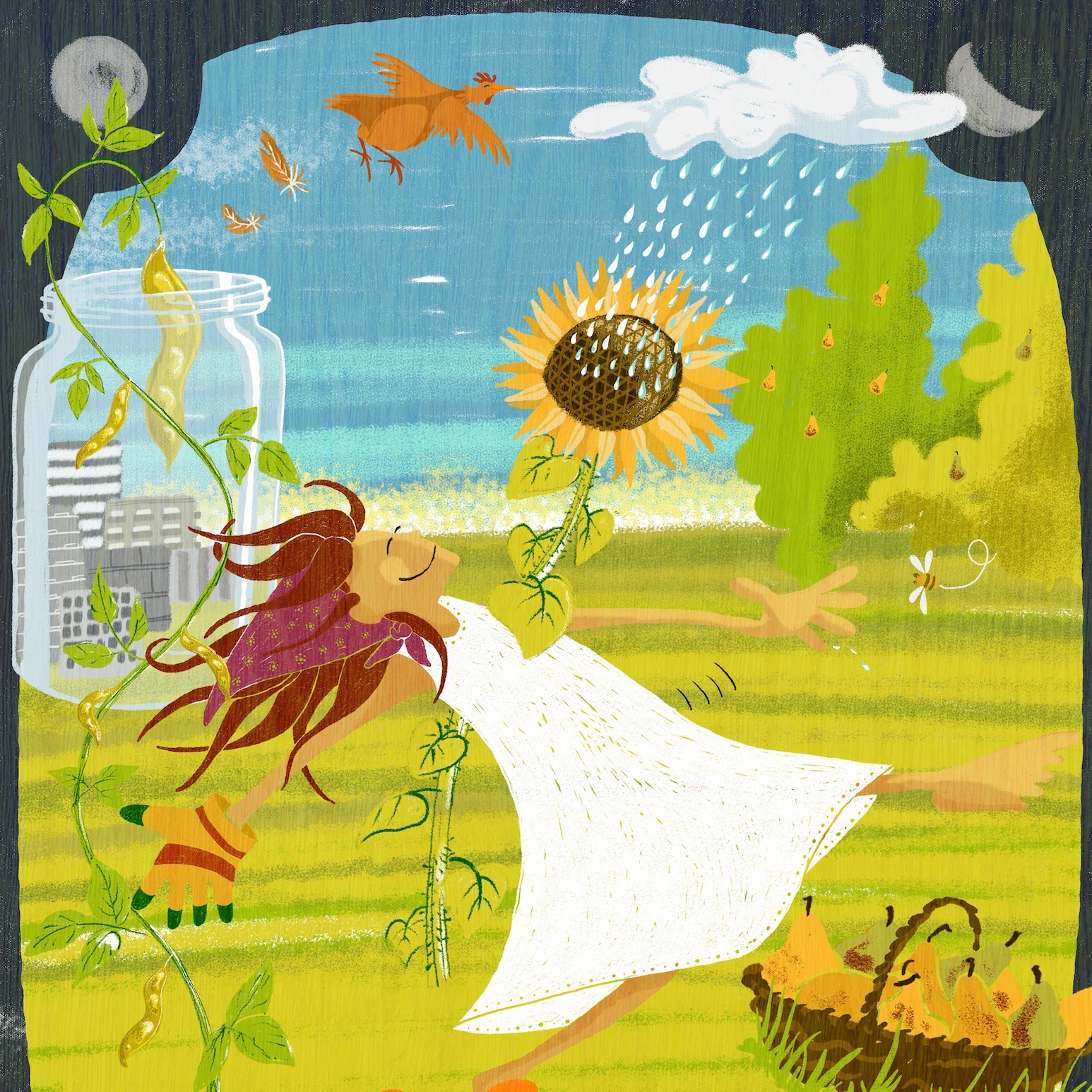 From Block to Garden: How Are Food Practices Changing? - Alexandra Leca | This article explores how migration from urban to rural areas influences dietary habits and promotes the adoption of more sustainable food practices. The research is set against the backdrop of increasing counterurbanization, where individuals are leaving cities in pursuit of healthier, more balanced lifestyles in rural settings. The connection between food and nature is examined in this context, highlighting shifts towards local, seasonal produce, self-sufficiency, and sustainability. The aim of the study is to understand how the dietary habits of people who have relocated from urban to rural areas have evolved in terms of sustainability. Based on semi-structured interviews with seven families who moved from cities like Bucharest, Cluj, and Craiova to nearby villages, the research investigates topics such as changes in food preferences, challenges in adapting to rural life, food sourcing strategies, and levels of awareness and commitment to sustainable practices. The findings show that the transition to rural living led participants to rethink their relationship with food, with many adopting sustainable practices such as composting and growing fresh vegetables in their own gardens. This shift reflects a deeper connection with nature and an enhanced commitment to sustainability, something that participants had not necessarily prioritized before moving.Article by Alexandra Leca, illustrated by Amandine Bănescuhttps://theanthro.art/from-block-to-garden-how-are-food-practices-changing-alexandra-leca/ | 20m 54s | ||||||
| 4/23/25 | 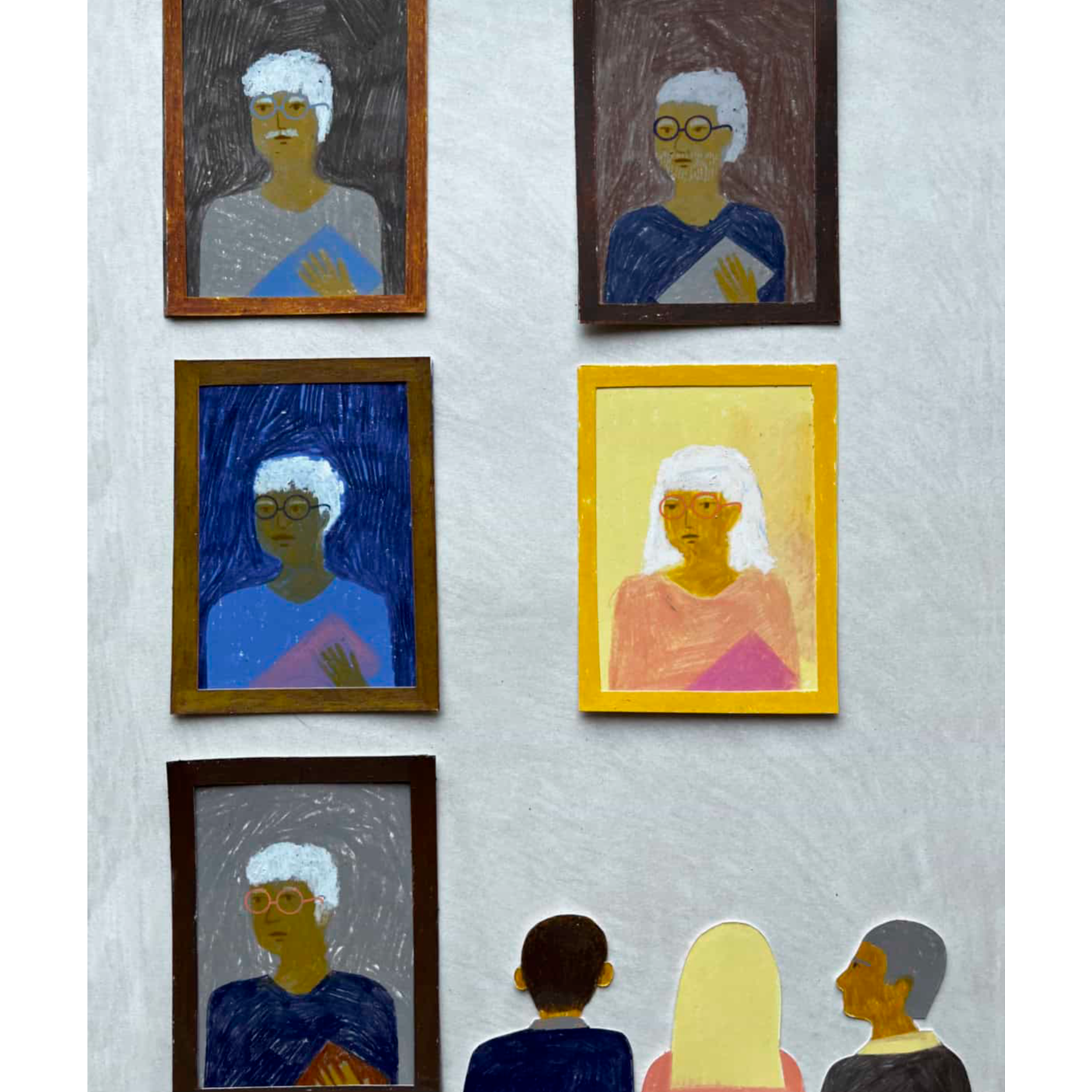 Room 242 and the Portraits That (Do Not) Speak. Unveiling Gender and Leadership in Higher Education Contexts - Rosalina Pisco Costa | It is necessary to reflect on the role of the anthropologist in denouncing realities that are often subalternised, with the role of changing them through initiatives and solutions proposed by the anthropologist, allowing us to reflect on the porosity between the spheres of activism and anthropology. To realize the implications and interconnections between different contexts, it is necessary to take a multi-scalar and multi-sited approach. One of the fields most concerned with the interconnections between local, national, and international scales is environmental studies, and it is on this theme that the article focus, mobilising former research to reach this goal.Article by Rosalina Pisco Costa, illustrated by Juliana Penkovahttps://theanthro.art/room-242-and-the-portraits-that-do-not-speak-unveiling-gender-and-leadership-in-higher-education-contexts/ | 17m 09s | ||||||
| 4/23/25 | 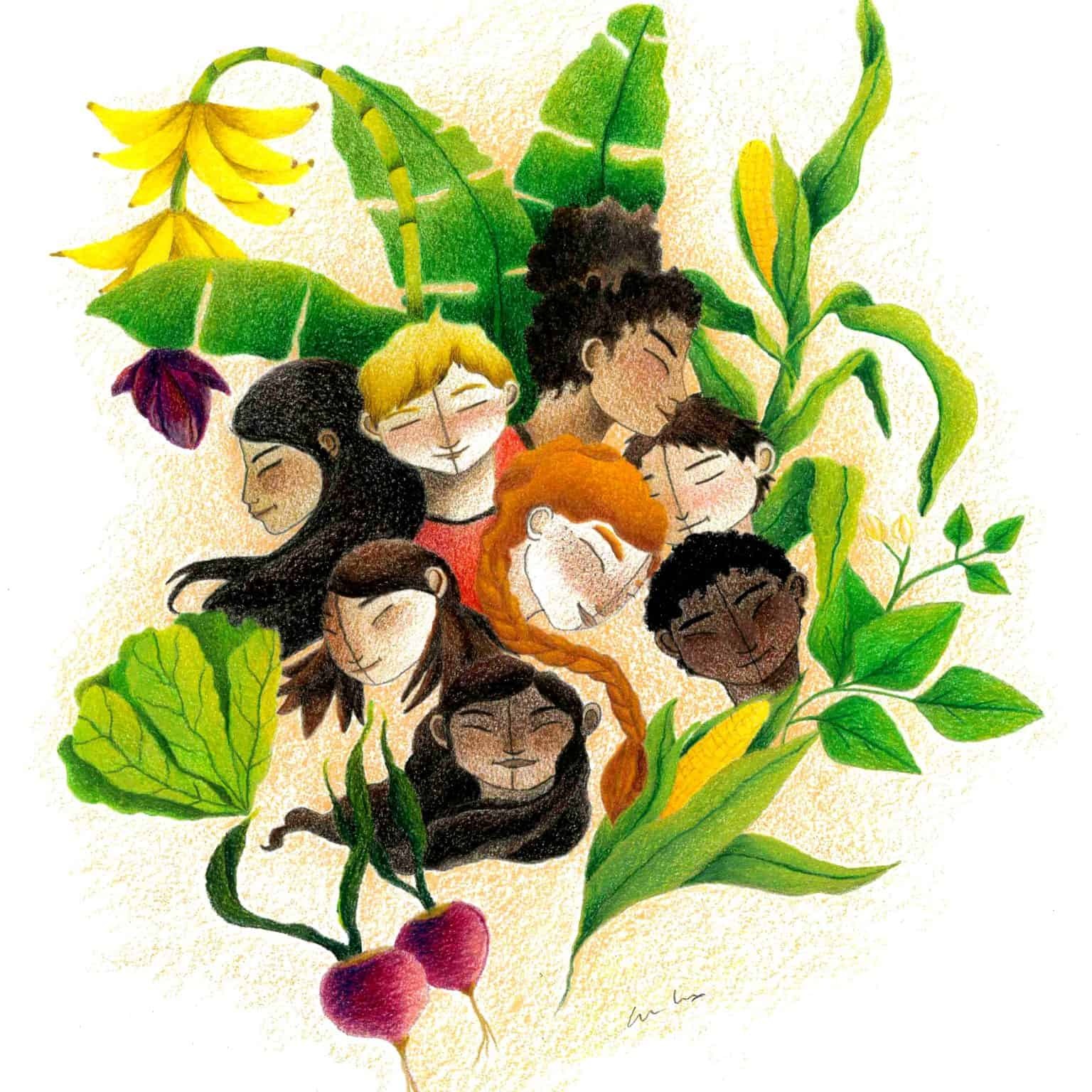 Challenges and strategies for including sustainability in the social control of the municipal School Feeding Councils in Minas Gerais in the National School Feeding Program - Lucas Daniel Sanches | This study investigates the challenges and strategies for incorporating sustainability into the social control of municipal School Feeding Councils (CAEs) in Minas Gerais within the National School Feeding Program (PNAE). The research aims to understand the performance of CAEs in promoting sustainability and evaluates the impact of an educational intervention on counselors’ intentions to act. The methodology involves action research with qualitative and quantitative analyses, including workshops and discussion groups. Key findings highlight the importance of family farming, school gardens, and reducing food waste as strategies for sustainability. The study also identifies obstacles such as lack of support and negative interference from teachers. The educational intervention appears to have raised awareness and fostered partnerships among CAEs, suggesting the need for intensified training initiatives to enhance counselors’ skills and competencies in sustainability.Article by Lucas Daniel Sanches, Ana Carolina Ratti Nogueira, Monique de Oliveira Sant'Anna, Jaciara Reis Nogueira Garcia, Bruno Martins Dala Paula, illustrated by Guilia Cavallohttps://theanthro.art/challenges-and-strategies-for-including-sustainability-in-the-social-control-of-the-municipal-school-feeding-councils-in-minas-gerais-in-the-national-school-feeding-program/ | 18m 11s | ||||||
| 4/23/25 | 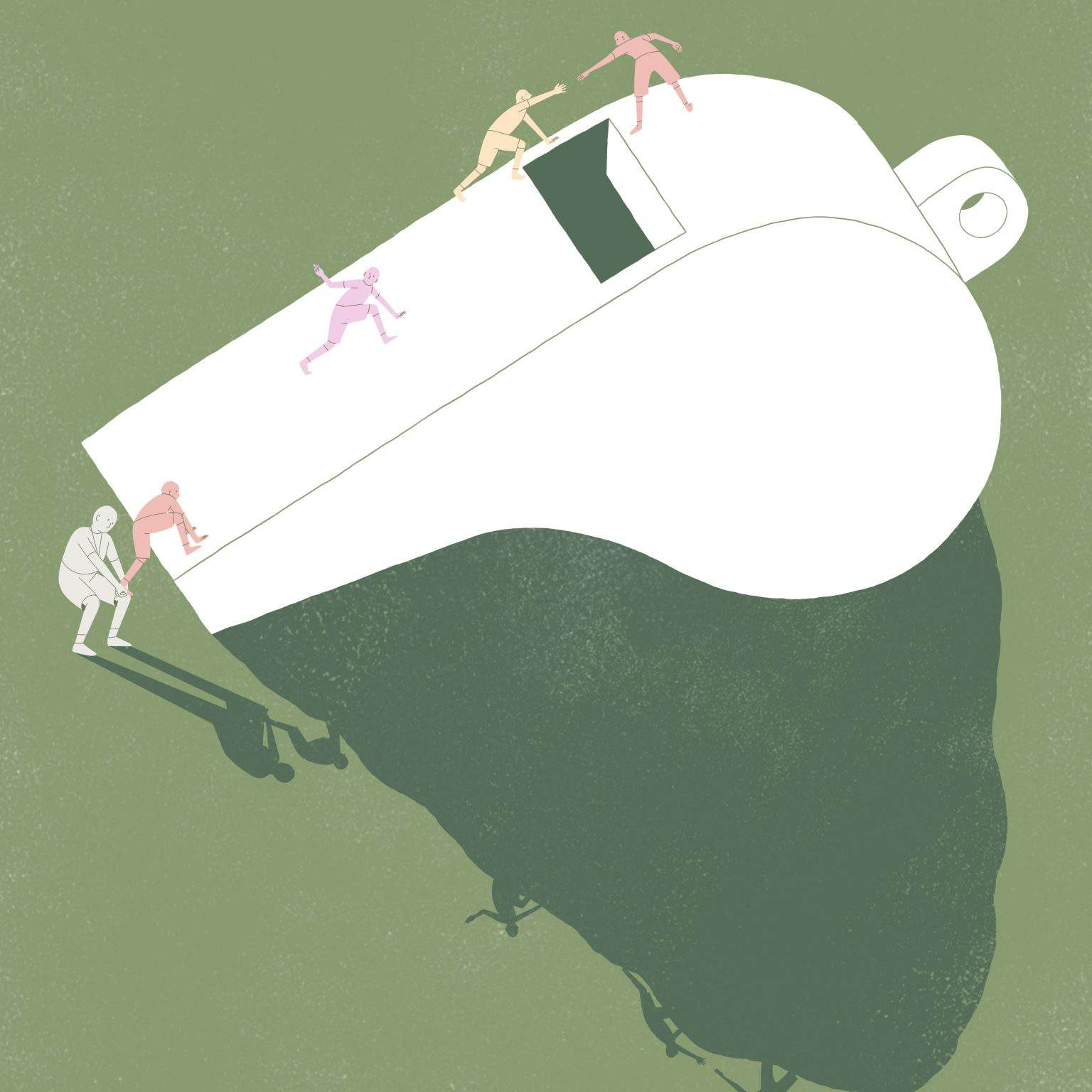 Creating Life Champions: Youth Coaching values, ethics, careers and a sustainable development of trainers and athletes - Daniel Alves | The Creating Life Champions project is a collaboration between the ERASMUS+ program and the UEFA Foundation for Children, to strengthen positive social values and principles by using sports fields as a vehicle. This project gathered 16 partners from 8 European countries. The following text presents the results of the ethnographic research done in Portugal regarding this project, aimed to conduct an in-depth analysis of how trainers perceive the educational and pedagogical role of sport and what may be the path for a sustainable strengthening of this role. From April to May 2023, a total of 20 in-depth interviews with youth coaches from 3 cities and 14 football clubs various football clubs in Portugal, to understand, the main factors, values and necessities of working with children in sports, creating a blueprint of the profile of a youth coach in Portugal for the Creating Life Champions Project to create a module and Moodle course for trainers.Article by Daniel Alves, illustrated by Patricia Palmahttps://theanthro.art/creating-life-champions-youth-coaching-values-ethics-careers-and-a-sustainable-development-of-trainers-and-athletes/ | 14m 56s | ||||||
| 4/23/25 | 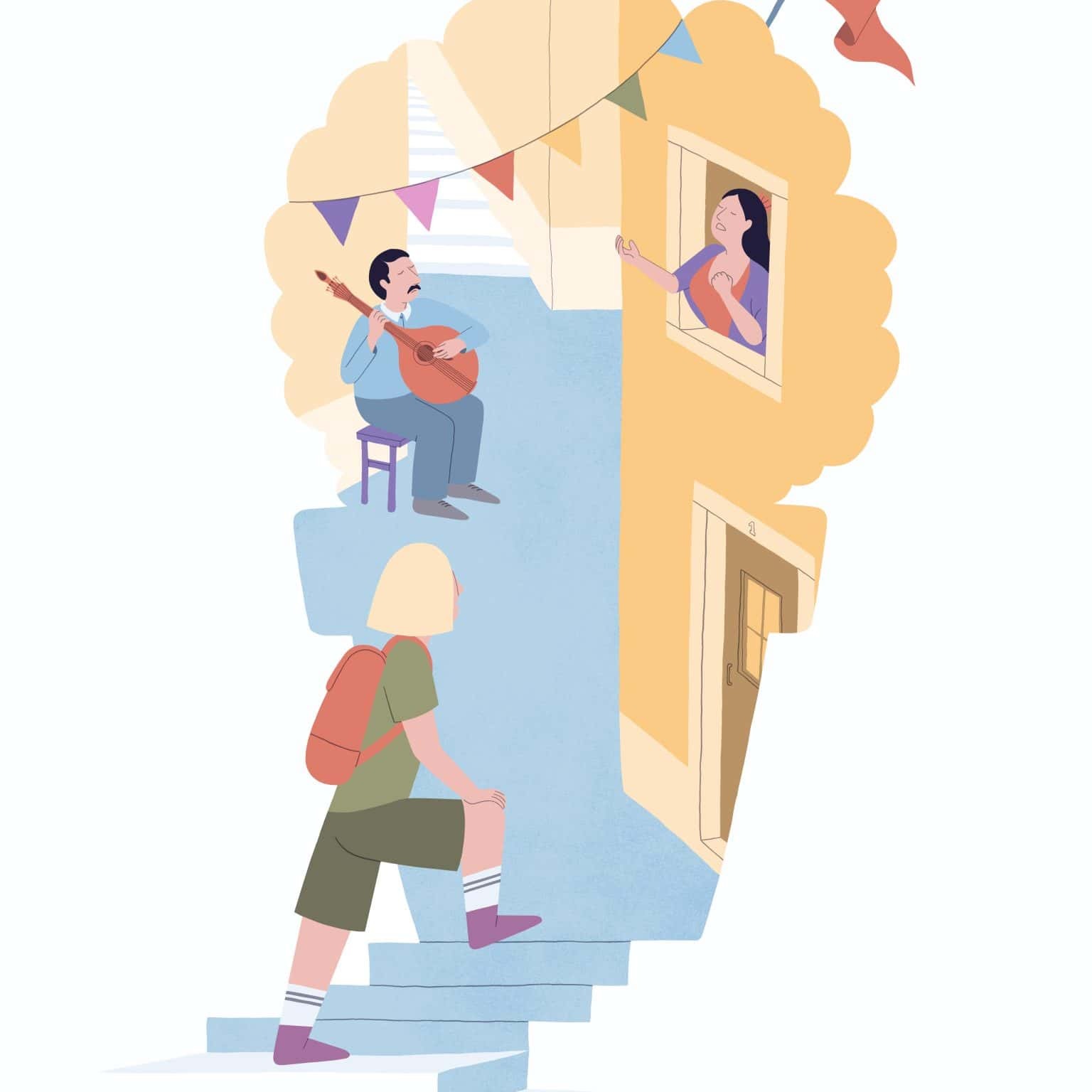 Around The Neighborhood: A storytelling of Mouraria’s memories, traditions and history - Augusto Ferreira | This article explores the pivotal role of videos and thematic routes in promoting sustainable tourism through the lens of intangible cultural heritage (ICH). Anchored in anthropological and ethnographic methodologies, it highlights how these tools preserve and celebrate traditions, crafts, music, and oral histories. Using the Mouraria neighborhood in Lisbon as a case study, the project documents local narratives and practices to create immersive and authentic tourist experiences. This model demonstrates how tourism can safeguard cultural identity, enhance socio-economic development, and promote sustainability without compromising authenticity.Article by Augusto Ferreira, illustrated by Patricia Palmahttps://theanthro.art/aroundtheneighborhood-a-storytelling-of-mourarias-memories-traditions-and-history/ | 15m 31s | ||||||
| 4/23/25 | 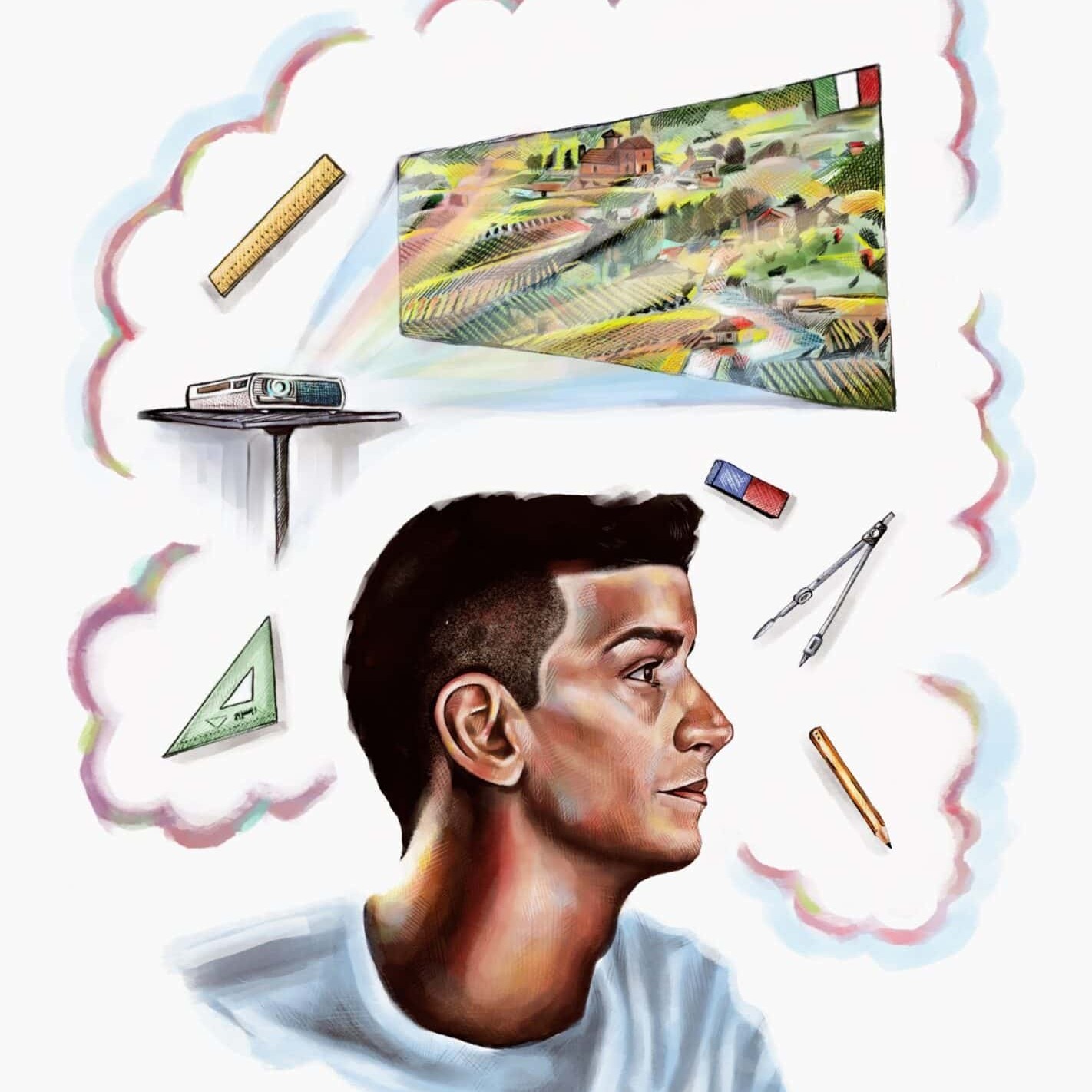 What if... Anthropology + Speculative Design = Social innovation? - Andrea Gaspar | Speculative Design is a methodological approach that can be a huge tool for anthropologists. By working in collaboration with designers and using speculative design techniques, anthropologists and designers together could engage with communities and specific social groups for understanding social problems and imagining alternative futures. With this text is on the one side to present Speculative Design, while at the same time speculating how it could work for anthropologists as a tool for social innovation.Article by Andrea Gaspar, illustrated by Michaela Joneshttps://theanthro.art/what-if-anthropology-speculative-design-social-innovation-2/ | 18m 25s | ||||||
| 4/22/25 |  On shared automobility practices: From horse carriages to digitally prearranged rides - Iulian Gabor | Ridesharing practices such as hitchhiking and carpooling form specific ways of mobility, rich in composition and narratives. Both social practices are present at the margins of all urban areas in Romania having their own specific modus operandi. Although they are not associated with the concept of sustainability by their public, they are embedded in a sustainable kind of mobility, as alternatives to personal road vehicles. The sustainable dimension of ridesharing is also supported by the debate around the occupancy of the car seats. Comparative and historical material demonstrates that states may encourage, discourage, criminalise, or neglect hitchhiking through different policies or even propaganda in order to fill as many car seats as possible. Through such policies, ridesharing is promoted as an act of individual responsibility towards the environment and society as a whole. In other cases it is perceived as a limitation for mobility, and the social results are easy to detect. As Graham and Marvin (2001) noted when they were discussing electronically tolled highways or superhighways, these practices are clearly exclusionary, accentuating the splintering of urbanism. My article proposes a timeline in the history of ridesharing and explores the way unorganised travelling like hitchhiking and organised commuting like digital carpooling (especially through the Blablacar platform) might be part of a more sustainable behaviour. In contrast, other so-called ridesharing platforms such as Uber or Bolt are falsely considered part of the broad concept of sharing economy. Borrowing the concept from Belk (2014), I consider them “pseudo-sharing”.Article by Iulian Gabor and Ben Eyre, illustrated by Daniela Olaruhttps://theanthro.art/on-shared-automobility-practices-from-horse-carriages-to-digitally-prearranged-rides/ | 23m 27s | ||||||
| 4/22/25 | 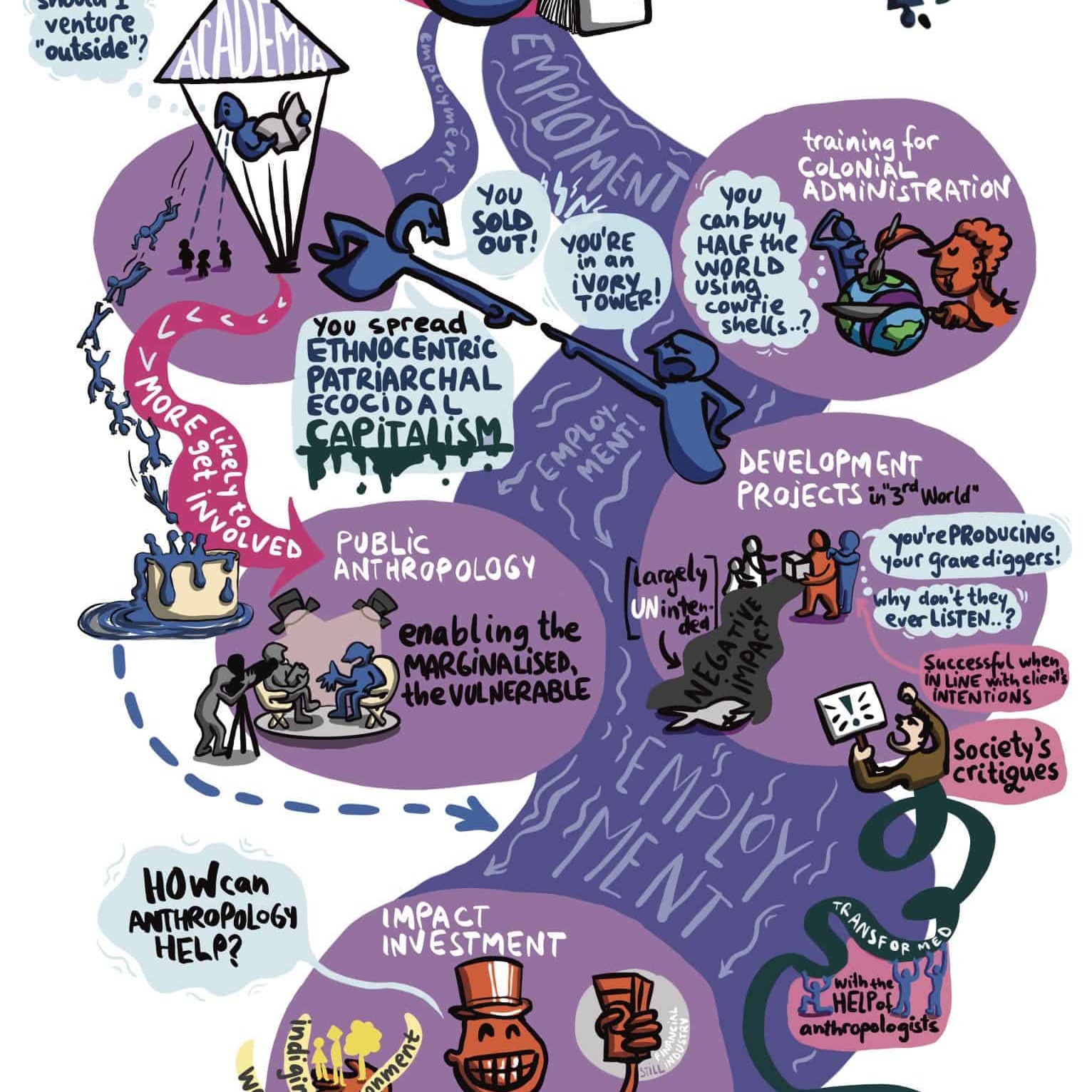 Can you make an impact? Anthropologists and sustainable finance - Stefan Voicu and Ben Eyre | For several years now the financial industry has been enrolled, more or less voluntarily, in the global quest for sustainability. Sustainable finance is currently a complex, variegated field of practices and discourses which claims to invest in projects that have, in the best case scenario, a positive impact on society and the planet, or, worst case scenario at least avoid having a negative one, while also making returns. This article focuses on investors practicing a sustainable investment strategy called impact investing, reflecting on a question we were asked at one of the field’s main annual conferences in late 2023: “how can you leverage anthropology to make an impact?” We reflect on what this question actually means, draw parallels between impact investing and development programs, and explore different answers given by both academic and applied anthropologists to show how anthropologists think about finance and sustainability, and how are their ideas informed by and transformed into actions.Article by Stefan Voicu and Ben Eyre, illustrated by Cristina Labohttps://theanthro.art/can-you-make-an-impact-anthropologists-and-sustainable-finance/ | 22m 47s | ||||||
| 4/18/25 |  Zero Waste, the genealogy of a movement - Lívia Humaire Kampff | When looking for information on the famous 3 Rs of sustainability, I came across a video on YouTube by a French woman living in California called Bea Johnson, that proposed a waste hierarchy of 5 Rs (refuse, reduce, reuse, recycle and rot). The practices shared were not new to the environmental movement, nor to the lives of people who were born before the consumer society. But, for the first time, someone turned it into a set of practices applicable to everyday life, turning it into a global movement with all the characteristics of the social media era. In the format proposed, and subsequently by other prominent voices in the movement, I found a practical way of replicating what I was already doing in a diffuse way within other movements. This article will show that work and principles.Article by Lívia Humaire Kampff, illustrated by Joana Cruzhttps://theanthro.art/zero-waste-the-genealogy-of-a-movement/ | 21m 29s | ||||||
Want analysis for the episodes below?Free for Pro Submit a request, we'll have your selected episodes analyzed within an hour. Free, at no cost to you, for Pro users. | |||||||||
| 4/18/25 | 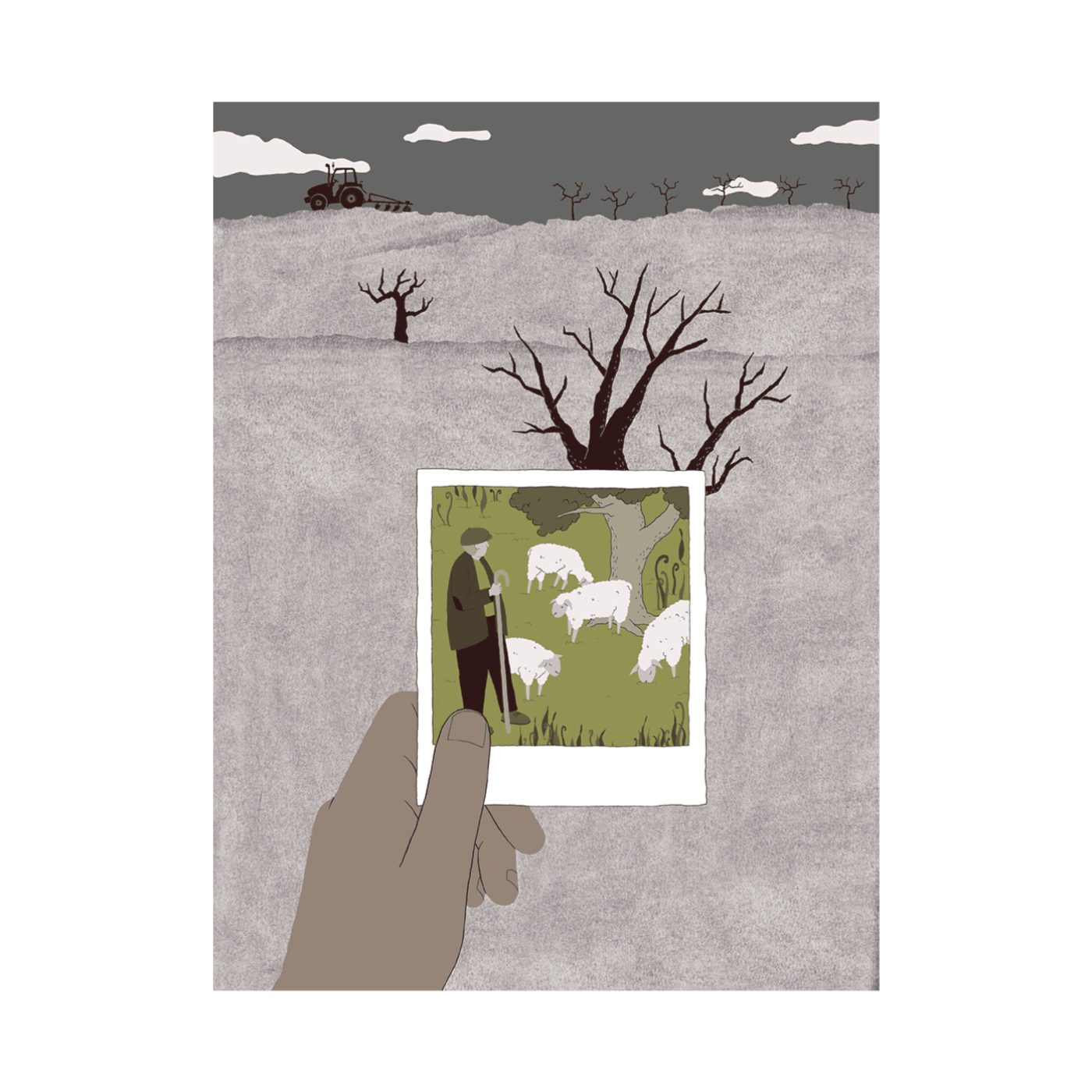 Rethinking Landscapes – ecological relations in more than human collectives as a way to think about the Anthropocene - João T. Amieira | Food systems can be a valuable tool to think about biodiversity as inherently interconnected with our human worlds, in practices that look towards the sustainability of ecosystems, rather than based in the logic of extracting resources without caring for the degradation of landscapes. Through an ethnographic looking glass, we can understand the ways in which certain food production systems can in fact help us think and act on the current socio- ecological crisis. This article draws from fieldwork among agro-pastoralists in the northeastern region of Portugal, done during September 2023, and January 2024. Based on a mix methods approach, the fieldwork’s main method was walking with shepherds of indigenous sheep and goat’s species along their daily grazing paths, allowing informal conversations to happen based in an ethnographic inquiry into the human-environmental relations. The perspectives brought form this experience are of enormous value as they point to possible avenues for change in face of land degradation, biodiversity loss and the impacts of climate change.Article by Silvia Raposo, illustrated by Joana Cruzhttps://theanthro.art/rethinking-landscapes-ecological-relations-in-more-than-human-collectives-as-a-way-to-think-about-the-anthropocene/ | 11m 21s | ||||||
| 4/18/25 | 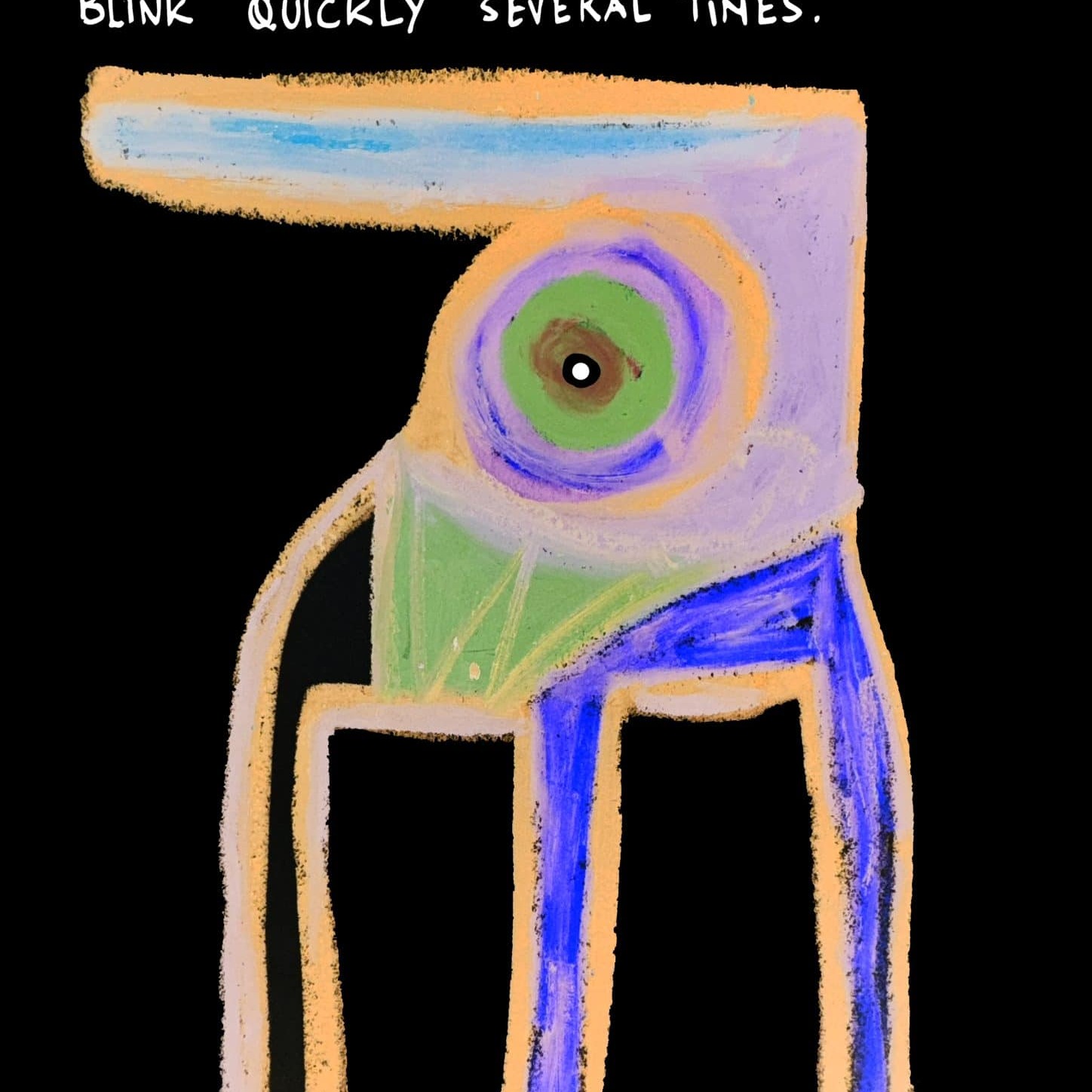 Holo WOW: How Holographic Art is Shaping the Future of Inclusive Art - Silvia Raposo | The use of holographic technology in art and its relationship with social inclusion and the democratization of access to art have been increasingly prominent topics in the contemporary art scene. Through an innovative and accessible approach, holographic art has the potential to transform the way artworks are presented and appreciated by diverse audiences, including communities in remote areas. This article examines how holographic technology can address issues of art accessibility, promote social and cultural inclusion, and truly democratize the artistic experience, referencing sociological theory, such as that of Zygmunt Bauman.Article by Silvia Raposo, illustrated by Joana Cruzhttps://theanthro.art/holo-wow-how-holographic-art-is-shaping-the-future-of-inclusive-art/ | 18m 38s | ||||||
| 4/18/25 | 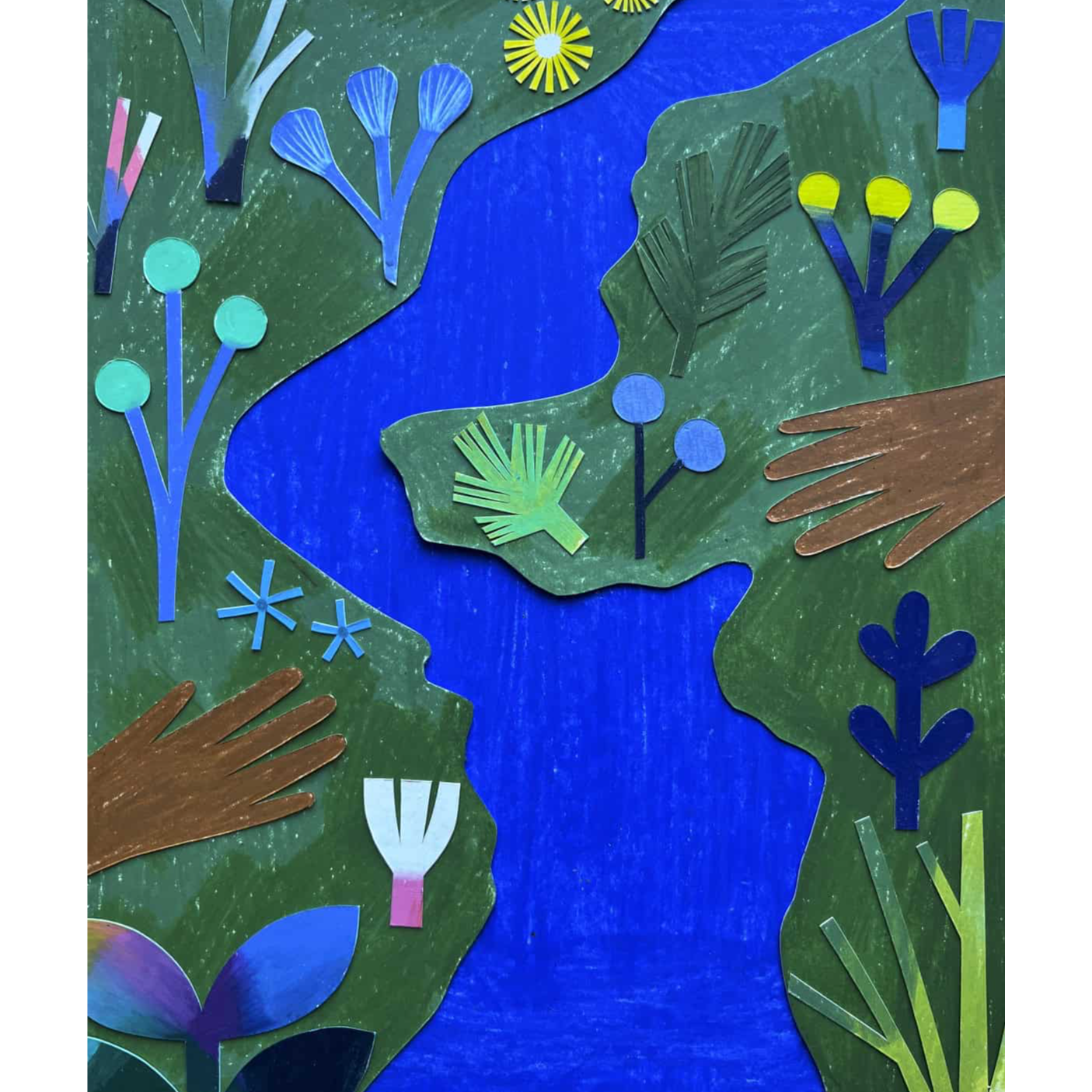 The Role of the Anthropologist in Ecological Activism: The Importance of a Multiscalar and Multisituated Approach and Collaborative Ethnographic Production - Fátima Santos | It is necessary to reflect on the role of the anthropologist in denouncing realities that are often subalternised, with the role of changing them through initiatives and solutions proposed by the anthropologist, allowing us to reflect on the porosity between the spheres of activism and anthropology.To realize the implications and interconnections between different contexts, it is necessary to take a multi-scalar and multi-sited approach. One of the fields most concerned with the interconnections between local, national, and international scales is environmental studies, and it is on this theme that the article focus, mobilising former research to reach this goal.Article by Fátima Santos, illustrated by Juliana Penkovahttps://theanthro.art/the-role-of-the-anthropologist-in-ecological-activism-the-importance-of-a-multiscalar-and-multisituated-approach-and-collaborative-ethnographic-production/ | 21m 06s | ||||||
| 4/18/25 |  Life after Death. The role of Human Remains in a somewhat sustainable (After)life - Ana Lema Seabra | Funerary practices have been around since the dawn of humanity serving two main purposes: the need for body disposal and to help the grieving community process the loss. We will focus on mainland Portugal during the Medieval Period up to present day to provide a brief overview of how people have dealt with death, from evolving perceptions from the Past to Present, to the emergence of a “new type of dead” – human remains of archaeological provenance and the obstacles towards sustainability.Article by Ana Lema Seabra, illustrated by Juliana Penkovahttps://theanthro.art/life-after-death-the-role-of-human-remains-in-a-somewhat-sustainable-afterlife/ | 19m 09s | ||||||
| 4/18/25 | 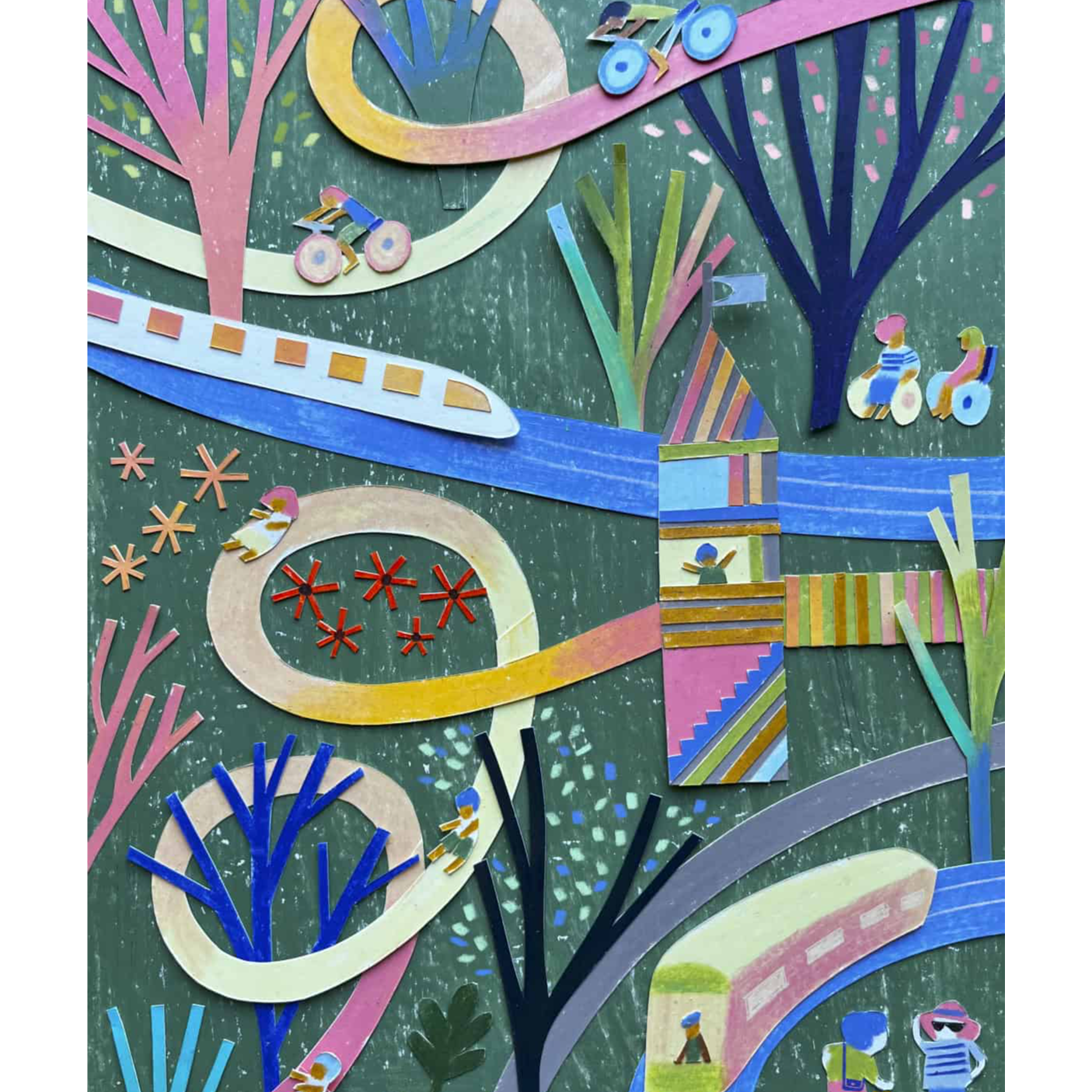 A New Territorial Social Policy as a Bioregional Conviviality formula = Compact Cities + Intermodal Cities + New Public Places - Paulo Castro Seixas, Nadine Lobner | This position paper claims that local governments, within a regional inter-related scope, should envision a new territorial social policy for the effectiveness of sustainability and wellbeing of communities. The proposal of this work stems from a long period of research on sustainability matter; the framing of ecumene studies; and from applied science as consultants with local governments. Our recommendation is that this territorial social policy should be presented as a Regional Conviviality Formula, which is the synergetic result of Compact Cities + Intermodal Cities + New Public Places. We highlight that this formula has potential to create a new socio-spatial configuration: a new conviviality model. This work is a reflexive attempt on two schisms (socio-cultural and nature-human) that should be overcome in the 21st century, within that new conviviality model.Article by Paulo Castro Seixas, Nadine Lobner, illustrated by Juliana Penkovahttps://theanthro.art/a-new-territorial-social-policy-as-a-bioregional-conviviality-formula-compact-cities-intermodal-cities-new-public-places/ | 25m 03s | ||||||
| 4/11/25 |  On Digital Clutter: Understanding Our Relationship with the New Cloud of Unknowing - Liana Gheorghiu | In today’s digital age, cloud storage has become increasingly prevalent, fundamentally altering how we manage and interact with data ownership. While corporate entities have traditionally relied on cloud storage for large-scale data management, personal data storage has recently migrated to the cloud, emerging as a primary means of storing various virtual assets. This shift towards personal cloud storage reflects a broader cultural trend towards digitalization and convenience. However, it also underscores the challenges of digital clutter and data accumulation on a personal level. Through interviews and observation, this research delves into the reasons behind our tendencies to continuously accumulate digital assets and explores their ecological consequences. Emotional attachments and subscription plans emerge as significant drivers of digital clutter. Furthermore, amidst the unsettling trend of corporate dominance over data, the article advocates for a more conscientious and sustainable approach to managing digital possessions. Drawing on diverse theories and environmental discourse, it emphasizes the importance of striking a balance between personal convenience and ecological responsibility.Article by Liana Gheorghiu, illustrated by Andreea Moisehttps://theanthro.art/on-digital-clutter-understanding-our-relationship-with-the-new-cloud-of-unknowing-liana-gheorghiu-illustration-by-andreea-moise/ | 22m 17s | ||||||
| 4/11/25 | 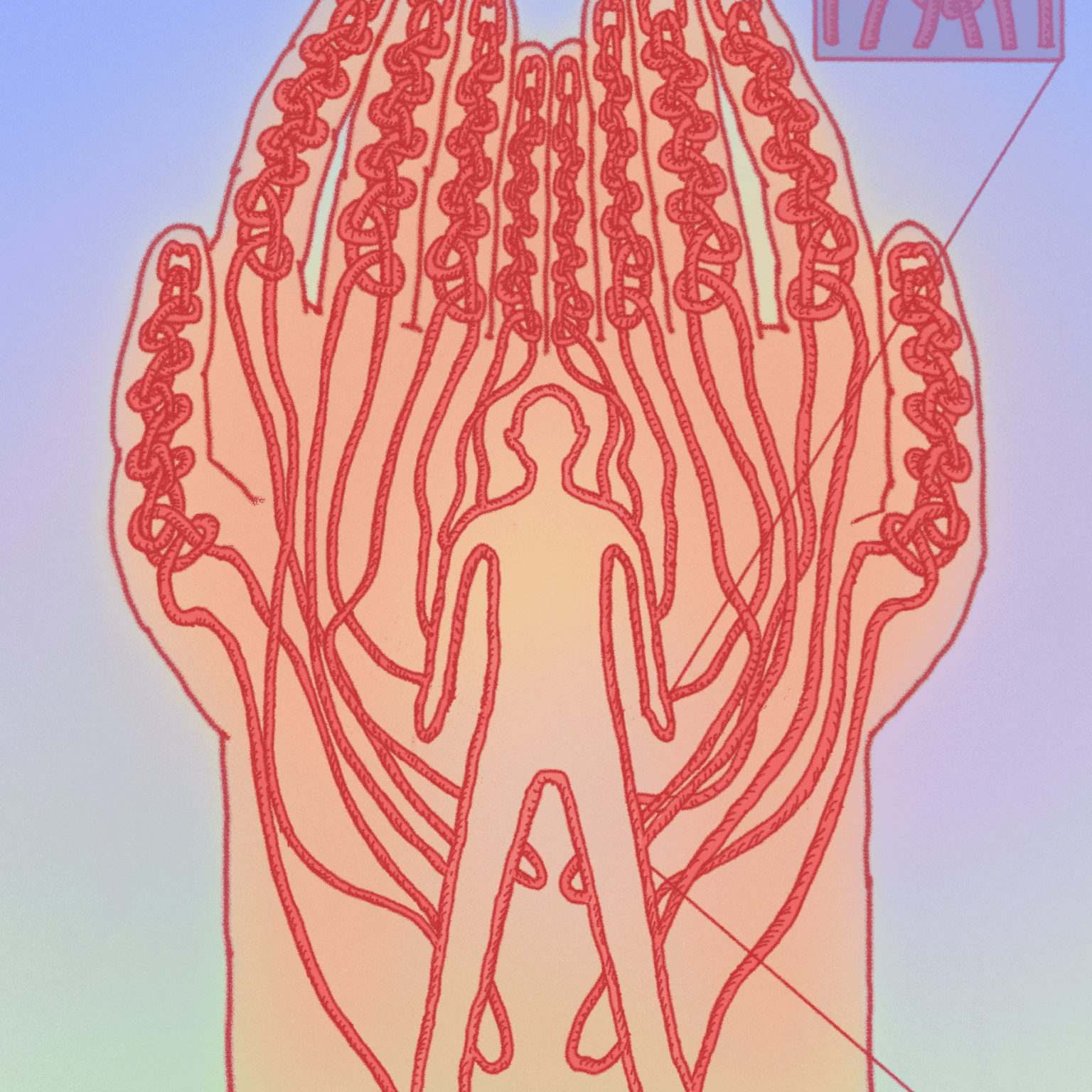 An anthropology of gestures: shifting narratives about sustainability in textile crafts through the lens of metaphor theory - Ruxandra Lupu | There is almost a poetic appeal to crafts that render them timeless. Crafts such as textiles maintain continuity, in contrast to trends, like fashion. Textile practice provides thus established codes for interpreting local culture. In doing so, they inhabit their environment in a caring and conscious way. That’s why it should come as no surprise that craftspeople think differently about sustainability than designers or managers. Their practices are deeply embedded in the territory and strongly connected to aspects of place, materiality and social context. At the same time, a large part of this knowledge about sustainability is tacit – this means it can be hardly articulated using language. It is rather embedded in gestures of working with and through materials, aspects which are difficult to understand, measure and capture. So, what can we learn about sustainability from craftspeople using the lens of gestures? In my project, I take up the challenge of exploring this further by adopting metaphor theory as an entry point into better understanding and capturing textile artisans’ vision of sustainability, in order to elicit and communicate it in a comprehensive way to audiences. Conceptual metaphor theory is the field that looks at how we understand abstract concepts using metaphors. To do this, I set up an interdisciplinary method that borrows methods from linguistics, dance theory and ethnography to map metaphoric gestures of textile artisans across Europe. My field research (March-July 2024) includes case studies in my home country, Romania, but also other European countries. Expected results are both theoretical/conceptual (novel interdisciplinary framework for mapping gestures) as well as applied (a final exhibition of the textile designers’ work using collected data to present them in an immersive and comprehensible way to the public).Article by Ruxandra Lupu, illustrated by Dariana Iliehttps://theanthro.art/an-anthropology-of-gestures-shifting-narratives-about-sustainability-in-textile-crafts-through-the-lens-of-metaphor-theory/ | 26m 03s | ||||||
| 4/11/25 | 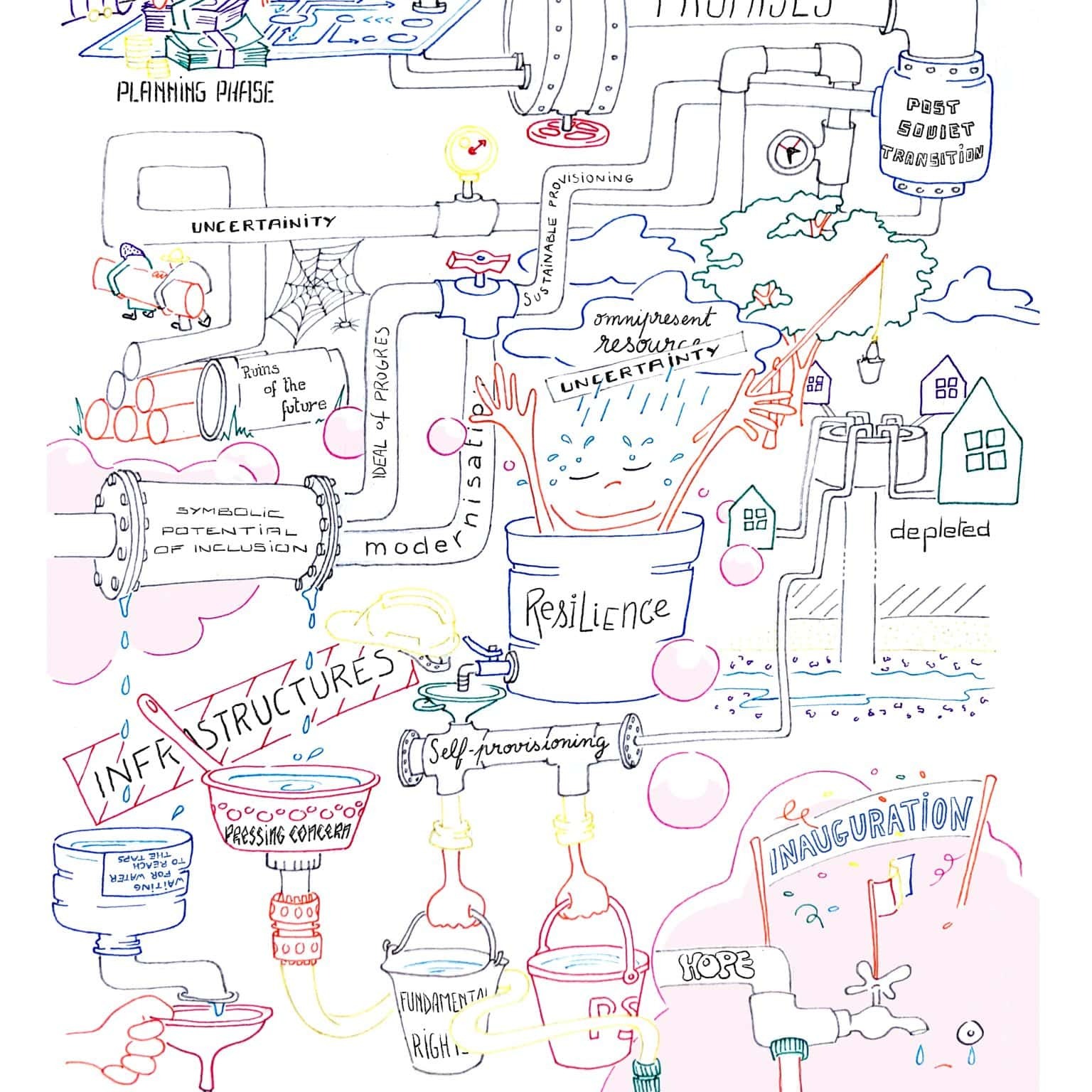 One drop at a time: On waiting for water in rural Moldova - Olga Bostan | The role of water in rural Moldova transcends its physical properties as a vital substance to become a poignant reflection of the broader socio-economic, political, and environmental dynamics at play in post-Soviet rural life. Against a backdrop of historical disinvestment, both during the Soviet times and in their aftermath, the article explores the ways in which residents of a village in the north of Moldova navigate water insecurity. Through a delicate balance of waiting for official intervention from the local administration and resorting to self-reliant strategies, they meet their everyday water needs with resourcefulness and endurance. When the village hall launched the construction of an infrastructural initiative that would provide access to piped water to every household in the village, the promise of a long-term solution to the problem imbued locals with hope. However, when the construction work was put on pause, villagers found themselves suspended between the all-too-familiar struggles of fulfilling their daily water needs and the collective imaginary of a better future. While they wait for water to reach their taps, they resort to creative bricolages such as makeshift pumps and rainwater collection barrels. Yet, amidst these adaptive measures lies a pervasive sense of uncertainty, perpetuated by the rumours and hearsay that surround the stalled water project. These narratives not only serve as coping mechanisms but also fuel collective demands for accountability and transparency from local authorities.Article by Olga Bostan, illustrated by Amandine Bănescuhttps://theanthro.art/one-drop-at-a-time-on-waiting-for-water-in-rural-moldova/ | 19m 46s | ||||||
| 4/11/25 | 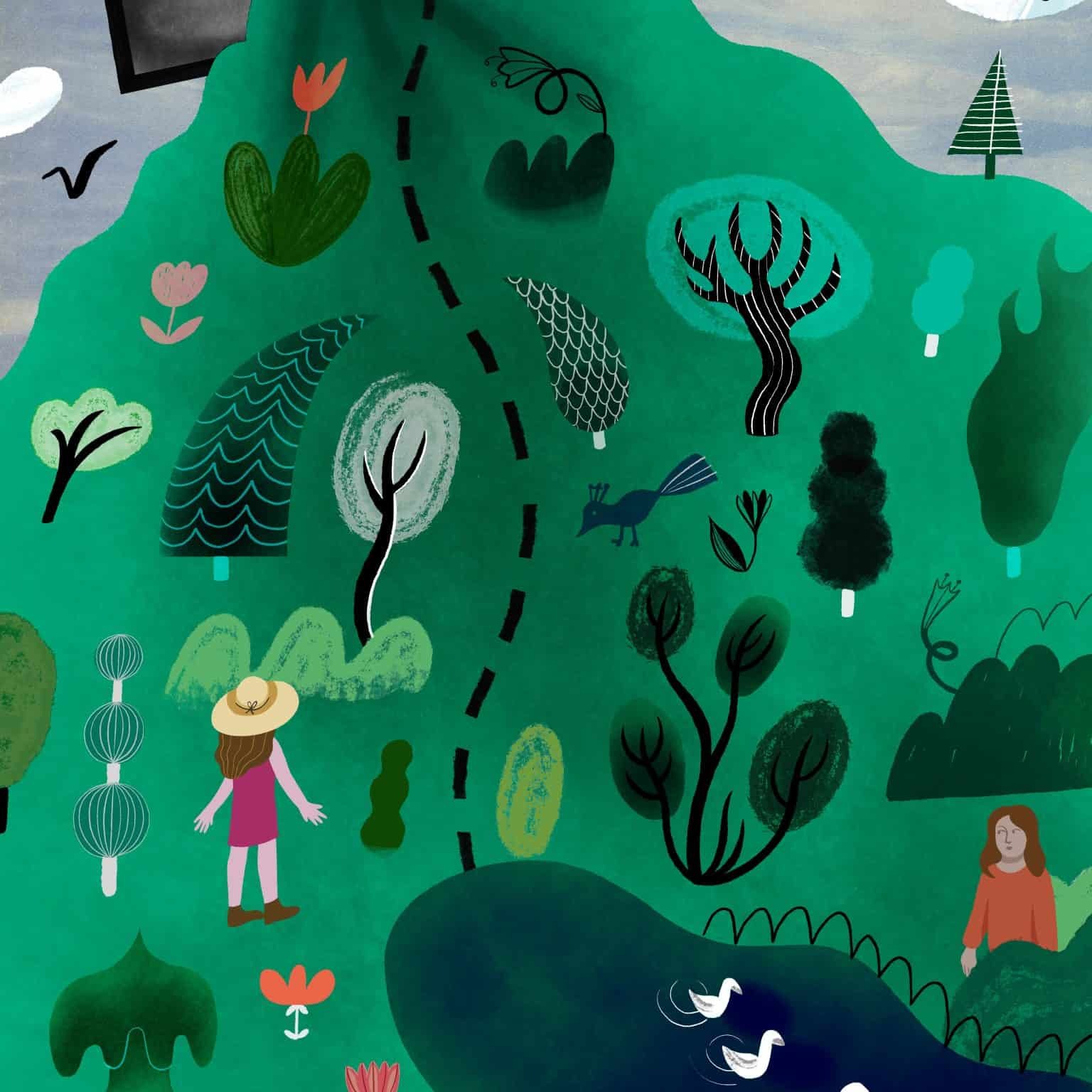 Under the Radar: Shedding Light on Local Land Grabs - Hestia Delibas | Land grabbing is a widely talked-about subject in political debates yet at the same time little understood in the context of Eastern Europe. Seeking to shed light on this complex issue, my research delved into the mechanisms of land grabbing while also uncovering forms of peasant resistance. During the summer of 2023, I did my fieldwork in the nearby villages of Huedin, Romania, where I engaged in participant observations at local peasant markets and I conducted interviews with a diverse array of people, including peasants, advocates for food sovereignty, and municipal authorities. At the heart of my investigation lies the notion of environmental justice. My fieldwork revealed that land grabbing is perceived as a form of injustice, with many of the interviews pointing to abuses of power, and elusive forms of violence that facilitate land grabbing. Another important insight of my fieldwork pertains to the role of traditional commons in resisting land grabbing, alongside the emergence of innovative initiatives like ALPA – Access to Land, which employs the concept of land banks to secure access to land for the next generation of young peasants.Article by Hestia Delibas, illustrated by Diana Branzanhttps://theanthro.art/under-the-radar-shedding-light-on-local-land-grabs/ | 23m 57s | ||||||
| 4/11/25 | 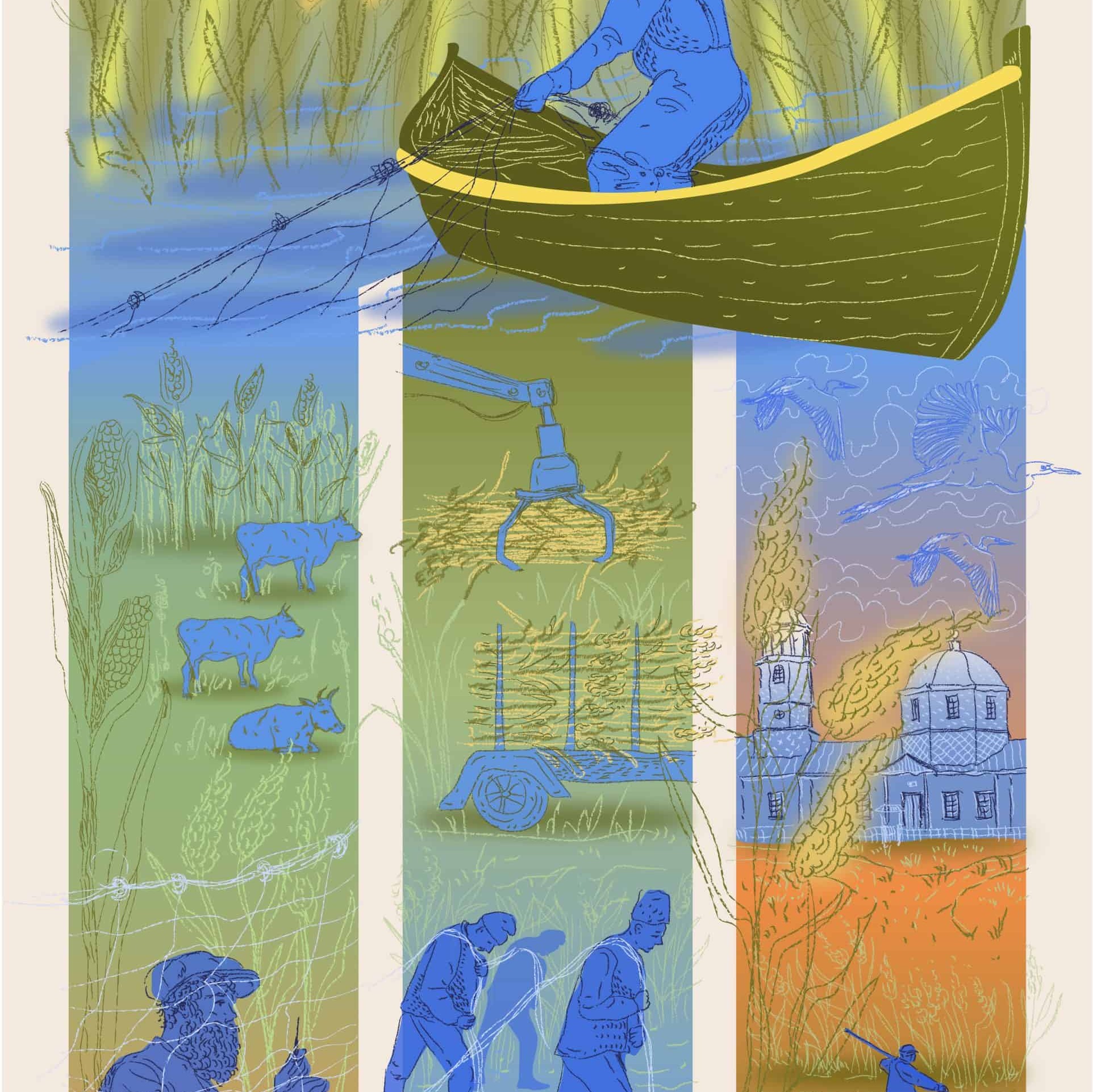 „Forbidden” sustainability. The case of an ecological restoration project in the Danube Delta Biosphere Reserve - Ioana Savin | It is often remarked that the Danube Delta is so captivating that those who visit once are inevitably drawn to return (Fănuș Neagu – writer, 1963). If this holds true, a similar sentiment can be extended to the village of Sfiștofca. For me, the history of Sfiștofca serves as a compelling illustration of how sustainable traditional practices thrive solely within the natural environment that surrounds a community. Guided by profound practical knowledge and a distinct “territorial identity” (Mihăilescu, Nahorniac), Sfiștofca emerges as an exemplary socio-ecological relationship, wherein villagers possess the autonomy to steward their local natural resources. However, when changes in the structure and ownership of their natural surroundings occur, the village embarks on a path of decline.Article by Ioana Savin, illustrated by Erika Nagyhttps://theanthro.art/forbbiden-sustainability-the-case-of-an-ecological-restoration-project-in-the-danube-delta-biosphere-reserve/ | 23m 57s | ||||||
| 4/11/25 | 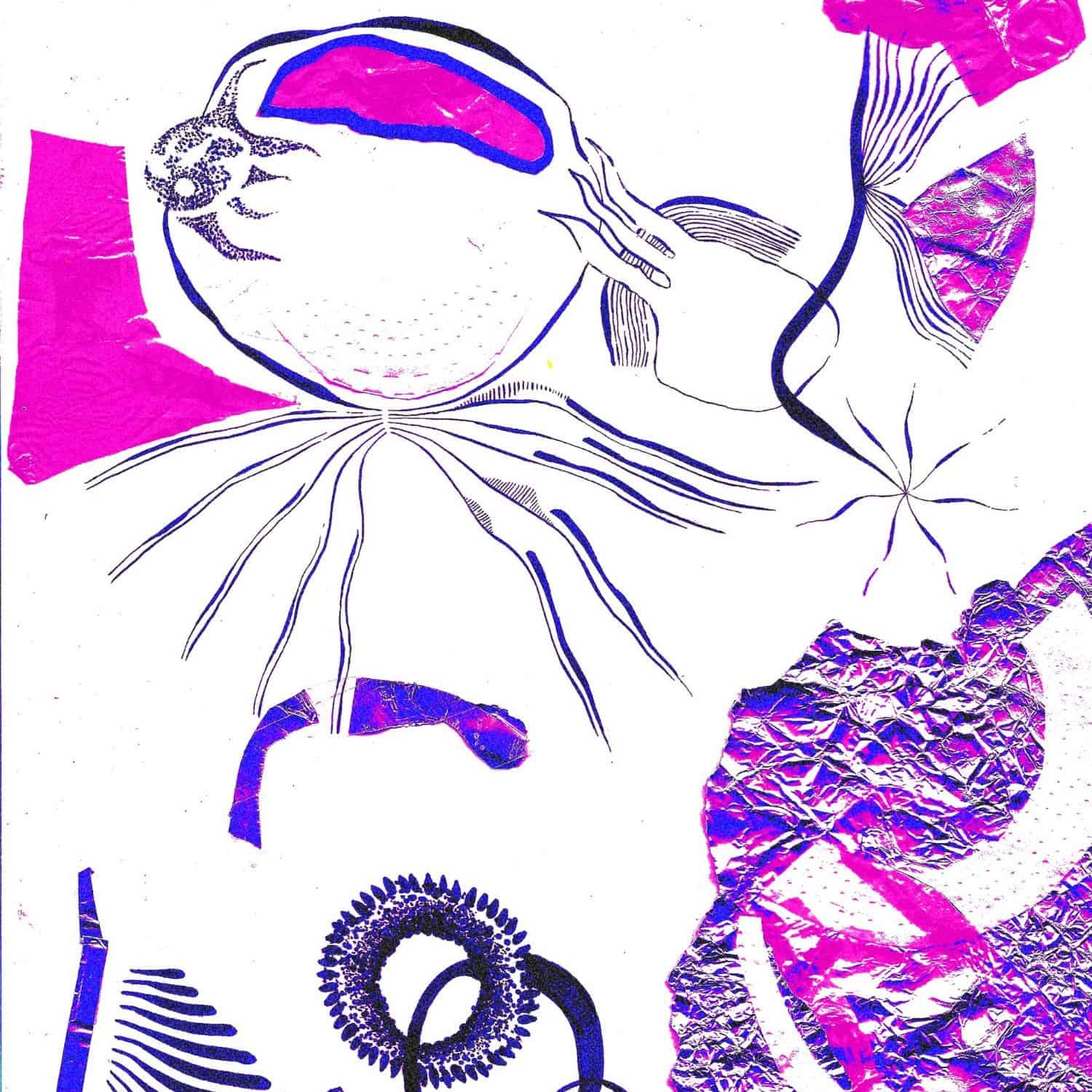 Sustainability as empathy - Soledad Jiménez-Tovar | We are currently living in a world surrounded, trespassed, and organized by multiple uncertainties. Speaking of sustainability today implies to situate, temporally and spatially, the needs that a given society has, as well as the path to cover such needs. To build a world where many worlds fit, we need people who can accommodate multiple worlds inside themselves. Empathy is a matter of intimacy. The more intimacy we share, the more we can recognize in each other, no matter how distant we might appear to be. Sustainability is about building peace in a globalizing world.Article by Soledad Jiménez-Tovar, illustrated by Noa Simõeshttps://theanthro.art/sustainability-as-empathy/ | 18m 28s | ||||||
| 4/11/25 | 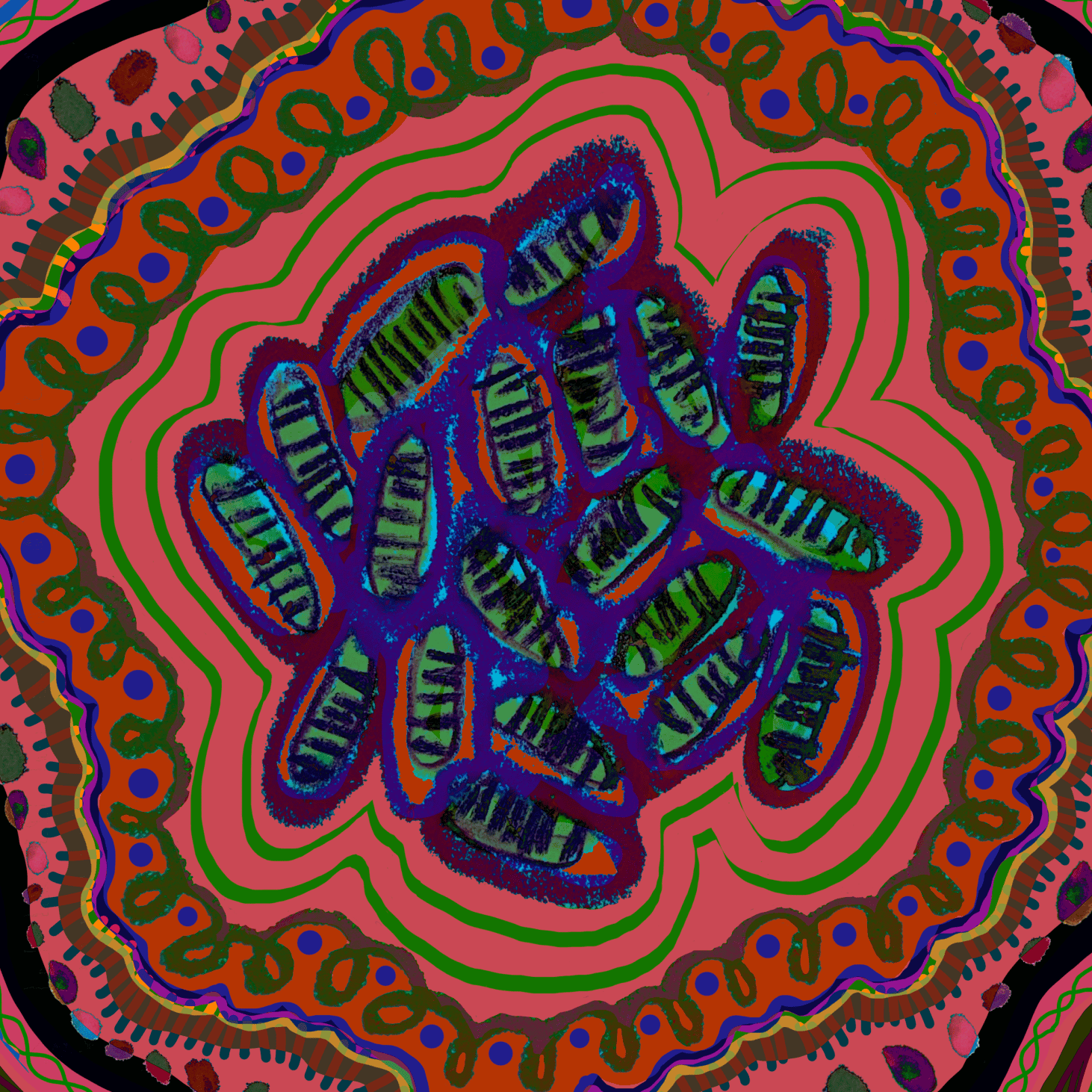 Sustain the world in dialogue with the invisible - Carolina Ribeiro Araujo | Climate change is a global reality, the result of intense and unsustainable human exploitation of natural resources and environmental degradation. The regular sustainable techniques are not enough to change this situation. Some authors attribute this to the lack of “connection and empathy with nature”, characteristics of a lifestyle in a capitalist society. Faced with this unpromising reality, some people have sought answers in spirituality, through practices, behaviors and worldviews supported by values related to the environment. This perception, studied by the anthropological field of Spiritual Ecology, aims to understand how some people create symbolic systems of human-planet relations, unfolding in practical ways. In this context, the knowledge of religion and spiritual ethics can make people aware of human and ecological rights, which include the indigenous shamanism of different peoples of the Amazon, based on a worldview intrinsically associated with nature, where there is no effective separation between nature, humans, and non-humans. Based on this recognition and appreciation, the practice of Amazonian shamanism has been spreading to other territories through the circulation of shamans and indigenous leaders. Portugal is one of these destinations, where indigenous people from the Amazon hold retreats, ceremonies and cultural events. Based on ethnographic fieldwork through participant observation in five ceremonies in different Portuguese locations between 2022 and 2023, the preliminary results of this research are presented. The results suggest that these practices maintain their tools and mysticism. The people who frequent foreign territories belong to the Pano linguistic branch, such as: Huni Kuin, Yawanawá and Noke Koi. The ceremonies and retreats take place in a natural environment, enabling participants to get in closer contact with nature. The resources will be reverted to the benefit of the communities of origin of these indigenous people, always related to the way of life that respects nature, raising awareness about the environmental preservation of an important biome for tackling the climate crisis.Article by Carolina Ribeiro Araujo, illustrated by Joana Cruzhttps://theanthro.art/sustain-the-world-in-dialogue-with-the-invisible/ | 21m 03s | ||||||
| 4/11/25 | 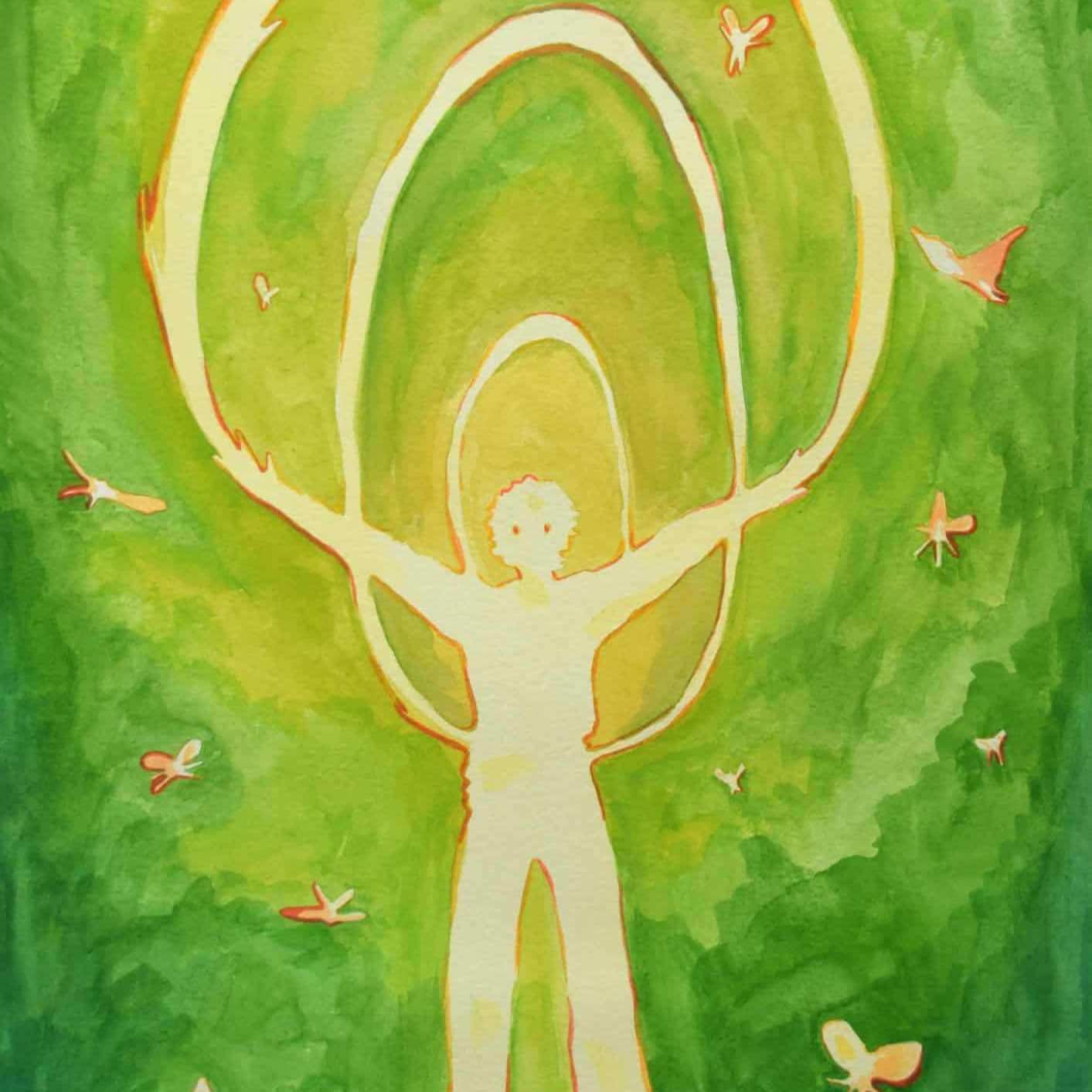 Building the Symbiocene: Fostering Imagination for a more Sustainable World - Sofia Tapaninen | Beyond politics and technology, there exists deeper narratives and cultural conditions that have brought our world out of balance.Drawing on insights from a summer school for sustainability in Gothenburg, this article argues that imagination plays a crucial part in reshaping our understanding of the climate crisis and navigating towards a more just and sustainable world. Presented in two principles: ‘The Work of Justice’ and ‘Recognizing a Web of Relations’, the article counters the current separation and economic value-based narrative and calls for finding ways to recognize the intrinsic value of both humans and nature in an interconnected web of life. We must exit the Anthropocene – an epoch defined by environmental crisis – and start building the Symbiocene: a ‘more-than-human’ approach to a more sustainable and just future.Article by Sofia Tapaninen, illustrated by Axelle Van Wynsberghehttps://theanthro.art/building-the-symbiocene-fostering-imagination-for-a-more-sustainable-world/ | 25m 12s | ||||||
| 4/11/25 | 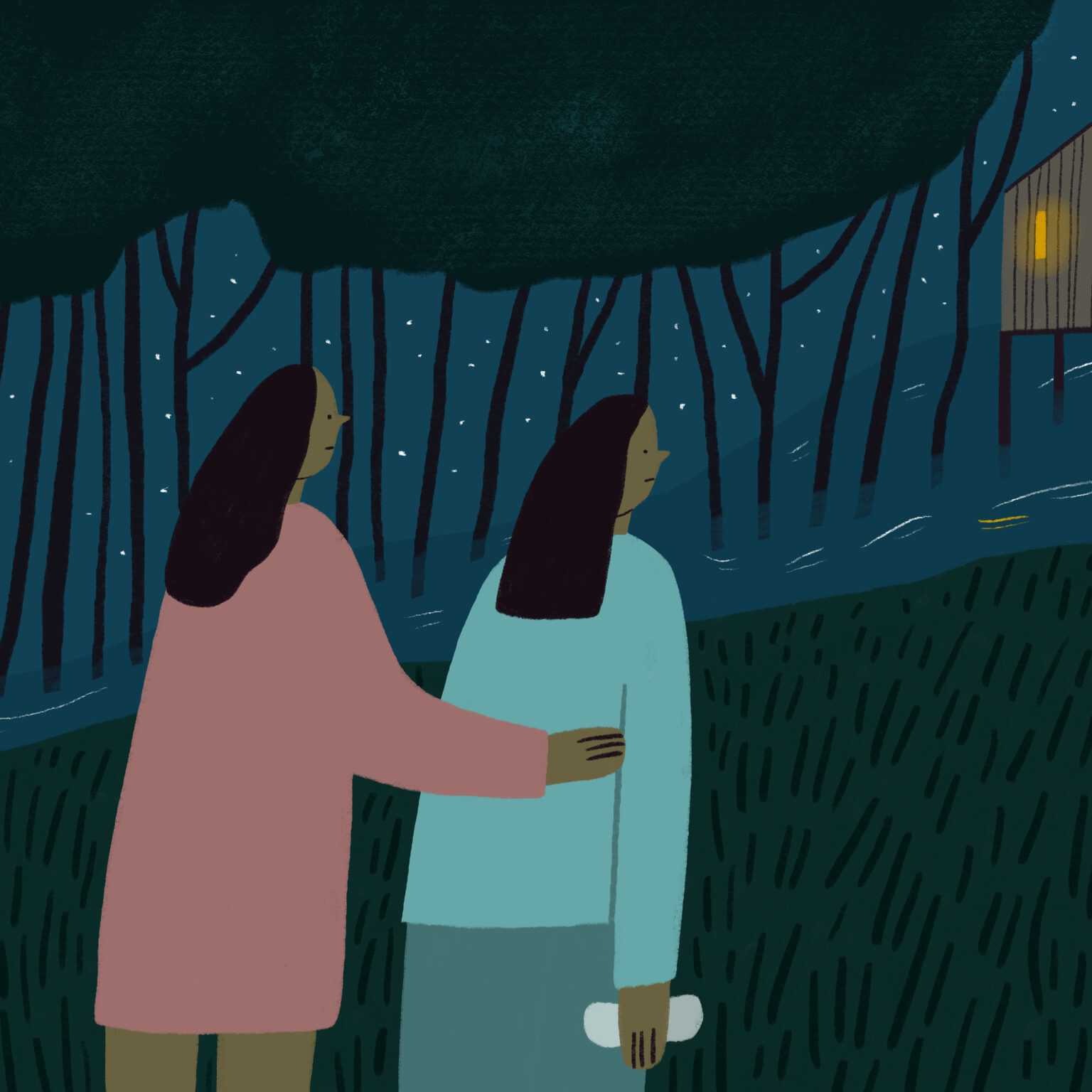 Menstrual Health in Crises: Climate Change, Social Exclusion, and Resilience - Fien de Ridder | The article addresses how humanitarian crises—driven by conflict, climate change, and displacement—disrupt menstrual health, particularly in low-income, disaster-prone regions. Fieldwork conducted in Indonesia illustrates the challenges menstruating individuals face, including lack of access to clean water, proper sanitation, and quality menstrual products. Environmental and/or humanitarian crises exacerbate these issues, with extreme weather events destroying vital infrastructure and displacing communities in refugee camps. This instability often forces menstruators to manage their health in unsanitary, unsafe conditions, leading to both physical discomfort and mental stress.The article highlights the emotional and social exclusion menstruators experience due to stigma, particularly in conservative societies and refugee settings. The absence of private spaces and sanitary products increases shame and isolation, affecting mental health and reinforcing gender inequalities. Despite these adversities, menstruating individuals exhibit resilience, creating makeshift hygiene solutions and supporting each other within their communities. However, the lack of consistent government and humanitarian support intensifies the burden.The article advocates for a holistic approach to menstrual health in crisis contexts—addressing not only the physical needs but also the social and mental dimensions. Menstrual health must be recognized as more than a hygiene issue; it is integral to dignity, gender equality, and well-being. Acknowledging menstrual health as a human right is essential to ensuring that menstruating individuals are empowered, respected, and not overlooked during crises.Article by Fien de Ridder, illustrated by Eline Veldhuisenhttps://theanthro.art/menstrual-health-in-crises-climate-change-social-exclusion-and-resilience/ | 22m 23s | ||||||
| 4/11/25 | 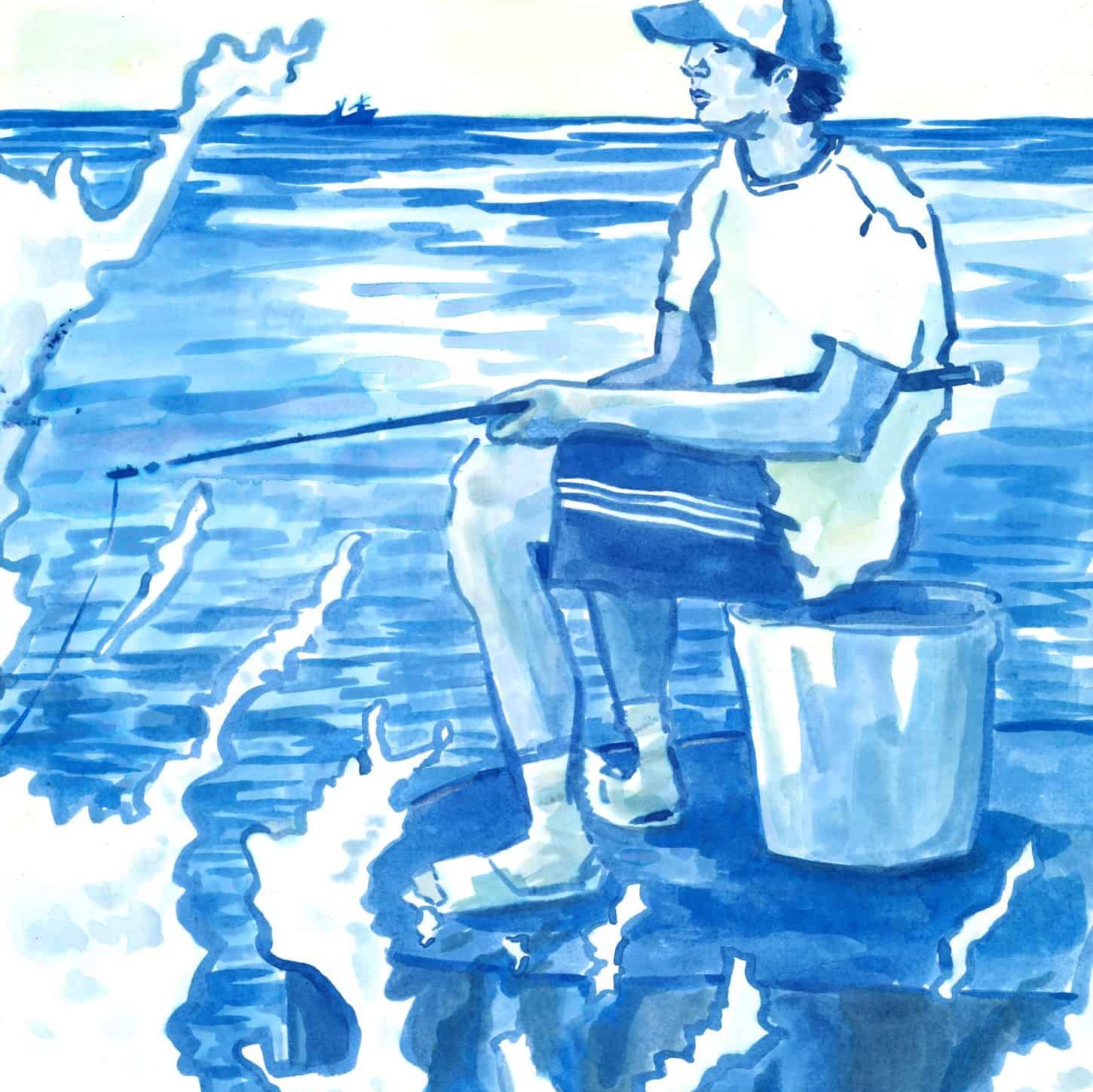 Seawall and the Silent Tide - Ashry Sallatu | In this paper, I would like to share the story of the development of seawall infrastructure in Wakatobi, Indonesia, a top tourism destination and national park. The story of the seawall caught my attention because when I first arrived in Wakatobi for research, I found that the seawall story was a hot topic of conversation among community members. This paper tells the story of how residents perceive the seawall and what kind of impact it has had. I found that the seawall was built to prevent the loss of sand due to abrasion. Still, it also provides a space for residents to conduct sand mining. In the long run, it can threaten some residents’ sustainability of fishing livelihoods.Article by Ashry Sallatu, illustrated by Axelle Van Wynsberghehttps://theanthro.art/seawall-and-the-silent-tide/ | 18m 39s | ||||||
Showing 25 of 97
Sponsor Intelligence
Sign in to see which brands sponsor this podcast, their ad offers, and promo codes.
Chart Positions
2 placements across 2 markets.
Chart Positions
2 placements across 2 markets.