
Insights from recent episode analysis
Audience Interest
Podcast Focus
Publishing Consistency
Platform Reach
Insights are generated by CastFox AI using publicly available data, episode content, and proprietary models.
Most discussed topics
Brands & references
Total monthly reach
Estimated from 7 chart positions in 7 markets.
By chart position
- 🇦🇺AU · Design#1055K to 30K
- 🇰🇪KE · Design#1930K to 100K
- 🇿🇦ZA · Design#553K to 10K
- 🇮🇪IE · Design#693K to 10K
- 🇮🇱IL · Design#733K to 10K
- Per-Episode Audience
Est. listeners per new episode within ~30 days
23K to 83K🎙 ~2x weekly·125 episodes·Last published 2w ago - Monthly Reach
Unique listeners across all episodes (30 days)
45K to 166K🇰🇪60%🇦🇺18%🇿🇦6%+4 more - Active Followers
Loyal subscribers who consistently listen
18K to 66K
Market Insights
Platform Distribution
Reach across major podcast platforms, updated hourly
Total Followers
—
Total Plays
—
Total Reviews
—
* Data sourced directly from platform APIs and aggregated hourly across all major podcast directories.
On the show
From 12 epsHost
Recent guests
Recent episodes
How To Avoid Miscommunication Problems In Architecture with Usman Yaqub | 125
Jun 11, 2026
30m 40s
Navigating Home Design Costs with Michael Sweebe | 124
May 28, 2026
41m 28s
Marketing & Lead Generation Tips For Small Businesses | 123
May 7, 2026
11m 18s
Solopreneur's Guide To Business Mastery with Kathy Ennis | 122
Apr 23, 2026
50m 42s
Get More People To See Your Content (Repurpose It!) with Annette Mashi | 121
Apr 9, 2026
39m 29s
Social Links & Contact
Official channels & resources
Official Website
Login
RSS Feed
Login
| Date | Episode | Topics | Guests | Brands | Places | Keywords | Sponsor | Length | |
|---|---|---|---|---|---|---|---|---|---|
| 6/11/26 |  How To Avoid Miscommunication Problems In Architecture with Usman Yaqub | 125✨ | miscommunicationarchitecture+3 | Usman Yaqub | Chartered Institute of Architectural TechnologistsStudio Yaqub Architecture+1 | — | miscommunicationarchitecture+3 | — | 30m 40s | |
| 5/28/26 |  Navigating Home Design Costs with Michael Sweebe | 124✨ | home designbudget estimation+3 | Michael Sweebe | ScopifySweebe Architecture | — | budget misalignmentbuild cost estimation+3 | — | 41m 28s | |
| 5/7/26 |  Marketing & Lead Generation Tips For Small Businesses | 123✨ | marketinglead generation+4 | — | Architecture Business Club | — | marketing tipslead generation+4 | — | 11m 18s | |
| 4/23/26 |  Solopreneur's Guide To Business Mastery with Kathy Ennis | 122✨ | solopreneurshipbusiness skills+3 | Kathy Ennis | Little Piggy Ltd | — | solopreneurbusiness mastery+3 | — | 50m 42s | |
| 4/9/26 |  Get More People To See Your Content (Repurpose It!) with Annette Mashi | 121✨ | content repurposingwebsite traffic+3 | Annette Mashi | ChatGPTArchitecture Business Club | — | repurpose contentwebsite traffic+3 | — | 39m 29s | |
| 3/26/26 |  What is Succession Planning & Why Does It Matter with Kevin Crawford | 120✨ | succession planningemployee ownership+4 | Kevin Crawford | Crawford ArchitectureDesigning Success+3 | — | succession planningarchitecture+5 | — | 33m 58s | |
| 3/12/26 |  Navigating Our 100+ Episodes: A Guide to Discovering Hidden Gems | 119✨ | episode navigationbusiness strategy+4 | — | architecturebusinessclub.com | — | episode categoriesbusiness growth+3 | — | 14m 10s | |
| 2/26/26 |  How To Avoid Structural Issues In Home Extensions with Sam Dean | 118✨ | structural engineeringhome extensions+4 | Sam Dean | Porthouse DeanBritish Geological Survey | — | structural issueshome extensions+5 | — | 51m 41s | |
| 2/12/26 |  Building Confidence Through Mentorship with Joshua Ayettey | 117✨ | mentorshiparchitecture+4 | Joshua Ayettey | JADC StudioScattered Hub | — | mentorshiparchitecture+5 | — | 33m 40s | |
| 1/29/26 |  What Does Burnout Mean & How Can I Avoid It with Anna Wolas | 116✨ | burnoutwellbeing+4 | Anna Wolas | Architecture Business Club | — | burnoutstress+5 | — | 35m 39s | |
Want analysis for the episodes below?Free for Pro Submit a request, we'll have your selected episodes analyzed within an hour. Free, at no cost to you, for Pro users. | |||||||||
| 1/15/26 | 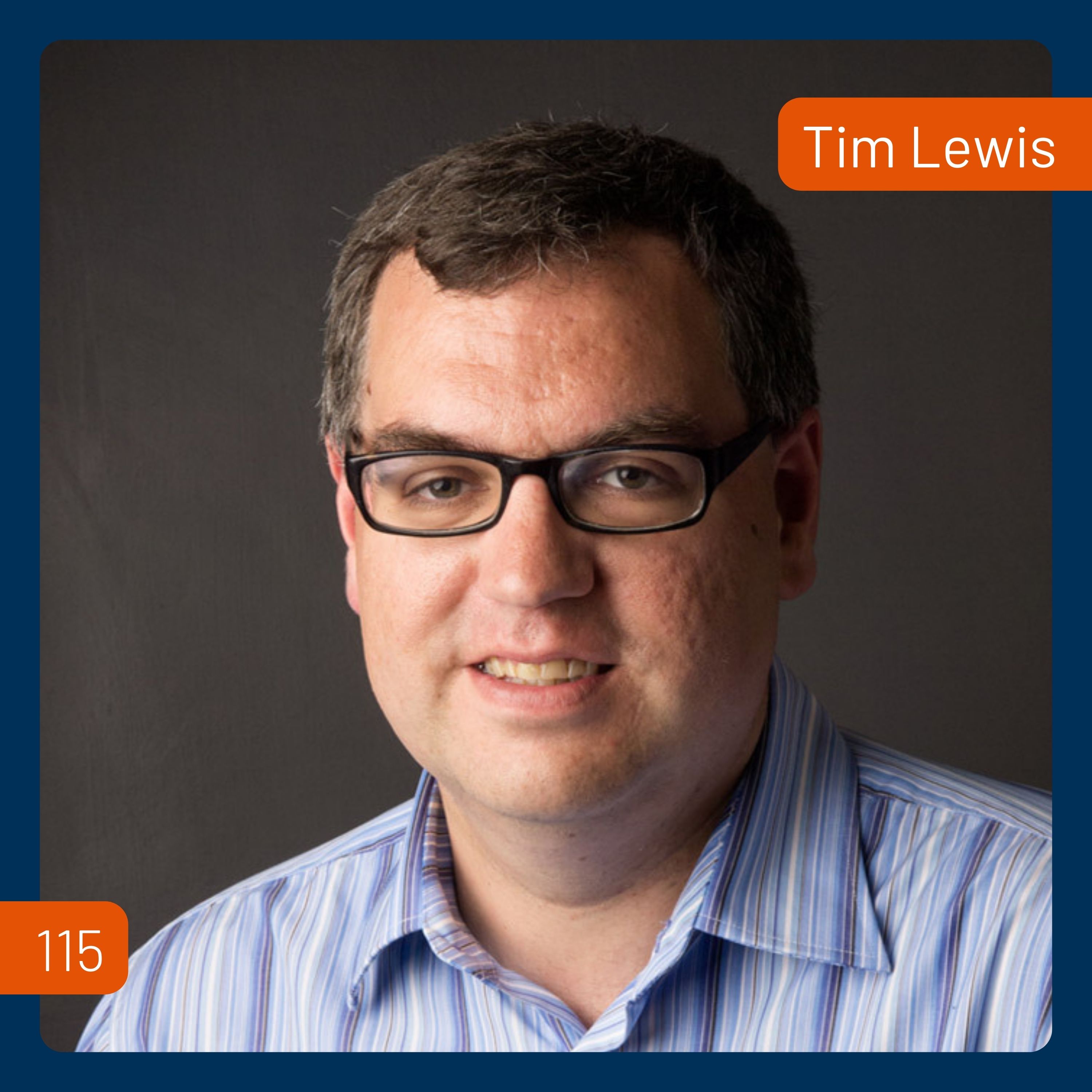 The Difference Between AI and Automation with Tim Lewis | 115✨ | AIAutomation+4 | Tim Lewis | AIAutomation+3 | — | AIAutomation+4 | — | 33m 08s | |
| 1/1/26 |  2025 Reflections and Exciting Plans for 2026 | 114✨ | reflectionsfuture plans+3 | — | Architecture Business Club | — | podcasting2025 reflections+3 | — | 9m 59s | |
| 12/25/25 |  Merry Christmas and Podcast Highlights of 2025 | 113 | Jon Clayton delivers a brief special episode to thank listeners for their support. He shares notable statistics from 2025, including the release of 52 episodes, the 100th episode celebration in September, and record downloads in October. He also recounts the top three episodes of the year based on download numbers, highlighting listener favourites. Jon encourages you to take a break from the podcast to enjoy the festive season.—Episode Highlights00:00 Introduction and Holiday Greetings00:35 Podcast Achievements and Milestones01:29 Top Episodes of 202502:57 Future Plans and Guest Invitations03:54 Holiday Sign-Off and Advice—Key TakeawaysKeep Going, Even When It’s HardIf you keep working on something, like making a podcast every week, you can reach big goals. You might even do better than most people if you don’t give up.People Like to Hear Real StoriesWhen you share true stories about your life or work, others want to listen. You can help people by telling them what you have learned and what you have gone through.Take Time for Family and FriendsIt’s good to stop working sometimes and spend time with people you care about. You should enjoy special days, like Christmas, with your family and friends.—Subscribe on YouTube (for upcoming video episodes!) 📺Send a Voicemail to the show (we listen to every message!) 📢Curious about podcasting? Click here to book a chat with Jon 🎧Follow or Connect with Jon on LinkedIn 🤝—👇 And if you enjoyed this episode…Please leave a 5-star review or rating wherever you listen to podcasts, and don’t forget to hit the subscribe button so you never miss an episode.—Next EpisodeTune in next week for a New Year's episode previewing 2026. | — | ||||||
| 12/18/25 |  How To Get More Done (Without Burnout!) with Louise Miller | 112 | In this episode of Architecture Business Club, hosted by Jon Clayton, productivity mentor Louise Miller joins to discuss a new definition of productivity that focuses on doing what's important rather than doing more in less time. Key topics include the importance of creating space over relying on systems, how productivity begins before taking action, and why recognising capacity can prevent burnout. The episode also explores practical strategies like taking a pause to reassess goals and the benefits of changing environments. Louise's insights are aimed at helping business owners achieve more with a sense of fulfilment and well-being.Today’s GuestLouise Miller is a productivity mentor, the founder of Make It Happen Club and host of the Unfrazzle podcast. She’s on a mission to change the world by helping her clients change the world. She partners with coaches, consultants and community-builders who have a big, exciting vision, helping them land their ideas in reality, reach more people and make a bigger impact, whilst being kind to themselves along the way.—Episode Highlights00:00 Introduction to Productivity00:42 Meet Louise Miller01:30 Challenging Traditional Productivity02:26 The Importance of Doing What's Important03:21 The Busy Trap04:34 Productivity Before Action04:45 The Treehouse Analogy09:32 The Progress Cycle10:56 Space vs. Systems11:47 The Chaos of Systems14:23 The Emotional Weight of Productivity15:52 The Vicious Cycle of To-Do Lists17:04 Six Pillars of Productivity17:44 The Life-Friendly Approach19:01 The Rhythm of Productivity19:30 The Neuroscience of Productivity22:50 The Real Reasons for Not Getting Things Done25:23 The Power of the Treehouse29:49 Final Thoughts and Resources—Key TakeawaysPrioritise Space and Reflection Over Constant ActionTrue productivity is not about relentless activity or doing more in less time, but about creating space to pause, reflect, and make intentional choices. Taking time to step back. Louise’s “treehouse” analogy allows for clarity, better decision-making, and prevents the cycle of busywork and burnout.Focus on What’s Important, Not Just What’s UrgentProductivity isn’t simply ticking off tasks. Instead, it’s about identifying and working on what truly matters, rather than being caught up in the “busy trap”. This means aligning your actions with your values and long-term goals, and letting go of tasks that do not serve your bigger purpose.Systems Are Secondary to Self-Awareness and CapacityWhile productivity systems and tools can be helpful, they are not a cure-all. If you’re overwhelmed or unclear, new systems will only organise your chaos. The real key is self-awareness: understanding your own needs, capacity, and life context, and building a rhythm of regular reflection. Productivity is personal. Experiment to find what works for you, and don’t feel broken if someone else’s method doesn’t fit.—Subscribe on YouTube (for upcoming video episodes!) 📺Send a Voicemail to the show (we listen to every message!) 📢Connect with Louise Miller on LinkedIn 🤝Take Louise’s Productivity Quiz 🖥️Curious about podcasting? Click here to book a chat with Jon 🎧Follow or Connect with Jon on LinkedIn 🤝—👇 And if you enjoyed this episode…Please leave a 5-star review or rating wherever you listen to podcasts, and don’t forget to hit the subscribe button so you never miss an episode.—Next EpisodeNext time, Jon shares a short Christmas message. | — | ||||||
| 12/11/25 |  How To Use AI To Free Up Your Time with Bryon McCartney | 111 | Want to streamline your least favourite tasks? In this episode of Architecture Business Club, host Jon Clayton explores innovative ways to leverage AI for automating routine and time-consuming tasks in architecture. Joined by Bryon McCartney, CEO of Archmark, the discussion covers identifying tasks AI can optimise, the Teach framework for deciding what to automate, and practical tips for training AI to match your unique tone. Bryon shares insights on creating efficient workflows using AI, recounts his experiences enhancing his agency's profitability through AI integration, and underscores the importance of starting small for those new to AI. Additionally, the episode details Bryon's approach to building an AI-powered advisory board and a successful workshop using AI tools, emphasising the role of AI in freeing up time for creative and strategic work.Today’s GuestToday's guest is Bryon McCartney, CEO of Archmark, a leading business coaching, branding, and marketing firm working exclusively with architecture firms. Bryon has more than 35 years of experience and has led digital marketing initiatives for Calvin Klein, General Motors Europe, Lipton Foods, and many others. He has founded and led six successful creative service firms since 2002 and has helped more than 5,000 architects transform their practices. He's the only Business Made Simple, Small Business Flight School, and StoryBrand certified coach serving the architecture industry, and he's on a mission to help 10,000 firm leaders by 2030.—Episode Highlights00:00 Introduction: Tackling Your To-Do List with AI00:47 Welcome to Architecture Business Club01:06 Meet Bryon McCartney: Transforming Architecture Firms01:51 The Power of AI in Architecture05:42 Identifying Tasks for AI Automation06:04 Streamlining Meeting Notes and Emails with AI11:20 The TEACH Framework for AI Automation14:37 Treating AI Like a Summer Intern20:17 Balancing Instructions for AI21:14 Five-Step Formula for Writing AI Prompts22:59 Creating a Blog Post with AI24:39 Structuring Your AI Prompts25:15 Avoiding Common AI Pitfalls26:11 AI's Impact on Agency Profitability26:32 Early Experiences with AI27:13 Adopting AI Tools in Business28:07 Streamlining Client Onboarding with AI29:54 AI-Powered Workshops and Presentations31:29 Efficiency Gains and Profitability Boost31:49 Using AI in Podcast Production32:40 Building an AI Advisory Board35:38 Getting Started with AI39:10 Choosing the Right AI Tools41:00 Creating AI-Powered Workshops46:05 Final Thoughts on AI Integration50:15 Connecting with Bryon McCartney—Key TakeawaysView AI as a powerful tool to free up your time by automating repetitive and routine tasks. By letting AI handle admin, meeting notes, and standard email responses, you can focus more on creative and strategic work that you truly enjoy.You need to approach AI like you would a summer intern: provide clear instructions, context, and feedback. AI is not a magic solution; it requires you to define what a good result looks like and to iterate, refining your prompts and expectations as you go.You will benefit most from AI if you start small, choosing tasks you know well and can clearly explain. As you build confidence, you can gradually integrate AI into more areas of your work and life, ultimately gaining a competitive edge and improving your efficiency.—Subscribe on YouTube (for upcoming video episodes!) 📺Send a Voicemail to the show (we listen to every message!) 📢Connect with Bryon McCartney on LinkedIn 🤝Learn more about our guest’s services 🖥️Curious about podcasting? Click here to book a chat with Jon 🎧Follow or Connect with Jon on LinkedIn 🤝—👇 And if you enjoyed this episode…Please leave a 5-star review or rating wherever you listen to podcasts, and don’t forget to hit the subscribe button so you never miss an episode.—Next EpisodeNext time Jon chats with Louise Miller about productivity. | — | ||||||
| 12/4/25 | 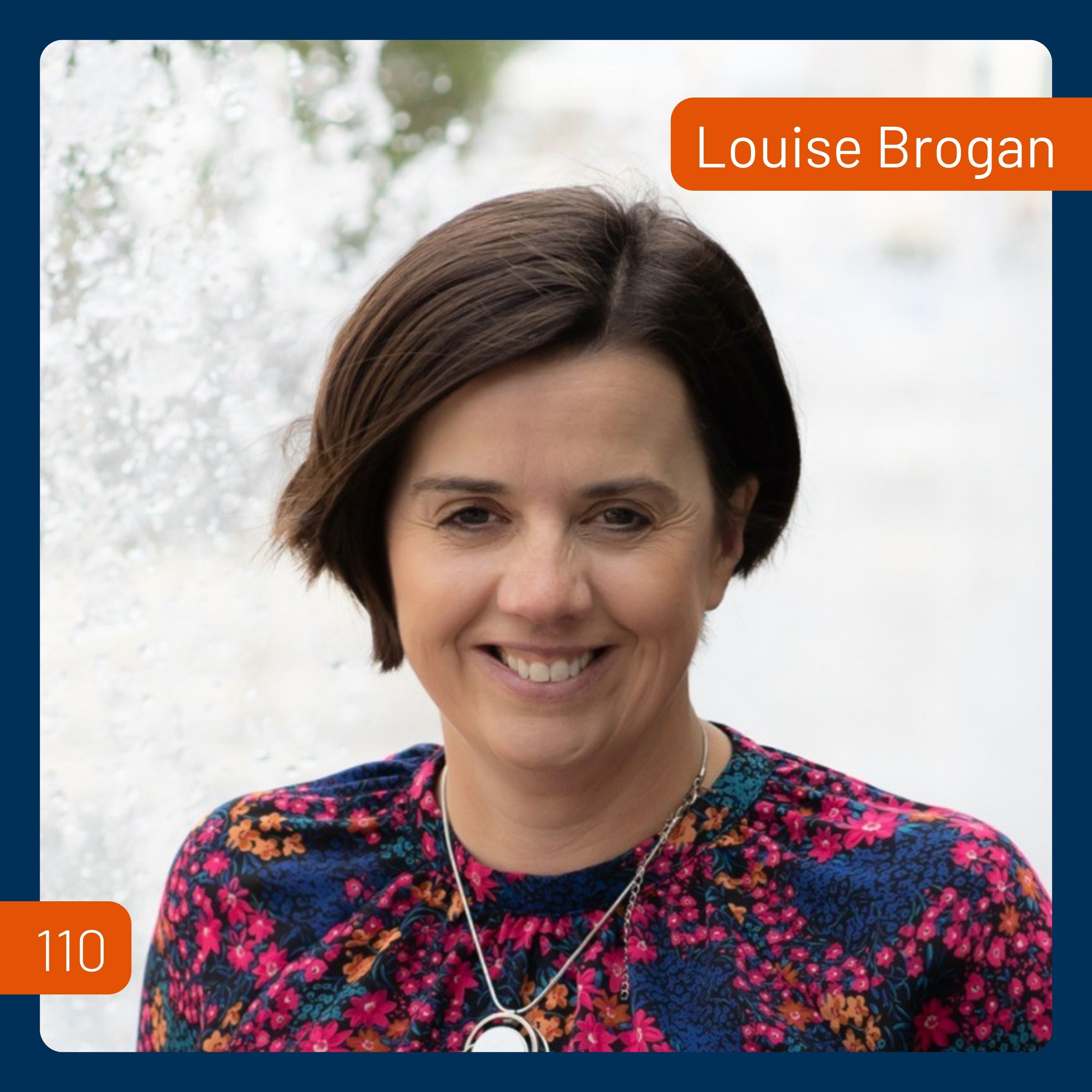 What is a Linkedin Company Page & Do I Really Need One with Louise Brogan | 110 | Jon Clayton and guest Louise Brogan discuss the importance and strategic use of LinkedIn company pages. You’ll learn the distinct roles of LinkedIn profiles and company pages, how to properly set up and manage a company page, and the type of content to post. Louise shares valuable insights on leveraging a company's LinkedIn page to boost visibility, attract talent, and enhance credibility. The episode also covers how small business owners and larger teams can optimise their LinkedIn presence and the reasons behind these strategies.Today’s GuestLouise Brogan is a Consultant, YouTuber, Podcaster and International speaker. Louise works with small businesses and professionals who want to raise their visibility on LinkedIn and YouTube. She is also a Small Business Champion in the UK. Her proudest work moments are meeting the King at Buckingham Palace in recognition of her work and getting her coveted silver play button for YouTube.—Episode Highlights00:00 Introduction to LinkedIn Company Pages01:23 Understanding LinkedIn Profiles vs. LinkedIn Company Pages02:08 Creating a LinkedIn Company Page03:19 The Importance of Company Branding07:40 SEO Benefits of LinkedIn Company Pages08:03 Optimising Your LinkedIn Company Page08:50 LinkedIn's AI and Algorithm Updates10:04 Filling Out Your Company Page Details10:18 The Value of Company Values13:49 Posting on Your LinkedIn Company Page14:38 LinkedIn Company Page Content Strategy for Solopreneurs16:36 Balancing LinkedIn Personal Profiles and LinkedIn Company Pages17:38 Leveraging Your Team for LinkedIn Success18:25 Client Success Stories22:43 Project-Based Content Ideas for LinkedIn24:38 Employee Advocacy on LinkedIn25:25 LinkedIn Training and Workshops26:00 Final Thoughts and Key Takeaways28:39 Free Resources and Conclusion—Key TakeawaysEstablish a LinkedIn Company Page for Professional CredibilityEven if you are a sole trader or a small business, having a LinkedIn company page is essential. It allows you to showcase your brand, display your logo, and provide a professional 'shop front' for potential clients and collaborators. This increases your chances of being discovered by your target audience and lends credibility to your business.Maintain Consistent and Strategic PostingRegularly update your company page, ideally once a week or at least fortnightly, to demonstrate that your business is active and engaged. Share project updates, company news, and team achievements. Remember to write posts from the company’s perspective, which differs from the more personal tone used on individual profiles.Empower and Involve Your Team in AdvocacyEncourage your team members to engage with and share company page content on their own LinkedIn networks. Explain the purpose and benefits of this advocacy, as it amplifies your reach and can generate more leads and business opportunities. Providing guidance and training ensures everyone understands how to contribute effectively.—Subscribe on YouTube (for upcoming video episodes!) 📺Send a Voicemail to the show (we listen to every message!) 📢Connect with Louise Brogan on LinkedIn 🤝Get Louise’s Free LinkedIn Success Guide 🖥️Curious about podcasting? Click here to book a chat with Jon 🎧Follow or Connect with Jon on LinkedIn 🤝—👇 And if you enjoyed this episode…Please leave a 5-star review or rating wherever you listen to podcasts, and don’t forget to hit the subscribe button so you never miss an episode.—Next EpisodeJon chats with Bryon McCartney to learn how to teach AI to do your least favourite tasks. | — | ||||||
| 11/27/25 |  What PERSONAL BRAND really is & why it matters for Small Businesses with Christine Gritmon | 109 | Jon discusses the importance of personal branding with expert Christine Gritmon. Christine breaks down what personal branding is, why it matters, especially for solopreneurs and small business owners, and shares her five-part Inside Out personal branding methodology: Purpose, Passion, Person, Personality, and Personal Brand. The conversation delves into the significance of authenticity, how to make a memorable impression, and offers practical exercises for identifying and leveraging your unique gifts. The episode concludes with actionable tips for starting to develop an authentic personal brand today.Today’s GuestWe’re joined by Christine Gritmon - Christine reconnects solopreneurs, freelancers, and small business owners with their purpose and passions for a more aligned personal brand that’s joyful, authentic, and impossible to ignore! She’s spoken on stages worldwide and is a frequent expert guest on podcasts, live streams, chats, and blog posts, as well as hosting her own podcast, Let’s Talk About Brand.—Episode Highlights00:00 Introduction00:42 Meet Christine Gritmon01:15 What really is Personal Branding?02:03 Personal Branding Misconceptions04:11 Why Personal Branding Matters So Much05:40 Building Trust Through Branding06:13 The Power of Authenticity11:44 The Inside Out Branding Framework12:05 Purpose and Passion15:25 Identifying Your Gifts20:42 How You Show Up In The World21:57 The Role of Personality23:50 Expanding Your Personal Brand24:38 Jon's Gift28:24 Leading with Your Gifts29:35 Christine's Personal Branding Evolution30:30 The Flexibility of Personal Branding31:15 Embracing Your Unique Gifts32:22 Final Takeaways on Personal Branding32:52 Connecting with Christine Gritmon—Key TakeawaysBe authentic and true to yourselfYour personal brand should come from who you really are, not from trying to fit into someone else’s idea of success. When you show your true self, people are more likely to trust you and remember you.Lead with your unique giftsEveryone has something special to offer. Focus on the skills and qualities that make you different, and use them in your work. This not only helps you stand out, but also makes your brand flexible if you change direction in the future.Your personal brand goes further than you doA strong personal brand can open doors and create opportunities, even when you are not in the room. The impression you leave with others can travel far, helping your reputation and bringing new connections your way.—Subscribe on YouTube (for upcoming video episodes!) 📺Send a Voicemail to the show (we listen to every message!) 📢Click here to connect with Christine on LinkedIn 🤝Click here to learn more about Christine Gritmon 🖥️Ready to start podcasting? Click here to book a chat with Jon 🎧Follow or Connect with Jon on LinkedIn 🤝—👇 And if you enjoyed this episode…Please leave a 5-star review or rating wherever you listen to podcasts, and don’t forget to hit the subscribe button so you never miss an episode.—Next EpisodeNext time Jon chats with Louise Brogan about getting more from your LinkedIn company page. | — | ||||||
| 11/20/25 |  How (& Why) The Architecture Business Club Podcast Is Changing | 108 | In this episode of the Architecture Business Club podcast, host Jon Clayton reflects on the podcast's impact and announces several upcoming changes aimed at broadening its audience and improving content delivery. Key changes include the transition to both audio and video formats, a shift to fortnightly episode releases, and a tighter editing process to focus on core topics. Jon also discusses the possibility of releasing video versions of past episodes and explores securing a long-term sponsor that aligns with the show's mission. Listeners are encouraged to provide feedback on these updates and suggest potential sponsorship partners.—Episode Highlights00:00 Introduction01:01 New Audio and Video Formats02:01 Content and Format Adjustments05:25 Editing and Production Process07:05 Release Schedule Update08:48 Focus on Interview-Based Episodes10:57 Exploring New Podcast Ideas11:27 Sponsorship and Ads15:22 Summary and Conclusion—Key TakeawaysThe importance of adaptability: The episode demonstrates how being flexible and open to change can help you overcome unexpected challenges and seize new opportunities.Effective communication is key: Clear, honest, and timely communication between all parties involved helps to prevent misunderstandings and ensures that everyone is aligned towards common goals.Continuous learning drives progress: Embracing a mindset of ongoing learning and self-improvement allows for personal and professional growth, keeping individuals and organisations competitive in a rapidly evolving environment.—Subscribe on YouTube (for upcoming video episodes!) 📺Send a Voicemail to the show (we listen to every message!) 📢Curious about podcasting? Click here to book a chat with Jon 🎧Want to meet people like you? Click here to join our community waitlist 🤝Follow or Connect with Jon on LinkedIn 🤝—👇 And if you enjoyed this episode…Please leave a 5-star review or rating wherever you listen to podcasts, and don’t forget to hit the subscribe button so you never miss an episode.—Next EpisodeNext time Jon chats with Christine Gritmon about personal branding. | — | ||||||
| 11/13/25 |  Why Podcast Guesting Should Be Part Of Your Marketing Strategy with Nathalie Doremieux | 107 | Jon is joined by Natalie Doremieux, a membership and tech strategist with over 10 years of experience. They delve into the numerous benefits of podcast guesting for business growth. Natalie shares her expertise on why podcast guest appearances are valuable, the importance of having a podcast guesting strategy, and how to find the right podcasts to guest on. Listeners will also learn effective strategies to repurpose guest appearances for maximum value. Additionally, they discuss building trust, connecting with the audience, and crafting a compelling narrative to achieve business objectives. Tune in to discover how you can leverage podcast guesting to enhance visibility, build trust, and align with your business goals.Today’s GuestNathalie Dorémieux is a membership and tech strategist with over 10 years experience helping coaches and course creators design high-retention programs that drive real results. In 2025, she co-created Podcast LeadFlow, a tool that turns podcast episodes into high-quality lead magnets using smart automations and AI. Nathalie’s work blends strategy, tech, and a human-first approach - with a dash of French flair.—Episode Highlights00:00 Introduction to Podcast Guesting00:30 Welcome to Architecture Business Club00:49 Meet Natalie Doremieux01:40 Why Be a Podcast Guest?03:02 Building Trust Through Podcasting04:05 The Importance of a Podcast Guesting Strategy07:15 Defining Your Podcast Guest Strategy08:30 Connecting with Your Audience10:32 Finding the Right Podcasts To Guest On15:29 The Power of Networking16:03 Researching Podcast Guest Opportunities16:35 Making a Good Impression as a Podcast Guest19:56 Crafting Your Message as a Podcast Guest23:31 Sharing Your Unique Approach as a Podcast Guest28:40 Leveraging Podcast Appearances31:38 Repurposing Podcast Content35:13 The Value of Podcasting36:59 Getting Started with Podcasting38:49 Commitment and Podcast Seasons40:28 Final Thoughts and Connection—Key TakeawaysHaving a clear podcast guesting strategy is essential for aligning your appearances with your business goals and reaching your ideal audience.Building trust and authentic connections through podcast guesting is far more effective than simply promoting your expertise; sharing your story and values helps you stand out.The value of podcast guesting extends beyond the interview itself—repurposing your appearances and treating them as lead-generating assets can significantly boost your business growth.—Click here to take your next step after listening 🖥️Click here to connect with Nathalie 🤝Ready to start podcasting? Click here to book a chat with Jon 🎧Follow or Connect with Jon on LinkedIn 🤝—👇 And if you enjoyed this episode…Please leave a 5-star review or rating wherever you listen to podcasts, and don’t forget to hit the subscribe button so you never miss an episode. | — | ||||||
| 11/6/25 |  Embracing Nature: Nicla Diceglie's Journey To Bold Biophilic Design | 106 | Jon interviews Nicla Diceglie, founder of Nicla D Interiors. Nicla shares her transformative journey from a stressful career as a project manager in London to embracing bold biophilic design inspired by her own battle with depression. She discusses the importance of nature and colour in creating spaces that nurture and restore well-being. The conversation touches on the therapeutic benefits of nature, the challenges of starting a new business during COVID-19, and the unique aspects of bold biophilic design. Nicla also shares her love of travel, architecture, and some of her favourite places around the world. Tune in to learn how embracing biophilic design can enhance your health, happiness, and personal growth.Today’s GuestNicla Diceglie is the founder of Nicla D. Interiors. After experiencing the healing power of nature and colour in her own life, Nicla founded Nicla D. Interiors to help others create bold biophilic spaces that support happiness, health, and personal growth. Nicla helps people turn their homes into joyful, nature-inspired sanctuaries - spaces that heal, energise, and make them happier and healthier.—Episode Highlights00:00 Introduction00:56 Meet Nicla Diceglie: Founder of Nicla D Interiors03:34 Nicola's Journey: From Italy to London05:06 The Turning Point: Leaving the Job08:06 Embracing Nature: The Healing Power of the Outdoors09:37 Starting Fresh: A New Career in Interior Design14:49 Launching Nicla D Interiors19:34 Challenges of Starting a Business During COVID21:46 Finding Your Passion and Alignment22:49 Introduction to Biophilic Design27:03 The Journey to Biophilic Design31:43 Benefits of Biophilic Design37:09 A Day in the Life of a Biophilic Designer39:07 Final Thoughts and Takeaways40:23 Favourite Travel Destinations42:08 Connect with Nicla42:51 Closing Remarks—Key TakeawaysSpending time in nature can improve your mood and well-being. Even simple activities like walking in the park or adding plants to your home can make a positive difference.The spaces where you live and work should help you feel comfortable and happy. Bright colours, natural light, and personal touches can turn any space into a place that supports your health.It is possible to change your career or life direction if you are not satisfied. Following your interests and passions can lead to a more fulfilling and enjoyable life.—Click here to connect with Nicla on Instagram 🤝Click here to learn more about Nicla D Interiors 🖥️Curious about podcasting? Click here to book a chat with Jon 🎧Want to meet people like you? Click here to join our community 🤝Follow or Connect with Jon on LinkedIn 🤝—👇 And if you enjoyed this episode…Please leave a 5-star review or rating wherever you listen to podcasts, and don’t forget to hit the subscribe button so you never miss an episode.—Next EpisodeNext time Jon is joined by Nathalie Doremieux to learn how to get the most value from your podcast guest appearances. | — | ||||||
| 10/30/25 |  How To Double Your Profits (Without Hiring or Spending) with Daniel Patterson | 105 | Jon welcomes Daniel Patterson, an experienced business growth strategist, to discuss smart strategies for doubling profit without hiring more staff or increasing marketing expenses. They explore the pitfalls of trying to please everyone, the importance of discussing money early on, and effective pricing strategies. Daniel shares his insights on reducing overhead by optimising team roles and asks the critical question of knowing who your dream client is. Tune in to uncover practical tips and transformative strategies to enhance profitability in your architecture practice.Today’s GuestDaniel Patterson is a former RIBA Part 1 with nearly two decades of experience helping businesses grow and scale. He is the founder of Masterplan.pro and branding agency Highly, and has worked with the RIBA and RSAW to deliver CPD training on business and marketing strategy. Daniel is also the creator of The Architect’s Masterplan™, a 12-month growth system for architects who want to escape the tender trap and run highly profitable, sought-after practices.—Episode Highlights00:00 Introduction00:37 Meet Daniel Patterson01:57 Daniel's Personal Interests03:20 The Profitability Challenge in Architecture09:20 Understanding the Value of Money in Architecture23:33 Strategies to Double Your Profit32:10 Maximising Profit Through Fractional Support34:33 The Power of Asking for Referrals37:13 Effective Pricing Strategies for Architects43:10 Identifying and Fixing Profit Leaks44:42 Real-Life Success Stories48:04 Practical Tips for Immediate Profit Improvement51:40 Overcoming the Fear of Failure57:16 Exploring the World: Travel Stories59:08 Final Thoughts and How to Connect—Key TakeawaysKnow Your Best Clients and Say No SometimesYou do not have to please everyone. When you try to make everyone happy, your best clients may not feel special. It is better to know who you really want to work with and focus on them. If someone is not a good fit, it is okay to say no.Talk About Money EarlyDo not be afraid to talk about money with your clients. If you talk about price at the start, you save time for both you and your client. This helps you find out quickly if you are a good match. It also stops you from working for less than you should.Ask for Referrals and Show Your ValueIf you do a good job, ask your clients if they know anyone else who might need your help. This is a simple way to find new work. Also, show your clients the value you bring, not just your price. When people see your value, they are happy to pay more.—Click here to connect with Daniel Patterson 🤝Click here to learn how much profit you are missing out on each year 🖥️Curious about podcasting? Click here to book a chat with Jon 🎧Follow or Connect with Jon on LinkedIn 🤝—👇 And if you enjoyed this episode…Please leave a 5-star review or rating wherever you listen to podcasts, and don’t forget to hit the subscribe button so you never miss an episode.—Next EpisodeNext time, Jon is joined by Nicla Diceglie, who shares her career journey to Bold Biophilic Design. | — | ||||||
| 10/23/25 |  Where to Focus When You Need More Clients | 104 | Jon addresses what to do when facing a shortage of clients or work. He shares his personal story of recent hardships* and explains the common mistakes to avoid when trying to attract new clients. He provides practical advice for fast sales, focusing on hot leads, and high-touch outreach. Jon also emphasises the importance of asking for help and using available resources to manage cash flow issues. The episode concludes with recommendations for related podcast episodes that delve deeper into lead generation and sales strategies.* Trigger warning: between 01:43 to 02:22 Jon briefly mentions death and bereavement.—Episode Highlights00:00 Introduction01:28 Personal Struggles and Business Impact03:14 Common Mistakes When Seeking Clients05:04 Effective Strategies for Fast Sales05:38 Practical Tips for Faster Sales08:45 Recap and Additional Resources10:25 Closing Remarks and Call to Action—Key TakeawaysFocus on hot leads - When you need more clients, you should talk to people who already know you, like your past or current clients. They are more likely to work with you again.Try not to panic - If you feel worried because work is slow, try not to panic. Take a moment to calm down, then make a plan to help your business.Talk to someone - You do not have to do everything alone. If you need help, ask someone you trust or talk to a professional for advice.—Curious about podcasting? Click here to book a chat with Jon 🎧Want to meet people like you? Click here to join our community 🤝Follow or Connect with Jon on LinkedIn 🤝—👇 And if you enjoyed this episode…Please leave a 5-star review or rating wherever you listen to podcasts, and don’t forget to hit the subscribe button so you never miss an episode.—Next EpisodeNext time Jon is joined by Daniel Patterson to explore how to double your profits (without hiring or spending more on marketing!). | — | ||||||
| 10/16/25 |  Do Design Professionals Still Need To Know How To Sketch with David Drazil | 103 | Jon welcomes David Drazil, an architect, author, and creator of 'Sketch like an Architect.' They discuss how technology has overshadowed and nearly replaced the craft of architectural sketching in schools, leading to a decline in this essential skill among young professionals. David shares insights from his journey and mission to revive this art form, drawing on his experiences in Denmark and his global platform, which has helped thousands master architectural sketching. He highlights the cognitive benefits of sketching, from aiding in problem-solving and brainstorming to enhancing client interactions. They also discuss the advantages of using both traditional and digital sketching methods, and share success stories from students and professionals who have benefited from David's teachings. The episode underscores sketching as a universal, learnable language that enriches both the creative process and business communication in architecture.—Today’s GuestDavid Drazil is an architect, author, and creator of Sketch Like An Architect, a global platform helping architects and designers build confident drawing skills through a clear step-by-step method. Originally from the Czech Republic, David studied architecture in Denmark, where he noticed a big gap: sketching was expected, but rarely taught. That insight sparked a mission that’s grown into a worldwide movement — with over 300,000 followers, 15,000 students in his online courses, and three popular books. Today, David empowers creatives to communicate their ideas visually with clarity and confidence.—Episode Highlights00:00 Introduction00:45 Meet David Drazil: Architect and Sketching Advocate01:45 David's Personal Interests and Background03:56 The Importance of Sketching in Modern Architecture06:59 Personal Benefits and Practical Applications of Sketching13:26 Sketching as a Differentiator in Client Interactions23:11 Success Stories and Testimonials27:37 Final Thoughts on Sketching and Technology30:54 David's Favourite Places and Conclusion—Key TakeawaysSketching is a Timeless Skill That Sets You ApartYou learn that, even in an age dominated by digital tools and AI, the ability to sketch by hand remains a powerful differentiator. Sketching helps you communicate ideas quickly, build trust with clients, and stand out in interviews or meetings. It’s not about being perfect—it’s about being able to think and express visually in the moment.Anyone Can Learn to Sketch - It’s Not About TalentYou discover that sketching isn’t a gift reserved for the naturally talented. It’s a learnable skill that you can develop with practice. By embracing sketching, you open up new ways to brainstorm, solve problems, and engage with others, regardless of your starting point.Sketching Fosters Human Connection and CollaborationYou realise that sketching is more than just a technical skill; it’s a tool for collaboration and dialogue. When you sketch in front of others, you invite them into the creative process, encourage feedback, and create a shared understanding. This approach not only speeds up decision-making but also makes your work more engaging and client-focused.—Click here to connect with David Drazil 🤝Click here to learn more about Sketch Like An Architect 🖥️Curious about podcasting? Click here to book a chat with Jon 🎧Want to meet people like you? Click here to join our community 🤝Follow or Connect with Jon on LinkedIn 🤝—👇 And if you enjoyed this episode…Please leave a 5-star review or rating wherever you listen to podcasts, and don’t forget to hit the subscribe button so you never miss an episode. | — | ||||||
| 10/9/25 |  Why Architects Should Build Project-Based Teams with Kevin Kennon | 102 | Jon welcomes internationally renowned architect Kevin Kennon, the founder and CEO of Beyond Zero DDC, to discuss his journey and innovative approach to sustainable design. Kevin shares his experiences, including his involvement in the World Trade Center design competition, and the concept of distributed practice. He explains how this model can help studios access the best talent while remaining competitive and nimble. Kevin also touches on the advantages of working with remote teams, the importance of harnessing new technologies like AI, and the future direction of the architecture profession. The episode provides valuable insights for architects on balancing tradition with innovation in the architecture industry.Today’s GuestKevin Kennon is an internationally renowned architect with over 40 years’ experience in sustainable and innovative design. He’s the founder and CEO of Beyond Zero DDC, leading the creation of zero-carbon luxury eco-resorts around the world. His portfolio includes major projects such as the Barclays North American Headquarters, the Rodin Museum in Seoul, and award-winning Bloomingdale’s stores. A finalist in the World Trade Center design competition, Kevin has received over 40 international design awards and has work in MoMA’s permanent collection. He also lectures at top universities and contributes widely to discussions on urban development and climate change.—Episode Highlights00:00 Introduction00:45 Meet Kevin Kennon04:10 Understanding Distributed Practice10:19 Challenges and Misconceptions of Remote Teams16:49 Success Stories of Distributed Practice22:24 Kevin's Career Journey25:20 9/11, Ground Zero, and the World Trade Centre Design Competition27:56 Advantages of Running Your Own Practice30:46 The Future of Architecture and AI39:08 Advice for Younger Practices43:55 Main Takeaways45:32 Favourite Travel Destination46:42 Final Thoughts—Key TakeawaysYou can achieve more by building teams for each project and working with people from different places. This helps you find the right skills and makes your work stronger.You should be open to new ideas and ways of working. Using technology and working with others online can help you keep up with changes in your field.You will grow if you keep learning and share your knowledge with others. Every project is a chance to learn something new, and working together makes your work better.—Liked our guest? Click here to connect with them 🤝Click here to learn more about Kevin’s work 🖥️Curious about podcasting? Click here to book a chat with Jon 🎧Want to meet people like you? Click here to join our community 🤝Follow or Connect with Jon on LinkedIn 🤝—👇 And if you enjoyed this episode…Please leave a 5-star review or rating wherever you listen to podcasts, and don’t forget to hit the subscribe button so you never miss an episode.—Next EpisodeNext time, Jon chats with David Drazil to explore whether design professionals still need sketching skills. | — | ||||||
| 10/2/25 |  How To Stop Undervaluing Your Expertise with William Ringsdorf | 101 | Jon welcomes William Ringsdorf, founder of William Ringsdorf Consulting, who shares insights on how architecture firms can master profitability and process. William explains that most pricing issues stem from a failure to clearly communicate value and set proper boundaries. He discusses the systemic problem of undervaluing expertise in the field, highlights the importance of knowing one's numbers, and suggests implementing tiered service proposals to offer clear value to clients. William also offers practical steps for architects to increase their fees and improve profitability while reducing scope creep and burnout. He stresses the need for tracking data and continuous improvement in business practices.—Today’s GuestWilliam Ringsdorf is the founder of William Ringsdorf Consulting. He helps architecture firms master profitability, process, and purpose, turning chaos into clarity so you can design with freedom and confidence. Drawing on three decades of UK and German project experience, his coaching blends practical systems with architectural insight. This work is part of Into The Nest, an award-winning sustainable practice, giving his guidance credibility and a live design context.—Episode Highlights00:00 Introduction00:28 Meet William Ringsdorf03:08 The Issue of Undervaluing Expertise05:52 Understanding the Systemic Problem12:22 5 Steps to Fix Undervaluing Your Expertise19:59 Success Stories and Practical Examples23:33 Final Thoughts and Key Takeaways27:35 Closing Remarks and Contact Information—Key TakeawaysDo a Value Audit and Communicate Your Worth ClearlyStart by taking a close look at all the ways you help your clients. This means thinking about how you reduce risks, save time and money, and create certainty for them. Once you understand your value, make sure you talk about it openly with your clients. Don’t just focus on the hours you work or the tasks you do - explain the real benefits and outcomes you deliver. When clients see the value you bring, they are less likely to argue about price.Know Your Numbers and Set BoundariesIt’s important to know exactly what you need to charge to cover your costs, pay yourself fairly, and make a profit. Work out your effective hourly rate based on real projects, including all your overheads. Then, set clear boundaries in your proposals. Offer different service tiers (like basic, standard, and premium) so clients can choose what suits them, but always be clear about what is included in each option. This helps avoid “scope creep” where you end up doing extra work for free.Be Confident - Raise Your Fees and Practise Sales ConversationsDon’t be afraid to increase your fees. Try adding 10–15% (or even 20%) to your next proposal. Most clients will accept this if you have explained your value well. Practise having fee conversations and handling objections, even if it feels uncomfortable at first. The more you practise, the more confident you will become. Remember, you are worth it, and charging what you deserve helps you run a better, more sustainable business.—Liked our guest? Click here to learn more about them 🤝Click here to grab a free copy of William’s e-book 🖥️Curious about podcasting? Click here to book a chat with Jon 🎧Want to meet people like you? Click here to join our community 🤝Want more freedom? Grab the Architecture Business Blueprint 🎁Follow or Connect with Jon on LinkedIn 🤝—👇 And if you enjoyed this episode…Please leave a 5-star review or rating wherever you listen to podcasts, and don’t forget to hit the subscribe button so you never miss an episode.—Next EpisodeNext time, Jon chats with Kevin Kennon about the concept of Distributive Practice. | — | ||||||
Showing 25 of 129
Pitch Fit is a Pro feature
See how bookable this show is for guests, which brands already advertise, the per-episode ad value, and the best-fit guest and sponsor profile. The numbers are blurred on the free plan.
How readily this show books outside guests like you.
How proven this show is for host-read sponsorships.
For Guests
ProFor Advertisers
ProUpgrade to Pro to unlock guest cadence, sponsor categories, fit scores, and per-episode ad value for this show.
Chart Positions
7 placements across 7 markets.
Chart Positions
7 placements across 7 markets.