
Insights from recent episode analysis
Audience Interest
Podcast Focus
Publishing Consistency
Platform Reach
Insights are generated by CastFox AI using publicly available data, episode content, and proprietary models.
Total monthly reach
Estimated from 3 chart positions in 3 markets.
By chart position
- 🇺🇸US · Natural Sciences#1125K to 30K
- 🇩🇪DE · Natural Sciences#1605K to 30K
- 🇰🇷KR · Natural Sciences#1141K to 10K
- Per-Episode Audience
Est. listeners per new episode within ~30 days
3.3K to 21K🎙 Daily cadence·496 episodes·Last published 6d ago - Monthly Reach
Unique listeners across all episodes (30 days)
11K to 70K🇺🇸43%🇩🇪43%🇰🇷14% - Active Followers
Loyal subscribers who consistently listen
4.4K to 28K
Market Insights
Platform Distribution
Reach across major podcast platforms, updated hourly
Total Followers
—
Total Plays
—
Total Reviews
—
* Data sourced directly from platform APIs and aggregated hourly across all major podcast directories.
On the show
Recent episodes
Investigating similarities in how dogs and people age
Jun 18, 2026
Unknown duration
Facing a literal loss for words
Jun 11, 2026
Unknown duration
Examining the mysteries of gut health
May 15, 2026
Unknown duration
Privately funded space exploration planned for Earth orbit
May 7, 2026
Unknown duration
Studying solar flares on faraway suns
May 1, 2026
Unknown duration
Social Links & Contact
Official channels & resources
Official Website
Login
RSS Feed
Login
| Date | Episode | Description | Length | ||||||
|---|---|---|---|---|---|---|---|---|---|
| 6/18/26 | 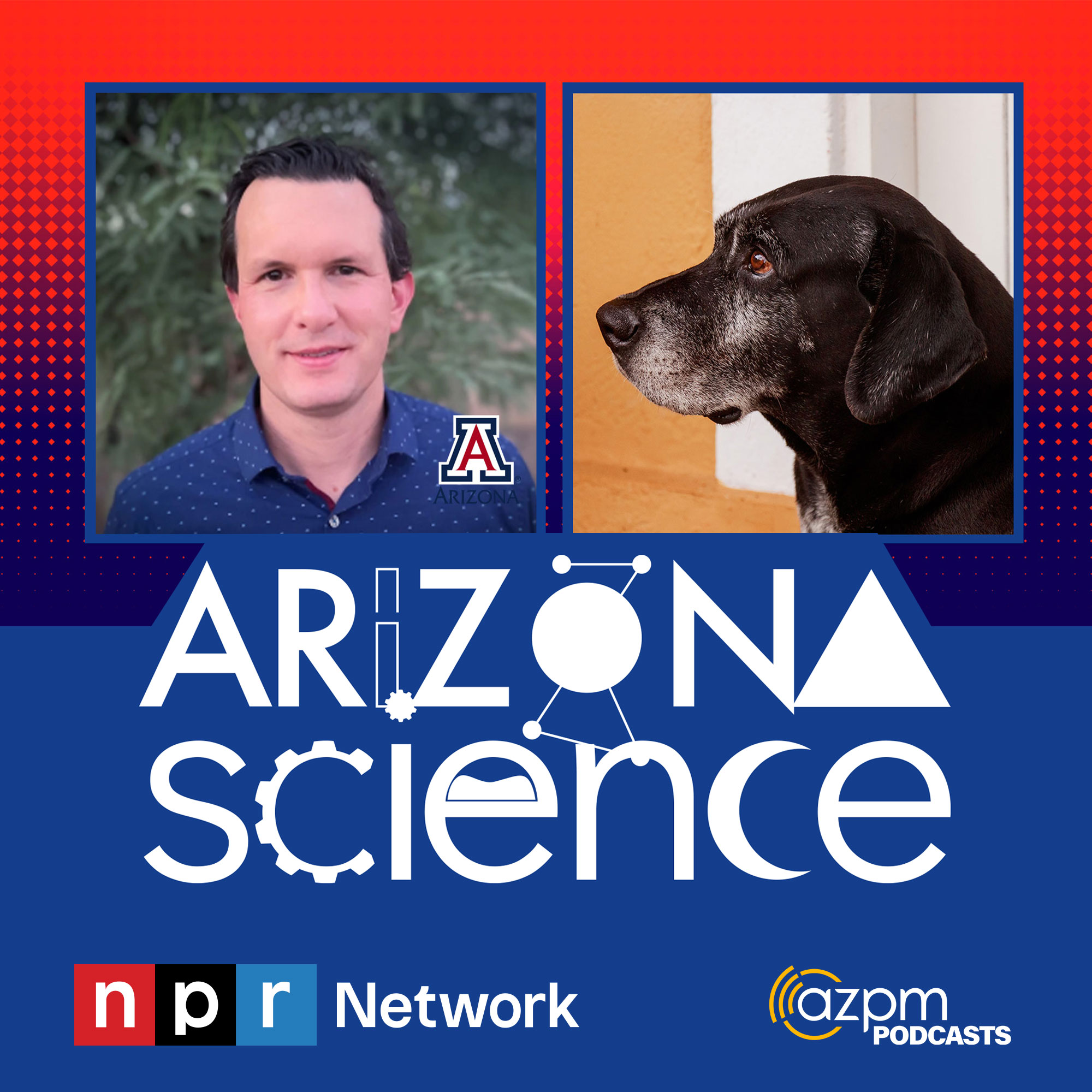 Investigating similarities in how dogs and people age | Scientists are discovering more facts about how dogs age and what humans can learn from them. University of Arizona veterinary researcher Evan MacLean discusses the similarities between dogs and people when it comes to cognitive decline in their twilight years. Evan MacLean spoke to Tim Swindle, professor emeritus of Planetary Science at the University of Arizona. | — | ||||||
| 6/11/26 | 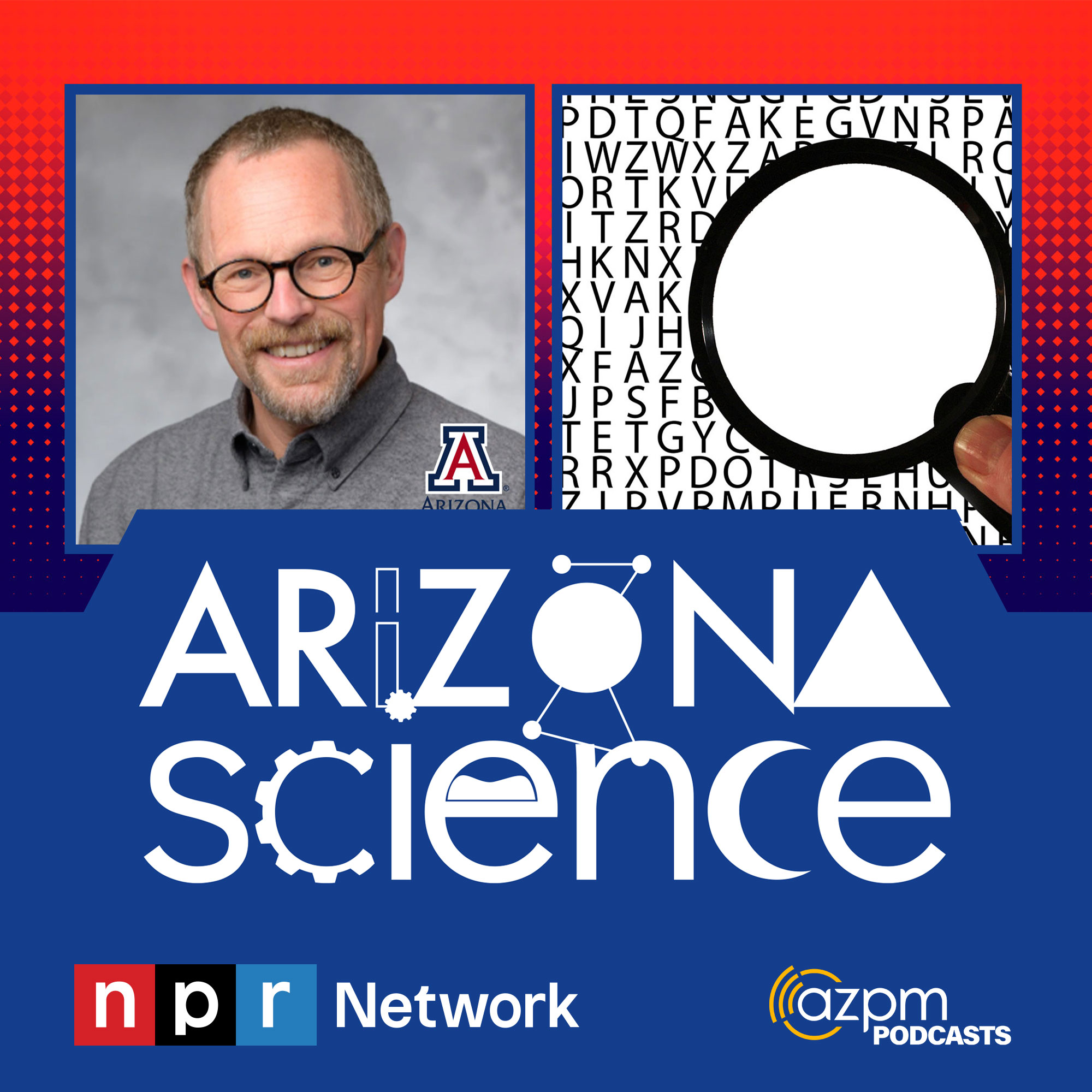 Facing a literal loss for words | A new study suggests we are facing a literal loss for words. University of Arizona psychology professor Mattias Mehl discusses the impact of people speaking hundreds of fewer words every day, and how devices like supermarket self-checkouts have eliminated ordinary chit-chat. Mattias Mehl spoke with Tim Swindle, professor emeritus of Planetary Science at the University of Arizona. | — | ||||||
| 5/15/26 | 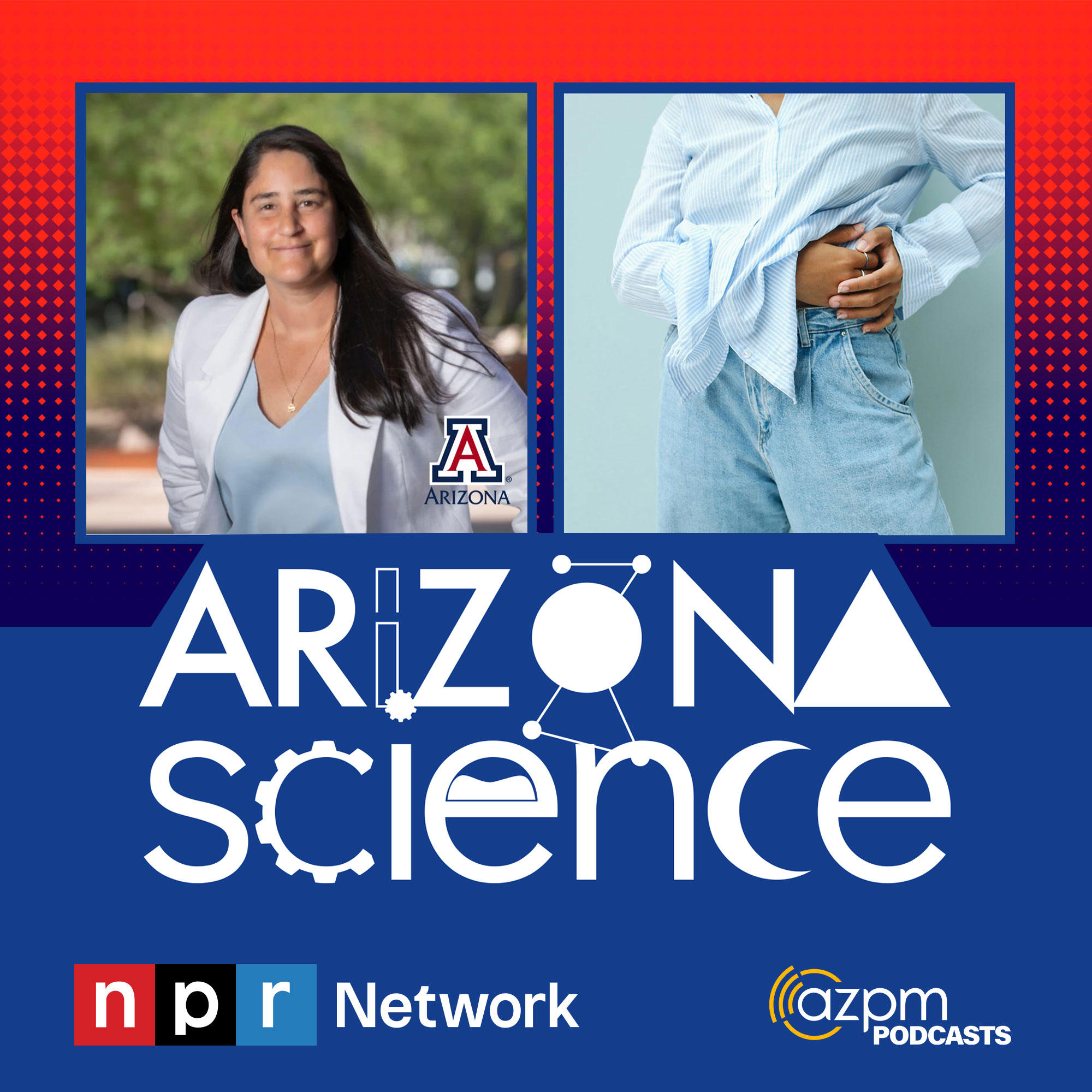 Examining the mysteries of gut health | If you feel "butterflies in your stomach" during times of anxiety, it is likely your brain communicating with your gut. University of Arizona physiologist Maya Kaelberer discusses how the gut connects with the nervous system and impacts our behavior. Maya Kaelberer spoke with Erika Hamden, professor of Astrophysics at the University of Arizona. | — | ||||||
| 5/7/26 | 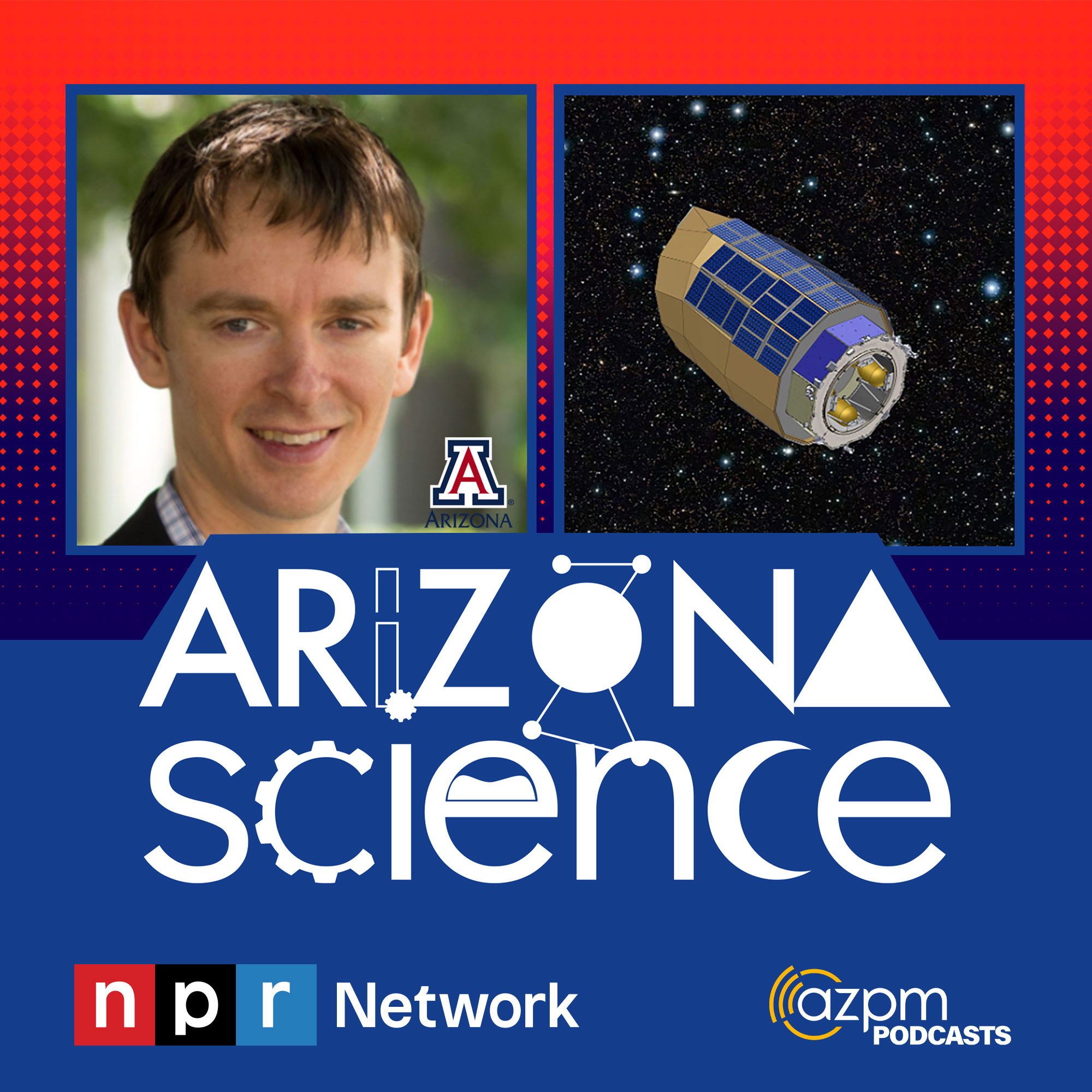 Privately funded space exploration planned for Earth orbit | The Lazuli Space Telescope is slated to be the first of its kind to be completely funded by private dollars. University of Arizona planetary scientist Ewan Douglas discusses the spacecraft designed to be larger than the Hubble Space Telescope, which was launched in 1990. Ewan Douglas spoke with Tim Swindle, professor emeritus of Planetary Science at the University of Arizona. | — | ||||||
| 5/1/26 | 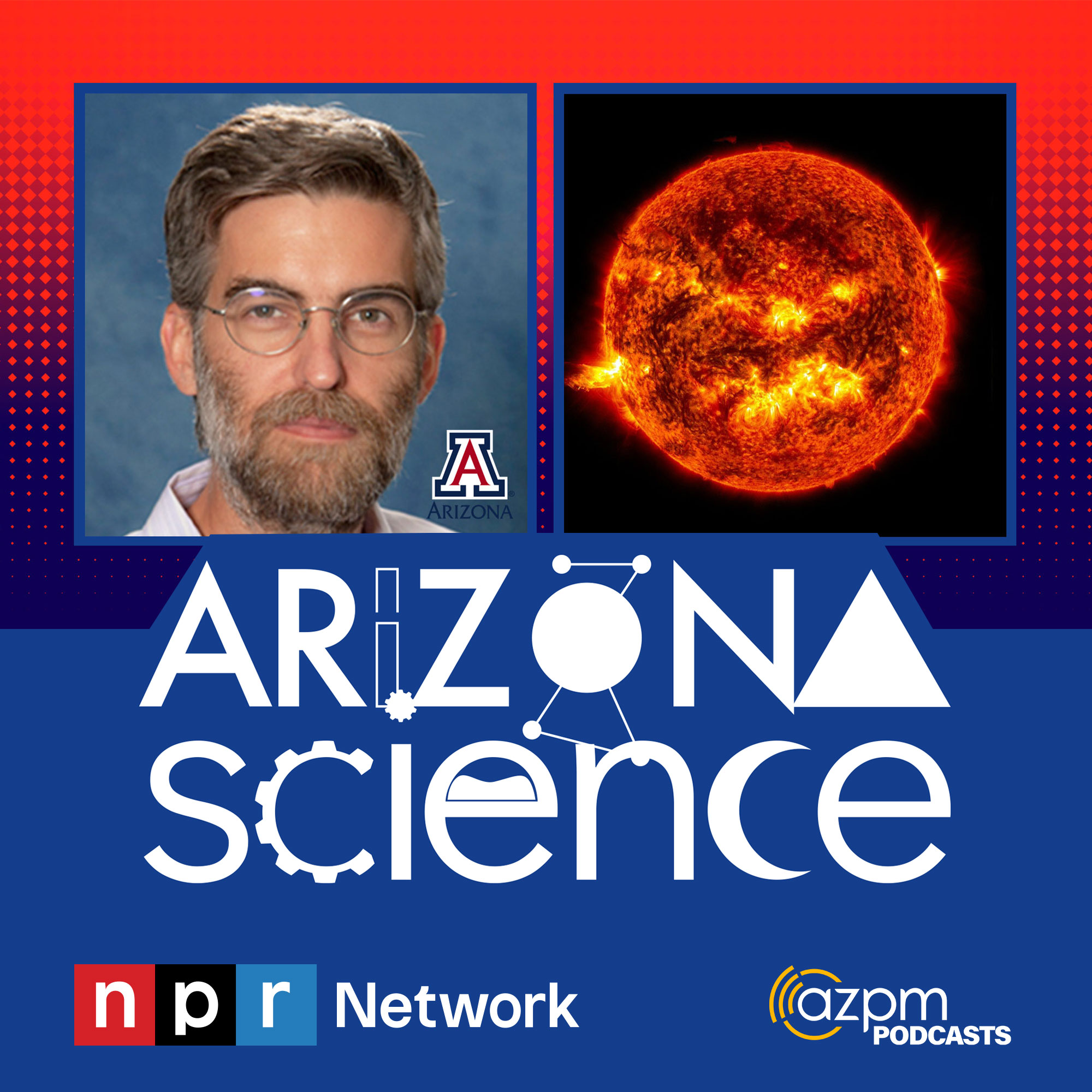 Studying solar flares on faraway suns | A small Earth orbiting observatory called SPARCS (SPARKS) is surveying solar activity that might impact life on faraway planets. University of Arizona planetary scientist Travis Barman describes how data from SPARCS can increase understanding about our own solar system. | — | ||||||
| 4/23/26 | 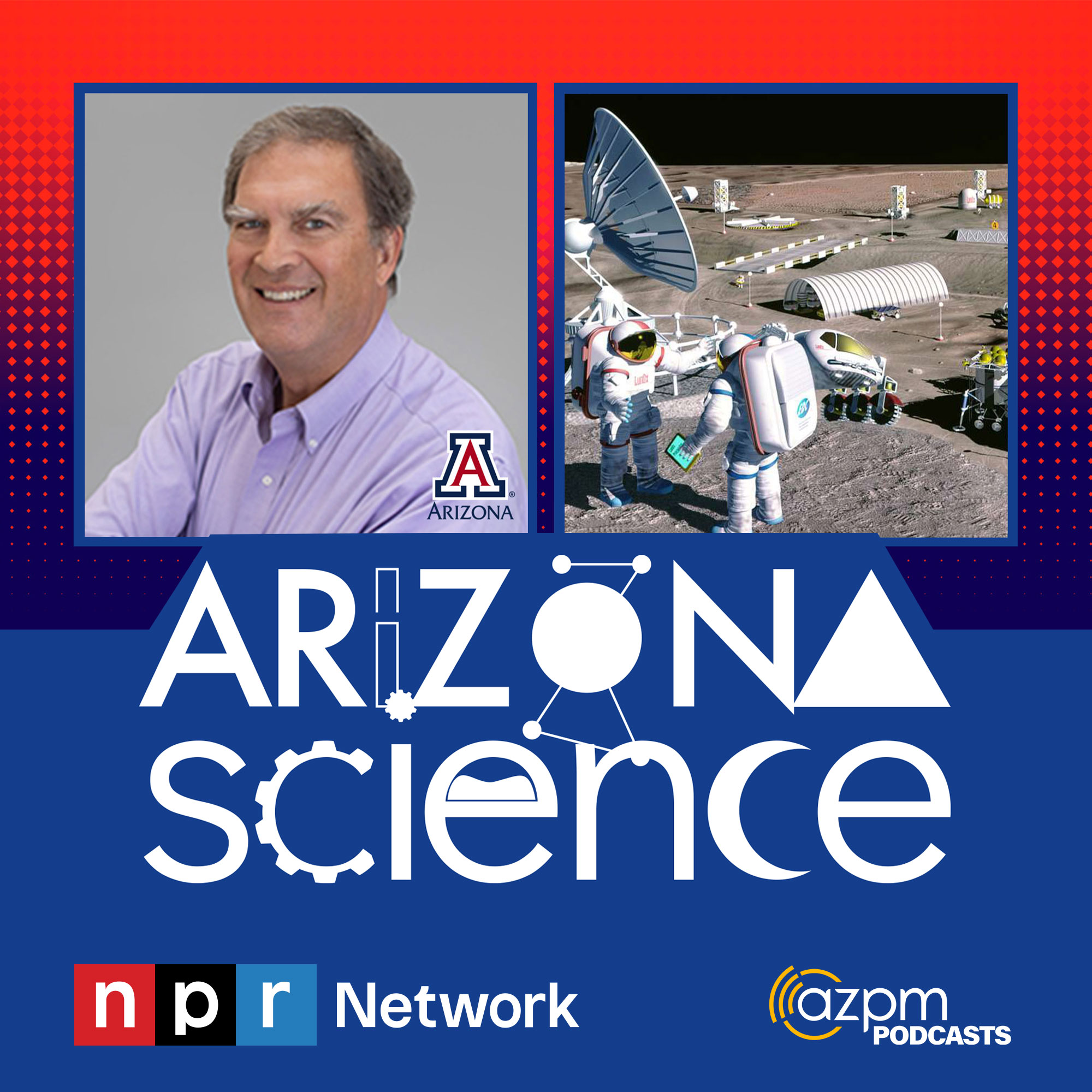 Imagining the next phase in lunar exploration | The success of NASA's Artemis II mission is leading to discussion about a long-term human presence on the lunar surface. Former Paragon Space Development CEO Grant Anderson describes the challenges involved in creating a moon habitat for future explorers. Grant Anderson spoke with Tim Swindle, professor emeritus of Planetary Science at the University of Arizona. | — | ||||||
| 4/16/26 | 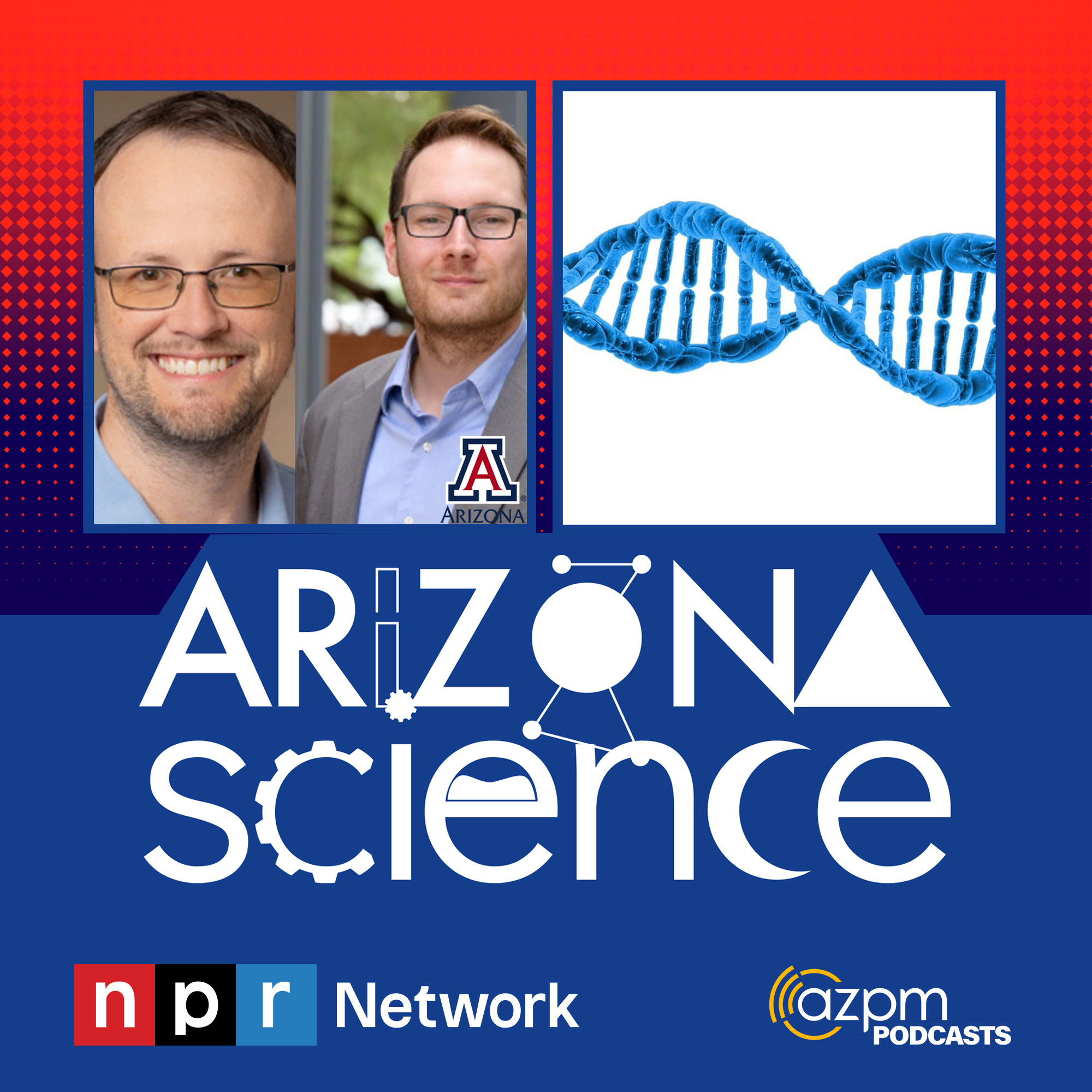 Understanding the genetic causes for ALS | Biologists are reporting progress in unlocking the secrets of ALS, or Lou Gehrig's Disease. The University of Arizona's Russ Buchan and Kevin Rhine describe their collaborative efforts investigating the role genetics plays for patients coping with ALS. Russ Buchan and Kevin Rhine spoke with Tim Swindle, professor emeritus of Planetary Science at the University of Arizona. | — | ||||||
| 4/9/26 | 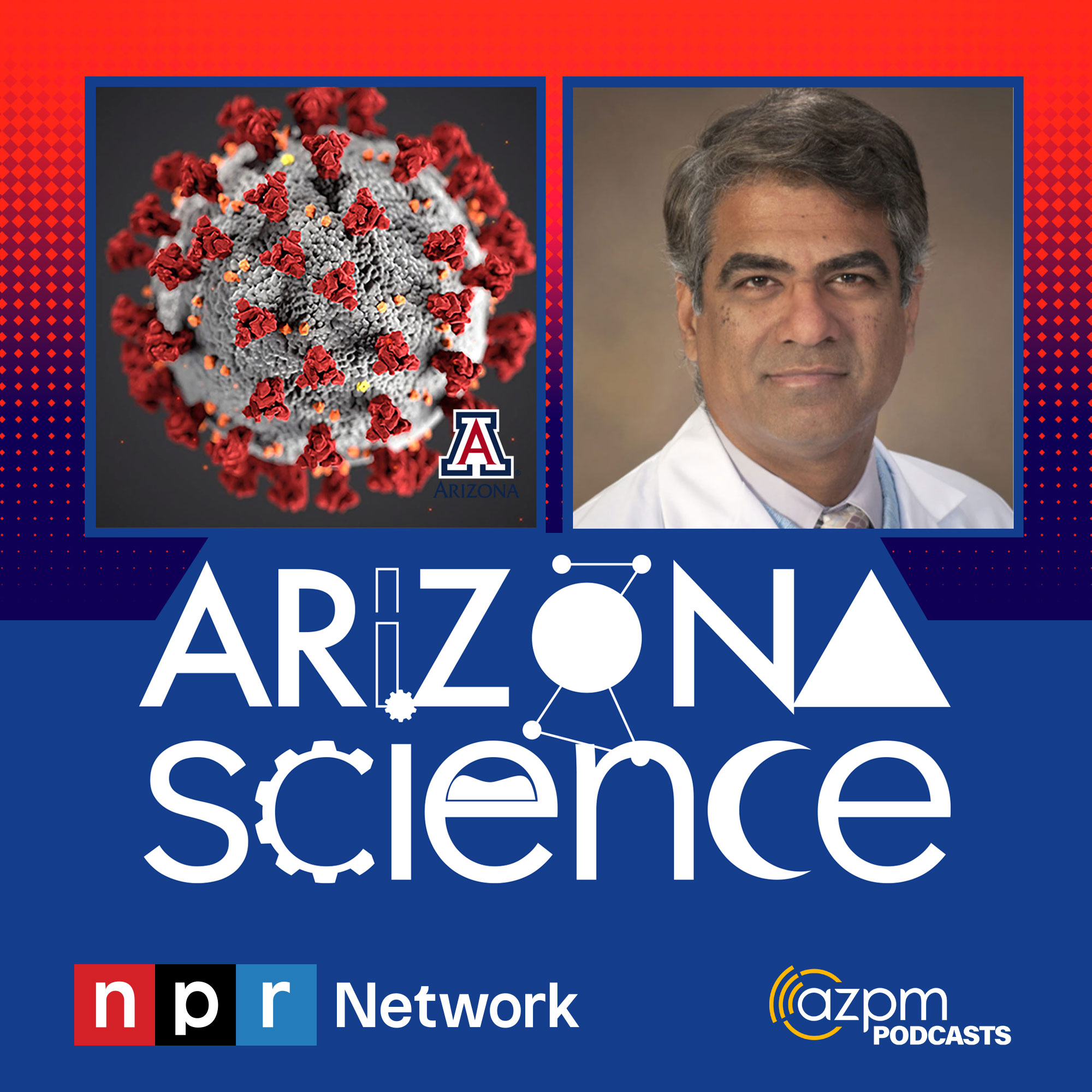 Continuing research on Long COVID | COVID 19 became part of our lives as a global pandemic in March of 2020. Since then, scientists have tracked the phenomenon of Long COVID, where symptoms have lasted well after the patient has recovered. University of Arizona medical professor Sairam Parthasarathy discusses the ongoing research into Long COVID and why so many questions about the disorder remain unanswered. Sairam Parthasarathy spoke with Tim Swindle, professor emeritus in Planetary Science at the University of Arizona. | — | ||||||
| 3/26/26 | 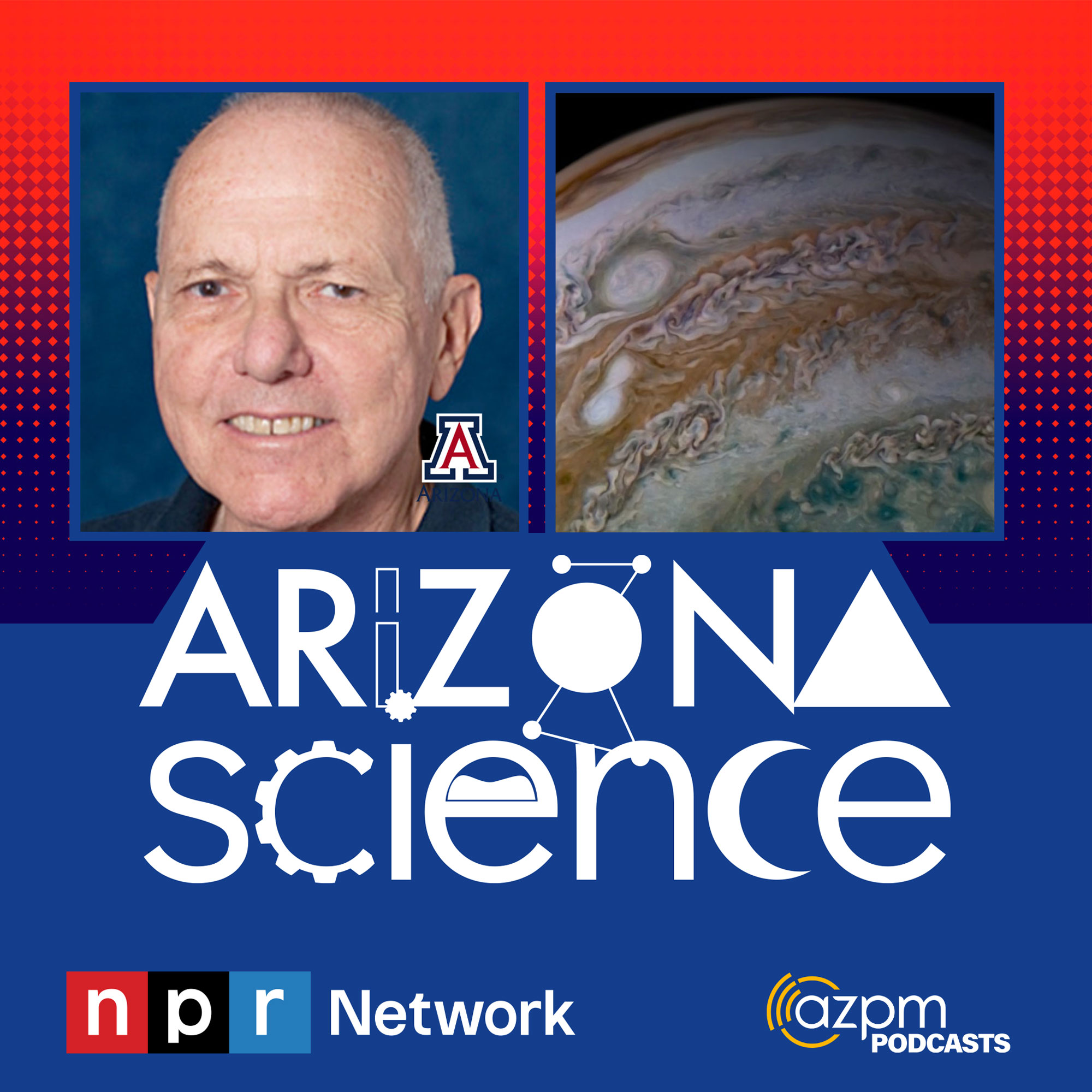 A decade of discovery from the orbit of Jupiter | Researchers have been studying data from NASA's Juno spacecraft since the summer of 2016. University of Arizona planetary scientist Bill Hubbard looks back on nearly a decade of discovery from the orbit of Jupiter, our solar system's biggest planet. Bill Hubbard spoke with Tim Swindle, professor emeritus of Planetary Science at the University of Arizona. | — | ||||||
| 3/19/26 | 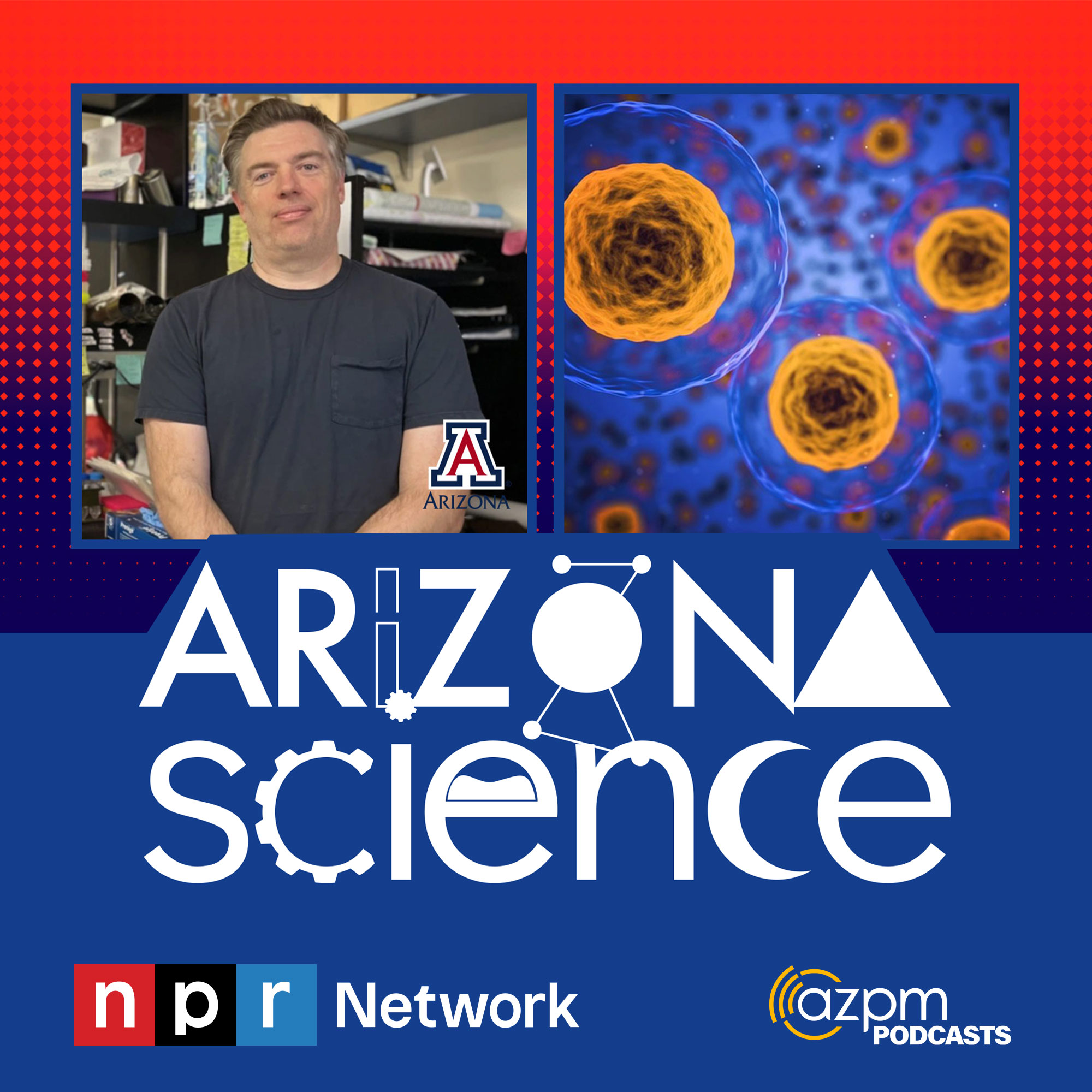 Charting the molecular signaling inside our cells | A protein complex inside every living cell that tells it how to grow. Problems with the protein's signaling system can lead to neurological issues. University of Arizona biologist Andrew Capaldi describes how scientists are examining the inner workings of cells. Andrew Capaldi spoke with Leslie Tolbert, Ph D. Regent's professor emerita in Neuroscience at the University of Arizona. | — | ||||||
Want analysis for the episodes below?Free for Pro Submit a request, we'll have your selected episodes analyzed within an hour. Free, at no cost to you, for Pro users. | |||||||||
| 3/12/26 | 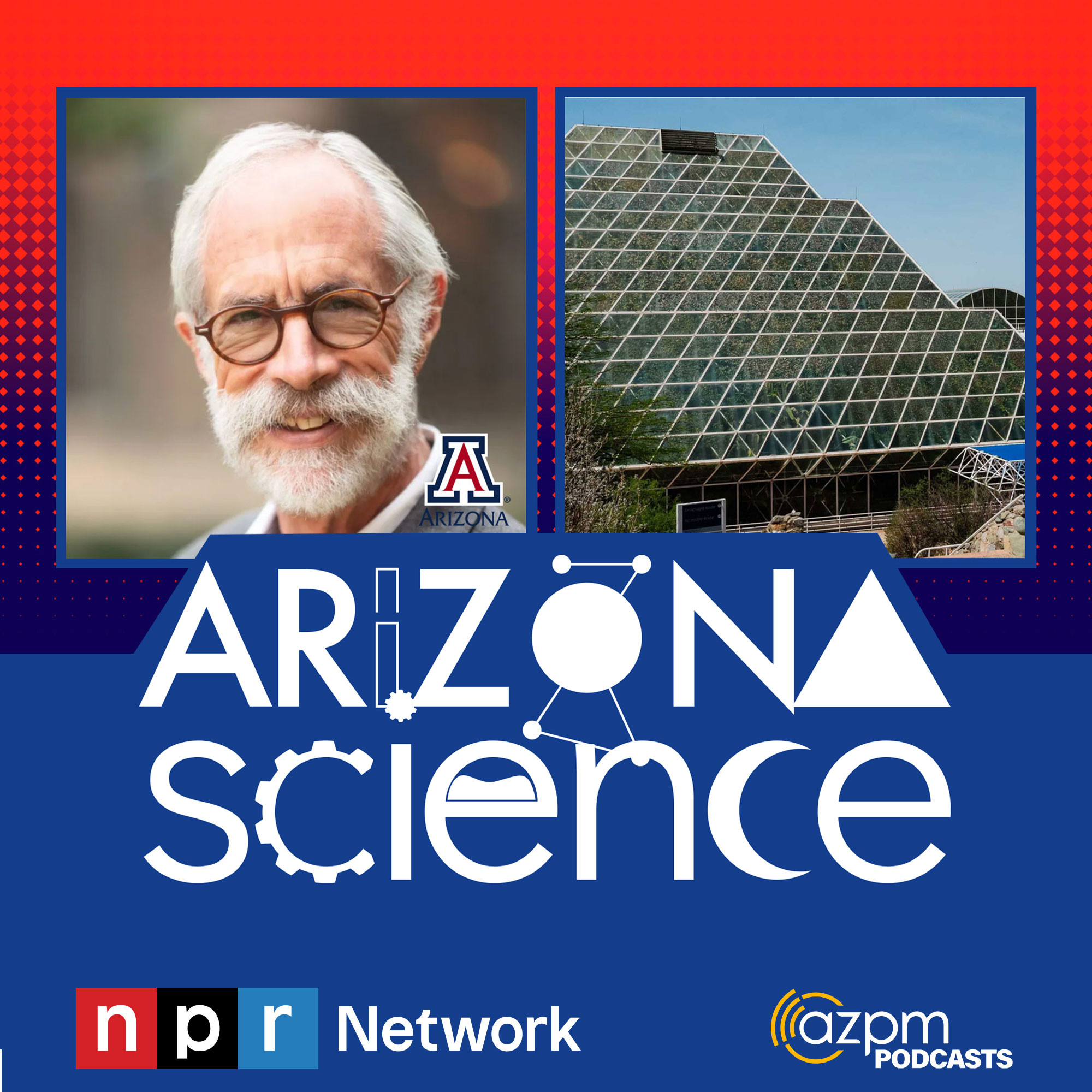 Using artificial intelligence to create Biosphere 3 | Move over Biosphere 2, make room for Biosphere 3. Biosphere 2 director Joaquin Ruiz explains how artificial intelligence is moving the concept into the digital age, taking data and helping scientists develop new theories about the evolution of planet Earth. Joaquin Ruiz spoke with Tim Swindle, professor emeritus of planetary science at the University of Arizona. | — | ||||||
| 3/5/26 | 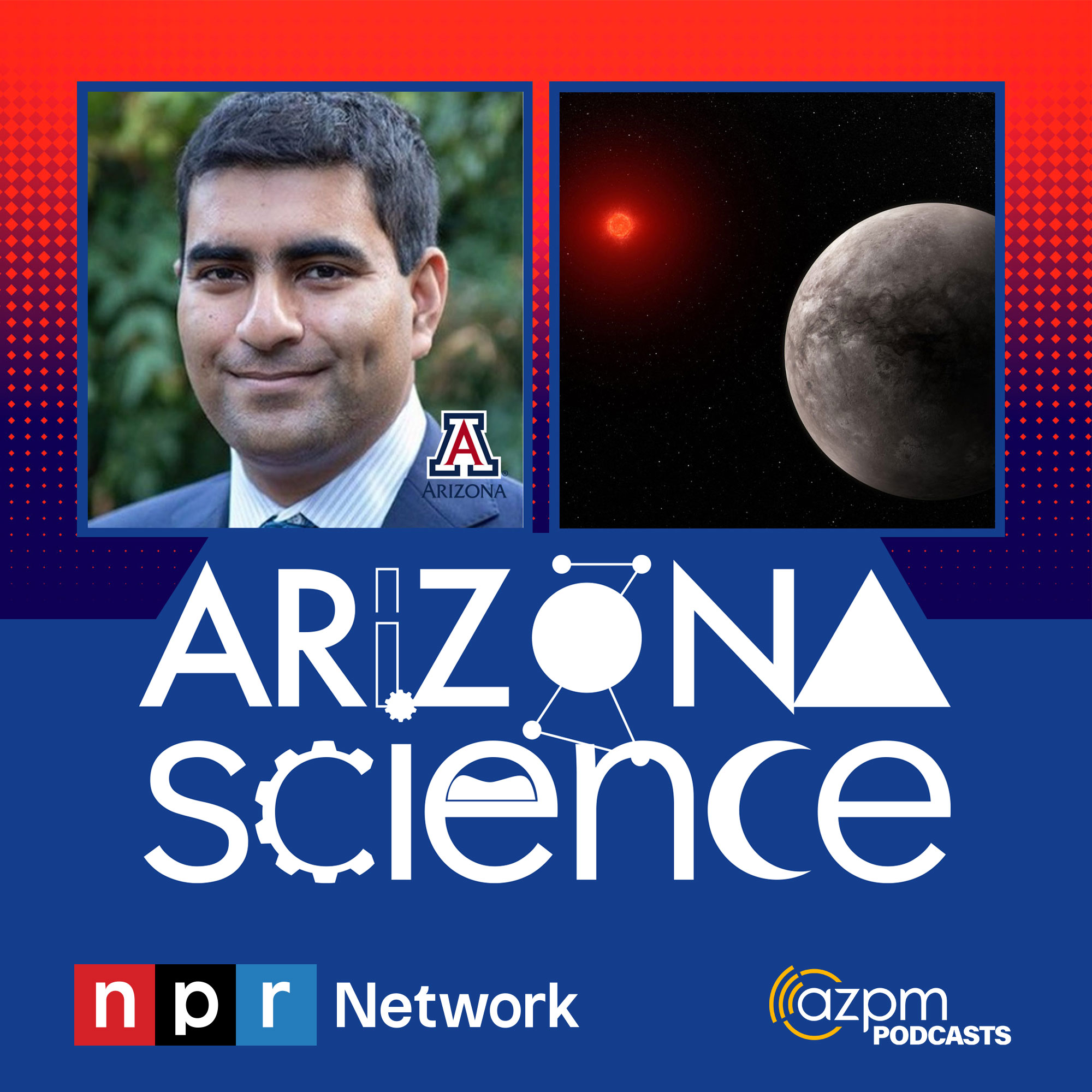 Uncovering the mystery of a shrouded exoplanet | Scientists are reassessing the potential for life on Trappist 1e, an Earth-type planet orbiting a star more than 40 light years from Earth. University of Arizona planetary scientist Sukrit Ranjan explains why the latest findings are casting doubt on an exoplanet that was once a top candidate for discovering extraterrestrial life. Sukrit Ranjan spoke with Tim Swindle, professor emeritus of planetary science at the University of Arizona. | — | ||||||
| 2/19/26 | 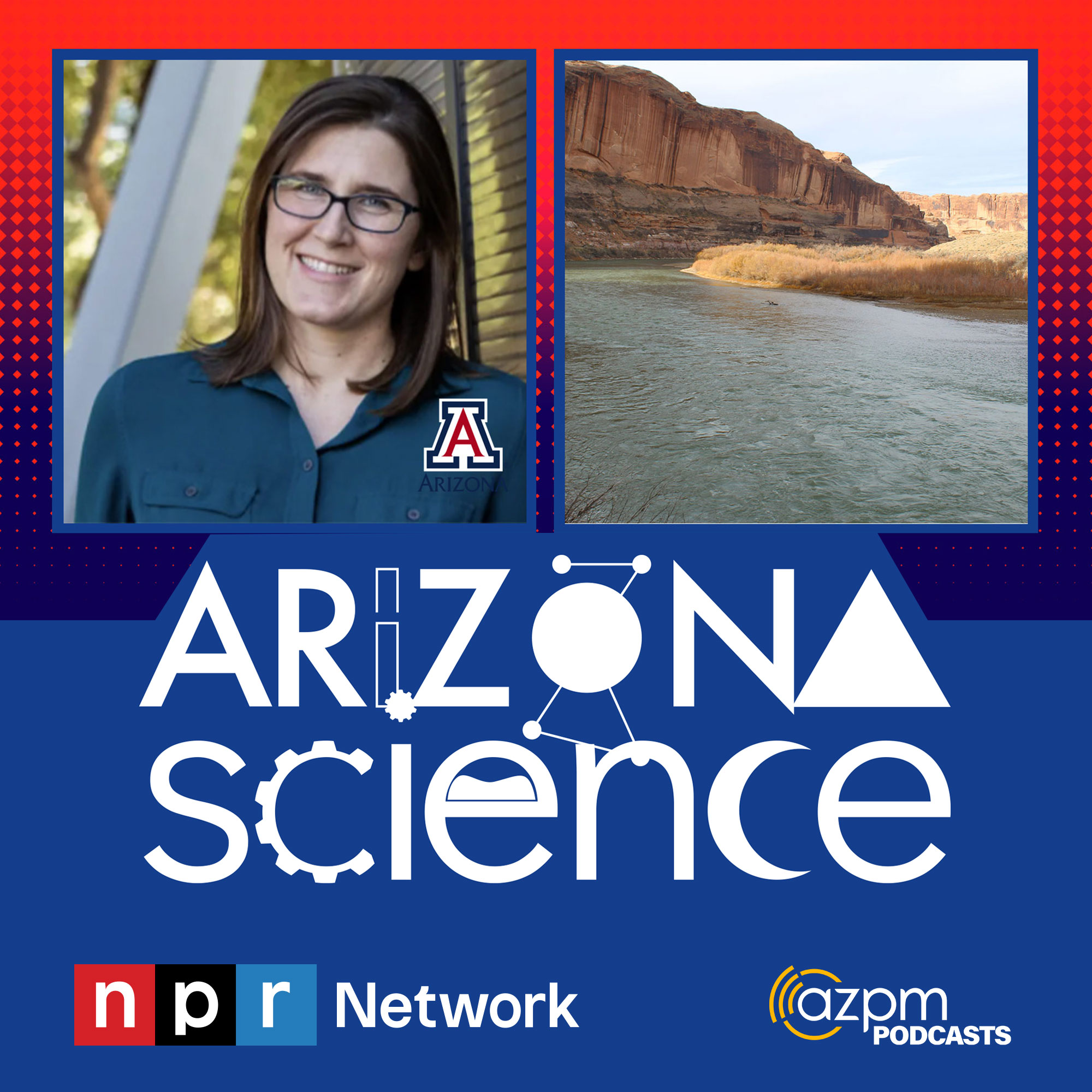 Looking at hard choices for water use in Arizona | Seven states in the Colorado River basin failed to meet a key deadline February 14 on a plan to conserve their shared water supplies. University of Arizona Hydrology and Atmospheric Sciences professor Laura Condon talks about the difficult choices ahead for water management in Arizona amid the ongoing drought. Laura Condon spoke with Leslie Tolbert, Ph. D. Regents Professor Emerita in Neuroscience at the University of Arizona. | — | ||||||
| 2/12/26 | 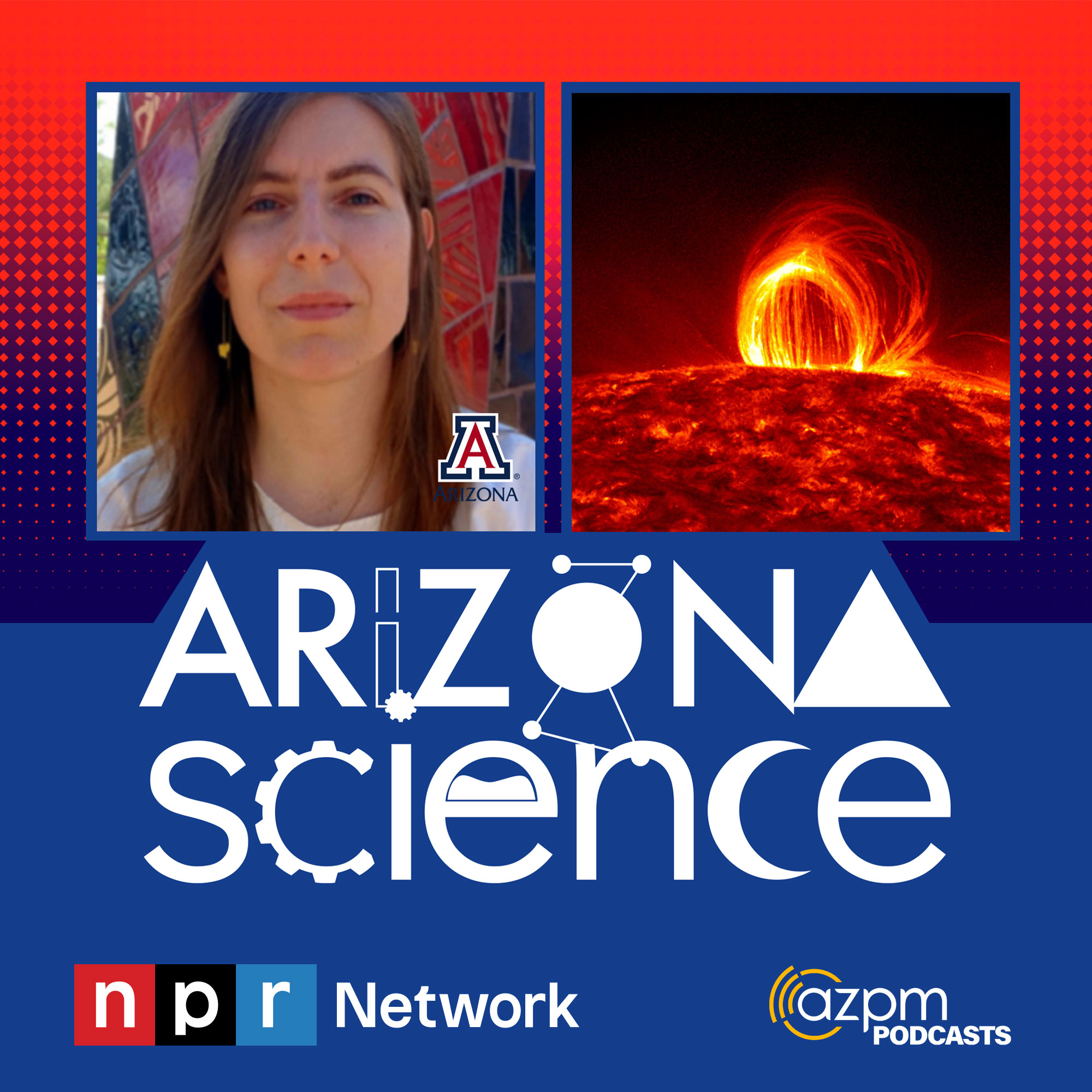 Studying plasma and why it matters in physics | Plasma scientists investigate ionized gases and how they interact with various materials. University of Arizona mathematics professor Lise-Marie Imbert-Gerard is studying how waves of energy travel through plasma. The findings could help scientists improve nuclear fusion technology.Lise-Marie Imbert-Gerard spoke with Leslie Tolbert, Ph. D Regents professor emerita in Neuroscience at the University of Arizona. | — | ||||||
| 2/5/26 | 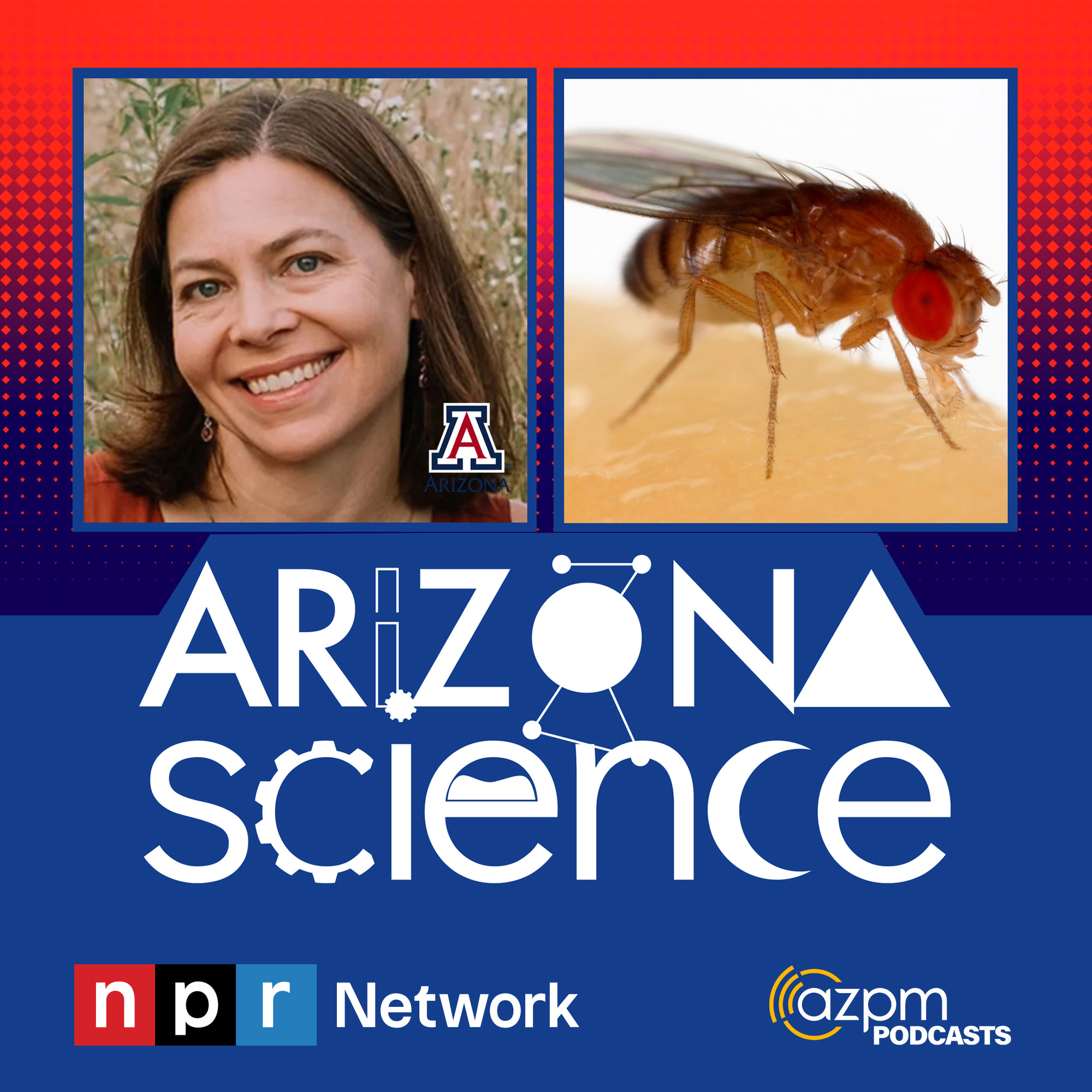 Why fruit flies are essential for biological research | Fruit flies have been crucial for researchers developing the basic principles of biology and disease. University of Arizona neuroscientist Martha Bhattacharya describes how the insects became pivotal instruments in learning about human genetics. Martha Bhattacharya spoke with Tim Swindle, professor emeritus of Planetary Science at the University of Arizona. | — | ||||||
| 1/30/26 |  How the science of aging fits into preventing disease | Many causes of death share the same common factor, the onset of advancing age. University of Arizona biologist George Sutphin describes how our understanding of aging could transform medicine in the future. He will be the first speaker in this year's College of Science free lecture series at Centennial Hall. George Sutphin spoke with Tim Swindle, professor emeritus in Planetary Science at the University of Arizona. | — | ||||||
| 1/26/26 | 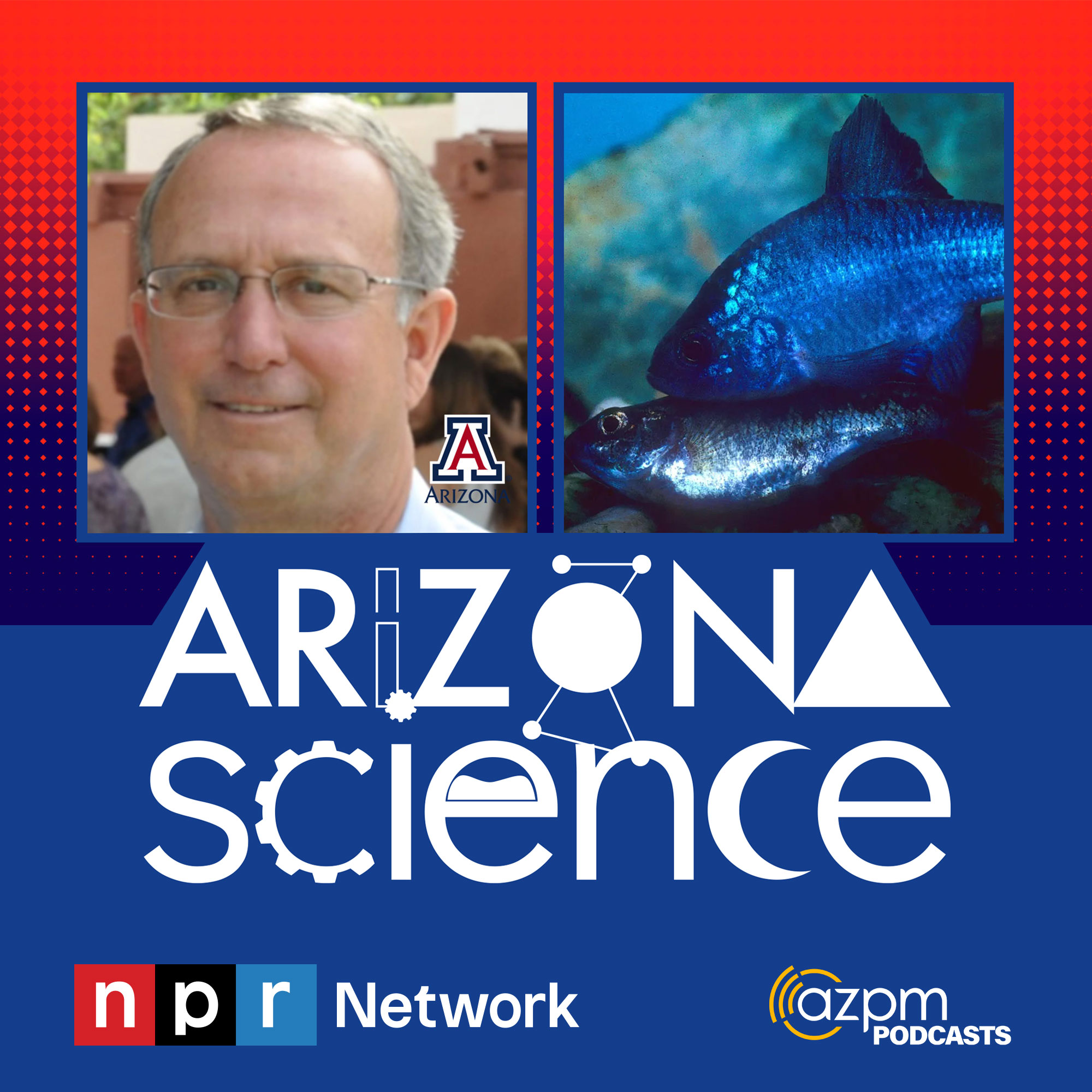 Helping an endangered desert fish survive | Sonoyta Pupfish are native to southern Arizona and listed as critically endangered. University of Arizona professor Peter Reinthal designed a project that brought the fish to Biosphere 2's Desert Biome habitat and give it a head start on survival. Peter Reinthal spoke with Tim Swindle, professor emeritus of Planetary Science at the University of Arizona. | — | ||||||
| 1/15/26 |  Investigating the health of California firefighters | Los Angeles firefighters battled the Palisades Fire in January 2025. University of Arizona environmental health researcher Melissa Furlong talks about a study looking at the challenges the firefighters are now facing, including changes in blood proteins that can lead to cancer. Melissa Furlong spoke with Tim Swindle, professor emeritus of Planetary Science at the University of Arizona. | — | ||||||
| 1/9/26 |  The importance of gut health | We often hear about feelings that come from our gut. Researchers led by University of Arizona physiologist Maya Kaelberer are working to understand how our gut and brain communicate. Their studies could lead to new strategies for addressing diet-related diseases and more. Maya Kaelberer spoke to Leslie Tolbert, Ph. D Regent's professor emerita in Neuroscience at the University of Arizona. | — | ||||||
| 12/19/25 | 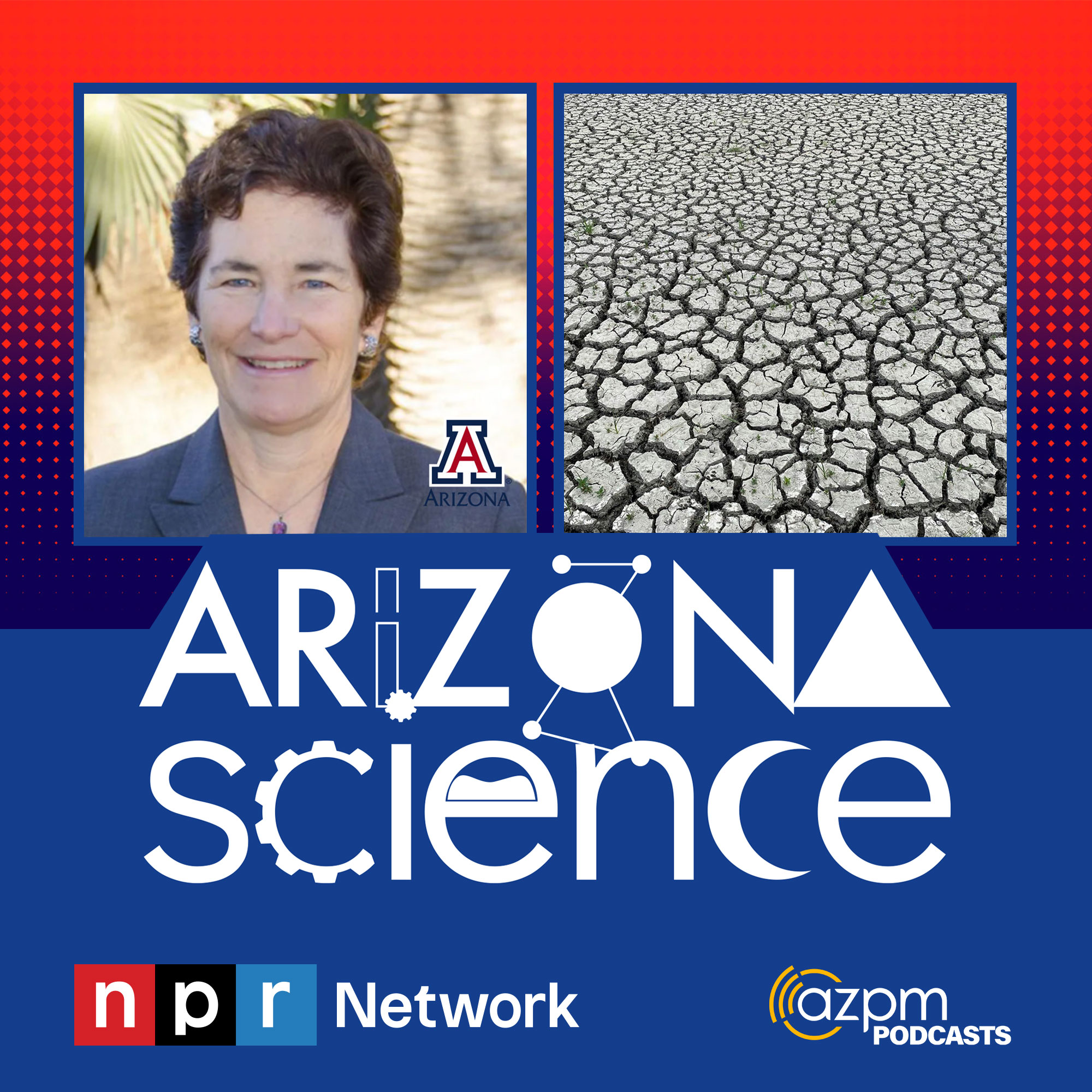 Selling the importance of climate science | The Trump administration is moving to dismantle some of the world's leading climate and weather research institutions. It's the latest result in the politicization of climate science. University of Arizona Environmental Science professor Kathy Jacobs explains how explaining climate science has turned increasingly difficult over the past several years. Kathy Jacobs spoke with Leslie Tolbert, Ph. D. Regent's professor in Neuroscience at the University of Arizona. | — | ||||||
| 12/12/25 | 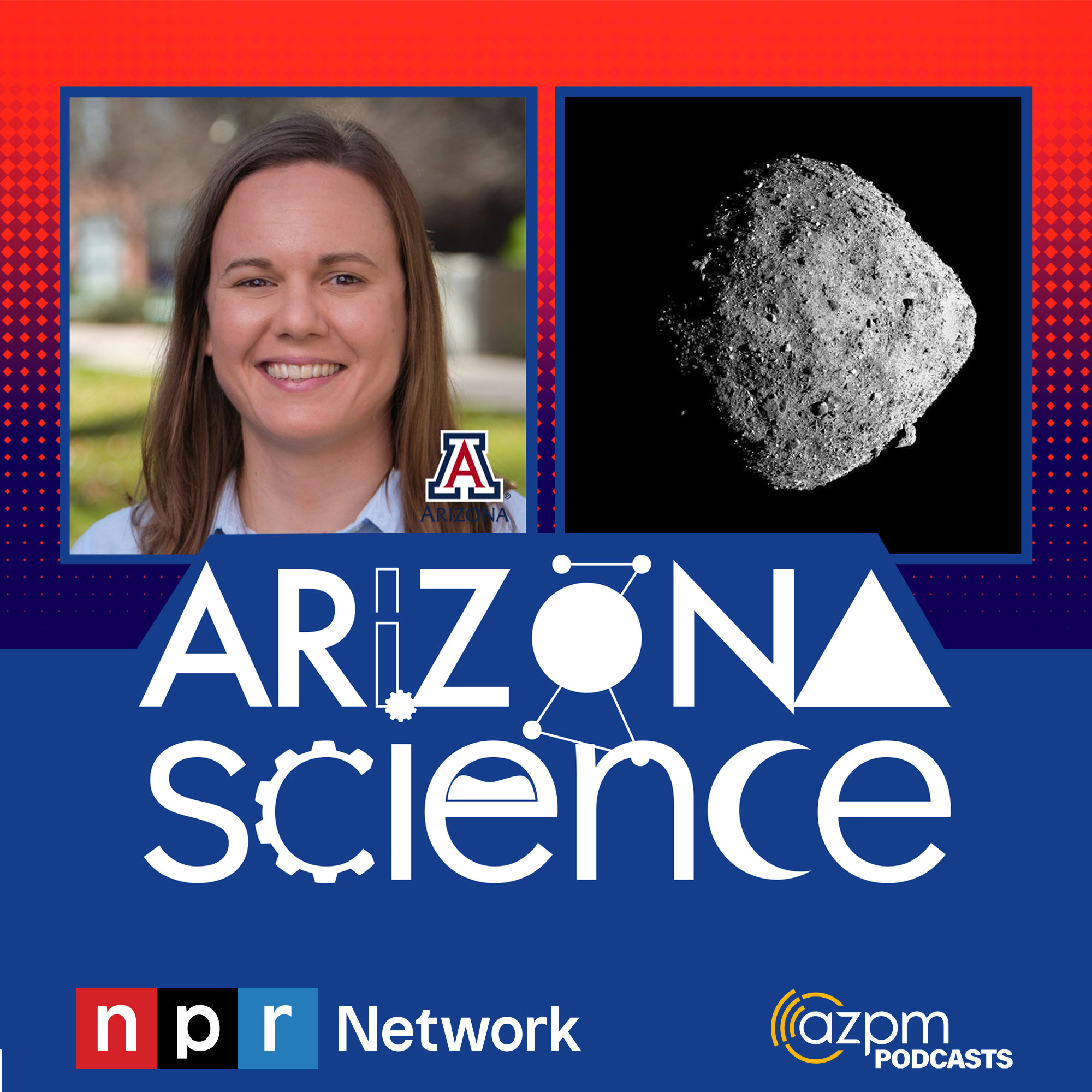 Updating the samples from asteroid Bennu | Scientists from around the world have spent two years examining material brought back to Earth from the asteroid Bennu by the University of Arizona-backed Osiris REx mission. U of A planetary scientist Jess Barnes discusses some of the findings from the Bennu samples, including how one of the minerals resembles ordinary kitchen table salt. Jess Barnes spoke with Tim Swindle, professor emeritus of Planetary Science at the University of Arizona. | — | ||||||
| 12/5/25 | 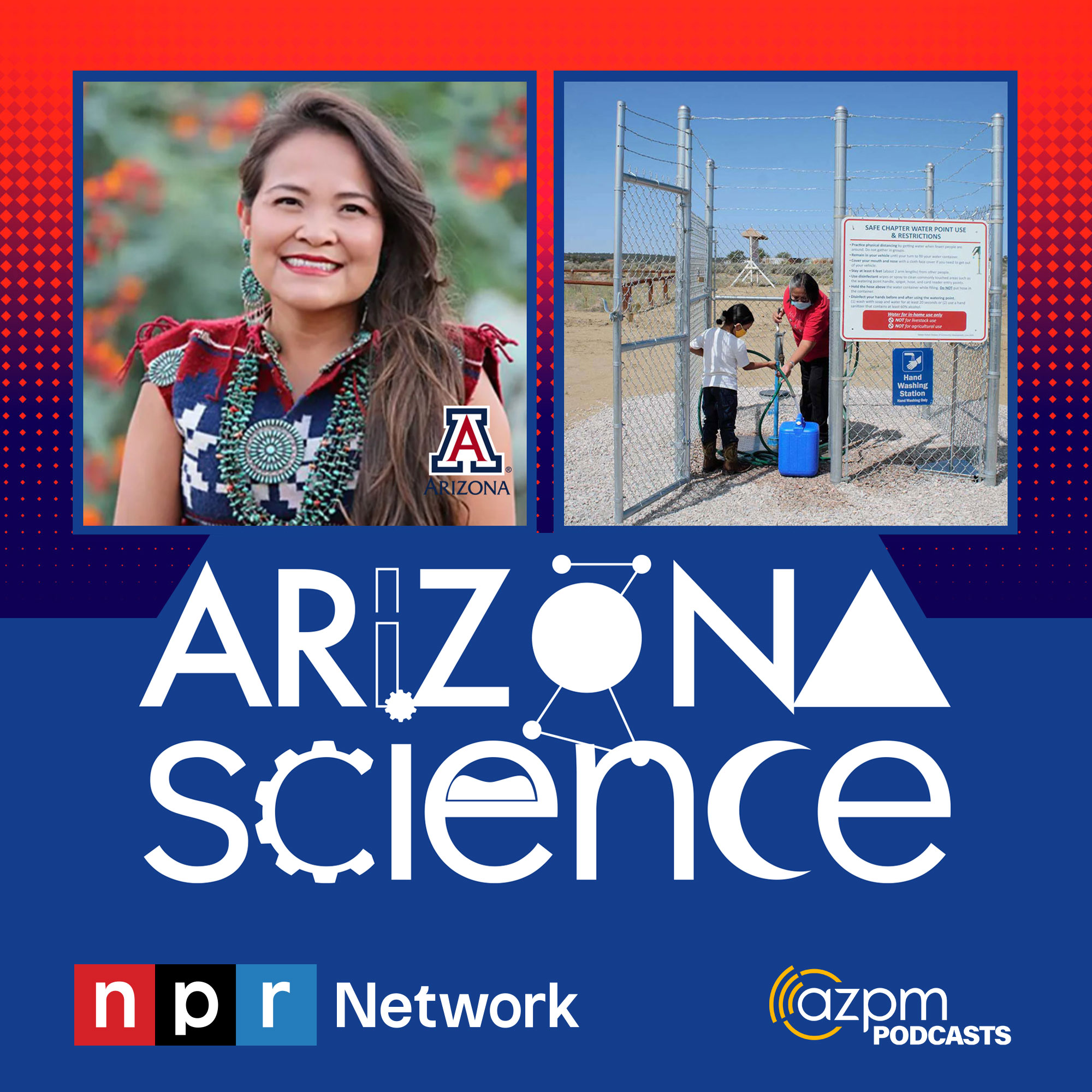 Connecting indigenous communities with the science of water use | Many tribal communities are using sustainable practices associated with their culture, but water access is still an issue. University of Arizona environmental professor Karletta Chief discusses how tribes are adapting to drought conditions and ensuring there's enough water for farms and homes. Karletta Chief spoke with Leslie Tolbert, Ph.D Regent's professor in Neuroscience at the University of Arizona. | — | ||||||
| 11/18/25 | 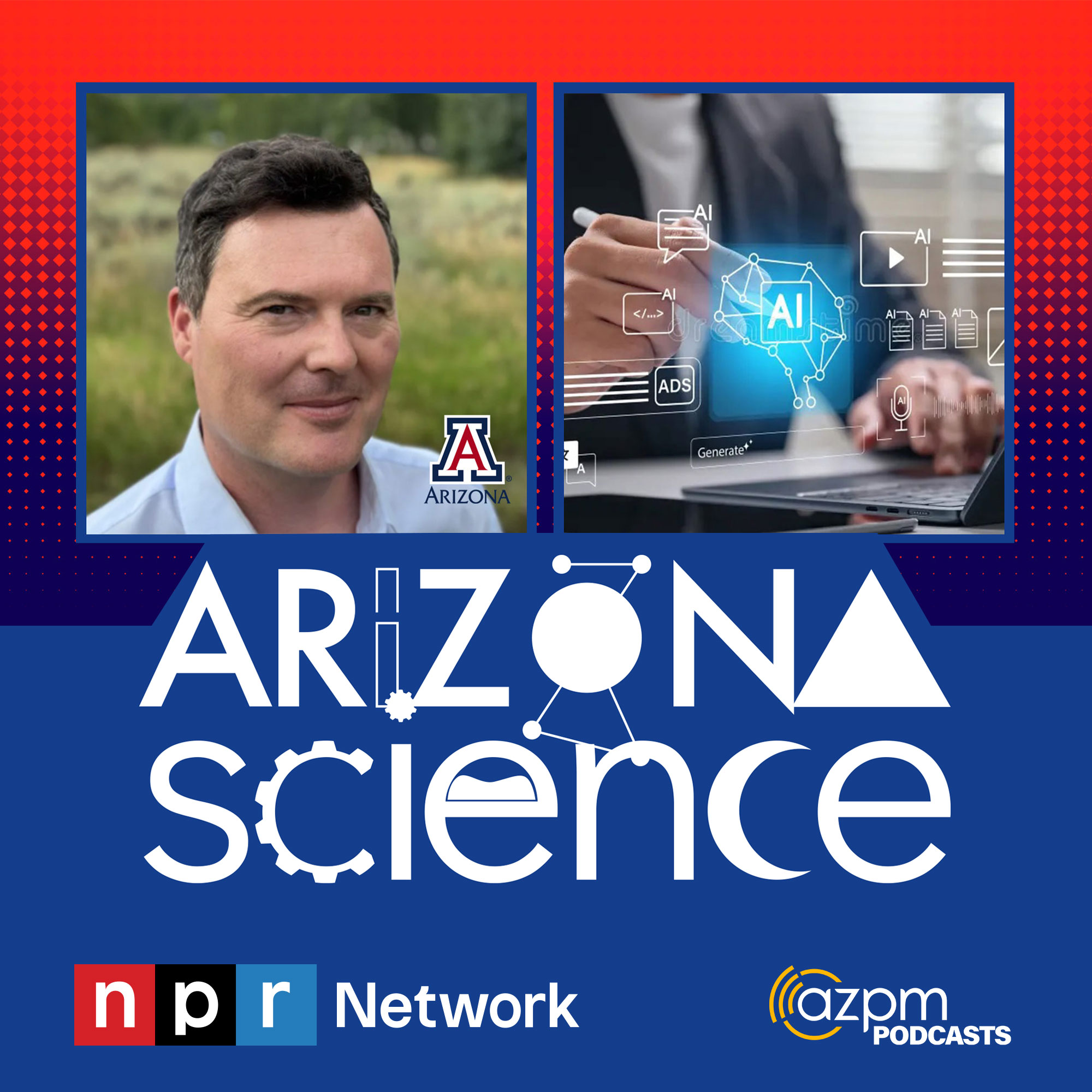 Examining the science behind how we make choices | The rapid influence of artificial intelligence is making choice-making behavior more important than ever. University of Arizona marketing professor Martin Reimann discusses how potential consumers who can detect AI in advertising are less likely to choose those products over others. Martin Reimann spoke with Leslie Tolbert, Ph. D. Regent's professor emerita in Neuroscience at the University of Arizona. | — | ||||||
| 11/10/25 | 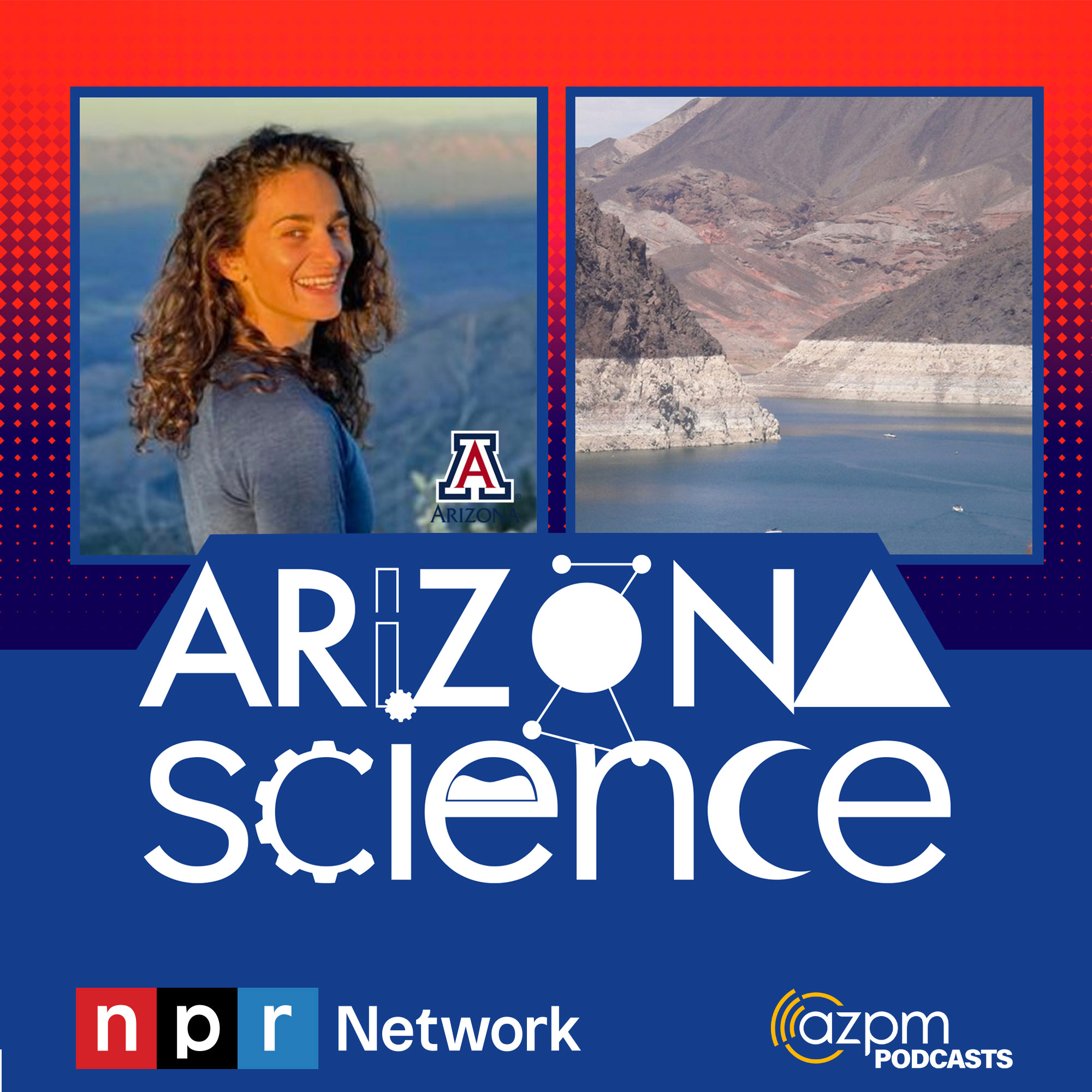 Tracking drought patterns via the jet stream using tree rings | Scientists are learning about the current drought in the Southwest by studying climate change in the past. University of Arizona researcher Ellie Broadman discusses drought evidence found in tree rings that show what happened in the jet stream before man-made global warming took place. Ellie Broadman spoke with Tim Swindle, professor emeritus in Planetary Science at the University of Arizona. | — | ||||||
| 10/31/25 | 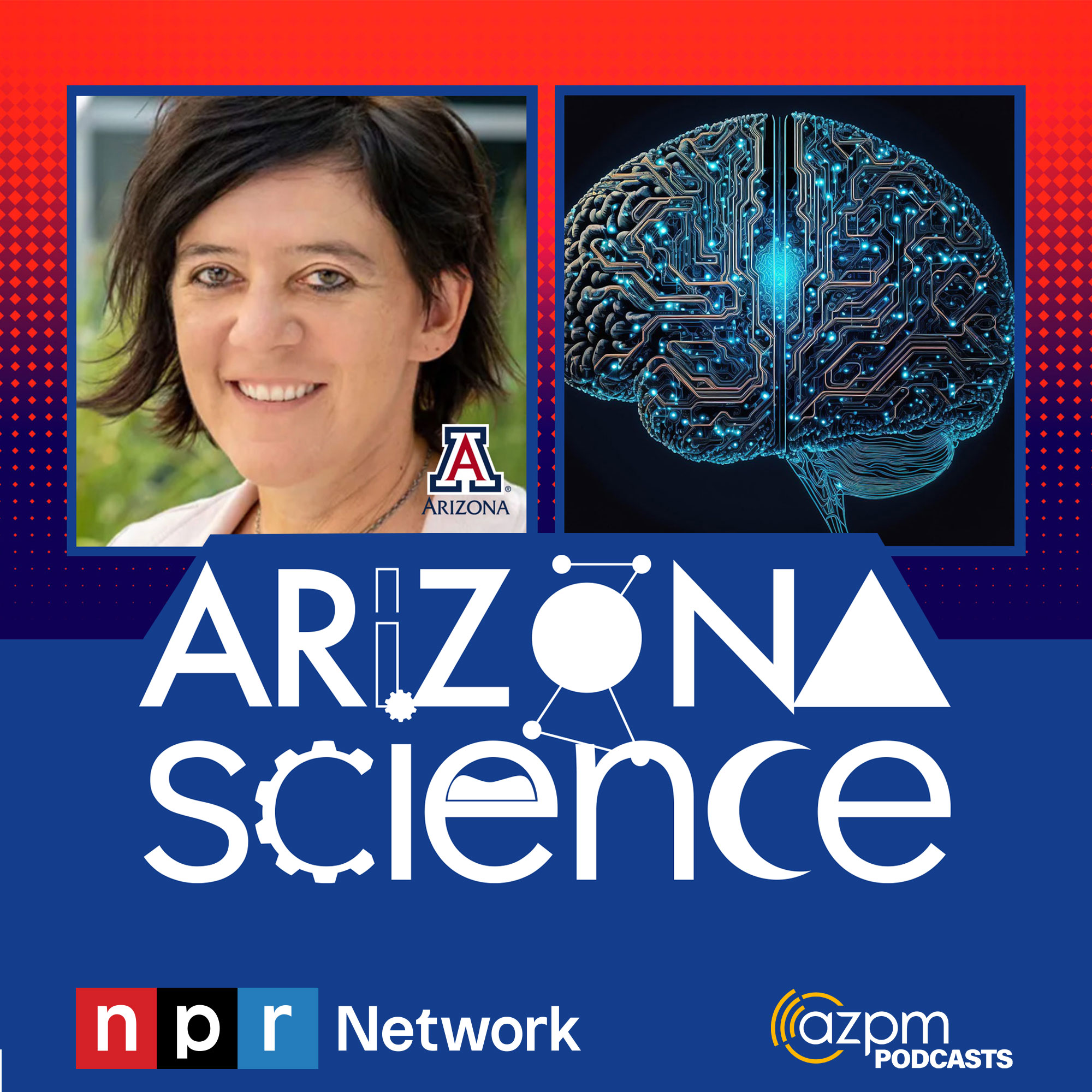 Using machine learning to study natural language processing | Generative artificial intelligence is emerging as a tool to look at how people learn language. University of Arizona professor Gondy Leroy discusses research into how advanced machine learning can help families diagnose autism through the way their children acquire speaking skills. Gondy Leroy spoke with Leslie Tolbert, Ph. D. Regent's professor in Neuroscience at the University of Arizona. | — | ||||||
Showing 25 of 502
Pitch Fit is a Pro feature
See how bookable this show is for guests, which brands already advertise, the per-episode ad value, and the best-fit guest and sponsor profile. The numbers are blurred on the free plan.
How readily this show books outside guests like you.
How proven this show is for host-read sponsorships.
For Guests
ProFor Advertisers
ProUpgrade to Pro to unlock guest cadence, sponsor categories, fit scores, and per-episode ad value for this show.
Chart Positions
3 placements across 3 markets.
Chart Positions
3 placements across 3 markets.