
Insights from recent episode analysis
Audience Interest
Podcast Focus
Publishing Consistency
Platform Reach
Insights are generated by CastFox AI using publicly available data, episode content, and proprietary models.
Most discussed topics
Brands & references
Est. Listeners
Insufficient chart data. Estimates will improve as the show charts.
- Per-Episode Audience
Est. listeners per new episode within ~30 days
N/A🎙 Weekly cadence·441 episodes·Last published 3mo ago - Monthly Reach
Unique listeners across all episodes (30 days)
N/A - Active Followers
Loyal subscribers who consistently listen
N/A
Market Insights
Platform Distribution
Reach across major podcast platforms, updated hourly
Total Followers
—
Total Plays
—
Total Reviews
—
* Data sourced directly from platform APIs and aggregated hourly across all major podcast directories.
On the show
From 1 epsHost
Recent guests
Recent episodes
Eleonora Johanna
Mar 19, 2026
51m 51s
Henry Moore, Large Two Forms
Nov 13, 2024
Unknown duration
Brian Jungen, Couch Monster
Nov 13, 2024
Unknown duration
Frank Gehry, AGO Transformation Facade
Nov 13, 2024
Unknown duration
Luisa Roldan
May 17, 2024
Unknown duration
Social Links & Contact
Official channels & resources
Official Website
Login
RSS Feed
Login
| Date | Episode | Topics | Guests | Brands | Places | Keywords | Sponsor | Length | |
|---|---|---|---|---|---|---|---|---|---|
| 3/19/26 | 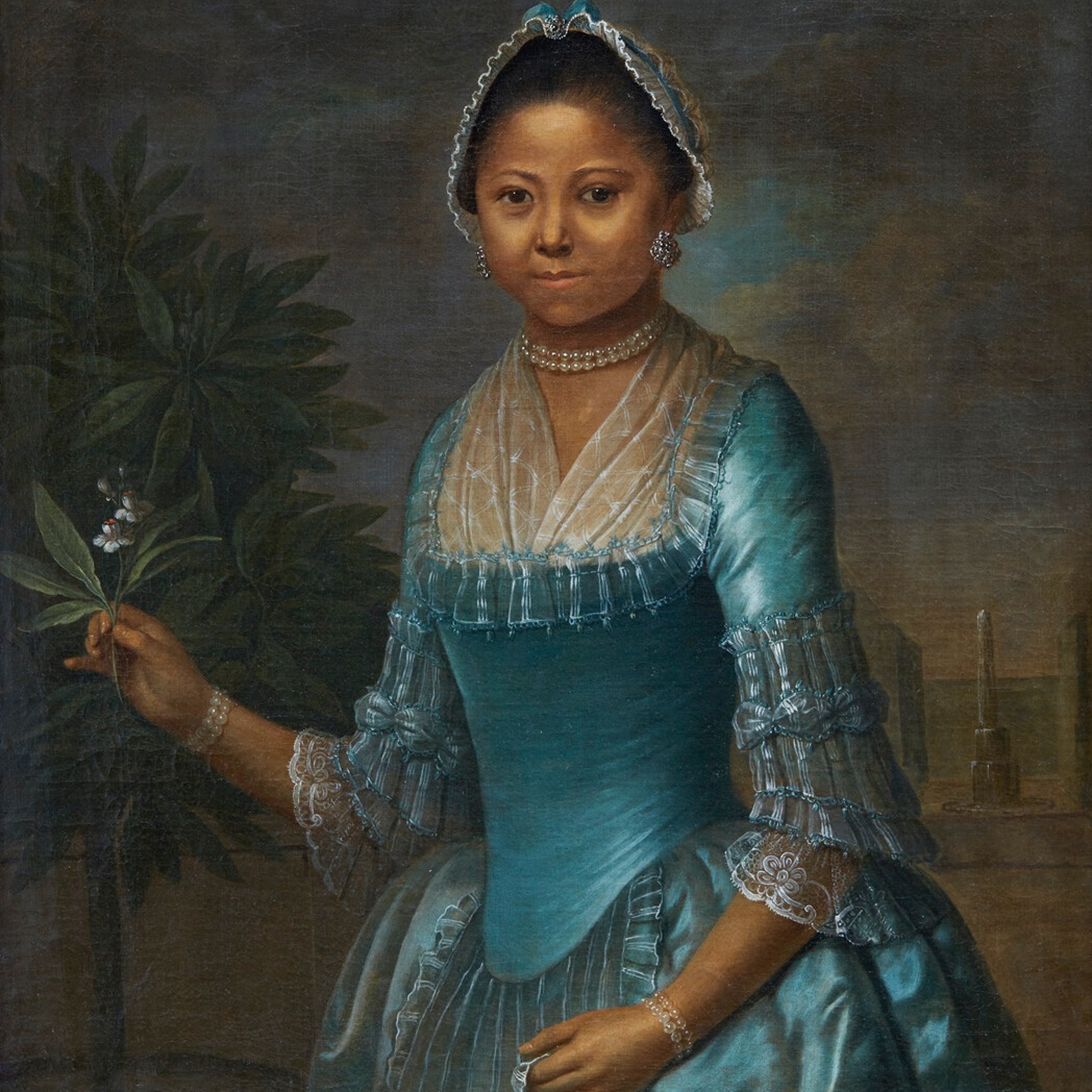 Eleonora Johanna✨ | art historygenealogy+3 | Tim de JongeDorien Nieuwenhuijsen | Jeremias Schultz | — | Jeremias Schultzart history+3 | — | 51m 51s | |
| 11/13/24 | 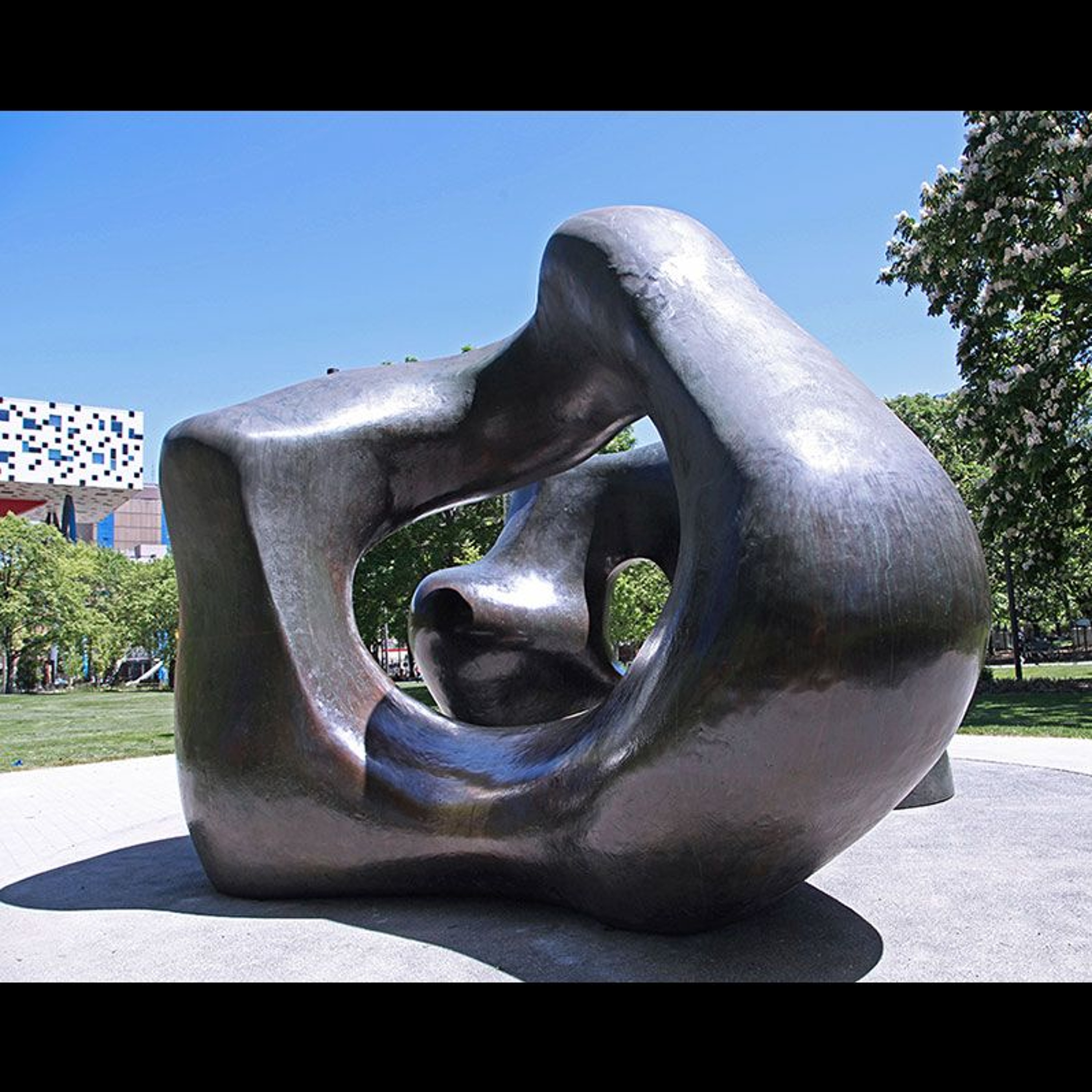 Henry Moore, Large Two Forms | Audio recorded verbal descriptions provide an accessible and detailed narrative to extend your experience of the AGO. Explore the AGO facade and the artworks outside the building, Henry Moore's Two Forms and Brian Jungen's Couch Monster: Sadzěʔ yaaghęhch’ill. These descriptions, rich in detail and sensory language, provide a vivid exploration of form, texture, and artistic intention, ensuring that all visitors can engage deeply with these celebrated pieces of architecture and public art. | — | ||||||
| 11/13/24 | 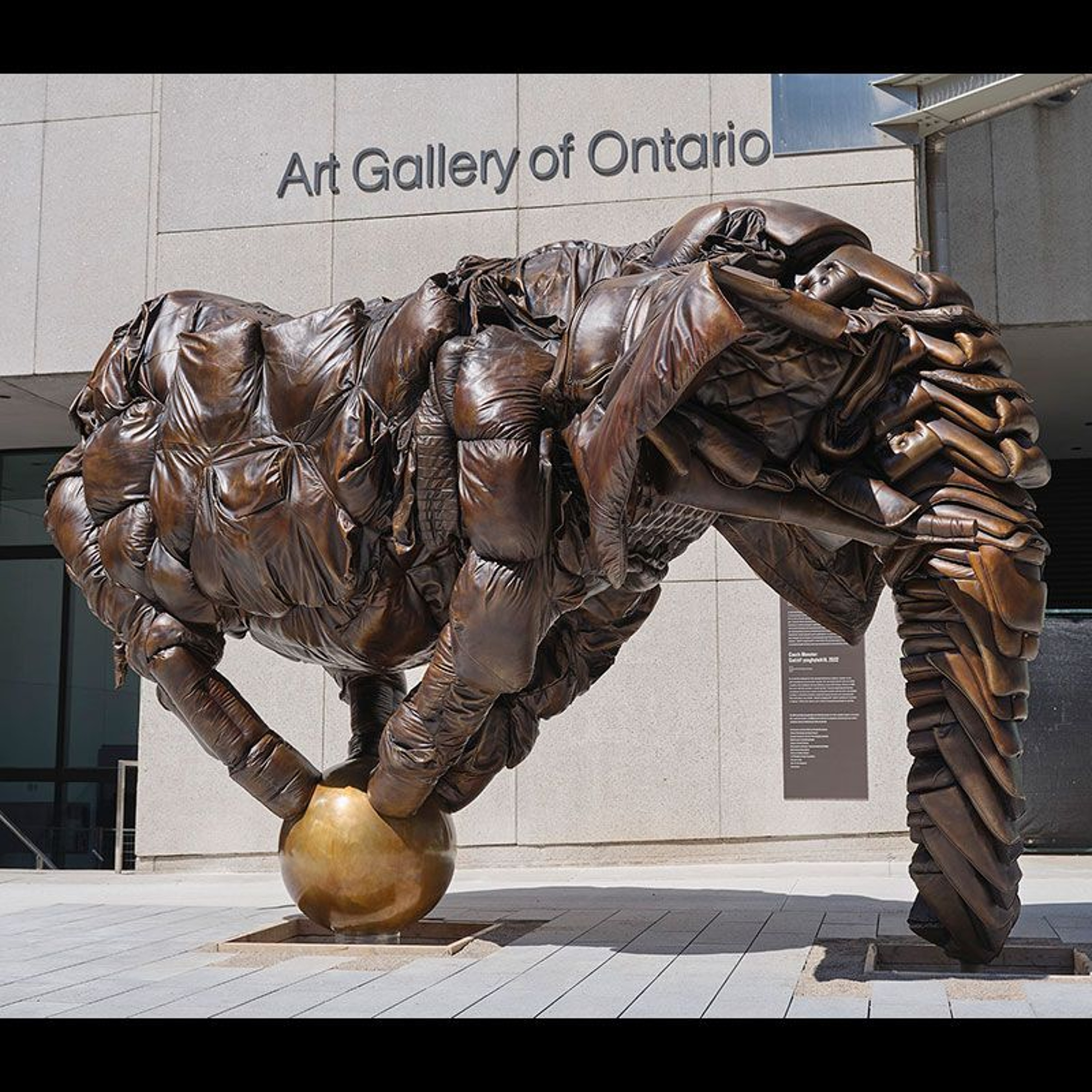 Brian Jungen, Couch Monster | Audio recorded verbal descriptions provide an accessible and detailed narrative to extend your experience of the AGO. Explore the AGO facade and the artworks outside the building, Henry Moore's Two Forms and Brian Jungen's Couch Monster: Sadzěʔ yaaghęhch’ill. These descriptions, rich in detail and sensory language, provide a vivid exploration of form, texture, and artistic intention, ensuring that all visitors can engage deeply with these celebrated pieces of architecture and public art. | — | ||||||
| 11/13/24 | 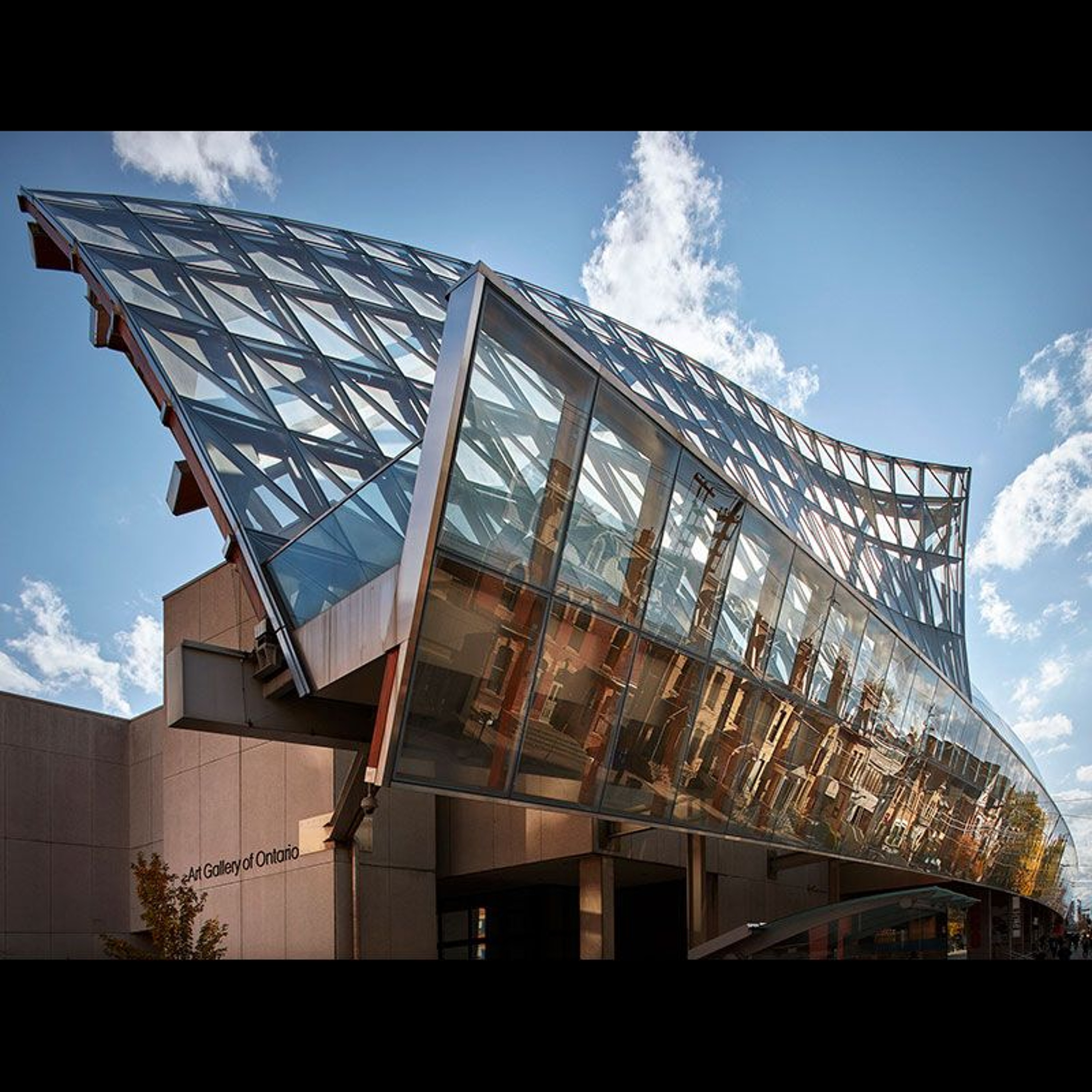 Frank Gehry, AGO Transformation Facade | Audio recorded verbal descriptions provide an accessible and detailed narrative to extend your experience of the AGO. Explore the AGO facade and the artworks outside the building, Henry Moore's Two Forms and Brian Jungen's Couch Monster: Sadzěʔ yaaghęhch’ill. These descriptions, rich in detail and sensory language, provide a vivid exploration of form, texture, and artistic intention, ensuring that all visitors can engage deeply with these celebrated pieces of architecture and public art. | — | ||||||
| 5/17/24 | 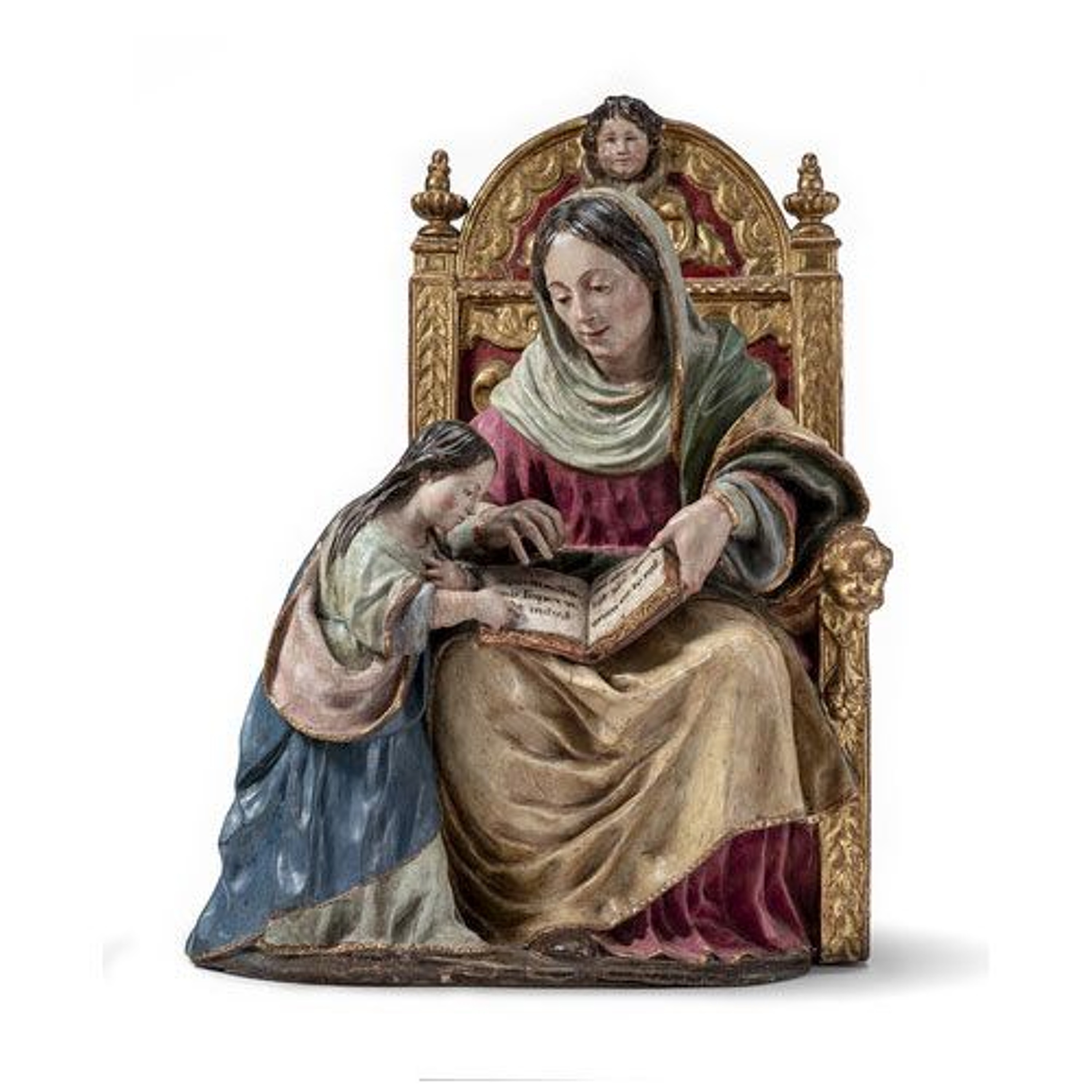 Luisa Roldan | AGO Exhibition Audio Tracks | — | ||||||
| 5/17/24 | 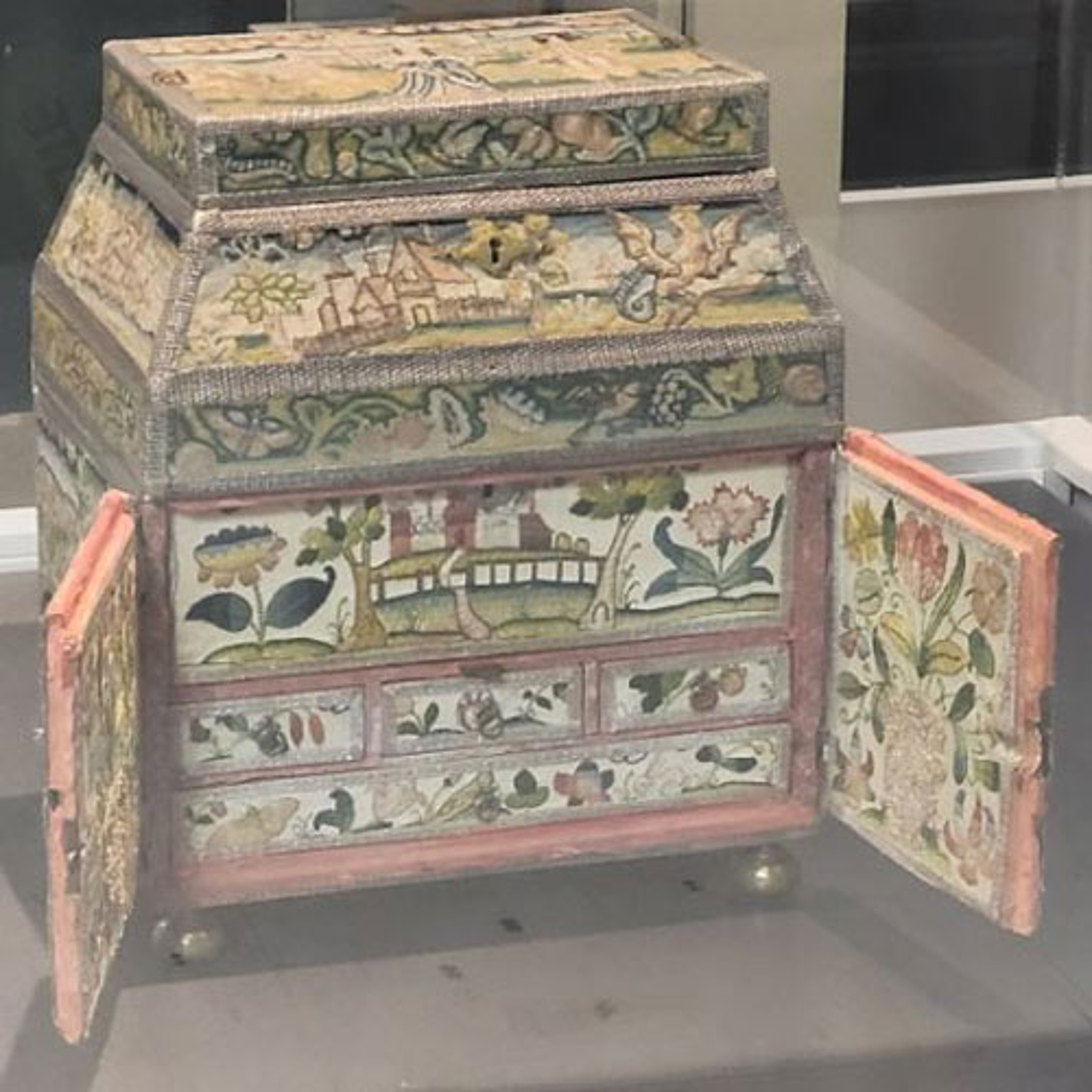 Susanna Perwich | AGO Exhibition Audio Tracks | — | ||||||
| 5/17/24 | 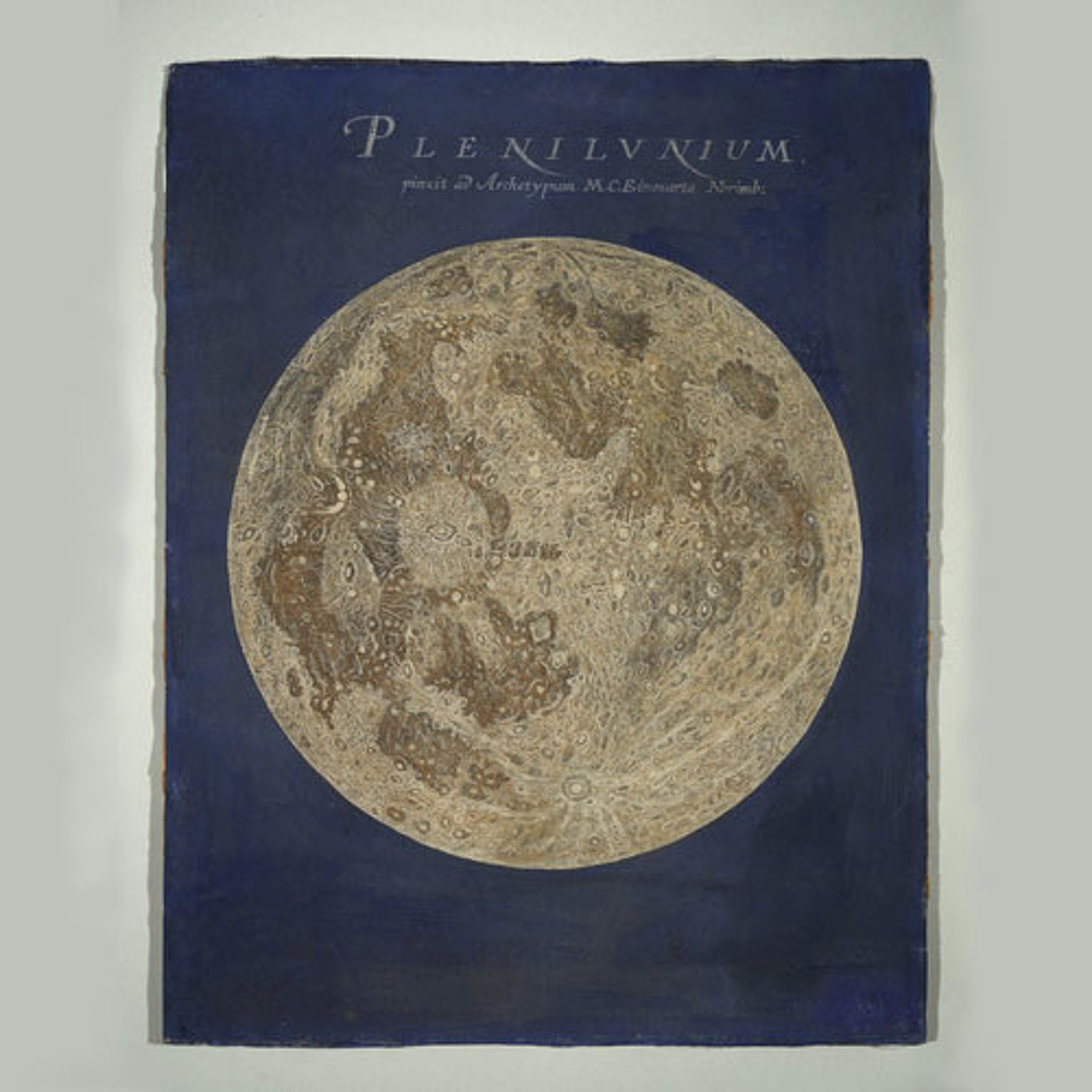 Maria Clara Eimmart | AGO Exhibition Audio Tracks | — | ||||||
| 5/17/24 | 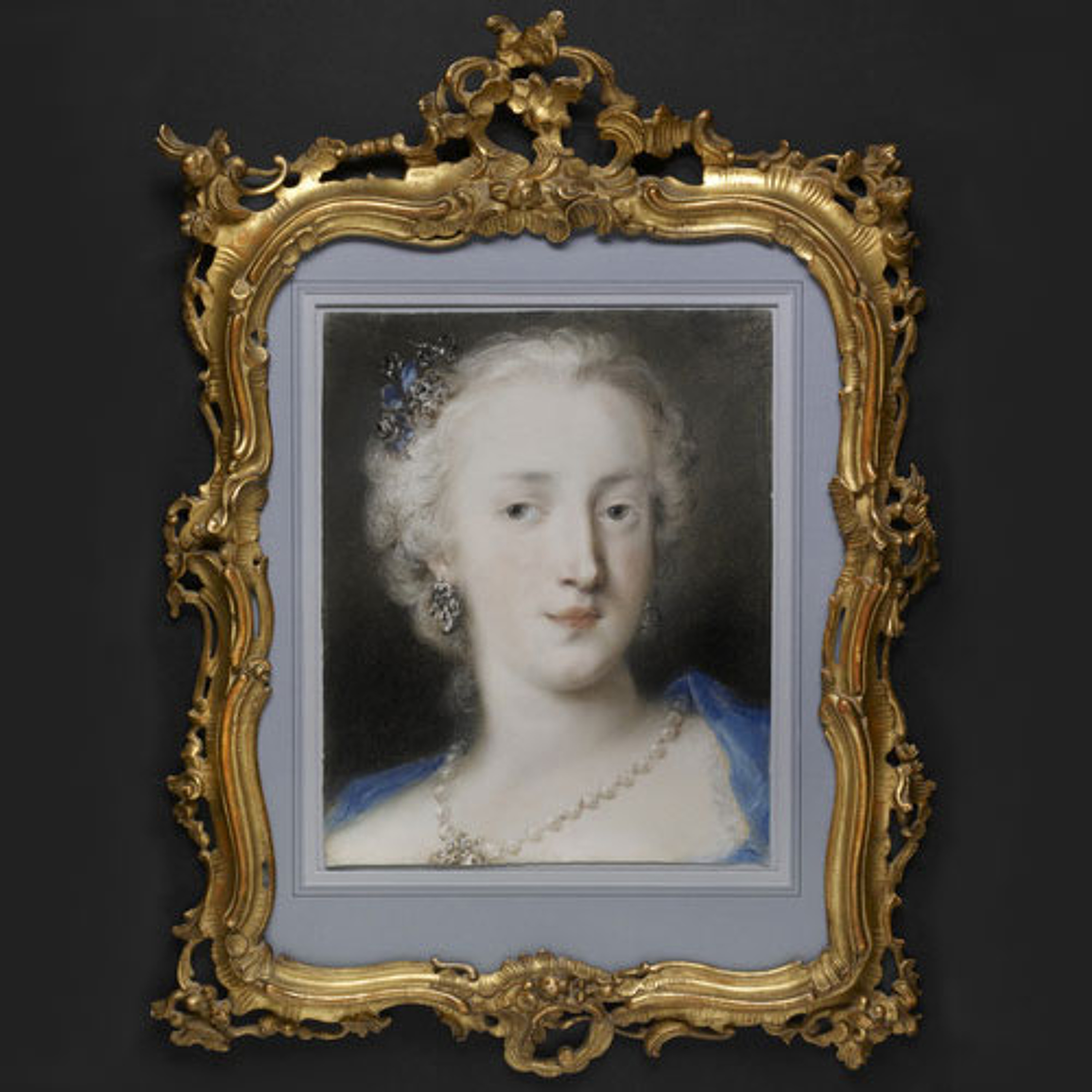 Rosalba Carriera | AGO Exhibition Audio Tracks | — | ||||||
| 1/31/24 |  Rowing | Sound clip of rowing in water | — | ||||||
| 11/6/23 | 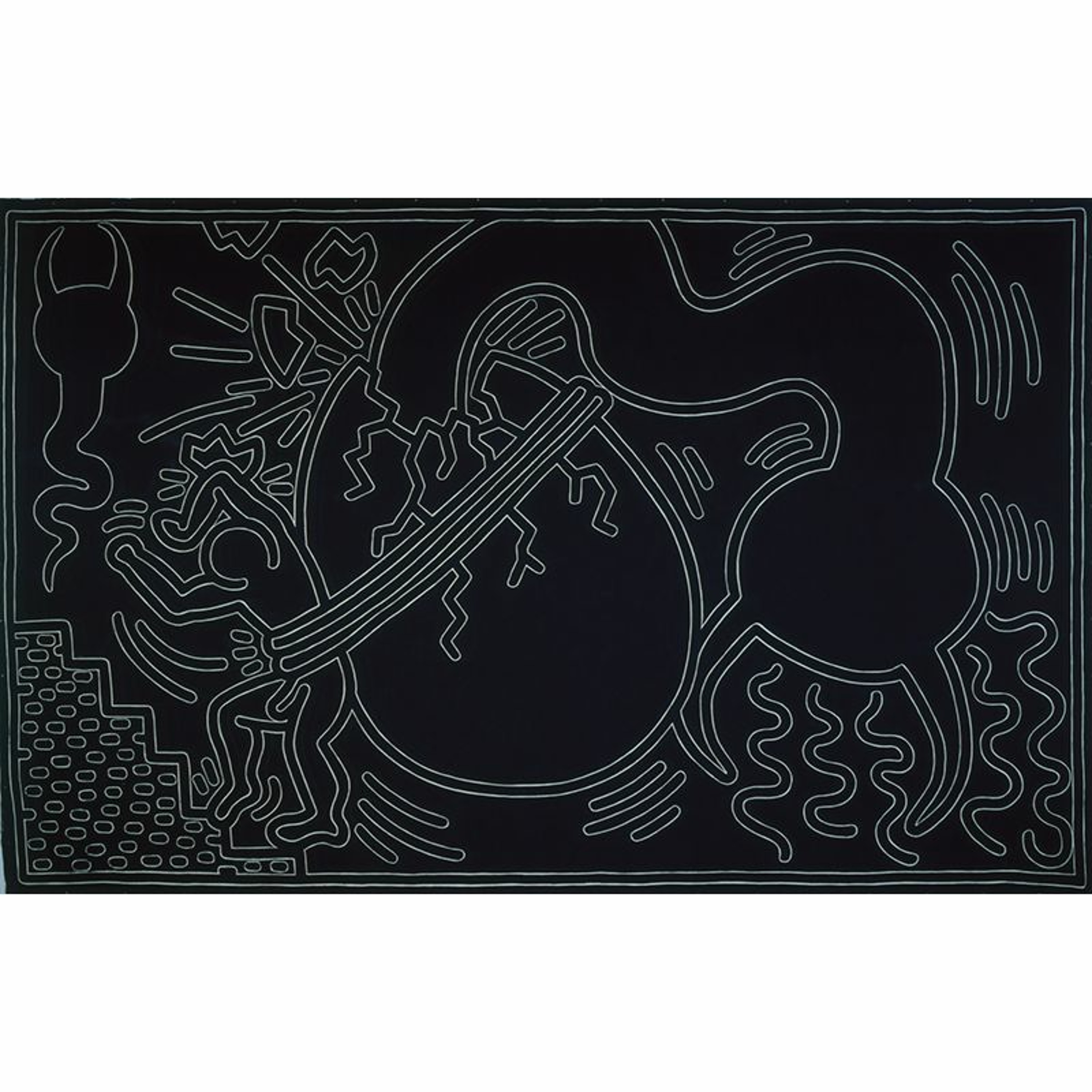 Untitled | Untitled 1988 acrylic on canvas Private collection All images © Keith Haring Foundation This untitled work shows a human figure struggling to walk up a staircase while carrying a massive egg tied to its back. The egg is cracked and a sperm with devil horns bursts from its shell. The painting speaks profoundly to the AIDS epidemic that took the lives of so many within Haring’s community, including his own. Using monumental scale, a palette drained of colour, and graphic imagery, Haring represented the impossible weight of the AIDS crisis. | — | ||||||
Want analysis for the episodes below?Free for Pro Submit a request, we'll have your selected episodes analyzed within an hour. Free, at no cost to you, for Pro users. | |||||||||
| 11/6/23 | 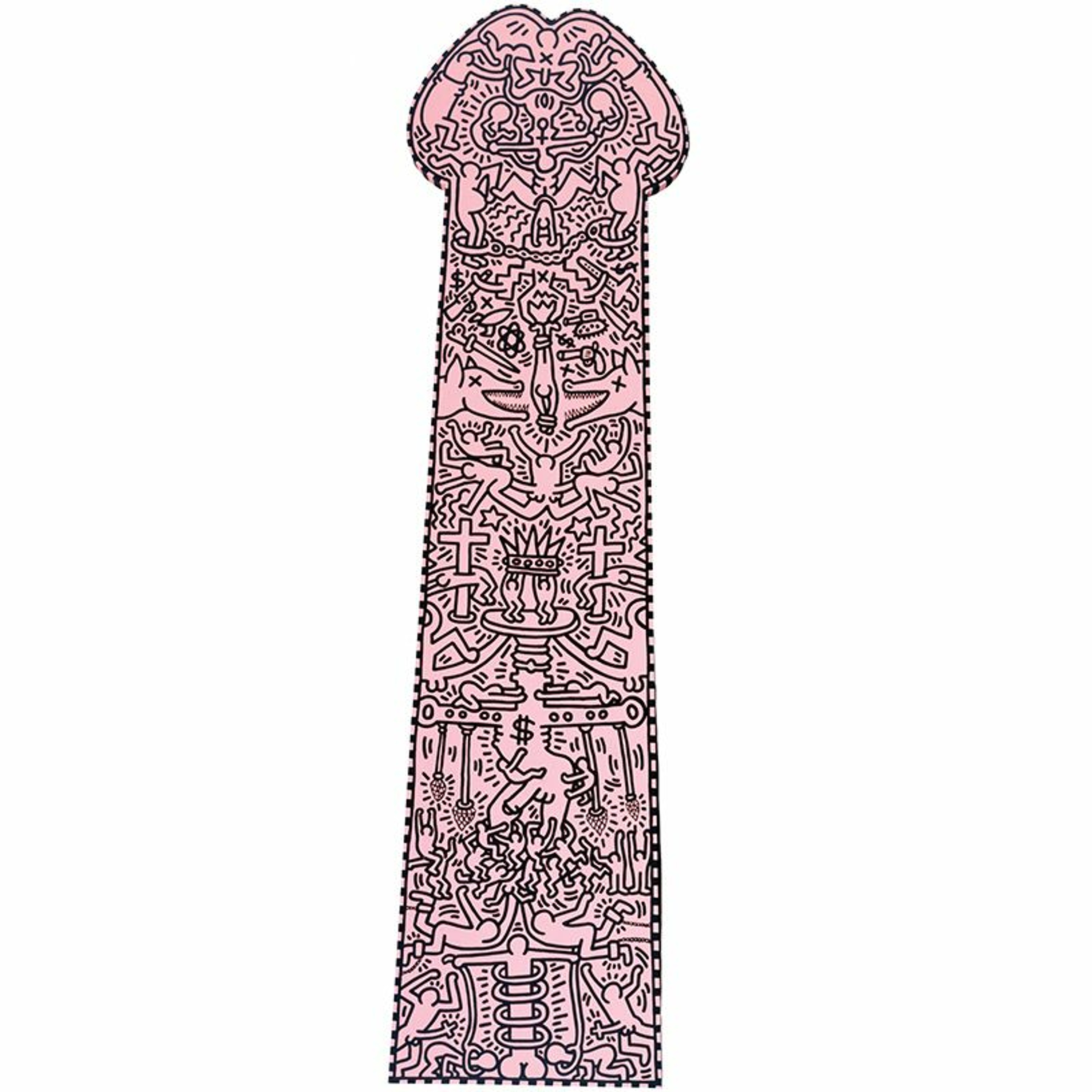 The Great White Way | The Great White Way 1988 acrylic on canvas The Keith Haring Foundation All images © Keith Haring Foundation Stretched in the shape of a penis, this massive painting is a critical visualization of what author bell hooks described as “imperialist white supremacist capitalist patriarchy.” The pink phallus is decorated with black lines that make up an intricate scene of weapons, violence, torture, and other abuses of power—a visual representation of the problems of Euro-American society. Haring’s title implies the white supremacist ideology underpinning these activities. The painting shows a phallocentric world in which profit and power in the name of “good” and God are used as tools of oppression. The Great White Way is a prime example of what is perhaps Haring’s greatest skill: the ability to make something look like shallow fun—in this case, a massive, cartoonish, pink, candy-striped penis—while simultaneously speaking truth to some of society’s foremost tyrannies. | — | ||||||
| 11/6/23 | 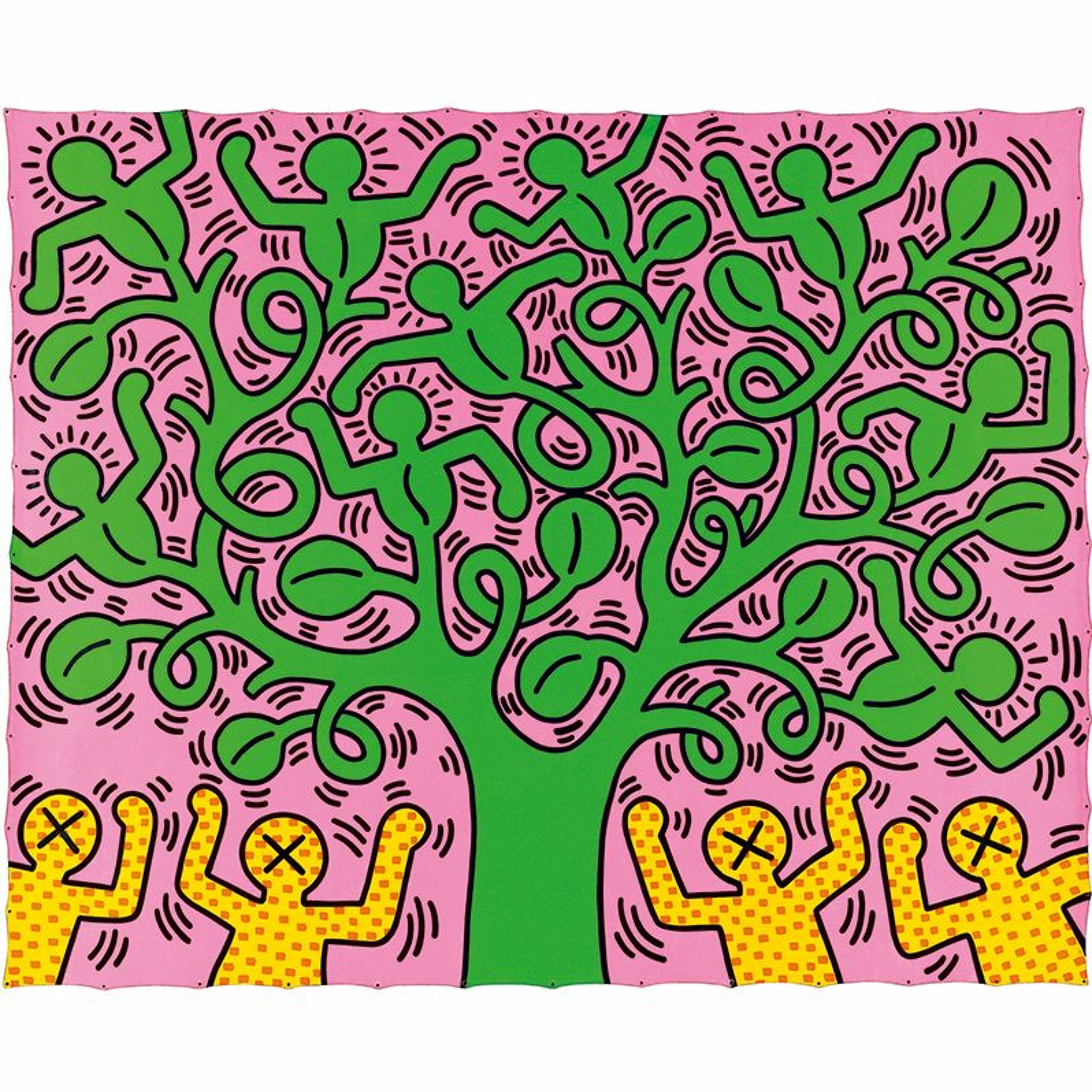 Tree of Life | Tree of Life 1985 acrylic on canvas tarpaulin with metal grommets Private collection All images © Keith Haring Foundation This large painting is hung in landscape orientation and is approximately 10’ high x 12’ wide. It is created in Haring’s instantly recognizable style which repeats brightly coloured and stylised shapes outlined in black . Tree of Life is a painting of a large green tree contrasted against a bright pink background, underneath it, four yellow dancing figures are shown from the waist up. It is mounted directly to the wall with screws through grommets, 13 across and 11 high. The top two thirds of the painting are taken up by the trees leaves which sprout off two main branches that split off at the trunk. The branches corkscrew, as do twiggy offshoots. Each offshoot results in either an oval leaf shape with one line down the centre indicating the fold of the leaf shape or, sprouts a similar shape with an added round head and pumping arms with rounded hands on the ends. In total there are 9 tree leaf figures with arms bent at elbows and raised up and there are 12 leaves. The crown of the tree is painted so that it fills up the canvas giving it a rectangle shape. Outlining the tree leaves and bodies, are stacks of dashes which indicate movement and seem to cause the tree to visually quiver, vibrate and shake in a chorus of celebratory movement. Filling up all the available space around these shapes, Haring adds another familiar element. Straight black lines radiate outward around the heads of the tree leaf figures, using a visual shorthand for what could be interpreted as awareness, enlightenment, anger, confusion or something else. The following exhibition wall quote speaks to this: “I am interested in making art to be experienced and explored by as many individuals as possible, with as many different individual ideas about the given piece with no final meaning attached.” Keith Haring. Spread out in the lower third of the work are the head, torso and arms of four larger figures, two on each side of the tree trunk. Their arms are raised up with elbows bent, motion lines in effect. Their yellow bodies are filled in with a pattern of brighter orange squares. In the centre of their round heads in face position is a single black “x” shape. Some of Haring’s favorite party music can be heard emanating from a nearby room which celebrates his use of Day Glo paints. Day-Glo colors are shades of orange, pink, green, and yellow which are so bright that they seem to glow. The walls outside this room and in close proximity to Tree of Life are vertically striped in orange paint and pink Dayglo paint. They back a pair of architectural columns that Haring created and painted in a similar style. Also close by is a large triangular canvas entitled, “A Pile of Crowns for Jean-Michel Basquiat”, in which Haring pays homage to his contemporary, artist Jean Michel Basquiat. Haring has painted Basquiat’s signature symbol, a three pointed crown, in a triangular mound of crowns. It has black lines emanating outward around the pile. He includes a small letter c copyright symbol in the lower right corner of this work. | — | ||||||
| 10/10/23 | 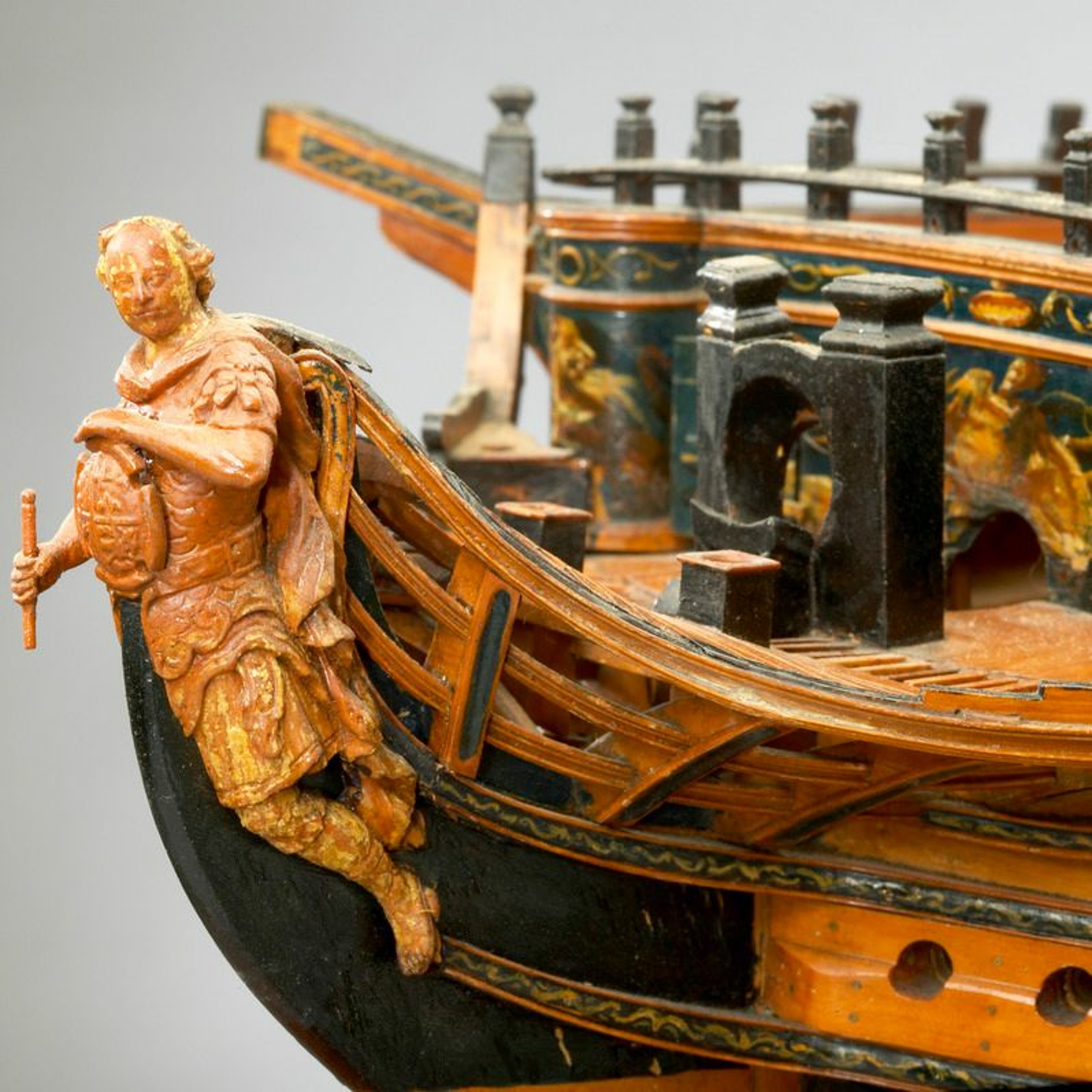 Why the Bristol became a prison hulk. | The AGO is home to the Thomson Collection of Ship Models: over 130 examples of miniaturized ships spanning hundreds of years of maritime history. One of the most important models in the collection is George Stockwell’s (1729-1805) 1774 model of the Bristol. Designed in 1768 and completed in 1775, the Bristol was a 50-gun fourth-rate ship of the line built for the Royal Navy amidst England’s war to suppress the independence movement in its American colonies. Image credit: British fourth-rate two-decker 50-gun warship: Bristol (detail) 1774 George Stockwell, (British, 1729-1805) Georgian Model, scale1:48 The Thomson Collection Art Gallery of Ontario, Toronto | — | ||||||
| 10/10/23 | A Prisoner of War (POW) orientates a new prisoner and excerpts from a POW’s memoir. | The AGO is home to the Thomson Collection of Ship Models: over 130 examples of miniaturized ships spanning hundreds of years of maritime history. One of the most important models in the collection is George Stockwell’s (1729-1805) 1774 model of the Bristol. Designed in 1768 and completed in 1775, the Bristol was a 50-gun fourth-rate ship of the line built for the Royal Navy amidst England’s war to suppress the independence movement in its American colonies. Image credit: British fourth-rate two-decker 50-gun warship: Bristol (detail) 1774 George Stockwell, (British, 1729-1805) Georgian Model, scale1:48 The Thomson Collection Art Gallery of Ontario, Toronto | — | ||||||
| 10/10/23 | Conditions on board the hulk and a POW warns of the dangers of gambling. | The AGO is home to the Thomson Collection of Ship Models: over 130 examples of miniaturized ships spanning hundreds of years of maritime history. One of the most important models in the collection is George Stockwell’s (1729-1805) 1774 model of the Bristol. Designed in 1768 and completed in 1775, the Bristol was a 50-gun fourth-rate ship of the line built for the Royal Navy amidst England’s war to suppress the independence movement in its American colonies. Image credit: British fourth-rate two-decker 50-gun warship: Bristol (detail) 1774 George Stockwell, (British, 1729-1805) Georgian Model, scale1:48 The Thomson Collection Art Gallery of Ontario, Toronto | — | ||||||
| 10/10/23 | Records show who is on board the hulk. | The AGO is home to the Thomson Collection of Ship Models: over 130 examples of miniaturized ships spanning hundreds of years of maritime history. One of the most important models in the collection is George Stockwell’s (1729-1805) 1774 model of the Bristol. Designed in 1768 and completed in 1775, the Bristol was a 50-gun fourth-rate ship of the line built for the Royal Navy amidst England’s war to suppress the independence movement in its American colonies. Image credit: British fourth-rate two-decker 50-gun warship: Bristol (detail) 1774 George Stockwell, (British, 1729-1805) Georgian Model, scale1:48 The Thomson Collection Art Gallery of Ontario, Toronto | — | ||||||
| 10/10/23 | POW Lieutenant Hanyard from the French Navy writes to the Duke of Portland asking to be freed. | The AGO is home to the Thomson Collection of Ship Models: over 130 examples of miniaturized ships spanning hundreds of years of maritime history. One of the most important models in the collection is George Stockwell’s (1729-1805) 1774 model of the Bristol. Designed in 1768 and completed in 1775, the Bristol was a 50-gun fourth-rate ship of the line built for the Royal Navy amidst England’s war to suppress the independence movement in its American colonies. Image credit: British fourth-rate two-decker 50-gun warship: Bristol (detail) 1774 George Stockwell, (British, 1729-1805) Georgian Model, scale1:48 The Thomson Collection Art Gallery of Ontario, Toronto | — | ||||||
| 10/10/23 | POWs make objects for sale such as ship models. | The AGO is home to the Thomson Collection of Ship Models: over 130 examples of miniaturized ships spanning hundreds of years of maritime history. One of the most important models in the collection is George Stockwell’s (1729-1805) 1774 model of the Bristol. Designed in 1768 and completed in 1775, the Bristol was a 50-gun fourth-rate ship of the line built for the Royal Navy amidst England’s war to suppress the independence movement in its American colonies. Image credit: British fourth-rate two-decker 50-gun warship: Bristol (detail) 1774 George Stockwell, (British, 1729-1805) Georgian Model, scale1:48 The Thomson Collection Art Gallery of Ontario, Toronto | — | ||||||
| 10/10/23 | A description of the food provisions. | The AGO is home to the Thomson Collection of Ship Models: over 130 examples of miniaturized ships spanning hundreds of years of maritime history. One of the most important models in the collection is George Stockwell’s (1729-1805) 1774 model of the Bristol. Designed in 1768 and completed in 1775, the Bristol was a 50-gun fourth-rate ship of the line built for the Royal Navy amidst England’s war to suppress the independence movement in its American colonies. Image credit: British fourth-rate two-decker 50-gun warship: Bristol (detail) 1774 George Stockwell, (British, 1729-1805) Georgian Model, scale1:48 The Thomson Collection Art Gallery of Ontario, Toronto | — | ||||||
| 10/10/23 | French artist Ambroise Louis Garneray was imprisoned and negotiated a space to continue painting. | The AGO is home to the Thomson Collection of Ship Models: over 130 examples of miniaturized ships spanning hundreds of years of maritime history. One of the most important models in the collection is George Stockwell’s (1729-1805) 1774 model of the Bristol. Designed in 1768 and completed in 1775, the Bristol was a 50-gun fourth-rate ship of the line built for the Royal Navy amidst England’s war to suppress the independence movement in its American colonies. Image credit: British fourth-rate two-decker 50-gun warship: Bristol (detail) 1774 George Stockwell, (British, 1729-1805) Georgian Model, scale1:48 The Thomson Collection Art Gallery of Ontario, Toronto | — | ||||||
| 10/10/23 | Discussion about the numbers of POWs housed on hulks near English ports between 1783 and 1815. | The AGO is home to the Thomson Collection of Ship Models: over 130 examples of miniaturized ships spanning hundreds of years of maritime history. One of the most important models in the collection is George Stockwell’s (1729-1805) 1774 model of the Bristol. Designed in 1768 and completed in 1775, the Bristol was a 50-gun fourth-rate ship of the line built for the Royal Navy amidst England’s war to suppress the independence movement in its American colonies. Image credit: British fourth-rate two-decker 50-gun warship: Bristol (detail) 1774 George Stockwell, (British, 1729-1805) Georgian Model, scale1:48 The Thomson Collection Art Gallery of Ontario, Toronto | — | ||||||
| 10/3/23 | 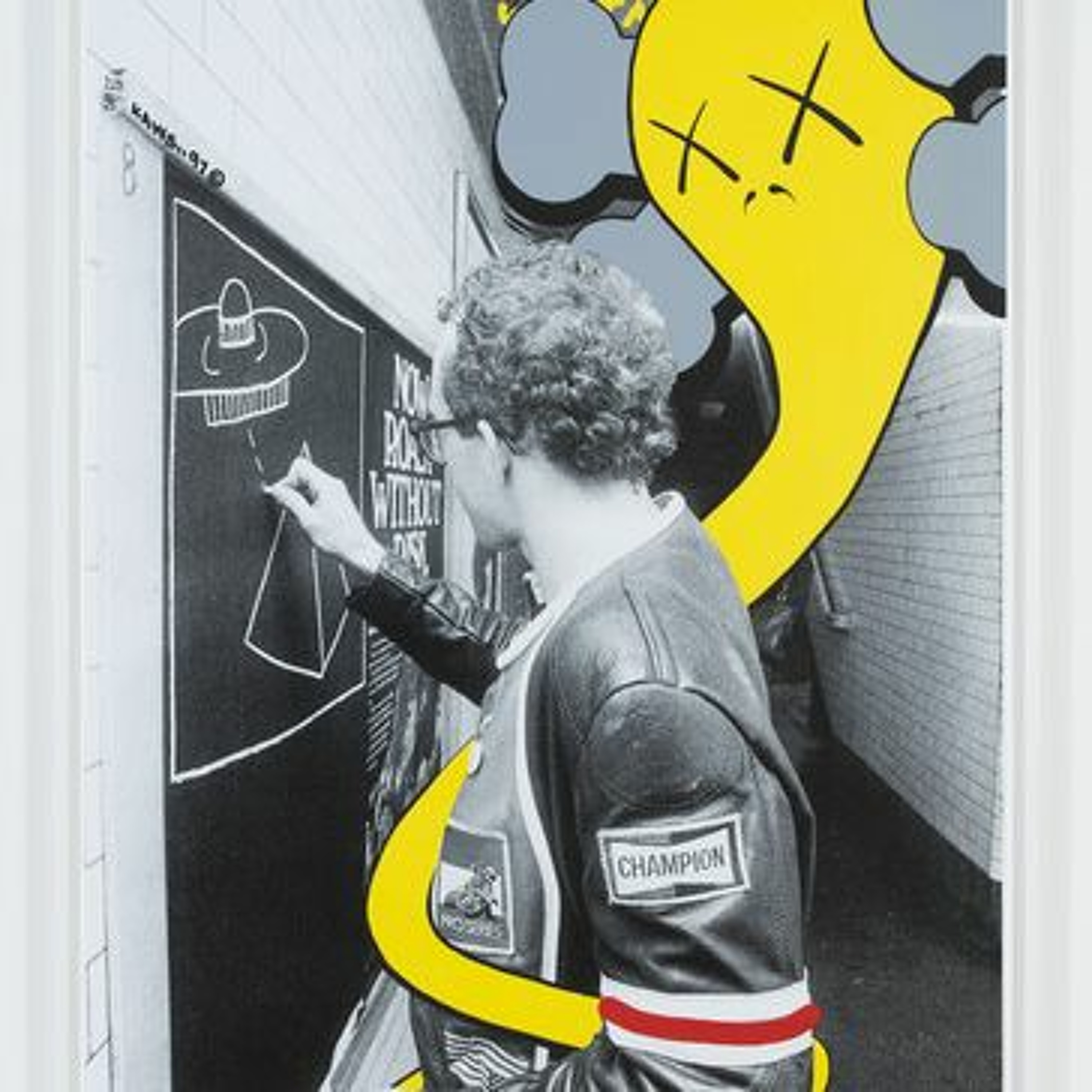 UNTITLED (HARING) | UNTITLED (HARING) 1997 acrylic on existing advertising poster This large portrait orientation work is a painting done on a black and white poster. The original poster features a photograph of artist Keith Haring. In this framed work the height of an average person and 4 feet wide Haring is captured larger than life from the waist up. He is in profile facing left, drawing on a blank area on the left of a subway ad displayed inside a subway station. Haring is a white man with short curly mid-tone hair. He wears glasses and a leather jacket with the word champion on a patch on his left sleeve. He is drawing with chalk onto a dark background with his right hand. The drawing resembles both a cowboy hat and a UFO, and he is connecting it to a pyramid with a series of vertical dashes. On the right the ad appears to say, “now roast without risk” above a photo of a dark roast turkey. KAWS has painted onto this poster in an uncomplicated cartoonish style. Here he has added a character named “Bendy”. Bendy looms over Haring’s shoulder as he works. Bendy is a yellow creature with a big head with x’s for eyes, commas for nostrils and grey crossbones shaped protrusions. Bendy’s head narrows to a serpentine body which wraps under Haring’s right arm and around his body once and through his open left hand held at waist height as if Haring is grasping onto its tail directly in front of him. KAWS has signed the work with the year “97” and a copyright symbol and written what looks to be Keith Haring’s name but only the Keith is visible. This work is hung in between two other pieces which are existing advertising posters that KAWS painted over. | — | ||||||
| 10/3/23 | 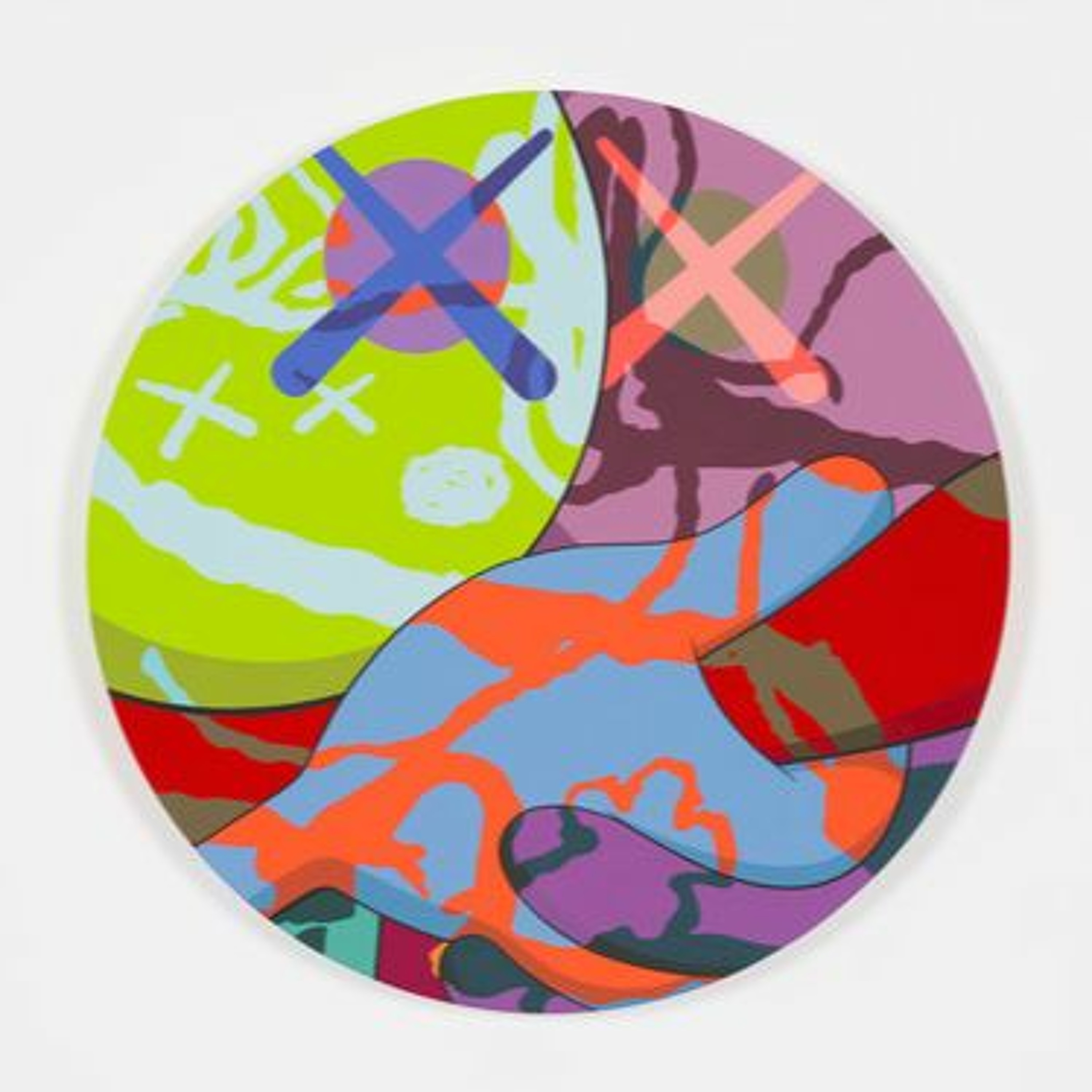 THE NEWS series | THE NEWS series 2017 acrylic on canvas Nine equally sized circle shaped paintings each with a two foot or 50 cm diameter displayed in a grid of three rows of three comprise this work. They use a bright neon palette of pinks, blues, greens and yellows; these are also a typical colour palette in KAWS’s depictions of graphic or cartoon-inspired works. Kaws uses opposing colours to create contrasts. These round canvases show layers of motifs used by KAWS. Each canvas is like a closeup of another work, in a way drawing focus to a particular aspect of something larger. They are dynamic and playful. Most of them have black outlined eyeballs that have x’d out pupils which take up half or more of the canvas. A third have eyelids and a couple have eyelashes. There is a tongue and digits of a hand and most have a line or wave of colour at the centre. They do not form an image when viewed all together, rather they present a detail that serves as the focal point for each canvas. On each canvas KAWS plays with optical illusions, the 3D effect of which can become apparent for many people if looking at the works with a fixed gaze. This is accomplished through the subtle addition of shadows which are painted on. These shadows create a sense of depth and aspects of the painting appear to pop out from the canvas. | — | ||||||
Showing 23 of 441
Pitch Fit is a Pro feature
See how bookable this show is for guests, which brands already advertise, the per-episode ad value, and the best-fit guest and sponsor profile. The numbers are blurred on the free plan.
How readily this show books outside guests like you.
How proven this show is for host-read sponsorships.
For Guests
ProFor Advertisers
ProUpgrade to Pro to unlock guest cadence, sponsor categories, fit scores, and per-episode ad value for this show.